What We Do Not Do
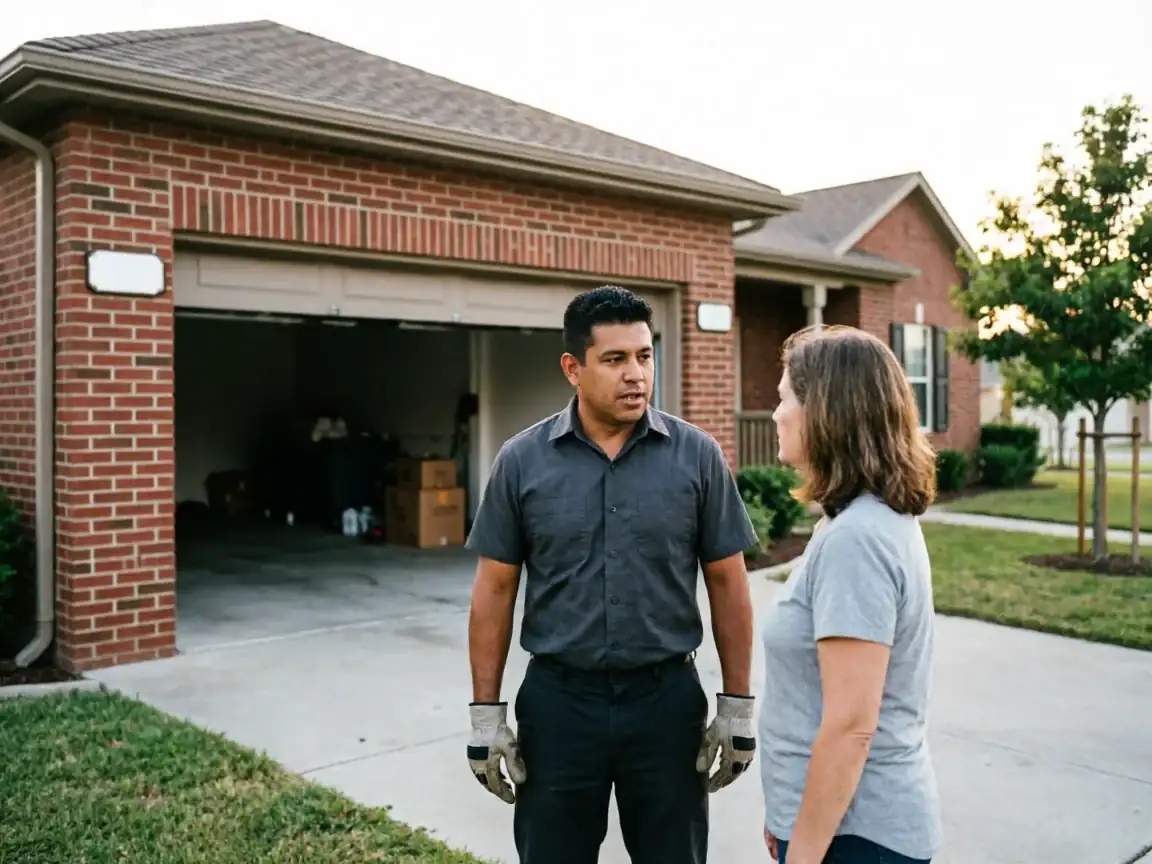
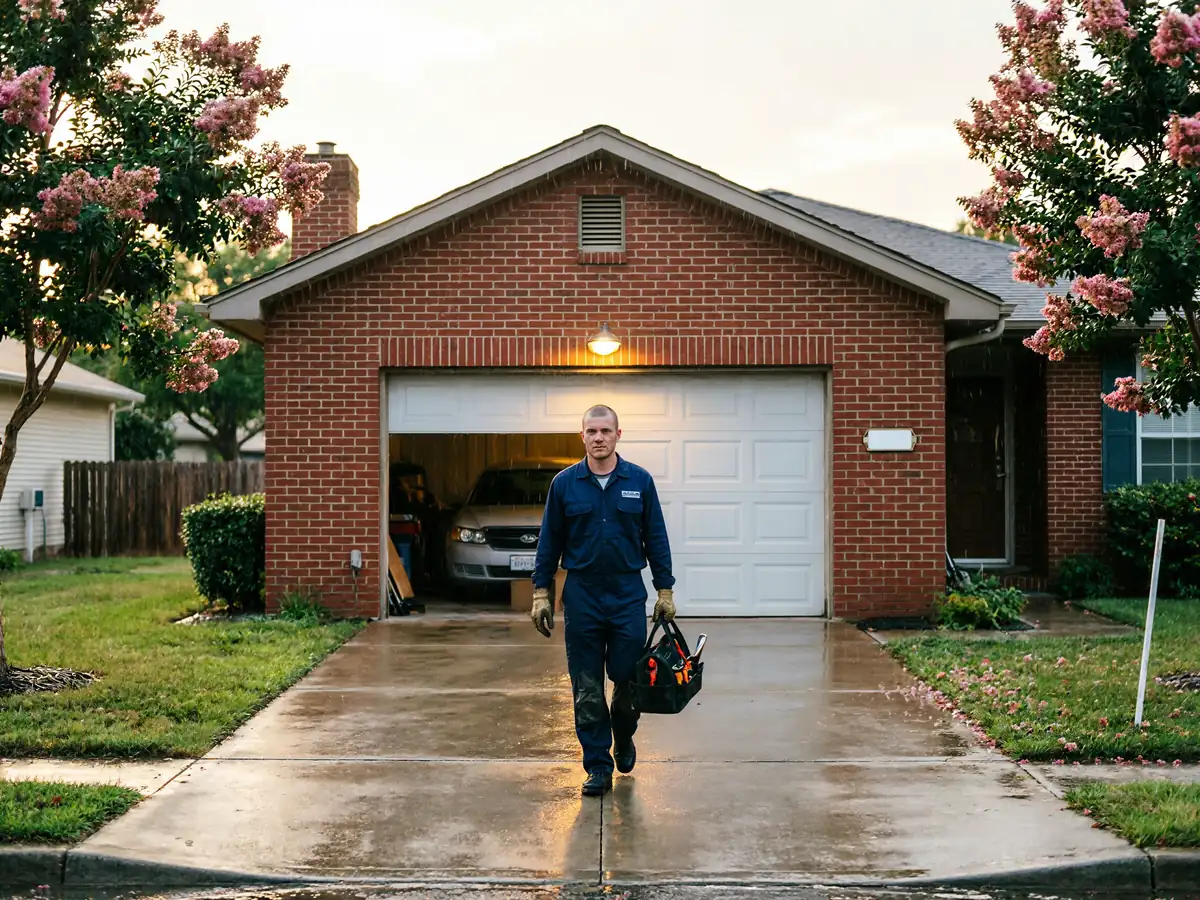
We don't keep a crew stationed in Serenada - we run the 15 miles out from Hutto for every call, so same-day isn't something we promise on the phone before we've seen the door. We also don't carry every obsolete opener logic board on the truck. If your door dates to the early 1980s and the opener is original, there's a real chance the part has to be ordered, and that can mean a wait of a few days rather than a few hours. We'd rather tell you that up front than pretend otherwise.
We don't push full replacement on a door that just needs a spring or a cable. A lot of outfits quote a new door because it's an easier sale. If your 1981-built door has a sound frame and the track is straight, we'll say so, and we'll say when it isn't worth fixing instead.
We don't do cosmetic insulation retrofits on these older single-panel doors either - that's a different trade, and bolting foam board into a 40-year-old frame usually causes more problems than it solves. If that's what you're after, we'll tell you it's outside what we do rather than take the job and do it badly.
What We Do Most in This Area
The calls we get out of Serenada are different from what we see closer into Hutto, and it comes down to age. With a median build year of 1981, most of the roughly 573 households here are sitting on doors and hardware that are 10 to 15 years older than the typical house across the rest of the service area, where the median build year runs closer to 1984 and the bulk of stock is 1980s-90s. That gap matters at the hardware level.
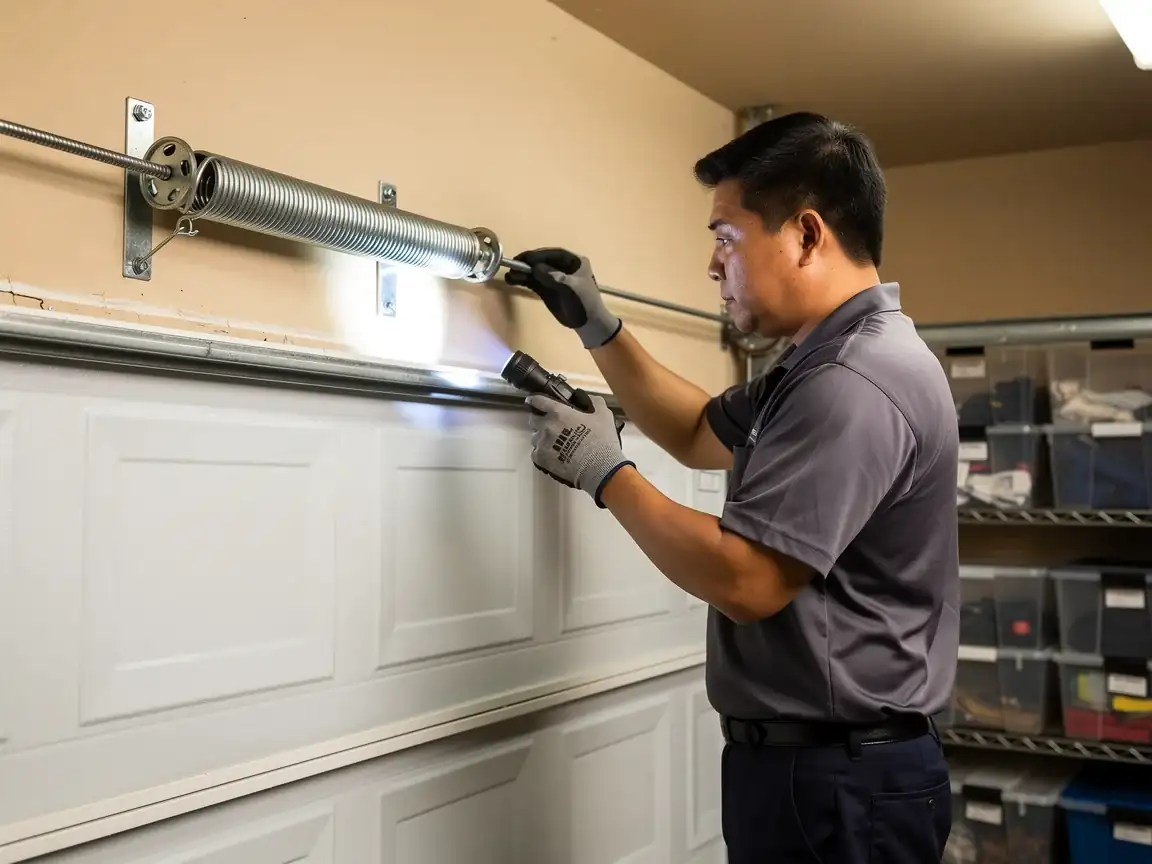
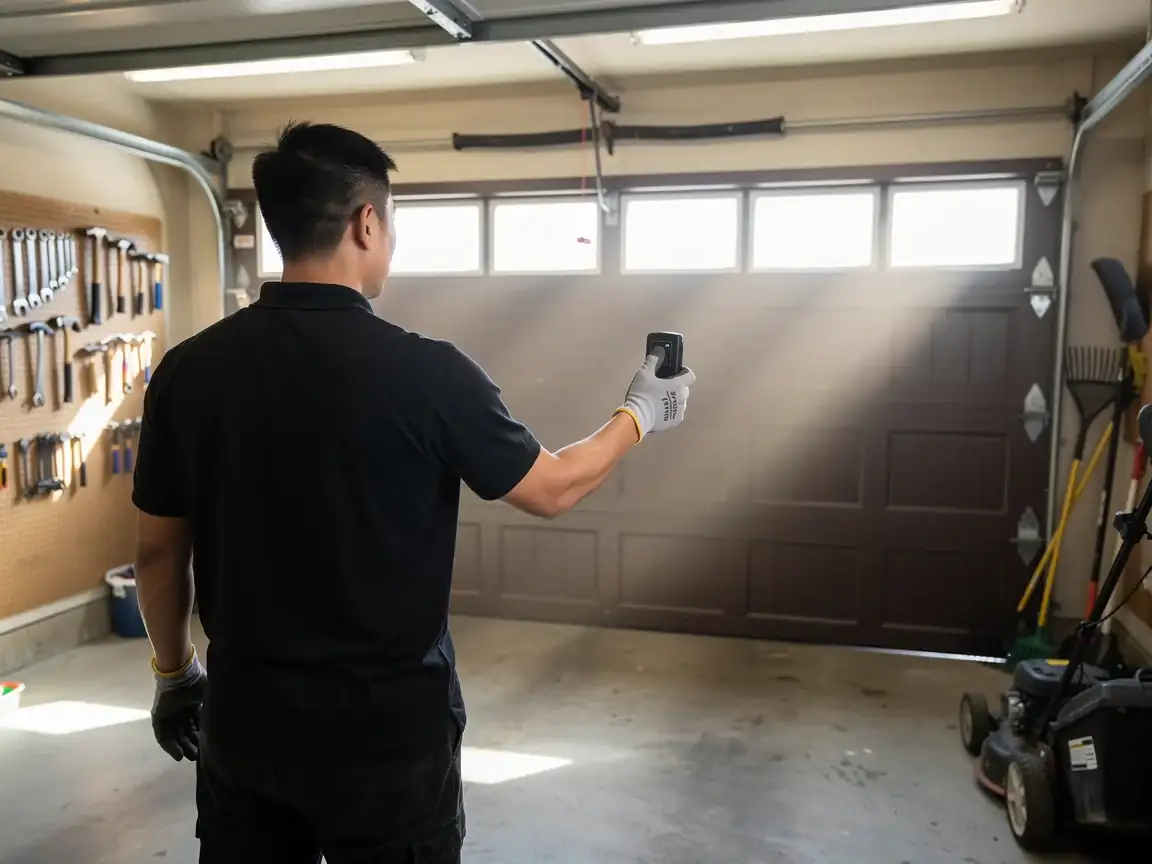
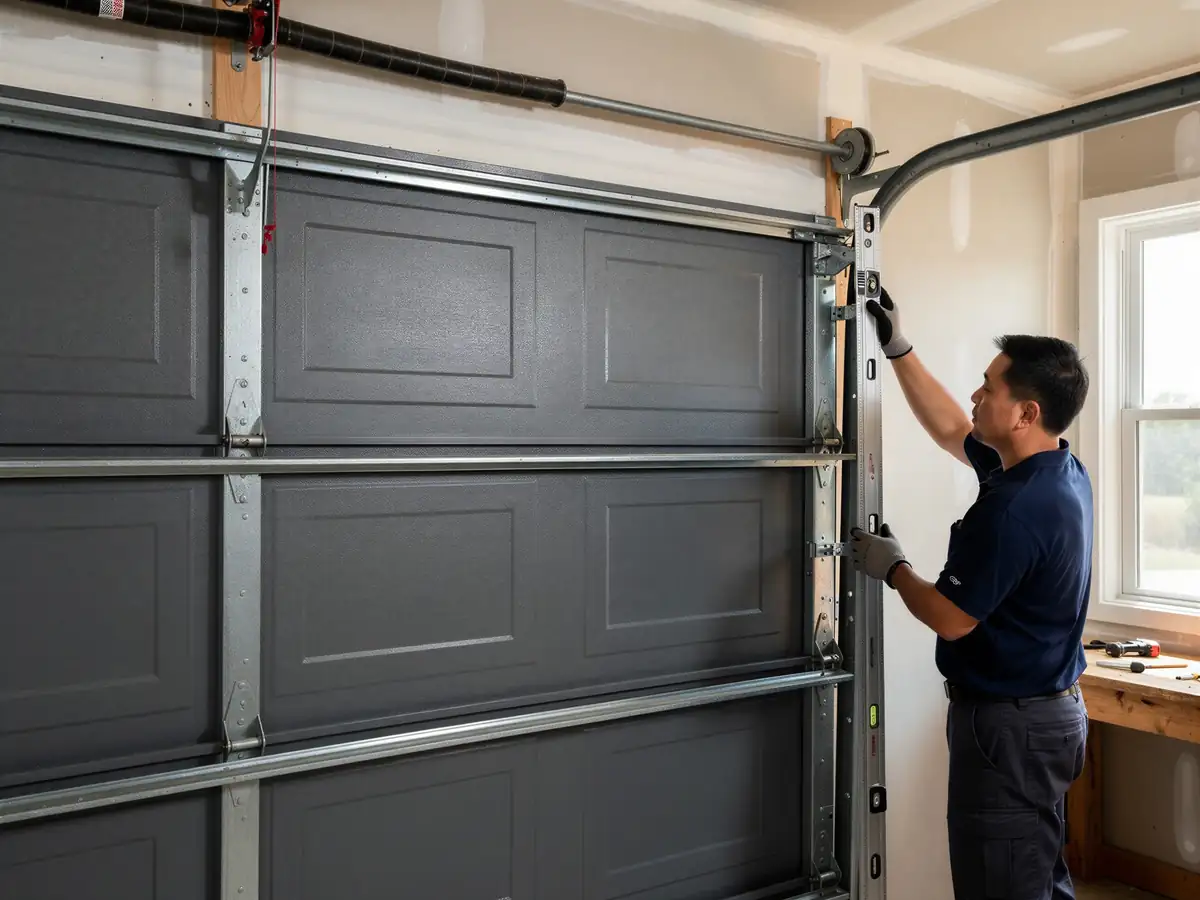
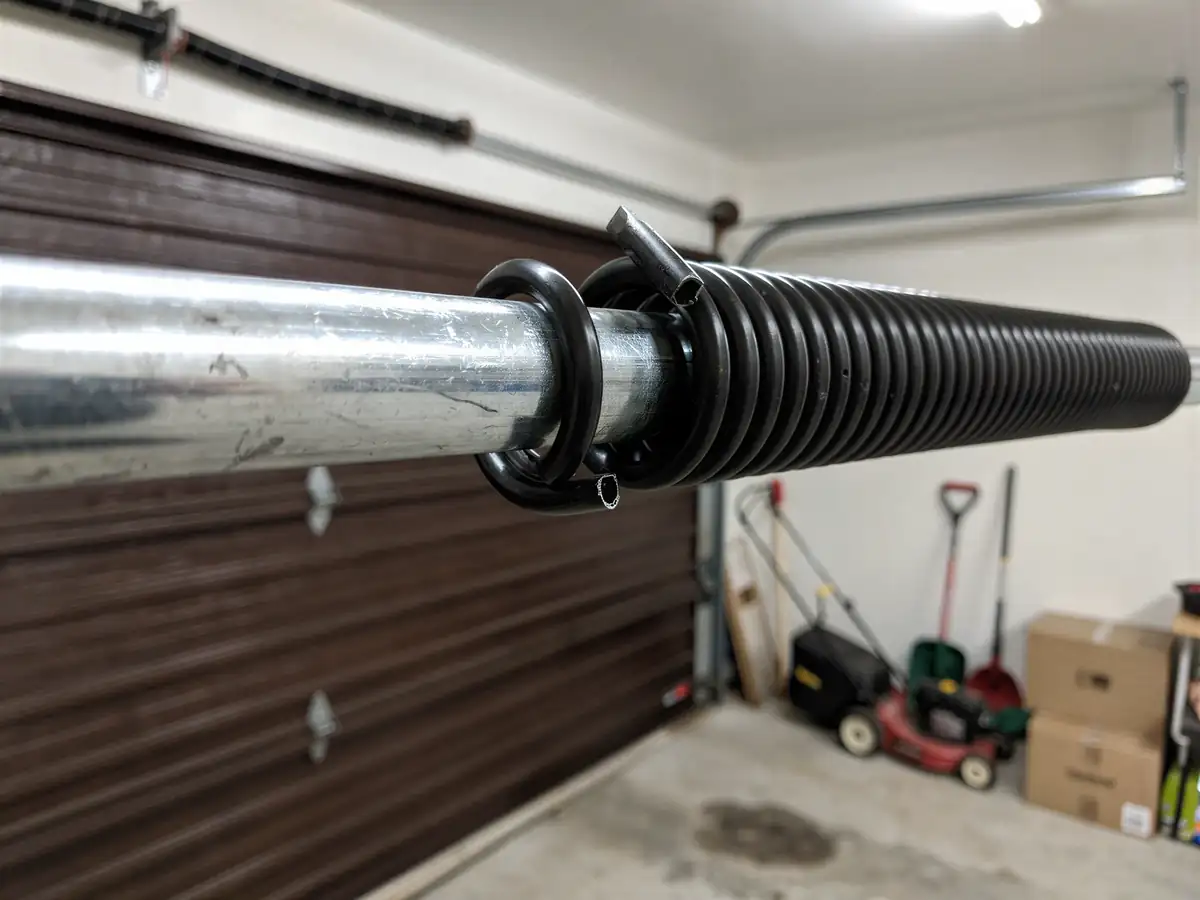
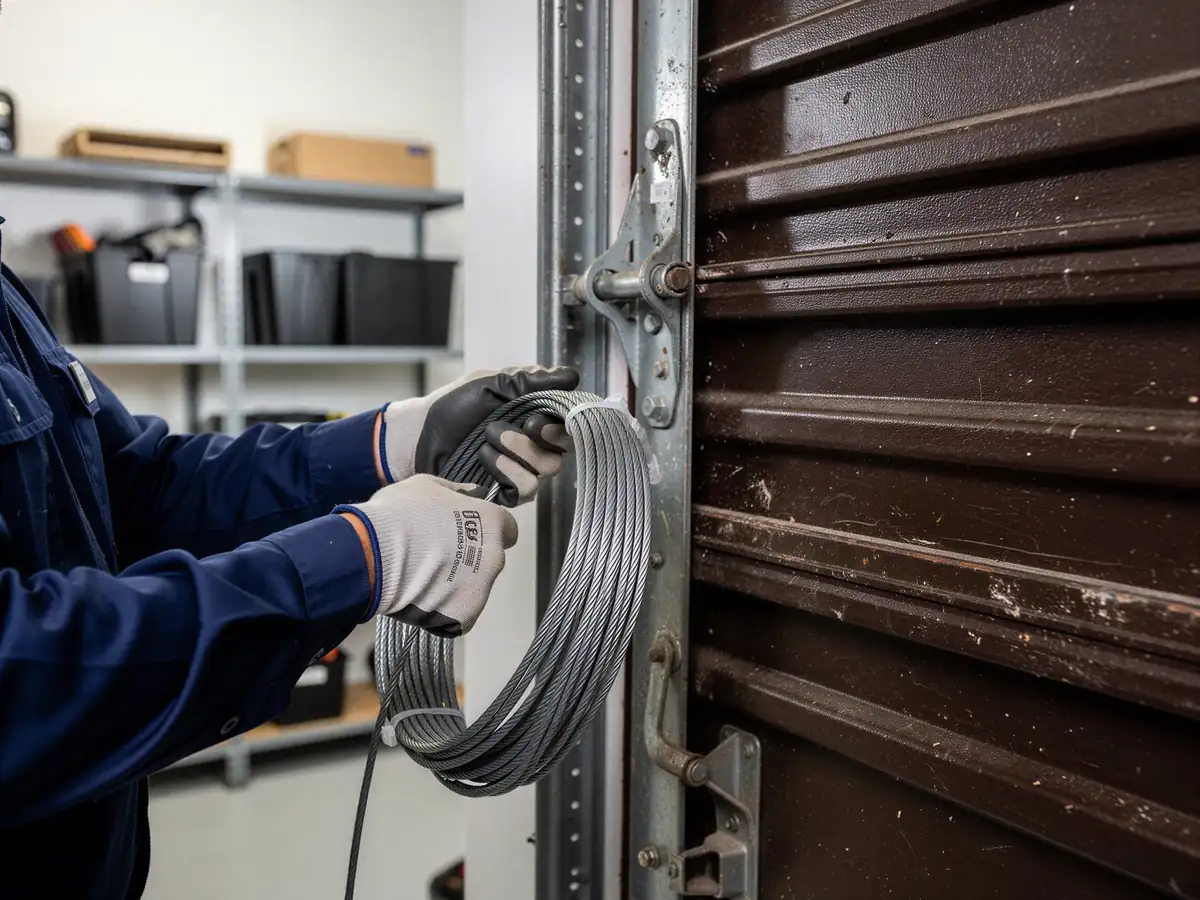
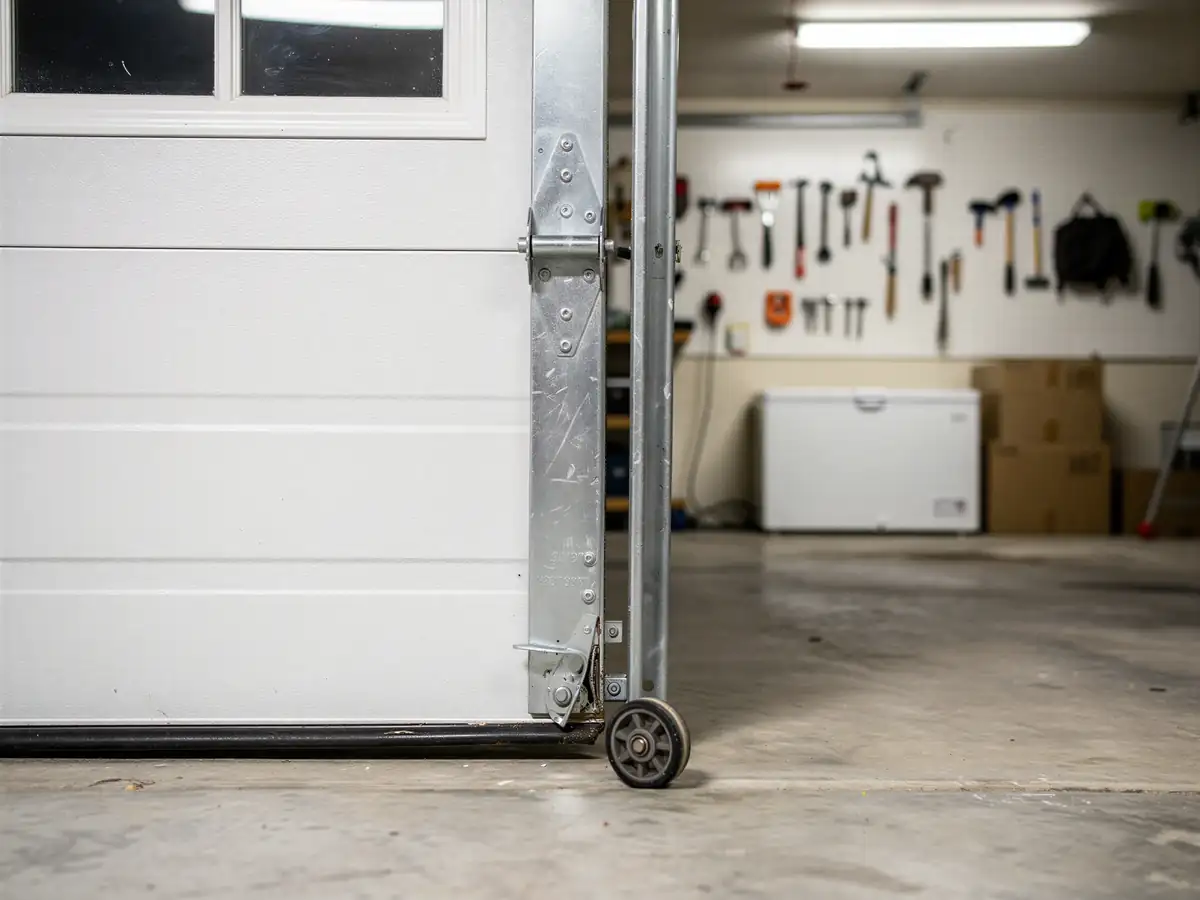
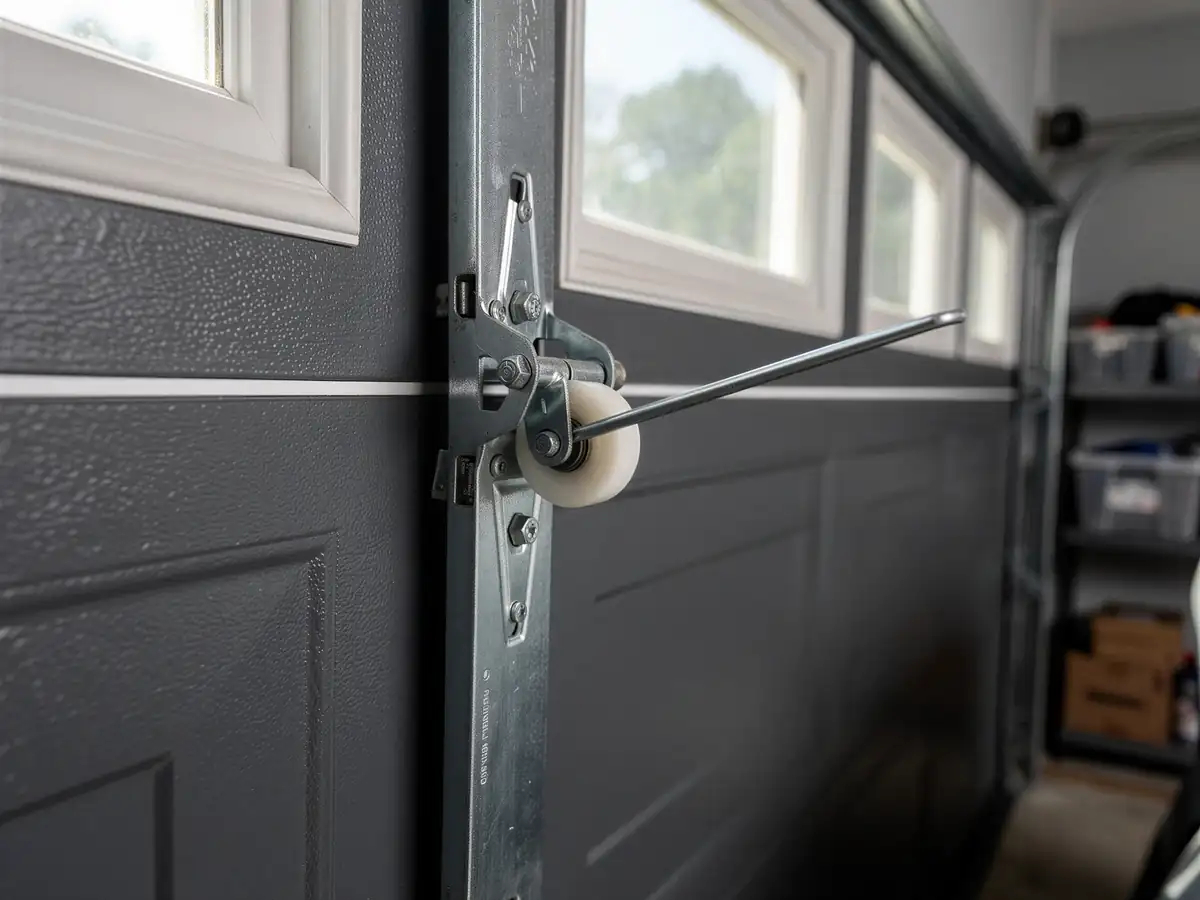
We most often replace torsion springs that have simply outlived their wind count, re-set extension spring safety cables that were never added when the door went in, and swap worn rollers on steel track that's pitted from decades of use. Openers from this era are frequently the first or second unit the house has had, and when the logic board finally goes, a straight swap onto 1980s rail isn't always a drop-in job.
Owners here also tend to want the repair done right rather than the fastest fix, which tracks with a median household income of $97,083 for the area - people here are willing to pay for correct hardware rather than a patch job.
What the Housing Means for Your Door
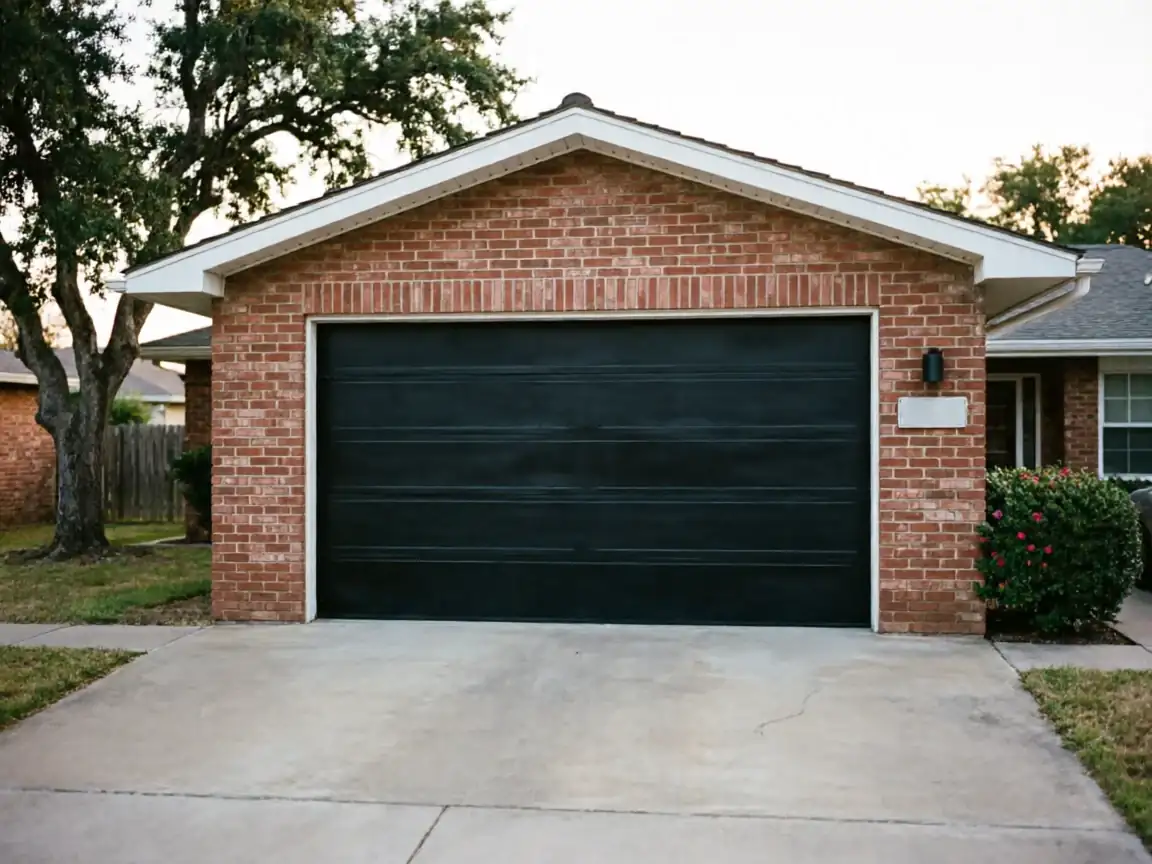
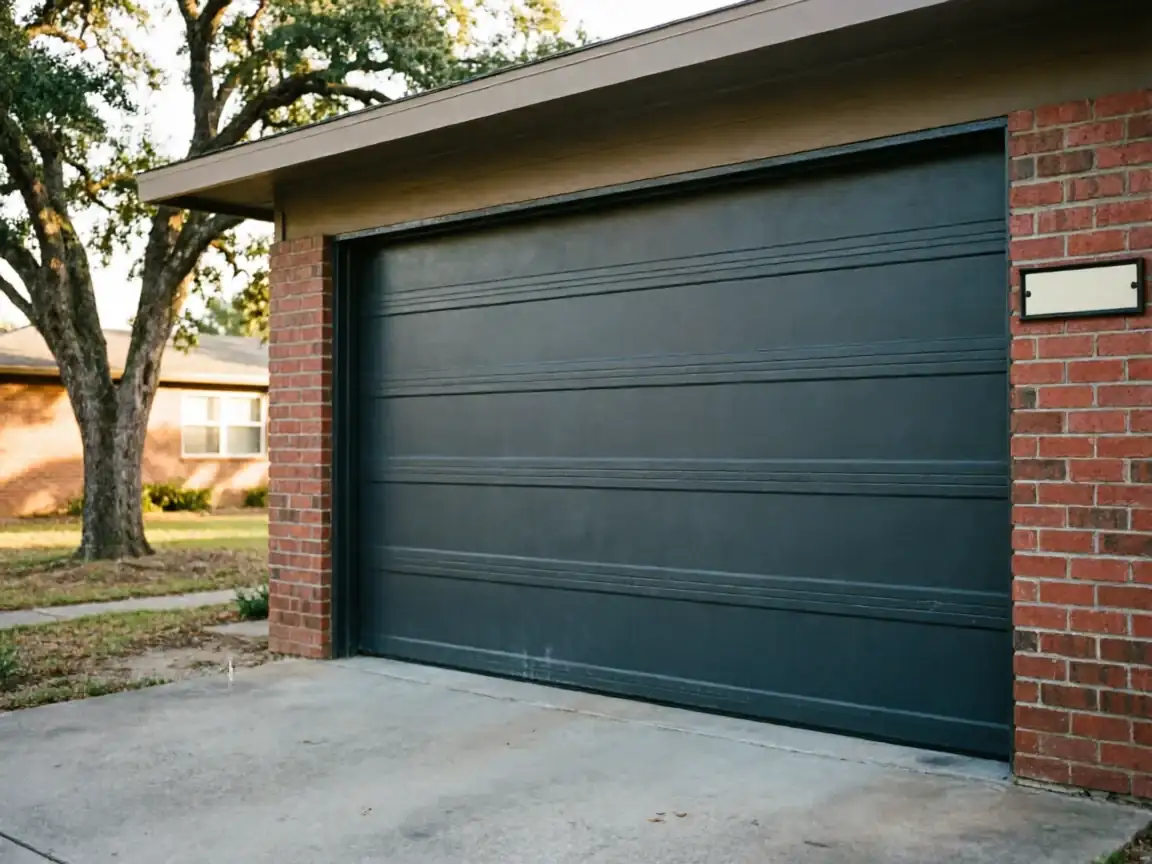
A door built around 1981 was almost never engineered for today's heavier insulated panels or for a modern opener's torque
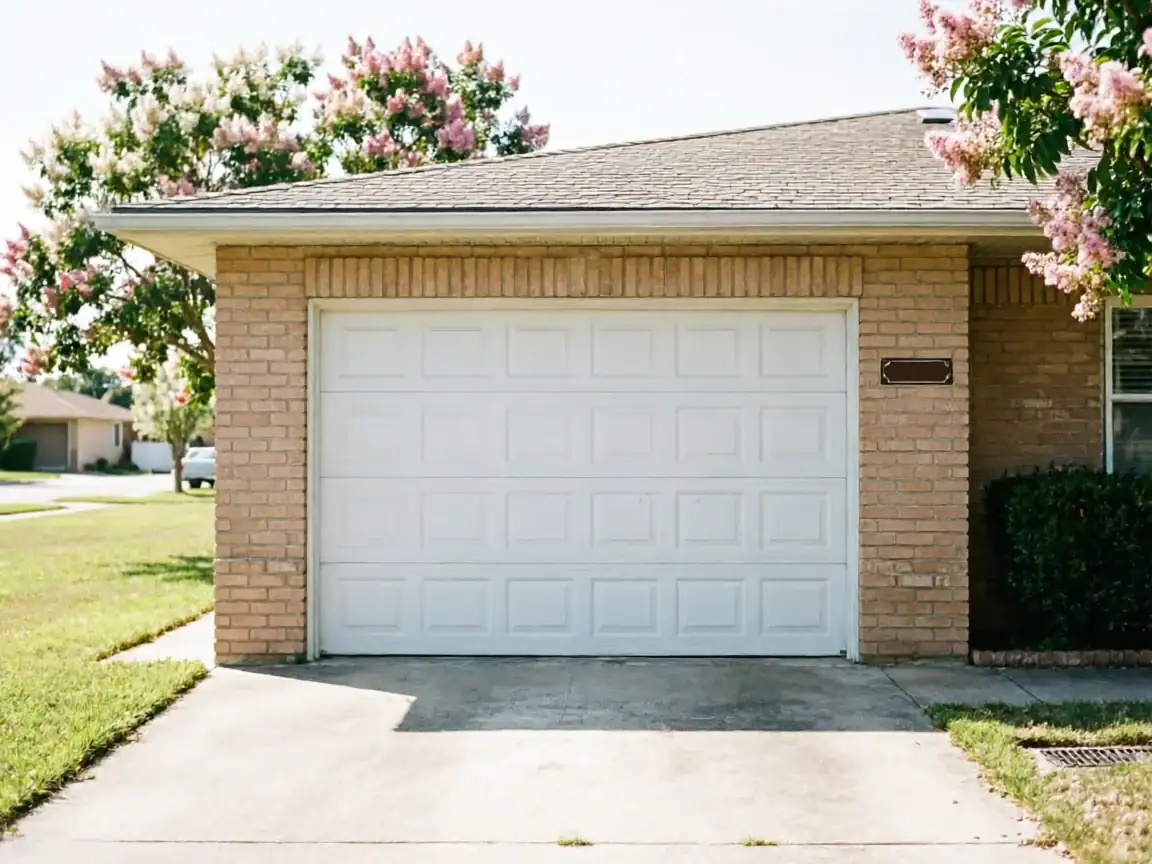
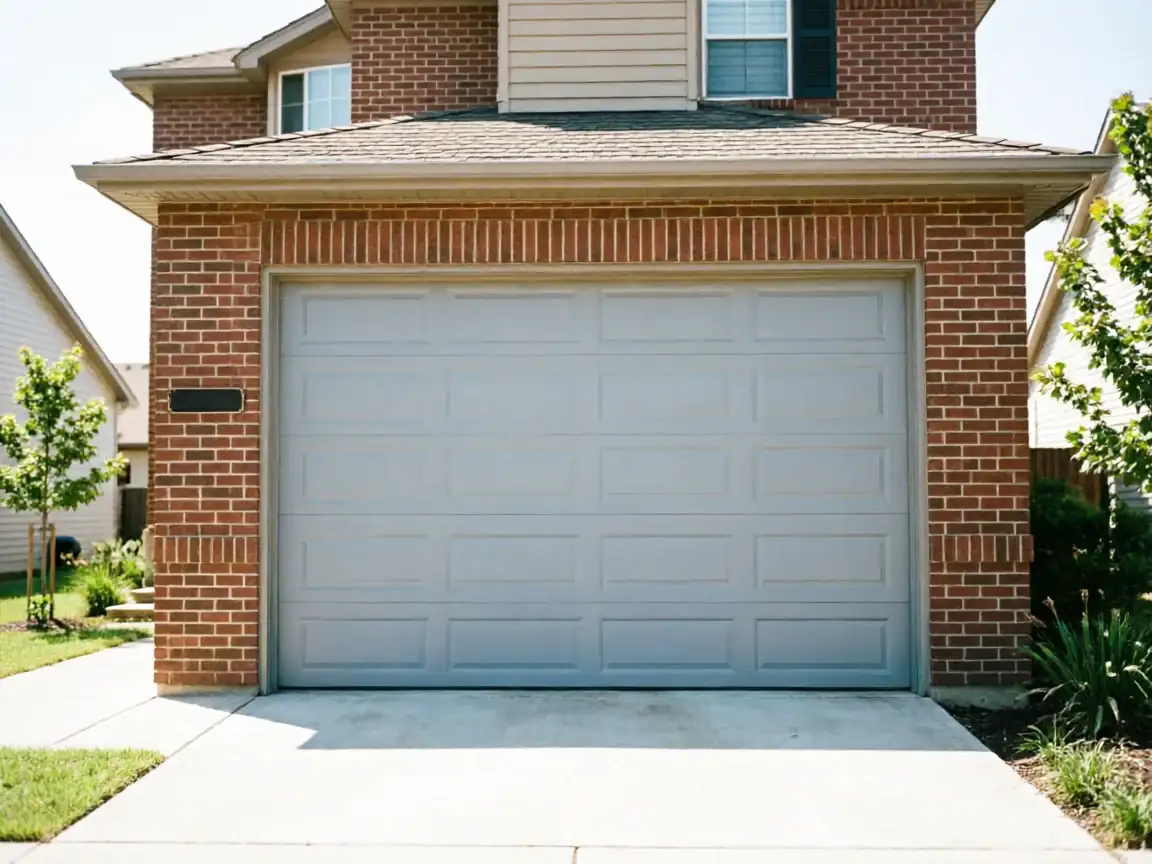
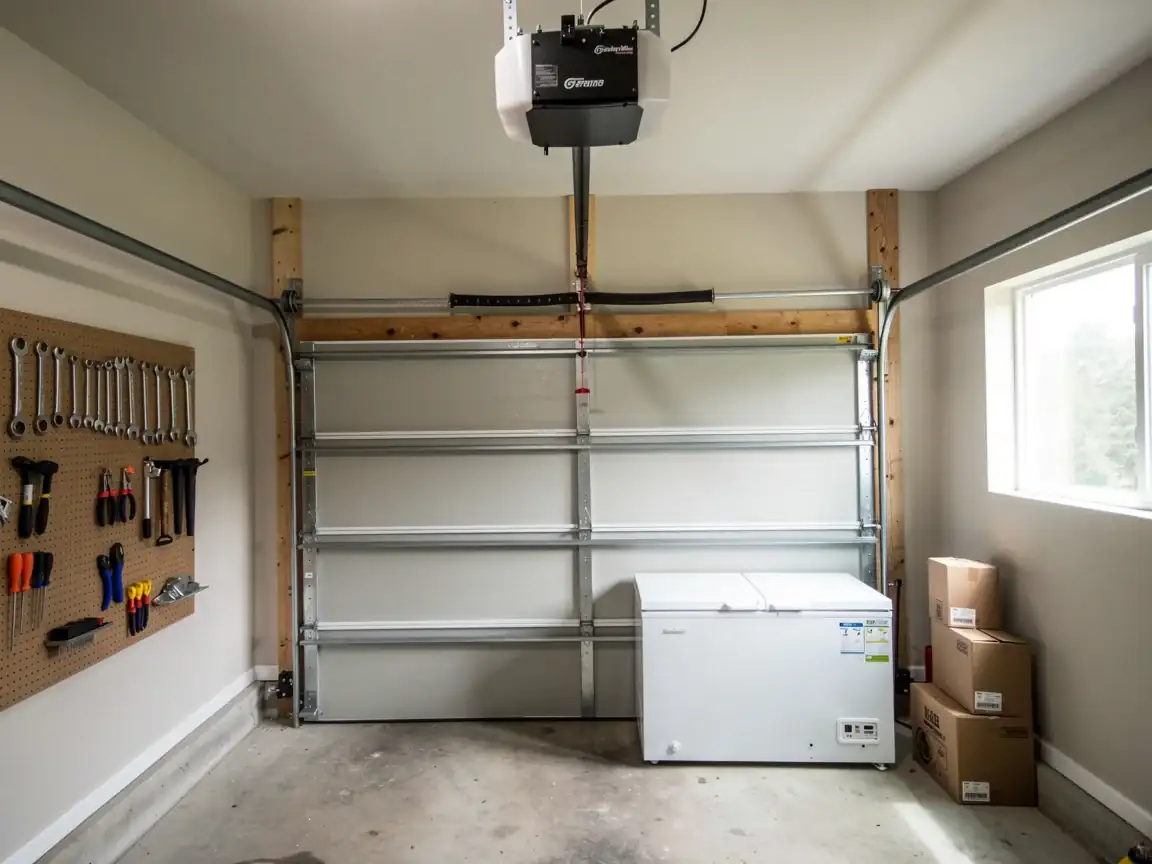
If your original door is still in place, it's most likely a one-piece or early sectional steel door on side-mounted torsion springs, not the center-mounted shaft setup you'll find on anything built after the mid-80s. That distinction decides which spring, which drum, and which cable we bring on the truck - guessing wrong means a second trip.
The region overall sits in a mild climate band with occasional freeze
So we're not dealing with the extreme thermal cycling that cracks panels or seizes hardware the way a harsher climate would. What we do see is straightforward mechanical fatigue: springs that have simply done their 10,000-plus cycles, galvanized cable that's frayed at the drum from age rather than weather, and hinges worn oval from four decades of use.
If your house in Serenada has already been through one door replacement
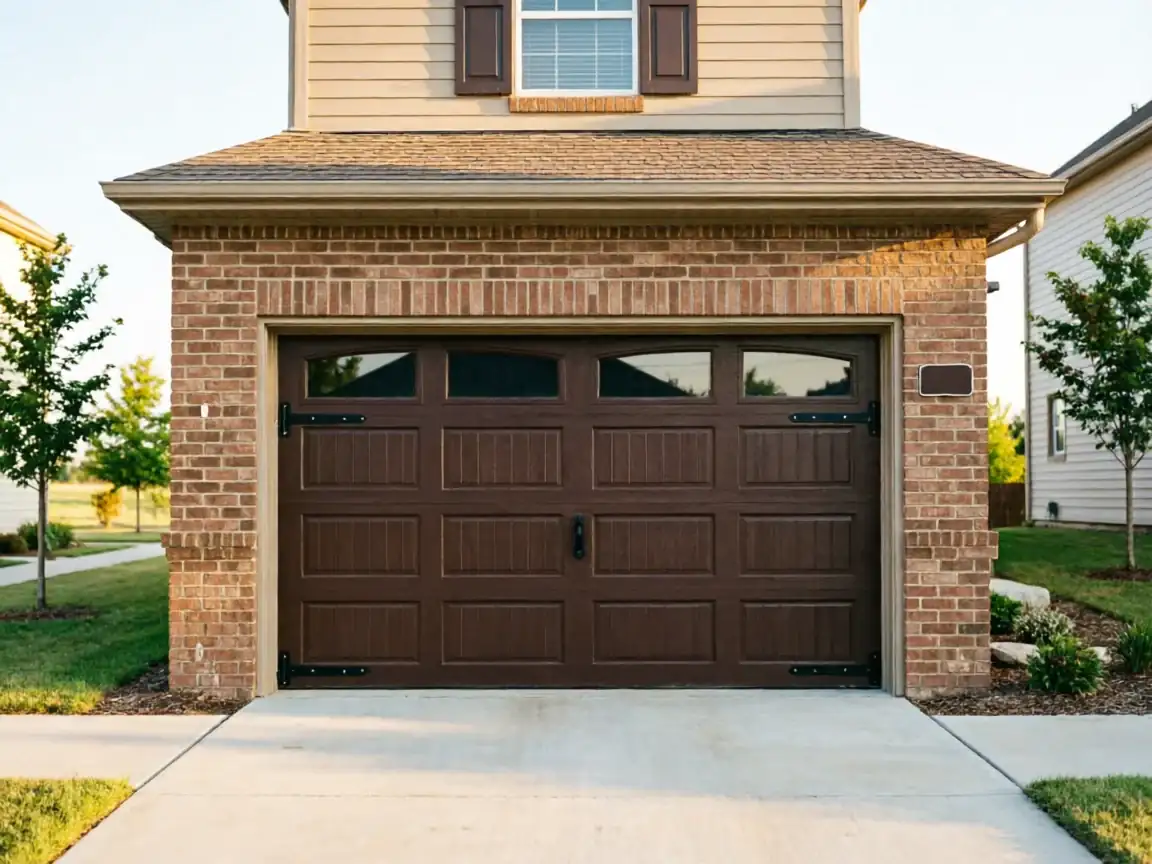
The newer unit is likely on standard modern track and spacing, and that's a much easier match for parts than the original 1981 setup.
This Area's Housing
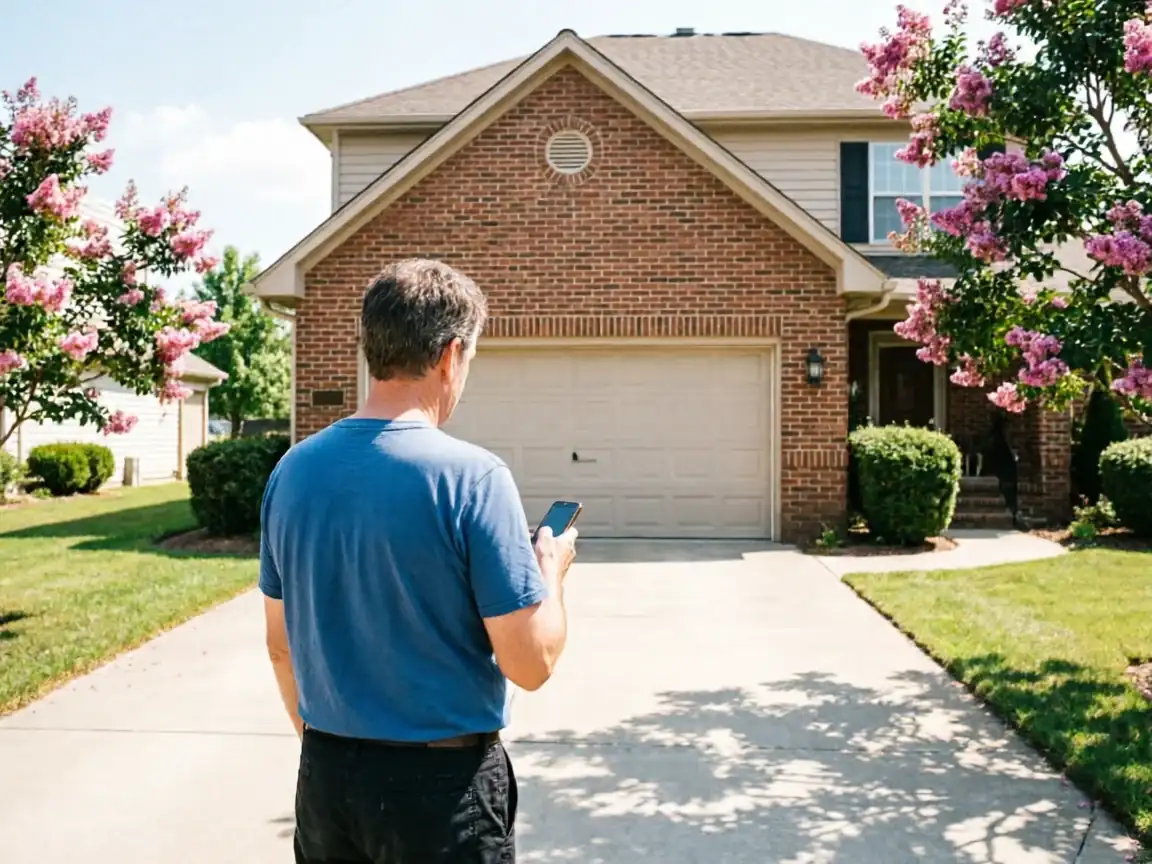
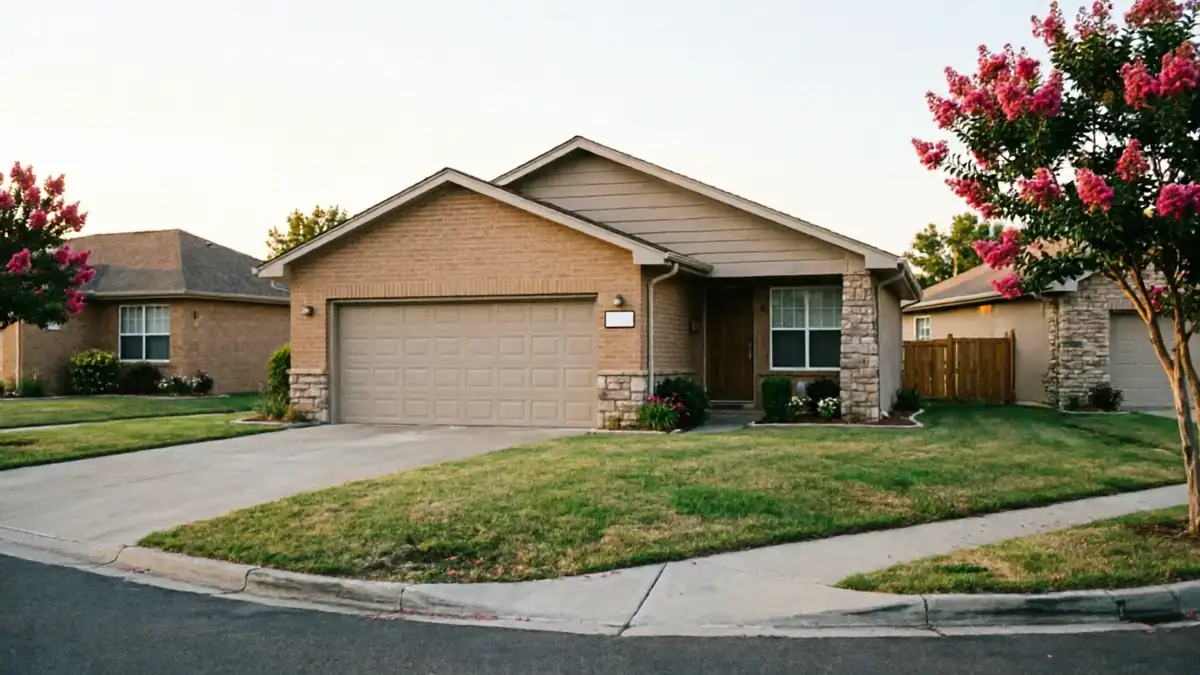
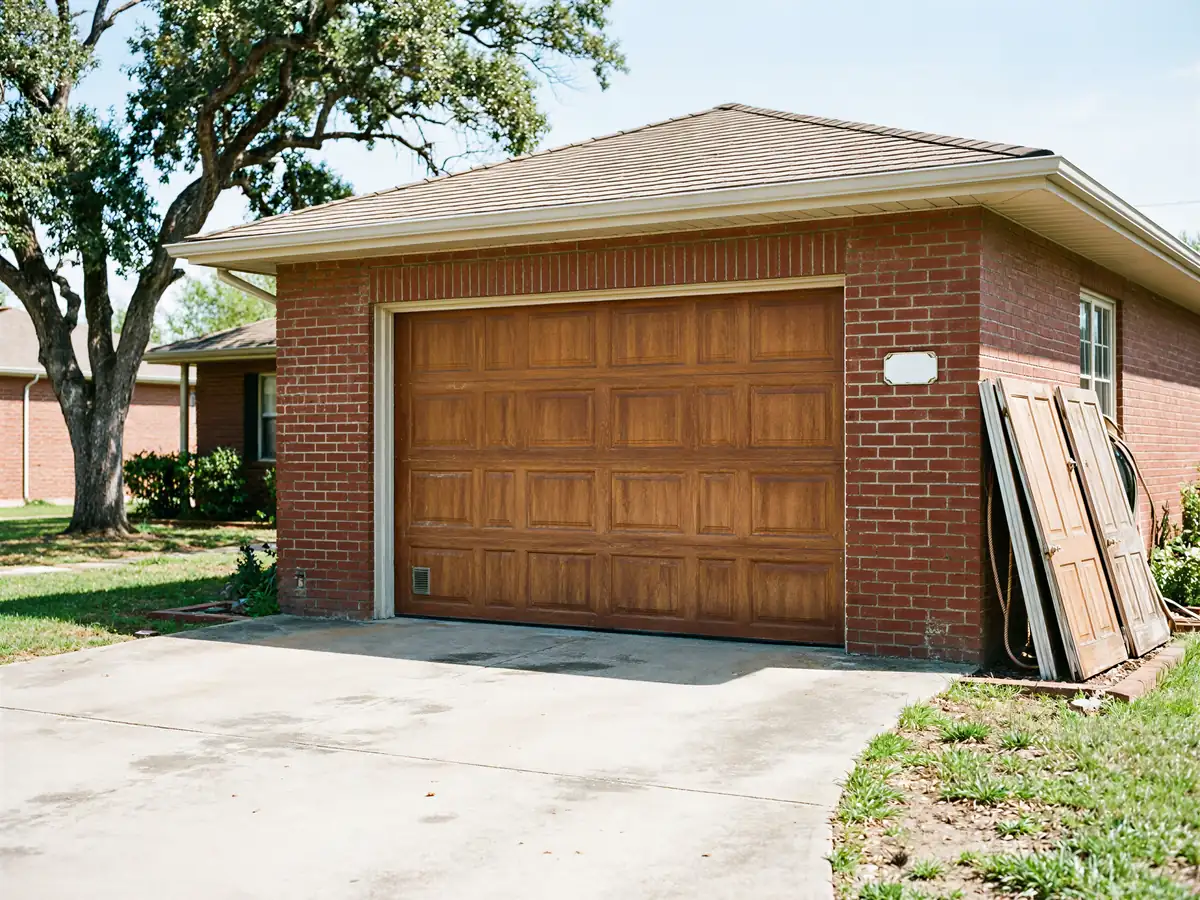
Serenada sits about 15 miles from our shop in Hutto, out past the closer-in areas. With roughly 573 households and a median build year of 1981, this pocket is older than the service-area median of 1984, and noticeably older than the newer 1990s-era subdivisions that make up a lot of the broader coverage area's housing stock.
That older build year is the single biggest thing we plan around before we even leave Hutto. A door and opener from 1981 use different spring mounts, different drum sizes, and often a different rail length than what went into houses built ten or fifteen years later. We bring stock sized for both eras because this area mixes original hardware with later replacements, but if a part turns out to be specific to the original installation, it may need to be ordered rather than pulled off the truck.
Median household income here runs $97,083, higher than the broader area's $86,477, which tends to mean homeowners choose a correct repair on original hardware over a quick patch, and that's the kind of job we'd rather do anyway.