Where This Job Goes Sideways
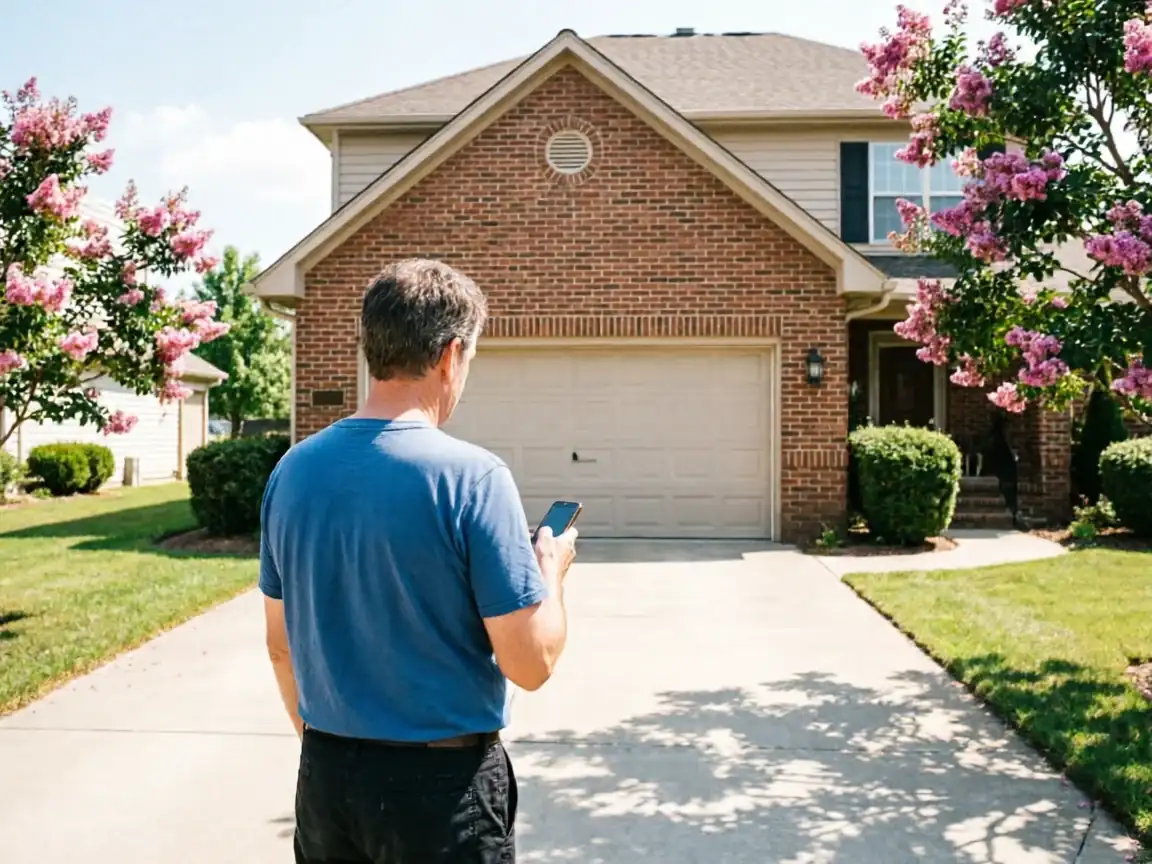
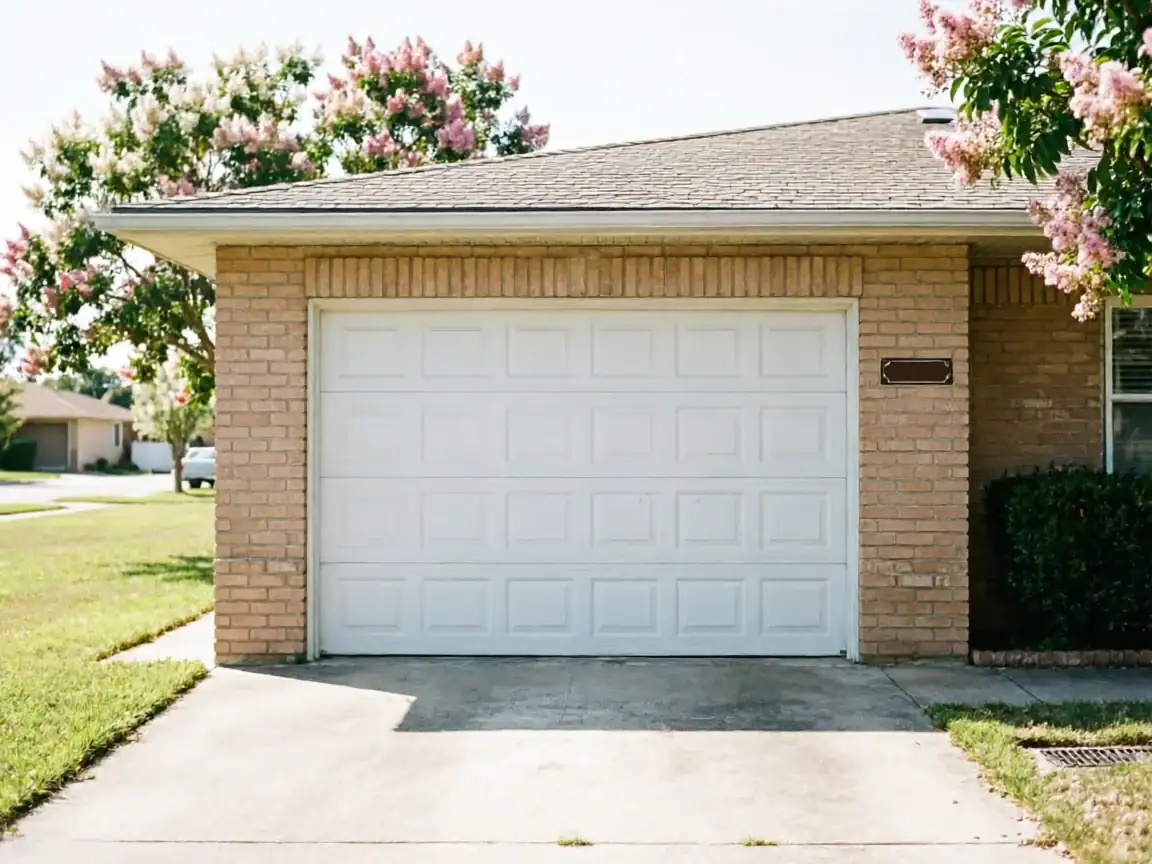
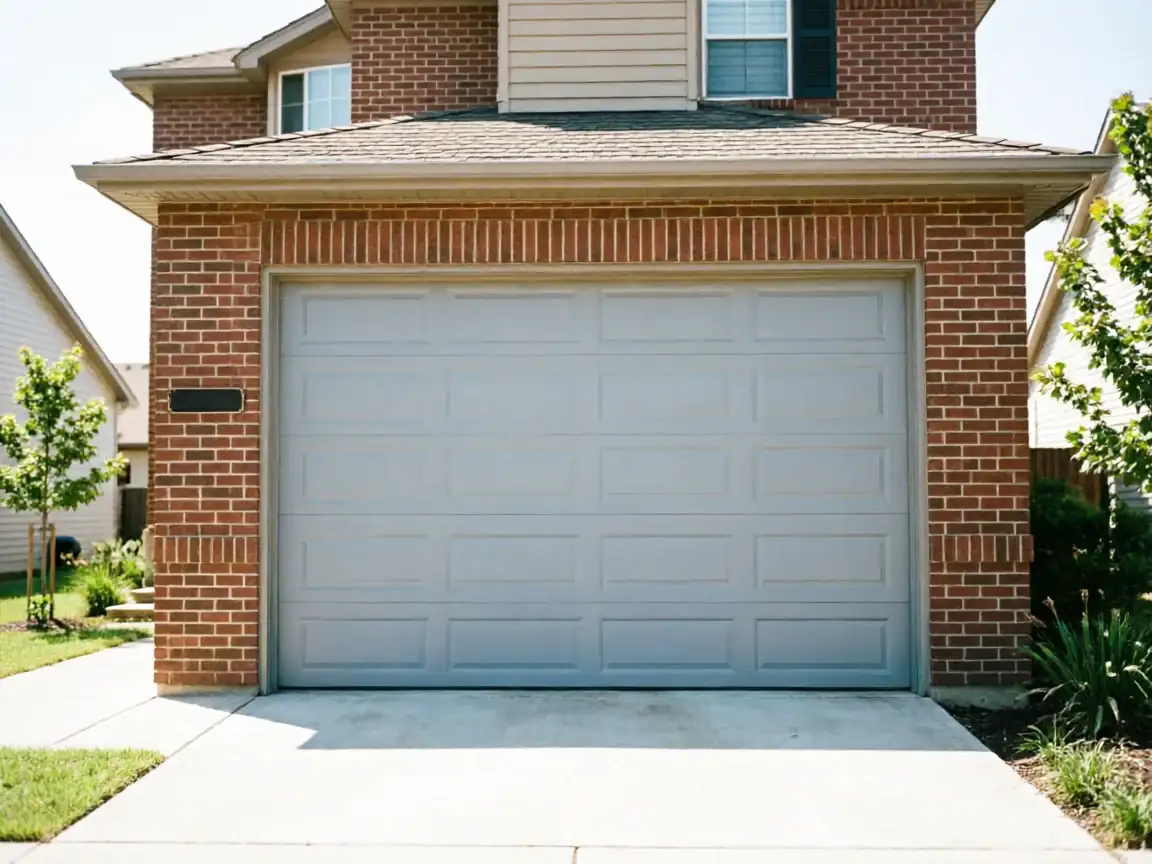
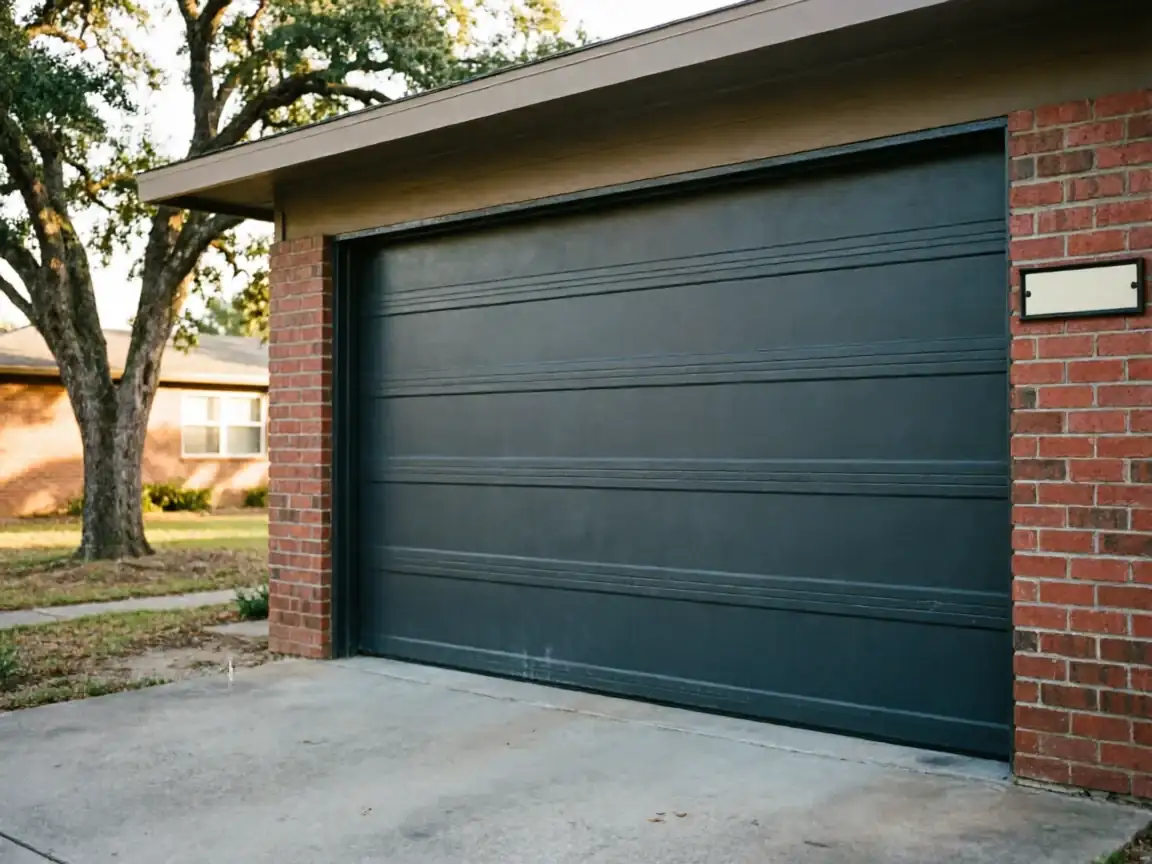
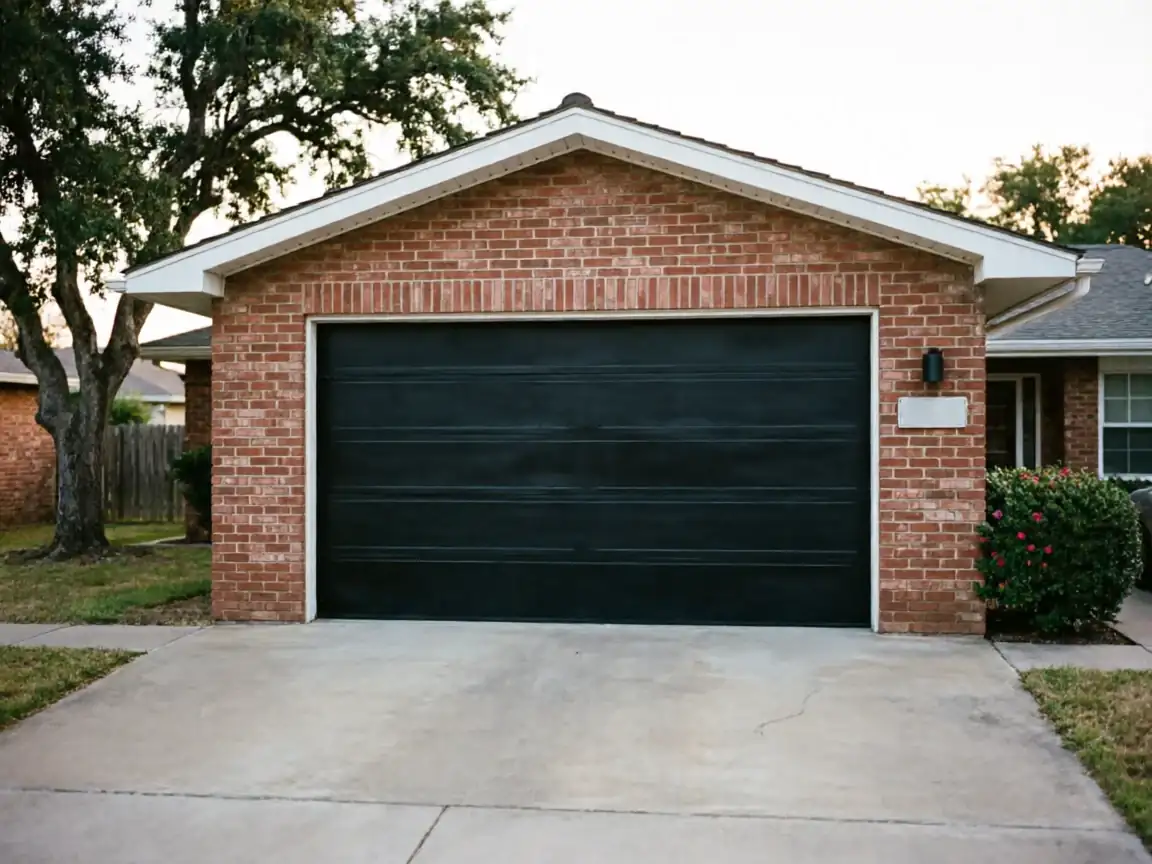
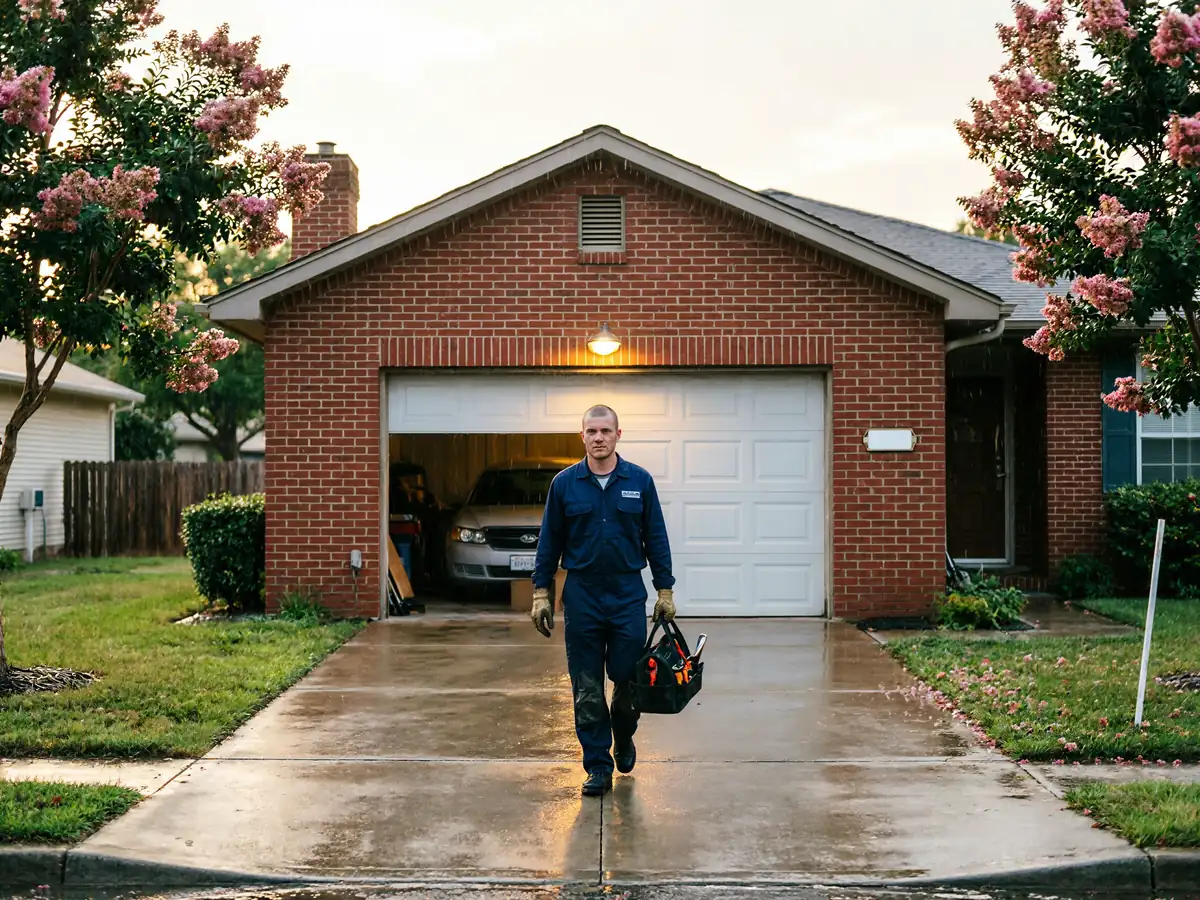
Serenada's median household income sits at $97,083, well above the $86,477 median for the wider service area we cover out of Hutto. That number matters more than it sounds like it should, because it changes the math on repair-or-replace. At that income level, a homeowner isn't stretching to afford a new door - the question is whether sinking $400 into a cable and a roller on a door that's already 35-plus years old is actually the better spend. Most of the time here, it isn't.\n\nThe housing stock across our service area runs from 1957 up through 2018, median around 1984, and Serenada's own homes track close to that, built around 1981. A door installed when the house was built is now well past the 15-20 year service life torsion springs and openers are rated for. The job goes sideways when someone tries to patch a 1981 door section onto a replacement panel that nobody makes anymore, or bolts a new opener to a track that's been bent and re-bent for decades. At that point you're not repairing - you're gambling on parts compatibility that doesn't exist.\n\nFor houses in this age bracket, full replacement usually ends up cheaper over a five-year span than piecemeal repair, especially once a spring job turns into a track job turns into an opener job.
How Long You Are Without the Door
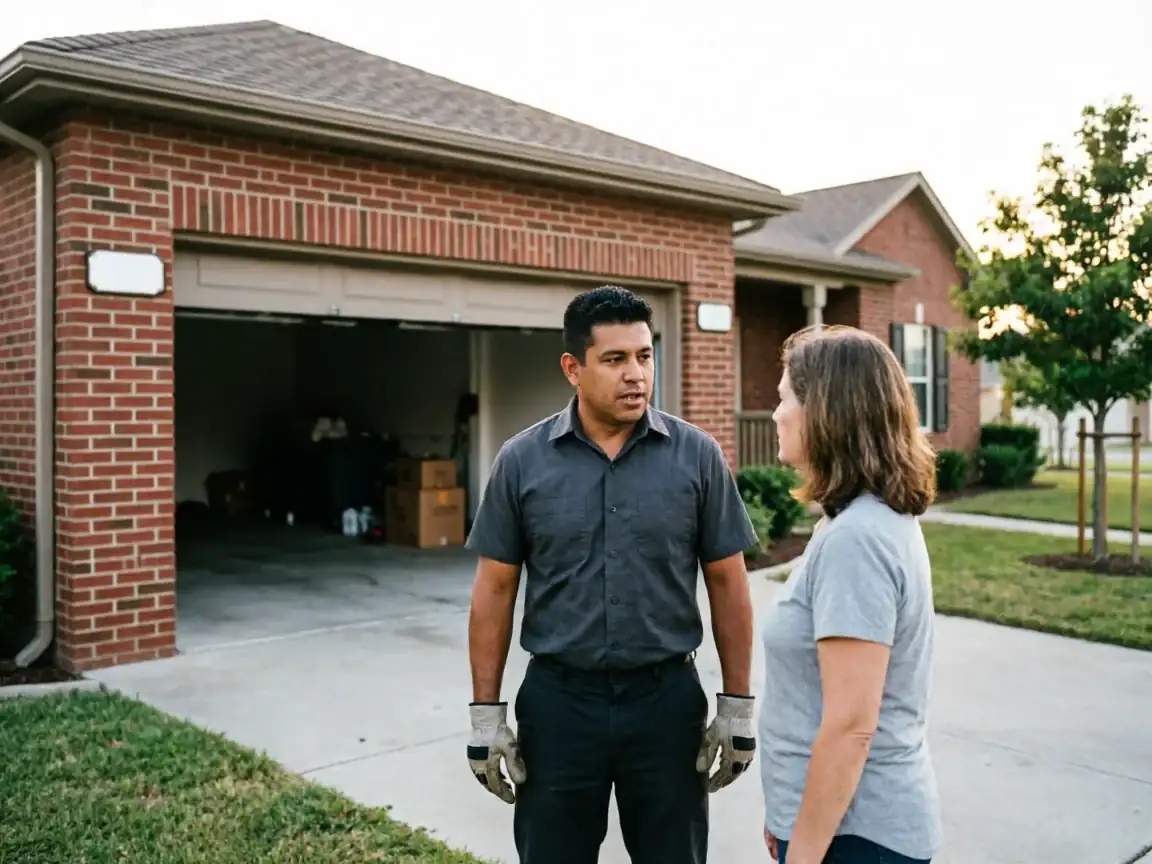
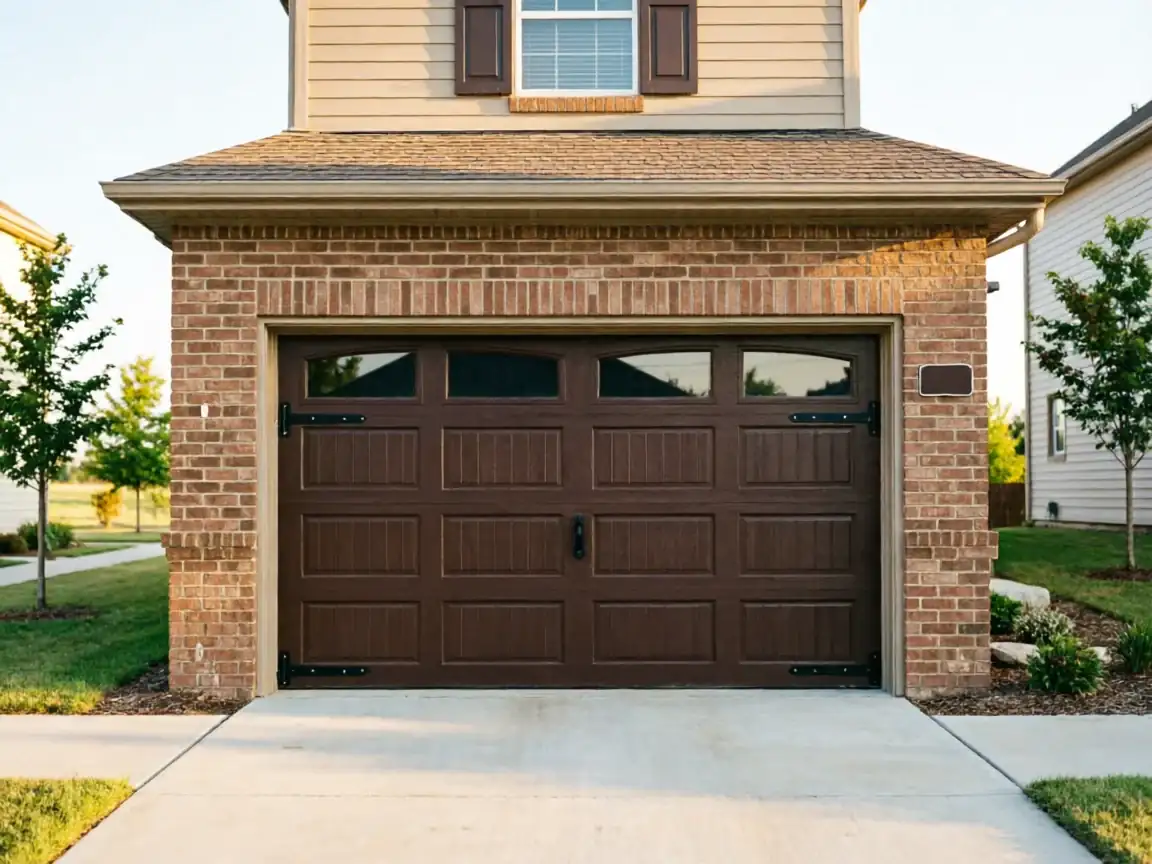
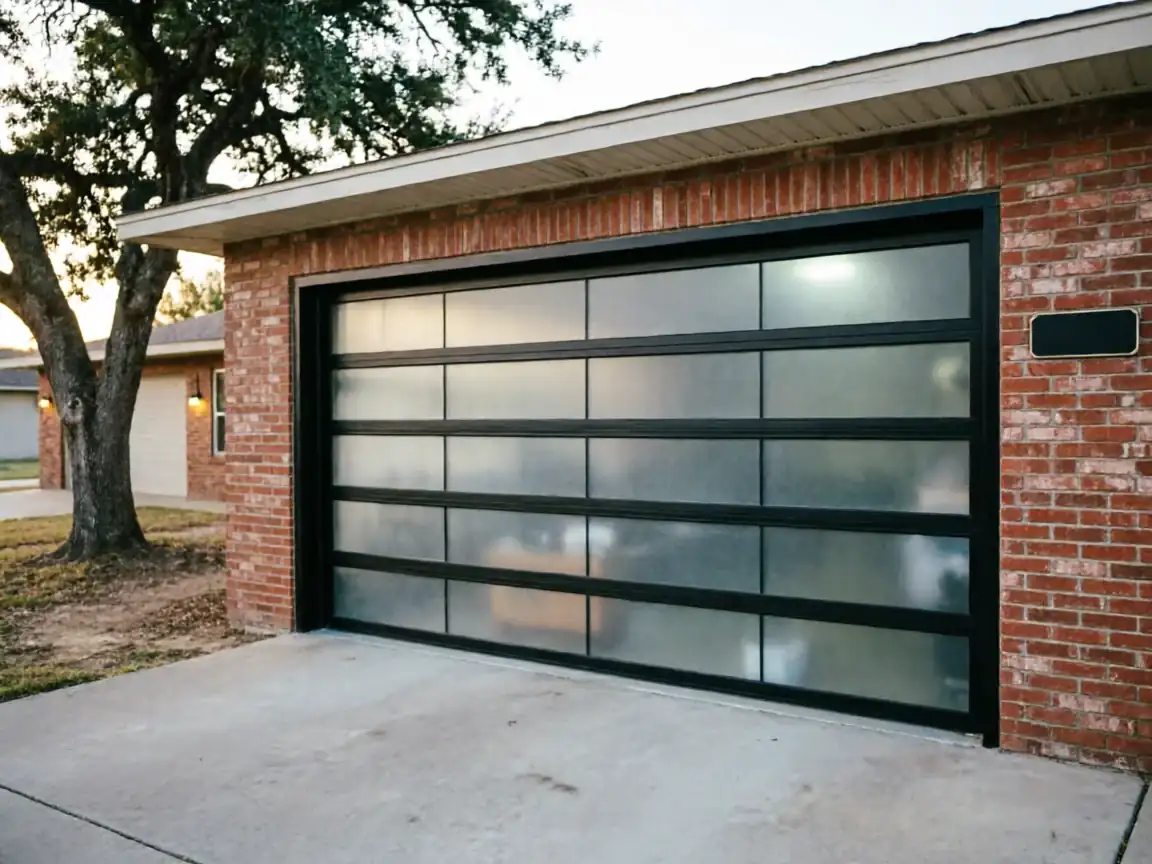
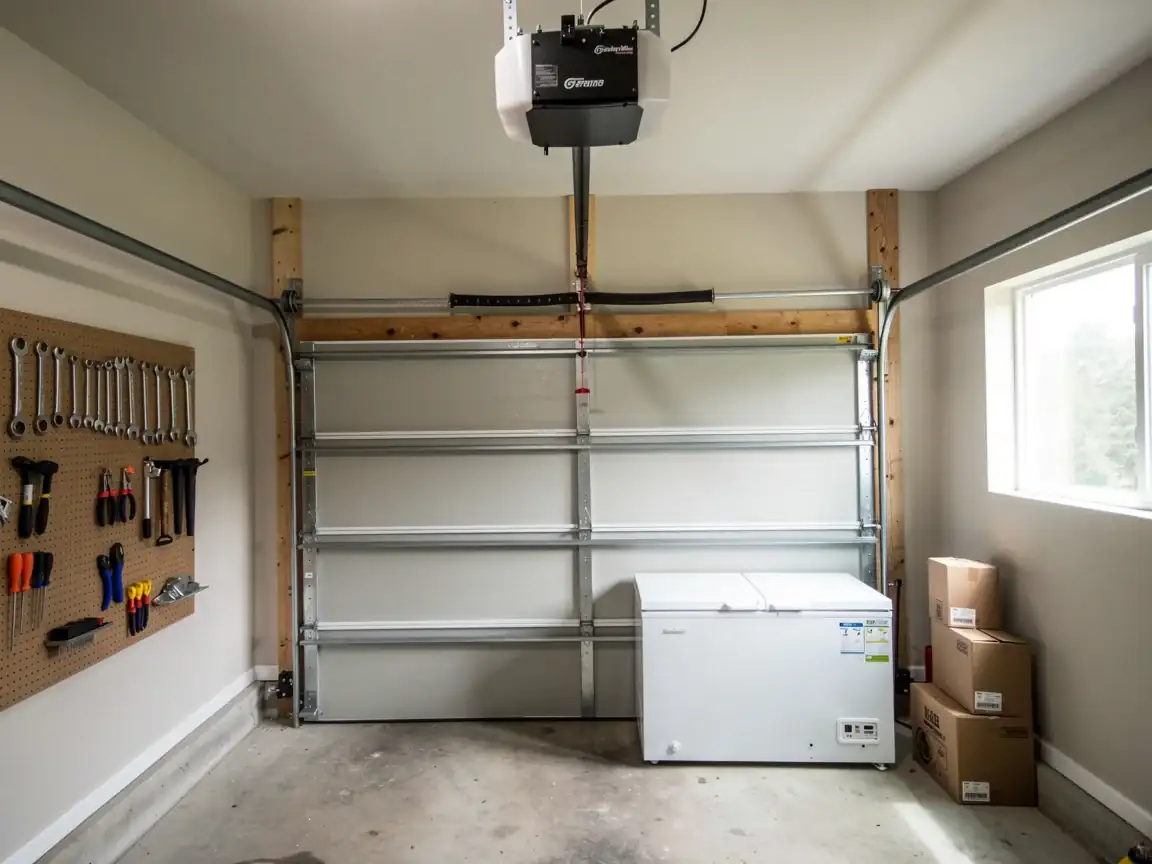
We run jobs in Serenada from our Hutto location, about 15 miles out. That distance doesn't change what the install day looks like once we're there - it changes scheduling, not workmanship. A full replacement on a standard double door is a one-day job once the door and opener are on the truck; what stretches it is lead time on ordering, not the drive.\n\nIf your current door and opener are both original to a 1981-era house, plan for the old opener to need replacing too - chain-drive units from that period don't have the safety reversal sensors required on anything sold today, and we won't reinstall an opener that fails that standard. That adds time to the quote stage, not the install stage, since the opener has to be ordered to match the new door's weight and the garage's power run.\n\nWe don't carry every panel style on the truck. If you're set on a specific finish or window pattern, factor in order time before you lock a date.
How We Fix It
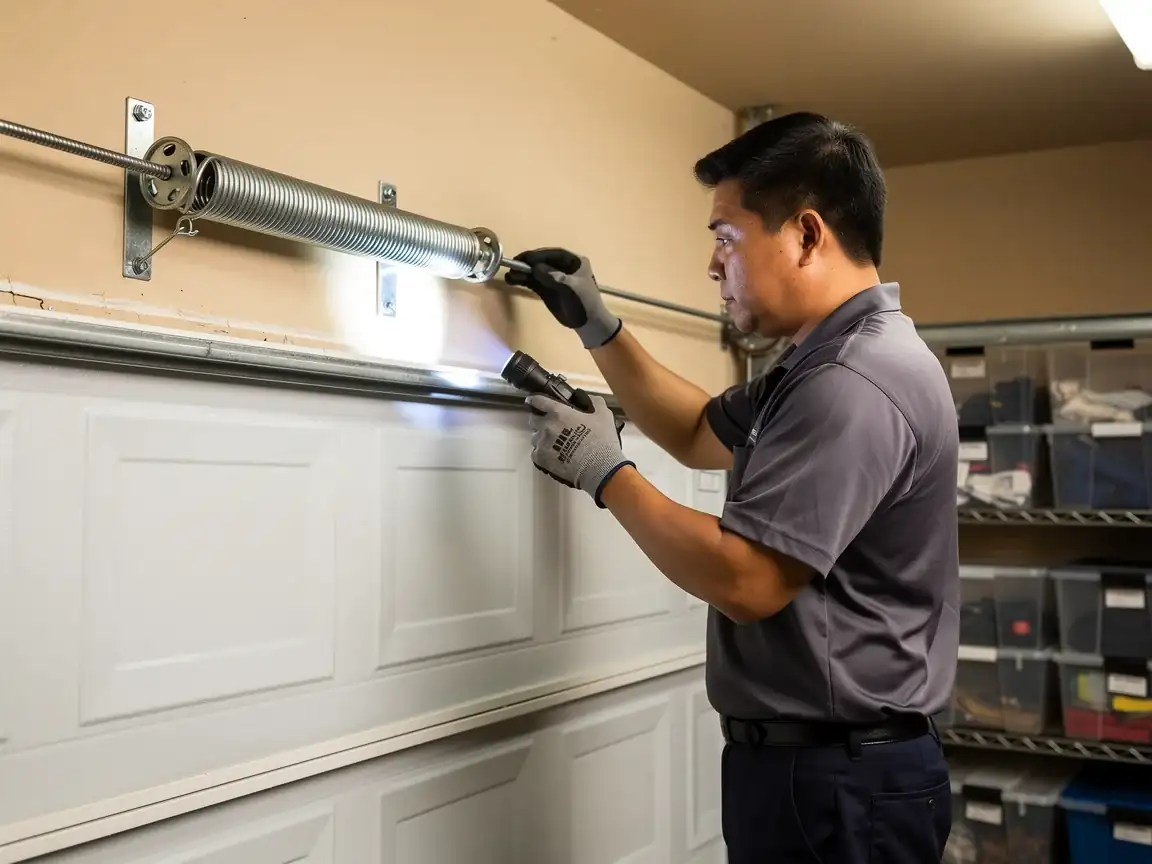
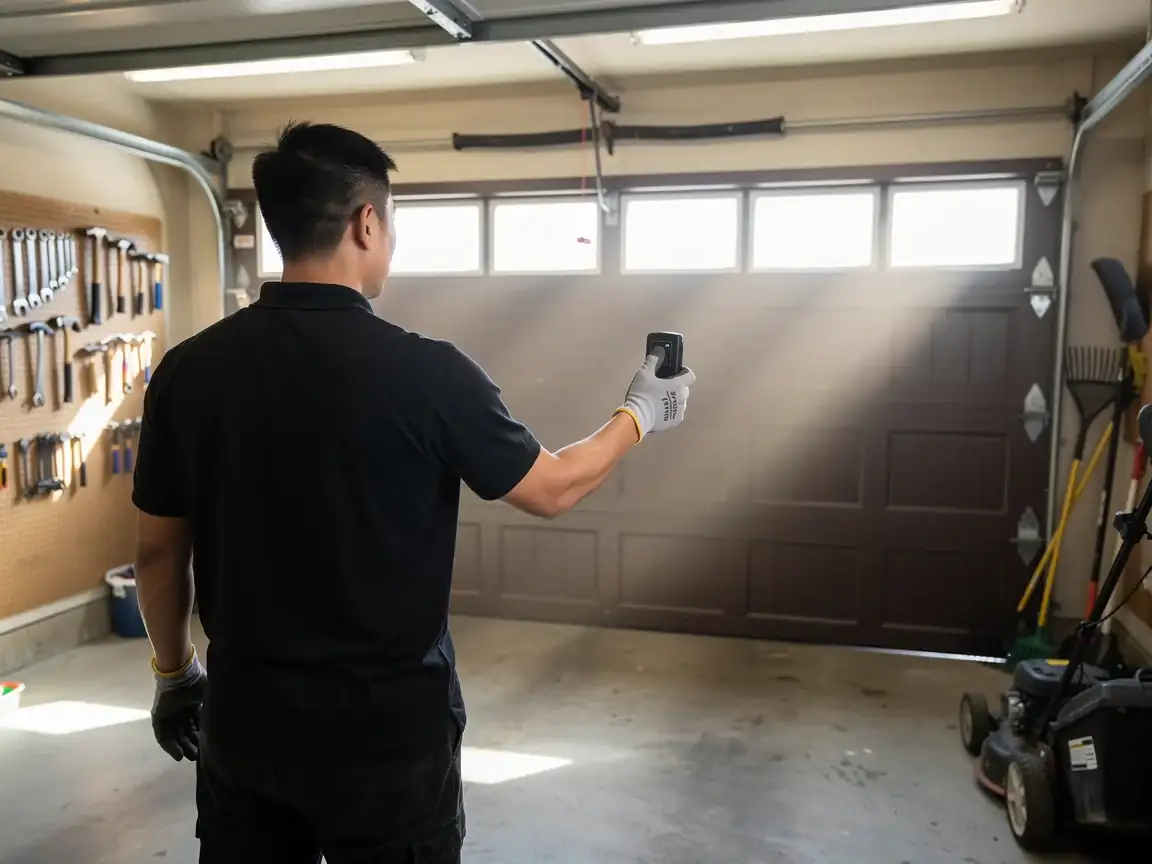
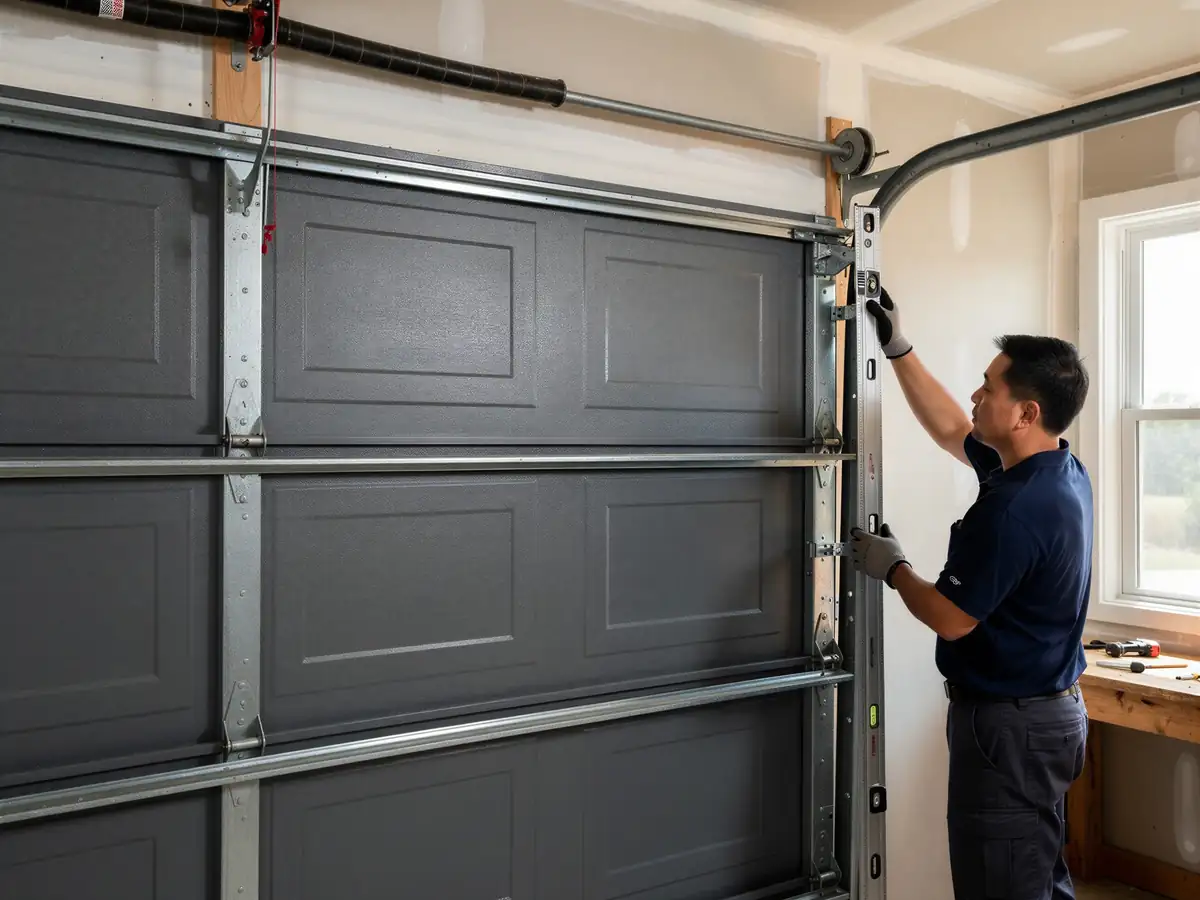
For a Serenada install, we start with the opening itself - most houses here were framed in the early 1980s, and door openings from that era run narrower than what's standard in new construction, so we measure before quoting rather than assuming a stock size fits. We pull the old door, inspect the track and jambs for rot or shift (common after 40 years), and set new vertical tracks if the old ones are out of square.\n\nThe new door goes on insulated, with torsion springs sized to the door's actual weight rather than reused from the old setup - reusing old springs on a new door is the single most common mistake in this trade, and it's why we don't do it. Opener installation follows, matched to the door's weight and your garage's existing power run; if that run isn't up to code for a modern opener, we'll say so before we start rather than after.\n\nWe finish with a manual-release and reversal-sensor test on every job, not as an upsell but because it's the part that actually has to work.
What You Are Seeing
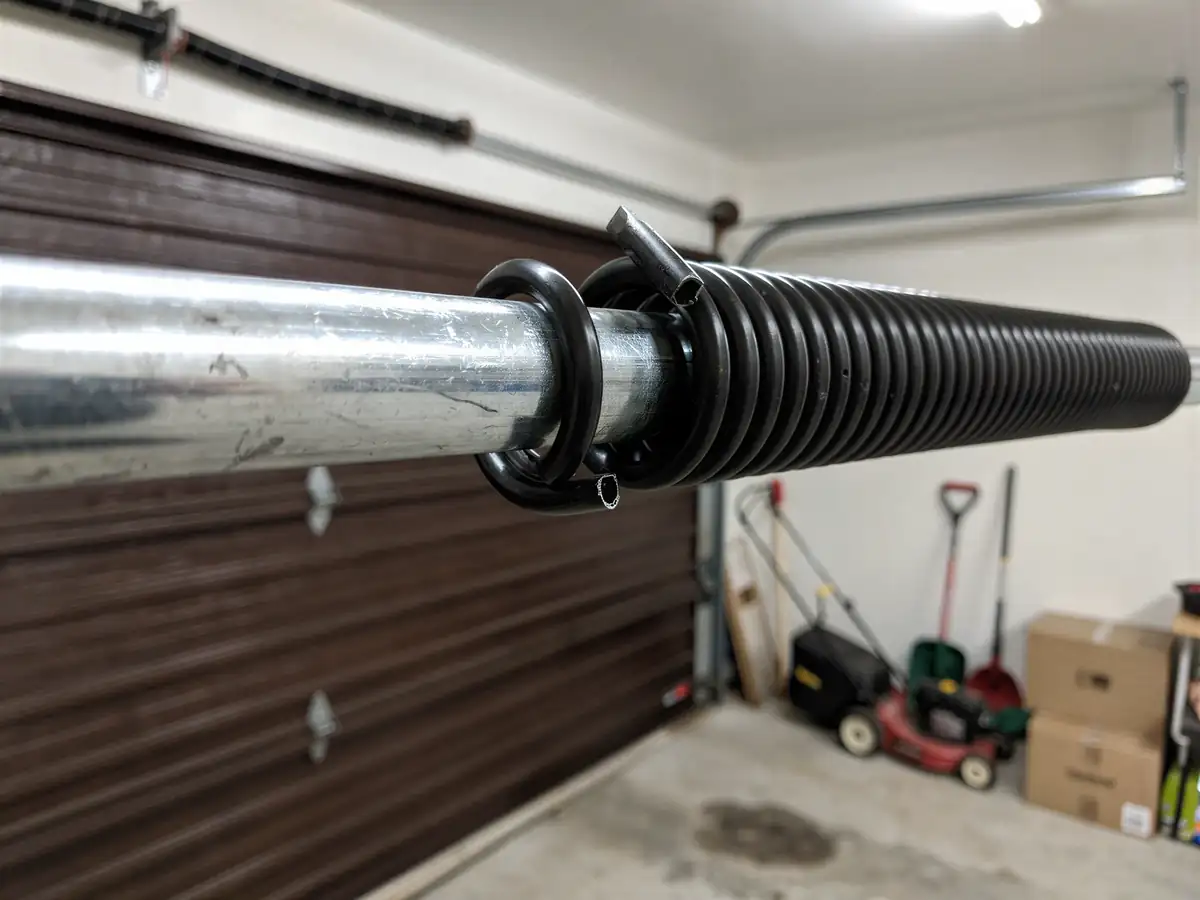
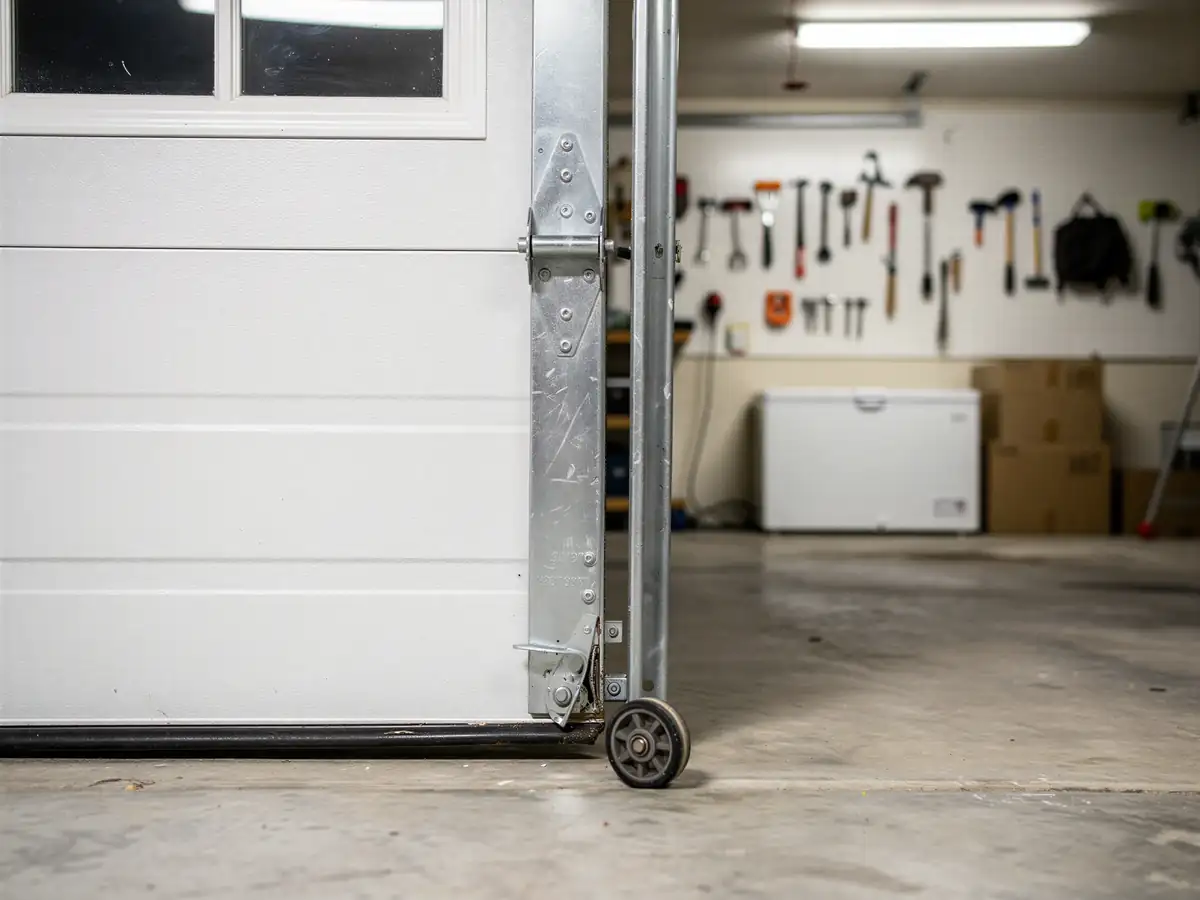
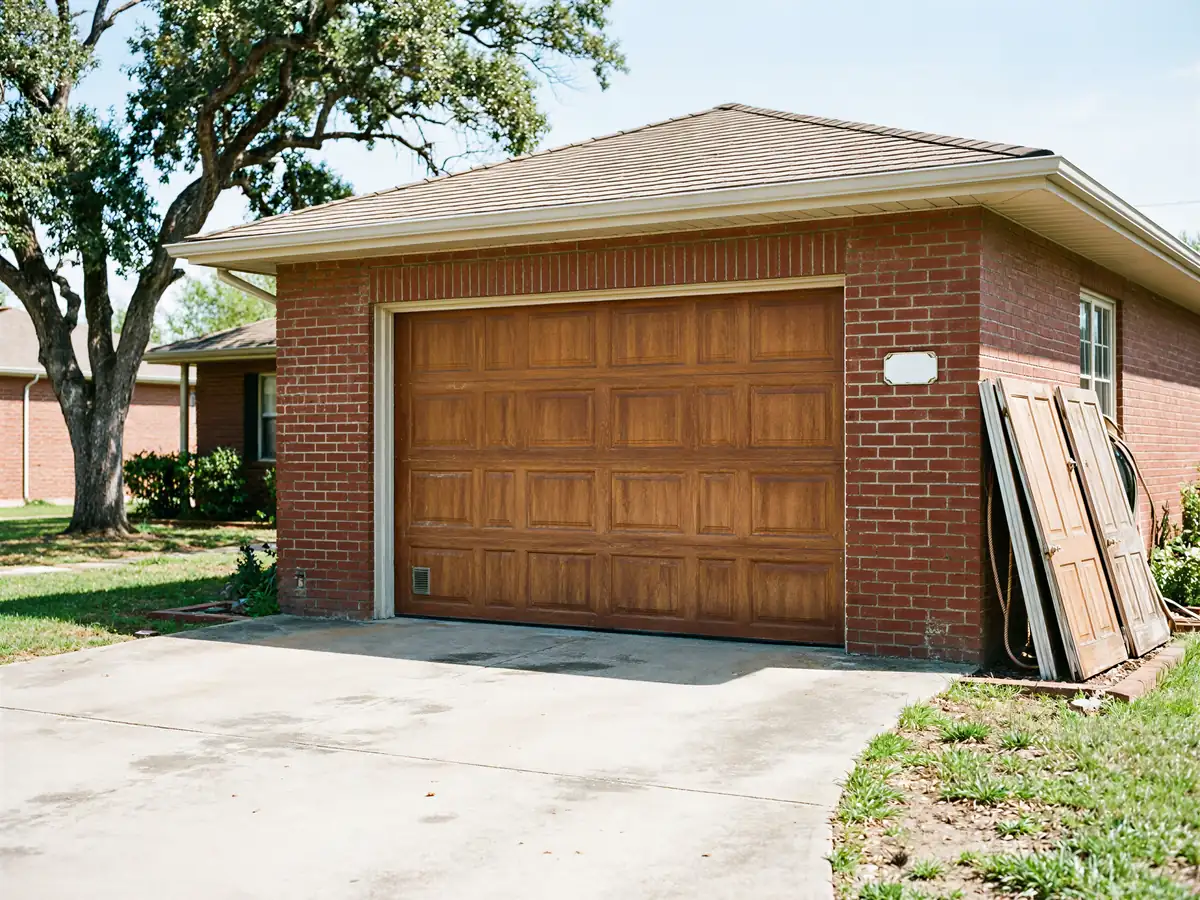
If your Serenada home is original or close to original, the most common signs we see before a full replacement call are a door that's gone visibly off-track at the bottom corners, a spring that's lost its coil shape (it looks stretched rather than tightly wound), or an opener that strains and reverses partway instead of closing. Wood-composite panels from the early 1980s also tend to delaminate at the bottom edge where moisture collects, which isn't a repair - once the layers separate, the panel doesn't hold a fastener anymore.\n\nGiven the area's mild-with-occasional-freeze climate, rust on springs and hinges isn't usually the driver the way it would be somewhere with harder winters - here it's more often straight mechanical fatigue after three-plus decades of daily cycles. If you're seeing two or more of these at once, that's usually the point where we'll tell you straight that a new door costs less than the sum of separate repairs.