What You Pay
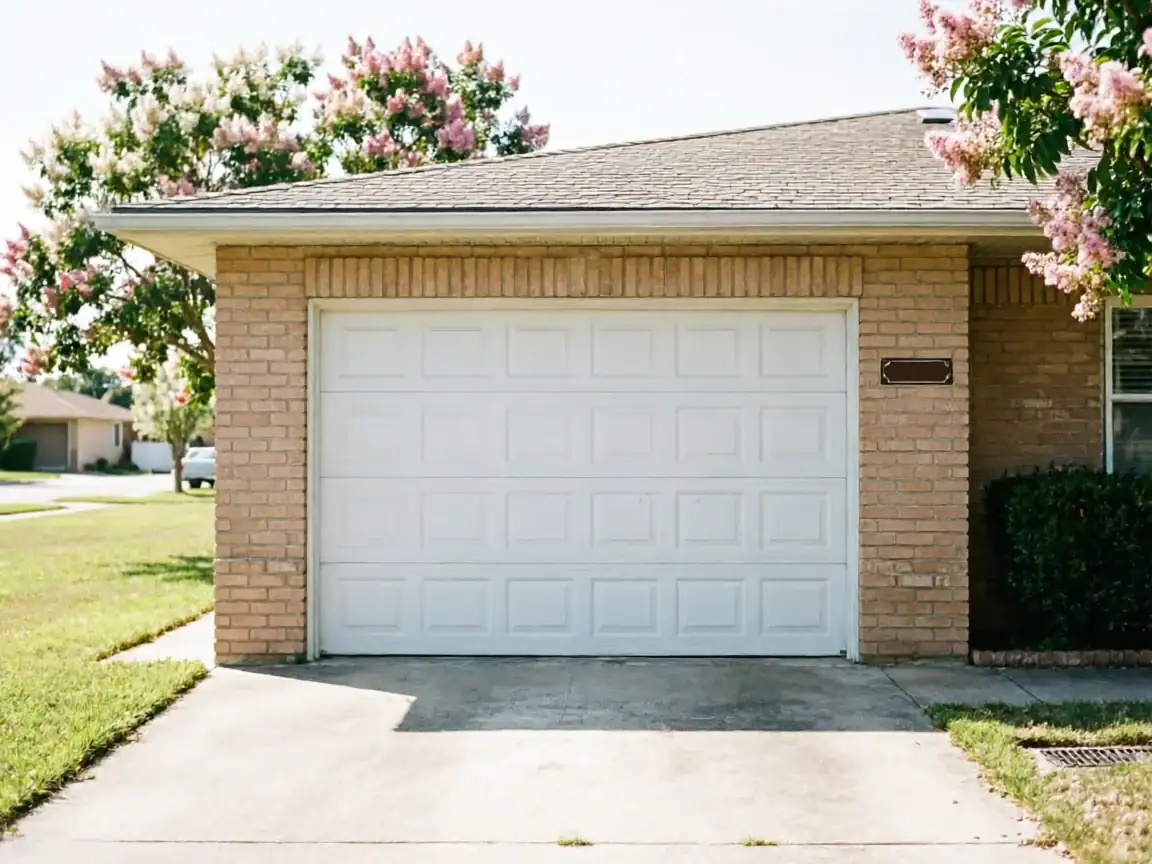
We don't post a flat number here because the job itself decides the cost - a worn roller on a ten-year-old door is a different bill than a torsion spring that snapped on a door built when Hutto's older sections went up. What we can tell you is what drives the number: whether the opener is original to the house or a replacement, whether the spring size matches current hardware or something from an older build, and how many trips the job takes. Houses in this area were built anywhere from 1957 up through 2018, with a lot of that stock landing in the 1980s and 90s across Hutto's named sections. That spread matters because a door from the older end of that range often needs parts sourced to match hardware that newer doors don't use anymore, and that adds time to the job, not just parts cost. We'll tell you the number before we touch anything, and we'll tell you if a repair isn't worth doing versus a replacement - that call depends on the door's age and condition, not on a script.
What Causes It Around Here
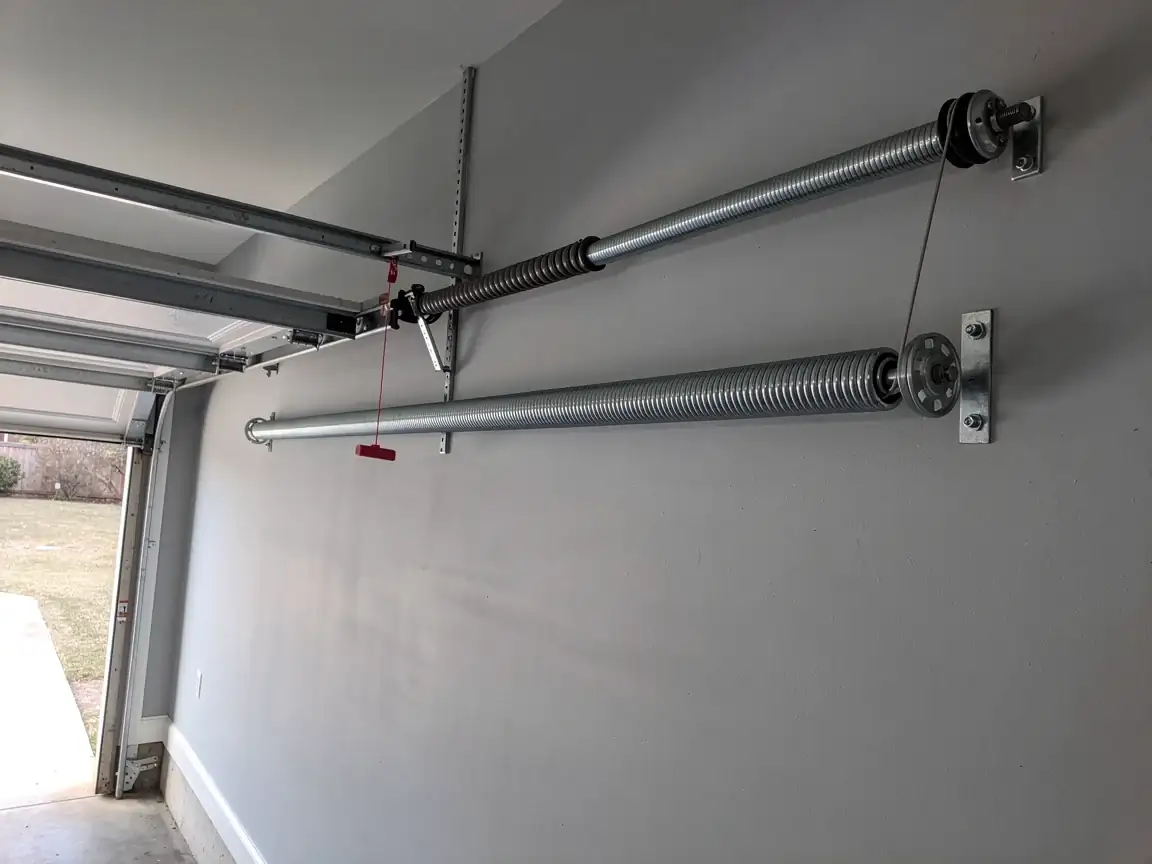
Hutto sits in a mild climate with some freeze risk, not the deep freeze-thaw cycling that destroys steel springs in colder regions and not the constant humidity that rots wood jambs in wetter ones. What that mild-with-some-freeze pattern does do is put slow, steady stress on springs and cable through temperature swings that aren't extreme but are frequent - a cold snap tightens steel, a warm week loosens it back up, and that cycle over years is what fatigues a torsion spring until it lets go. Add in the age spread of the housing here - doors going back to the late 1950s sitting alongside builds from the 2010s - and you get a mix of original hardware nearing the end of its service life next to newer doors still on factory parts. The older end of that range, concentrated in the 1980s and 90s stock across most of Hutto's sections, is where we see the most spring and cable failures, simply because that hardware has had the most years of cycling to wear down.
How We Fix It
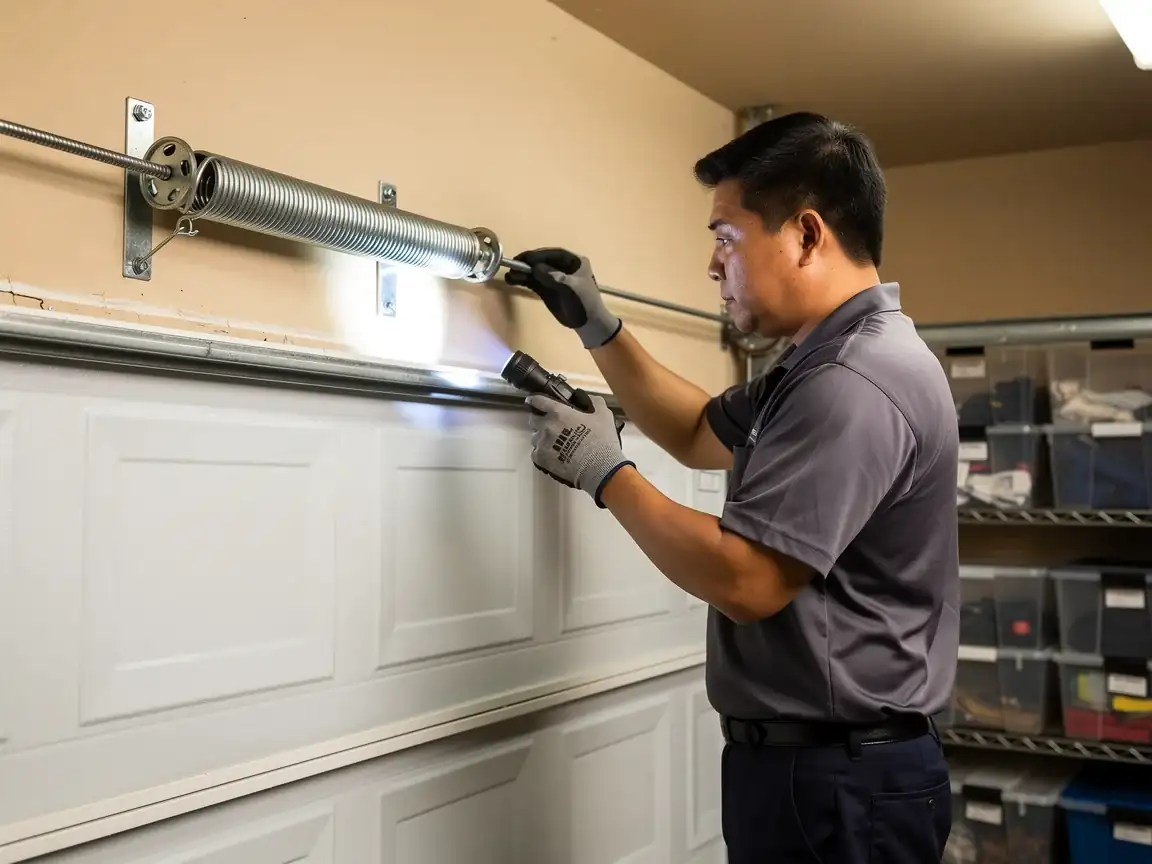
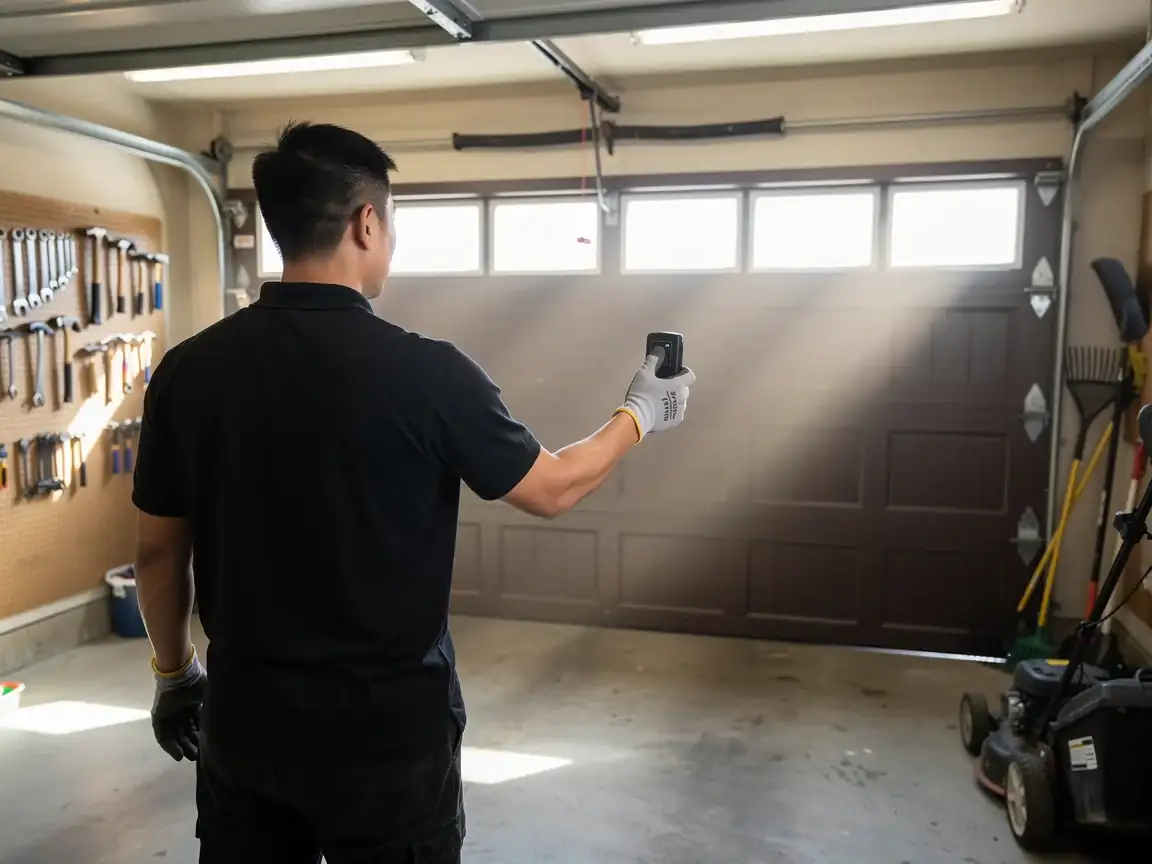
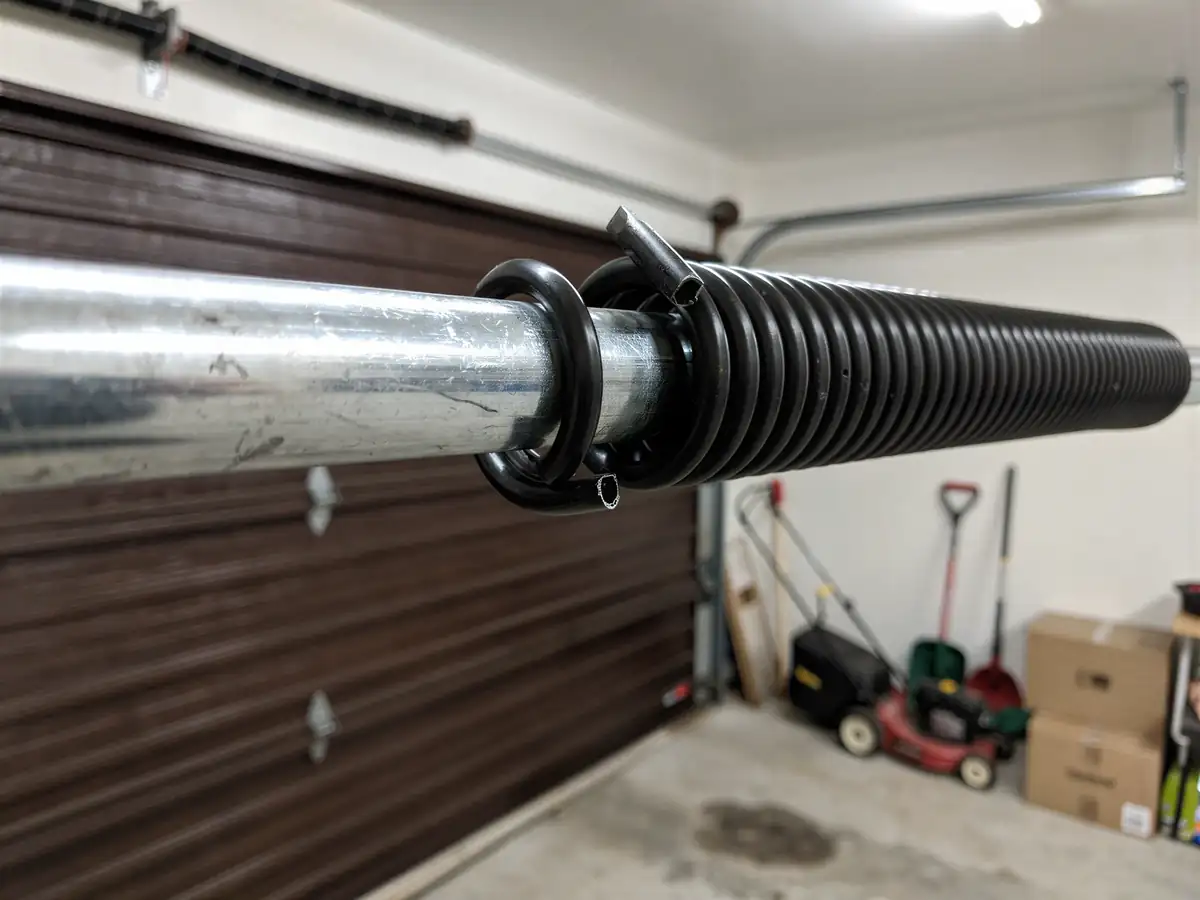
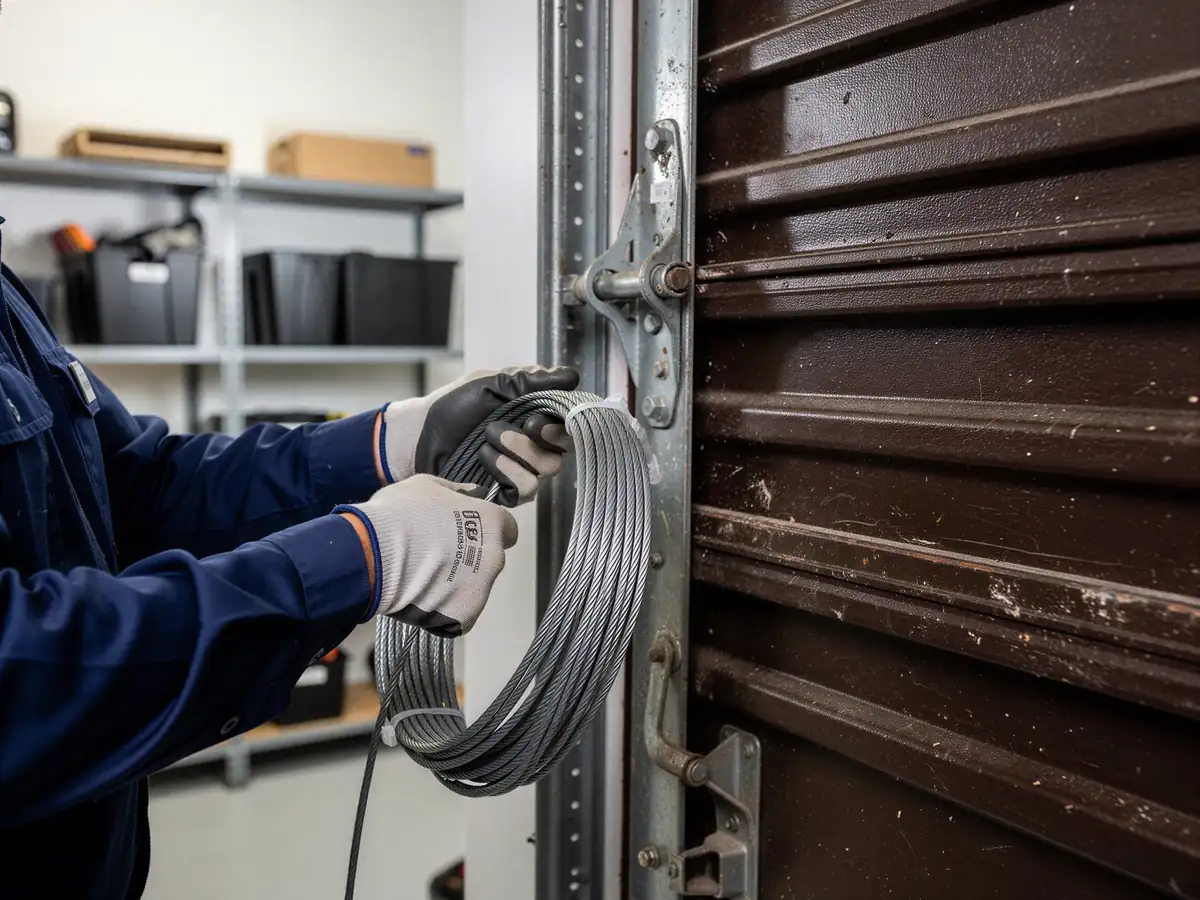
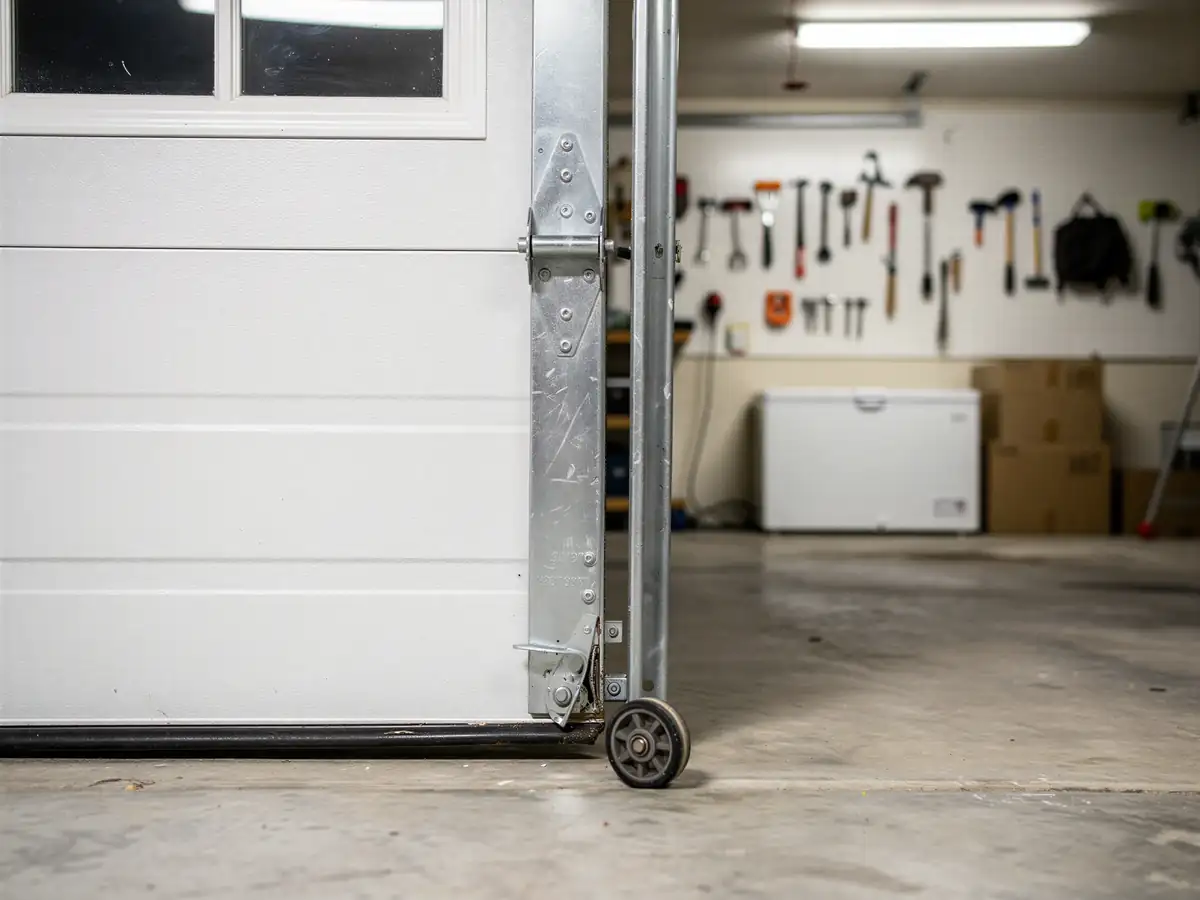
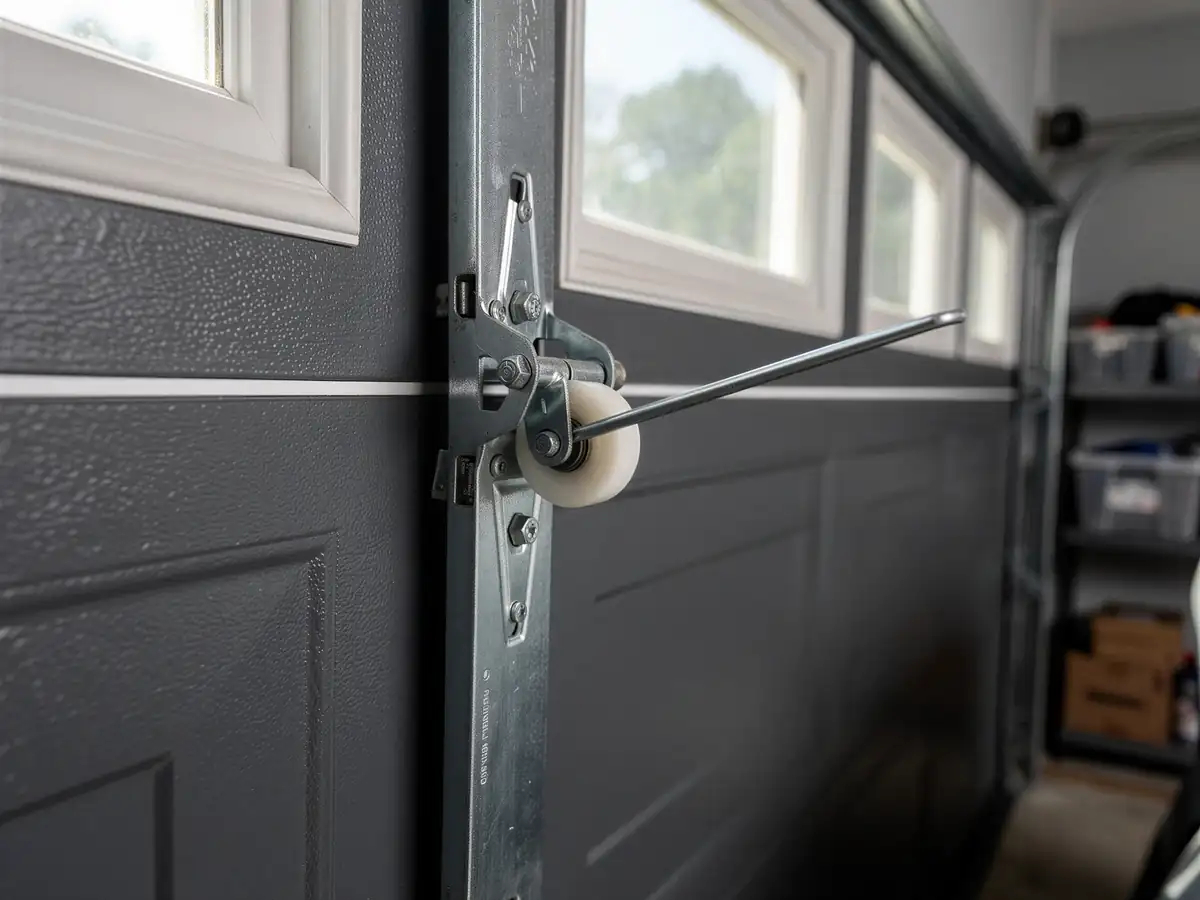
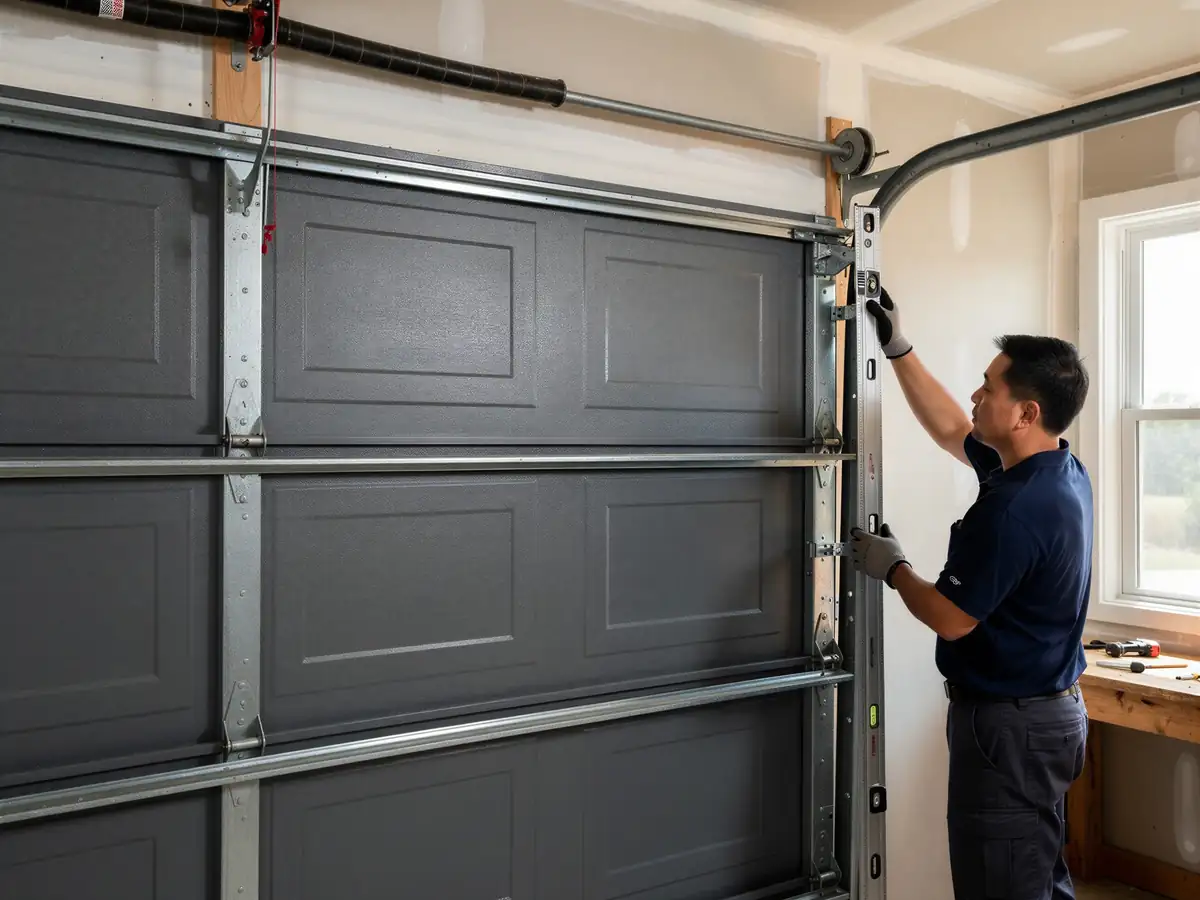
We start by disconnecting the opener and checking the door by hand - spring tension, track alignment, roller condition - before we assume the opener is the problem, because on a lot of Hutto doors it isn't. If it's a torsion spring, we match the wire size and wind to the door's weight and age rather than grabbing a generic replacement, since doors from the older end of the 1957-2018 build range often carry hardware that doesn't match what's sold off the shelf today. If it's rollers or cable wear, we replace in pairs, not one at a time, because a single new roller on an old track just shifts the wear to the next one. One limit we're upfront about: if a door's track is bent badly enough, or the panel itself is rusted through, repair isn't the honest answer - replacement is, and we'll say so rather than patch something that'll fail again in a season.