The Problem
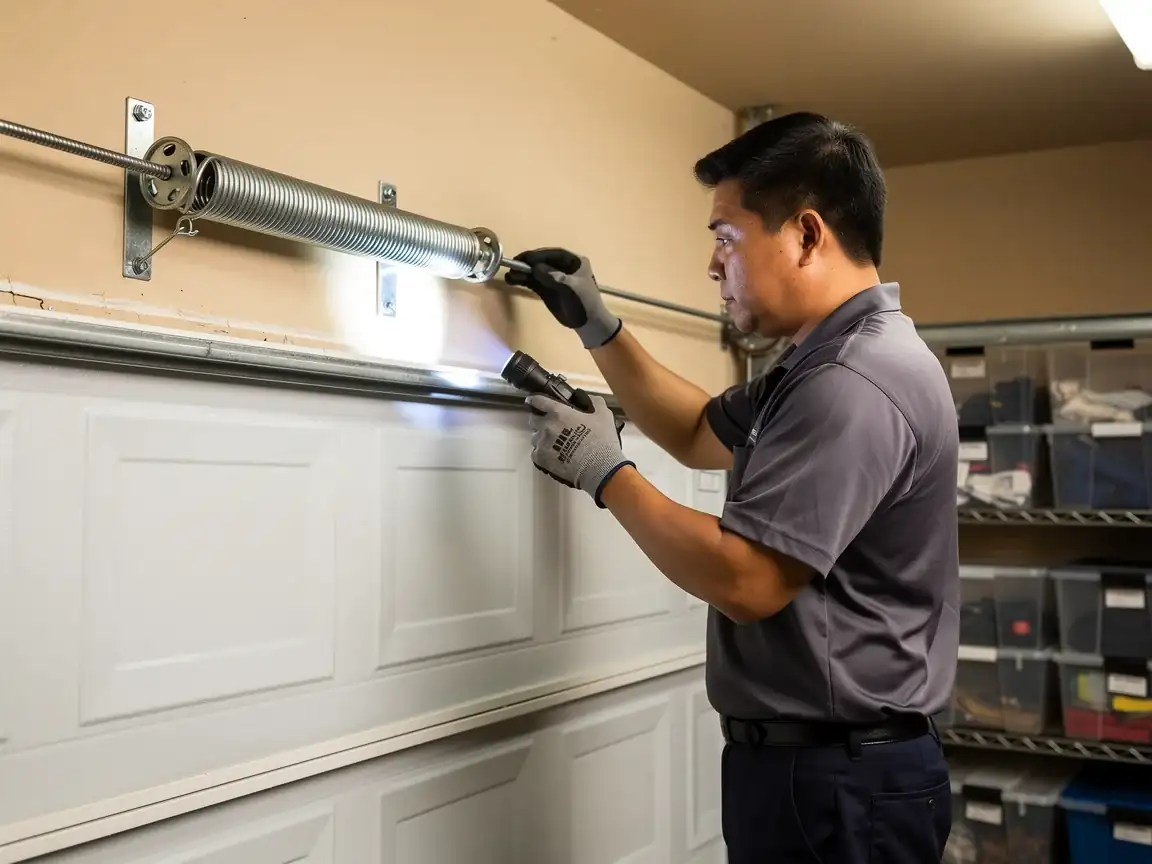
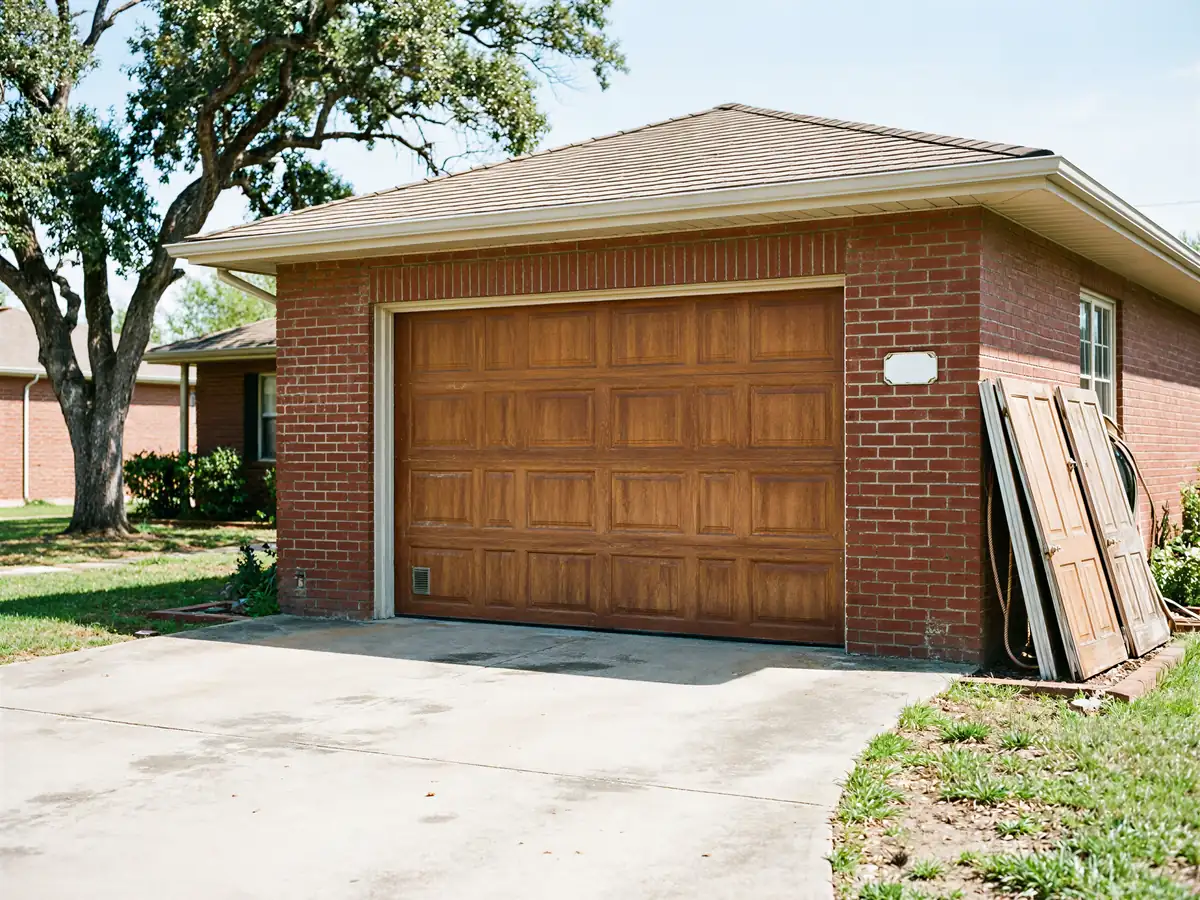
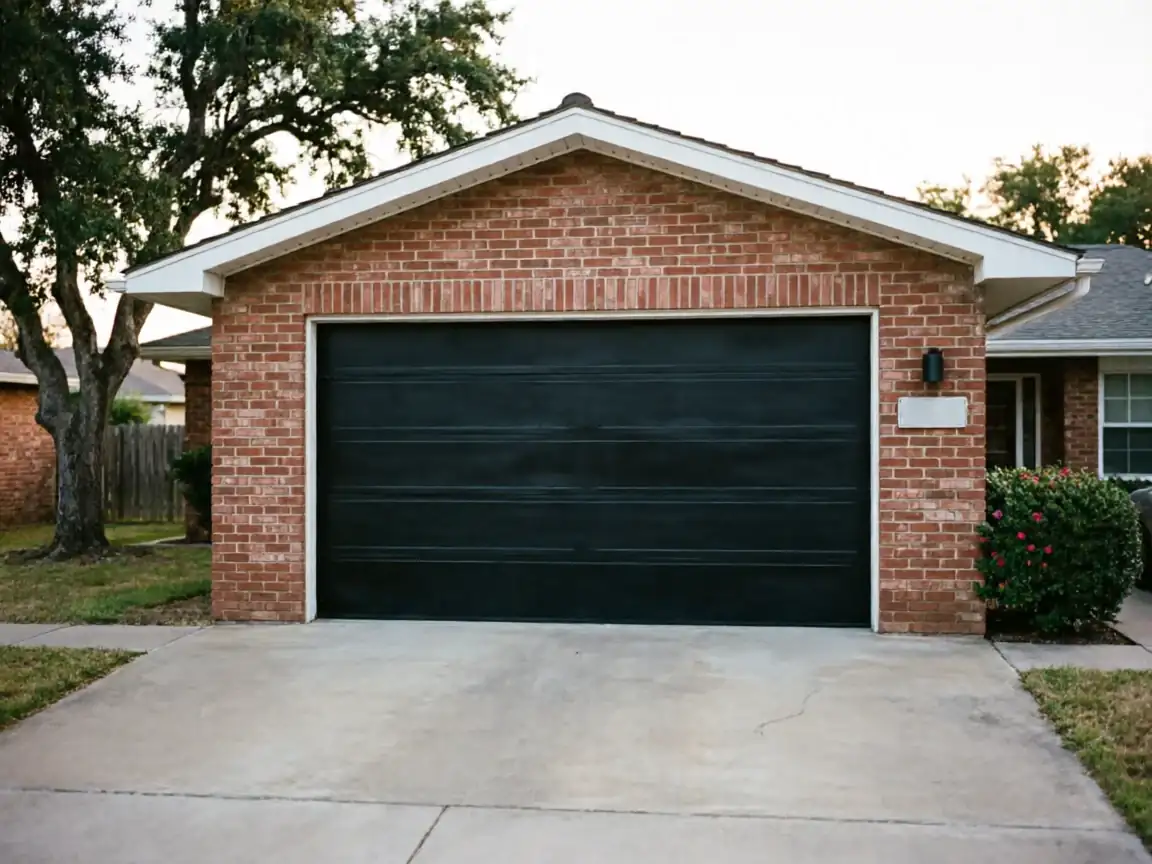
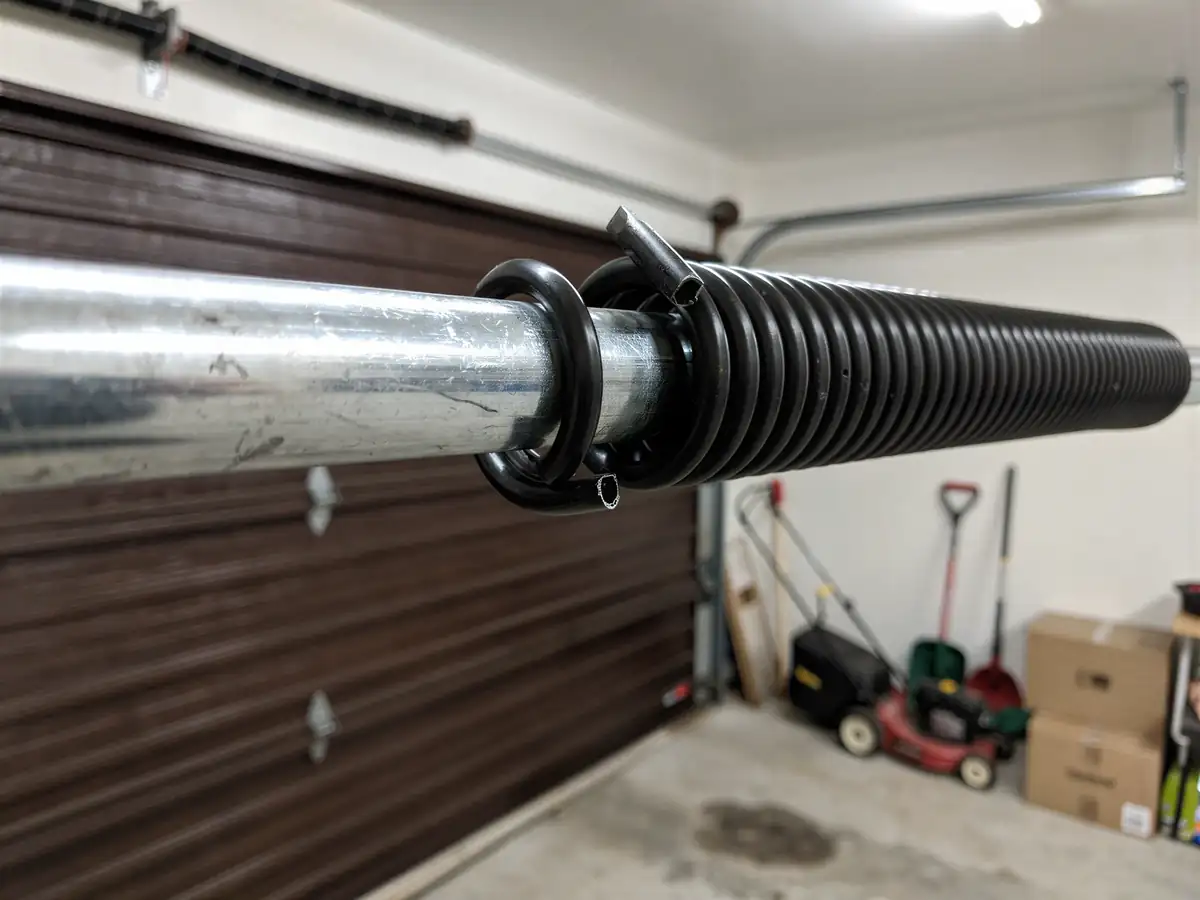
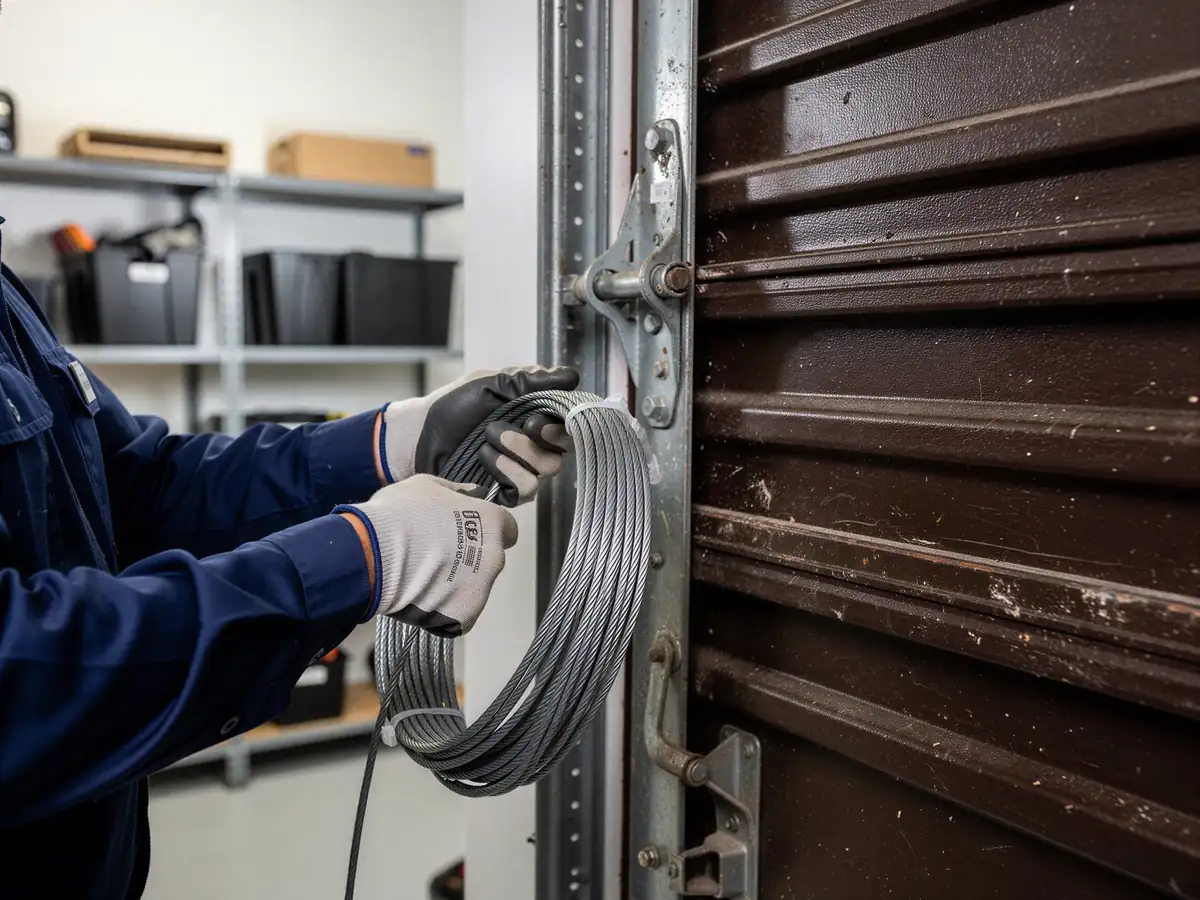
Hutto's housing stock spans 1957 to 2018, but the bulk of it - across the area's nine named subdivisions - went up in the 1980s and 90s, with the median build year landing around 1984. That means a lot of doors in this town are closing in on forty years old, or already past it. The springs, rollers, and openers on those original installs weren't built to run this long, and most owners don't think about the door until it stops working, not before. A door from that era usually has a single torsion spring rated for a lighter panel than what gets installed today, hinges worn oval instead of round, and a track that's been nudged out of plumb by decades of use. None of that is an emergency on its own. Together, it's a door that's working harder than it should, and the harder it works, the more likely the next failure is a cable snap or a spring that lets go while the door is open overhead. The honest answer is that age alone doesn't tell you whether to fix or replace - but a door built when this neighborhood was new is at the point where that question is worth asking before something breaks.
Doing Nothing For Now
Plenty of doors from Hutto's 1980s and 90s building wave are still running fine, and there's no rule that says a door needs replacing just because it's old. If the door opens and closes smoothly, the springs aren't rusted or stretched, and the opener isn't straining or reversing on its own, waiting is a reasonable call. Where waiting stops being reasonable is when you start hearing a grinding track, seeing a sagging top panel, or noticing the opener chain slap against the rail. Those are signs the hardware is compensating for wear that's already happened, not wear that's coming. A door that age with a tired spring is also more likely to fail in a way that's sudden rather than gradual - torsion springs don't usually weaken slowly, they hold until they don't. We'll say plainly: we won't tell you to replace a door that's still doing its job just because of its birth year. But if you're already noticing two or three small symptoms at once on a door from that original 1980s-90s stock, that's the point where deferring a look costs more than it saves.
How Local Conditions Play In
Hutto sits in a mild climate band with occasional freezes, not the hard deep-freeze cycles that crack steel and warp panels further north. That's good news for the door itself - you're not fighting the kind of temperature swings that shrink and expand metal track daily. But mild-with-some-freeze still means a handful of mornings a year where grease stiffens and a spring that's already fatigued has to work colder and harder than usual, right when a homeowner is in a hurry to get out the door. Combine that with a housing stock where a lot of doors are already thirty-plus years old - the 1980s and 90s stretch that makes up most of the area - and you get a seasonal pattern: a few cold snaps a year tend to be when older springs finally let go, not because the cold itself breaks them, but because it's the extra push a tired spring didn't have left. It's not a dramatic climate story. It's a mild one that still matters because of how old the doors underneath it already are.