What You Pay
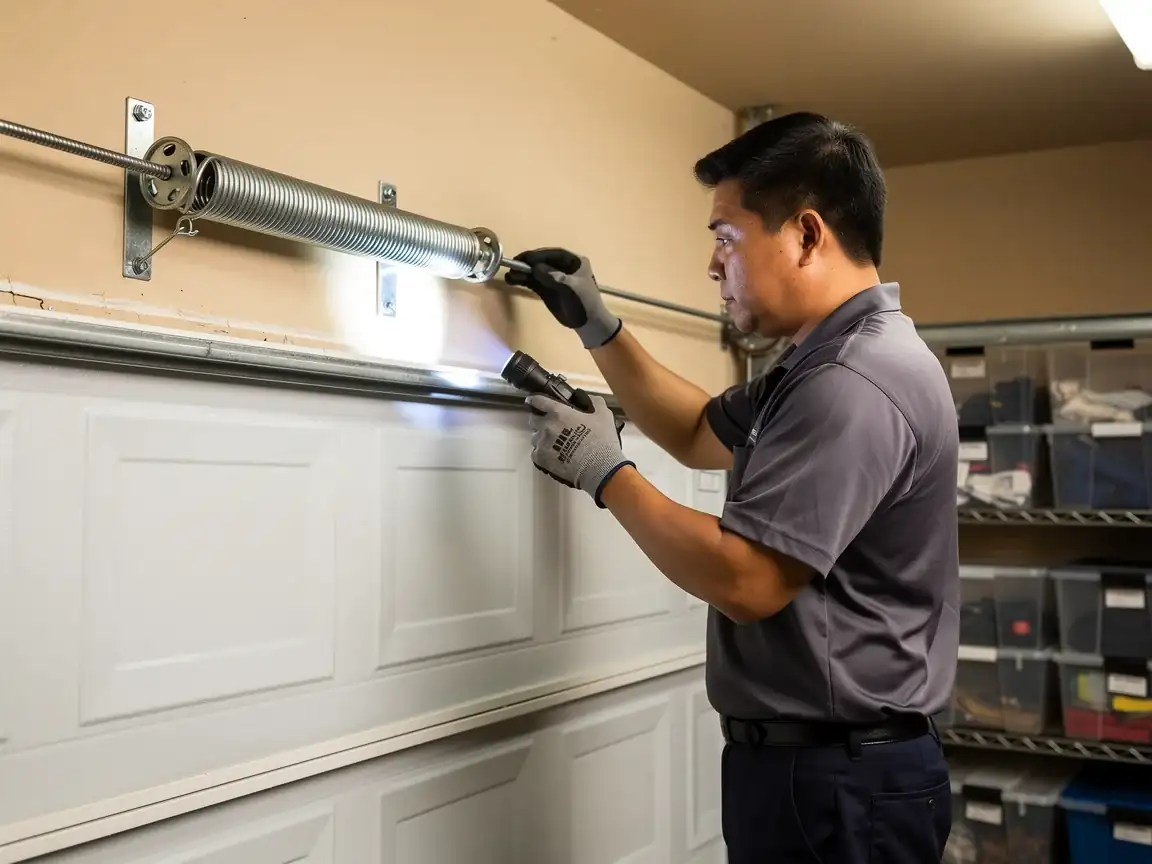
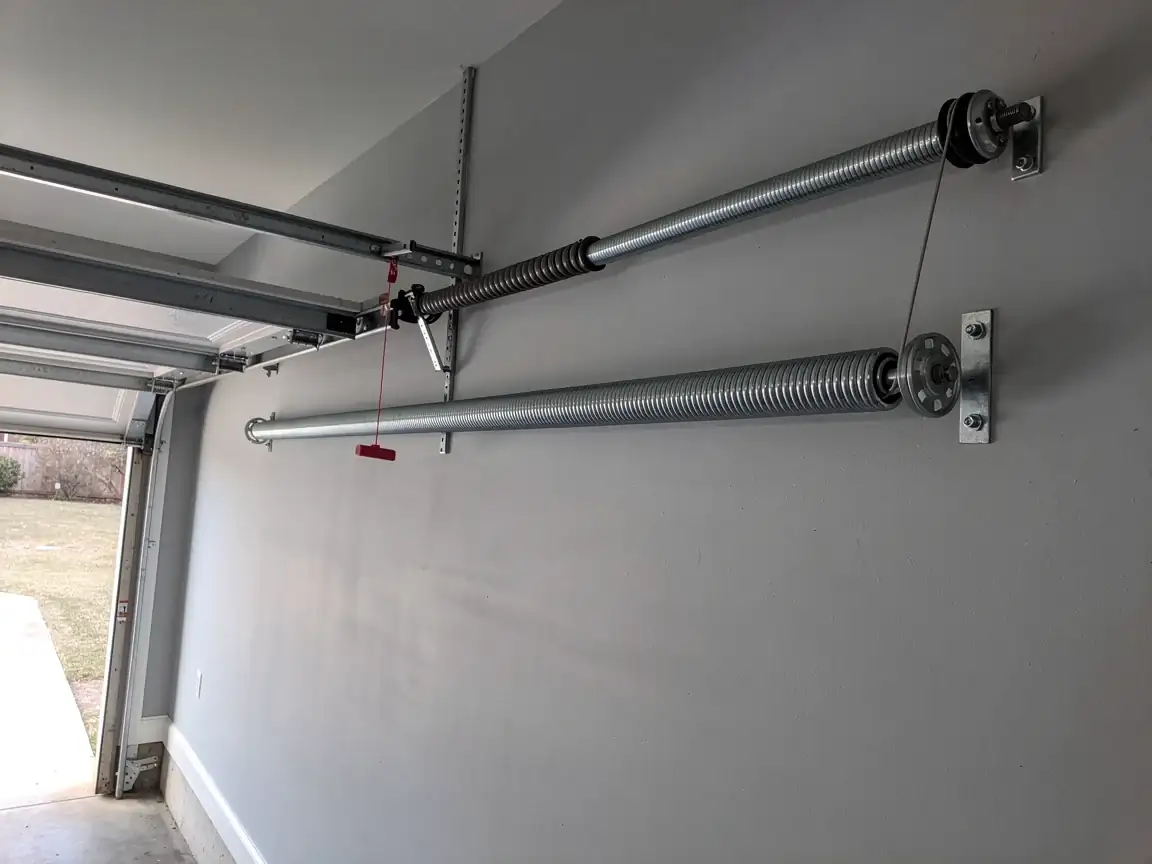
We're not going to put a number here that doesn't mean anything until we've seen your door. What drives the bill is the hardware: torsion spring size and wind count, whether the opener is original to the house or a later swap, and whether the track got bent or just needs re-alignment. A single spring on a door built in the 1980s or 90s is usually straightforward. A door with two springs, a dented track, and a opener pushing twenty-plus years is a different job because you're often solving three problems at once instead of one.
Here's the honest part: if your door is original to a house built well before 2000, sometimes the repair costs close to what a new opener and spring set would run anyway. In that case we'll tell you plainly rather than patch something that'll call us back in a year. We quote after we look at the door, not before, because guessing a price over the phone on 35-year-old hardware is how you end up with a surprise invoice, and we don't do that.
What Causes It Around Here
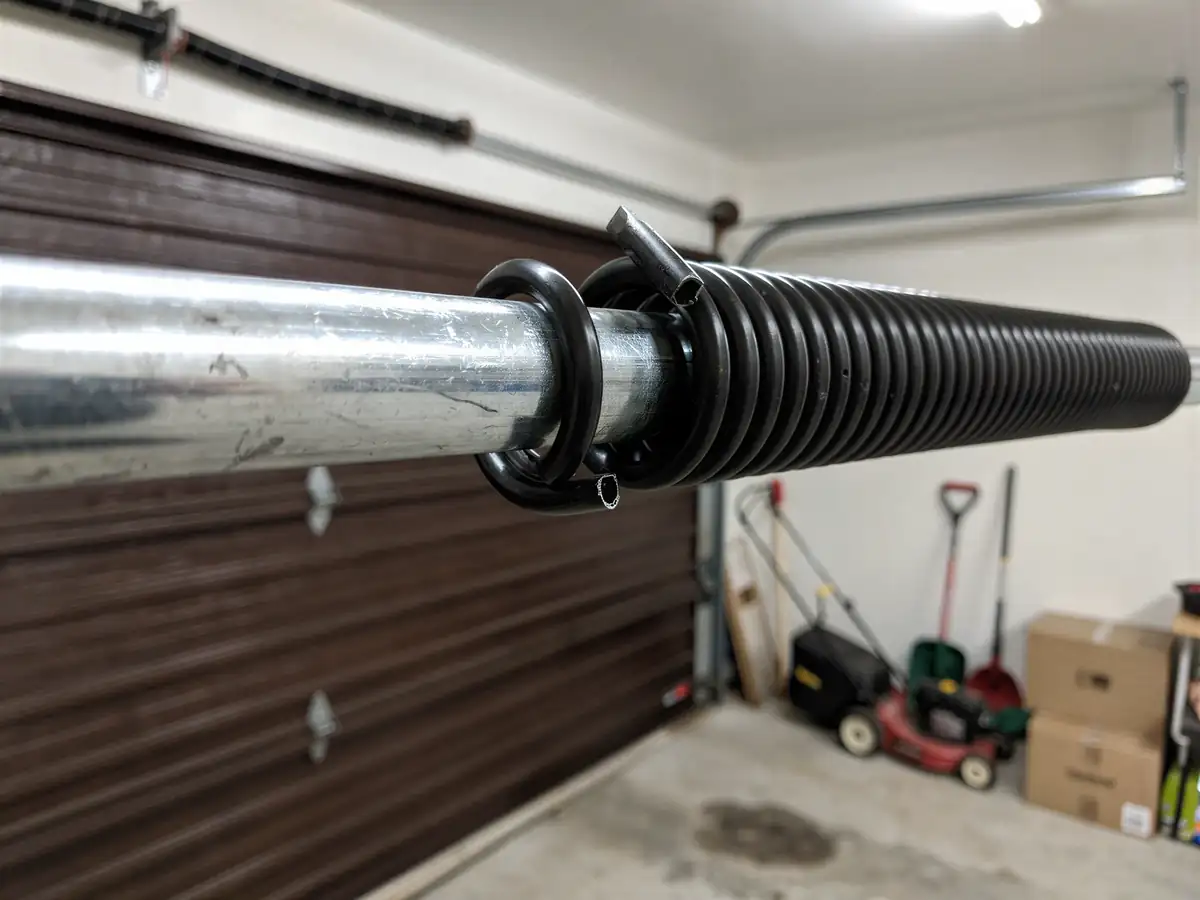
Hutto's housing runs from 1957 up through new builds in 2018, but the median build year sits at 1984, and most of the nine named areas in town filled in during that same 1980s-to-90s stretch. That matters because a huge share of doors in Hutto are original torsion spring setups rated for around 10,000 open-and-close cycles. Do the math on a door used twice a day for thirty-plus years and you're well past that number.
The climate adds to it. Hutto sits in a mild band with some freeze risk, which sounds easy on hardware, but it's actually the swing that does the damage - warm afternoons that expand the metal, followed by occasional cold snaps that contract it. That constant flex fatigues a spring faster than steady cold ever would. With roughly 17,911 owner-occupied houses across the service area, and most of them built in that same window, we see the identical failure on the same era of door, over and over, not because the parts were bad but because they're simply at the end of their rated life.
What You Are Seeing
The door won't open, or it opens about six inches and stalls
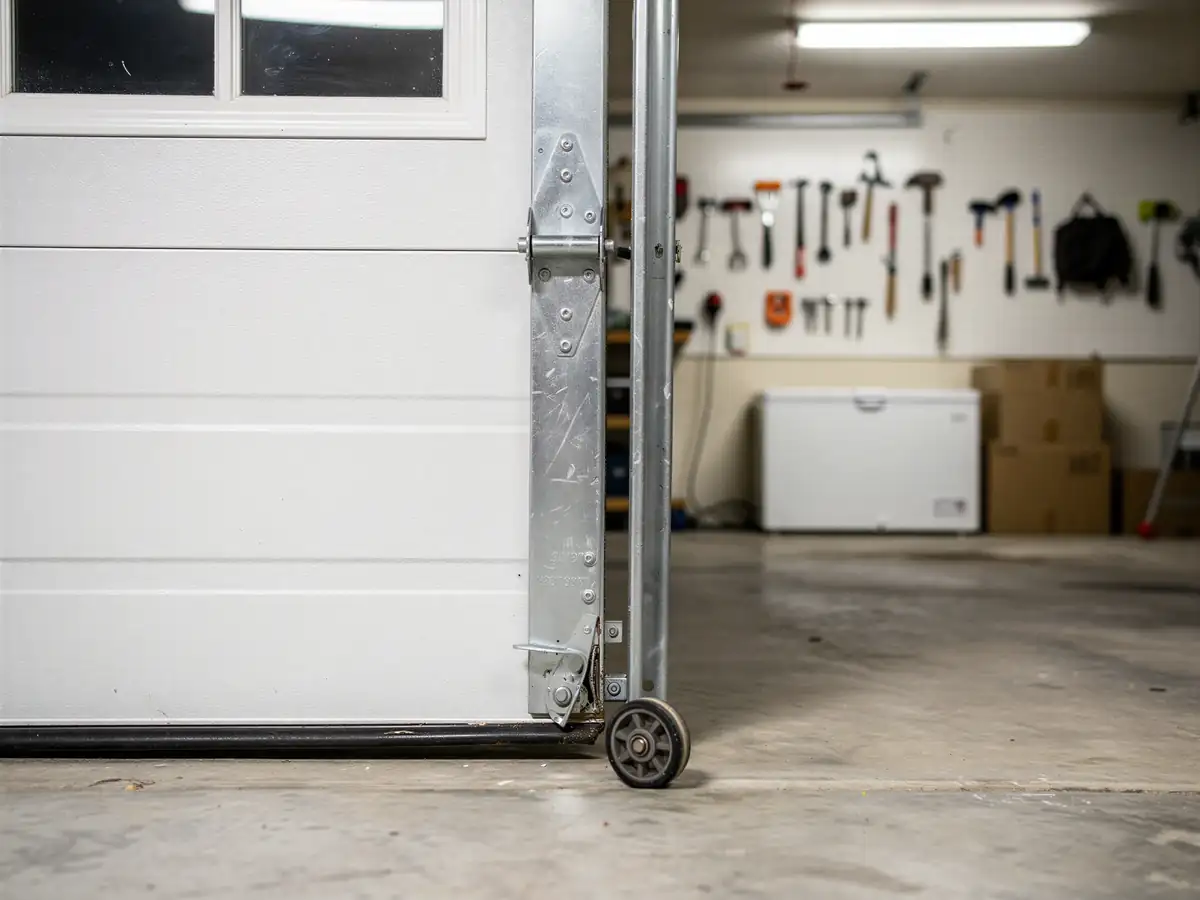
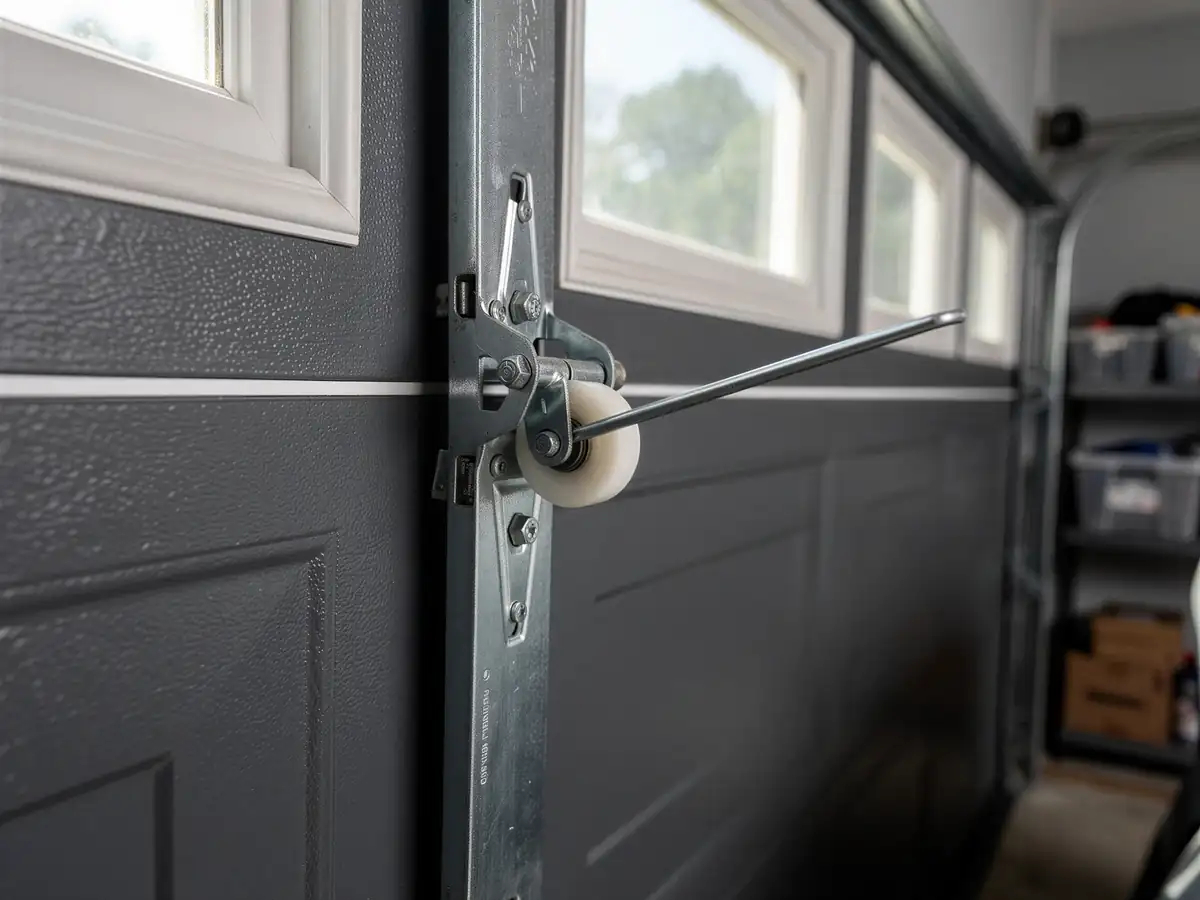
The opener motor hums but the door doesn't move, or it moves and then drops hard. Sometimes there's a loud bang from the garage first - that's usually the spring letting go, not the opener failing. On older tracks you'll also see the door lean to one side as it rises, or a roller that's chewed up and loose in its bracket.
If your house went up in that 1980s-90s run that makes up most of Hutto
And nobody's touched the spring since it was built, this is close to the most common call we get. It's not a wiring problem and it's not usually the opener itself - the opener is just doing its best to lift a door that no longer has the spring tension to help it. Forcing the opener to keep trying after a spring breaks is how you burn out a motor that was otherwise fine.
How We Fix It
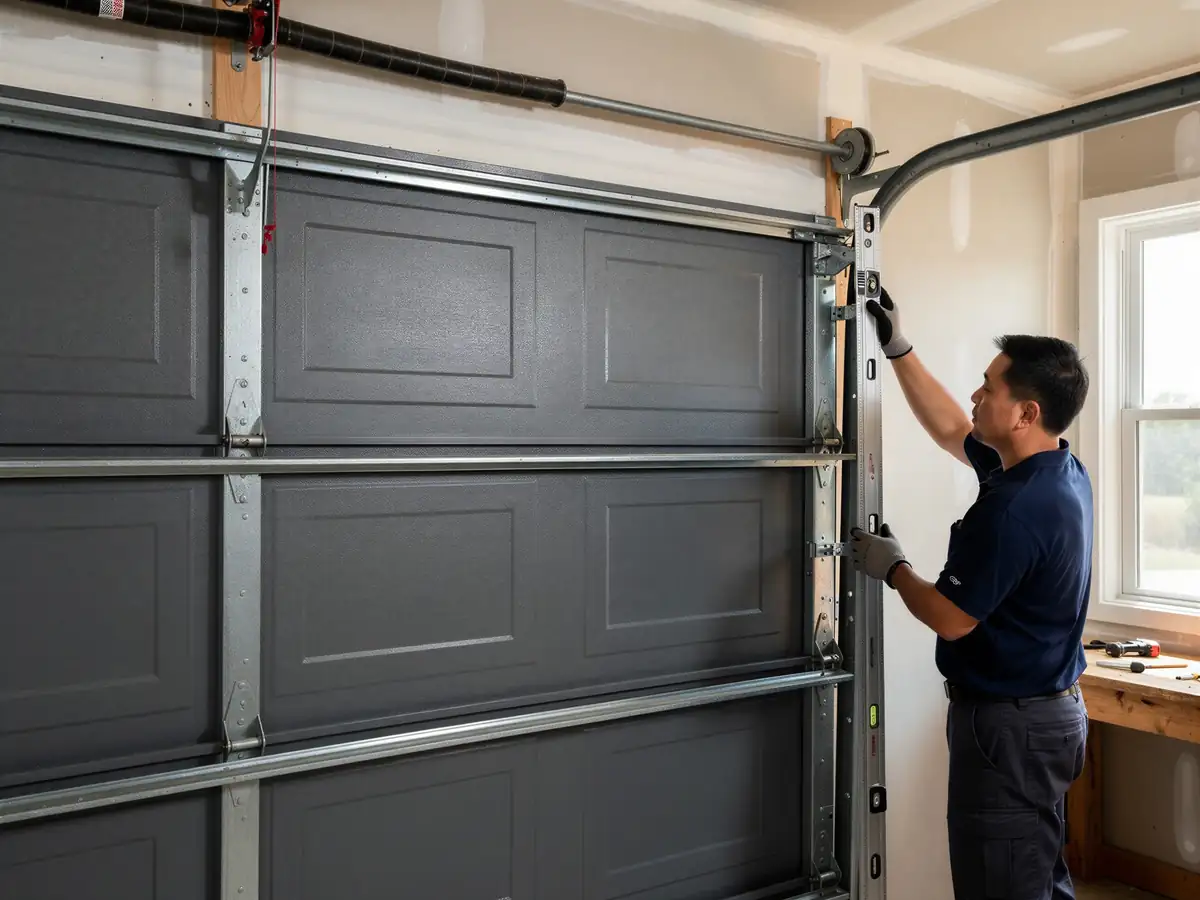
We size the replacement spring to the actual door weight and wind count rather than swapping in whatever's closest, because an undersized spring on a 1980s-era door just fails again sooner. We check the track for bends while we're in there, since a door that drops hard on a broken spring often knocks the track out of line on the way down. If the opener's original to the house, we'll tell you if it's worth keeping once the spring's handling the weight again, instead of pushing a replacement you don't need.
One limit worth saying up front: if the door itself is warped or the panels are rusted through, a new spring won't fix that, and we'll say so rather than charge you for a spring job on a door that needs replacing anyway. That's rare on houses from this era, but it happens on the oldest end of Hutto's housing stock, the ones going back to the late 1950s.