What You Pay
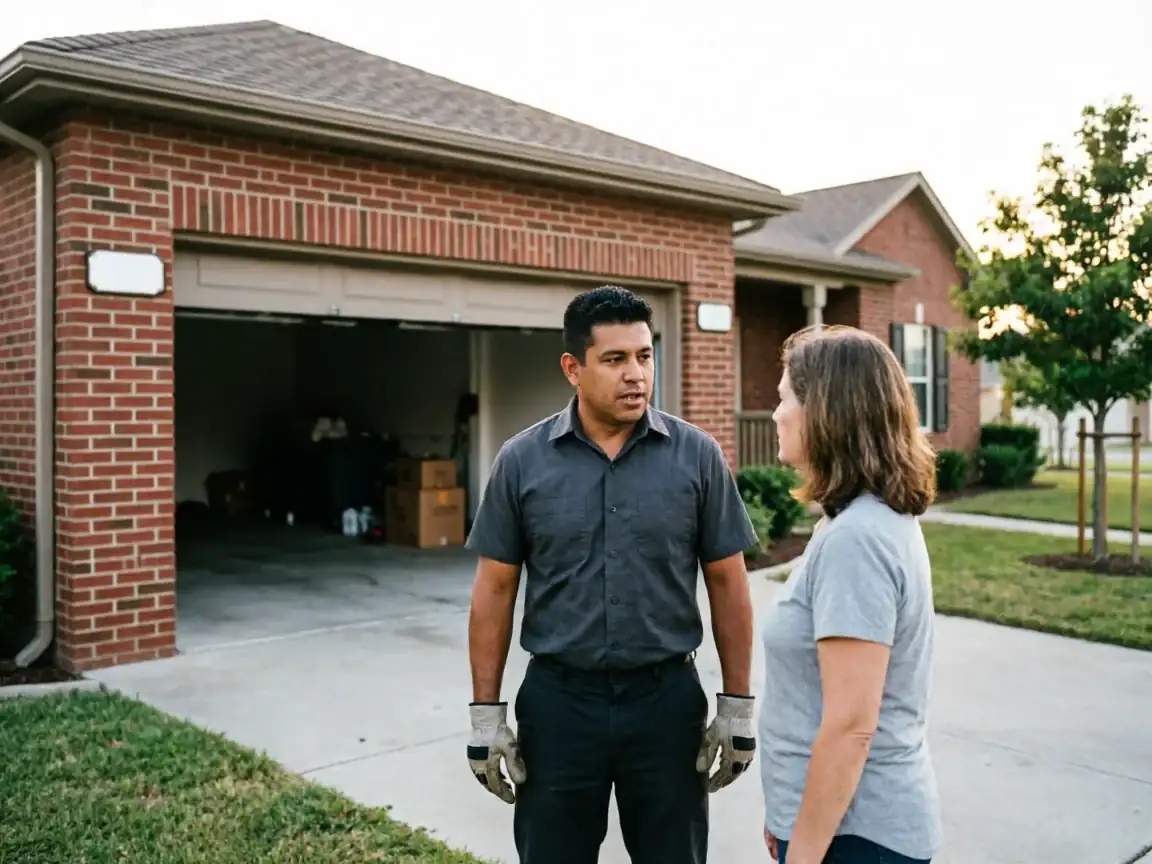
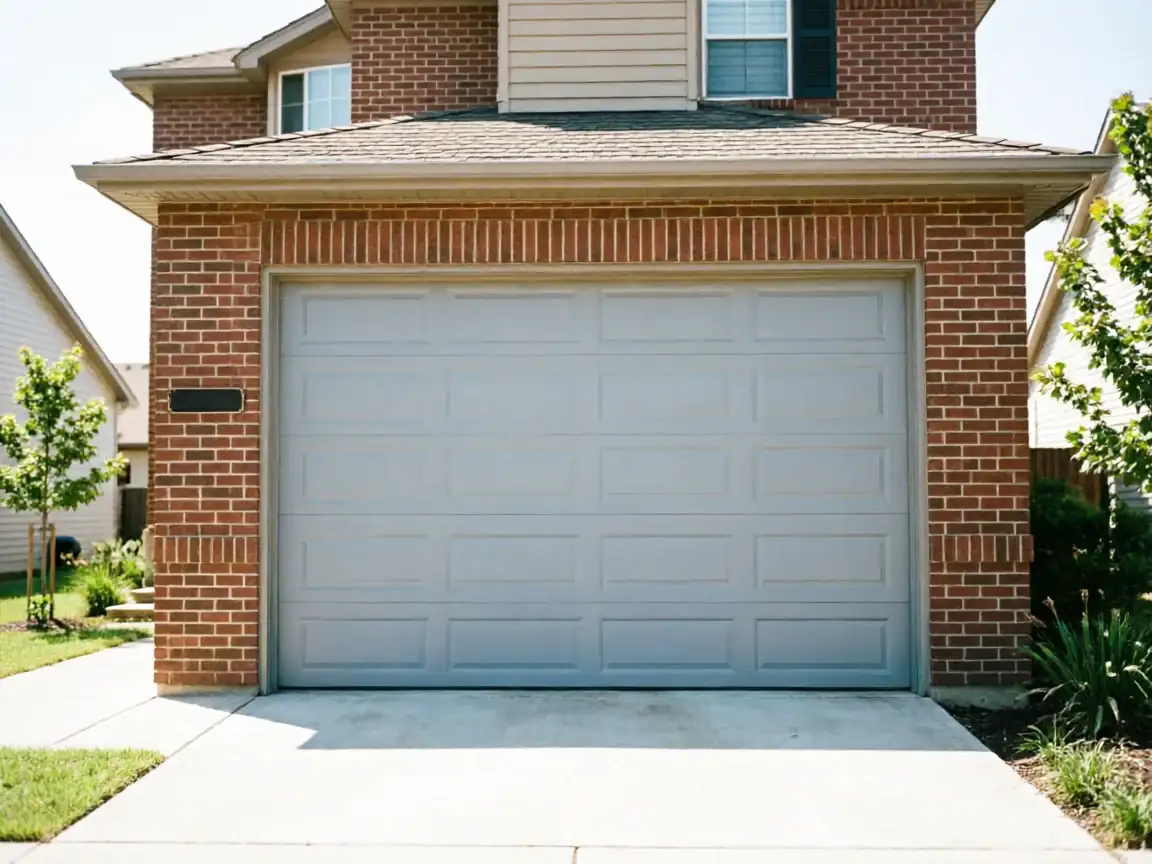
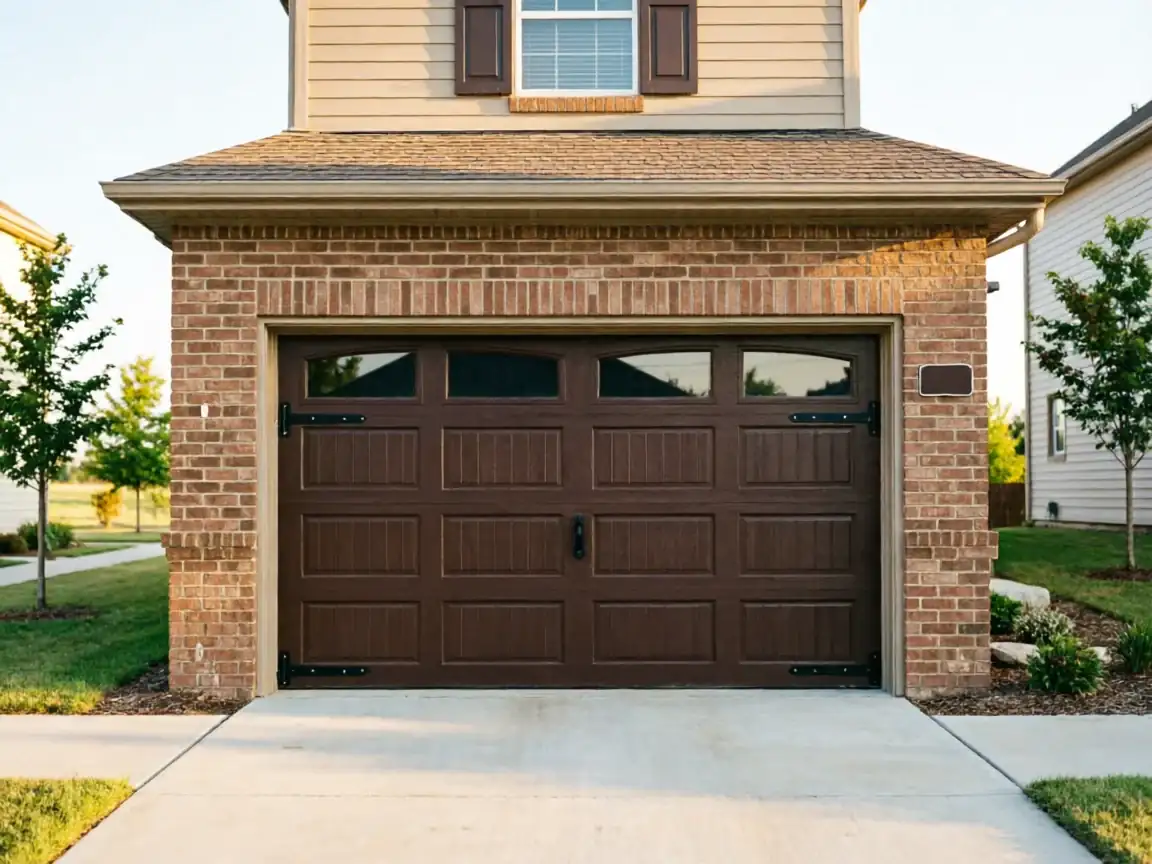
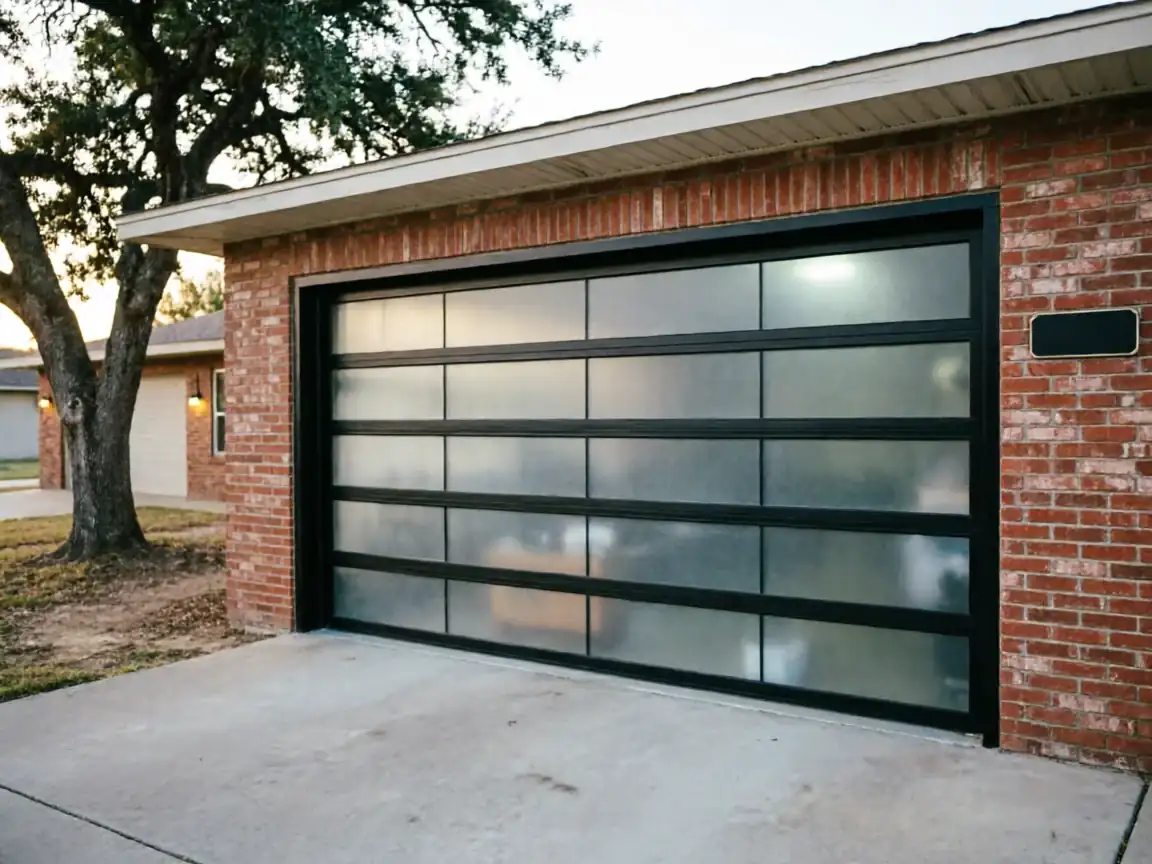
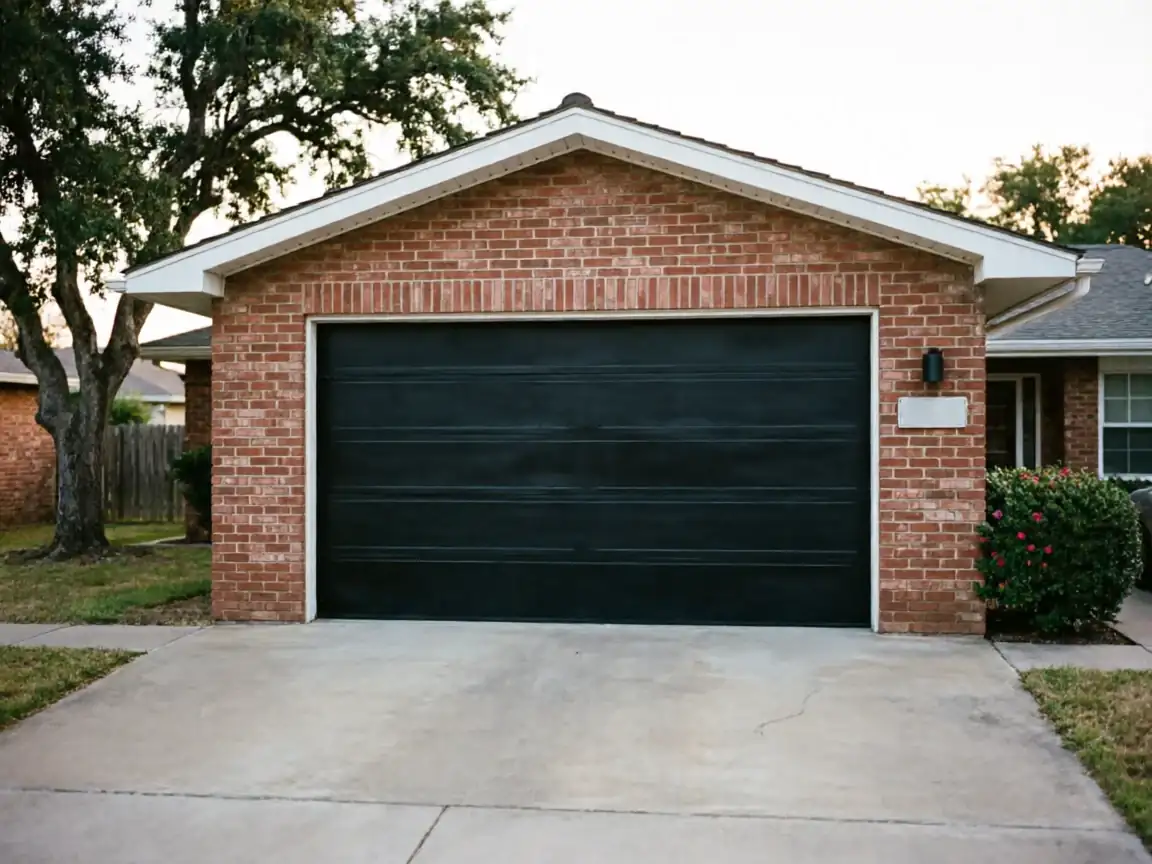
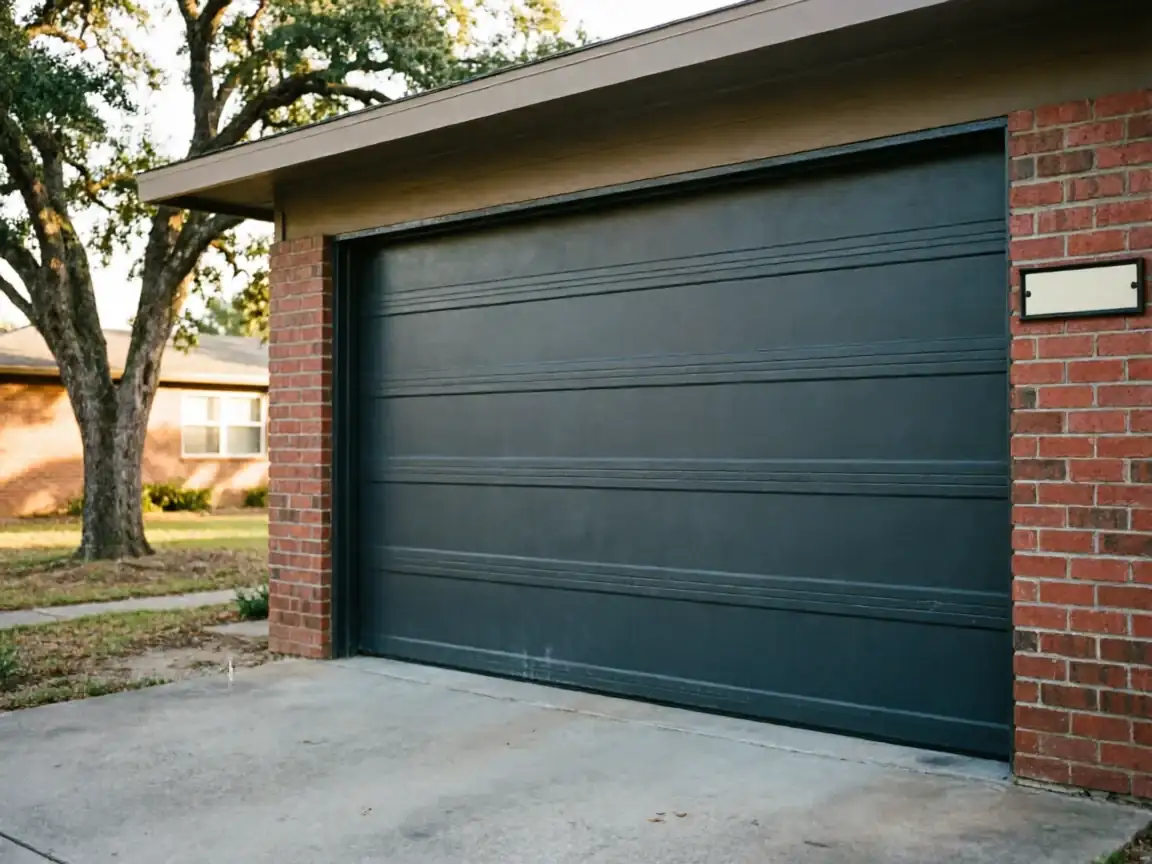
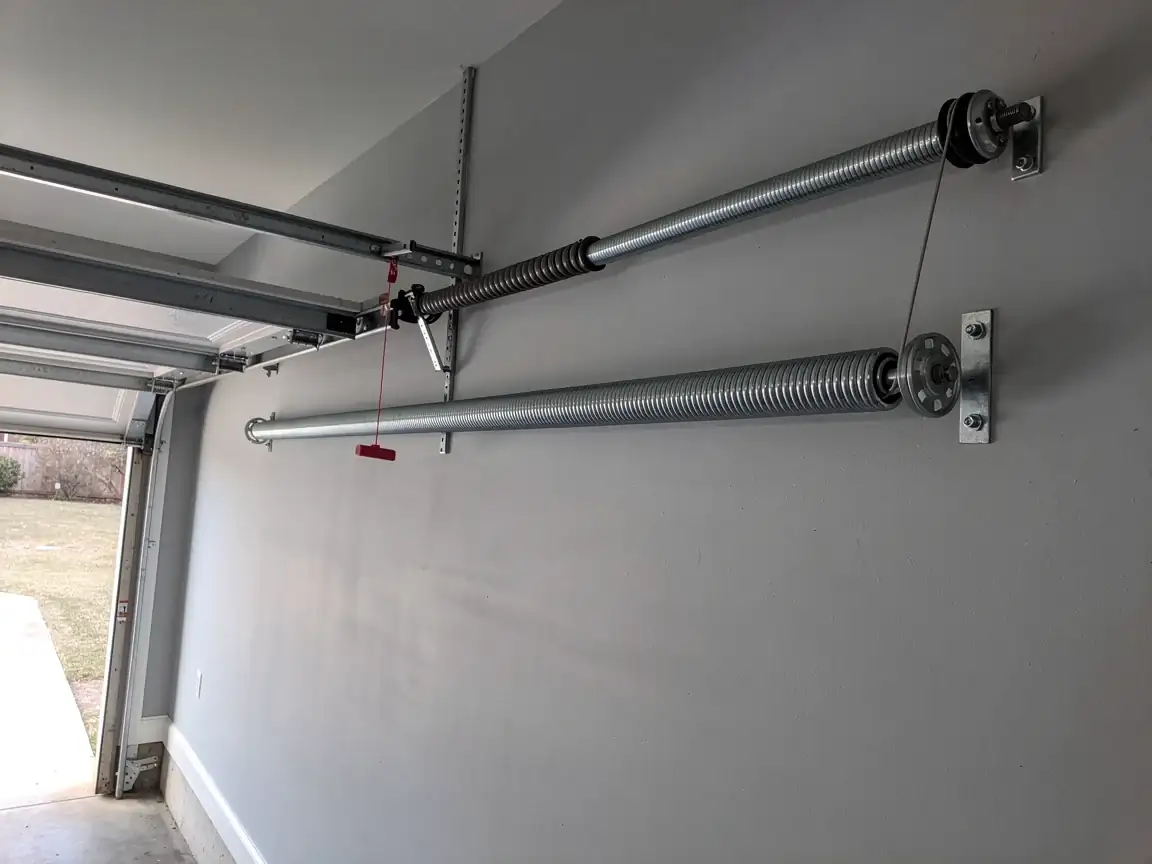
We don't post a flat number here because installation cost swings on real variables: door size, whether you want insulation, steel vs. composite, and what's already on the wall for track and header. What we can tell you is what drives the cost up or down in this area specifically. A lot of Hutto homes were built in the 1980s and 90s, and those openings were framed to builder-grade dimensions that are usually standard - which keeps labor simple and the job fast. Houses built closer to the median year of 1984 sometimes have narrower headroom than newer construction across the service area, which can mean a low-headroom track kit instead of a standard extension spring setup, and that does add to the bill. With median household income in the area at $86,477, we see a fair number of owners choosing insulated steel doors over the bare single-layer doors that shipped standard on most houses when they went up. That's a real upgrade decision, not a sales pitch - it affects both the quote and what the door does for you in a Texas summer. Ask for a walk-through quote before you commit to anything over the phone; openings vary more than people expect even on the same street.
What Causes It Around Here
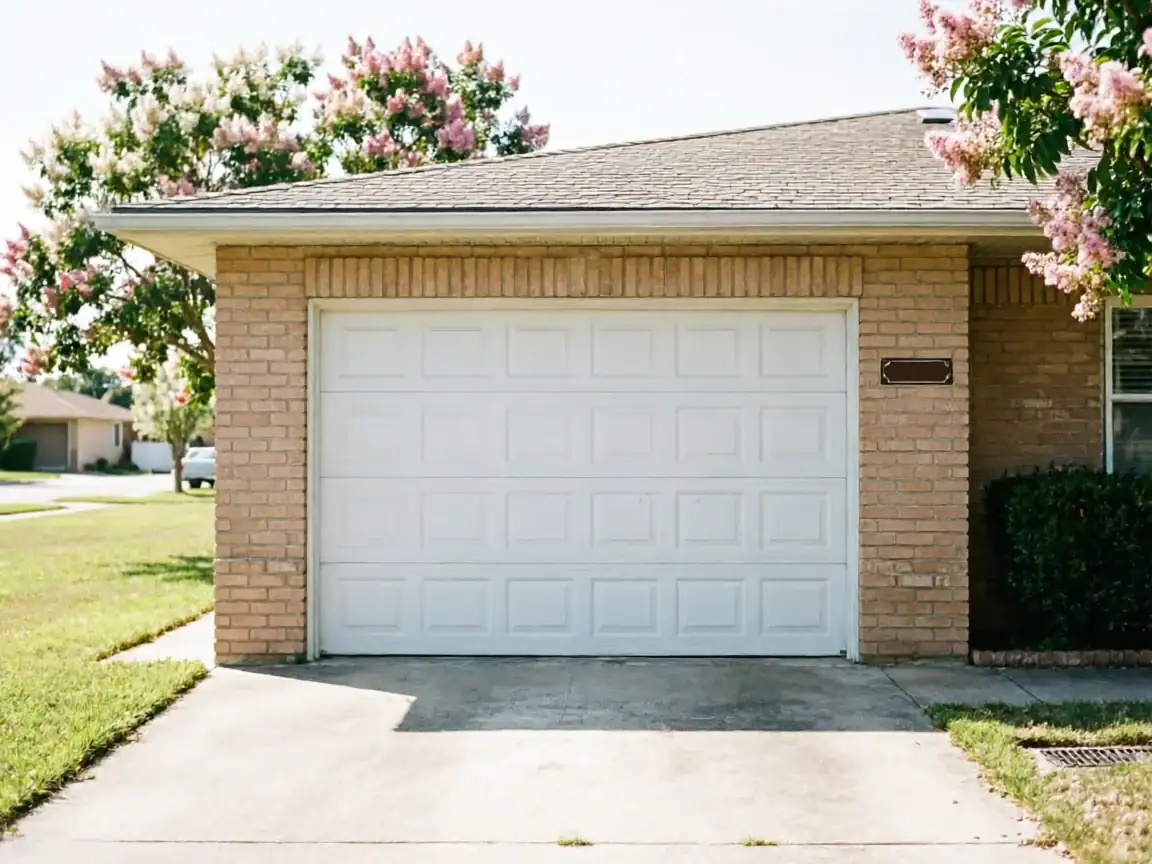
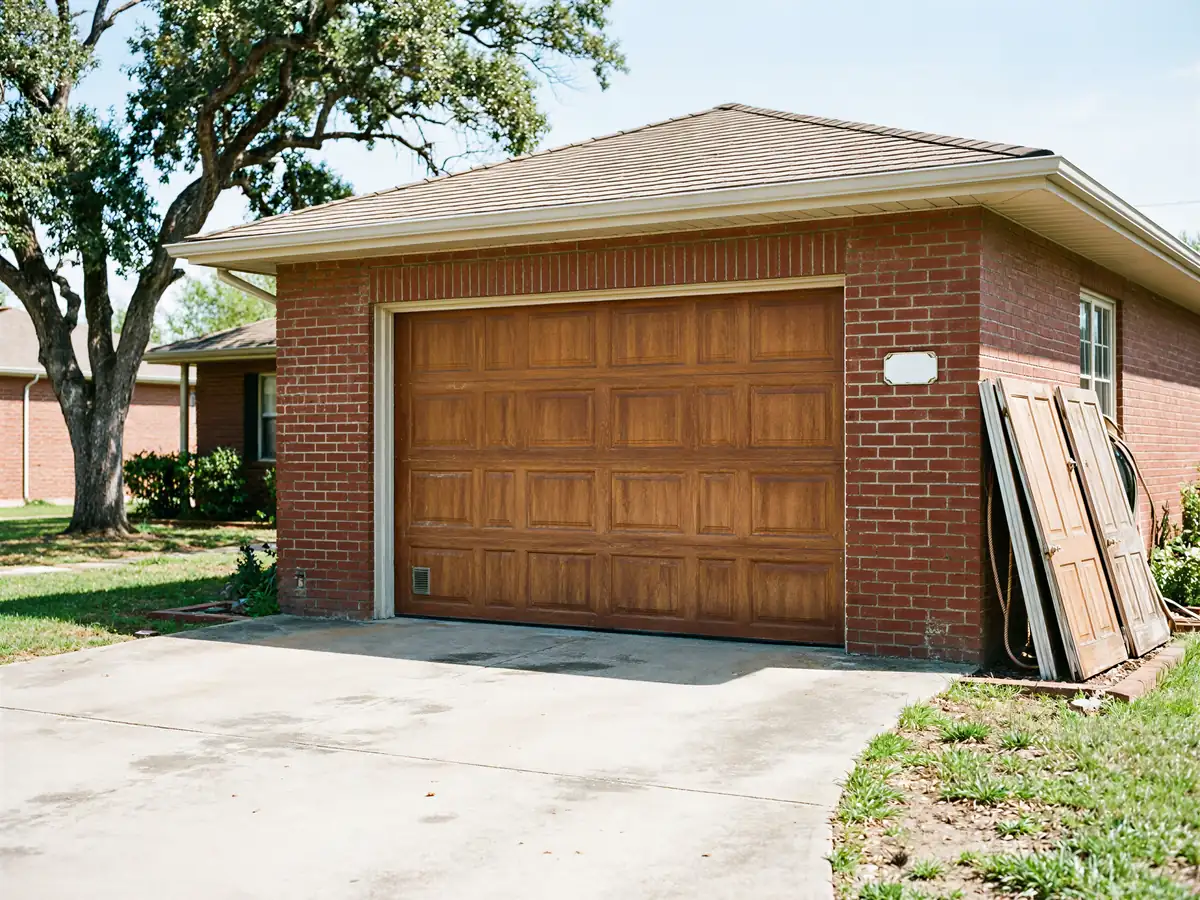
Housing in the Hutto area went up mostly between 1957 and 2018, with the bulk of it clustered in the 1980s and 90s across the nine named areas that make up the service territory. That means a large share of garage doors out there are now thirty-plus years old - past the point where springs, rollers, and in some cases the whole door are still worth repairing piece by piece. The climate here is mild with occasional freeze, not the deep-freeze cycling that cracks panels up north, but the swing between summer heat and the occasional cold snap still works on steel seams and foam-backed insulation over three decades. Doors from that era weren't built with today's insulation standards, and the track hardware from that period wasn't designed for the heavier torsion springs modern doors use. Put those two things together - an aging housing stock concentrated in one decade and a climate that's gentle but not static - and you get a steady stream of calls that aren't about a broken part so much as a door that's simply reached the end of its working life. That's the honest reason installation requests cluster here: not storm damage, just age catching up with a lot of houses at once.
How We Fix It
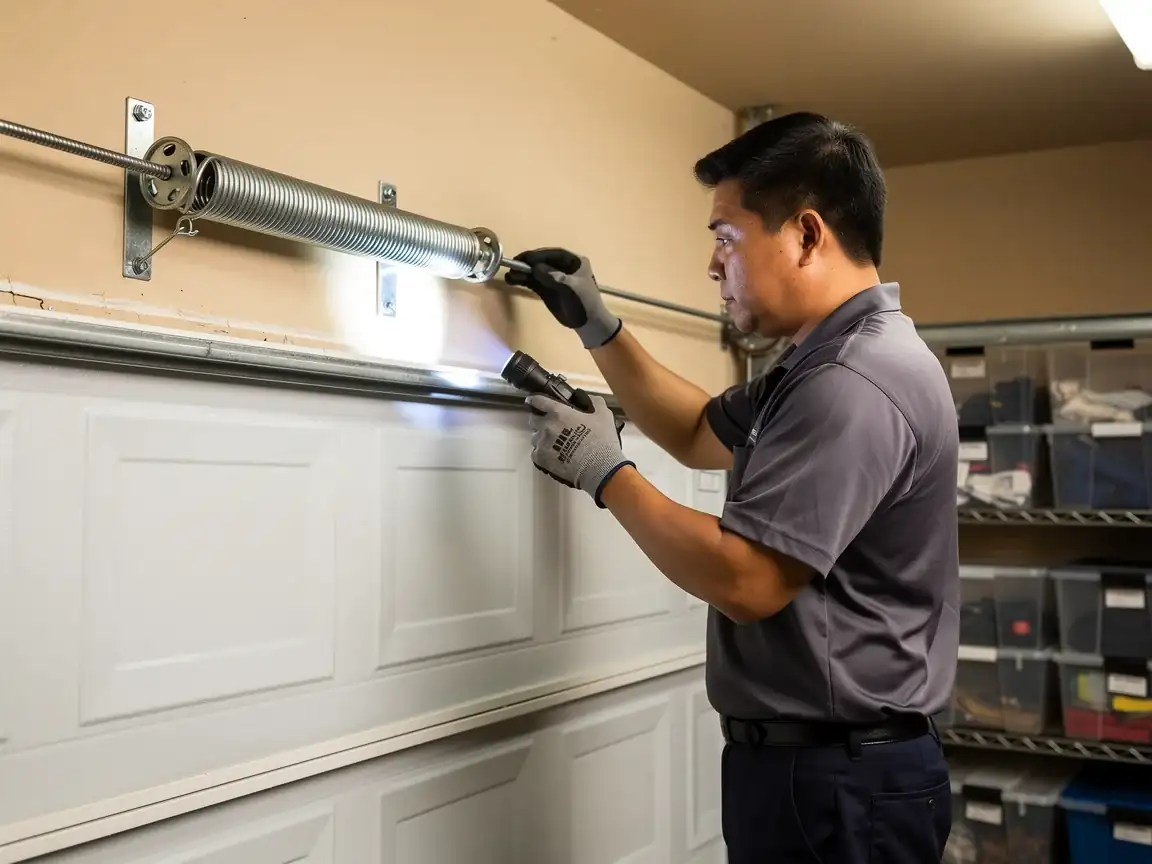
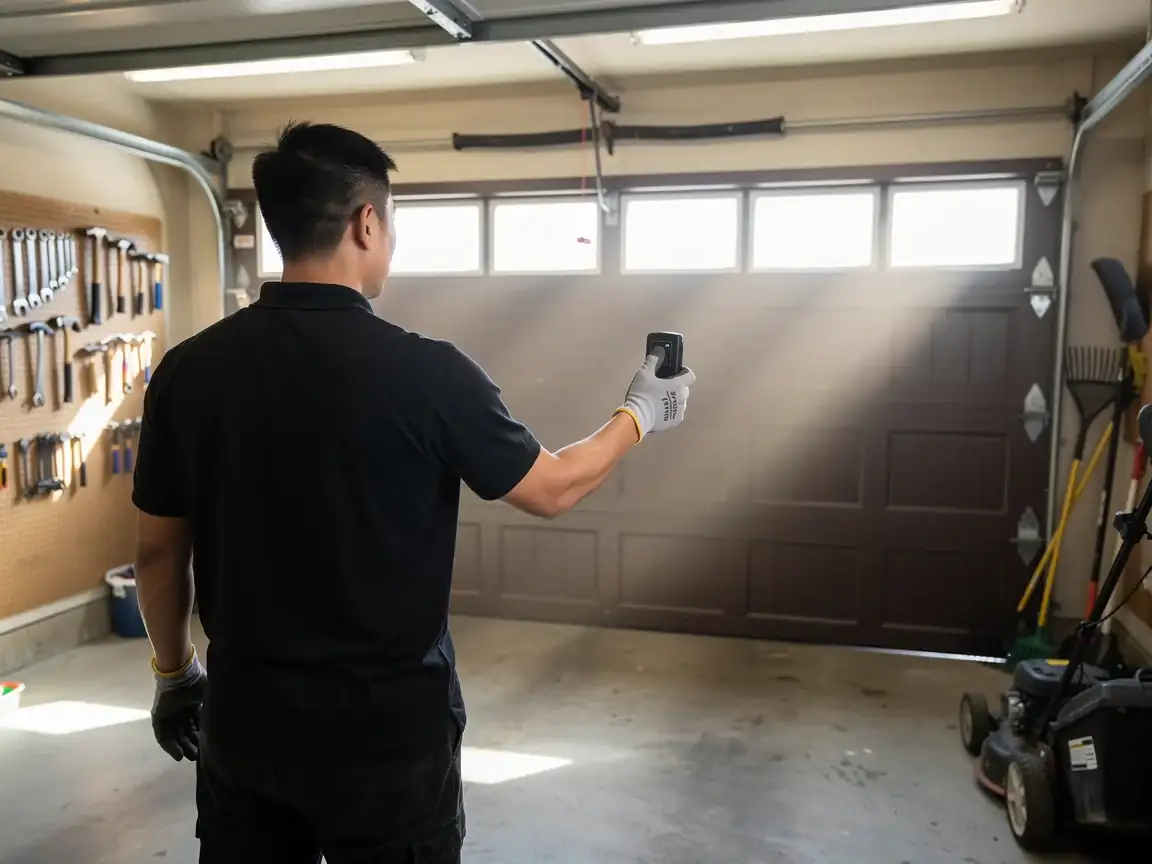
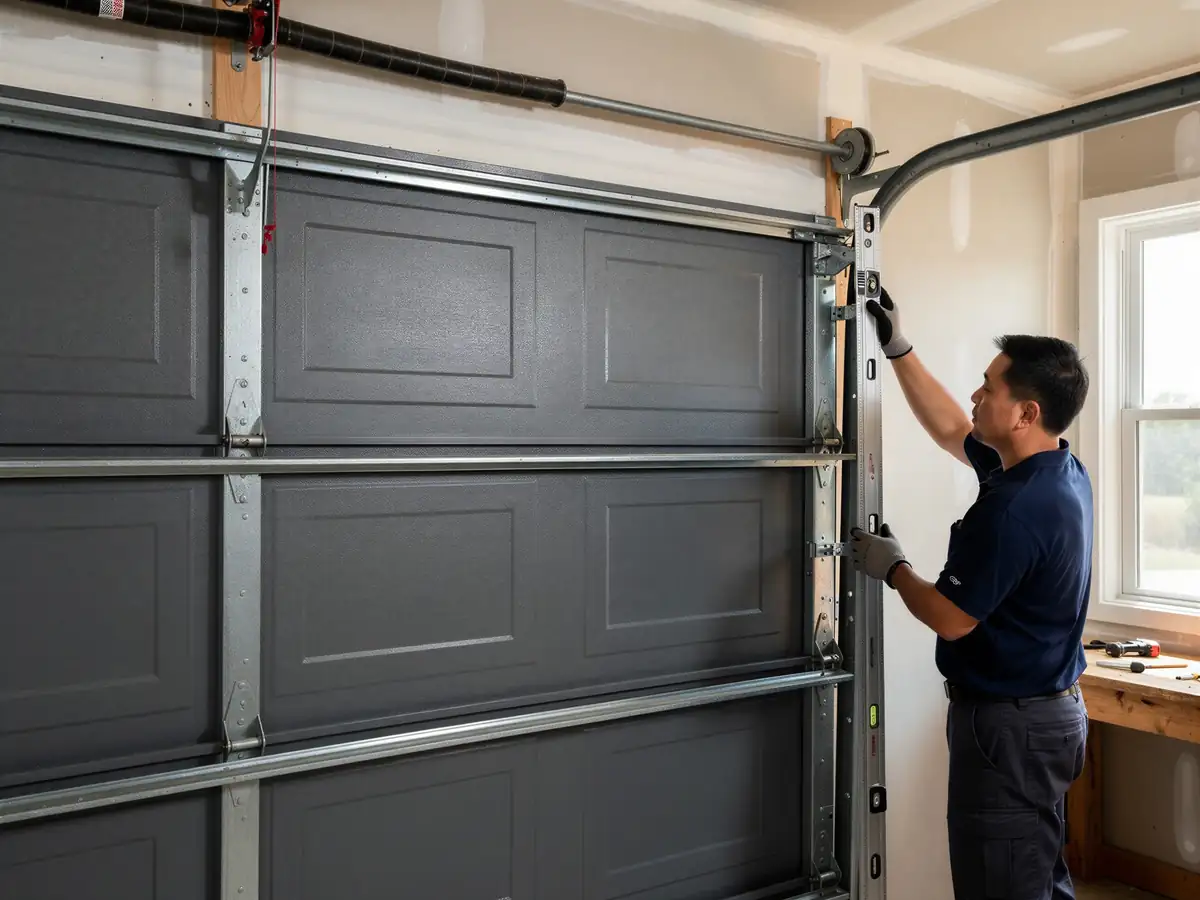
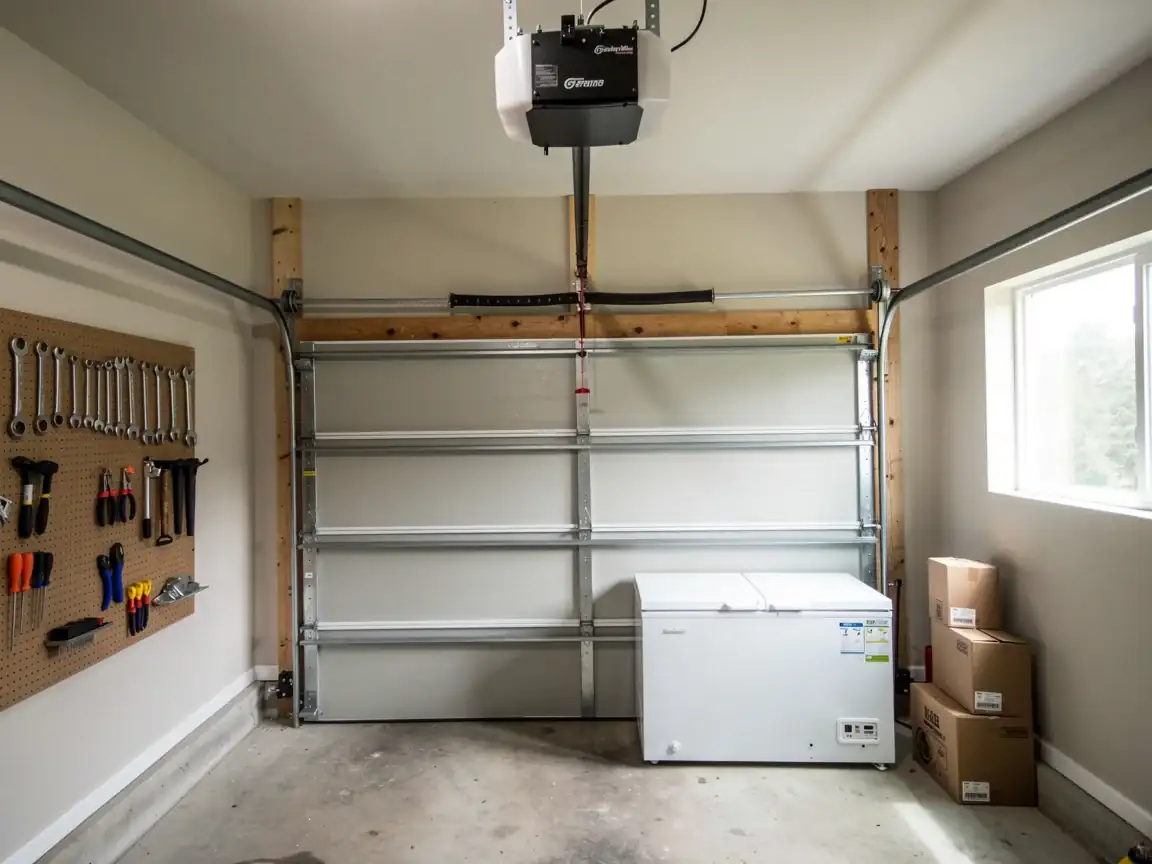
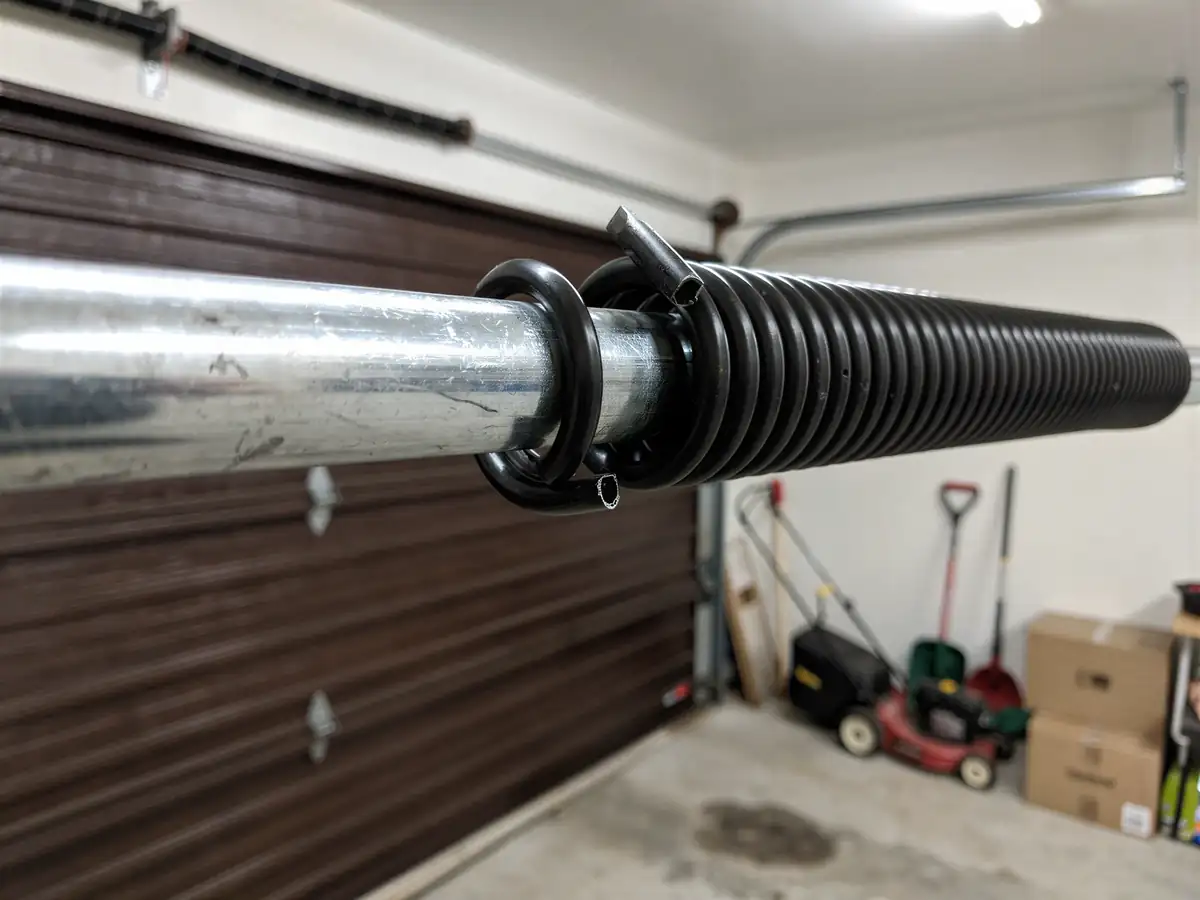
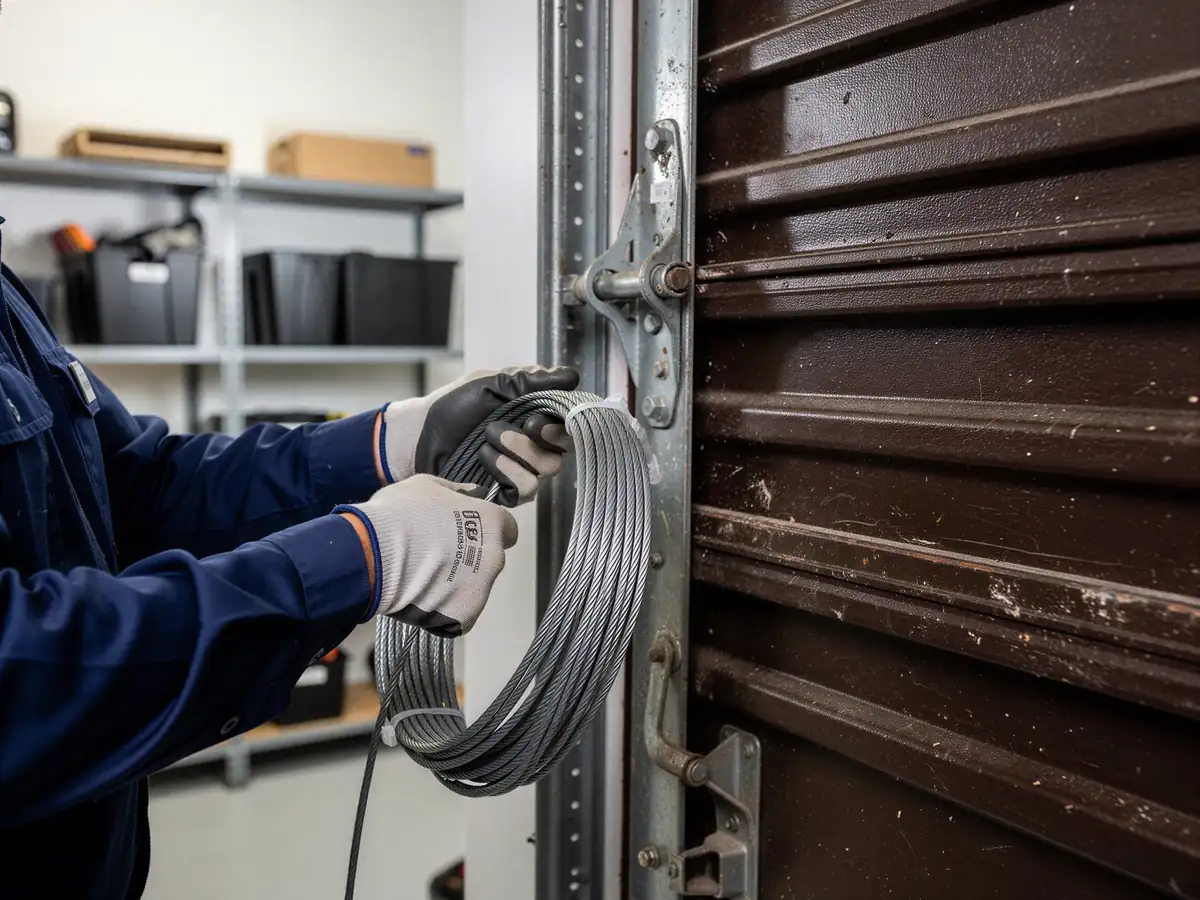
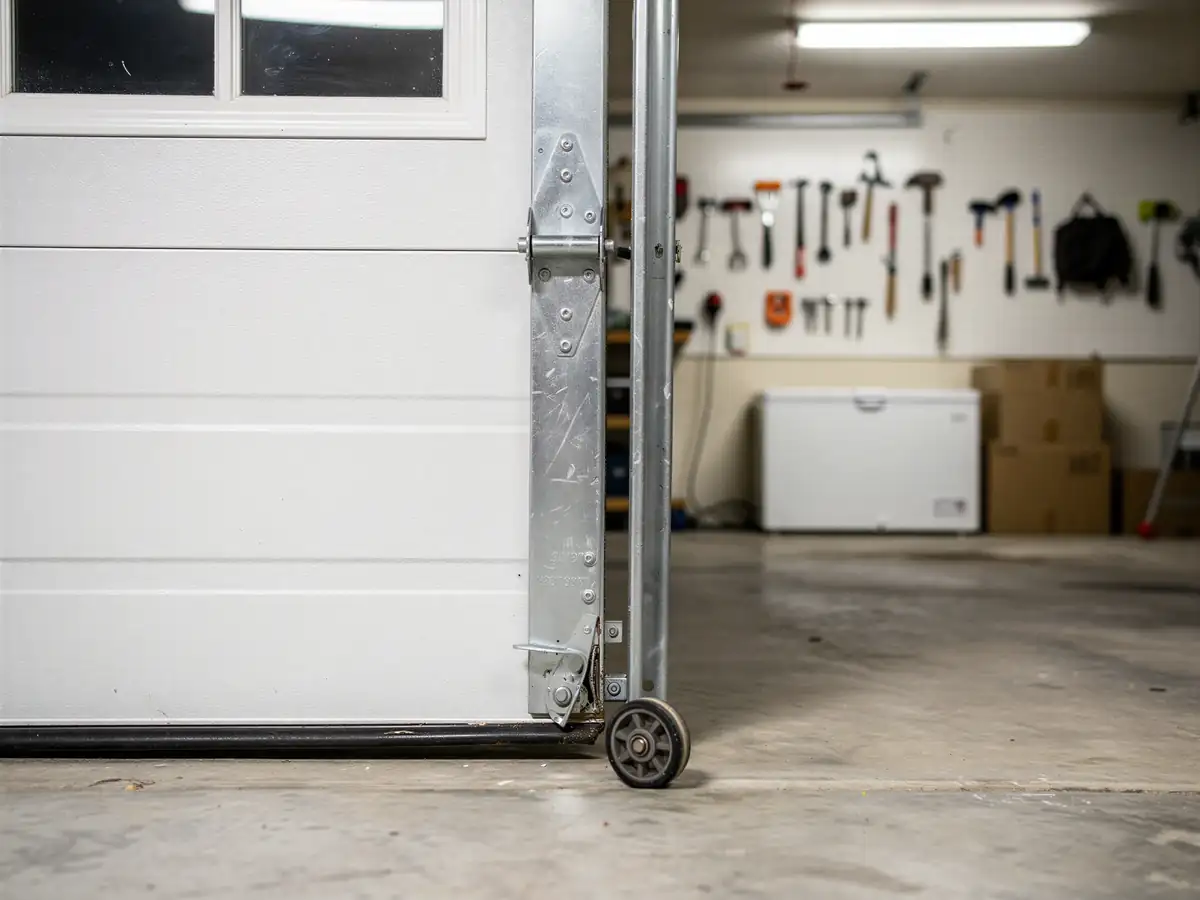
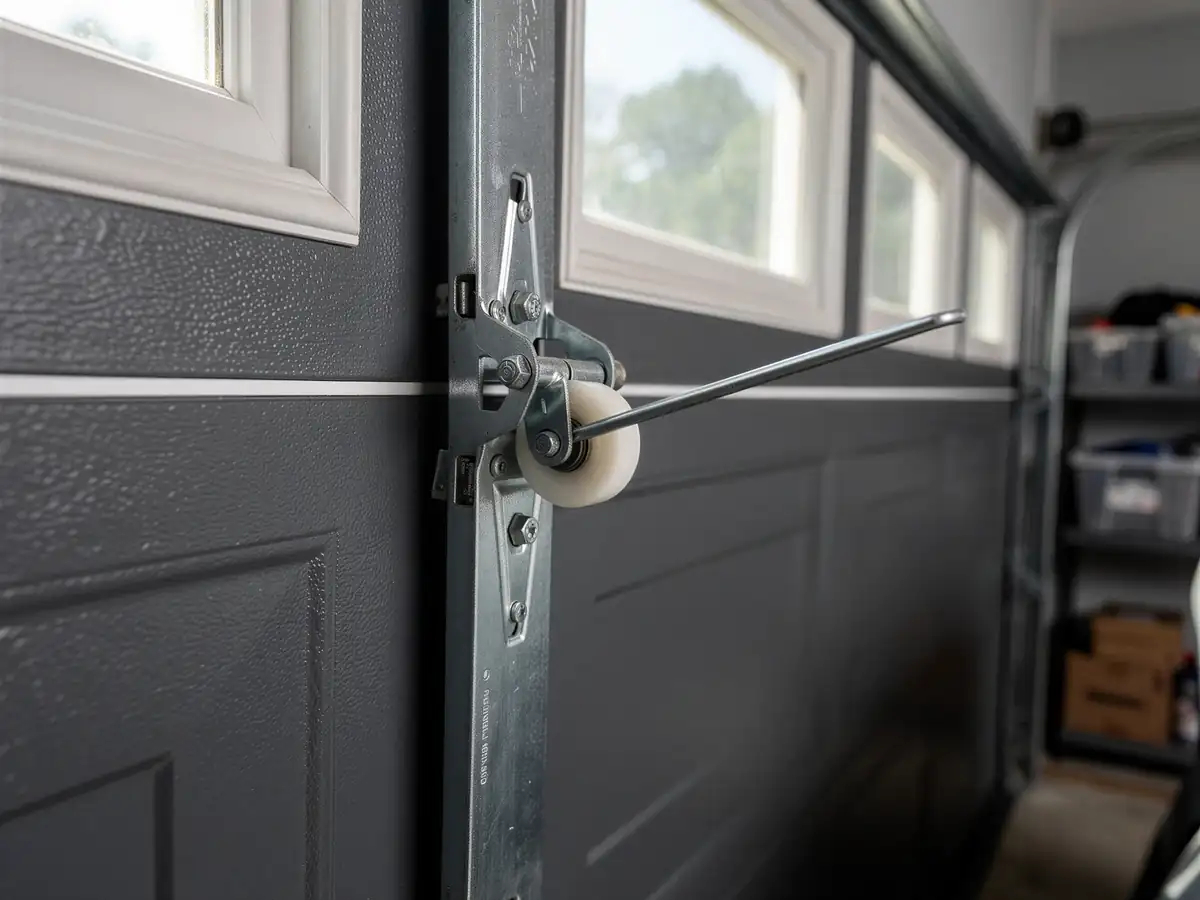
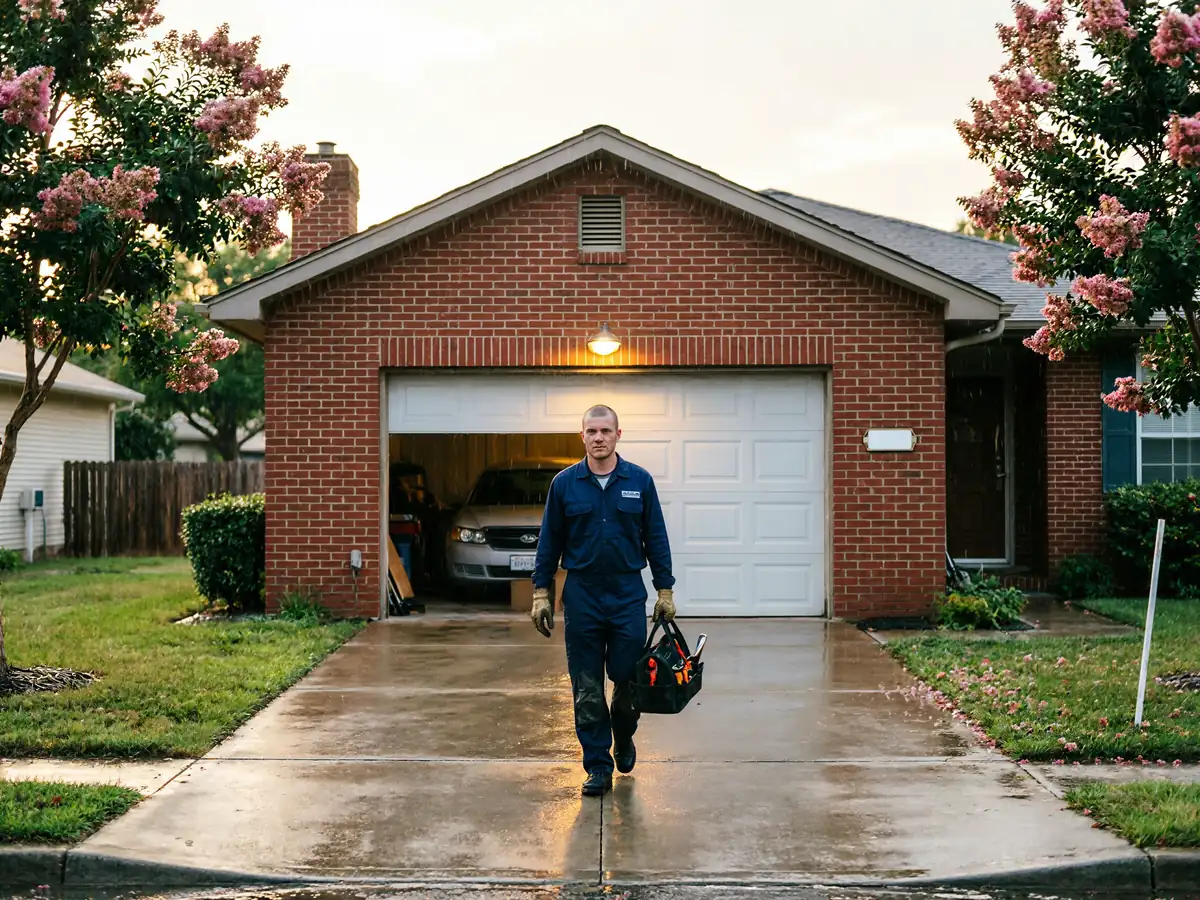
For a straight installation, we pull the old door and track completely rather than trying to reuse hardware from a house built decades before current door weights and spring tensions were standard - mixing old track with a new door is how you end up with the sagging and binding we described above. We measure the opening on site, because even within the same subdivision, headroom and side room vary enough that a stock kit doesn't always fit. One honest limitation: if your opening has non-standard framing or the header is lower than code allows for a standard torsion setup, we may need a low-headroom kit, and that's a part we order rather than carry on the truck, so it can add a few days to the schedule. Once the door's in, we set spring tension to match the actual door weight - insulated steel doors run heavier than the single-layer doors common on older Hutto builds, and under-set springs are one of the most common comebacks we see on DIY or rushed installs. We test full-cycle travel, check opener force settings against the new door's weight, and walk you through the warranty paperwork before we leave.