What We Do Not Do
We don't keep a crew or a truck stationed in Brushy Creek. We run out of Hutto, about 12 miles away, and that drive is part of every job we quote here. If you call needing someone on your driveway in the next ten minutes, we're not that company - we're the one that shows up with the right spring and the right opener board because we knew what we were driving into before we left.
We also don't try to sell a full door replacement to someone who needs a $40 roller swap. Given that most of Brushy Creek's housing went up well after the mid-1990s, a lot of the doors we see here are still inside their useful life - the opener logic board or the travel limits are more often the problem than the door itself. We'll tell you when a repair isn't worth the money, but we won't manufacture a reason to replace a door that's fine.
Lastly, we don't do panel painting, fence work, or general handyman jobs. Garage doors, openers, springs, tracks, and the hardware that moves them - that's the whole list.
What We Do Most in This Area
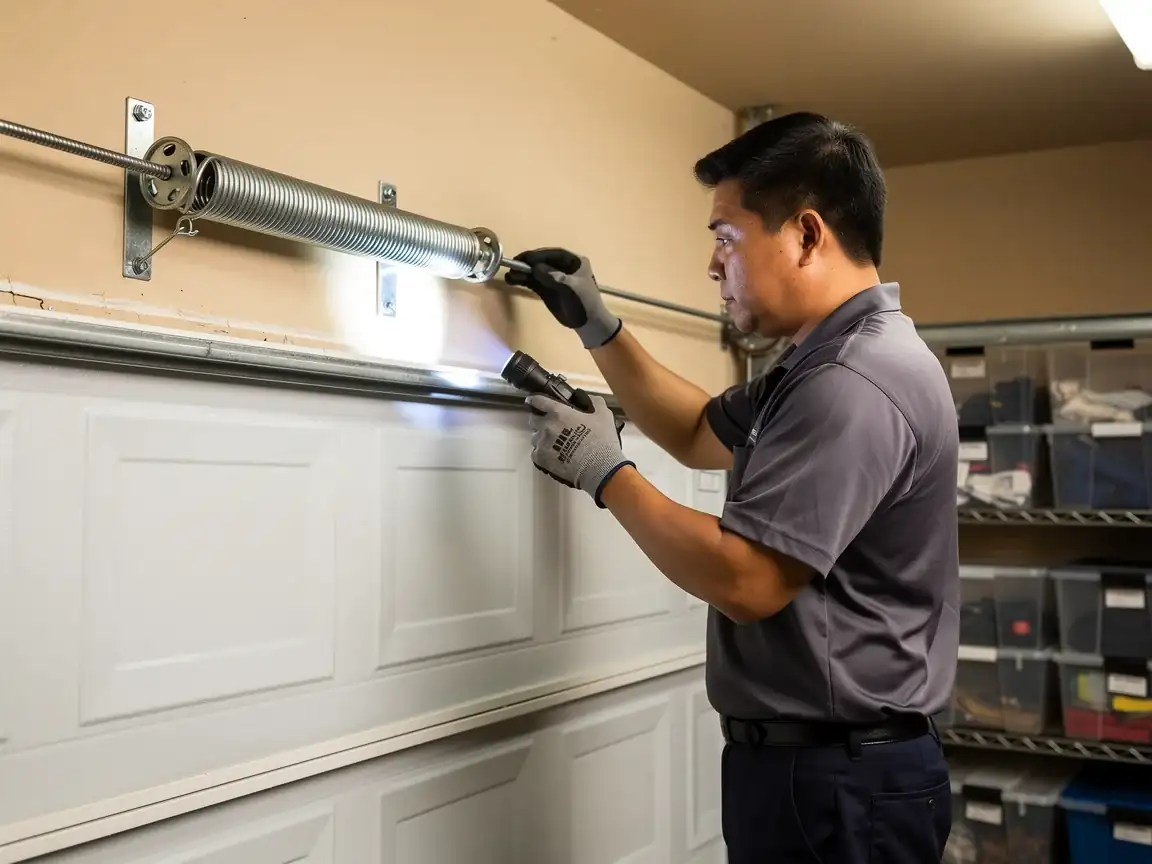
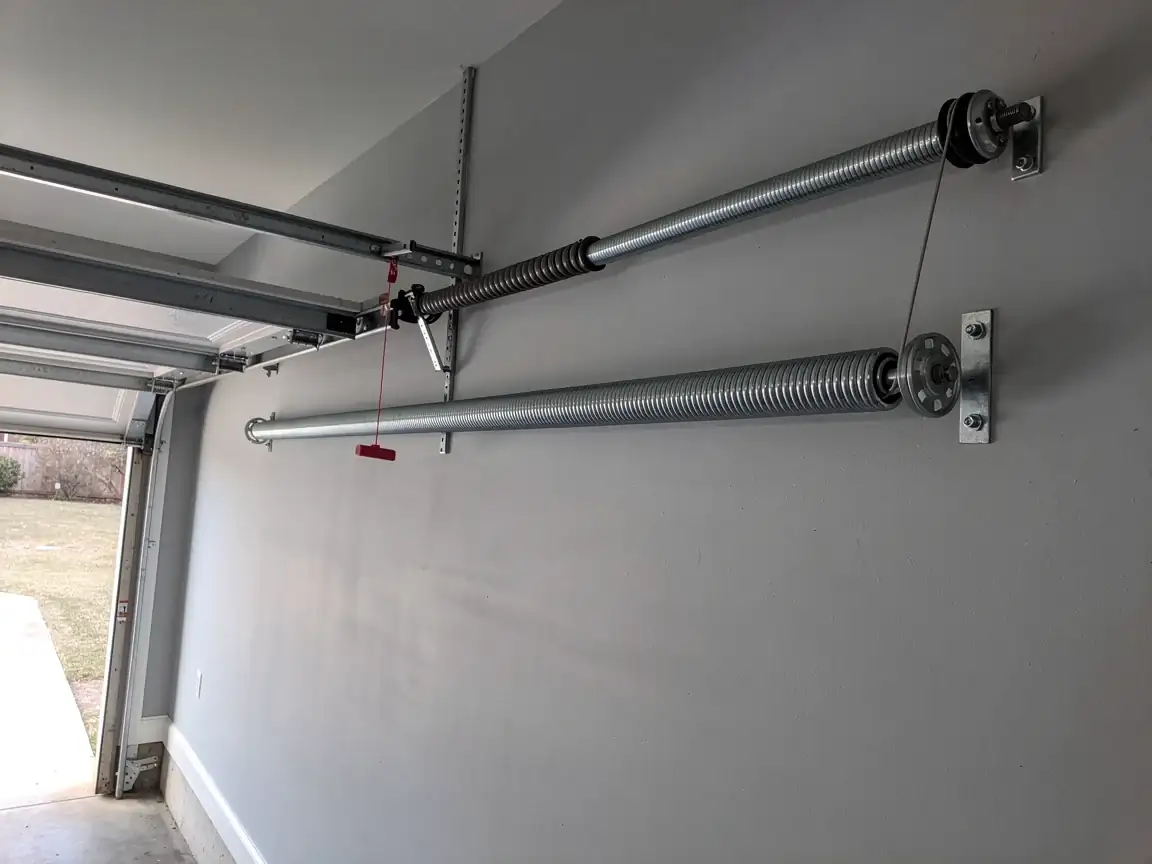
Because Brushy Creek's housing is newer than the older pockets closer to Hutto, the calls here skew toward openers rather than worn-out torsion springs on original 1960s hardware. We see a lot of logic board failures, failing safety sensors that won't align after years of lawn equipment bumping the bracket, and belt-drive openers losing their learned limits. Spring work still happens - a spring is a wear part no matter when the house was built - but it's less often the emergency-call reason here than in older neighborhoods.
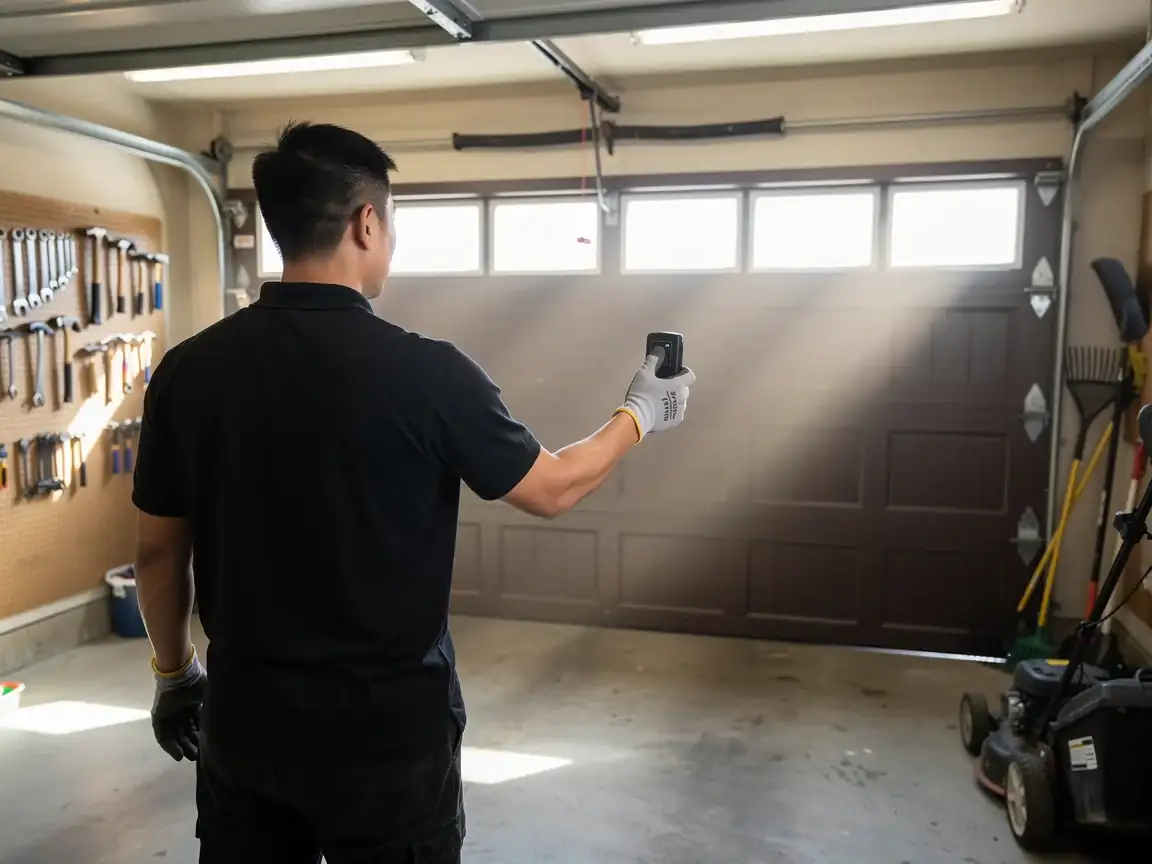
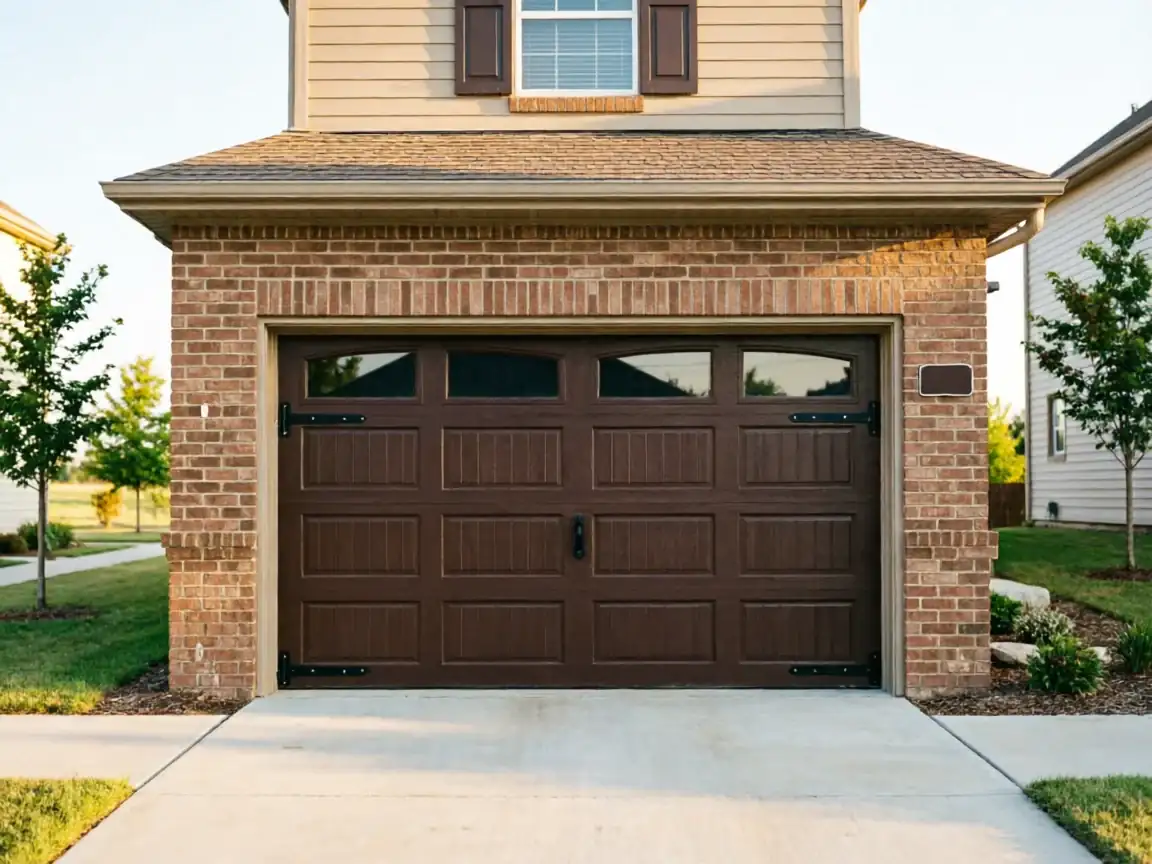
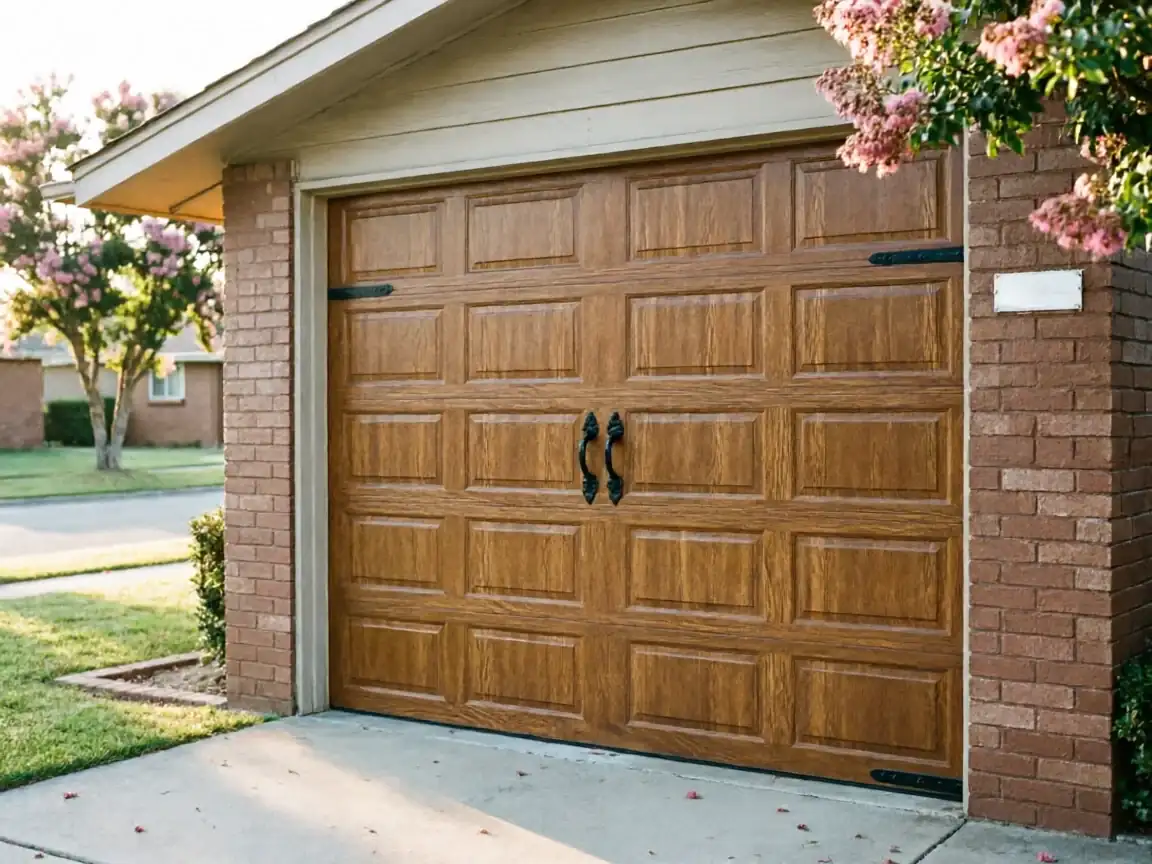
We also get called for keypad and remote reprogramming, especially after a storm knocks out power and an opener loses its memory, and for cable fraying on heavier insulated doors, which are more common in homes built from the mid-90s onward than in older, lighter single-panel doors. Track realignment after a door gets bumped is a steady one too - newer driveways and tighter garages mean more clearance issues than you'd see on older, wider lots.
What the Housing Means for Your Door
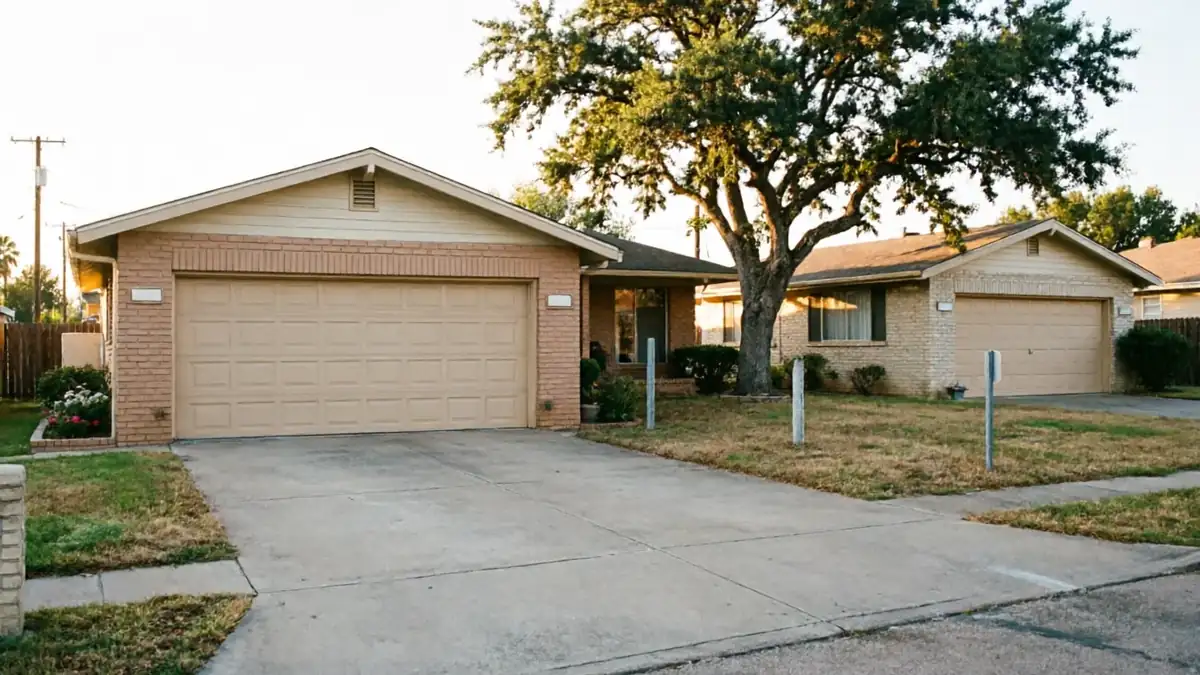
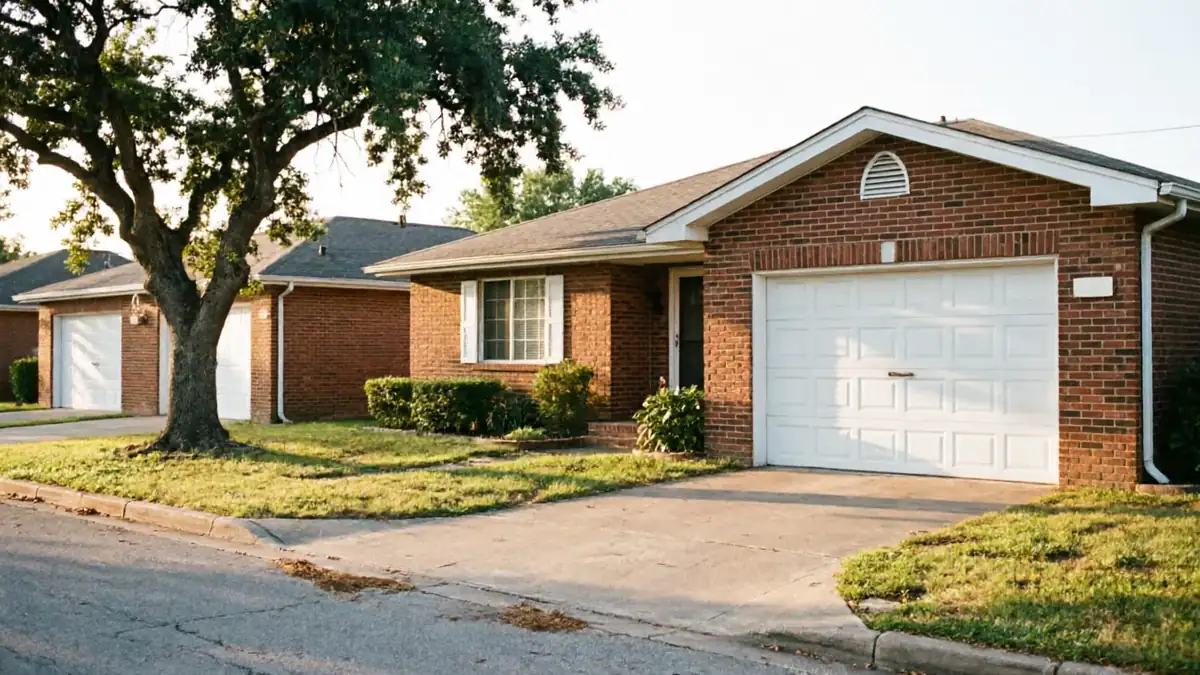
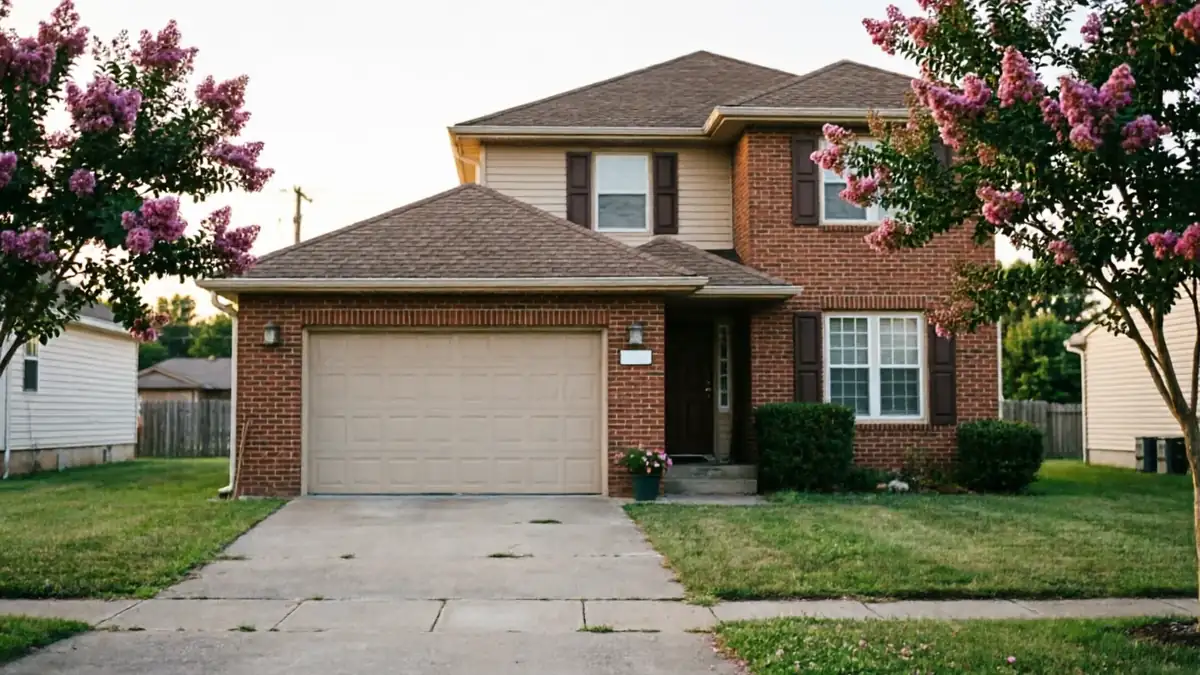
Brushy Creek's housing stock runs newer than much of the broader Hutto service area
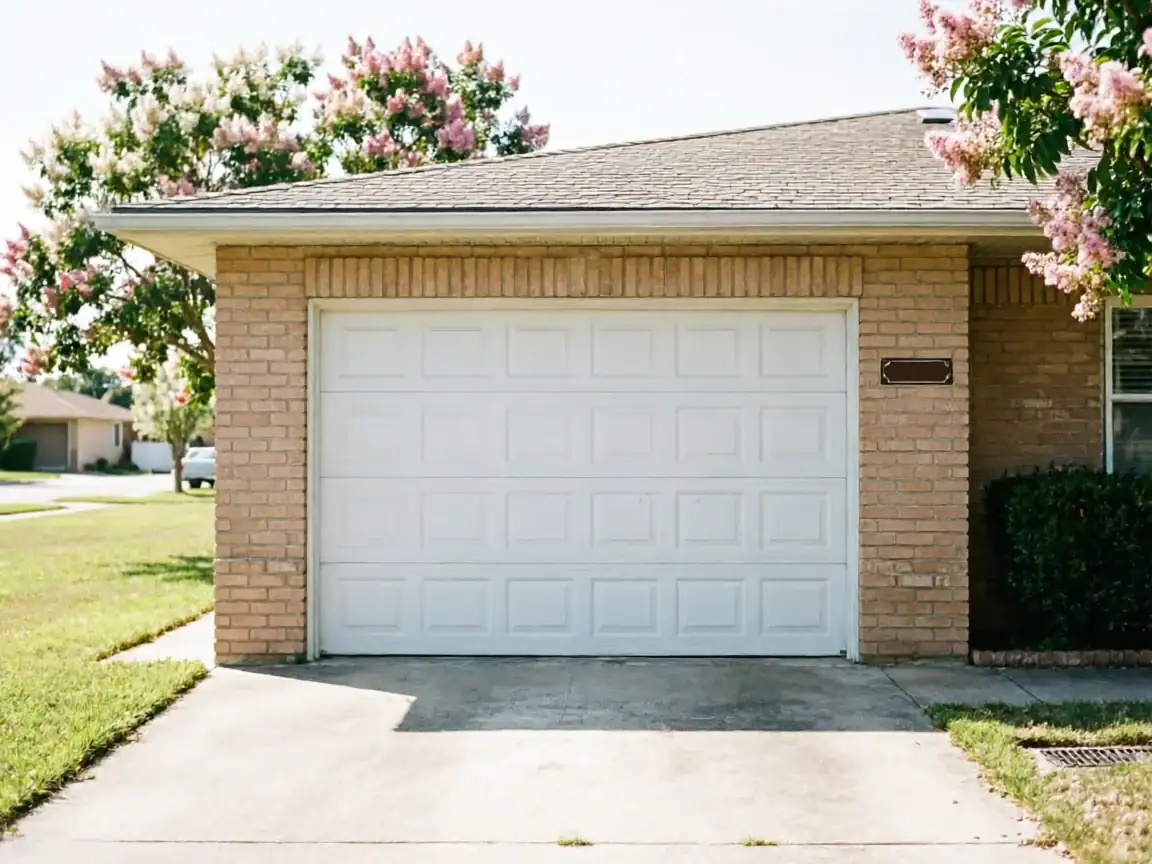
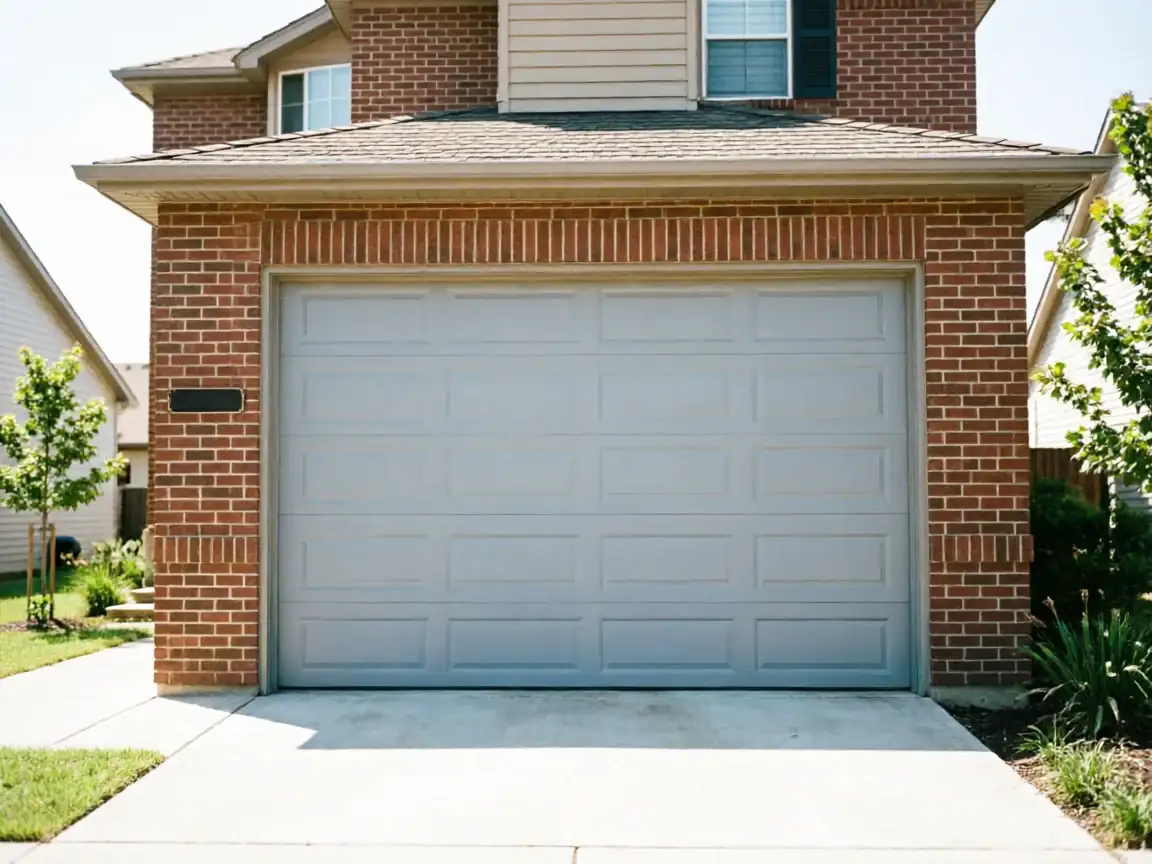
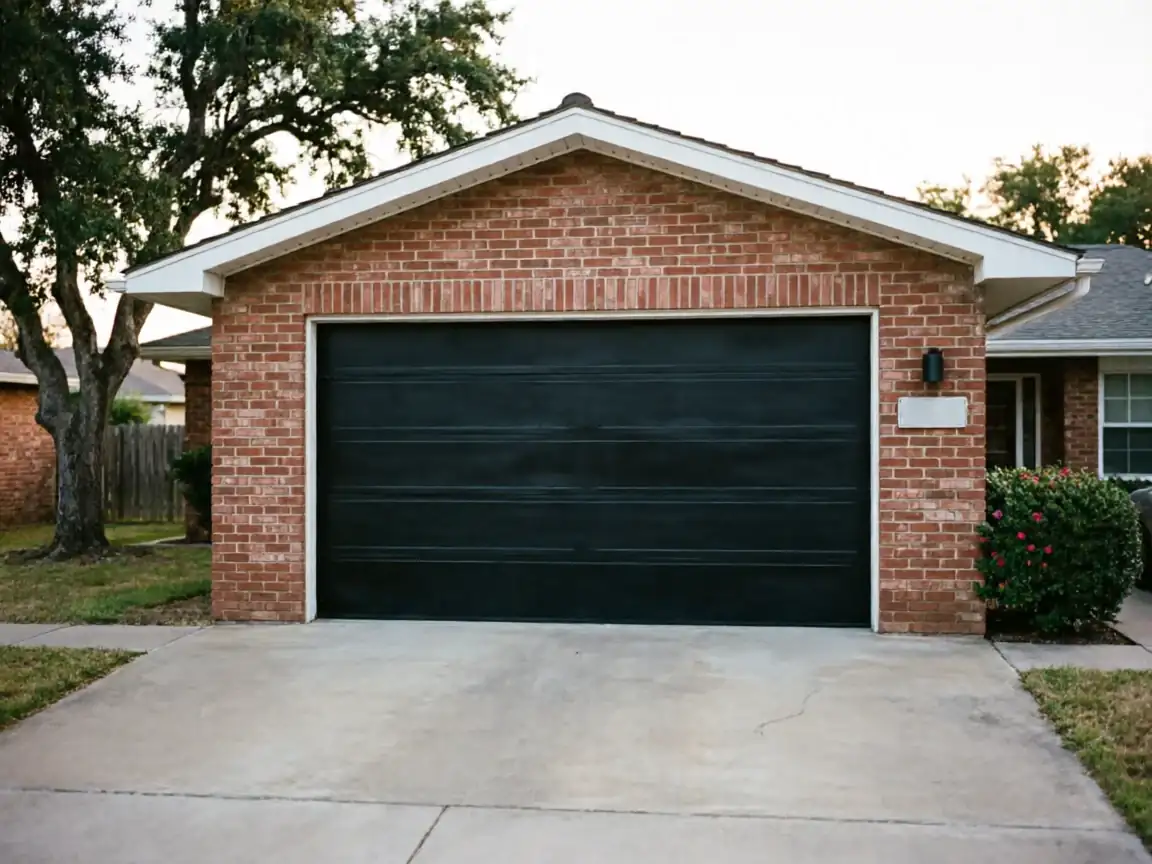
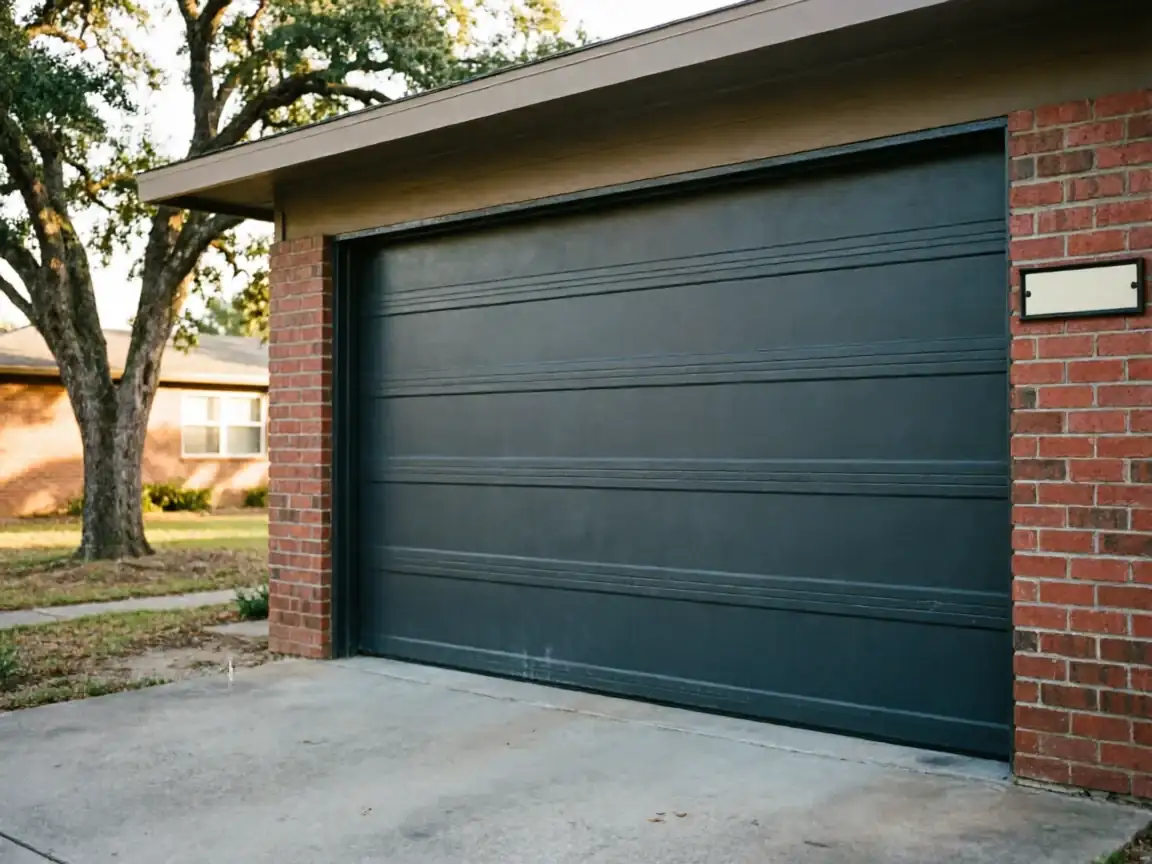
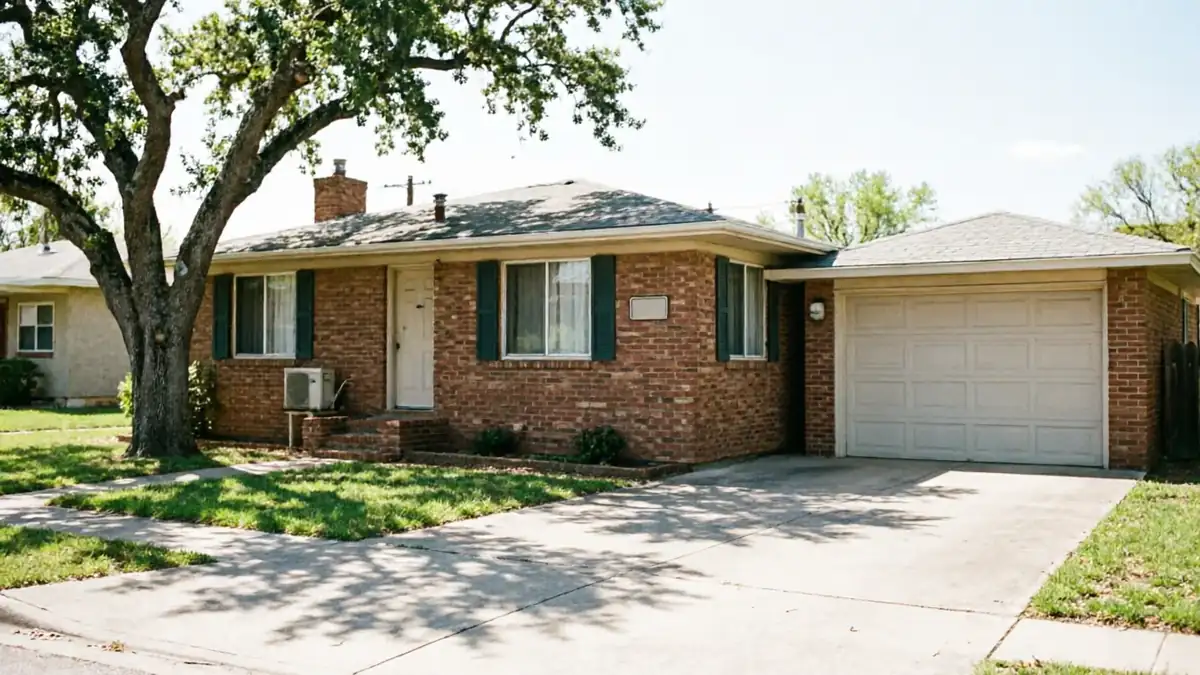
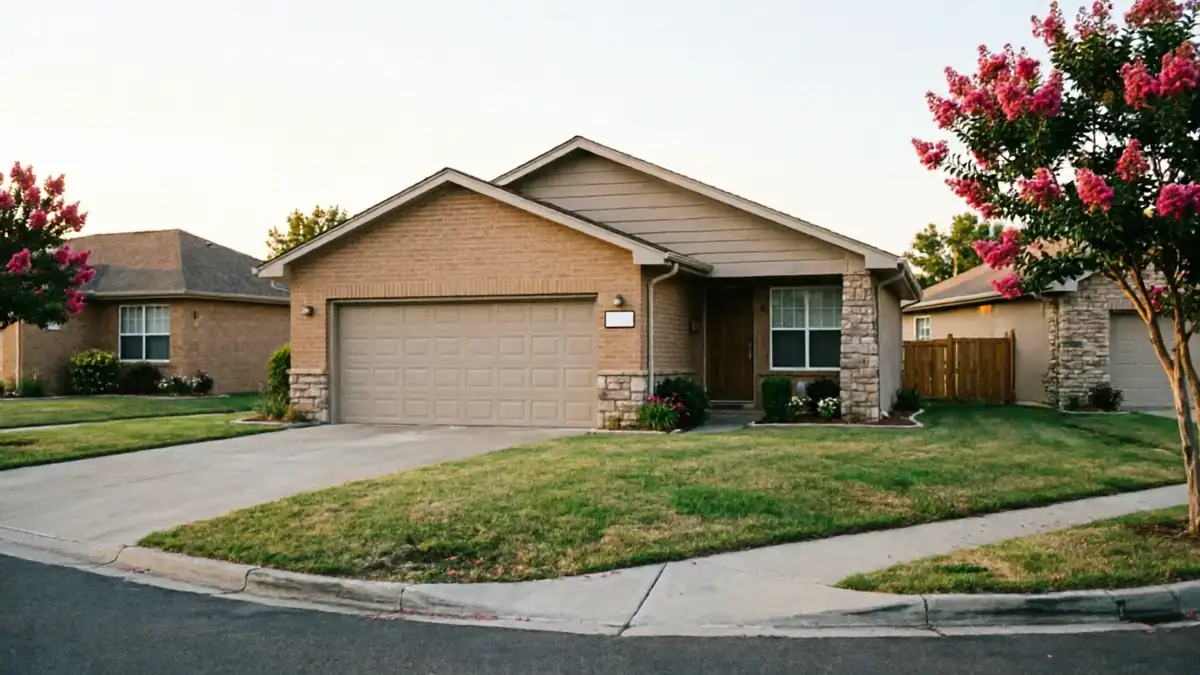
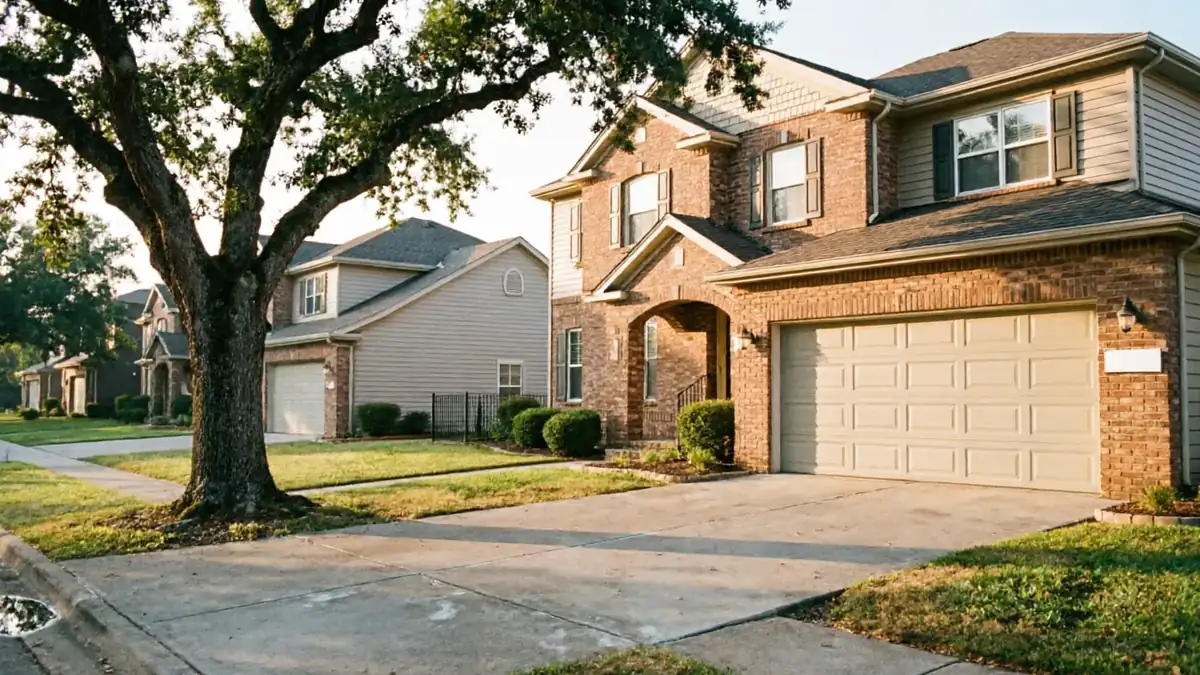
The typical home here dates to around 1995, compared to a median build year closer to 1984 across the wider area. That gap matters more than it sounds like it should. Doors and openers installed in the mid-to-late 90s and 2000s are usually steel sectional doors on extension or torsion springs with early-generation chain or belt-drive openers, not the older one-piece or side-mounted hardware you'll find on pre-1980s houses elsewhere in the service area.
That means parts availability is generally better here
This era of hardware is still common enough that most parts are stocked rather than special-ordered. The failure points shift too: instead of hunting down obsolete side-mount torsion hardware, we're more often replacing worn opener gears, dry-rotted weatherstripping, or safety sensors that have drifted out of alignment over twenty-plus years of use. It's a different repair conversation than the one we have on an older block.
This Area's Housing
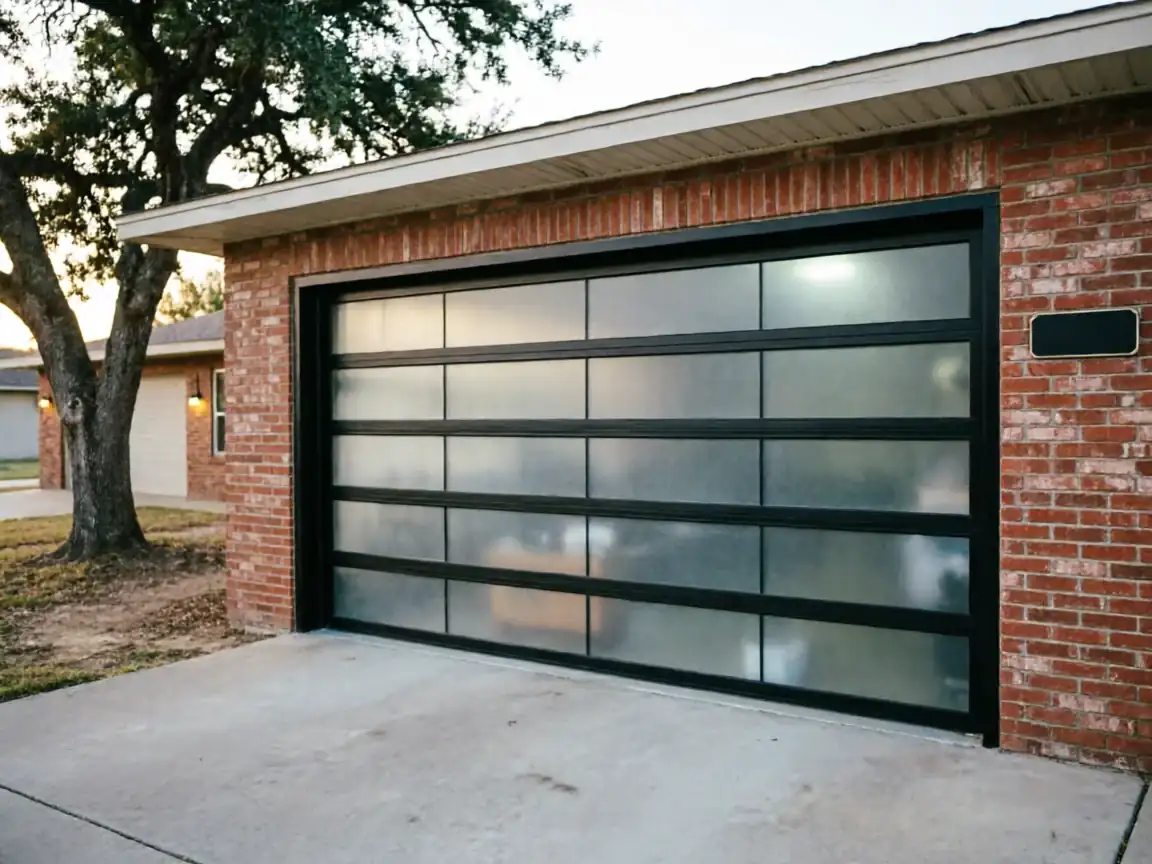
Brushy Creek has roughly 7,315 households, with a median household income around $137,630 - noticeably higher than the roughly $86,477 median across the wider service area. That income level tends to show up in the calls as more insulated doors, more belt-drive quiet openers, and more smart-opener upgrades rather than bare-bones hardware.
The area sits within a mild climate band with occasional freeze days, which is gentler on garage door hardware than harsher climates - but a freeze overnight can still stiffen grease in an opener chain or tighten a spring enough to throw off balance, and that's usually when an aging but otherwise fine door suddenly won't open right. Across the broader area, housing spans from 1957 up through 2018, so even within Brushy Creek you'll find some older outliers mixed into the mostly newer stock - which is why we ask the build year of your specific house before quoting a job rather than assuming it matches the block.