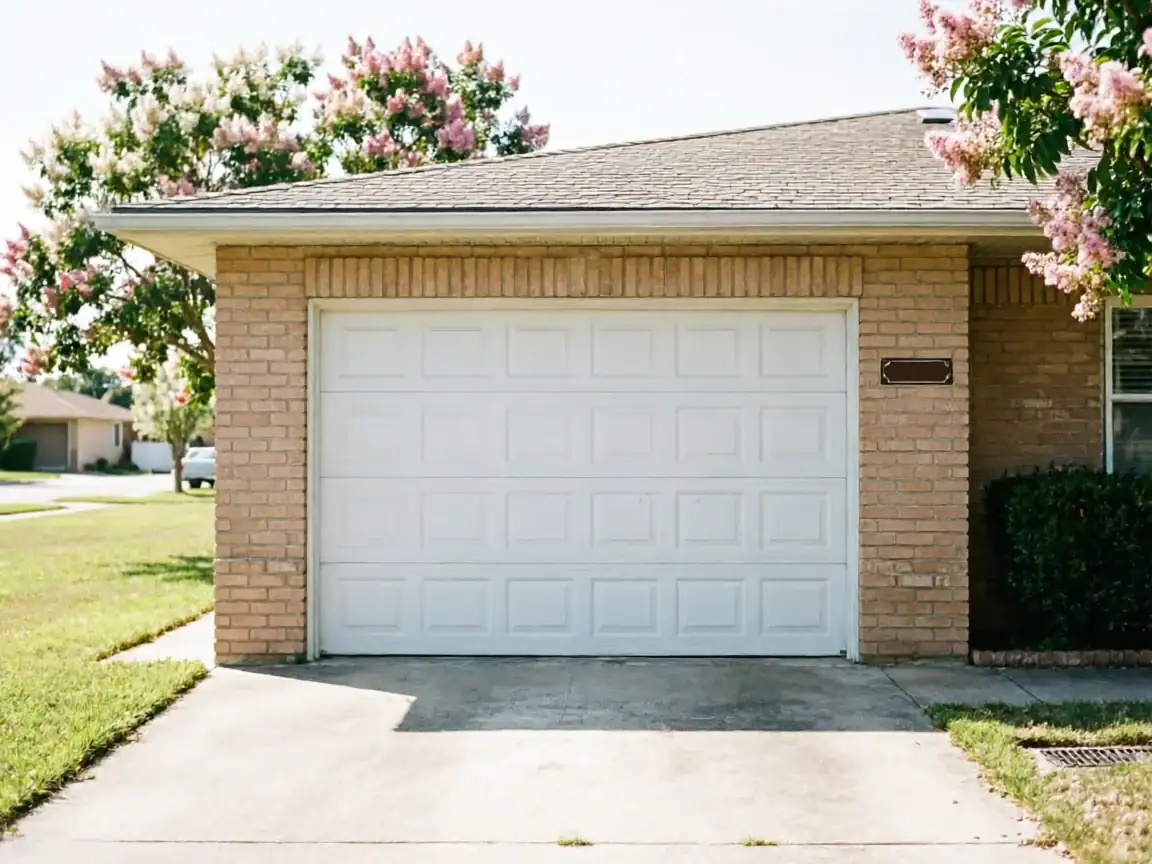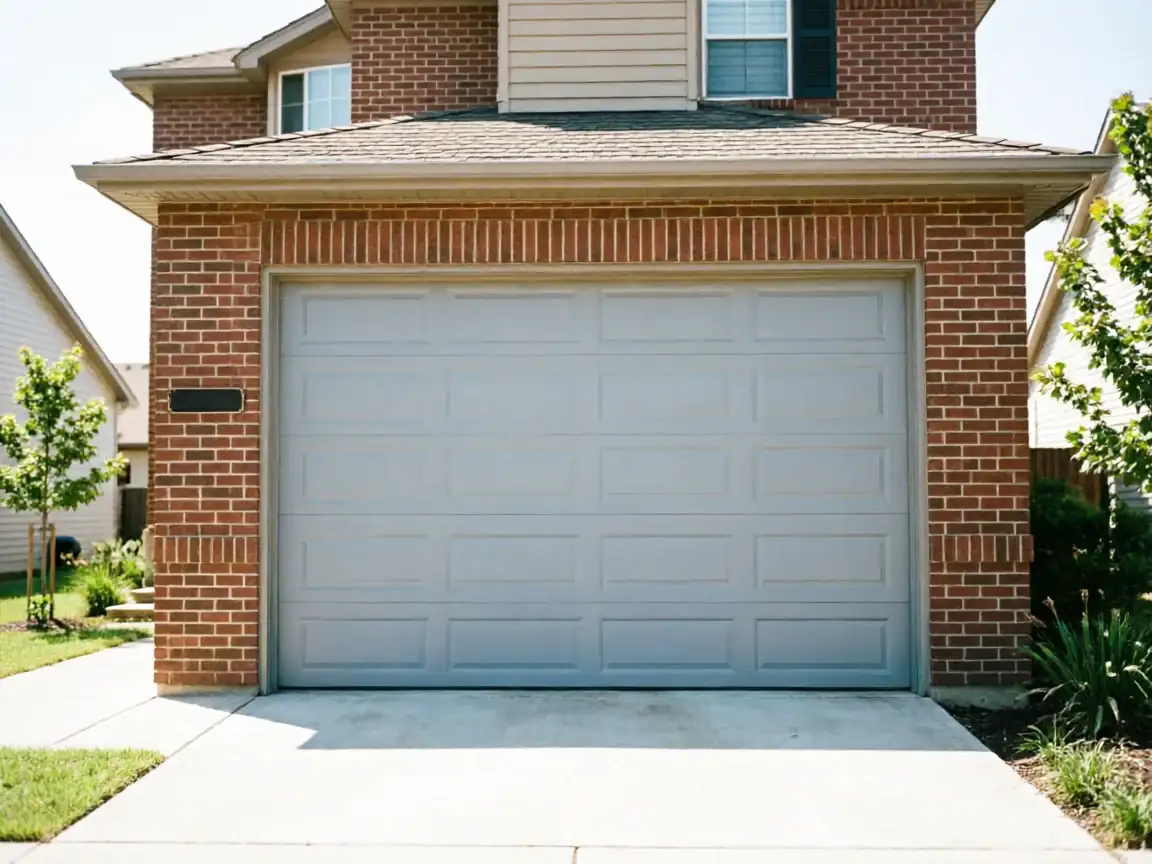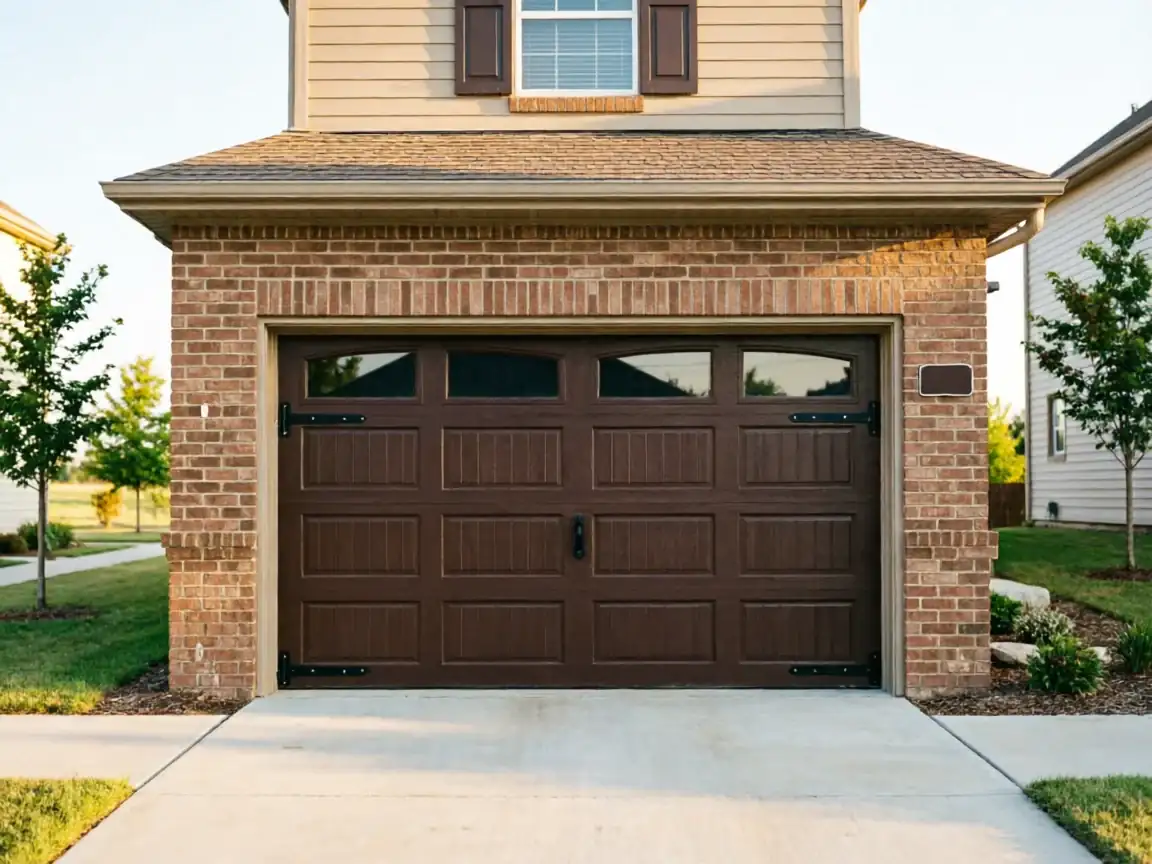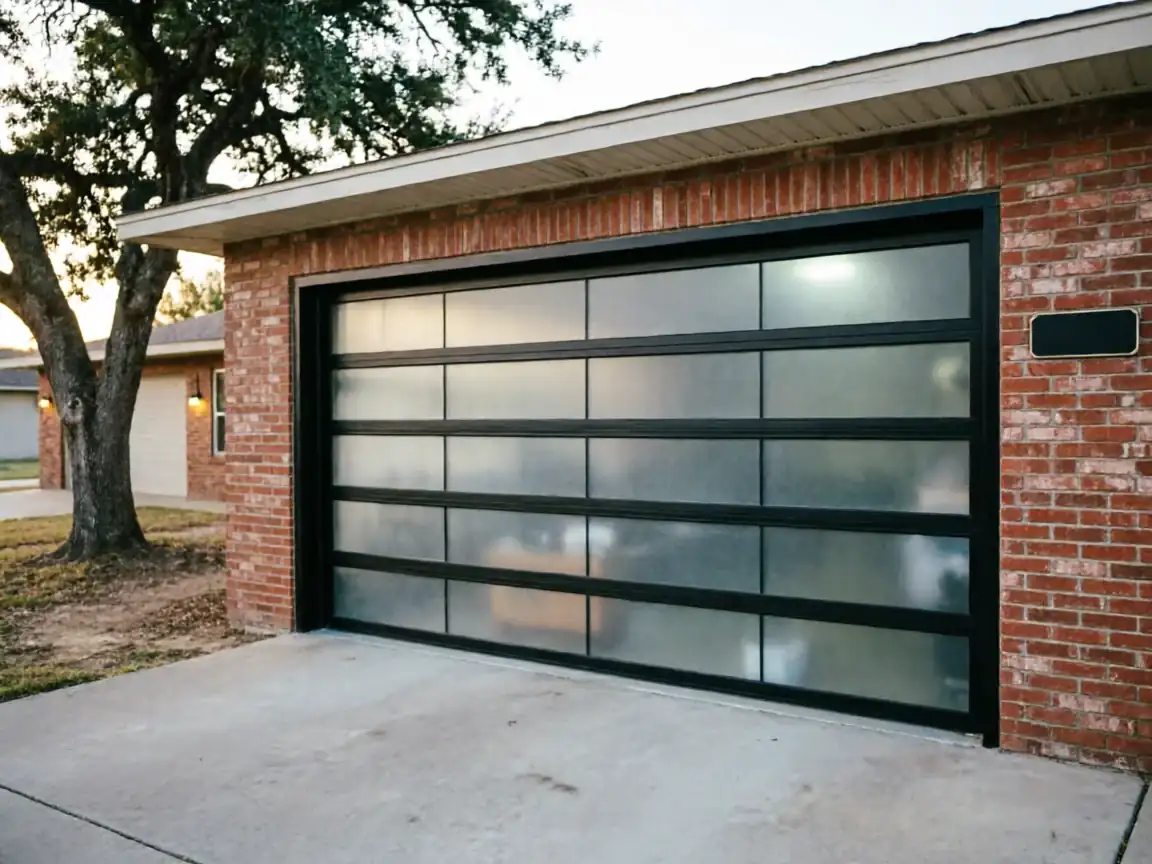
What We Do Not Do
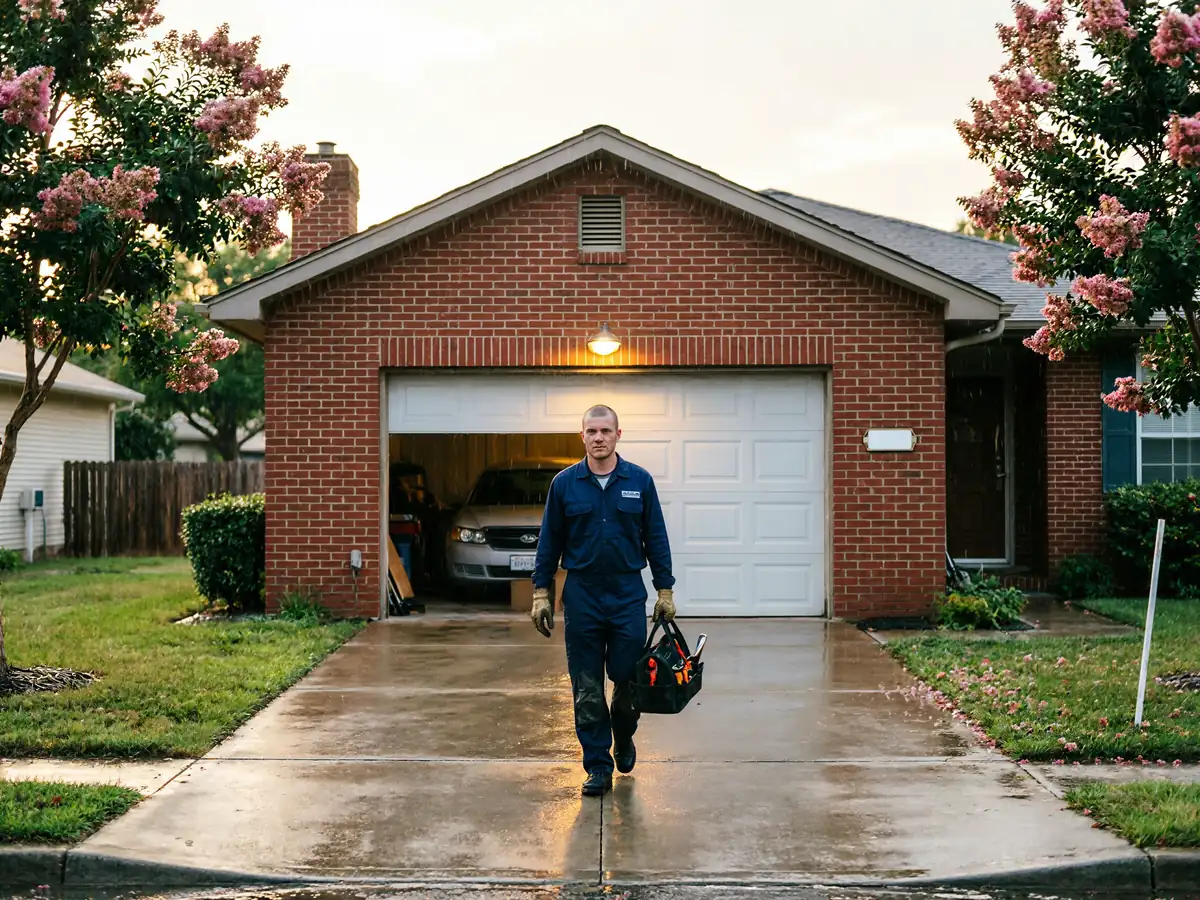
We don't keep a crew stationed in Elgin. We run out of Hutto, about 16 miles away, so same-day availability depends on what else is on the truck's schedule that day - we won't promise a window we can't hit. We also don't carry every obscure parts number on the truck for every build year. If your door is older than the mid-1980s and uses a spring or hinge pattern that's been out of production for decades, we may need to special-order it, which means the job can take an extra day or two. We'll tell you that up front rather than quote a repair we can't actually finish on the spot.
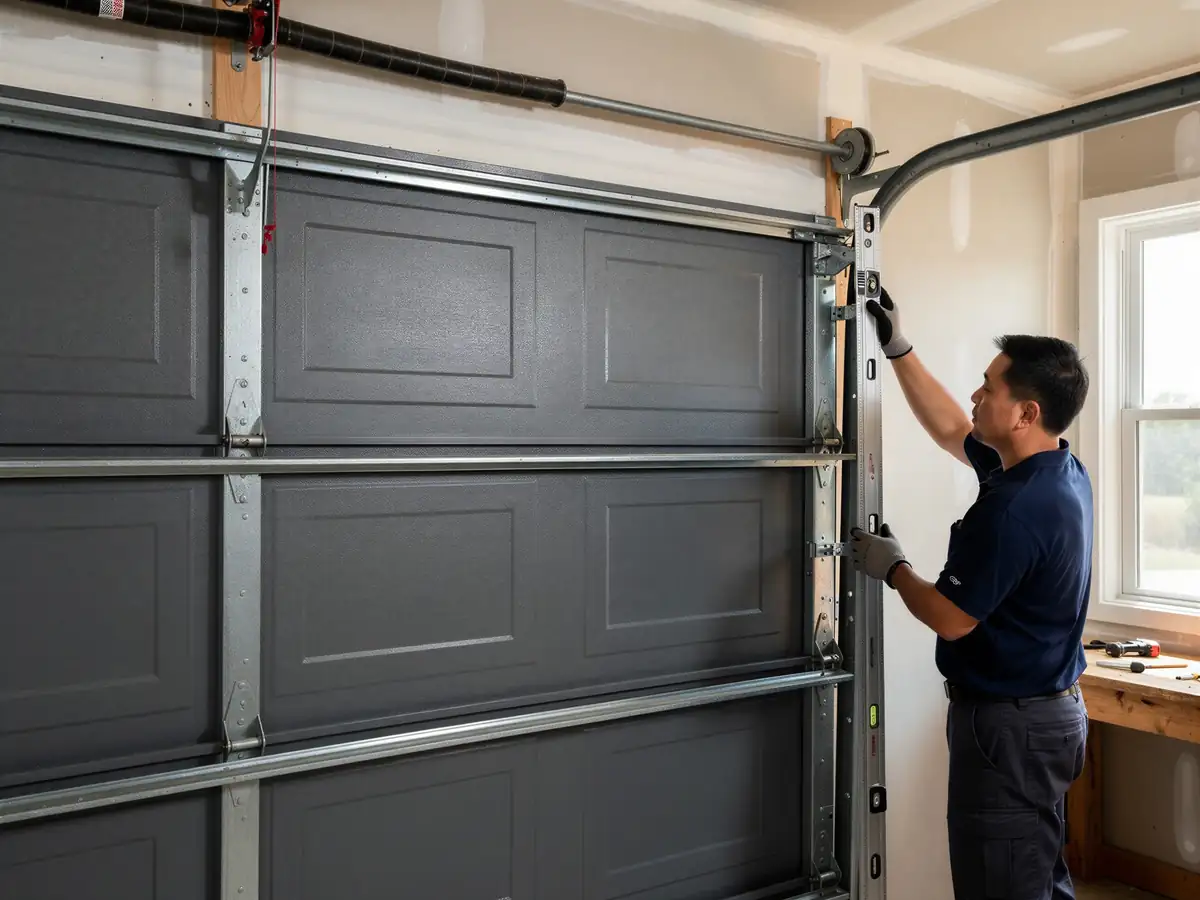
We don't push full door replacement when a repair will hold. If your opener motor burned out but the door itself still tracks straight and the panels aren't dented, replacing the opener alone is usually the right call, not a new door. And we don't do cosmetic patch jobs on a panel that's cracked through - if the steel's compromised, taping over it just delays a worse failure, and we'll say so instead of charging you for a fix that won't last.
What We Do Most in This Area
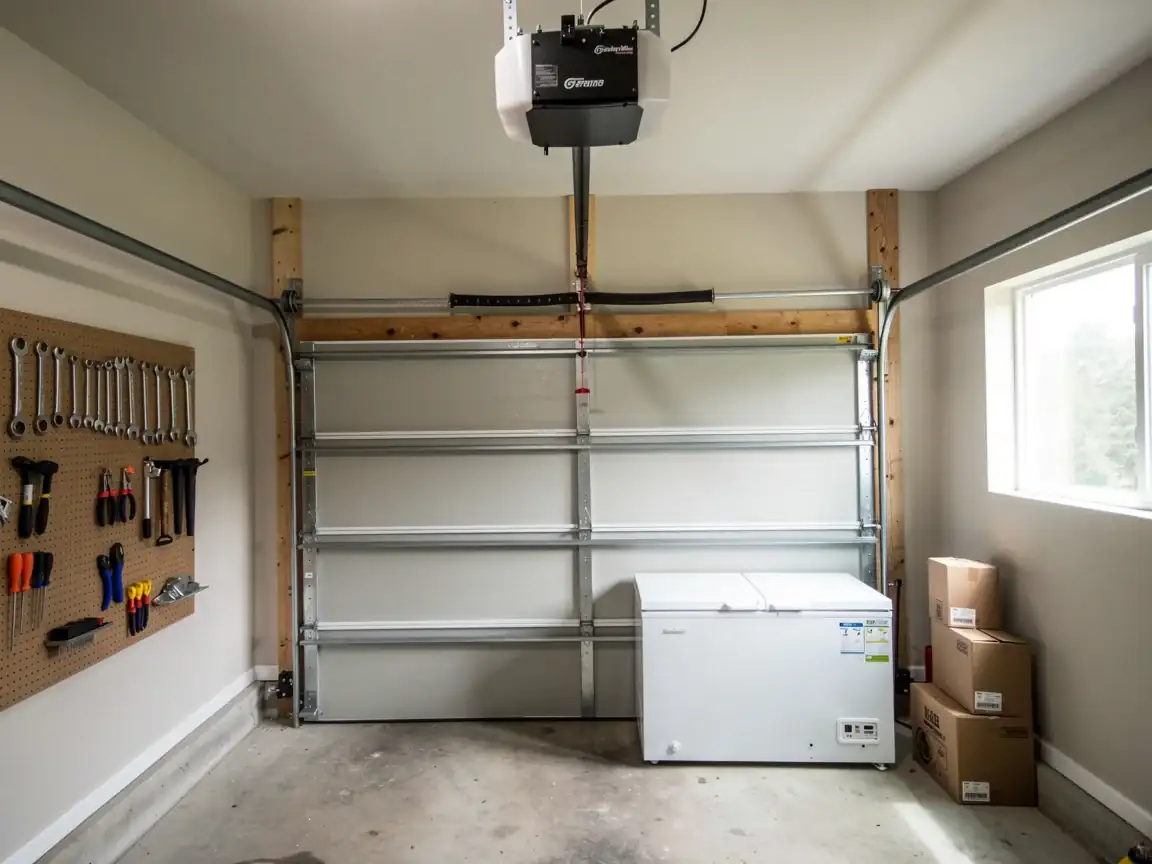
The calls we get out of Elgin skew older than what we see closer to Hutto. With a median build year around 1979 here, a lot of the work is springs that have simply outlived their cycle count, and openers that are original or close to it - chain-drive units from a build era before belt drives were common. We replace a fair number of these outright rather than repair, because parts for a 40-plus-year-old opener motor aren't always available.
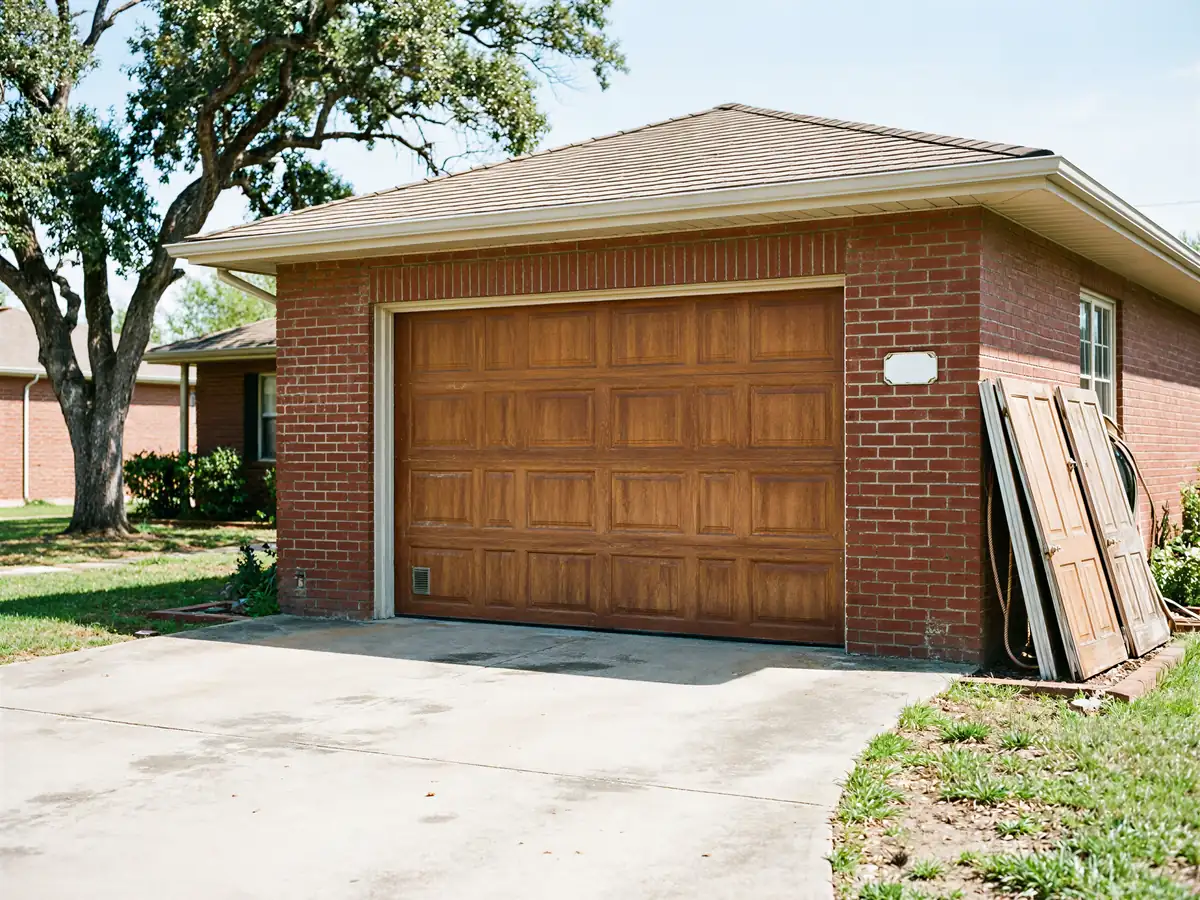
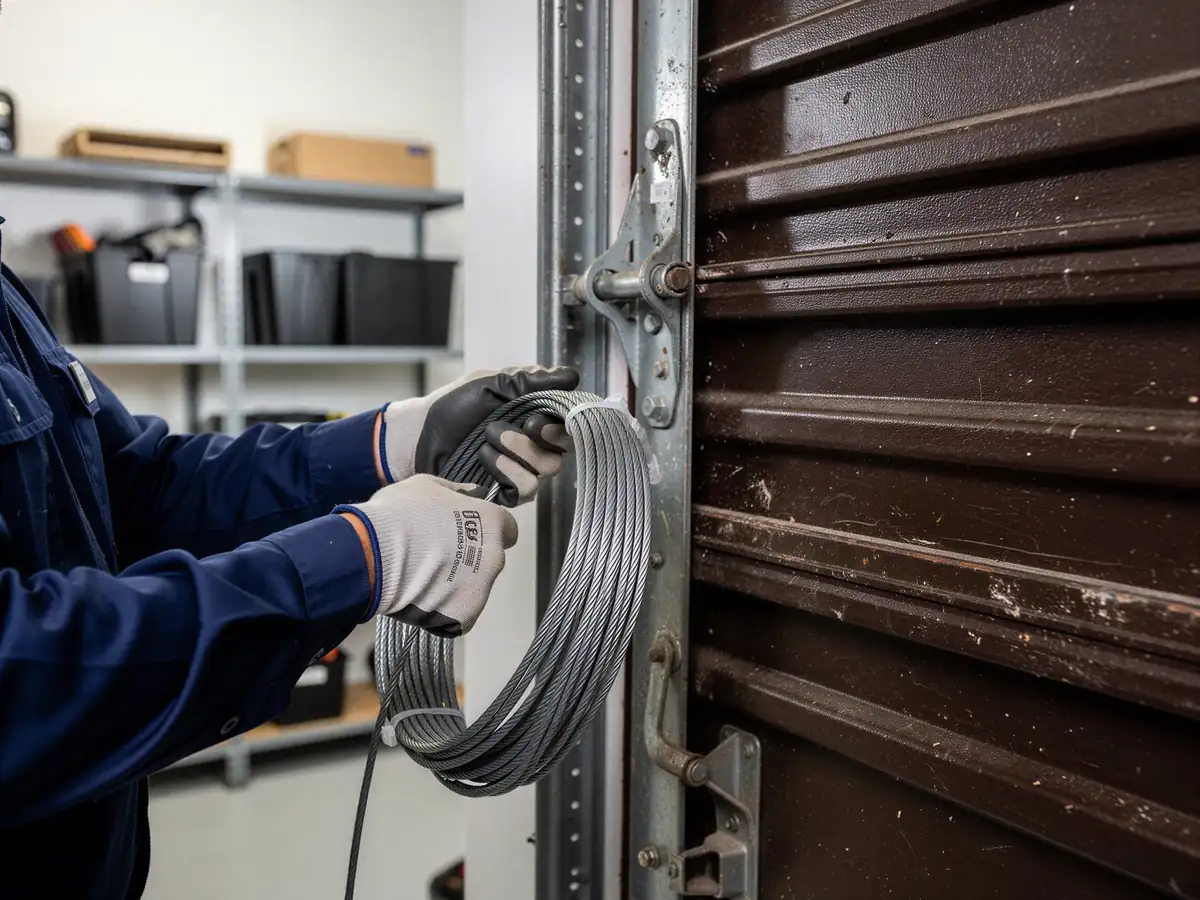
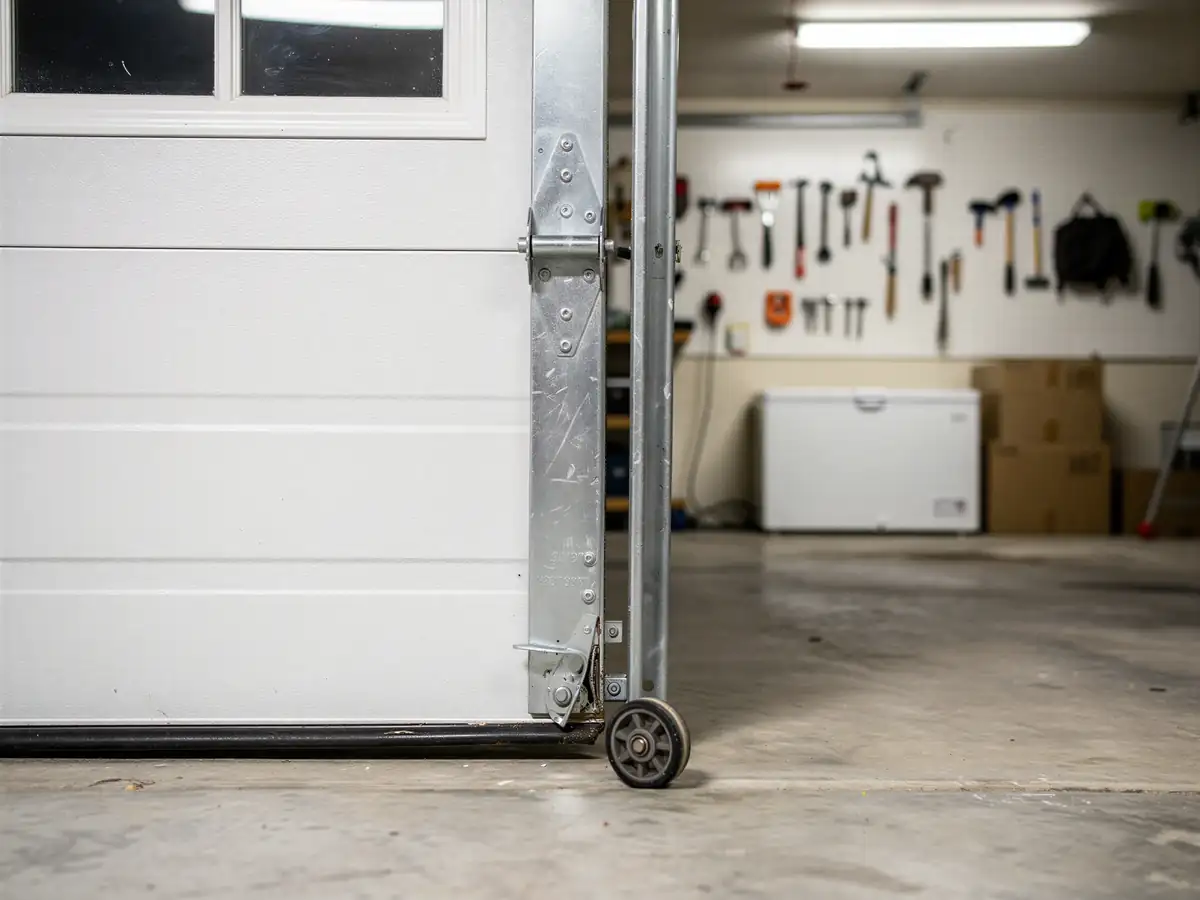
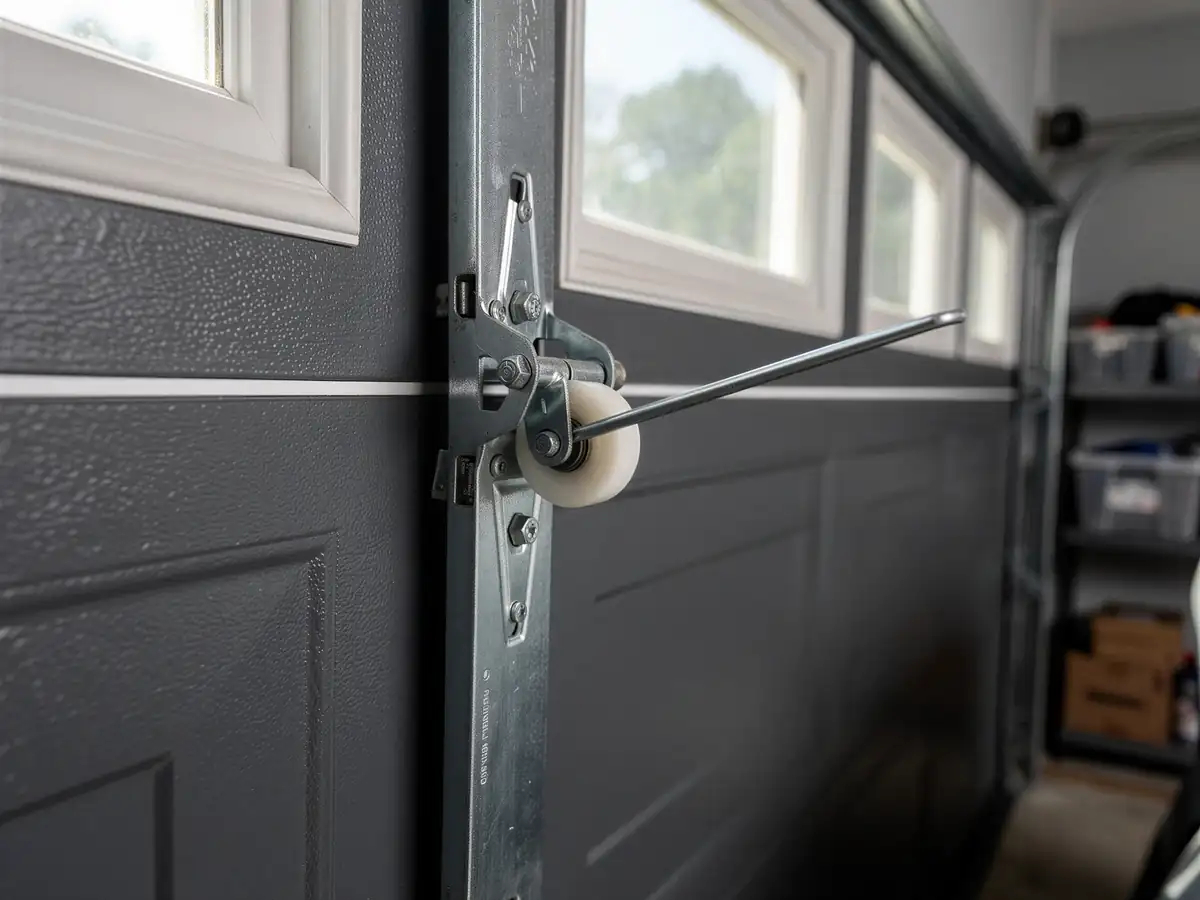
We also see more one-piece and older sectional doors here than in neighborhoods built in the 90s. These use hardware mounting patterns that newer doors don't, so a universal bracket off the shelf doesn't always fit without modification. Track realignment after a cable snaps is common too - older track brackets were set with less tolerance for the heavier insulated doors some owners have swapped in over the years, and that mismatch shows up as a door that binds halfway up.
What the Housing Means for Your Door
A house built around 1979 was built before most of today's garage door and opener standards existed
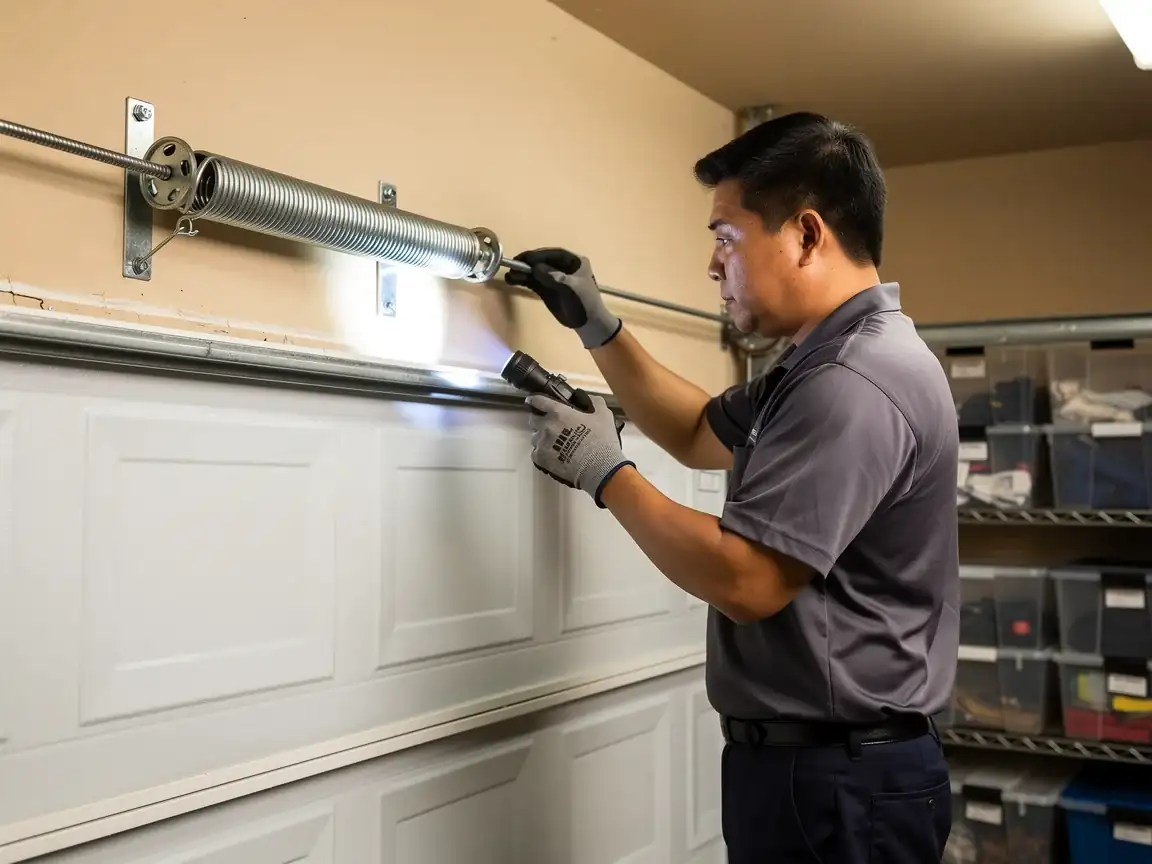
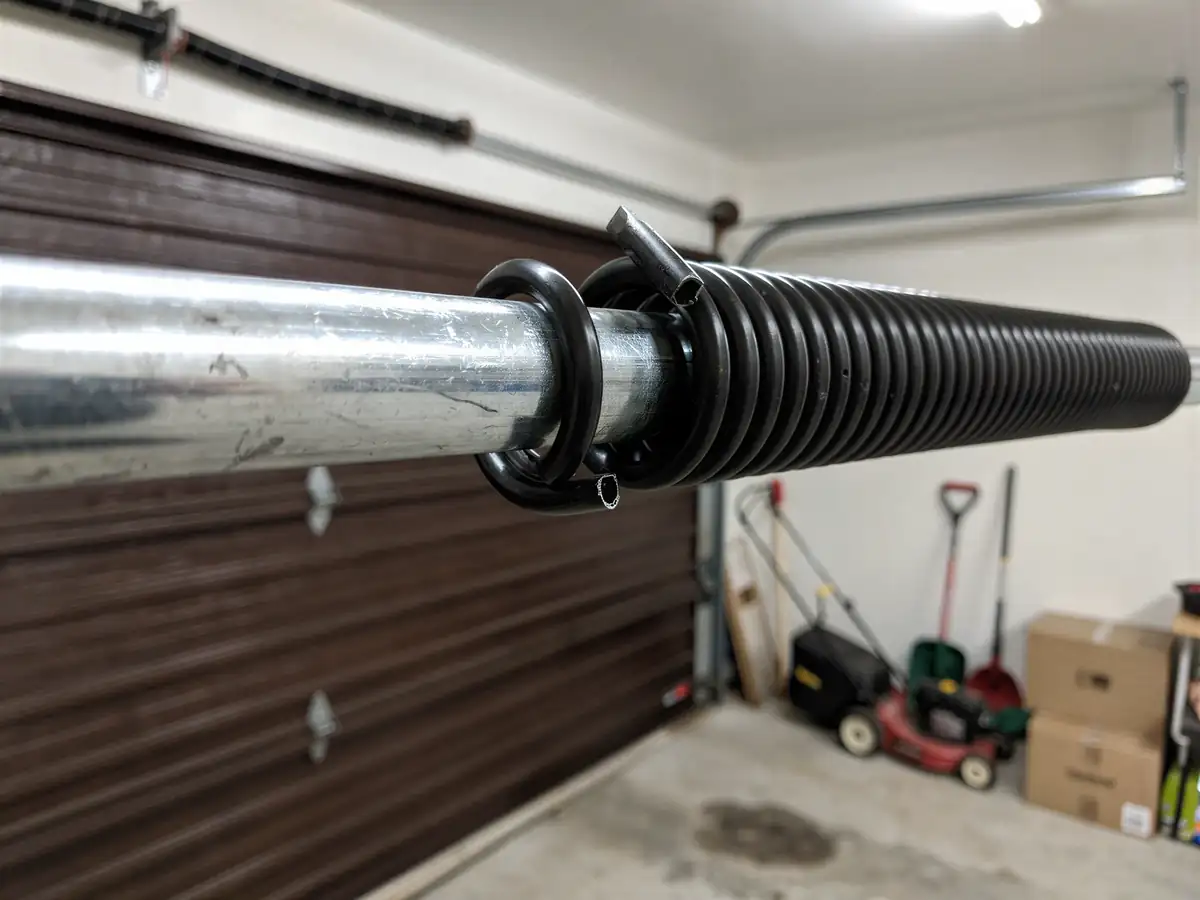
That matters for a few specific reasons. Torsion spring systems from that era were sized for lighter, uninsulated doors - if a previous owner upgraded to a heavier insulated door without upsizing the spring, the opener has been fighting that mismatch ever since, and it shows up as a motor that strains or a door that won't stay open on its own.
Safety sensors are the other gap
Doors from the late 70s predate the federal requirement for photo-eye reversal sensors, so if the opener hasn't been replaced since, there may be no safety eyes on the door at all. We flag that when we see it, because it's a real hazard, not just a code technicality. The area sits in a mild climate with occasional freezes, so metal fatigue and cold-snap stiffness aren't the main driver of failures here the way they'd be further north - age and mismatched hardware are the bigger factors.
This Area's Housing
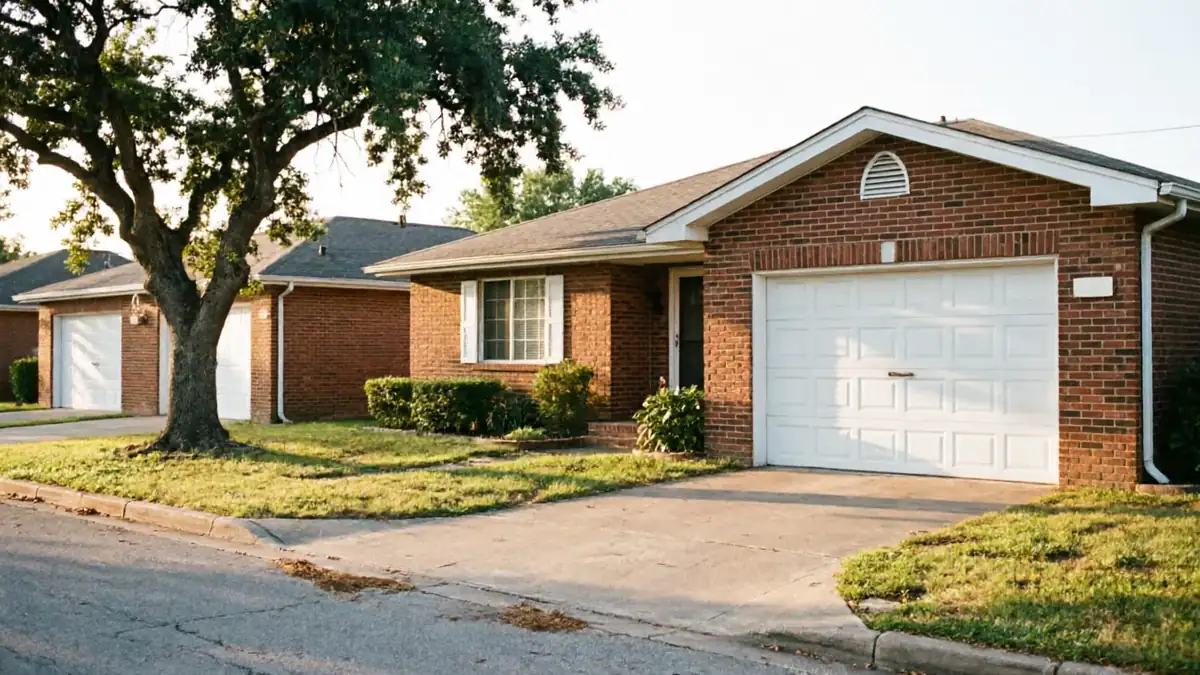
Elgin's housing stock, at a median build year of around 1979, runs noticeably older than much of the wider service area, where the typical home dates closer to the 1980s and 90s. That gap of a decade or more is the whole story for garage doors: a house from 1979 was built to a different hardware standard than one from 1988, and the two don't share parts as often as owners expect.
With roughly 4,371 households in the area and a median income near $85,666, most of what we're called out for is maintenance deferred a bit too long - a spring that's been squeaking for a year, an opener that's started needing two or three tries to close. None of that is urgent until it is, and on a door this old, waiting usually means the failure happens with the door half-open rather than on your schedule.