What Causes It Around Here
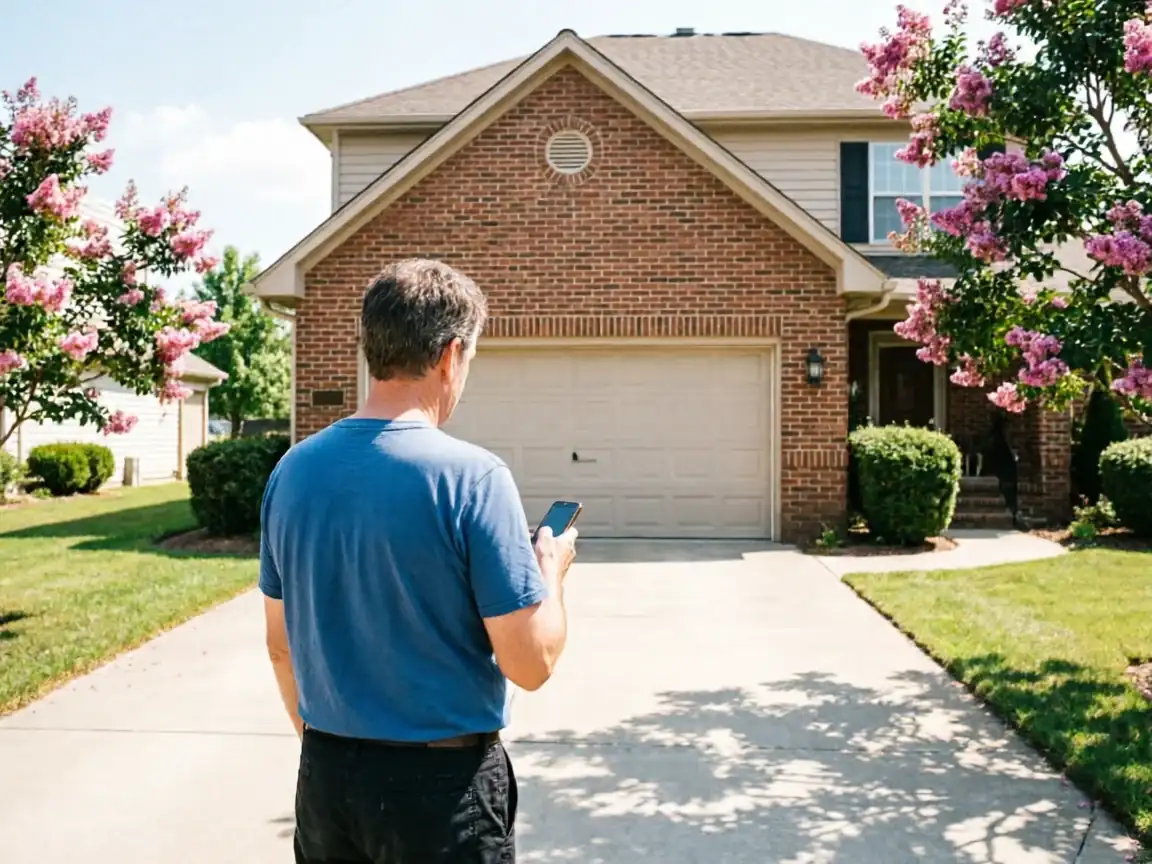
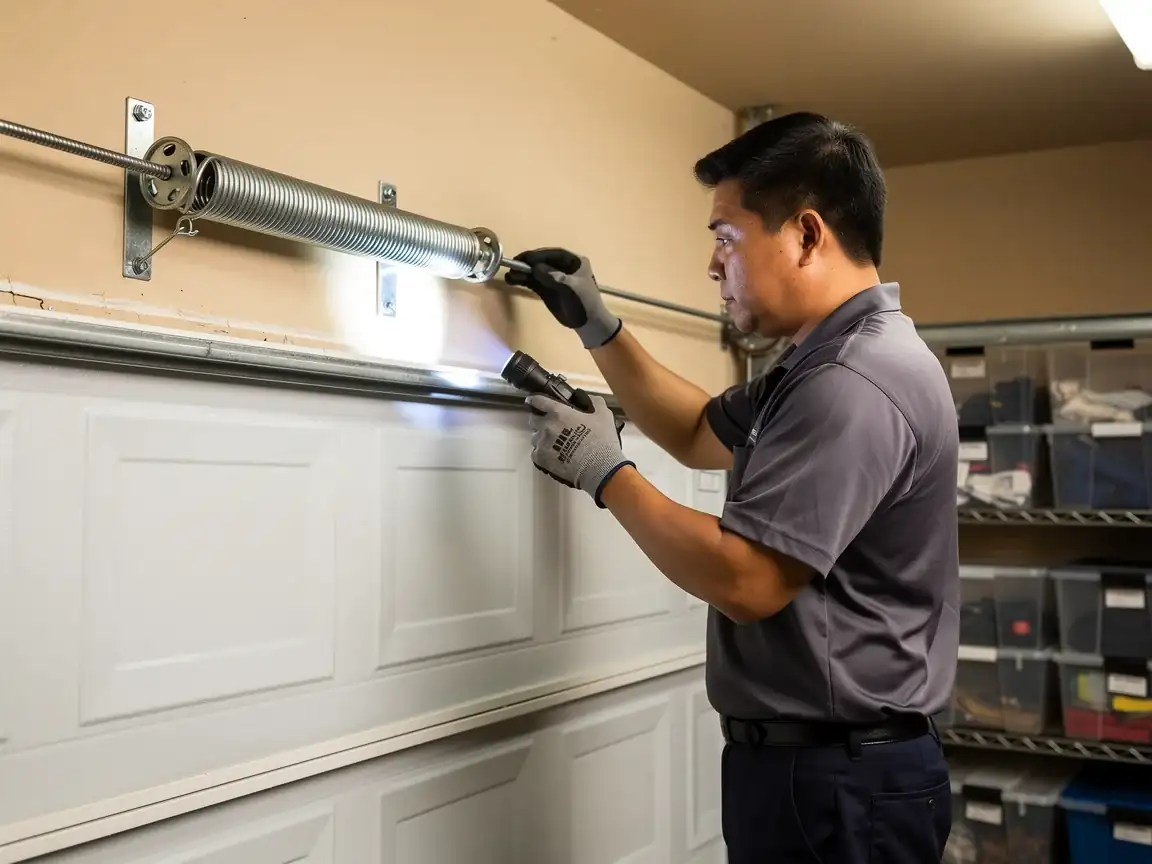
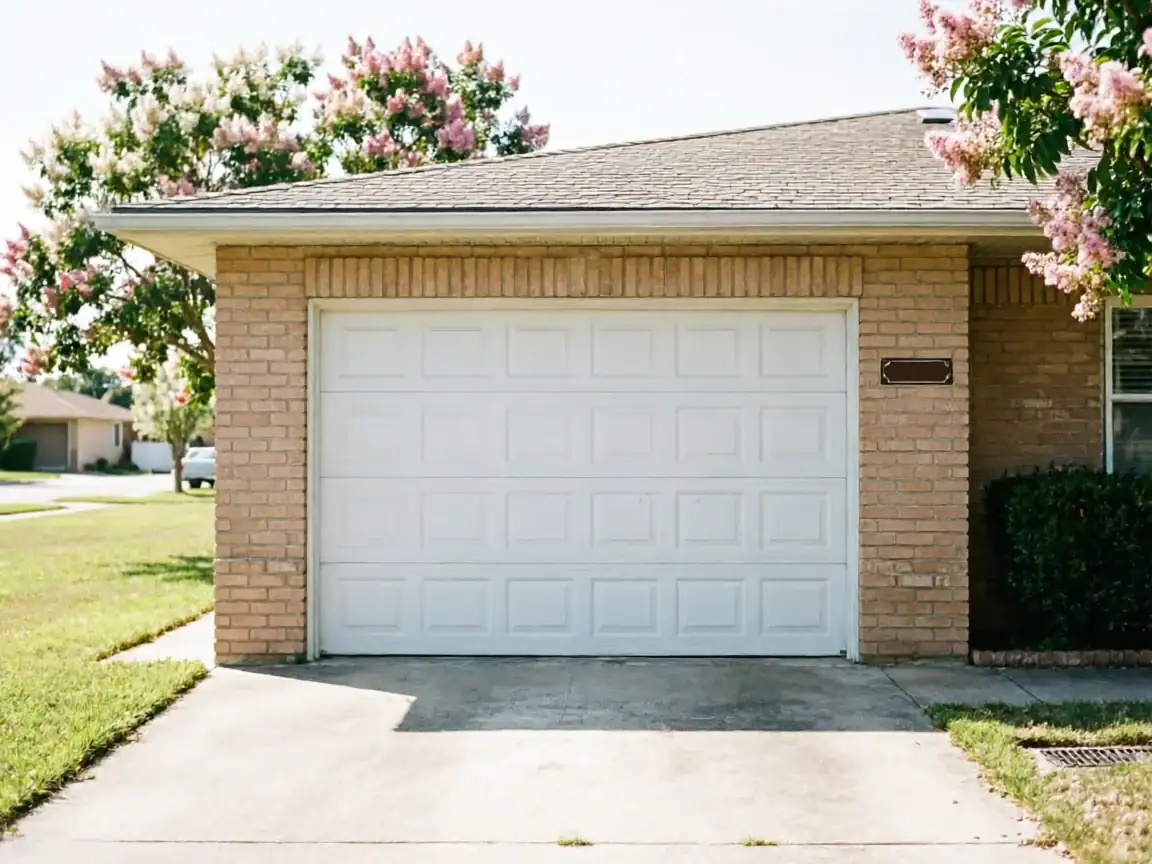
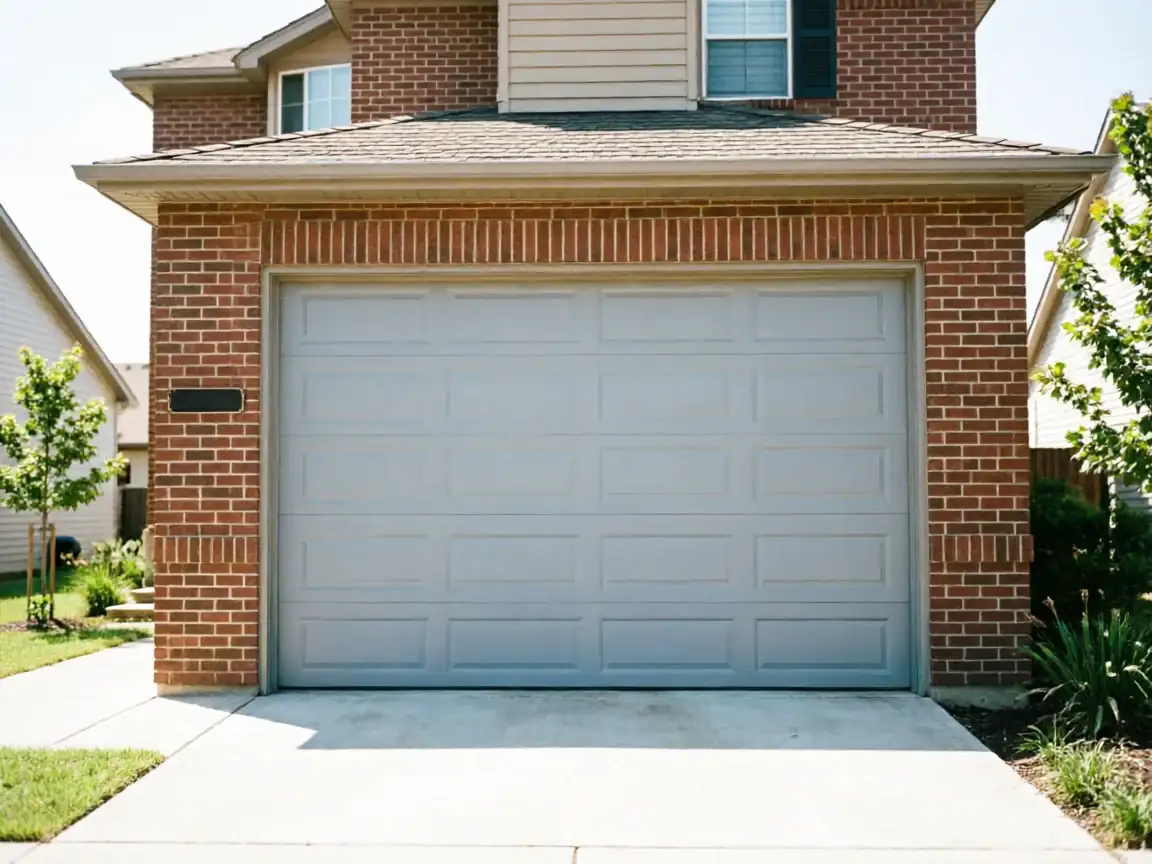
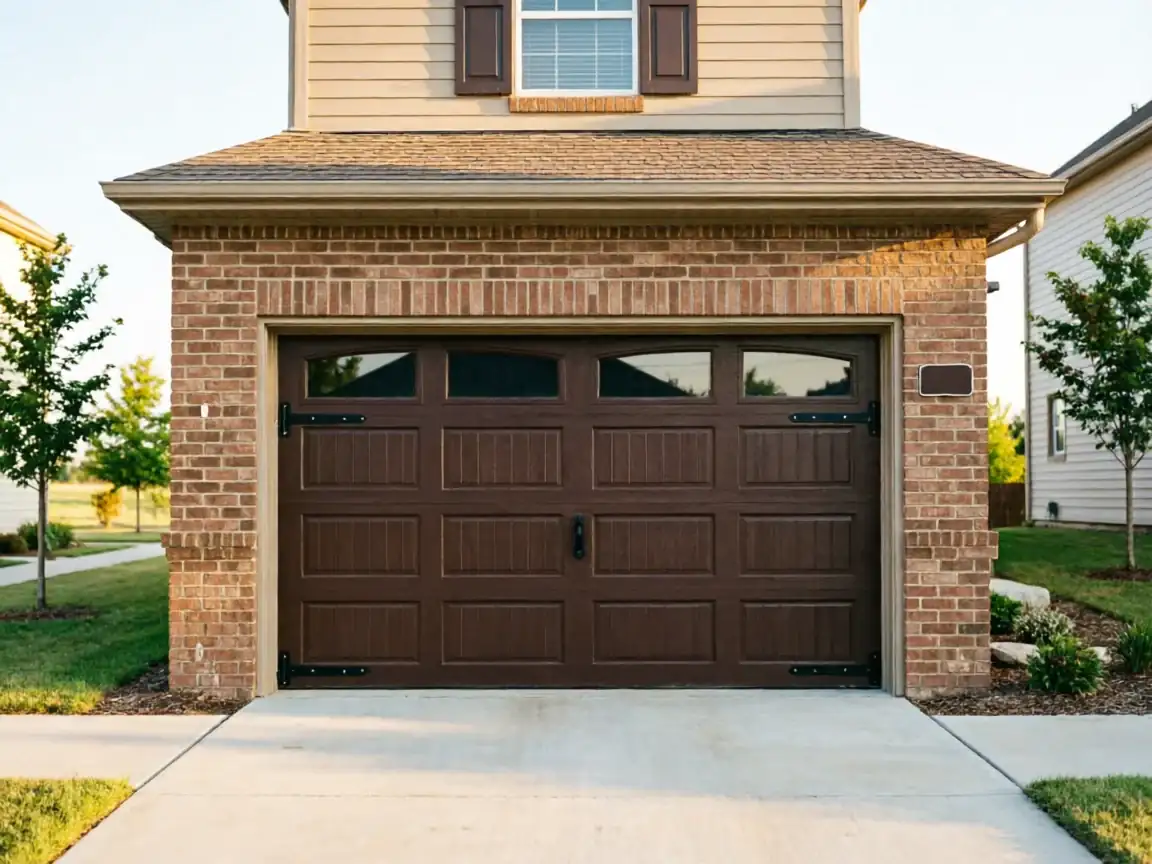
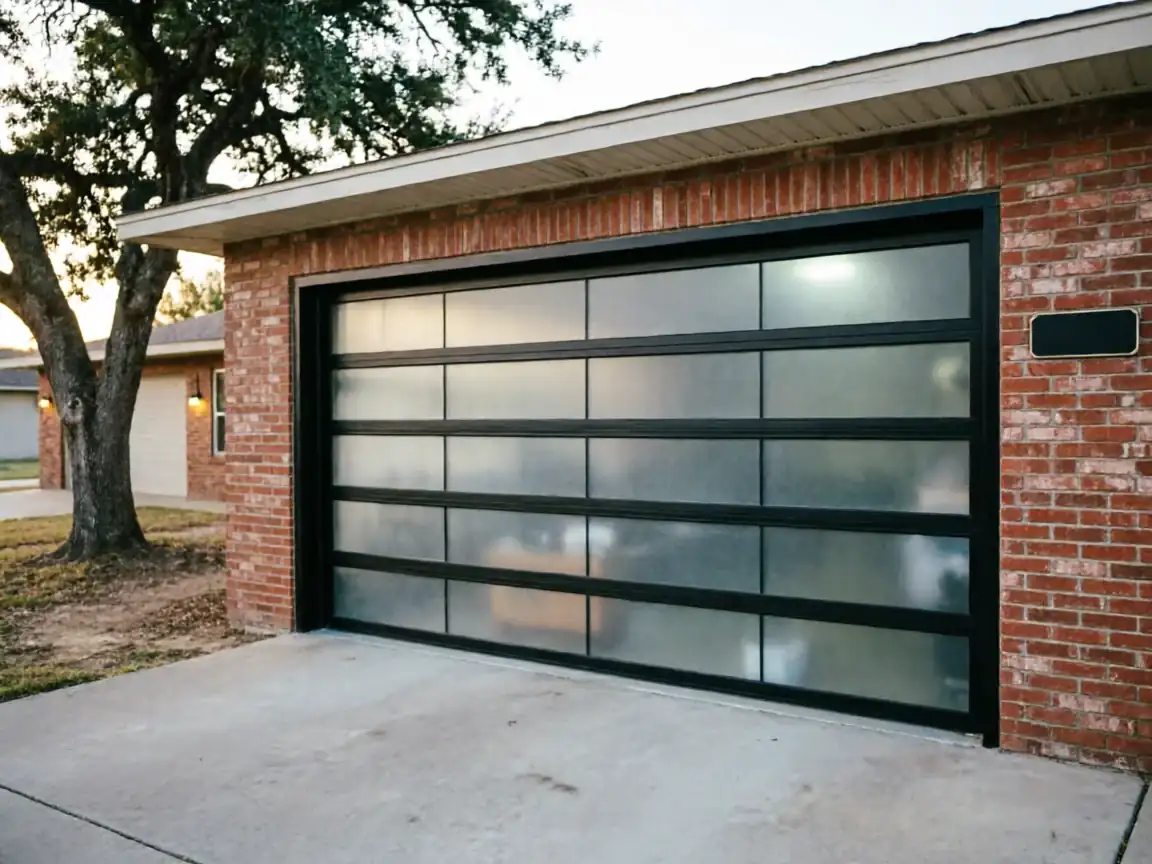
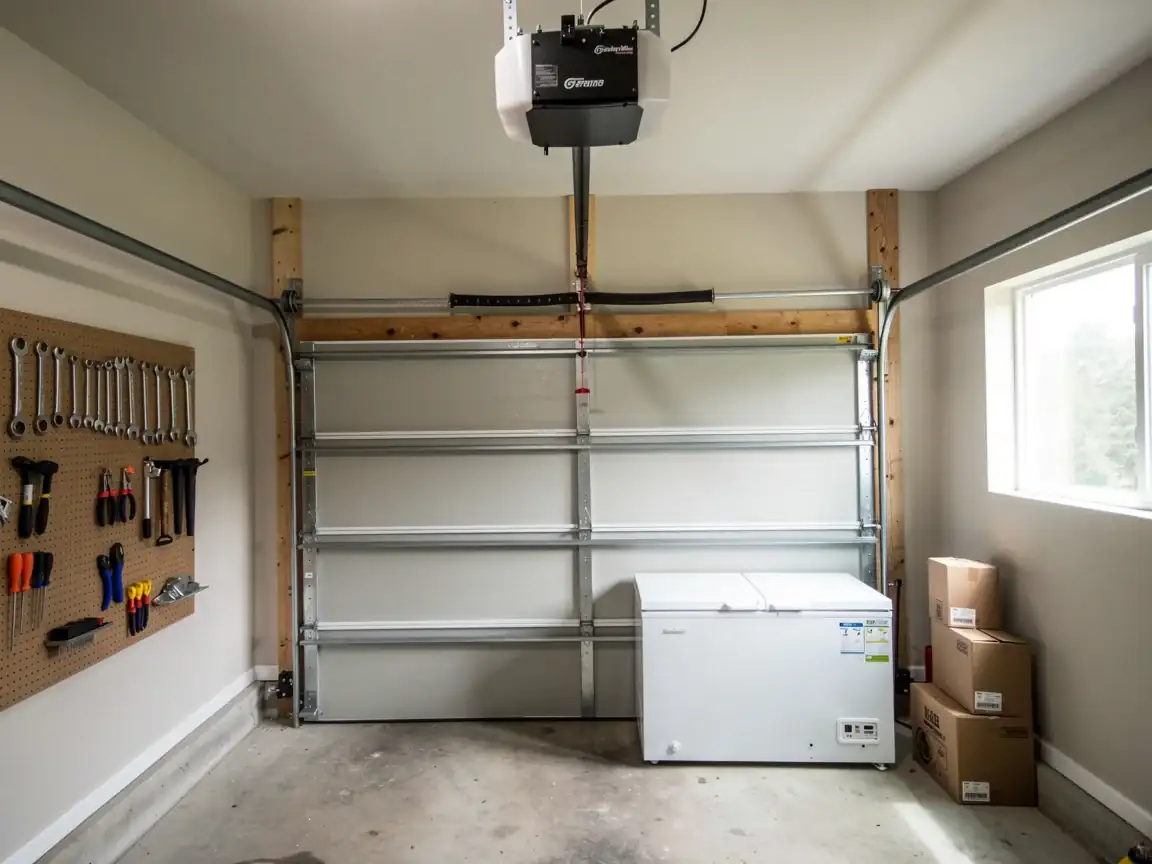
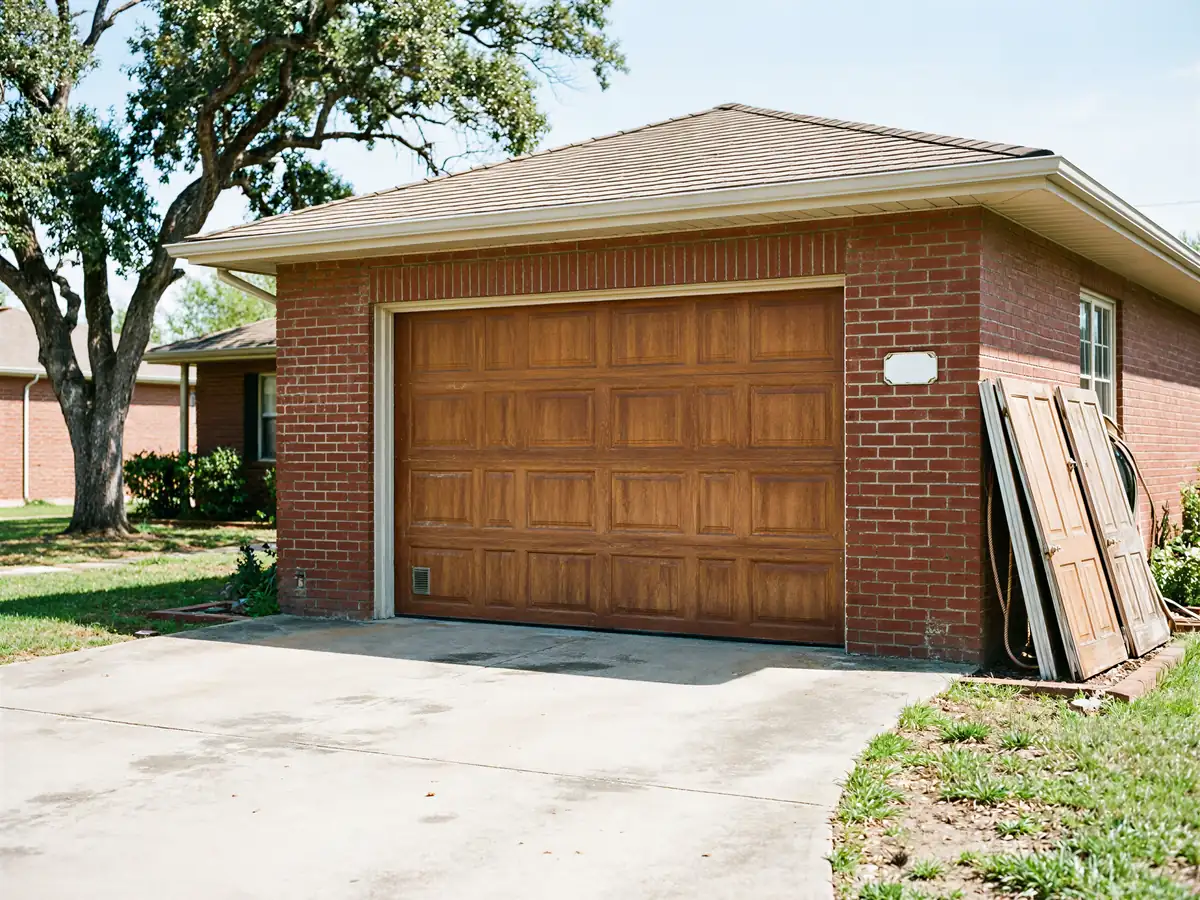
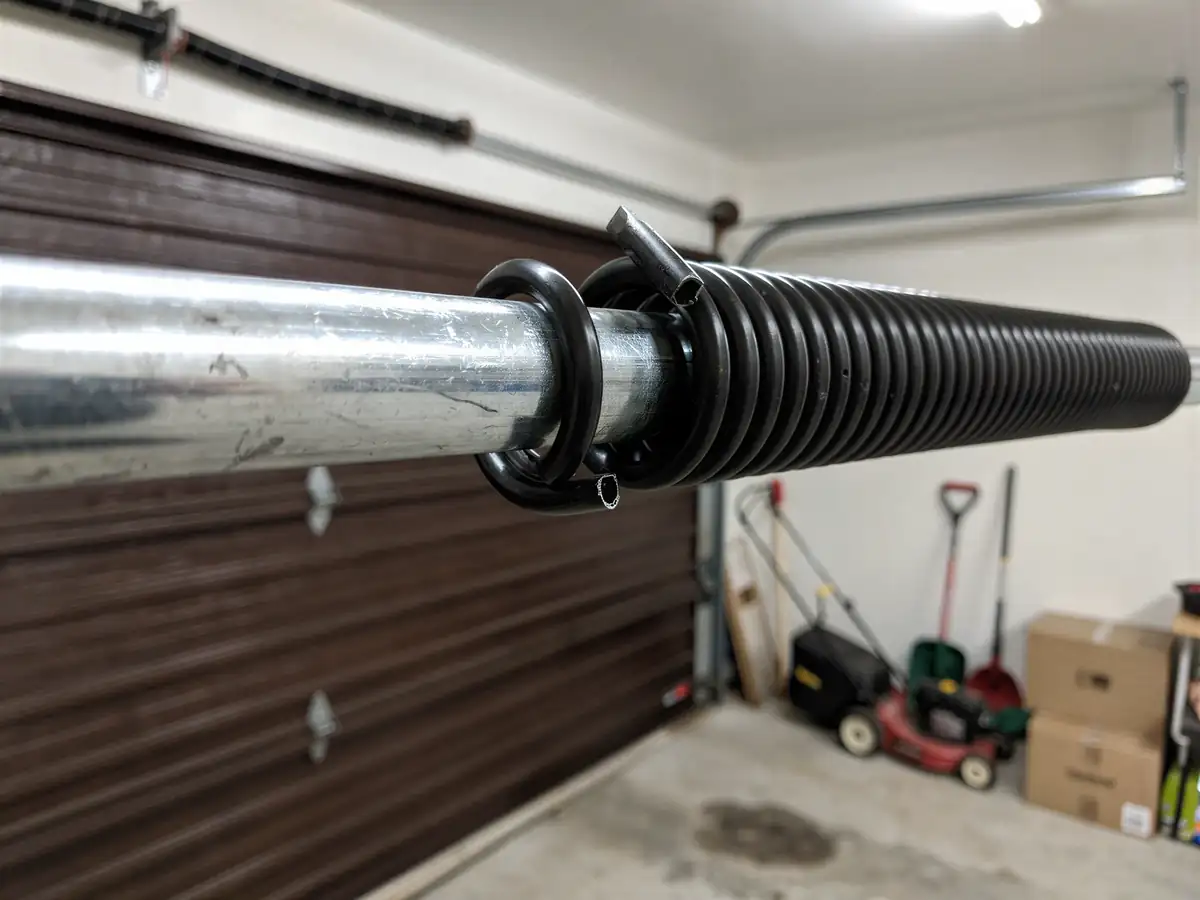
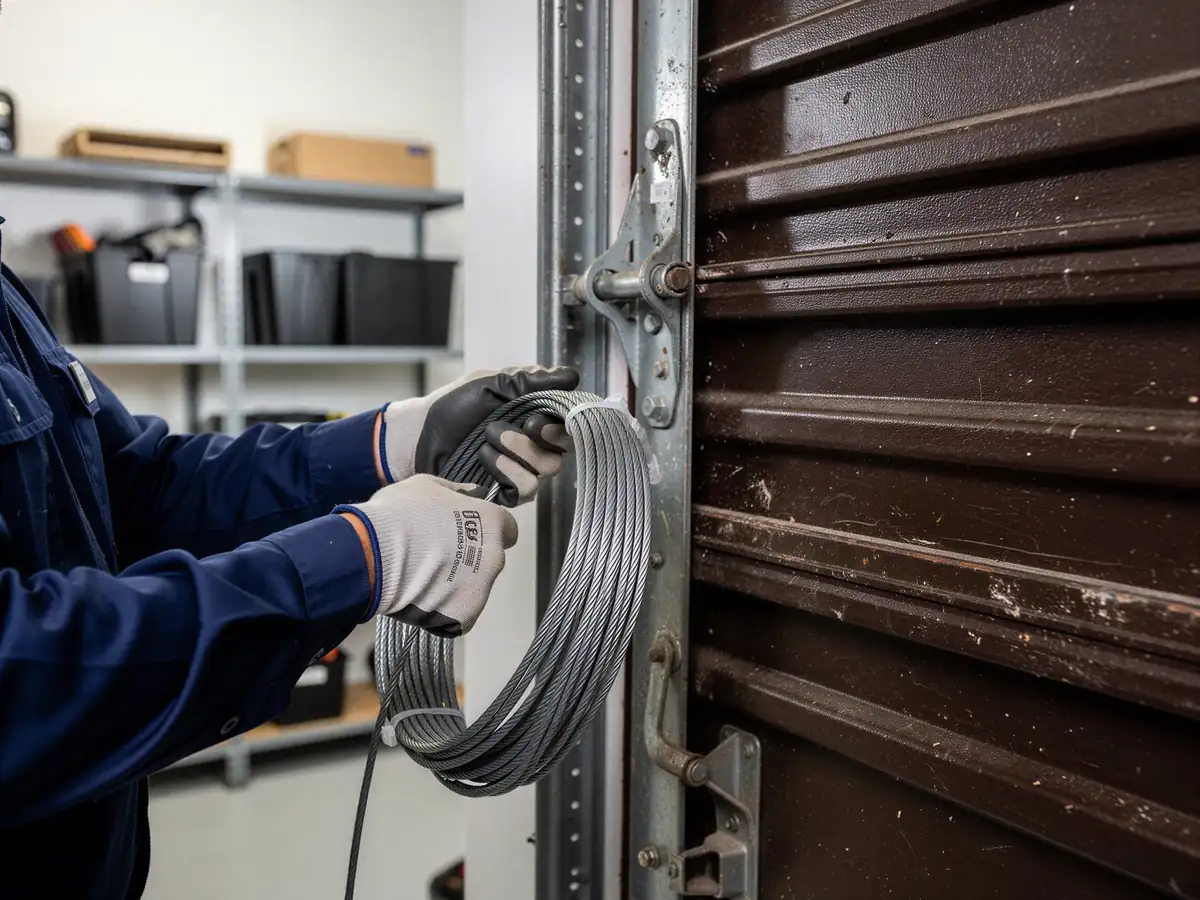
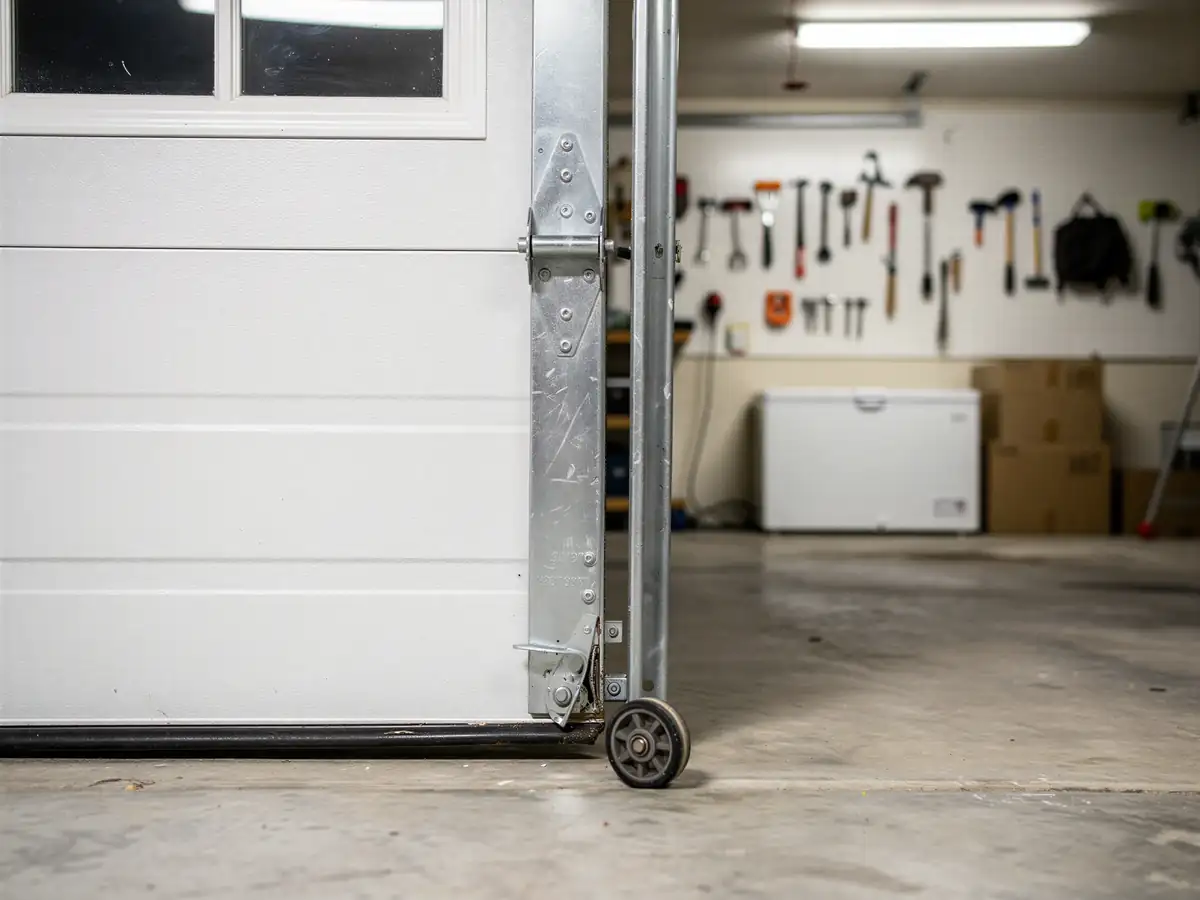
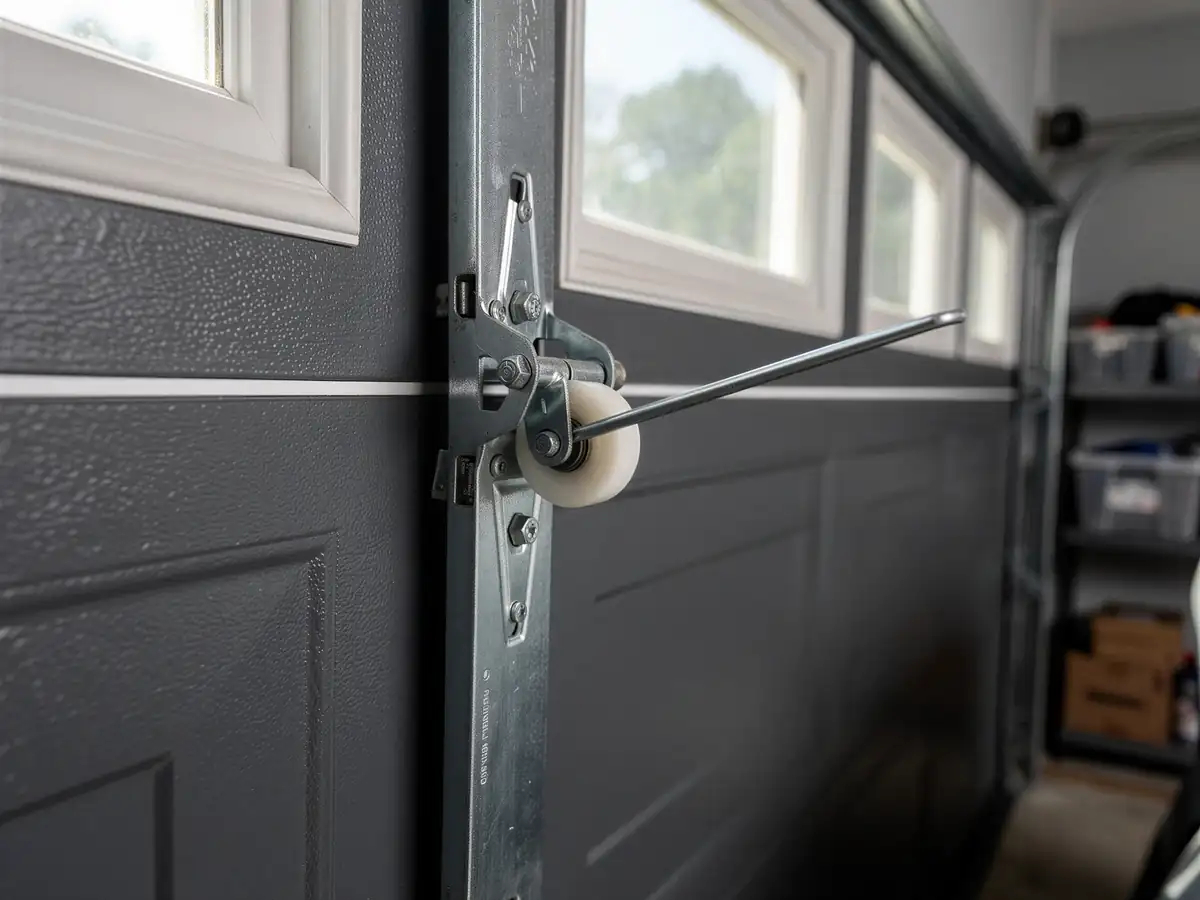
Elgin is a smaller pocket of this service area, with around 4,371 households, which means the call volume out here is steadier but lower than it is in the bigger subdivisions closer to Hutto. That matters because it shapes what we see: a door in Elgin is more likely to be an original or first-replacement unit than a recent build. The median home here went up around 1979, a few years ahead of the area-wide median of 1984, and that gap shows up in the garage. Torsion springs from that era are often undersized for today's heavier insulated doors, and a lot of the extension-spring setups from the late 70s were never upgraded to have safety cables. When one of those cables is missing and a spring lets go, the door doesn't just stop - it can drop hard on one side. We also see galvanized track that's pitted enough to throw rollers, especially on doors that haven't been serviced since they went in. None of this is unique to any one house; it's just what a block of 1970s construction does to garage door hardware after forty-plus years.
The DIY Question
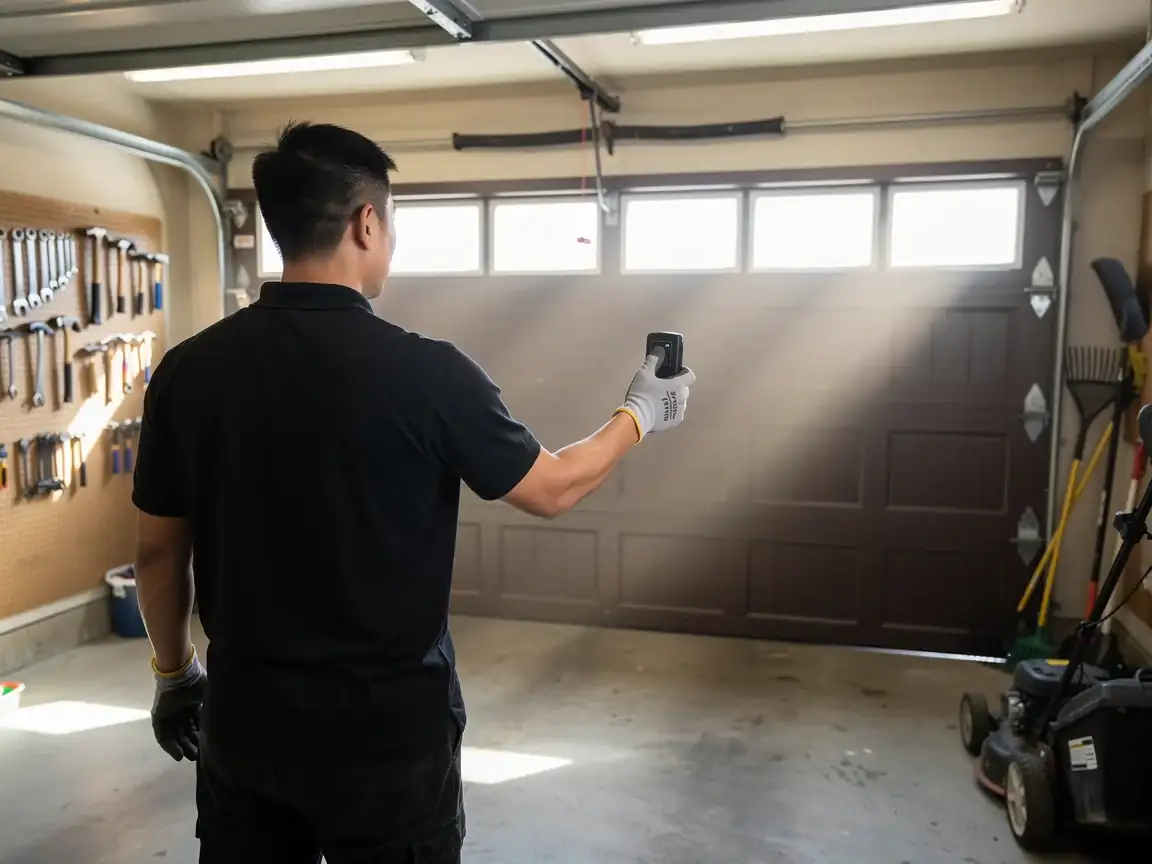
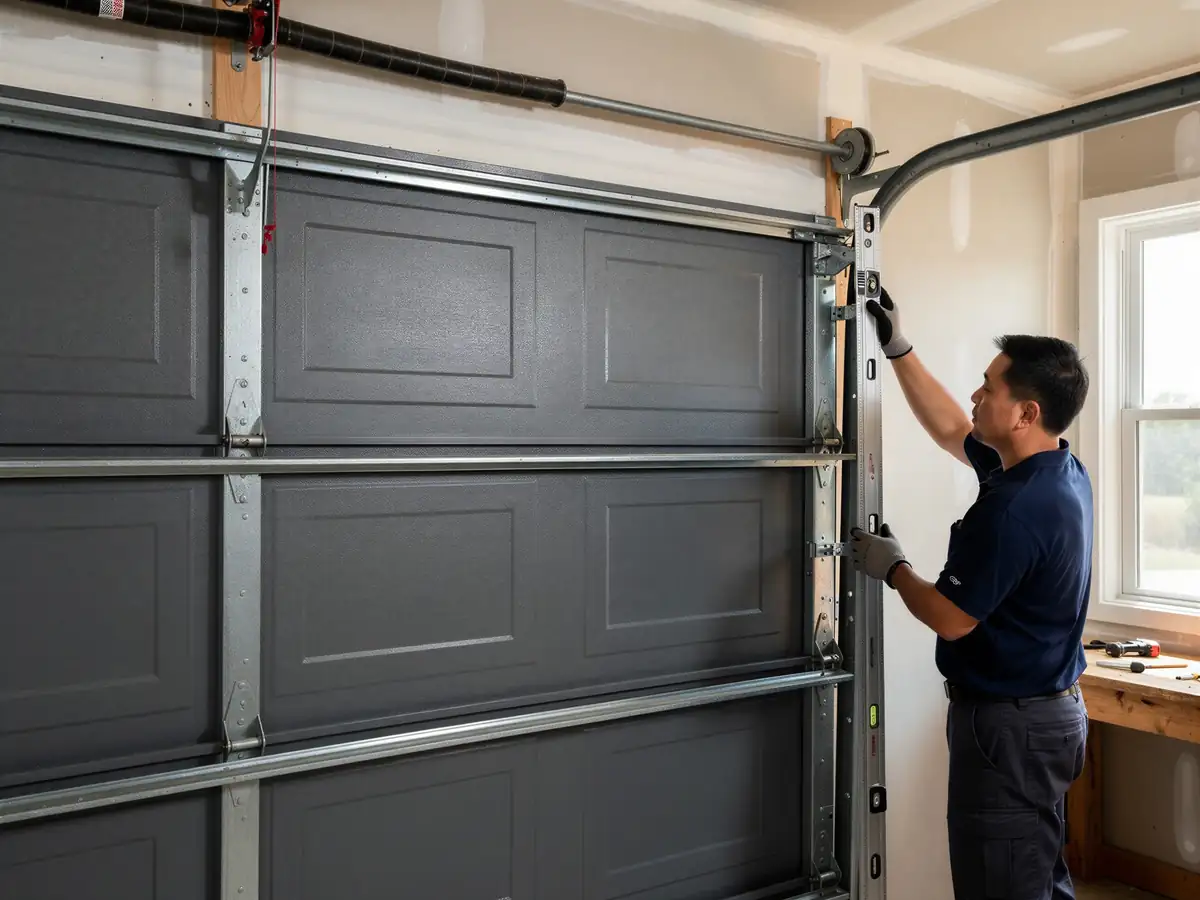
A broken spring is not a weekend project, full stop - the tension involved can take a finger or worse, and winding bars that aren't the right length or used the wrong way are how people get hurt. If your door won't open and you can see a spring that's visibly separated or coiled wrong, leave it alone and call it in. Where DIY is reasonable: a opener that won't respond because the wall button battery died, a sensor that's knocked out of alignment and blinking, or a track that's loose at one bracket and just needs the bolts snugged back down. Those are five-minute fixes with a screwdriver. The honest limit is this - if the door is heavy (double-wide, wood overlay, insulated steel) and something inside is under tension, that's a call, not a project. We'd rather talk you through what's broken over the phone and tell you it can wait a day than have you find out the hard way that it can't.
How Long You Are Without the Door
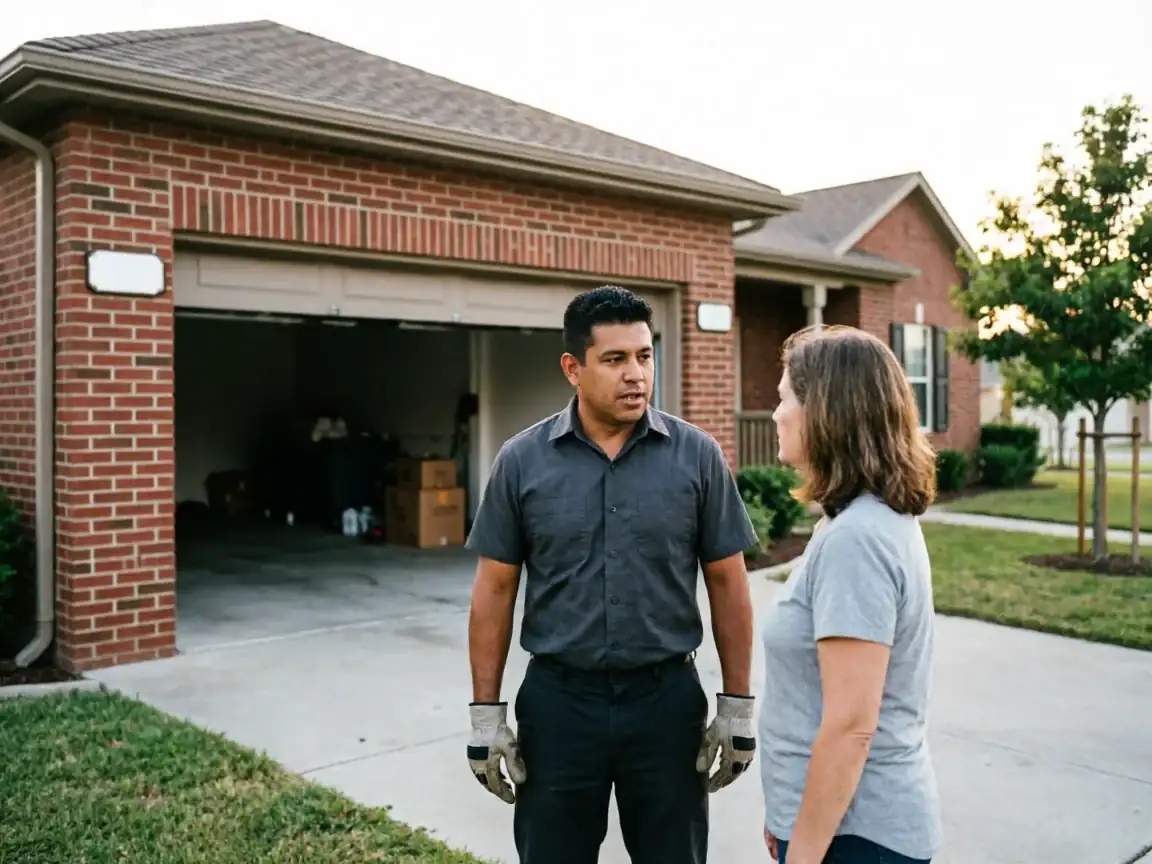
We're honest about what distance does here. Elgin sits about 16 miles from our Hutto base, farther out than most of the area we cover, and that's a real factor in how fast we can get there compared to a call five minutes from the shop. It doesn't change the job once we arrive - a spring replacement or cable repair takes the same amount of time wherever it happens - but it does mean the window between your call and our truck pulling in is longer than it would be for a closer address. If the part needed isn't one we carry on the truck, which happens more with older or odd-sized doors, that adds time too. We'd rather tell you that up front than promise a window we can't hold from this distance.
Where This Job Goes Sideways
The job gets harder when a homeowner tries to force a stuck door before calling - pulling the emergency release while a spring is already half-broken can let the door slam down unexpectedly. It also gets harder on these older Elgin homes when the track brackets have rusted into the jamb studs; what looks like a simple track swap turns into carpentry because the wood behind it has to be shored up first. And on doors original to a 1979-era build, we sometimes find openers and springs that were replaced separately by different people over the years, so nothing matches - a spring sized for a lighter door now holding up a heavier insulated replacement panel. That mismatch is worth catching before it becomes a second emergency call. If the whole door and track assembly is past rebuilding, replacement ends up cheaper than chasing failures one at a time, and we'll say so rather than patch it twice.