What Causes It Around Here
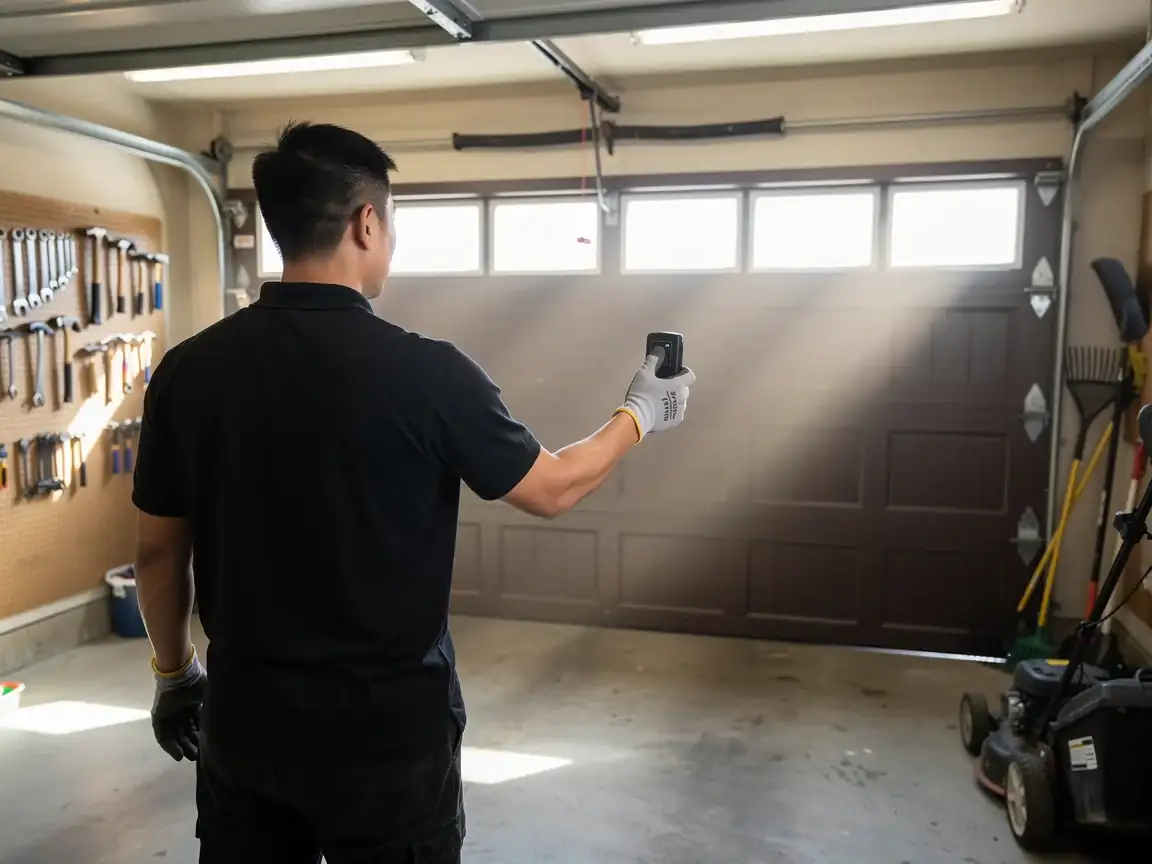
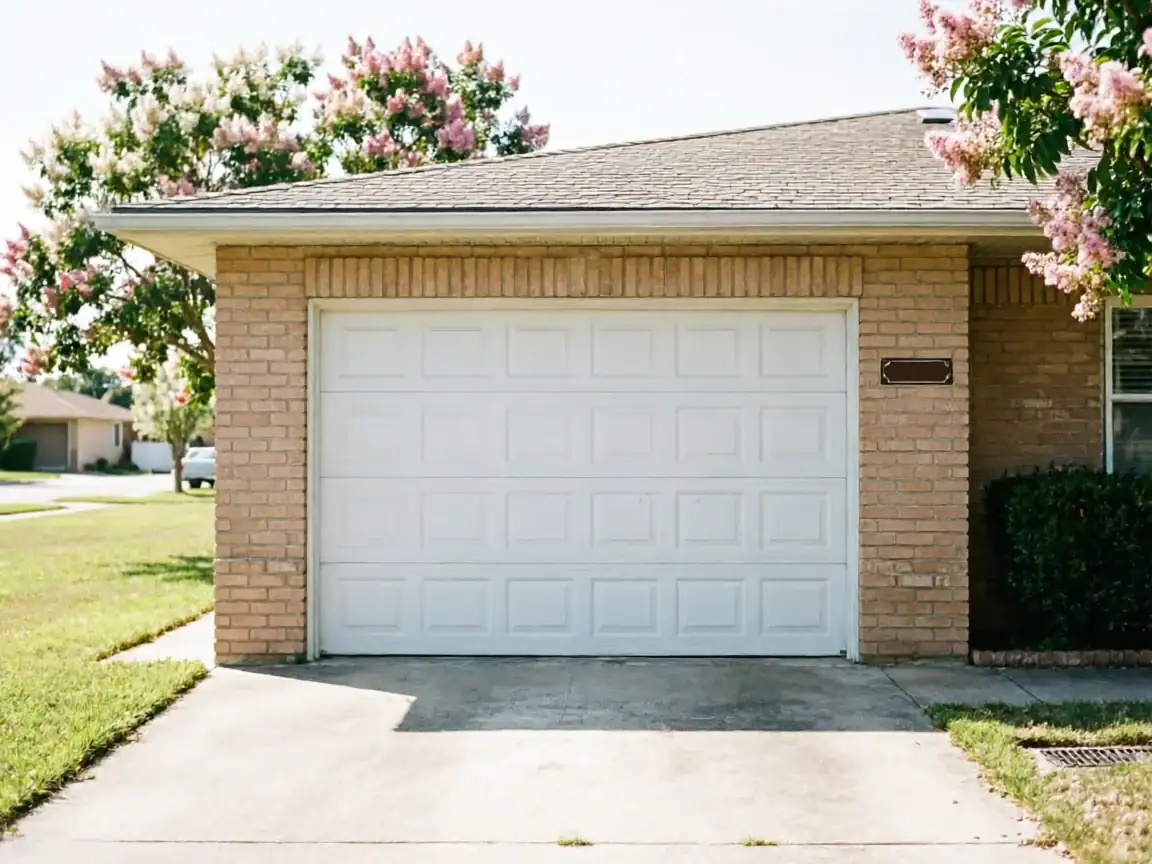
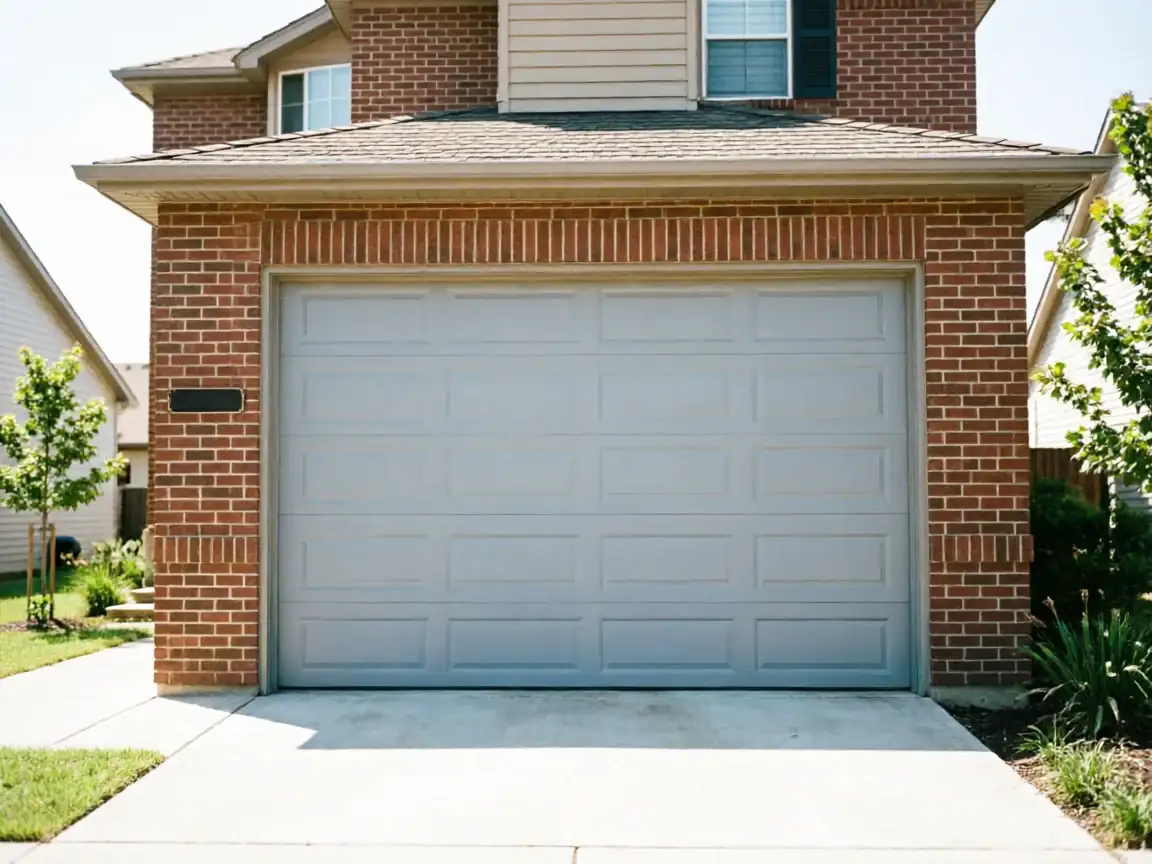
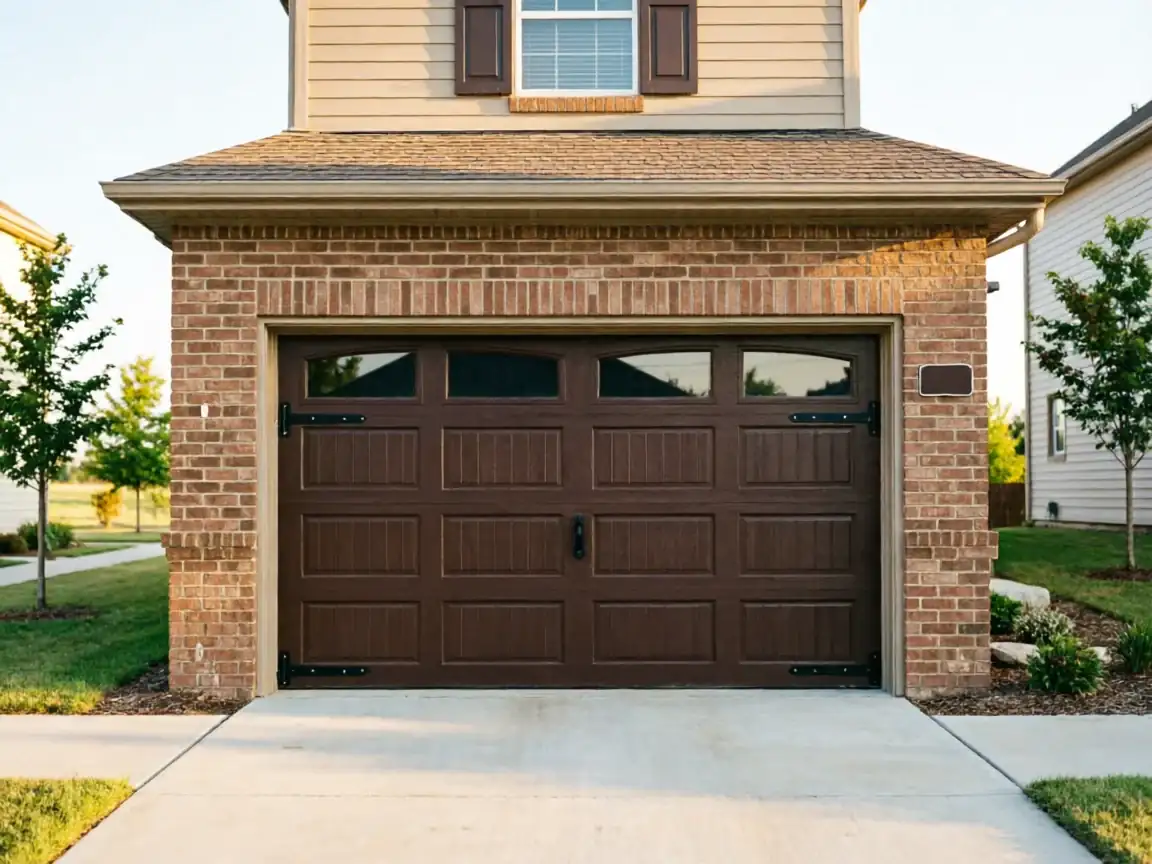
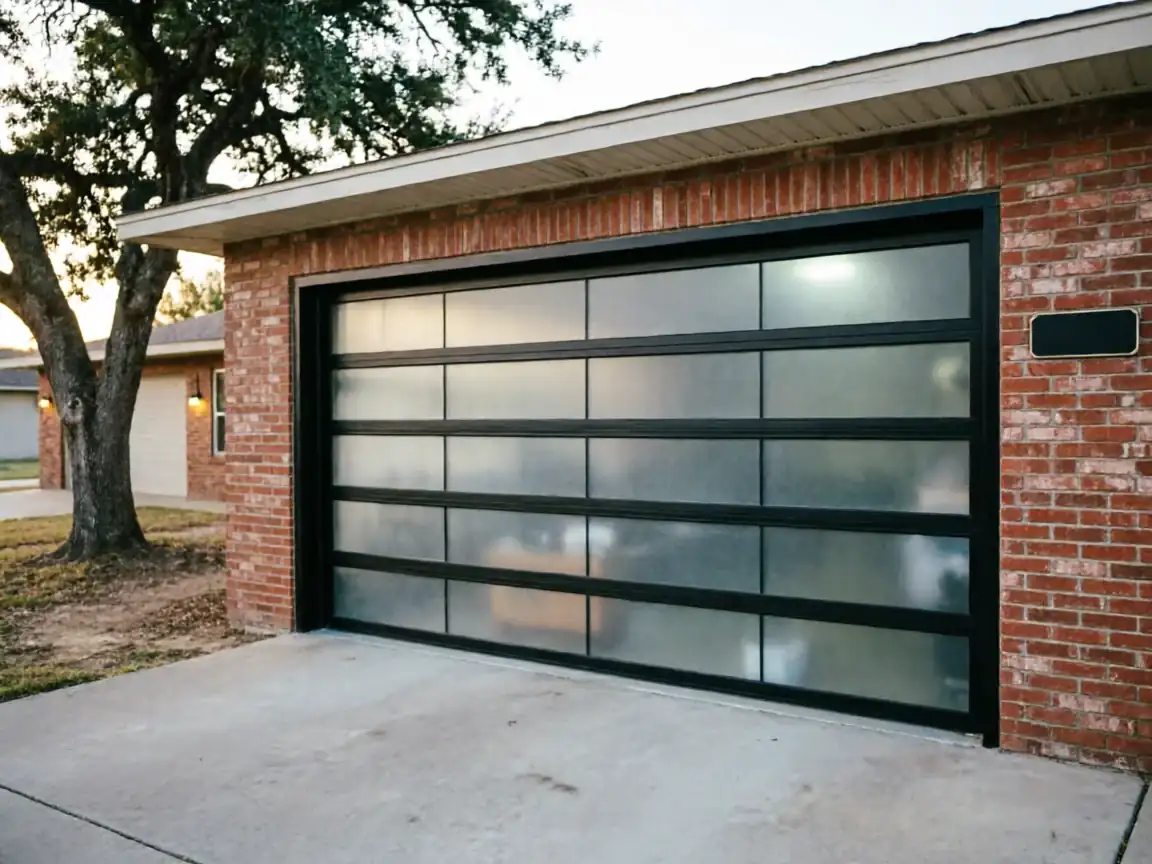
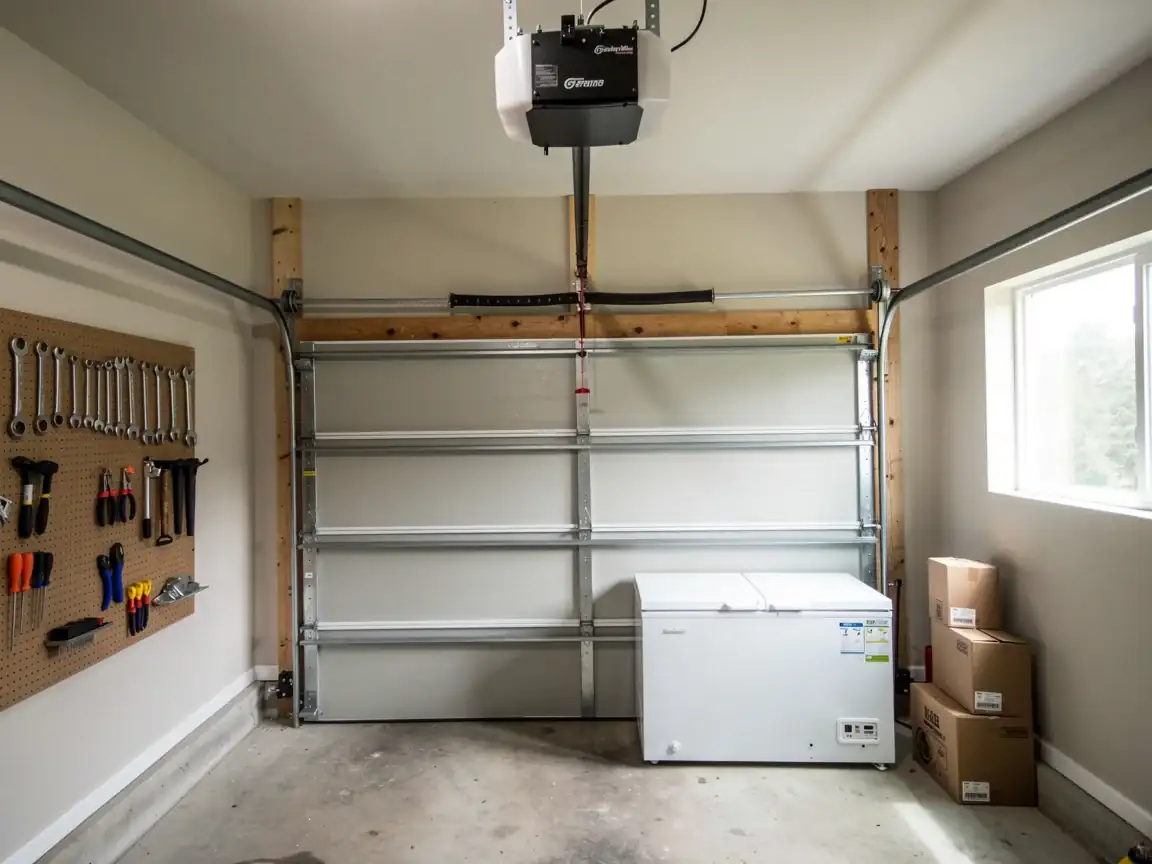
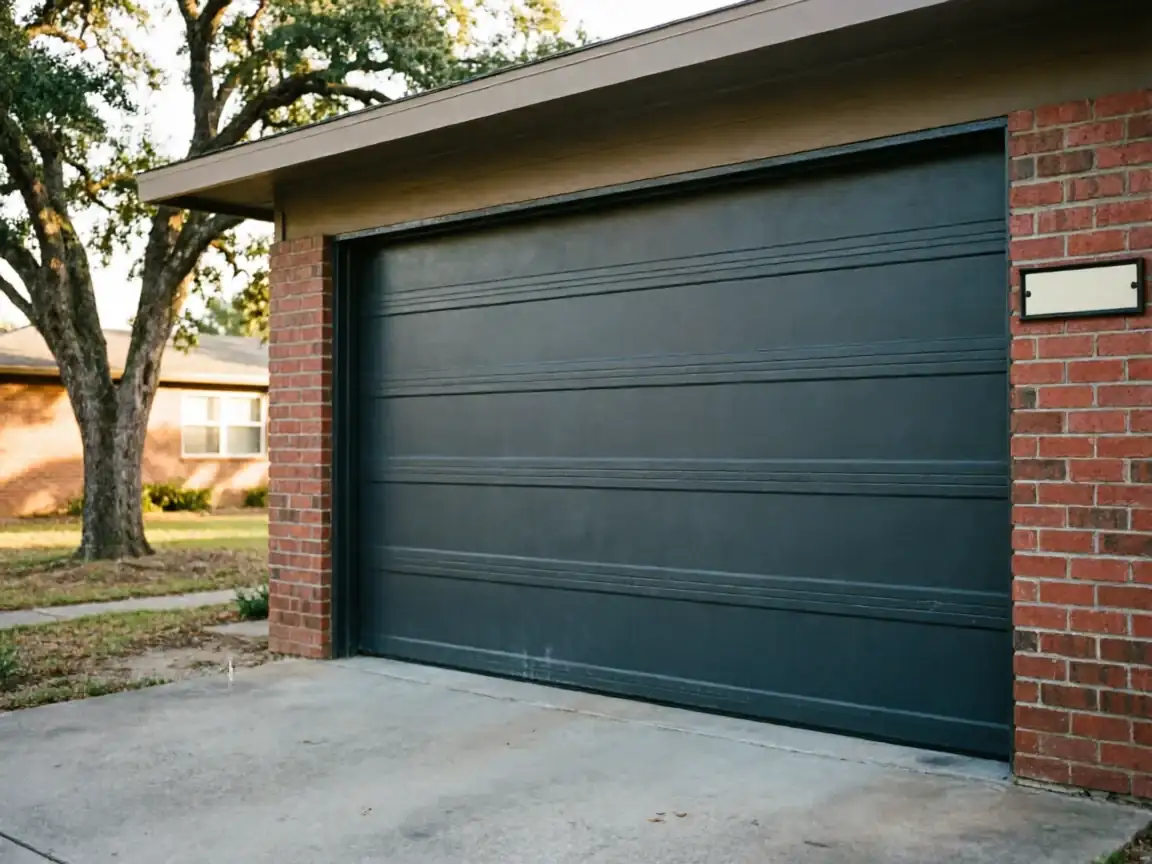
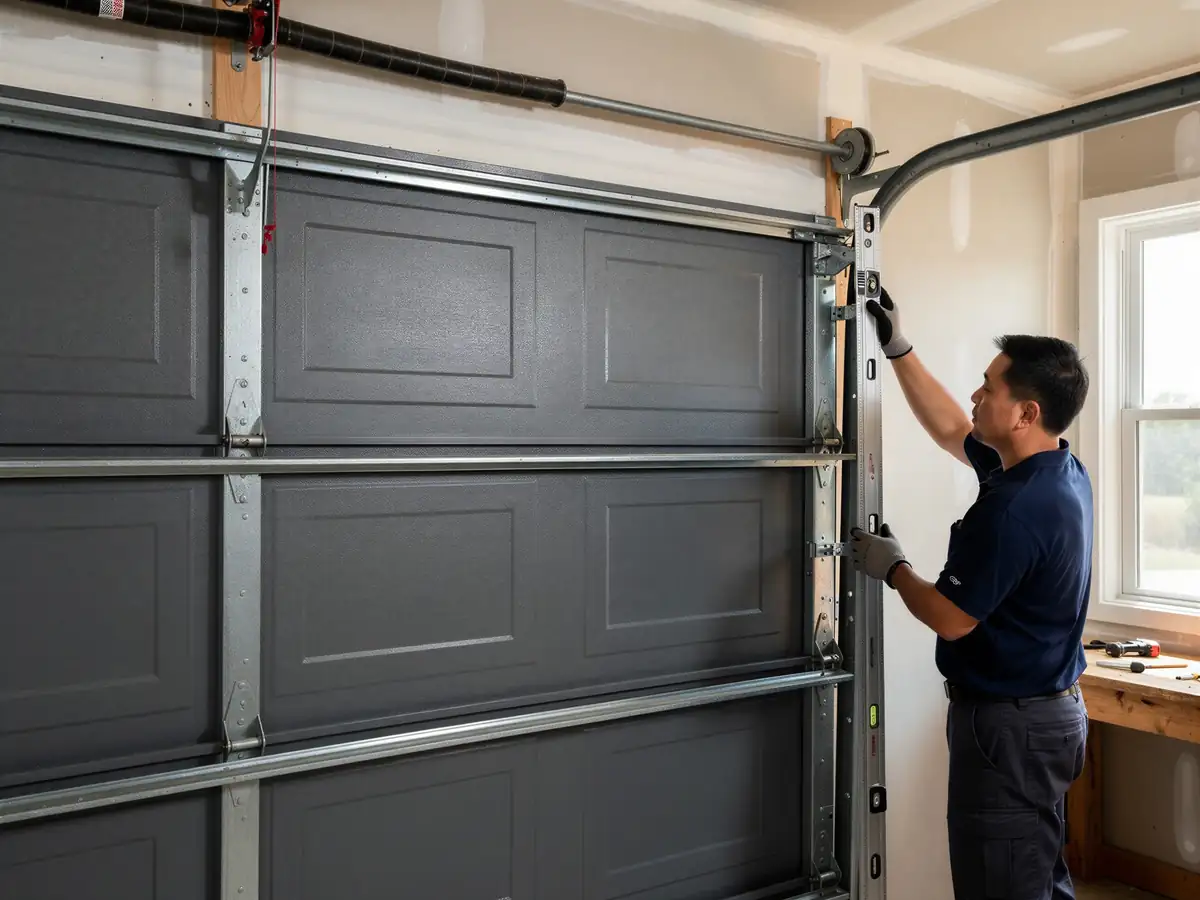
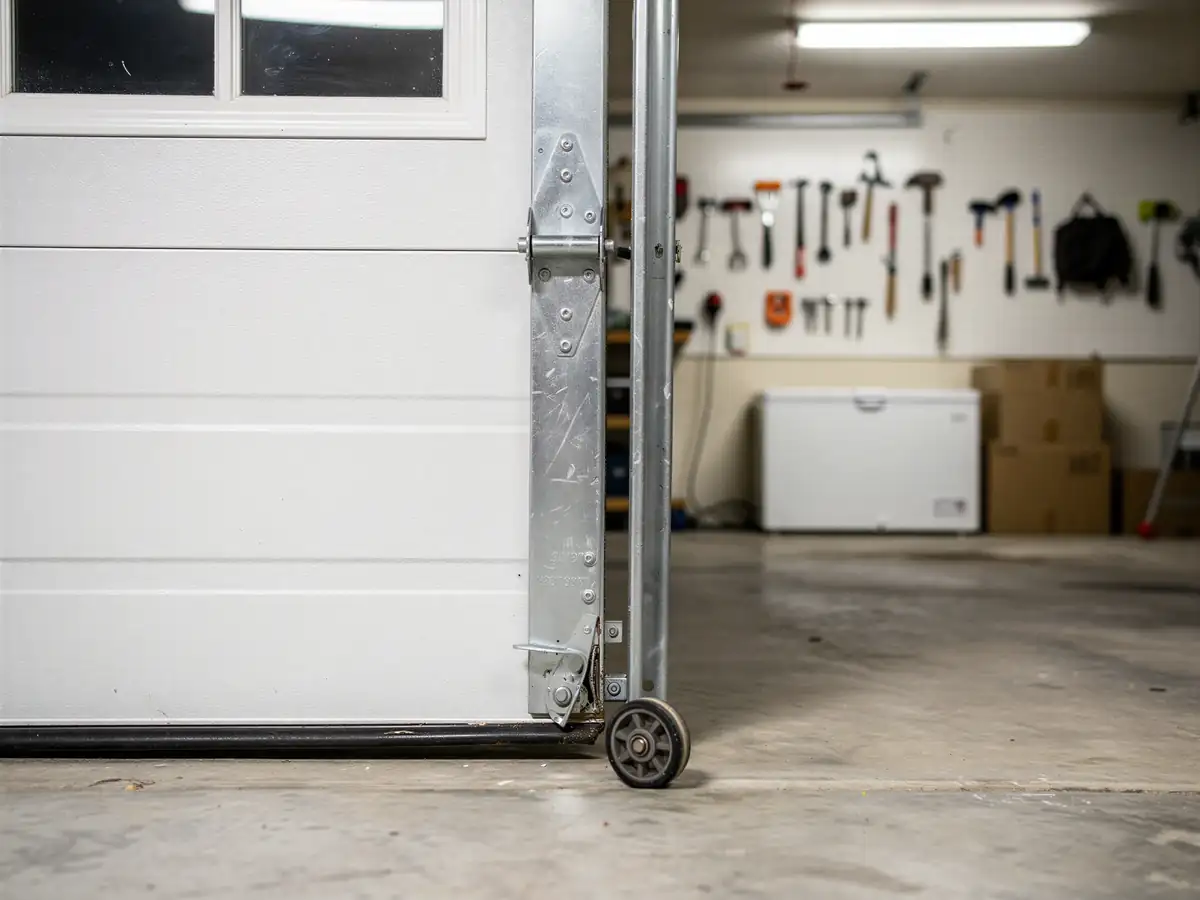
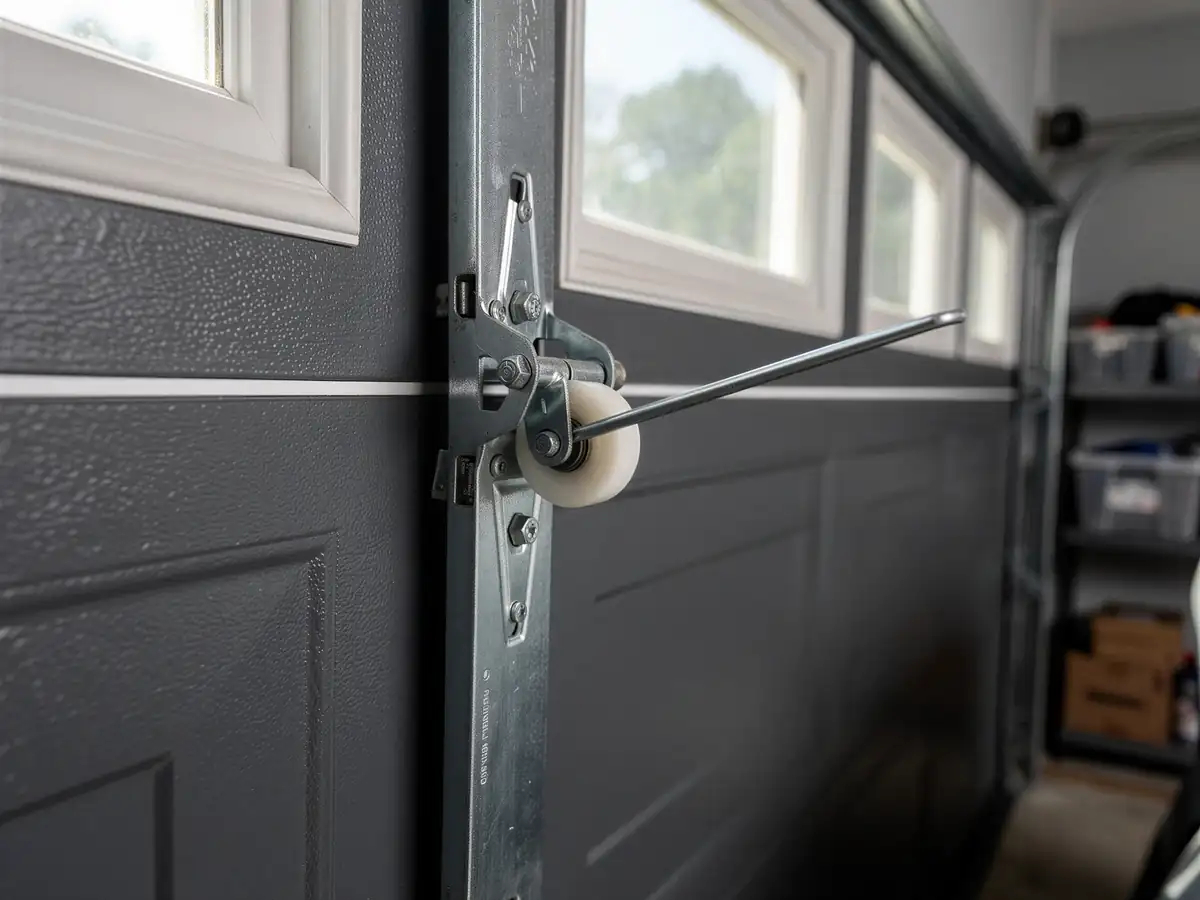
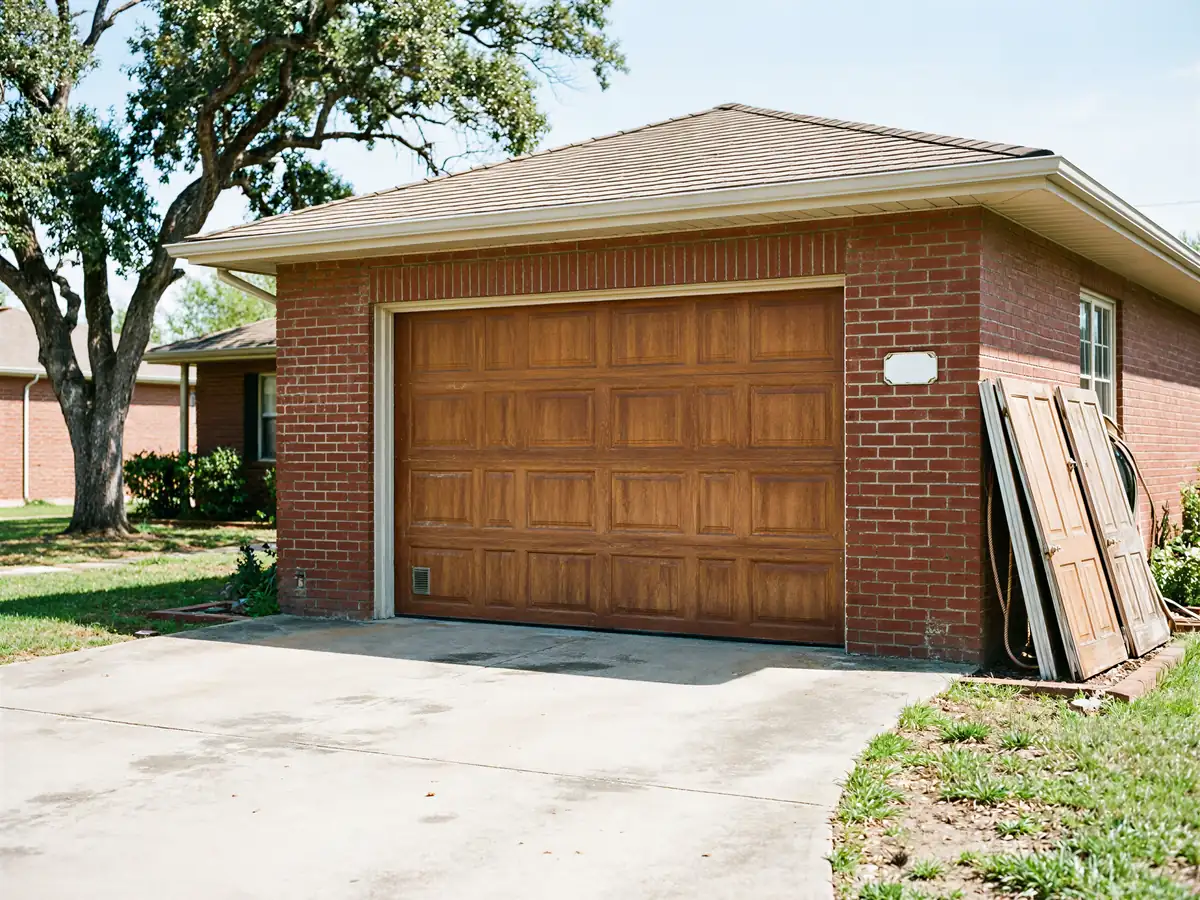
Elgin's housing stock runs older than the rest of the territory we cover out of Hutto - the typical house here went up around 1979, while the wider service area's median build year sits closer to 1984. Five years doesn't sound like much until you look at what was going into garage openings at the time. Doors from that era were lighter gauge steel, often single-layer with no insulation, hung on extension springs rather than torsion bars mounted over the opening. A lot of those original doors are still up, just tired. The track brackets on houses from this period were frequently lag-bolted straight into jamb studs instead of the header, which was fine for the weight of a 1970s door and is not fine once an owner swaps in a heavier insulated panel without upgrading the framing underneath it. We see openers from later retrofits bolted to that same old track, which is its own problem - the opener outlives the door hardware it's hanging off of. None of this is dramatic, it's just what 40-plus-year-old framing does when it meets modern door weight. Climate-wise this part of Texas sits in a mild band with occasional freeze, so we're not fighting the kind of swelling and frost-heave that cracks a slab up north - the wear here is age and metal fatigue, not weather damage.
The DIY Question
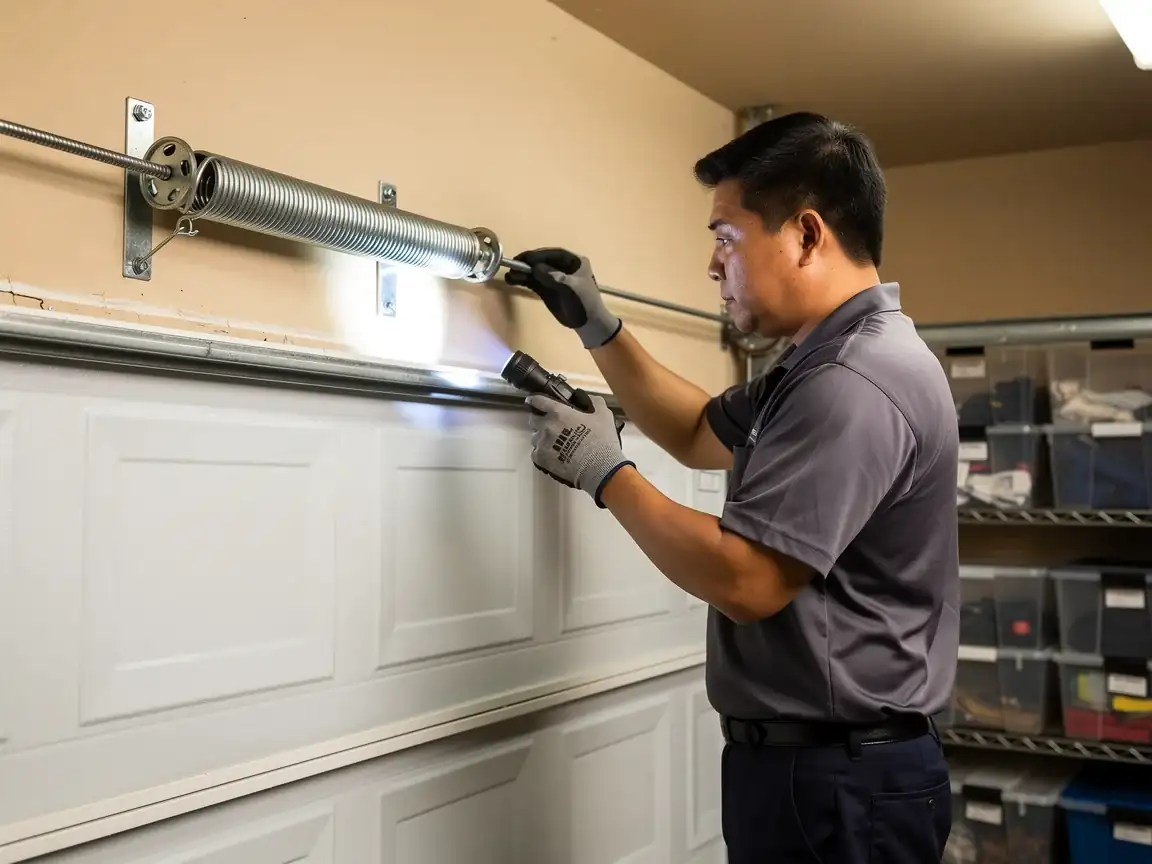
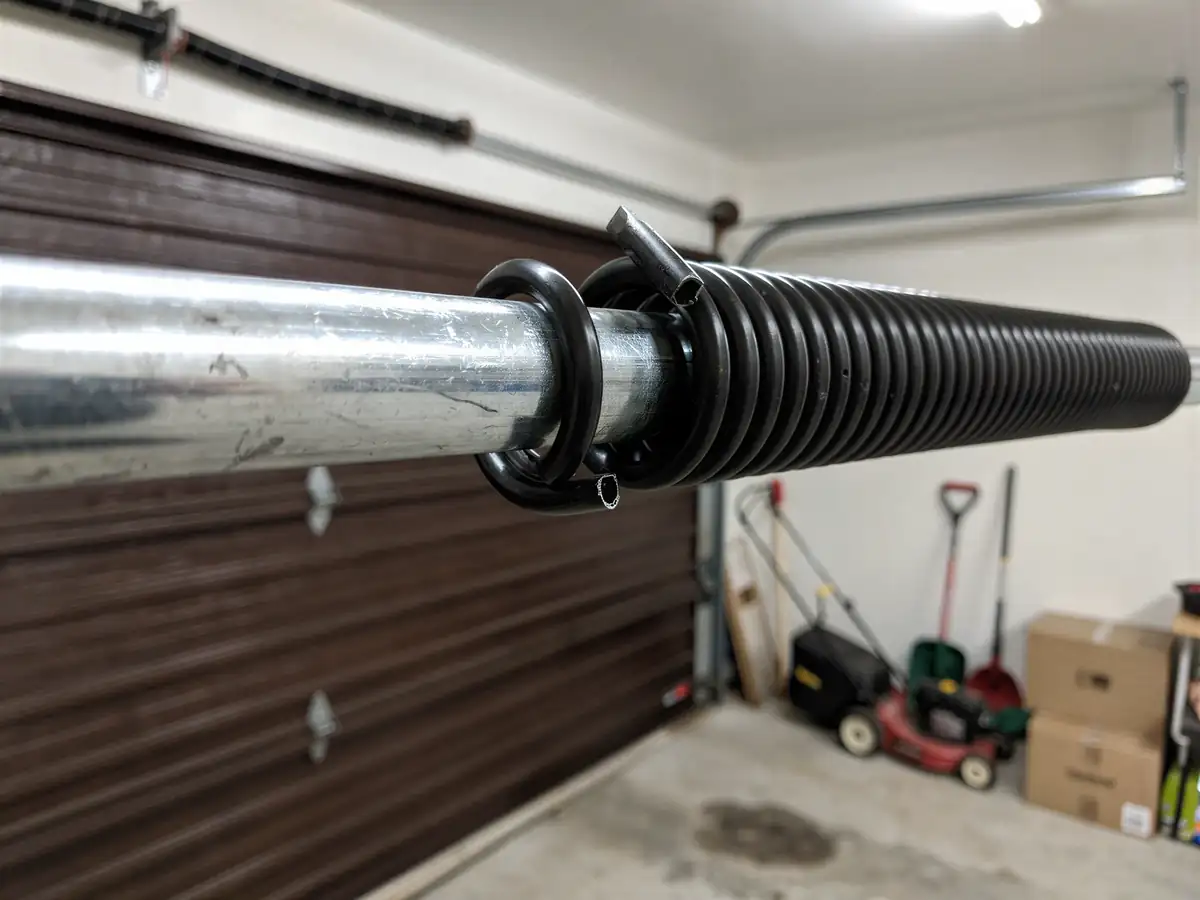
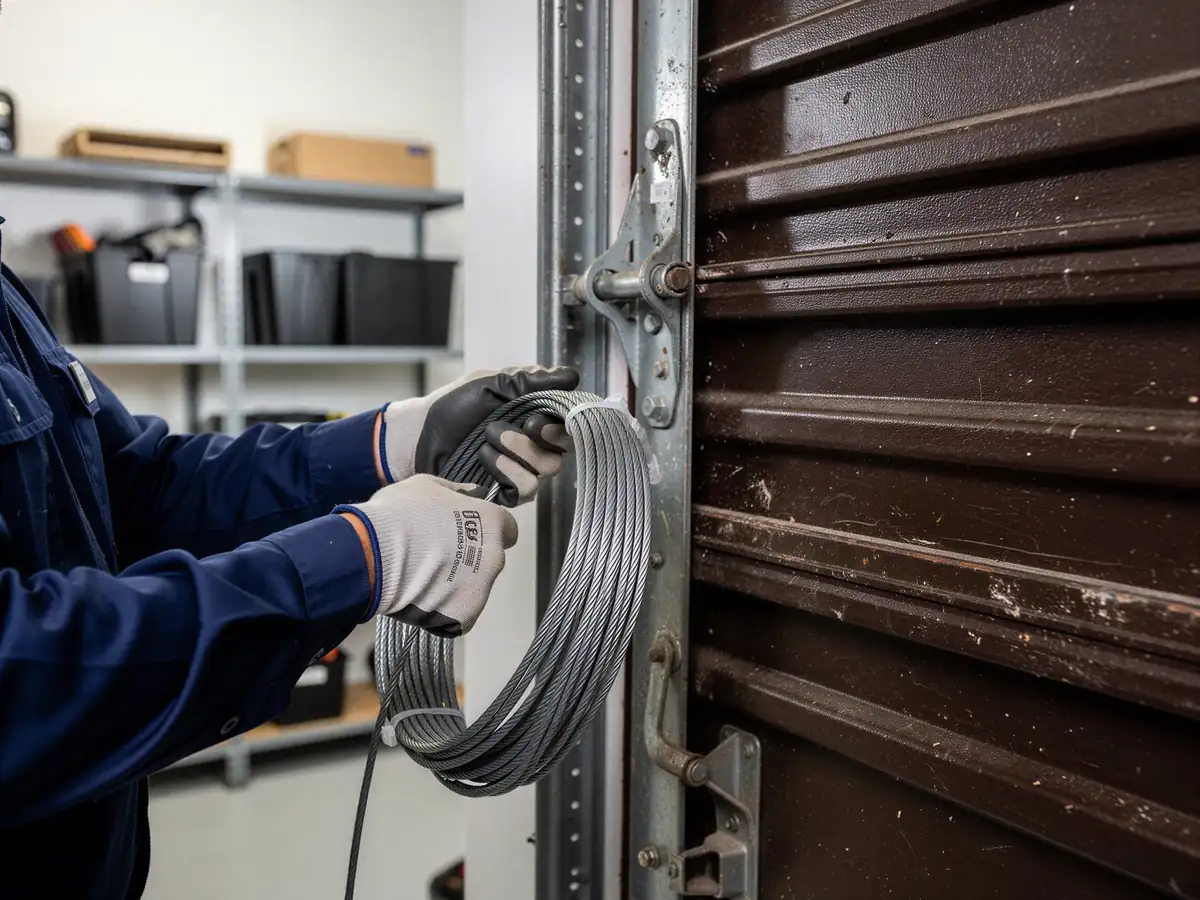
If you've got an extension-spring door from the 1970s stock and you're thinking about swapping it yourself, the spring is the part that should stop you. Extension springs under tension can whip hard enough to break a hand or worse, and on houses this age there's often no safety cable run through them because that wasn't code when the door went in. Measuring the opening isn't the hard part - getting the new door's weight matched to properly rated springs and a header that can take the load is. We're not going to tell you nobody should ever touch a garage door; plenty of owners replace weatherstripping or a roller themselves and that's fine. But a full door swap on a house built before double-layer insulated doors were common means you're also deciding whether the existing jamb and header can carry a door that might weigh twice what the old one did. That's a judgment call worth having someone look at in person before you order a door online.
How Long You Are Without the Door
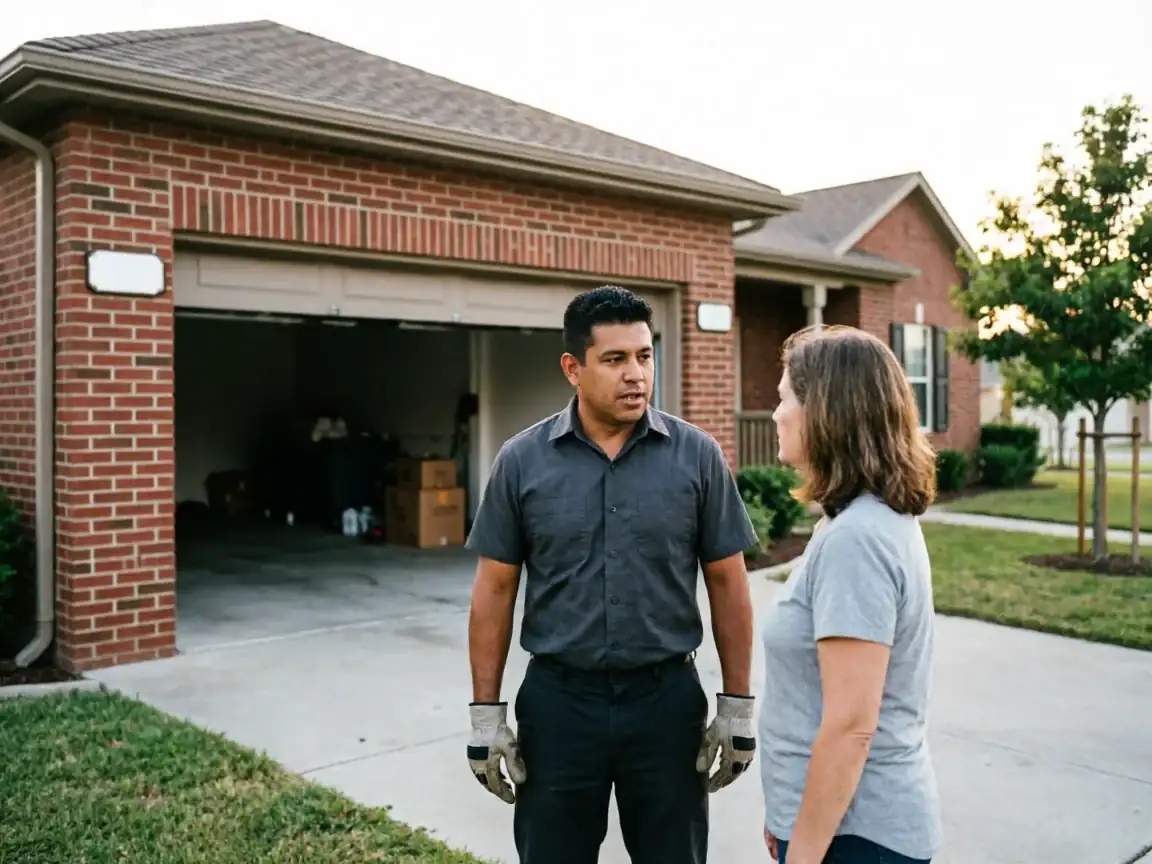
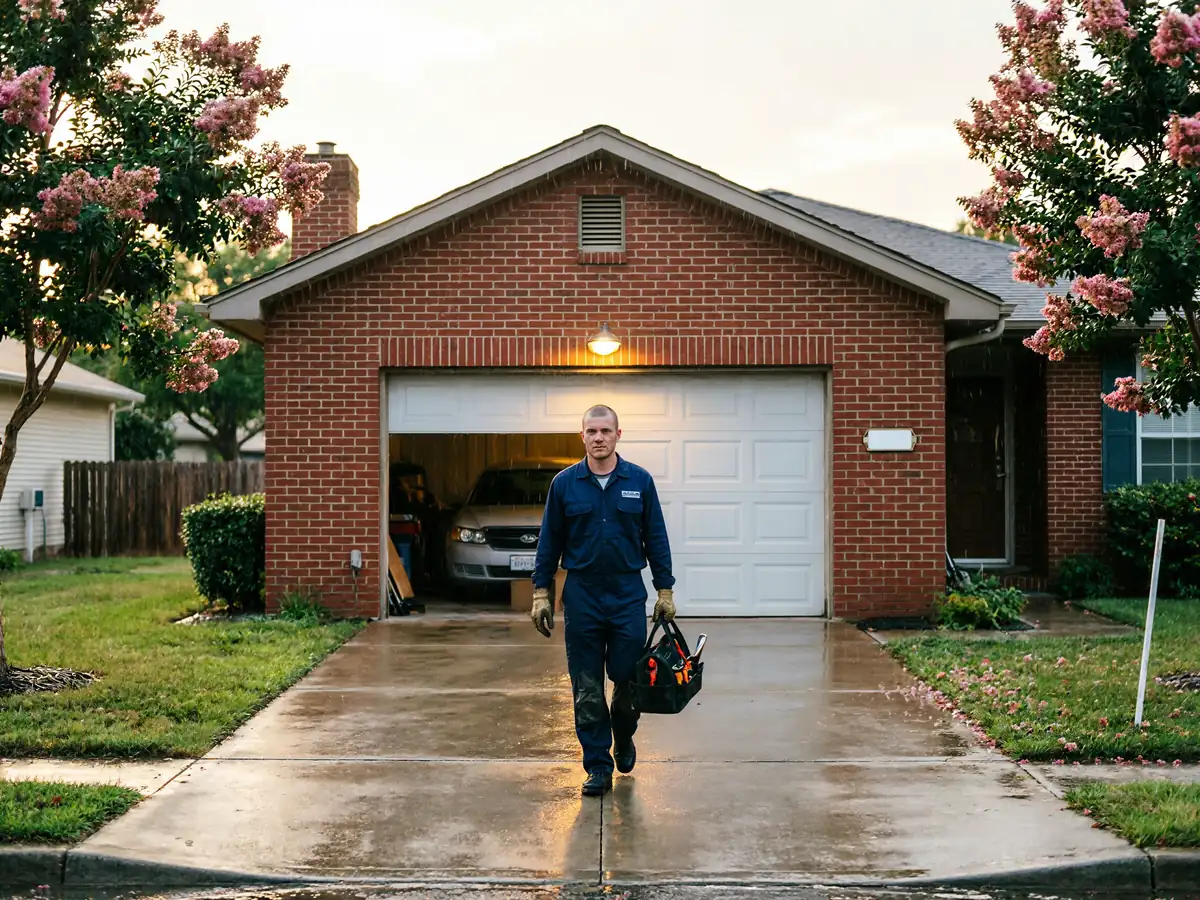
We're not based in Elgin - the crew comes out from Hutto, about 16 miles away, so figure that drive into any same-day scheduling conversation rather than assuming a crew is parked around the corner. Install day itself depends on what's involved: swapping a door onto existing, sound hardware is a different job than one where the header needs reinforcing to take a heavier insulated panel, which is common on these older builds. We don't carry every door style on the truck for a house we haven't seen yet, so a first visit to assess the opening and order the right door is often separate from install day. That's not a stall tactic, it's just how it works when the framing underneath an older door needs checking before a heavier one goes up.
Where This Job Goes Sideways
The failure point on these older Elgin builds is almost always the header, not the door itself. Someone orders a new insulated double door, sized right, good brand, and it goes up fine on day one - then six months later the track starts pulling away from the jamb because the studs behind it were never meant to carry that weight. On a house built in 1979 that header was framed for a door maybe a third lighter than today's standard insulated options. The honest answer here is that sometimes the right job isn't a new door at all - it's reinforcing the framing first, and that can push the cost and timeline past what a straight swap would run. We'd rather tell you that upfront than hang a heavy door on soft framing and have it back on a service call within the year.