The Problem
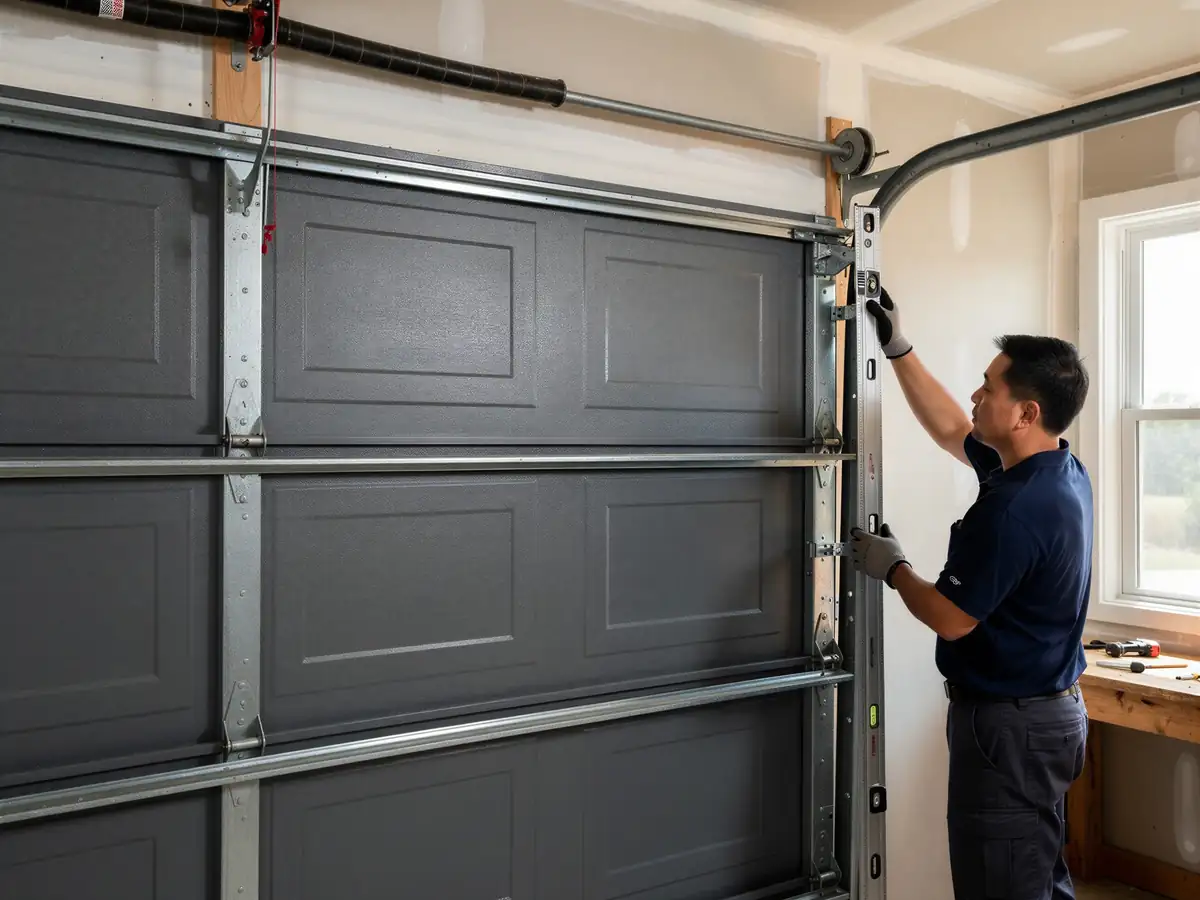
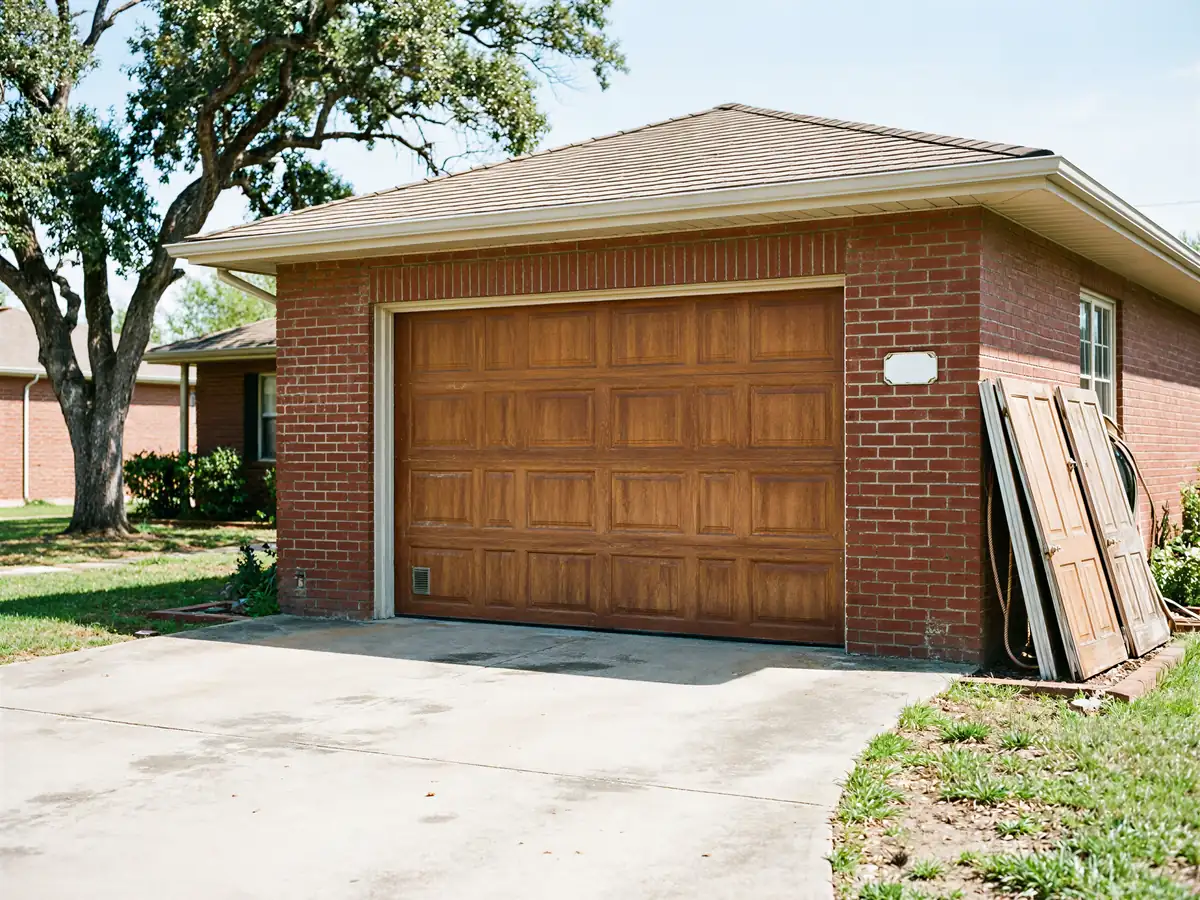
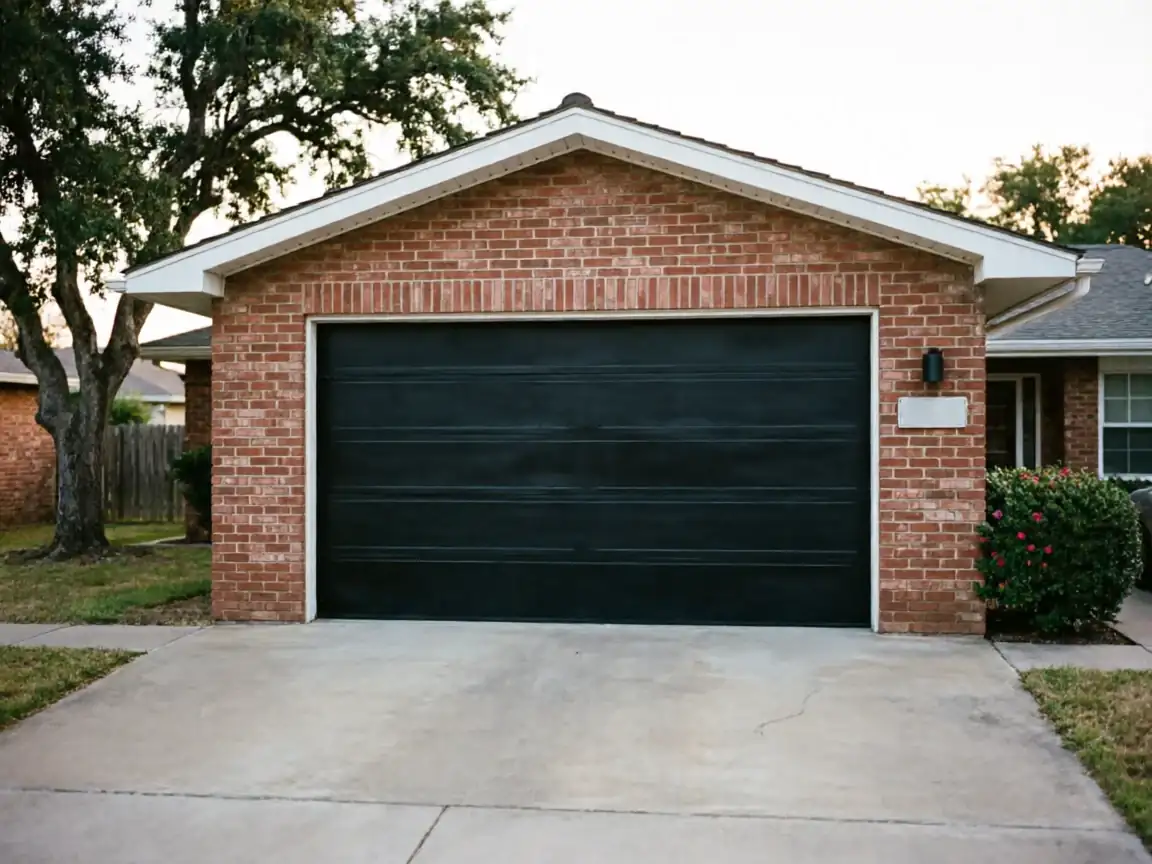
Most of the houses we work on in Hutto went up between 1957 and 2018, with the heavy middle of that range sitting in the 1980s and 90s, spread across nine distinct pockets of town. That matters more than people expect. If your house falls in the older end of that span, built before the mid-1980s, you're likely still running doors on houses built before insulation rules - thin single-layer steel panels with no foam core, hung on hardware that was standard when the house was framed.
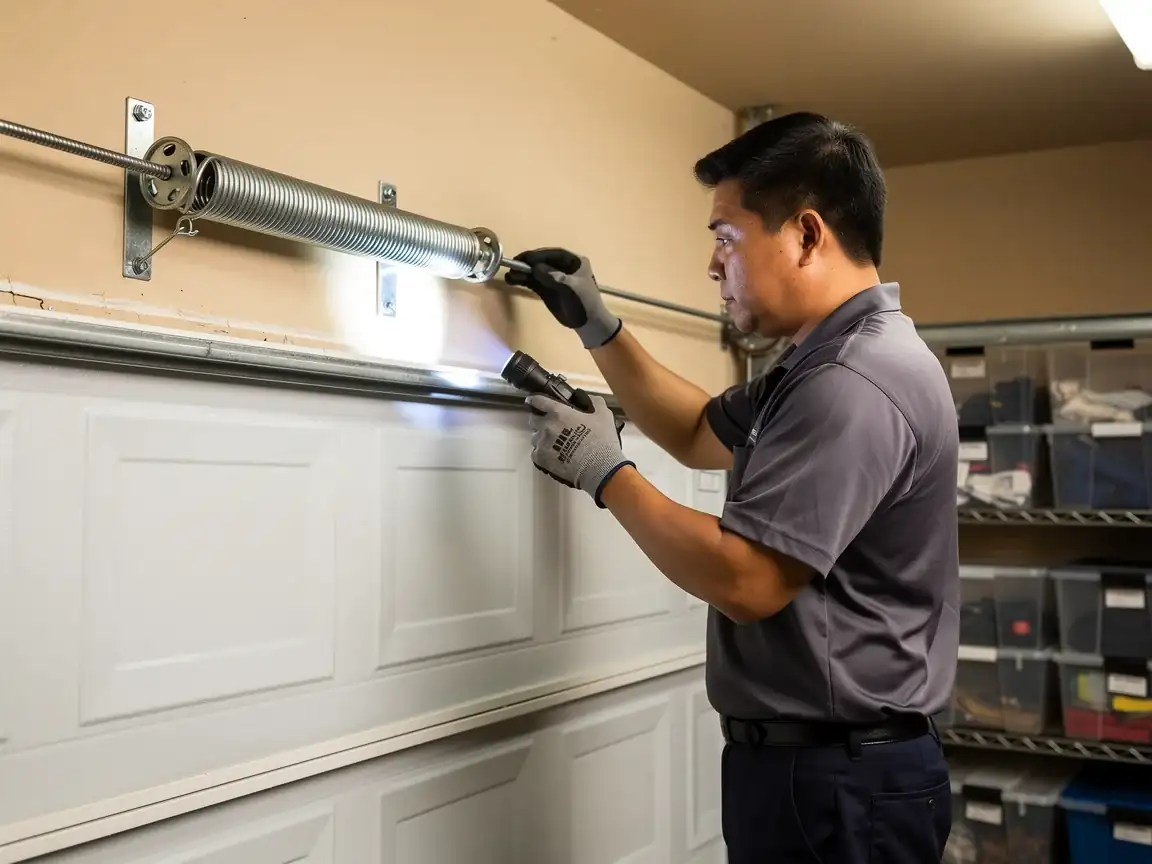
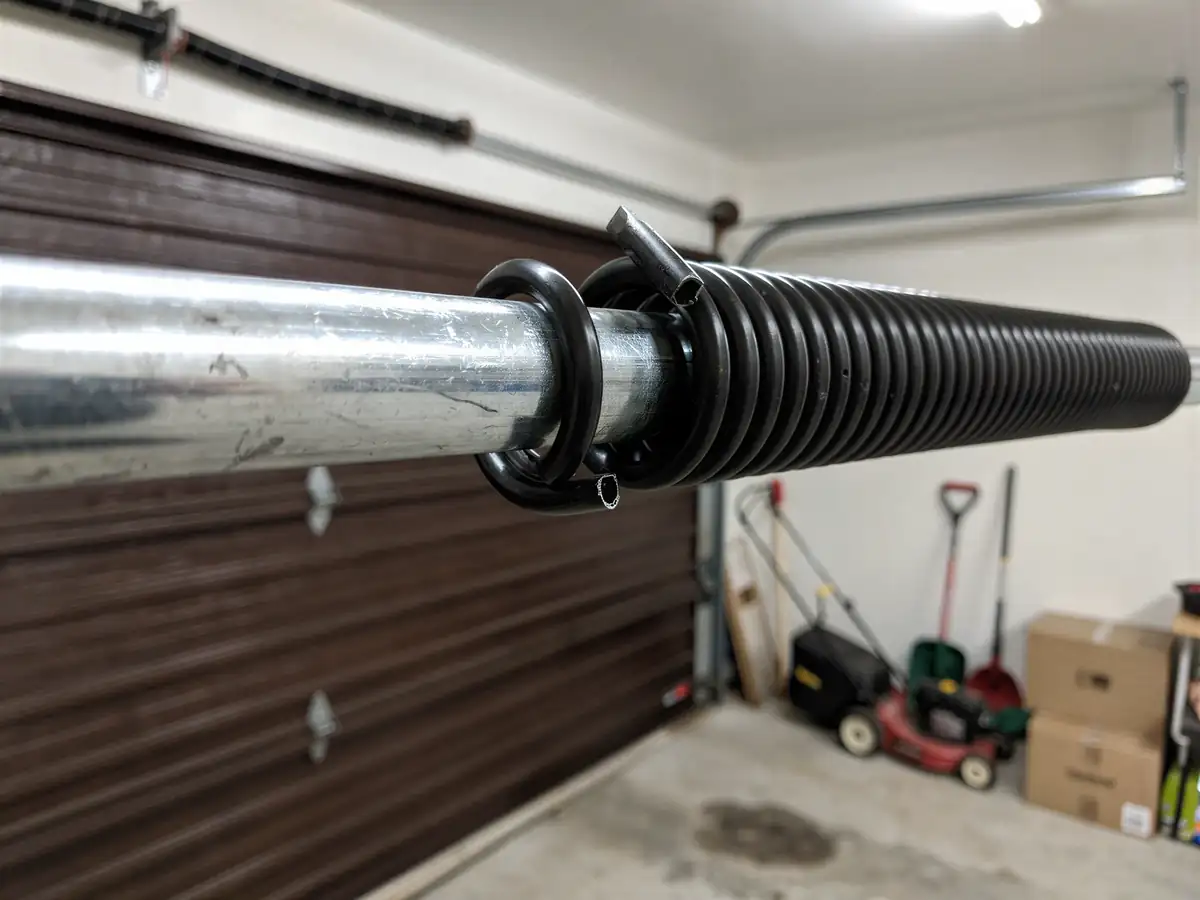
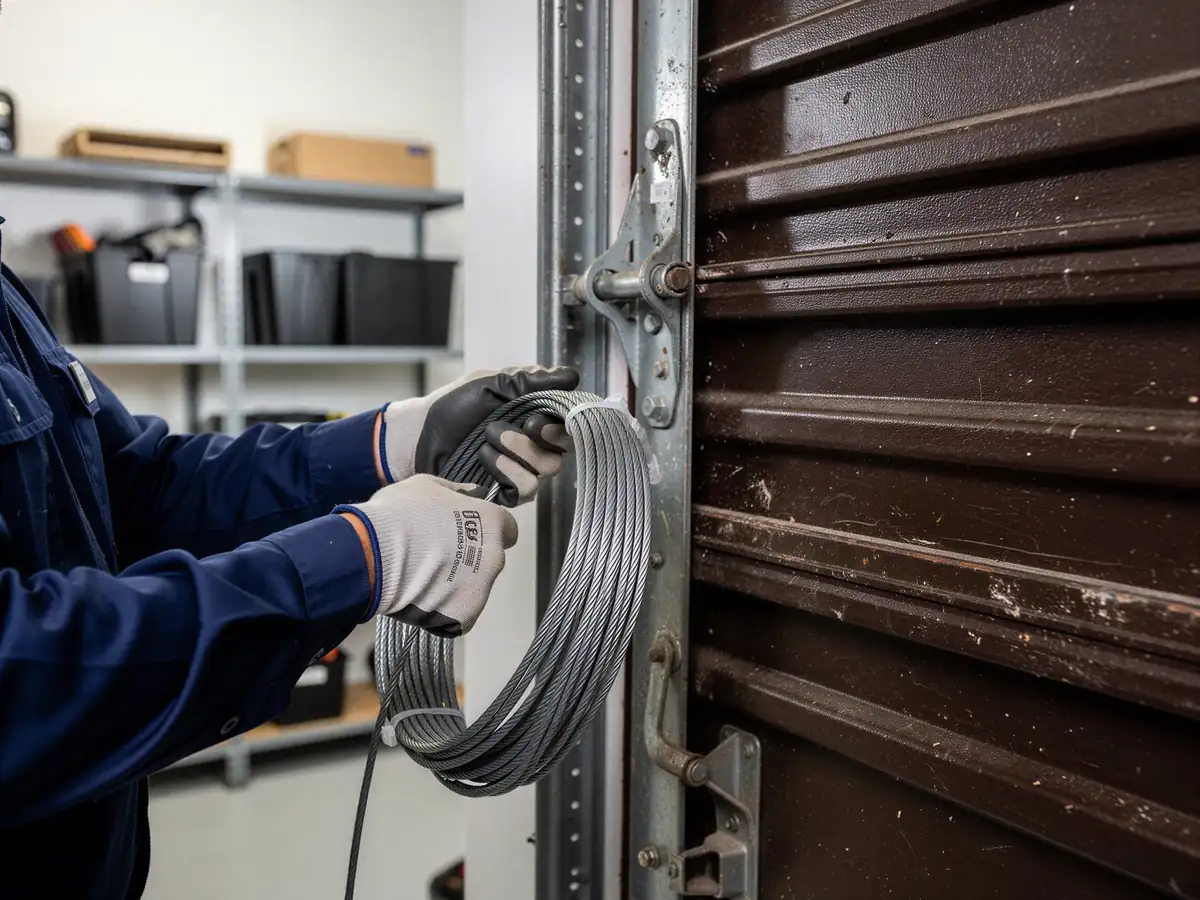
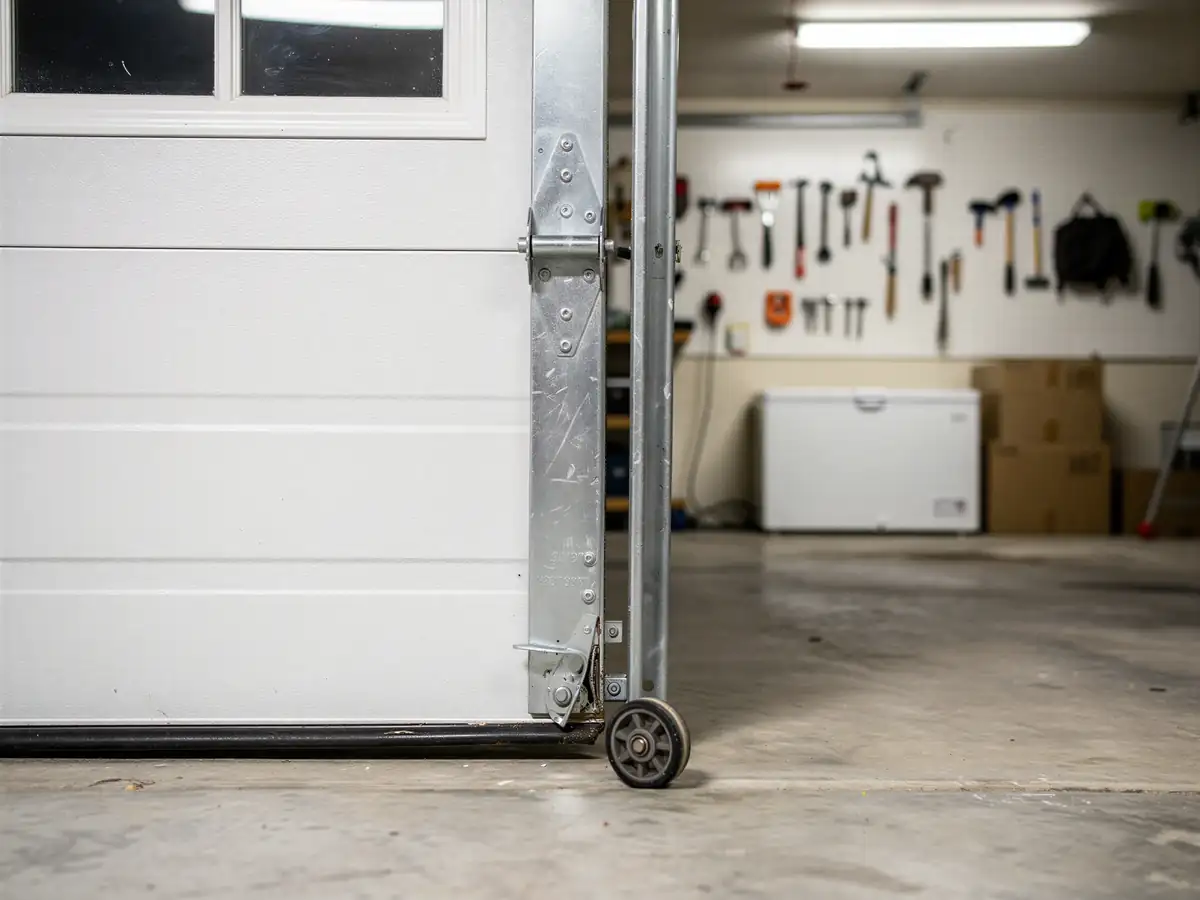
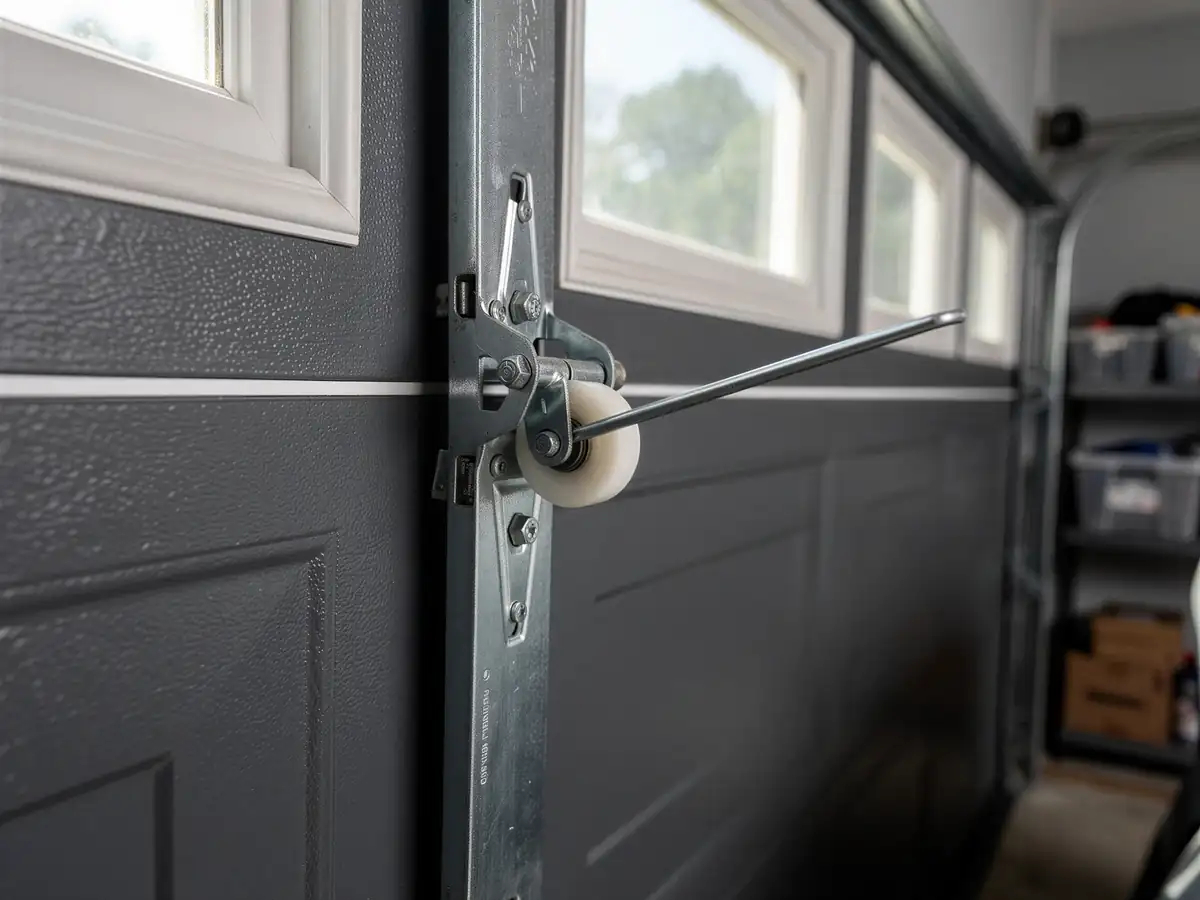
A house built in 1984, the median year for this area, is now four decades old, and torsion springs don't last that long no matter how well they were installed. Rollers wear grooves into tracks that were never meant to carry forty years of daily cycles. Cable drums rust at the set screw. None of this is dramatic until the day it is - a spring lets go on a double door, or a cable frays and the door drops crooked on one side. We see it most on the original equipment from that 1980s-90s building wave, less often on the newer construction toward the top of the 1957-2018 range.
Doing Nothing For Now
A door that's noisy or slow isn't automatically urgent. If it still opens and closes square, and the spring hasn't visibly separated, you can usually wait and plan the work instead of treating it as an emergency. Where we tell people not to wait: a cable that's started to unravel, a track bent enough that the rollers skip, or a spring on a 1980s-era door that's clearly original - because when those let go, they tend to let go all at once and can take a panel or a finger with them.
Here's the honest limit: we don't always have the exact replacement hardware for the oldest installs on the shelf. Some of the fittings and spring sizes used on houses from the earlier end of the 1957-2018 range aren't the sizes supply houses stock anymore, so a repair on one of those can mean a short wait on parts rather than a same-day fix. On a door that old, replacing the opener and spring assembly together is often the better call than chasing parts for a system built for a house that's now forty years old.
What You Pay
What a job costs here comes down less to the brand of door and more to what's already on the house
A 1990s build with a newer opener bolted onto original track is a different job than a door with everything original to a 1984 frame. Panel gauge, spring size, and whether the opener is original or already replaced all move the number before we even talk about the door itself.
We don't publish a flat price list because the spread between a spring swap on a well-maintained door and a full replacement on an original 1980s setup is wide
And quoting one number for both would be misleading either way. What we can say is that the older the hardware, the more likely the job includes parts that aren't a quick stock item, which shows up in the estimate as labor and sourcing time rather than the part cost itself.
How Local Conditions Play In
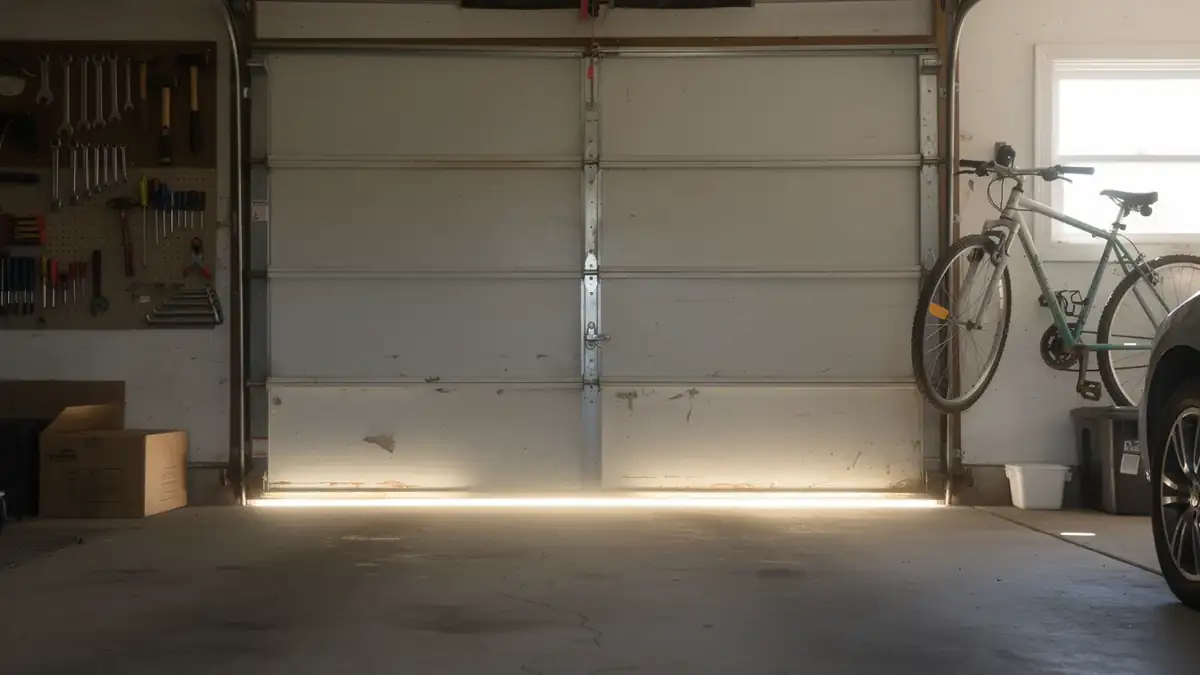
Hutto sits in a mild climate band with occasional overnight freezes, not the hard winters some parts of the country deal with. That sounds like good news for a garage door, and mostly it is - you're not fighting ice buildup on the track most years. But a mild climate with the occasional freeze is actually harder on old grease and old steel than a climate that's reliably one thing or the other. Lubricant that's fine on a 70-degree afternoon stiffens up on the handful of nights a year it drops near freezing, and an uninsulated 1980s panel contracts just enough on those nights to tighten against a track that was already a little out of plumb.
Newer, insulated doors built later in the 1957-2018 range handle that swing without much notice. Original single-layer steel from the older end of that range is where we see the stiff opener, the popped roller, or the panel that won't seat flush on the one or two cold mornings Hutto gets each winter.