What We Do Not Do
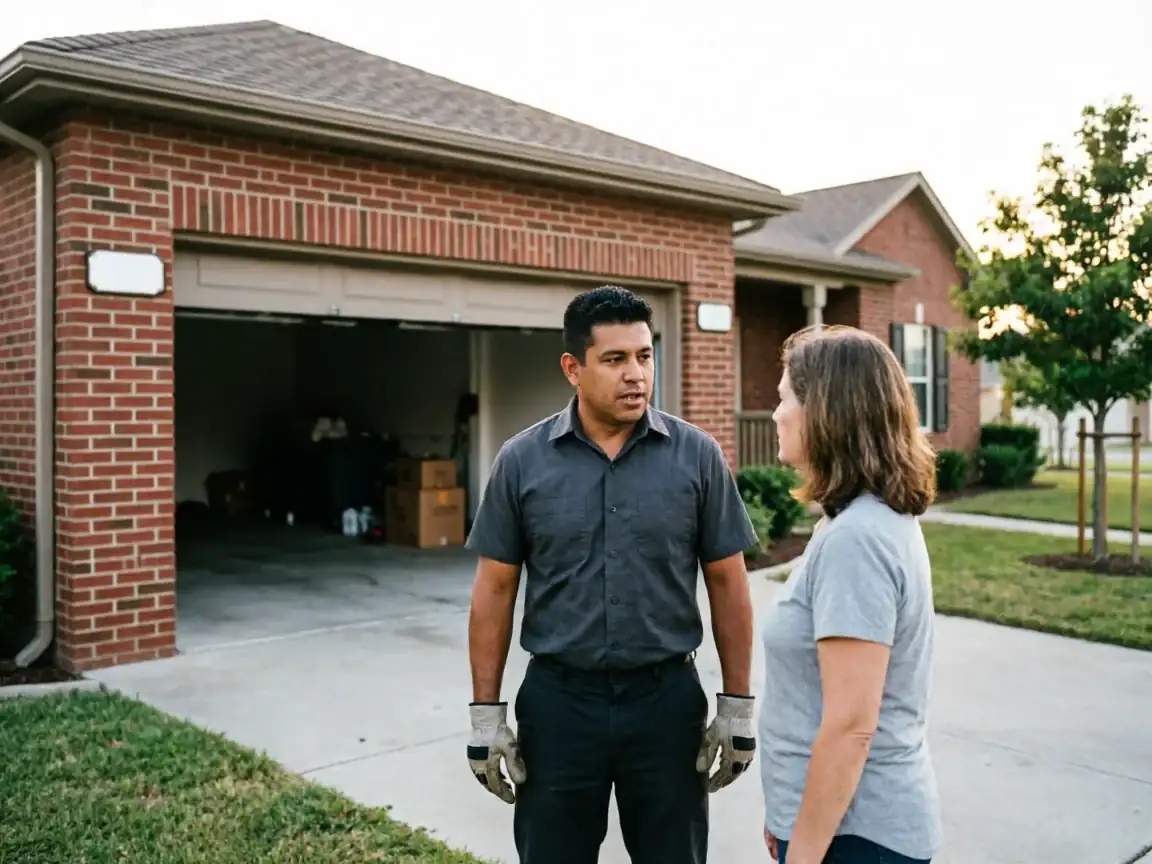
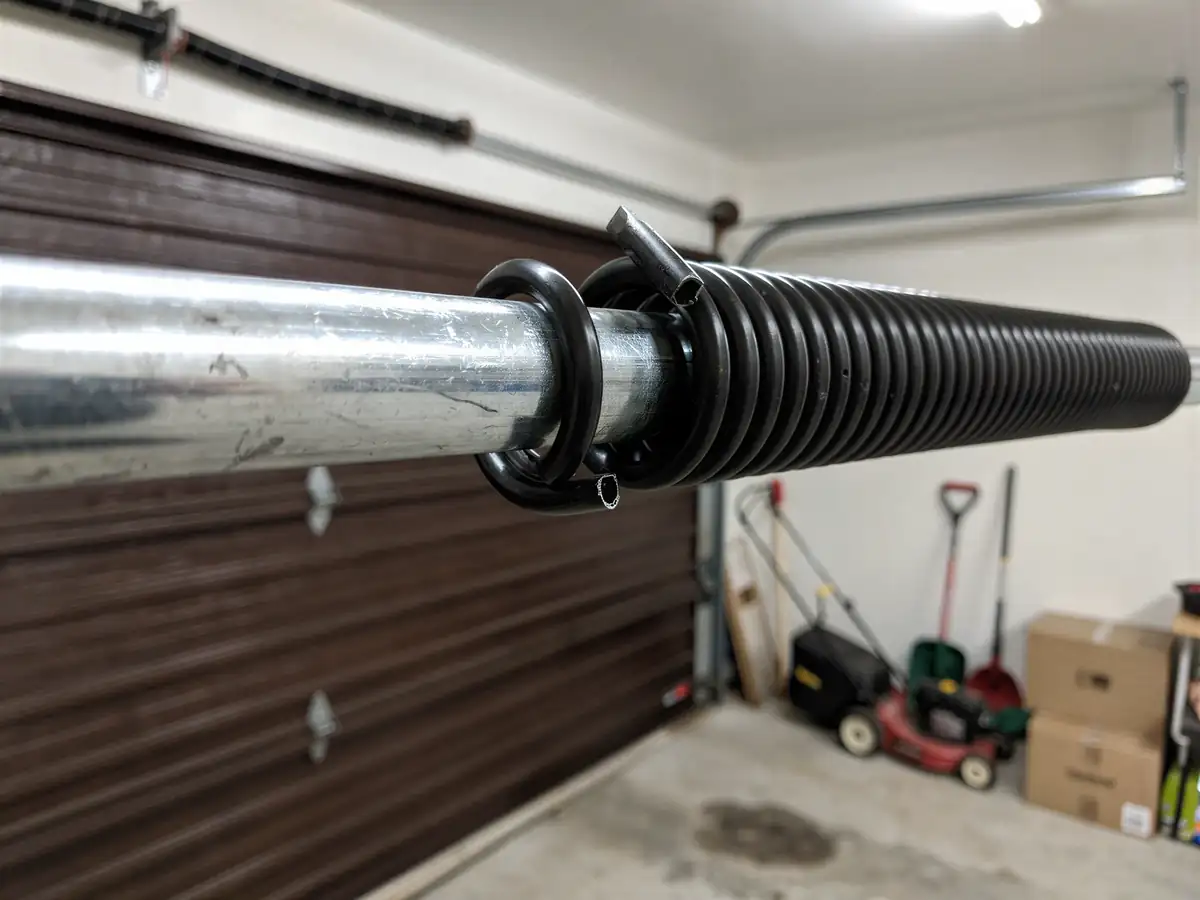
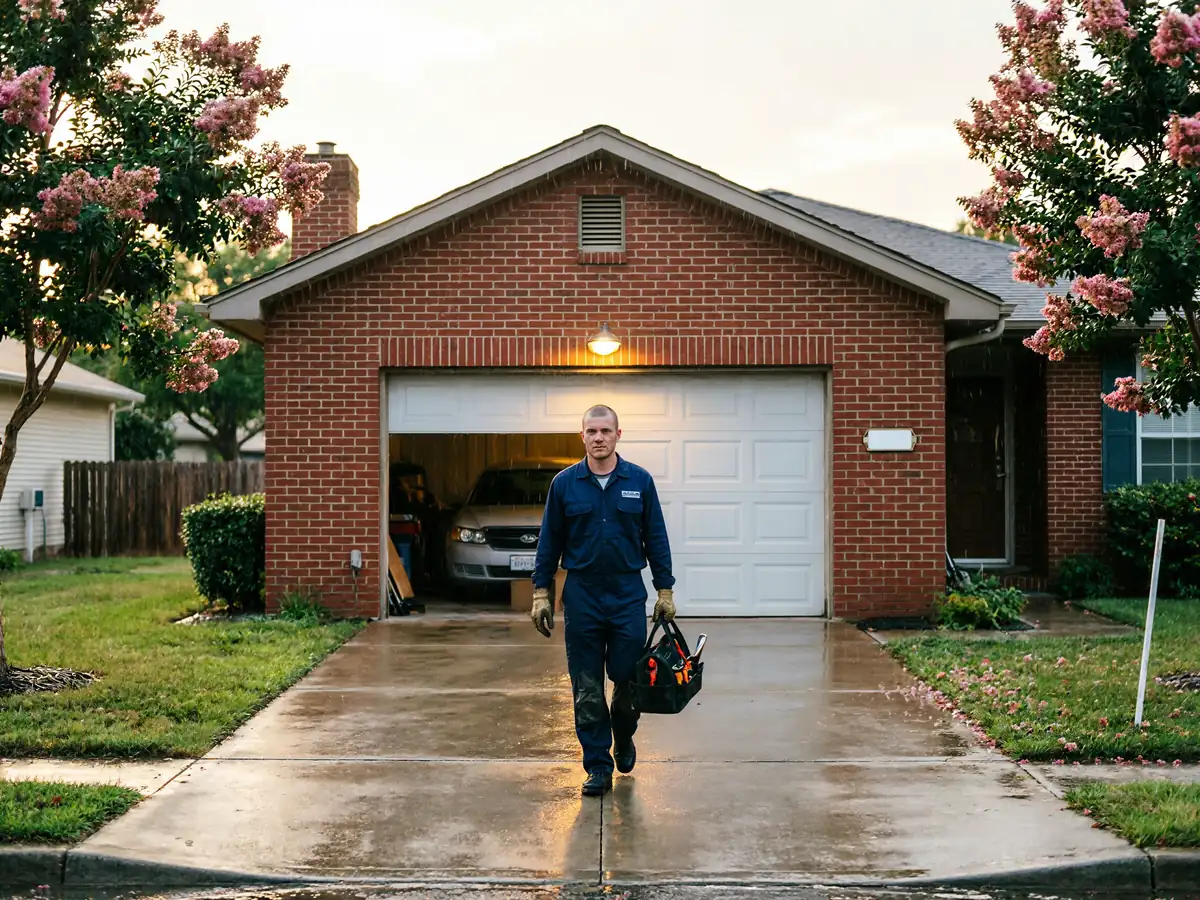
We don't keep a truck or a crew sitting in Bartlett. Every call here means a drive out from Hutto, nineteen miles each way, so we schedule the trip rather than promise a drop-in. We also don't quote a torsion spring job over the phone for a door we haven't seen - a single spring and a double spring look the same from a photo but weigh and cost differently. If your opener or track hardware dates to the original 1957-era build, we may not have the exact replacement part on the truck; some of that older gear isn't made anymore and has to be special-ordered or swapped for a modern equivalent, which takes longer than a same-day fix. We won't tell you a worn extension-spring setup from that era can just be patched - sometimes the honest answer is a full spring conversion rather than a repair, and we'll say so instead of charging you twice.
We also don't do new construction or commercial overhead doors here - this is a residential repair and replacement route, built around the houses already standing in Bartlett, not ground-up builds.",
What We Do Most in This Area
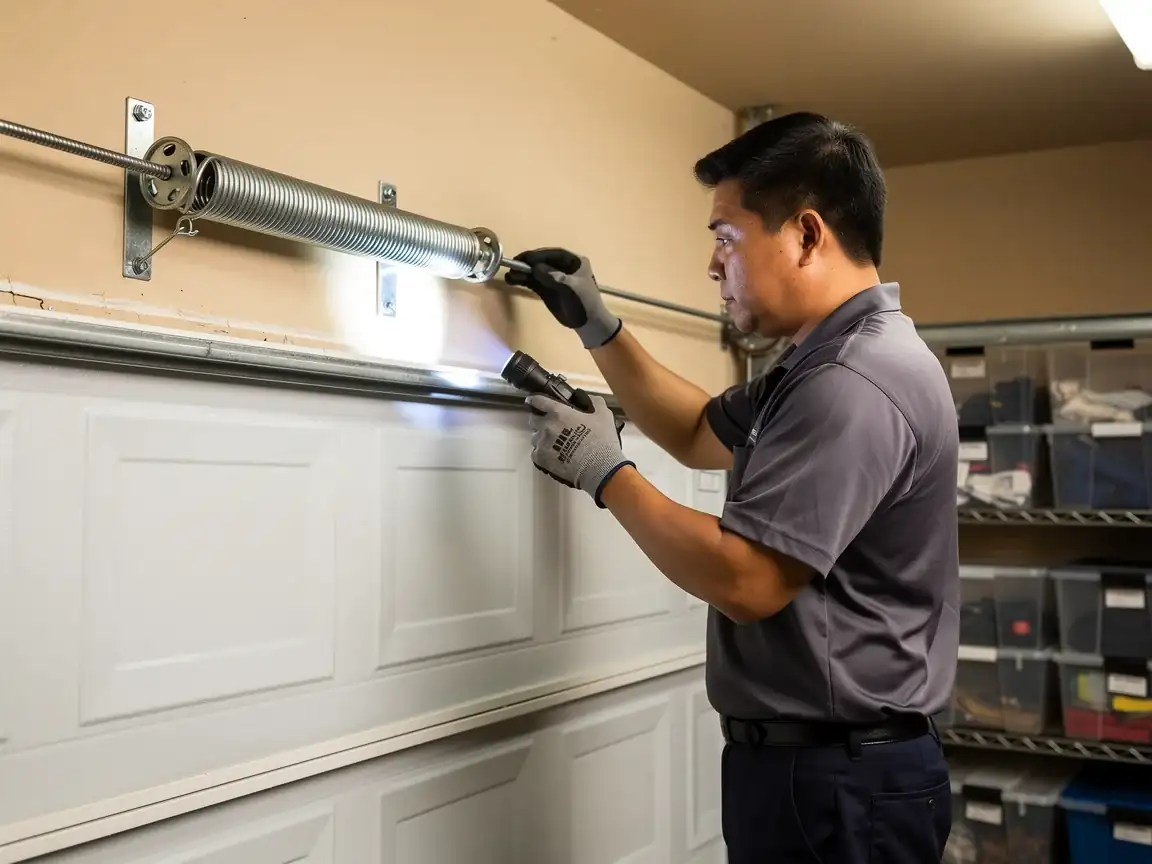
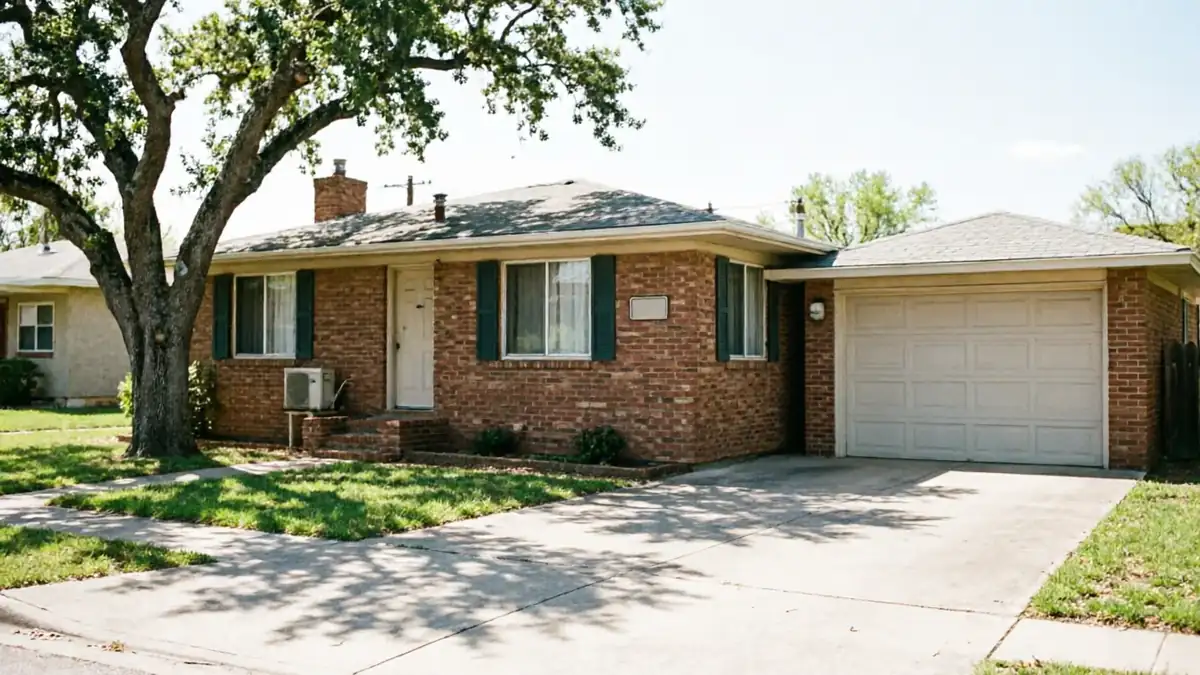
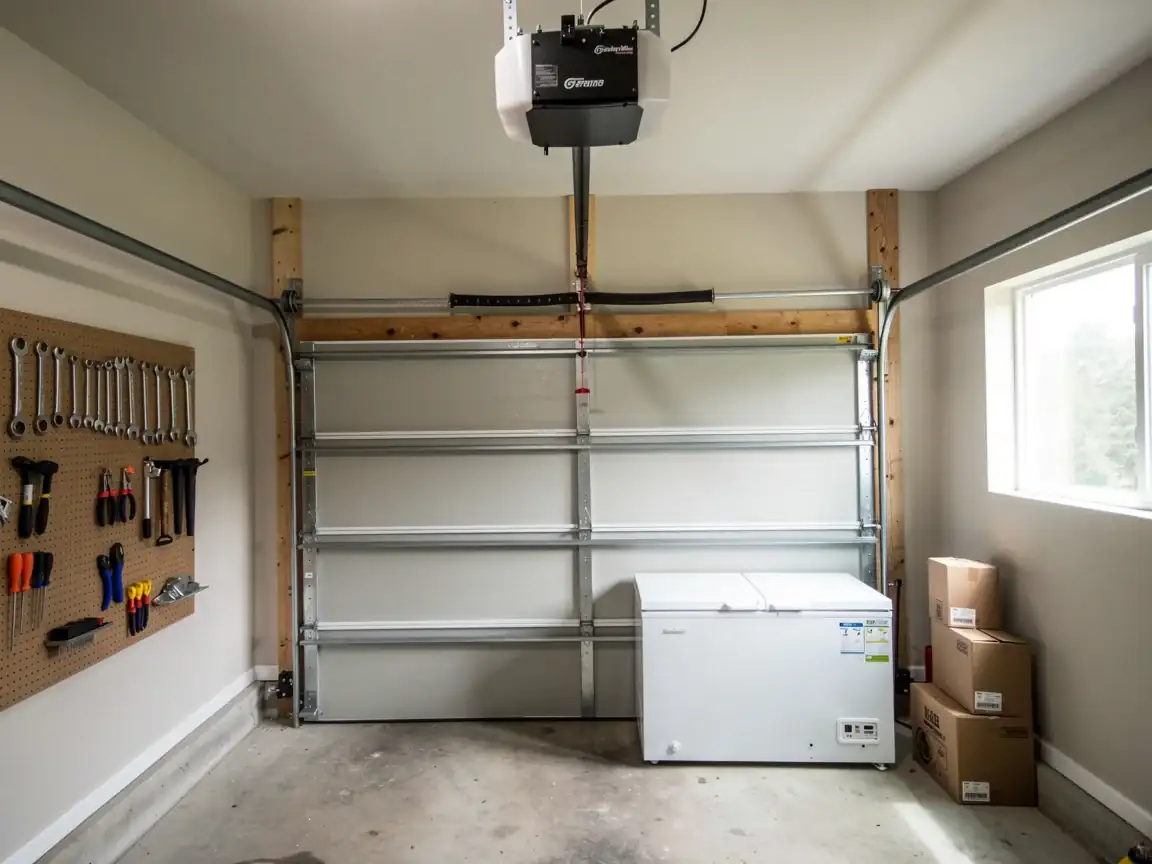
Most calls out to Bartlett are spring and opener work, not panel damage. Houses here are older than the typical stock across the rest of our coverage area, where the median build year runs closer to 1984 - Bartlett's median sits at 1957. That almost thirty-year gap shows up directly in the hardware: original torsion springs that have outlived their wind cycles, extension-spring setups on narrower single-car doors that were never upgraded, and openers that have been replaced once or twice already on track and header hardware that's still original to the house.
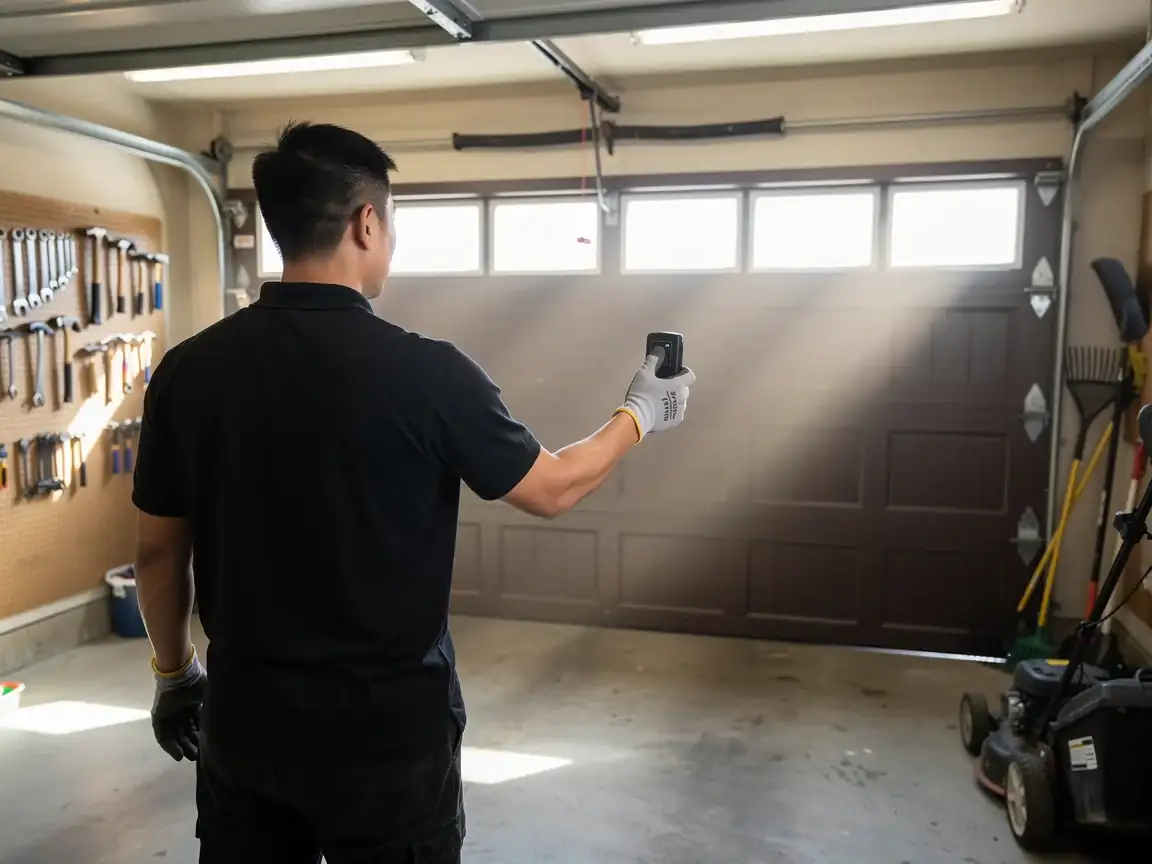
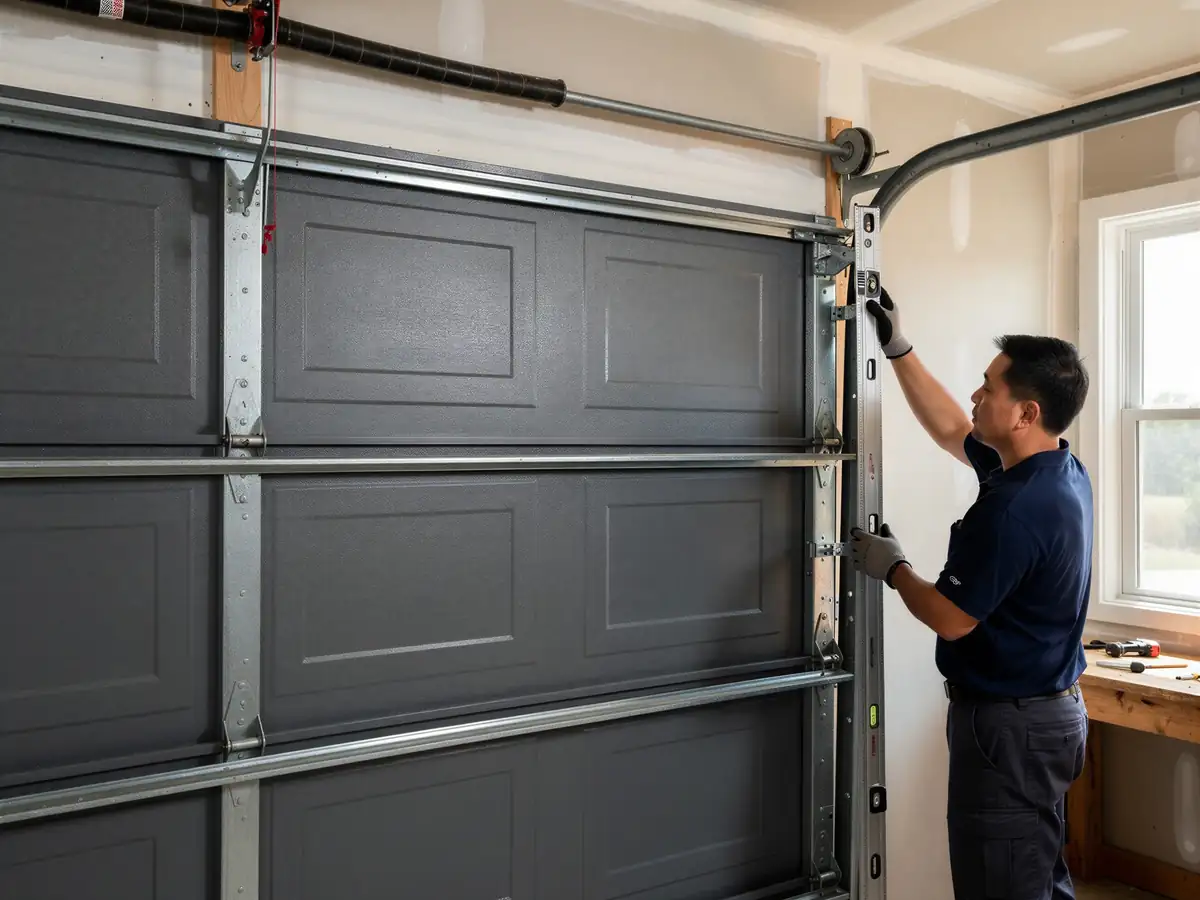
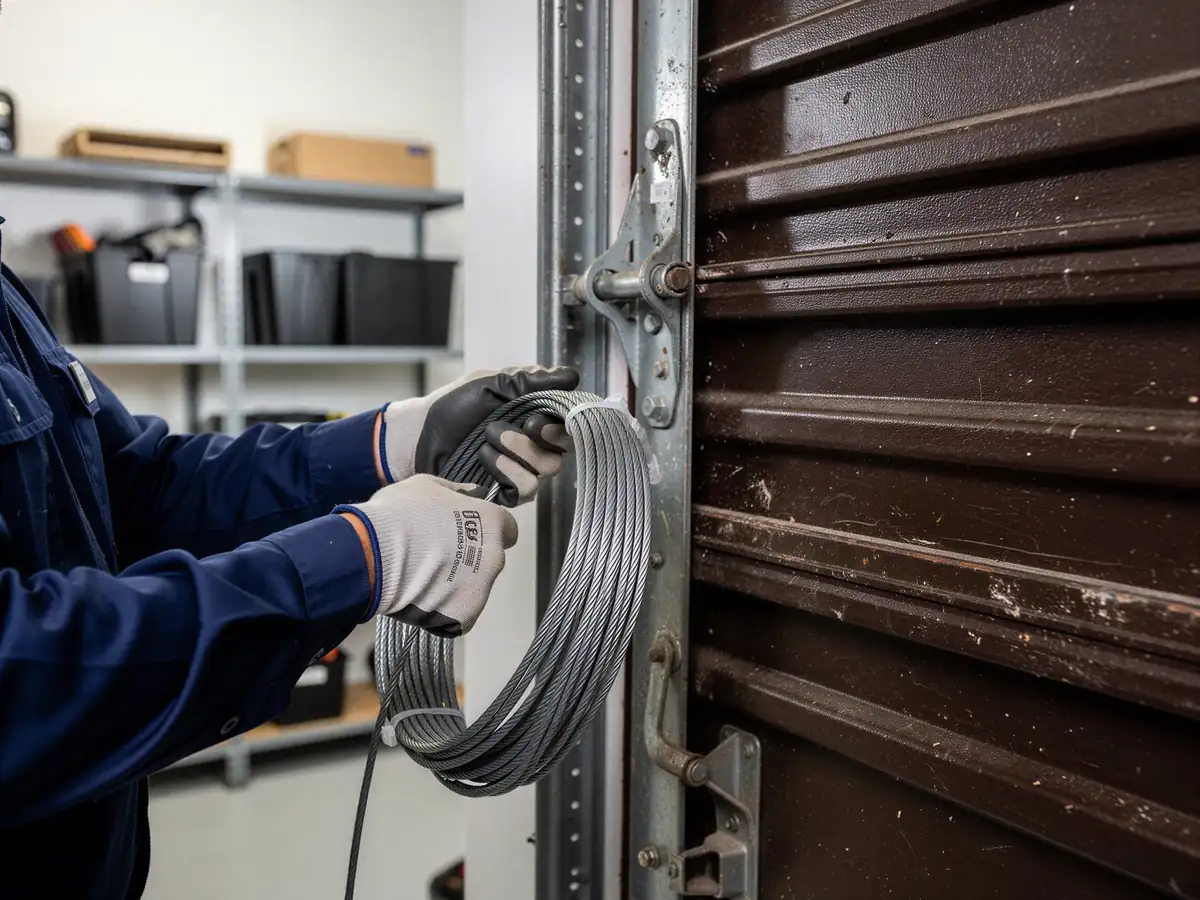
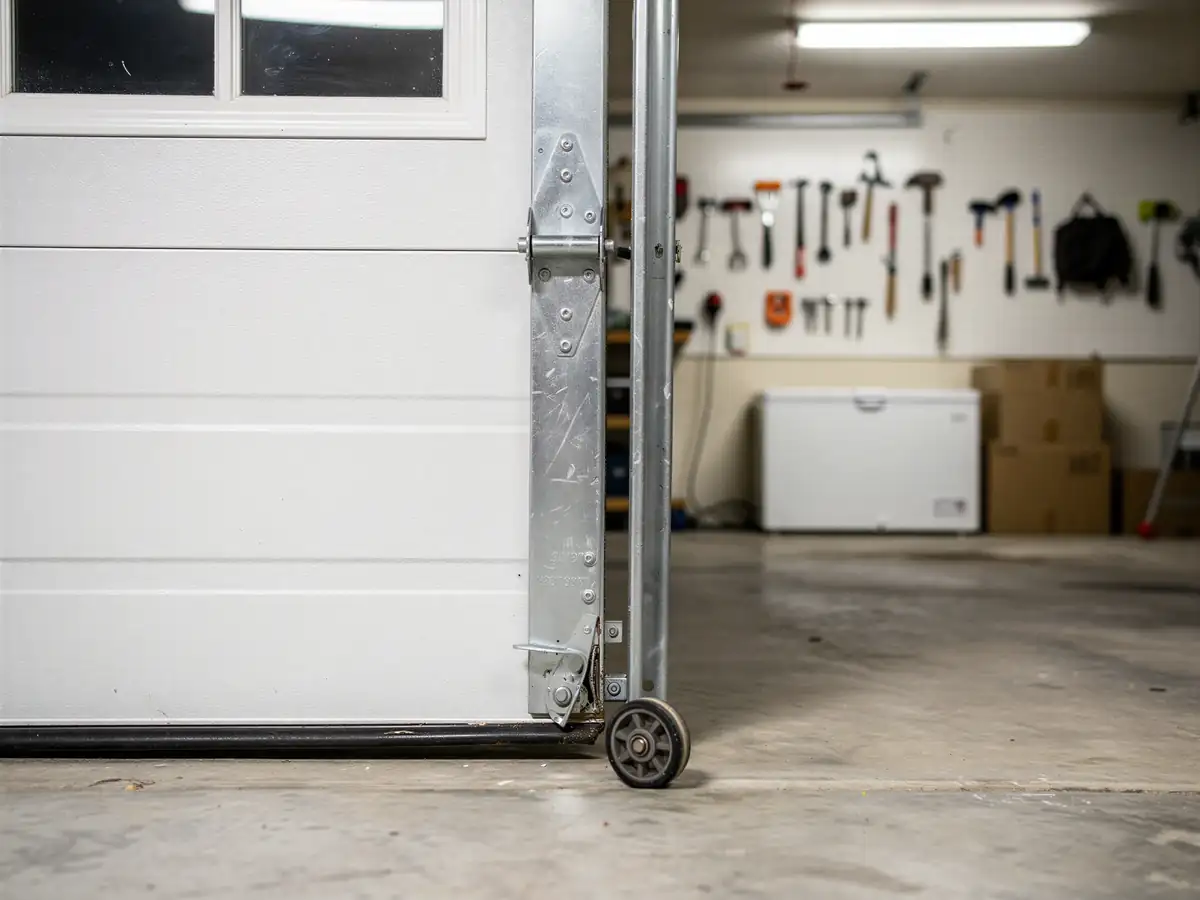
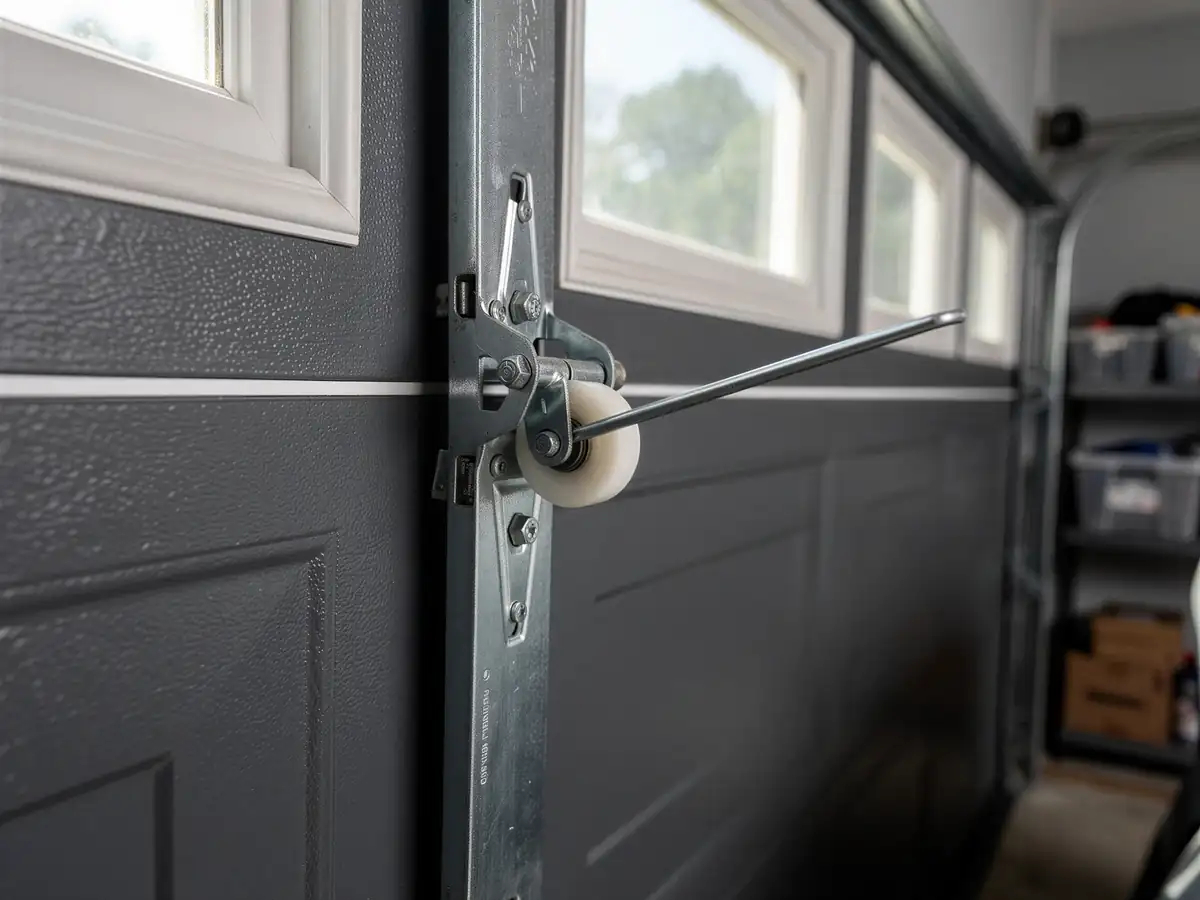
We also see a fair number of retrofit jobs - homes that had a manual door for decades getting a first opener installed, which means fitting modern rail and motor hardware to an opening and header that were never built with an opener bracket in mind. Roller and cable replacement comes up often too, since steel rollers on 1950s and 60s track wear differently than the nylon rollers common on newer doors. None of this is glamorous work, but it's most of what a truck from Hutto is doing once it reaches Bartlett.
What the Housing Means for Your Door
A door built around 1957 was almost never designed for a double-wide opening or a heavy insulated panel
Single-car garages with narrower openings were standard for that era, and the springs sized for them are lighter than what a modern double door needs. If a previous owner replaced the door itself but kept the original torsion shaft or extension-spring brackets, you end up with a mismatch - new door, old hardware - which is one of the more common failure patterns we find on these calls.
Track hardware from that period also tends to be mounted differently than what you'd see on a house built in the 1980s or 90s
Which is the more typical build era across the rest of our coverage area. That difference matters when we're sourcing a replacement bracket or deciding whether a repair is worth doing versus replacing the whole assembly. It also means a quick online measurement guide aimed at newer doors can send you toward the wrong part entirely. The climate here runs mild with occasional freeze stretches, which isn't severe, but it's enough over sixty-plus years to dry out old lubrication and stiffen original cables - something we check on every one of these older-stock calls.
This Area's Housing
Bartlett is a small slice of our coverage - about 605 households, nineteen miles out from Hutto. Median household income here is $63,464, noticeably under the $86,477 median across the wider service area, which tends to line up with what we see on the ground: more owners choosing a targeted spring or roller repair over a full door replacement, and more interest in keeping original hardware running a few more years rather than swapping it out.
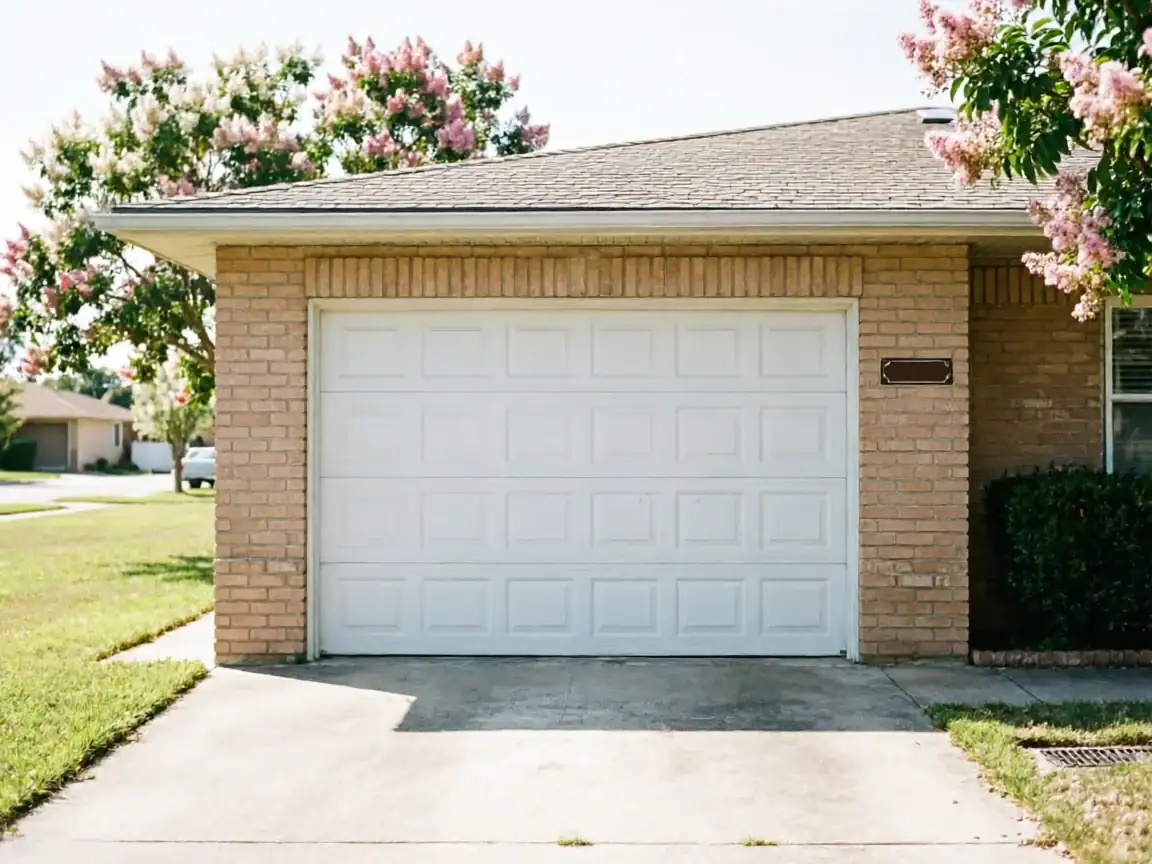
The housing itself centers on that 1957 median build year, decades earlier than the 1980s-90s stock that's more typical elsewhere in our territory. That's not a knock on the town - older hardware can run fine for years with the right maintenance - but it does mean parts sourcing and diagnosis look different here than on a newer-build street. Climate-wise, this area sits in the same mild-with-occasional-freeze band as the rest of our coverage, so winter isn't the main stress on these doors; age and wear cycles are.