What You Pay
We don't publish a flat rate for Bartlett calls, and anyone who quotes you a number before seeing the door is guessing. What we can tell you is how the job itself tends to run here. Bartlett's housing stock leans older than most of the rest of the service area - a lot of these doors still run on extension springs instead of torsion bar, and that changes the parts list and the labor time compared to a 1990s door in a newer part of the territory. Household income in Bartlett runs around $63,464, well under the broader service area's median of $86,477, so when a repair and a replacement are both on the table, the math matters more here than it does elsewhere. We'll tell you straight when a $40 part fixes it and when you're better off not sinking more money into a door that's past its useful life. The one thing we won't do is pad the bill with a service call fee dressed up as something else - you pay for parts and the work, not for the truck showing up.
What Causes It Around Here
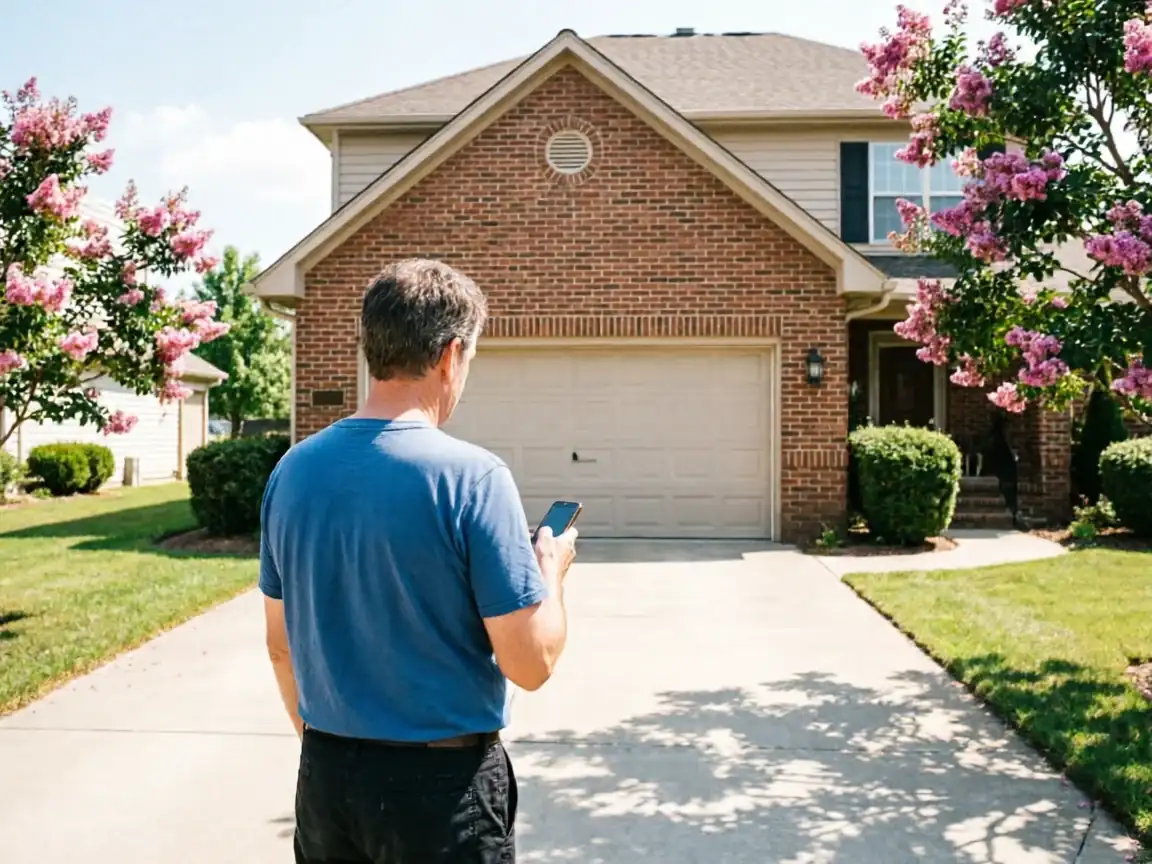
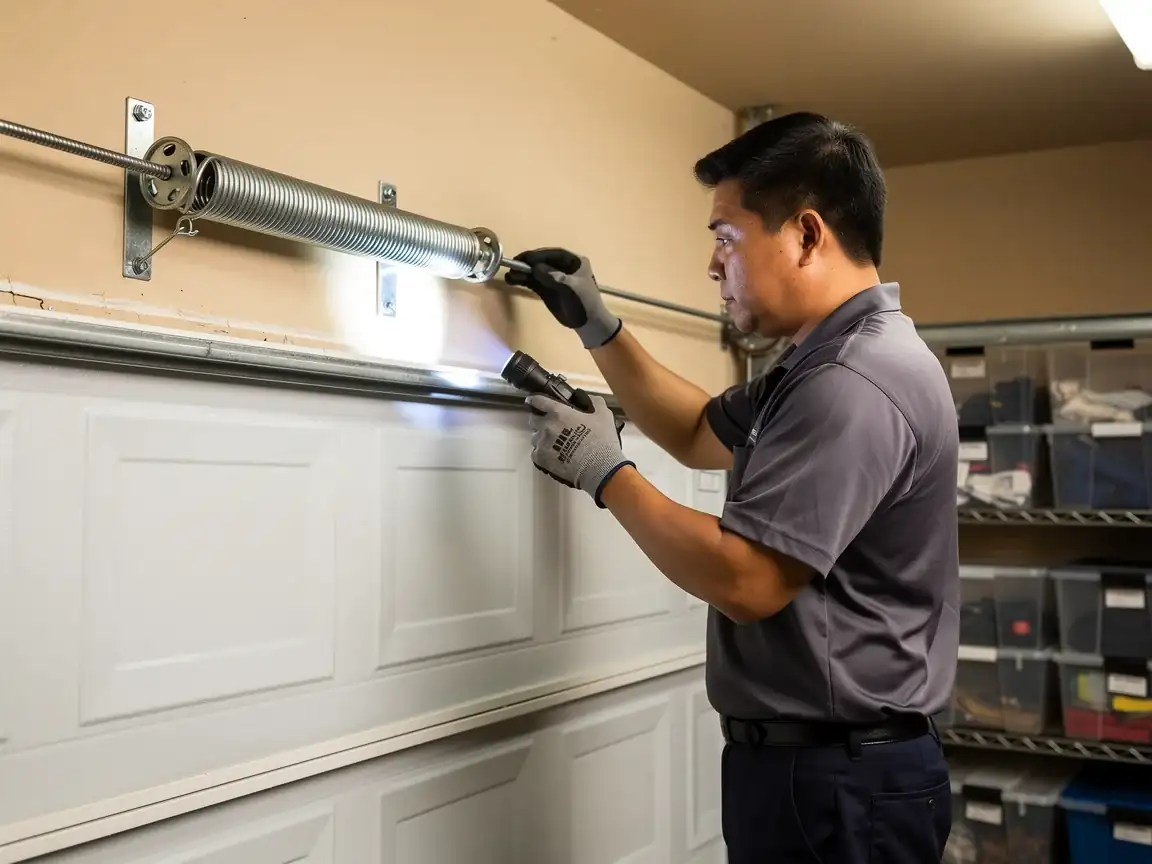
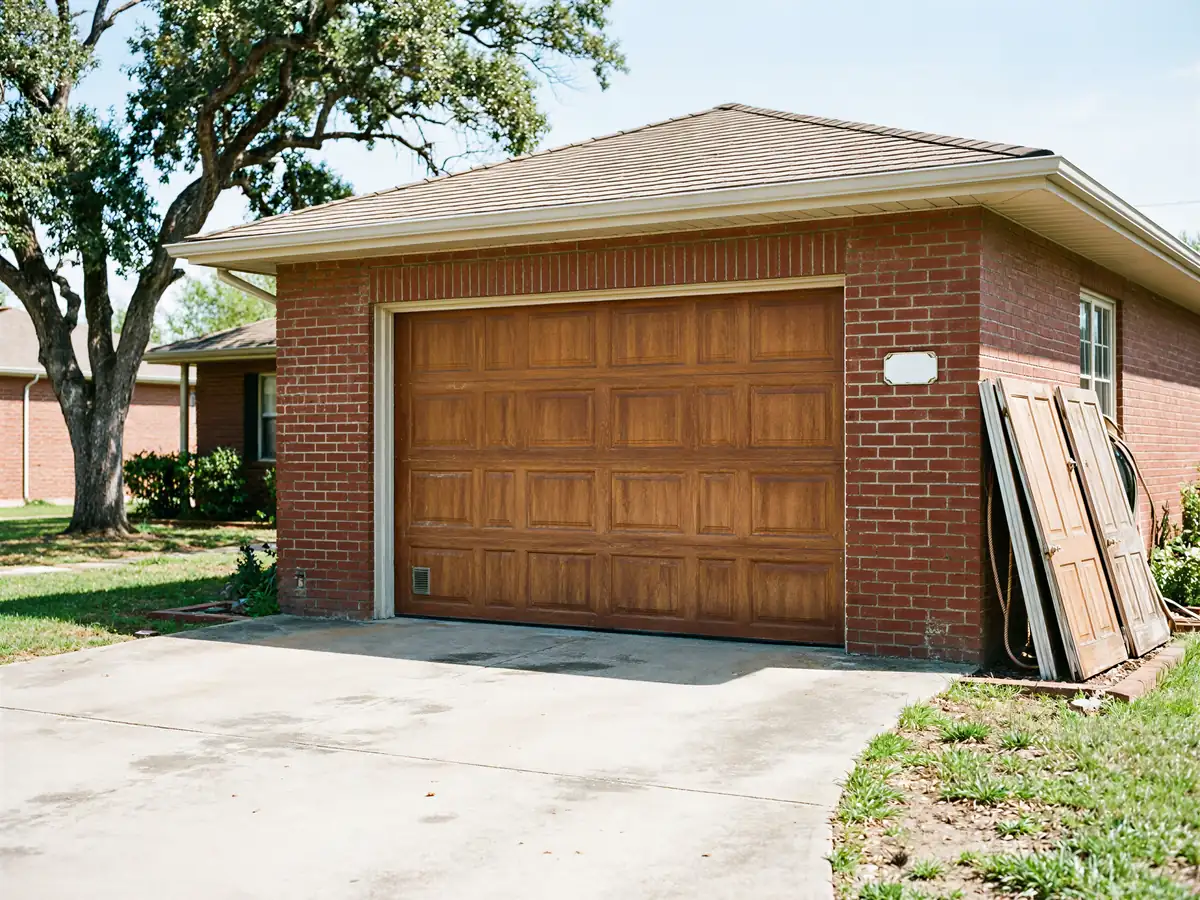
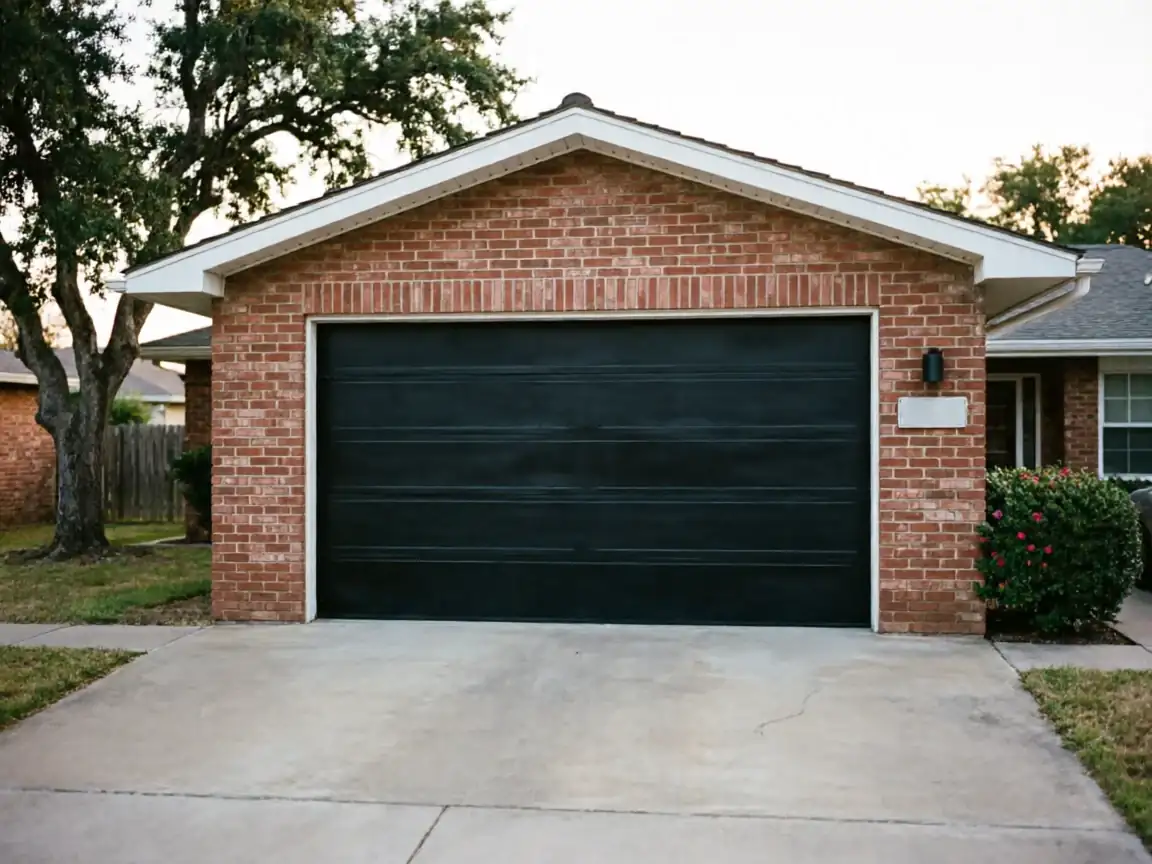
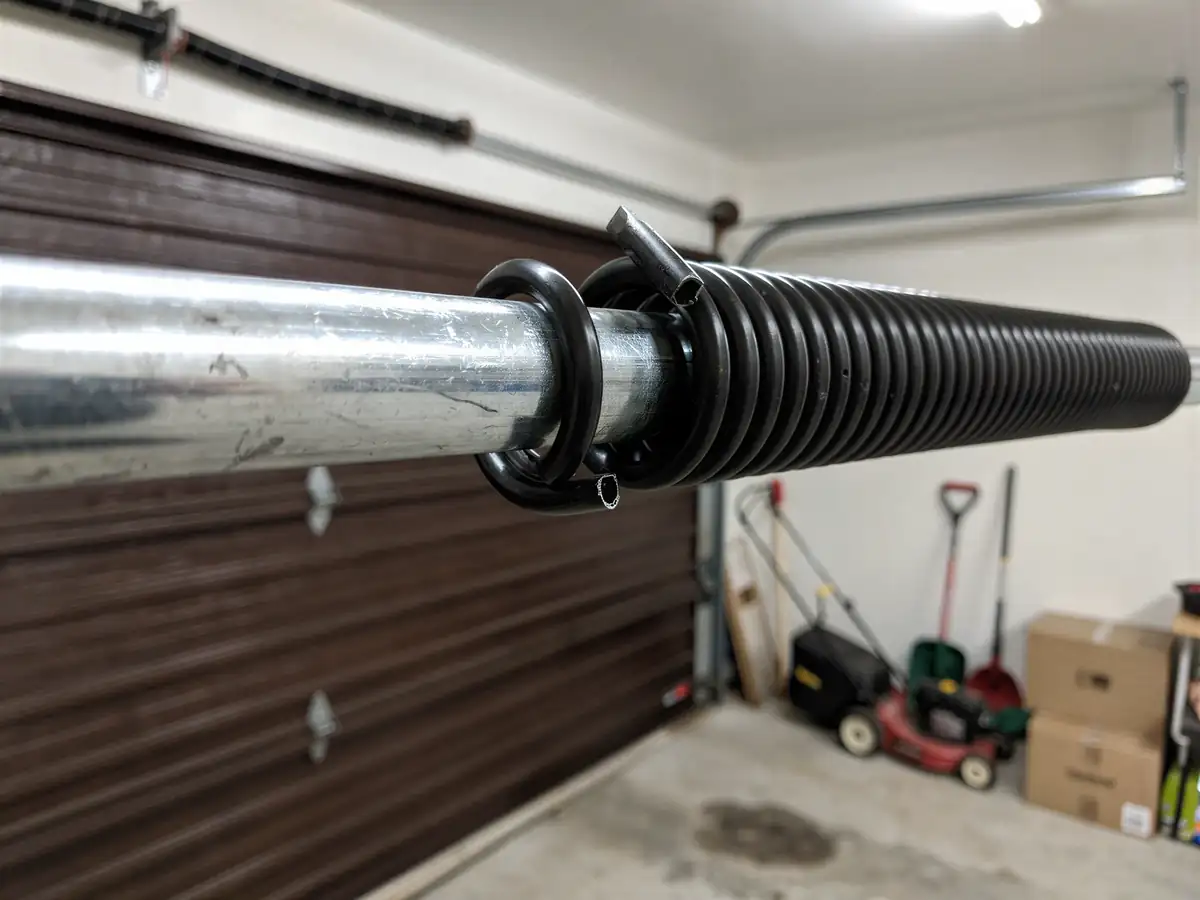
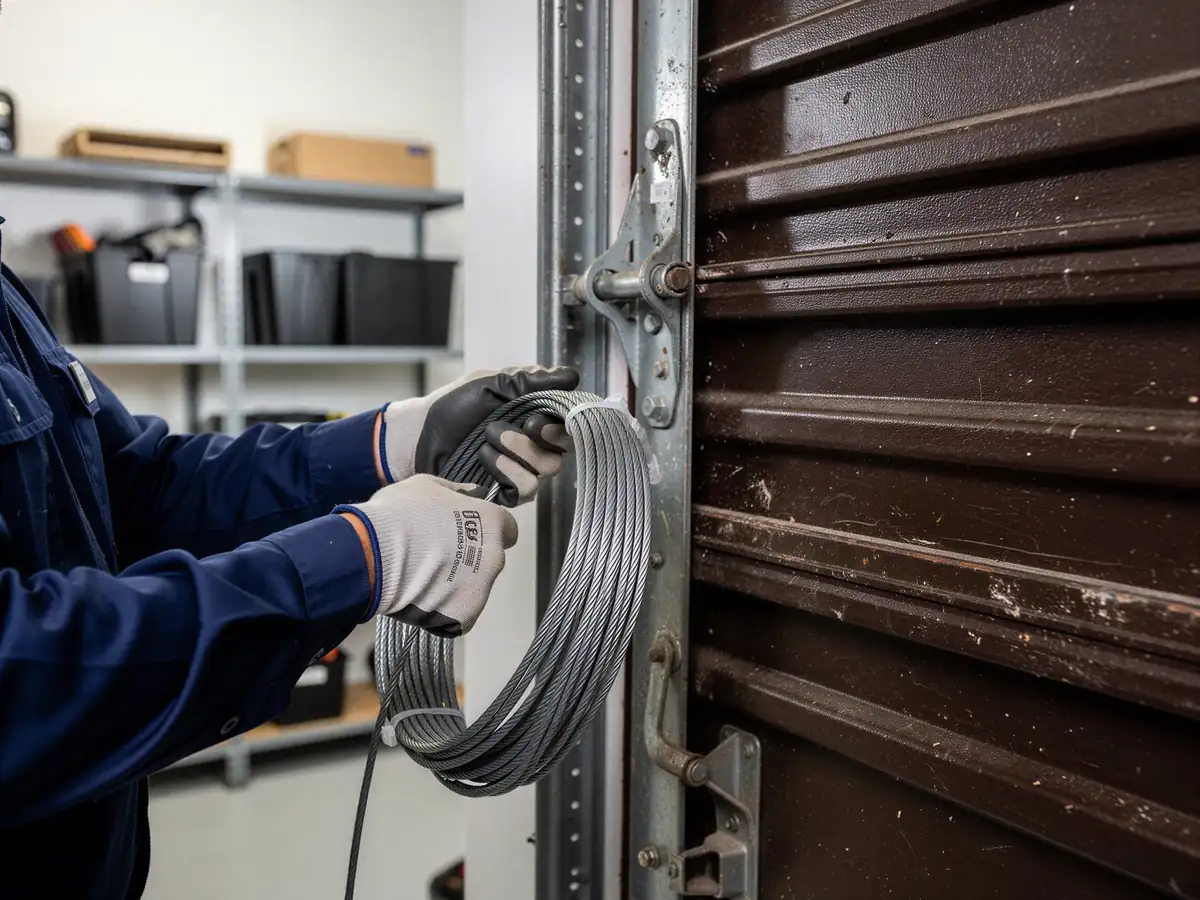
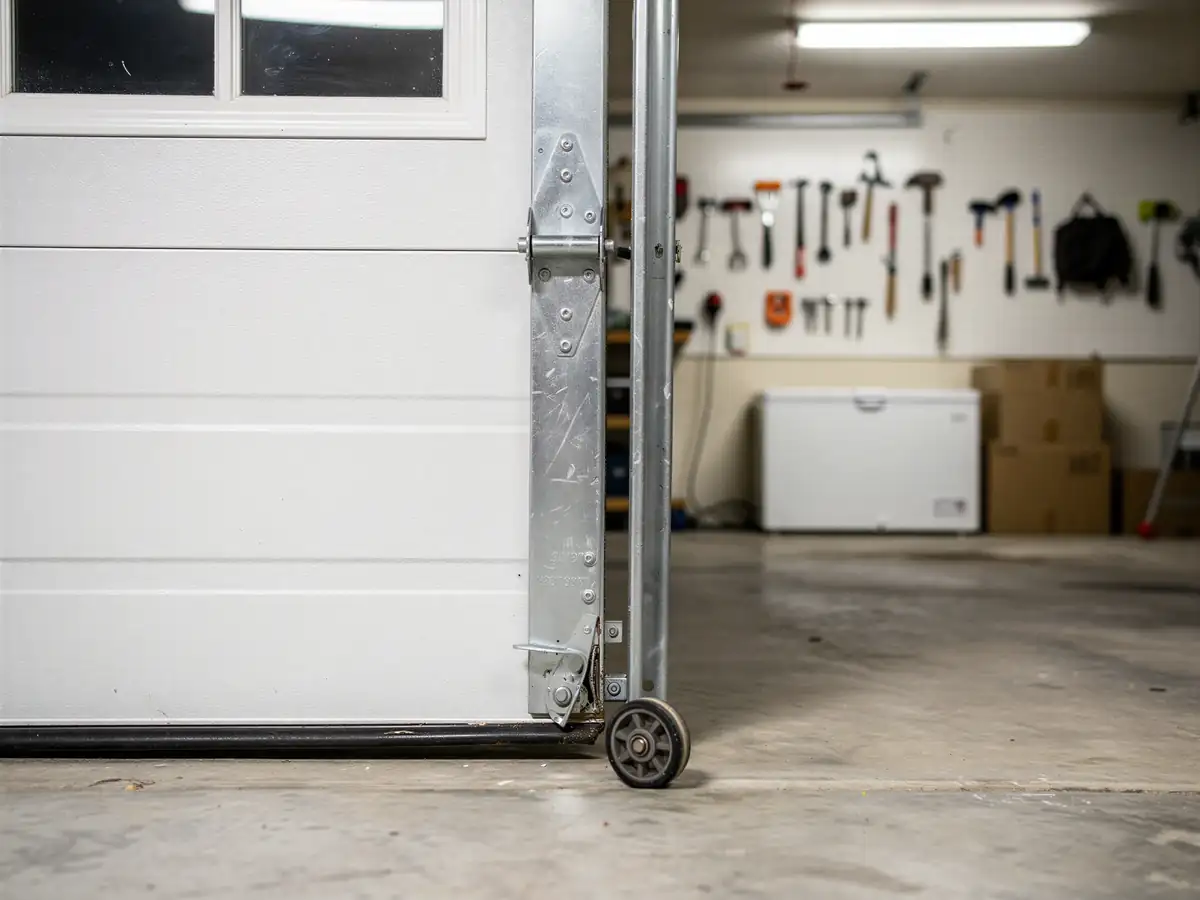
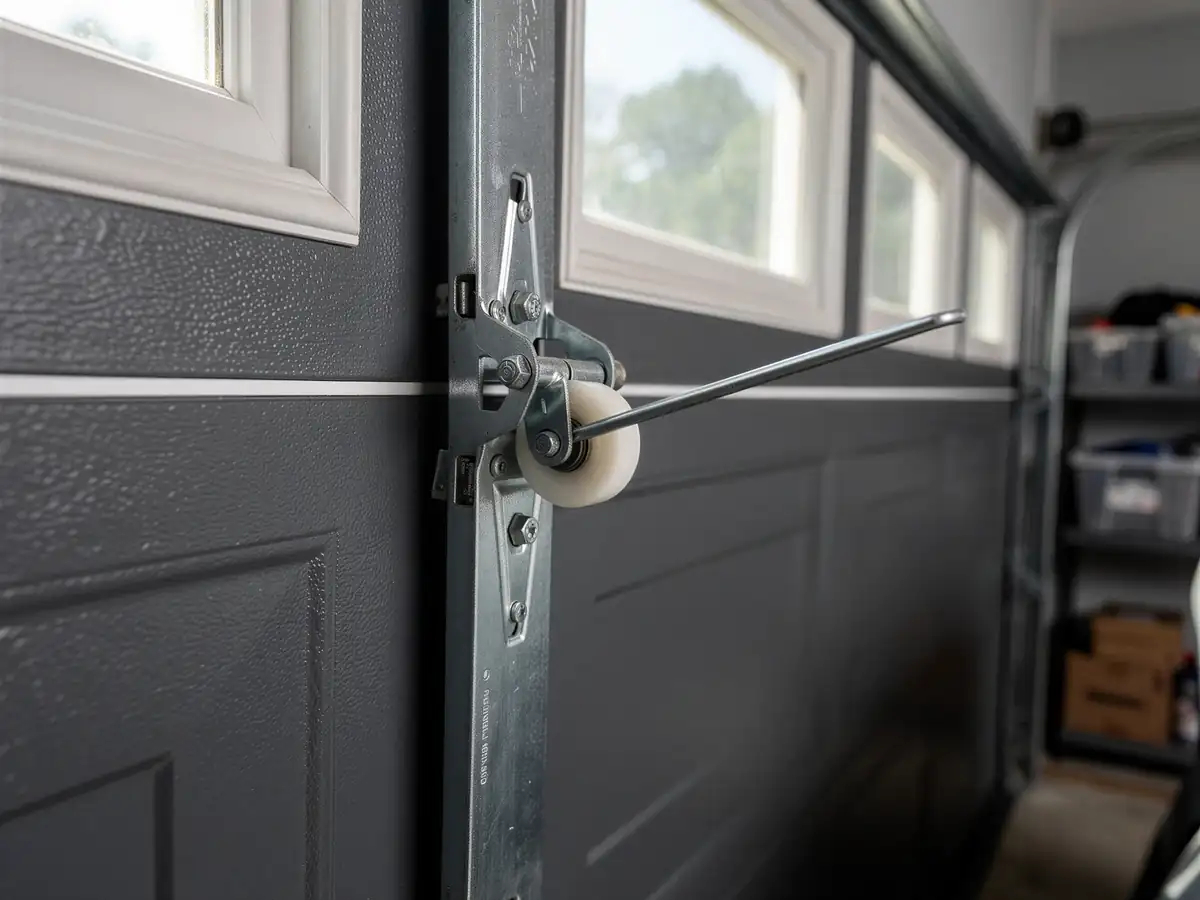
Start with the build year. A lot of Bartlett sits on housing that went up around 1957, which is old even against the wider service area's median build year of 1984. Doors from that era, when they haven't been replaced, often still have their original hardware - single-torsion or extension-spring setups, steel tracks that have been painted over a dozen times, and panels that were never designed to pair with a modern opener's safety sensors. The most common failure we see on houses this age is a snapped extension spring that takes the safety cable with it, or a track that's bent just enough from decades of use that the rollers bind every third or fourth cycle. Climate here is mild with occasional freeze snaps, which isn't the dramatic stress you'd get somewhere with real winters, but a cold snap on a 60-year-old spring that's already fatigued is often the thing that finally breaks it. None of this is a design flaw - it's just a door built before anyone expected it to still be running six decades later.
The DIY Question
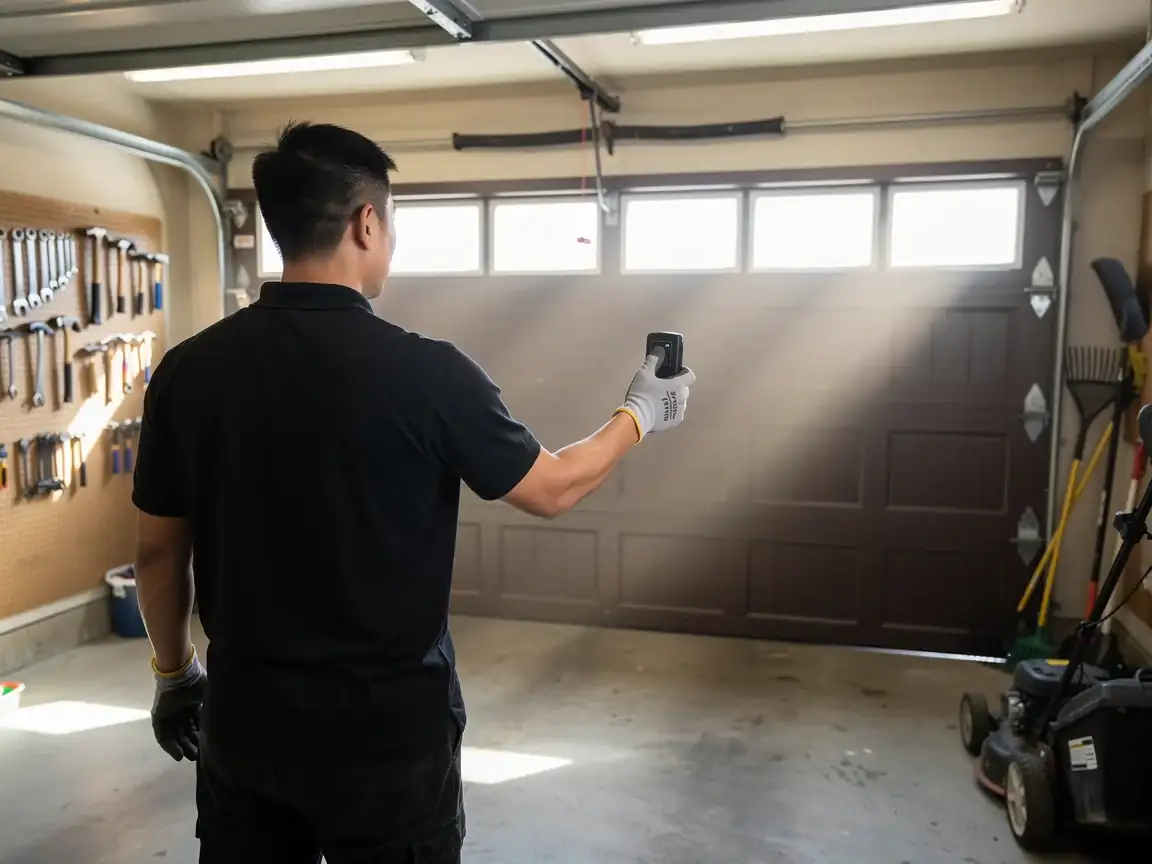
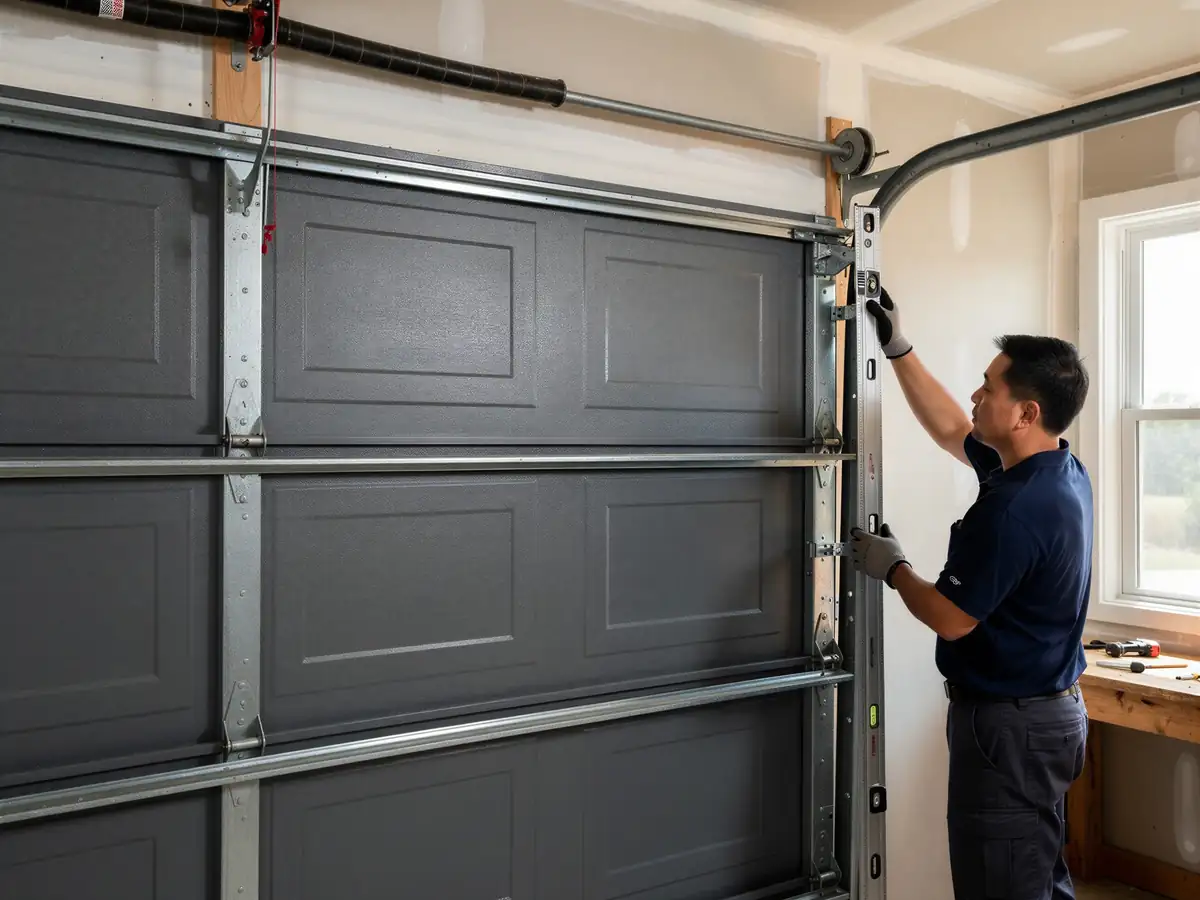
A torsion spring under tension is not a weekend project, full stop, and that's as true on an older extension-spring door as it is on a newer one - arguably more true, since the original hardware on a 1957-era door wasn't built to the same tolerances as what you'd buy today. Where DIY makes sense is the small stuff: lubricating hinges and rollers, checking that the photo-eye sensors aren't knocked out of alignment, tightening loose hardware you can see with the door open. Where it doesn't make sense is anything involving the spring, the cable, or the drum. We'd rather talk you through what's safe to check yourself over the phone than have you find out the hard way what a loaded spring does when it lets go.
How Long You Are Without the Door
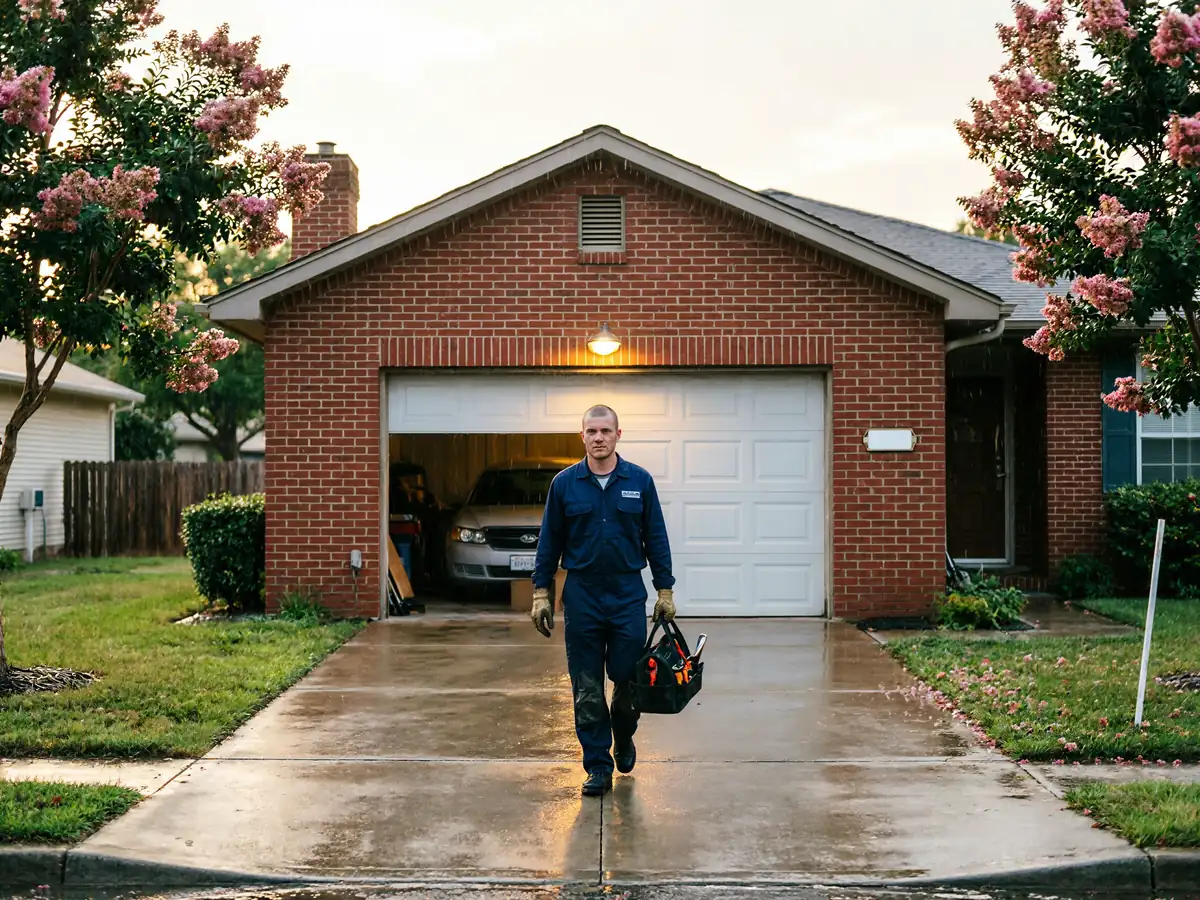
Bartlett sits about 19 miles out from Hutto, which is farther than most of the territory we cover, and that distance is part of the honest answer here: we're not based in Bartlett, so the trip itself is part of the timeline on any call. We don't have a published response window to quote you, and we're not going to invent one just to put a number on the page. What we can say is that a job limited to a spring, cable, or opener part usually gets the door working again in one visit once the truck arrives. A job that turns up a bent track or hardware we don't carry for an older door sometimes needs a second trip for the part. With only about 605 households in Bartlett, we're not running a dedicated route through town the way we might somewhere with a denser call volume, so a Bartlett emergency call gets worked into the day's route rather than dispatched in isolation.