What You Pay
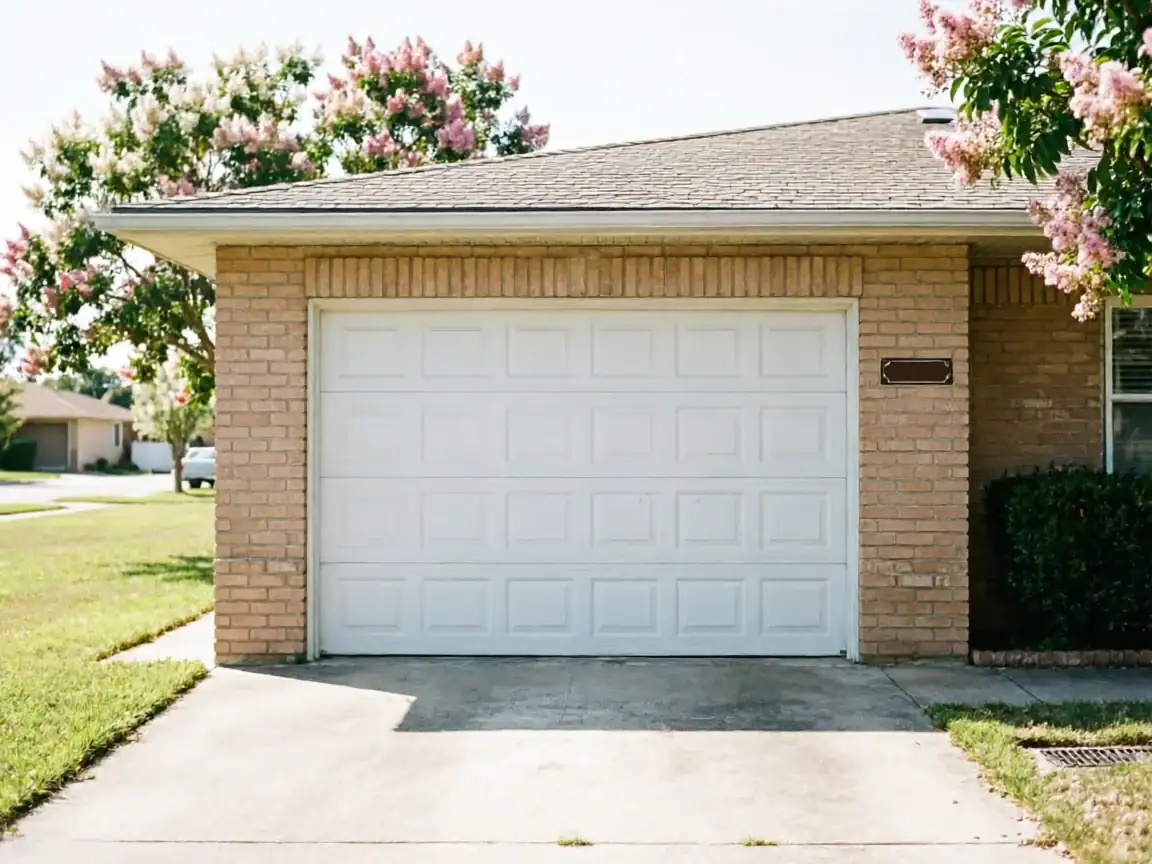
Bartlett sits at the older end of what we see across the service area - homes here commonly date back toward 1957, decades before the 1980s construction that fills most of the rest of our territory. That matters for rollers because older single-car openings often run narrower track with lighter steel rollers, not the wider galvanized rollers you'd find on a 1990s double door. A straight roller swap on one of these doors is usually a smaller job than on a newer double-wide door simply because there's less track and fewer rollers to pull. Where the cost climbs is when the track itself has worn oval from decades of steel-on-steel contact - at that point you're not just swapping rollers, you're replacing bent track sections too. We quote the job on-site once we see whether it's rollers alone or rollers plus track. We don't give phone quotes for this one; too many of these older doors have been patched or re-hung once already, and that changes what we find when we open the hardware up.
What Causes It Around Here
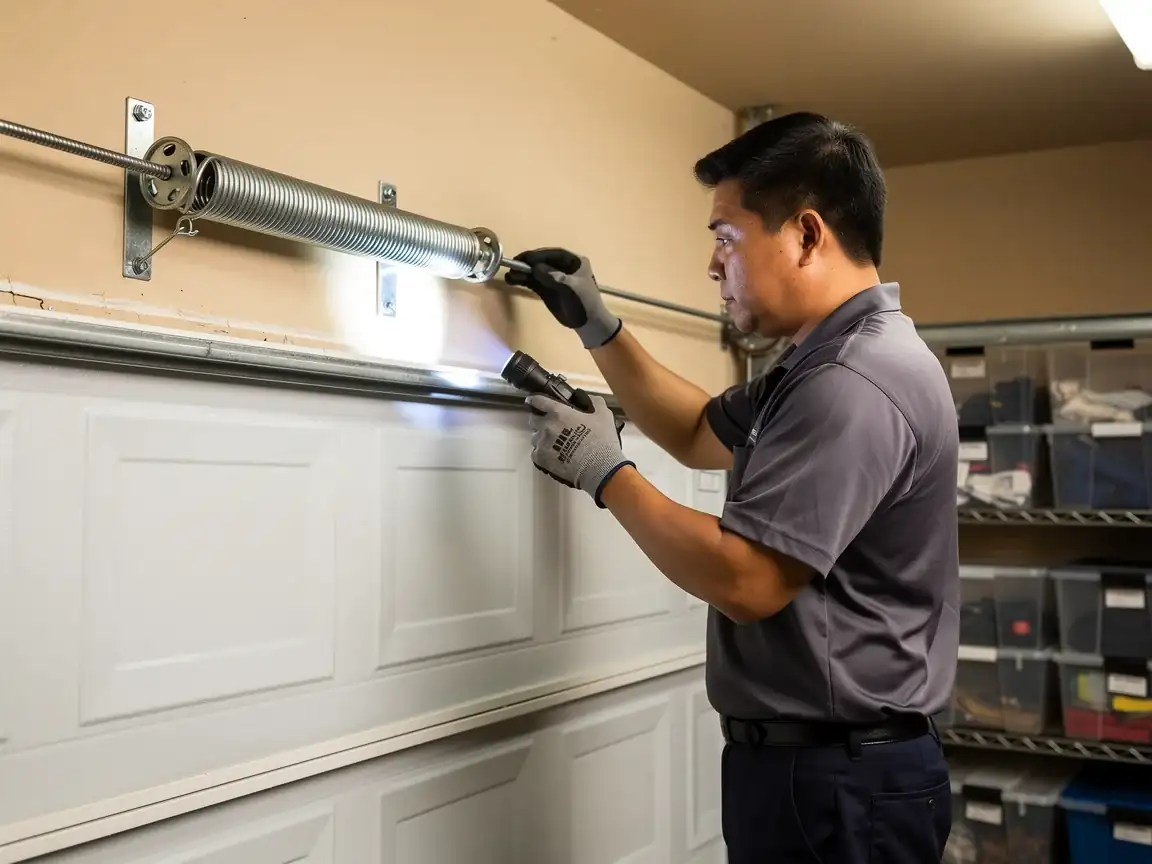
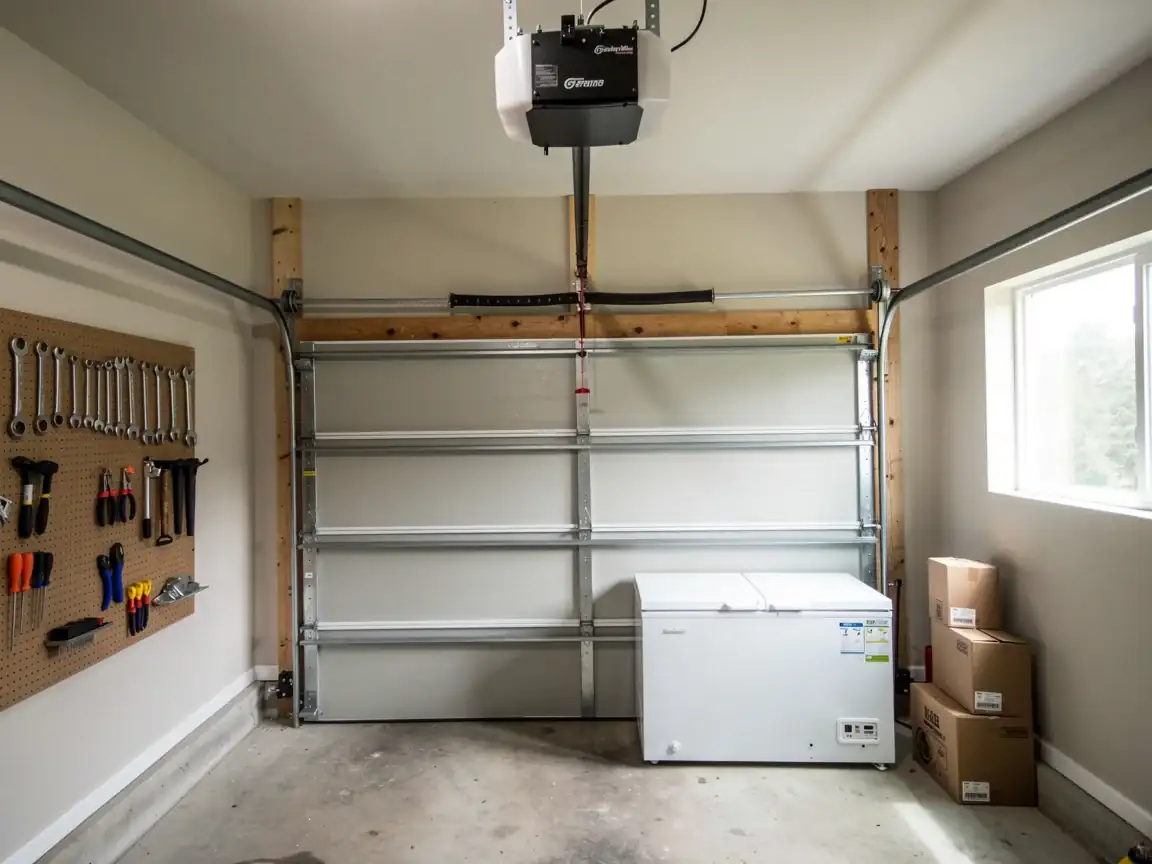
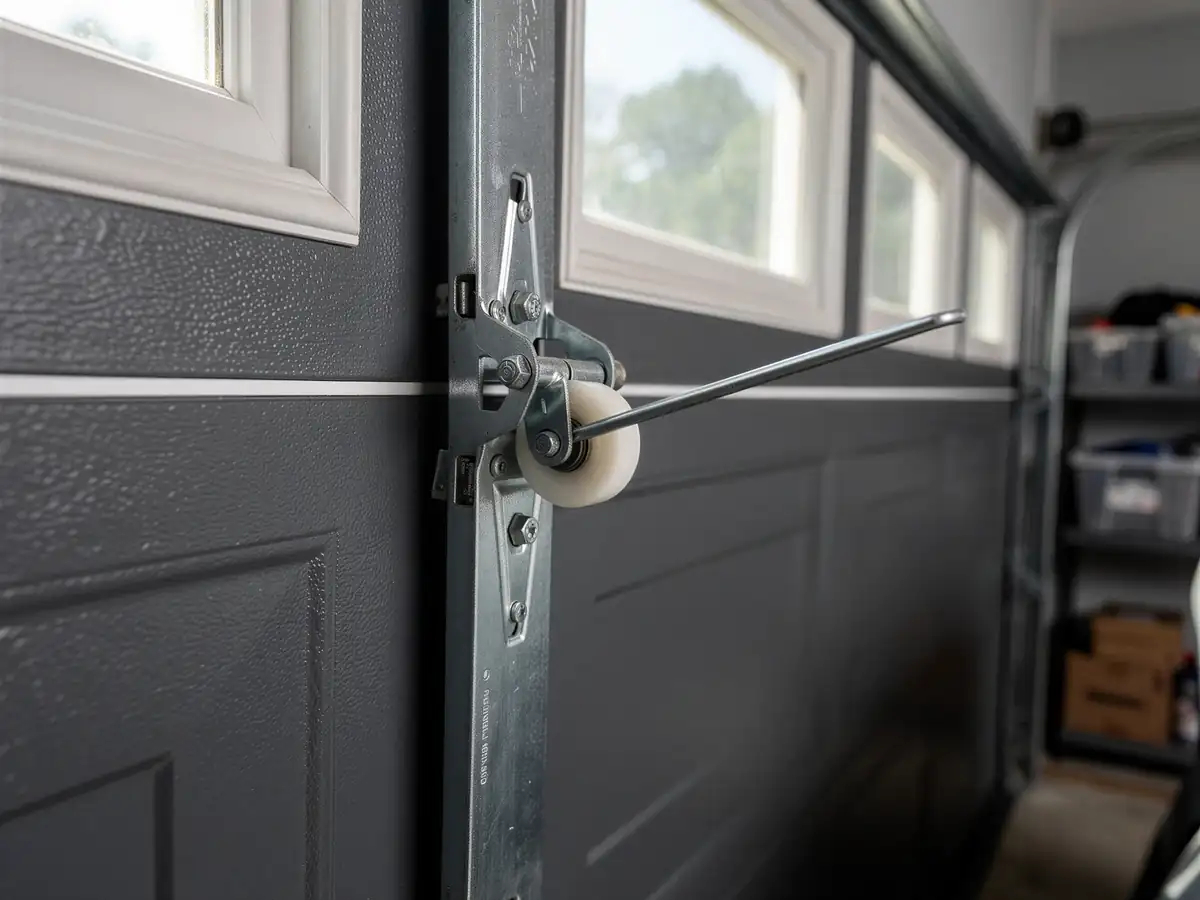
A door built when Eisenhower was president has had a long run of steel rollers riding in steel track with no nylon or sealed bearing to cushion the motion. That's the baseline wear every one of these doors carries. Add the mild-with-some-freeze climate this area sits in, and you get seasonal swelling and contraction in the track mounting over years, which knocks rollers slightly out of true and accelerates the grind. We don't see the kind of hard freeze-thaw cycling that cracks concrete aprons further north, but we do see track brackets that have loosened a few times over sixty-plus years and never been re-shimmed. Combine old steel rollers with brackets that aren't quite square anymore and you get the classic symptom: a door that chatters or binds a few inches before it fully opens or closes. On a newer door that's often an opener problem. On a Bartlett door of this vintage, nine times out of ten it's the rollers and the track geometry together.
The DIY Question
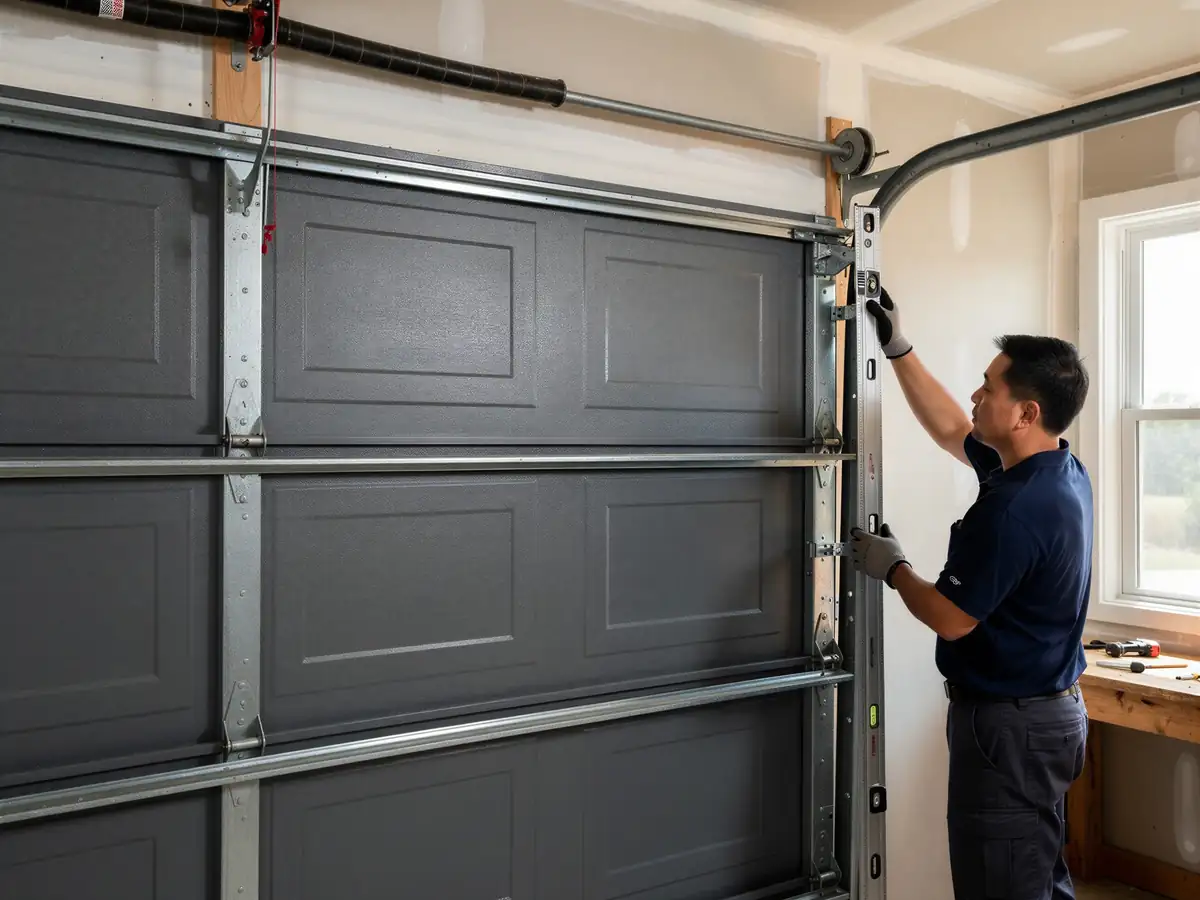
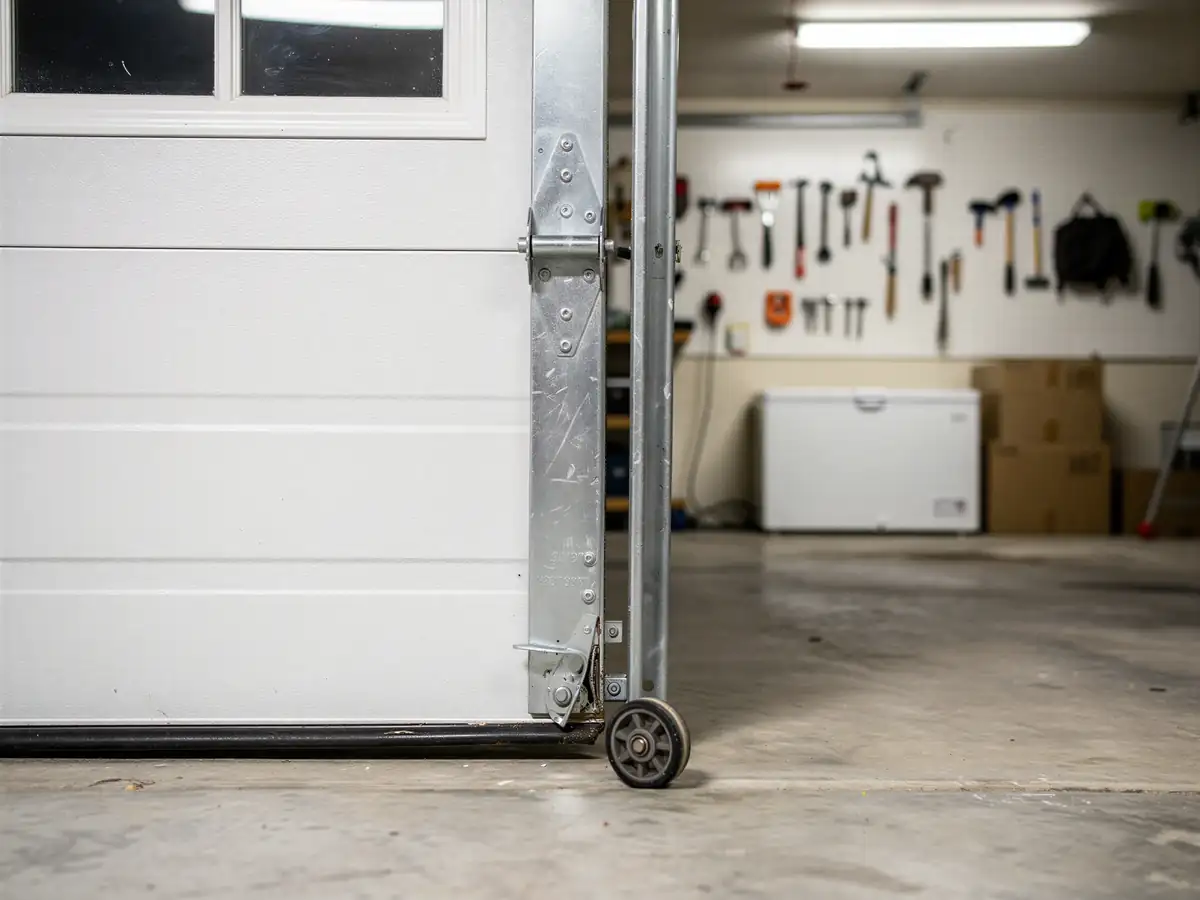
Swapping a single roller on a modern door is a reasonable weekend job for someone comfortable with hand tools. On a door built in the late 1950s, we'd think twice before recommending it yourself. The hardware on these older doors wasn't standardized the way it is now - roller stem length, track gauge, and bracket spacing can all be slightly off from what a hardware store roller kit assumes. Force a modern roller into an old track that doesn't quite match and you can bend the track further or pop a bracket loose, turning a $20 part into a bent-track repair. If you want to check whether it's a roller problem before calling anyone, open the door most of the way by hand with the opener disconnected and watch where it catches - a consistent grind in the same six inches of travel points to a roller or a specific section of warped track, and that's useful information to pass along either way.
How Long You Are Without the Door
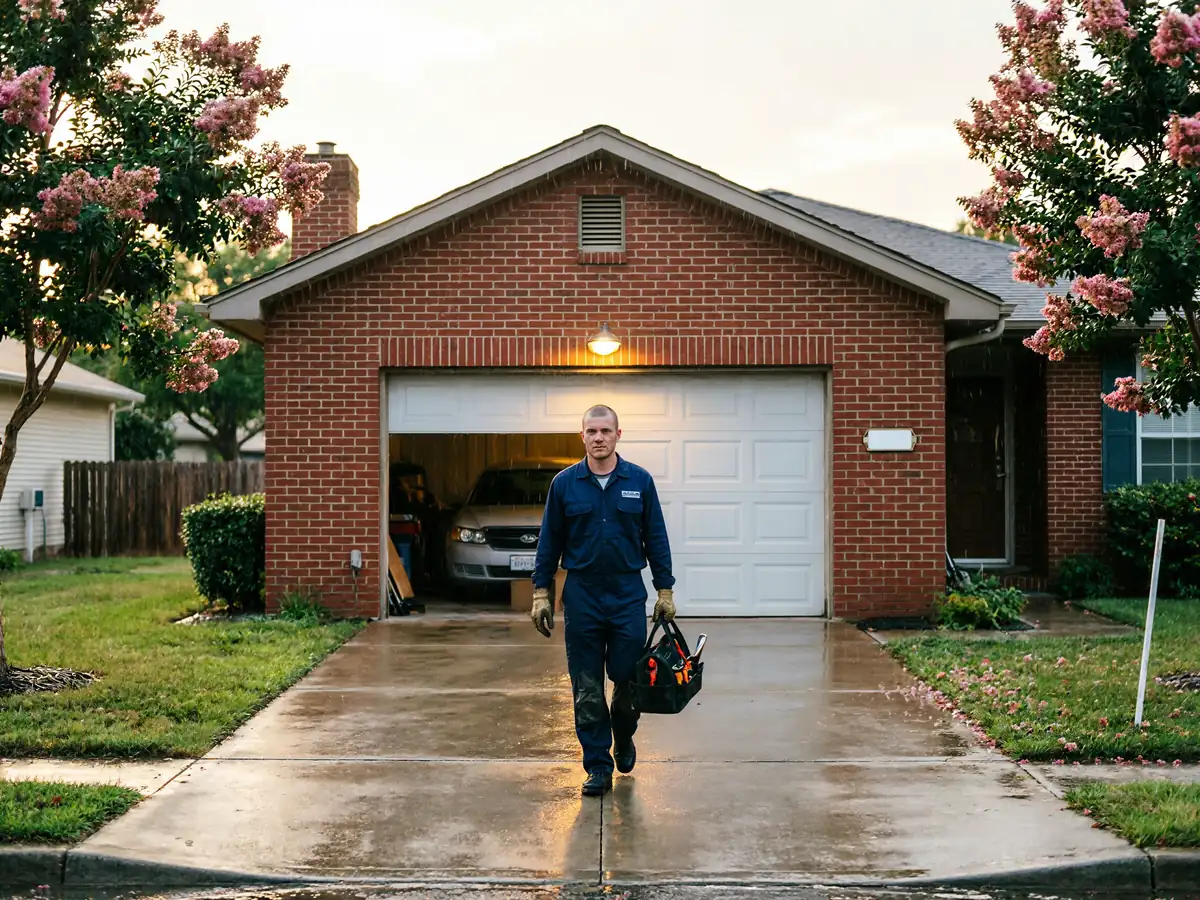
We're honest about this part: we run out of Hutto, and Bartlett is a 19-mile drive, the farthest stretch in our service area. That doesn't change the repair itself, but it does mean this isn't a job where we can swing by in twenty minutes if something comes up mid-repair. We plan the trip with the parts we expect to need based on what you describe and what we see in photos beforehand, because driving back for a second trip over that kind of mileage is time nobody wants to spend. Most roller jobs, once we're on-site with the right parts, take under two hours. If the track turns out to need replacing too, that adds time on the same visit rather than a second trip, which is part of why we look closely at the track before we start rather than after.