What You Pay
We don't quote a number here because roller jobs vary more than people expect. A single-car door with a handful of worn nylon rollers is a short job. A double door with rusted steel rollers, bent track, and a cable that's about to jump the drum is a longer one, and the parts list looks different. What we can tell you is what drives the cost on any job in this area: how many rollers need swapping (rarely all of them at once unless the door's original to the house), whether the track needs adjusting or replacing alongside them, and whether you want sealed-bearing rollers instead of the open ones most builders used on homes going up from the 1980s through the 2010s across this service area. Ask for the breakdown before work starts - a straightforward roller swap shouldn't come with surprise charges once the technician is on site and has looked at the actual hardware.
What Causes It Around Here
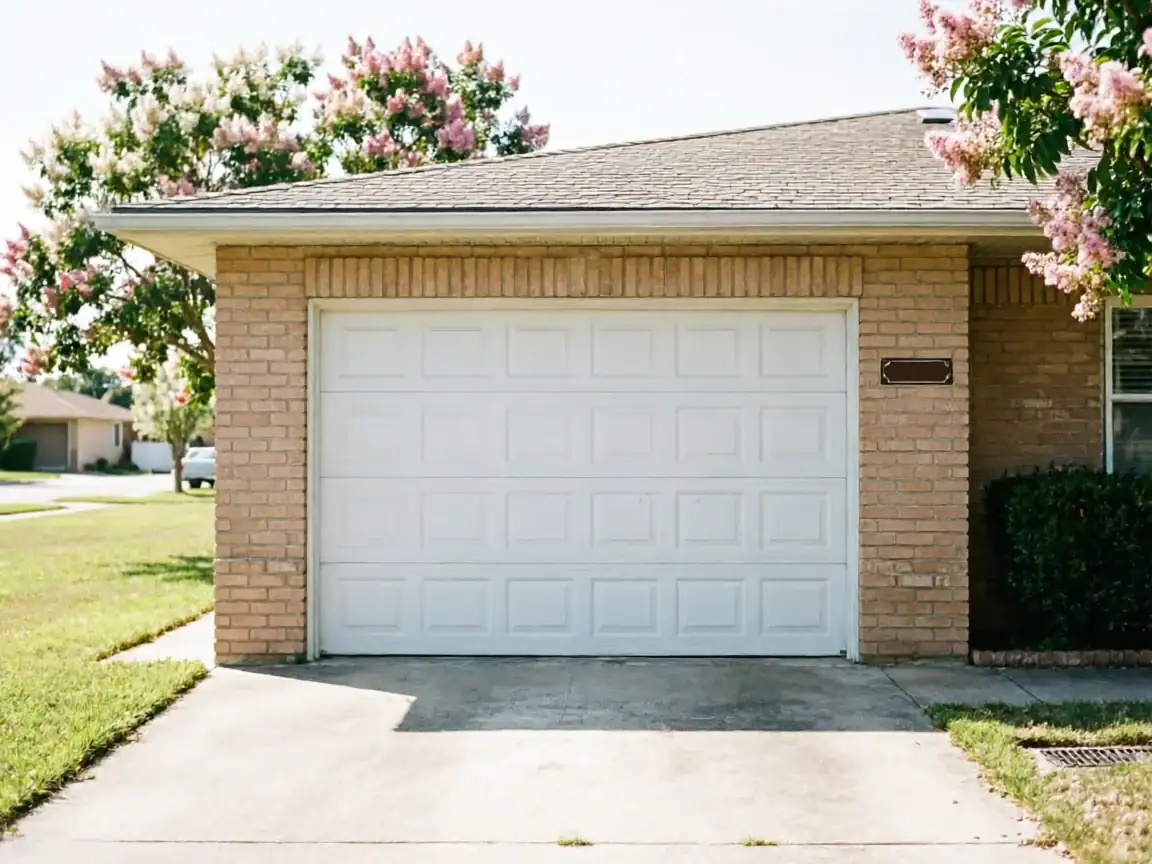
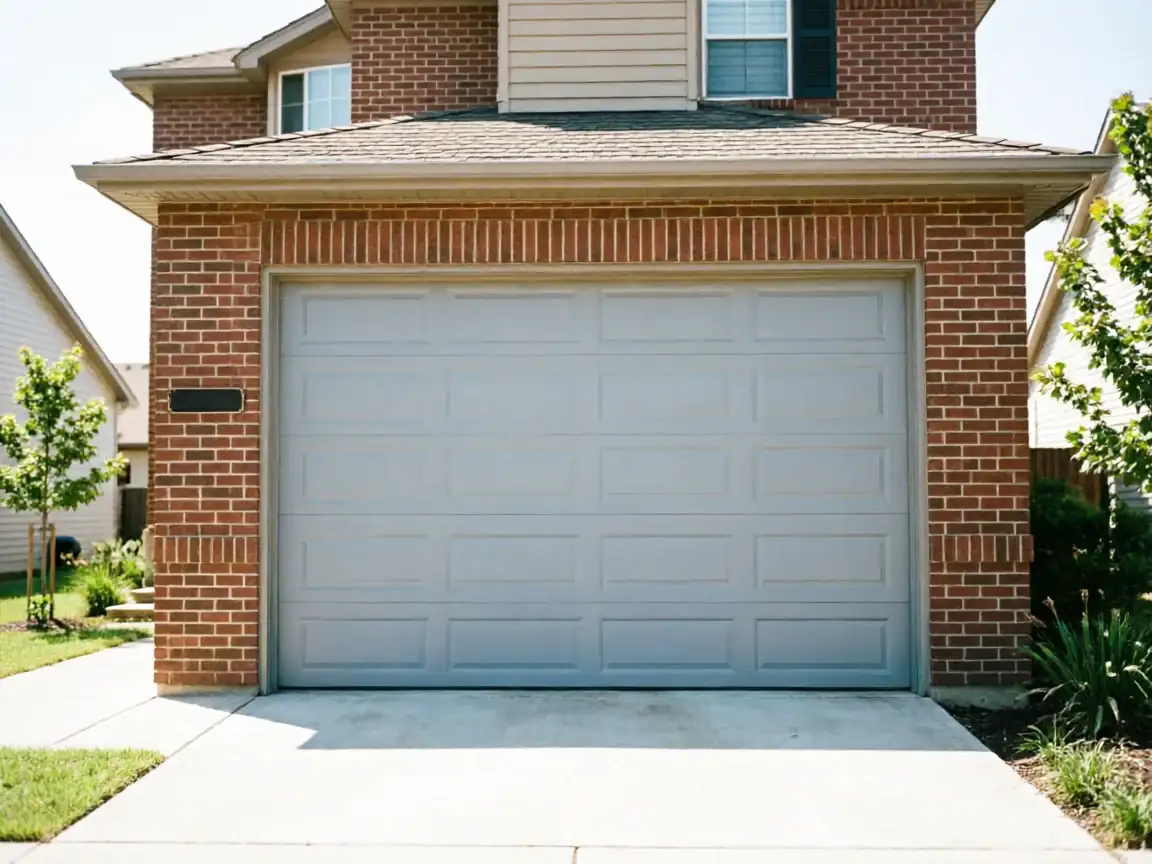
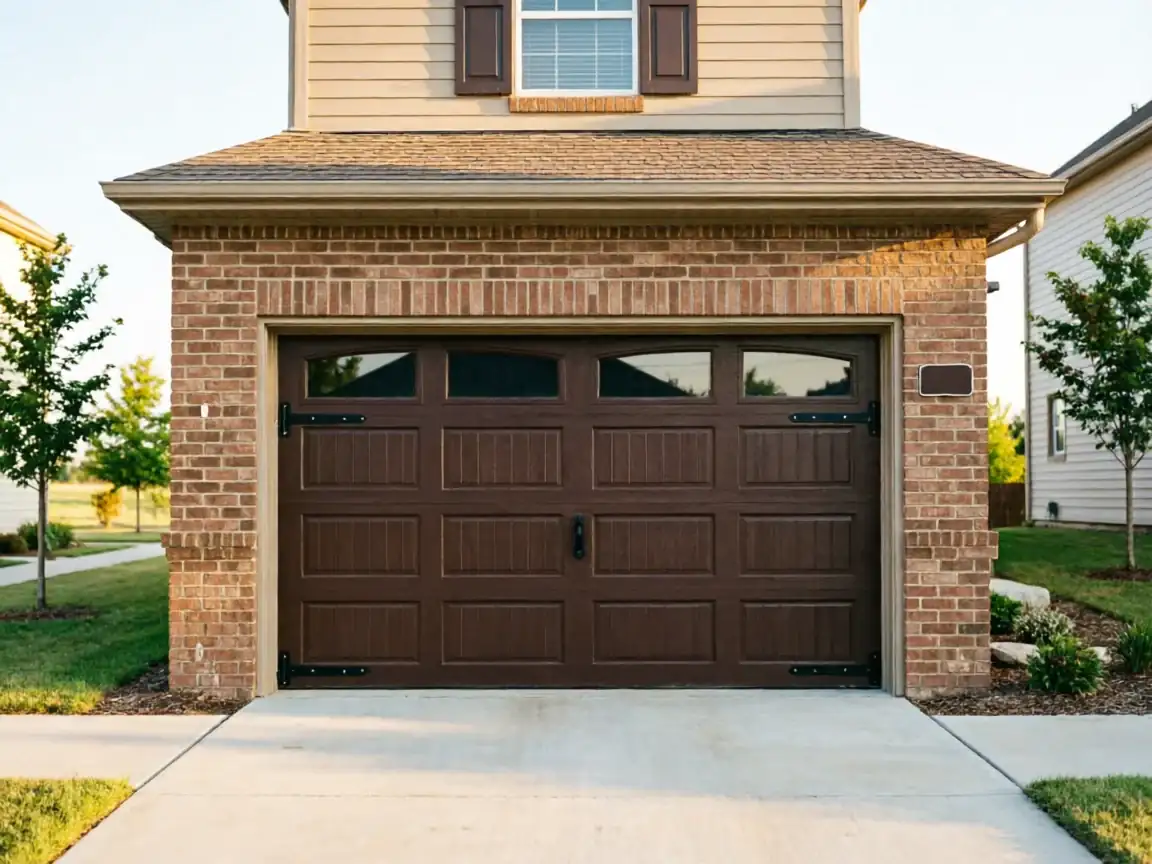
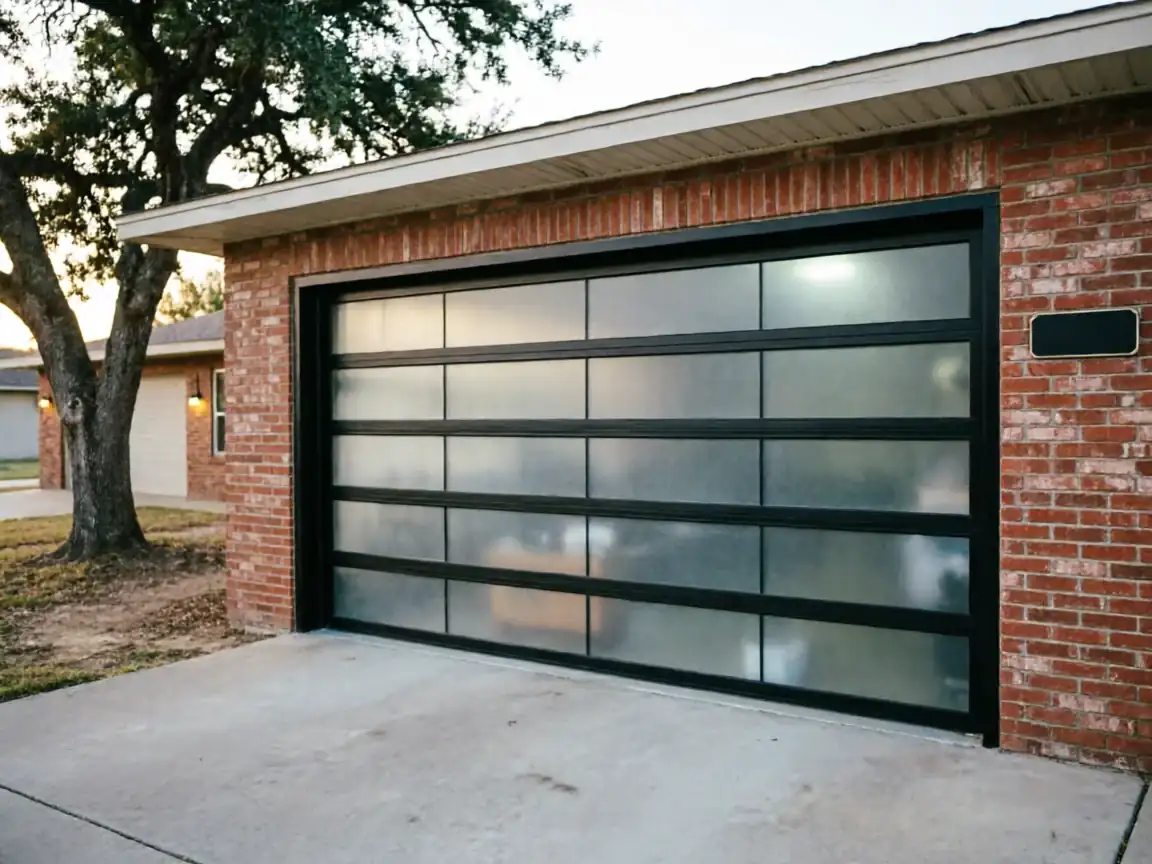
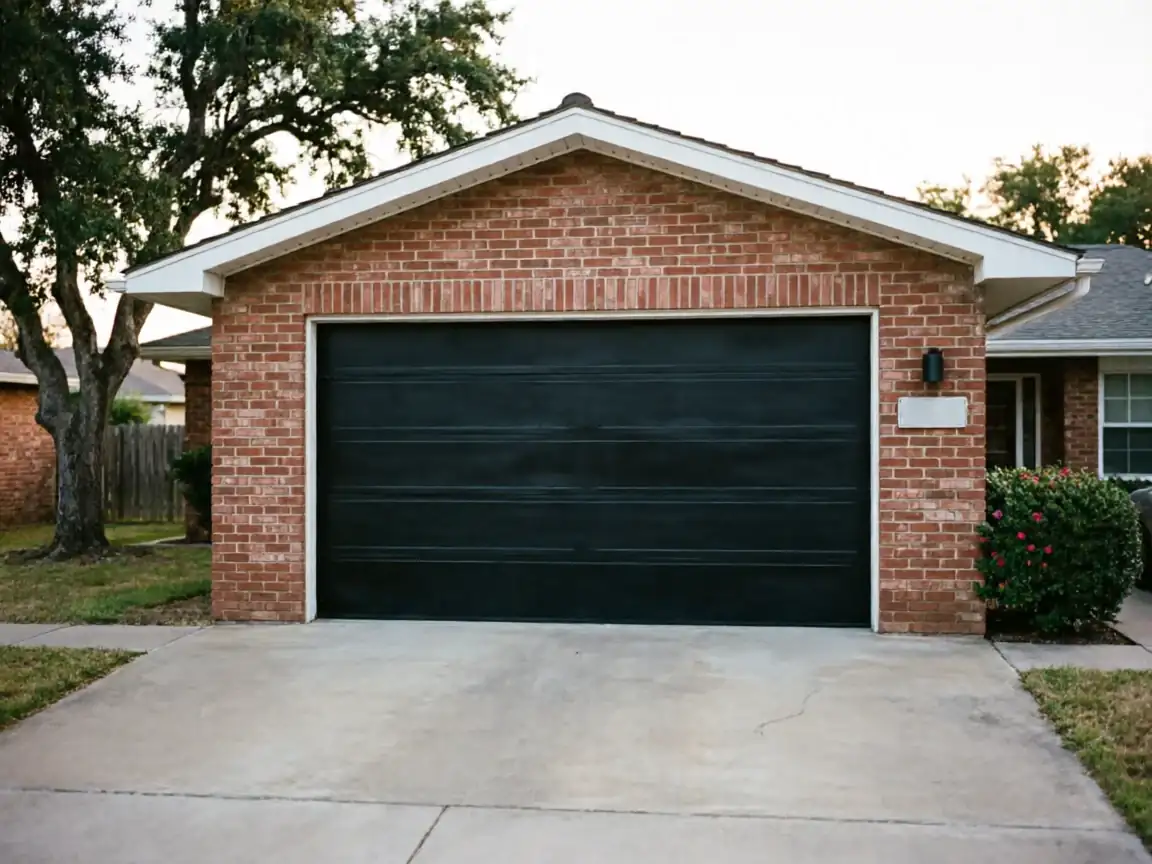
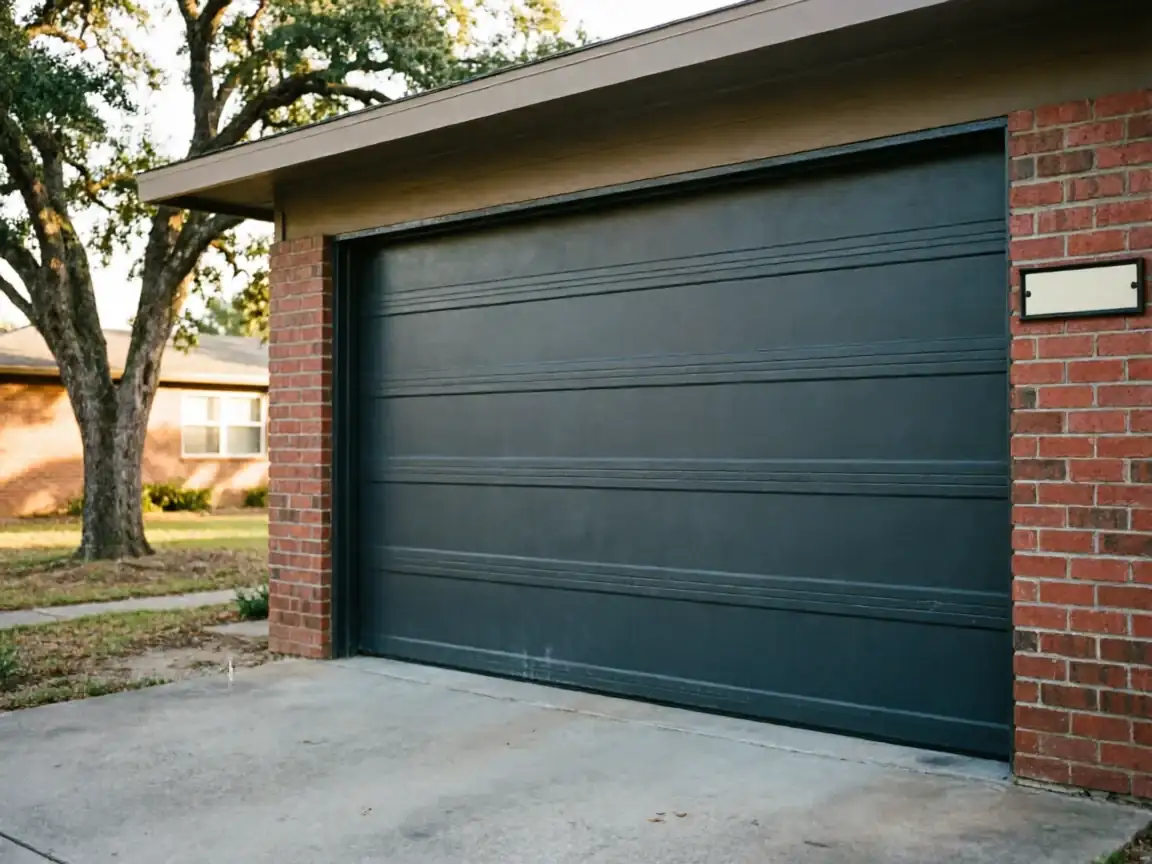
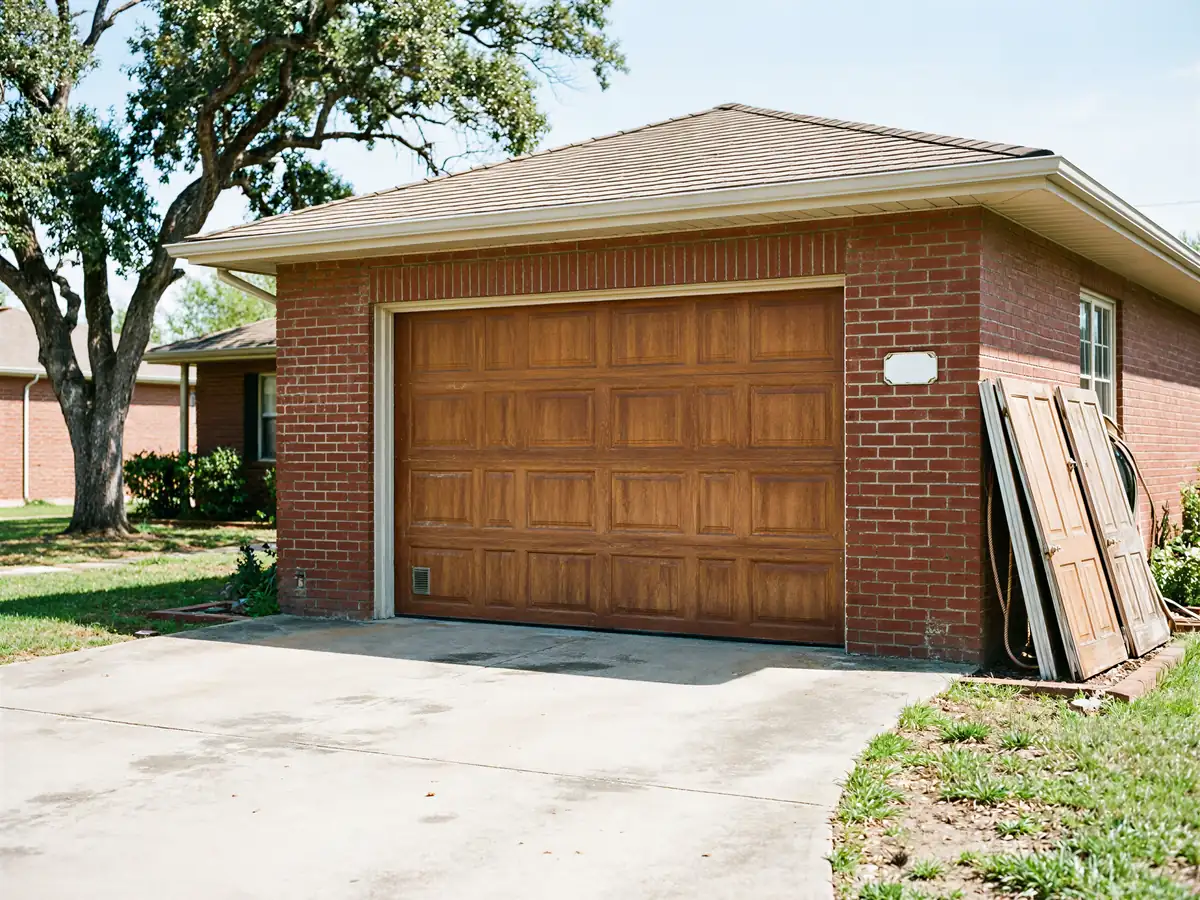
Most of the housing stock here dates from 1957 to 2018, with the bulk of it built in the 1980s and 90s across the nine areas we work. That matters for rollers specifically: builders in that era mostly installed plain steel or hard nylon rollers on stamped-steel tracks, and neither holds up forever under daily cycling. Add a climate band that's mild most of the year but still sees occasional freeze, and you get a cycle of slight overnight contraction and daytime expansion in the track and roller stems - not dramatic, but enough to accelerate wear on rollers that are already 15, 20, 30 years old. Houses from the earlier end of that build range are the ones we see with the worst wear, simply because the original rollers have had more cycles and more temperature swings to work through. It's not a dramatic climate event causing this - it's steady, ordinary use on hardware that was never meant to last the life of the house.
How We Fix It
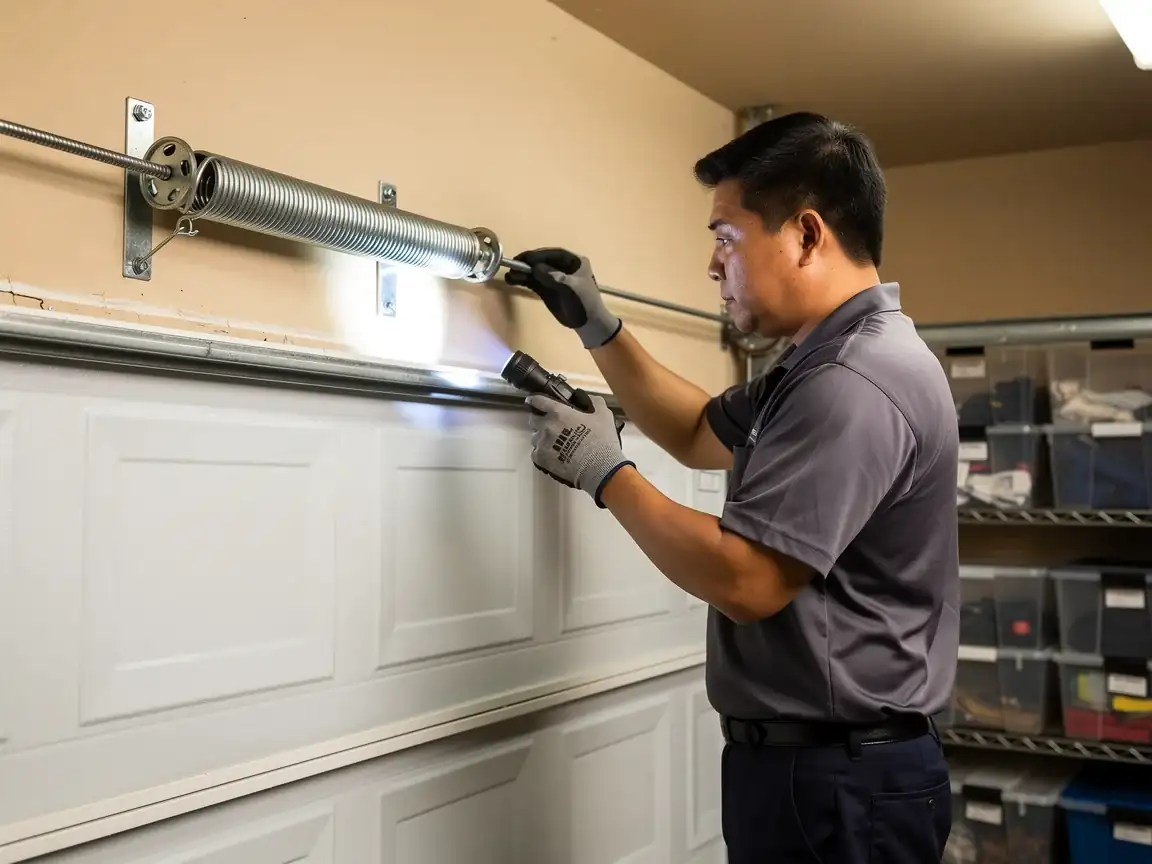
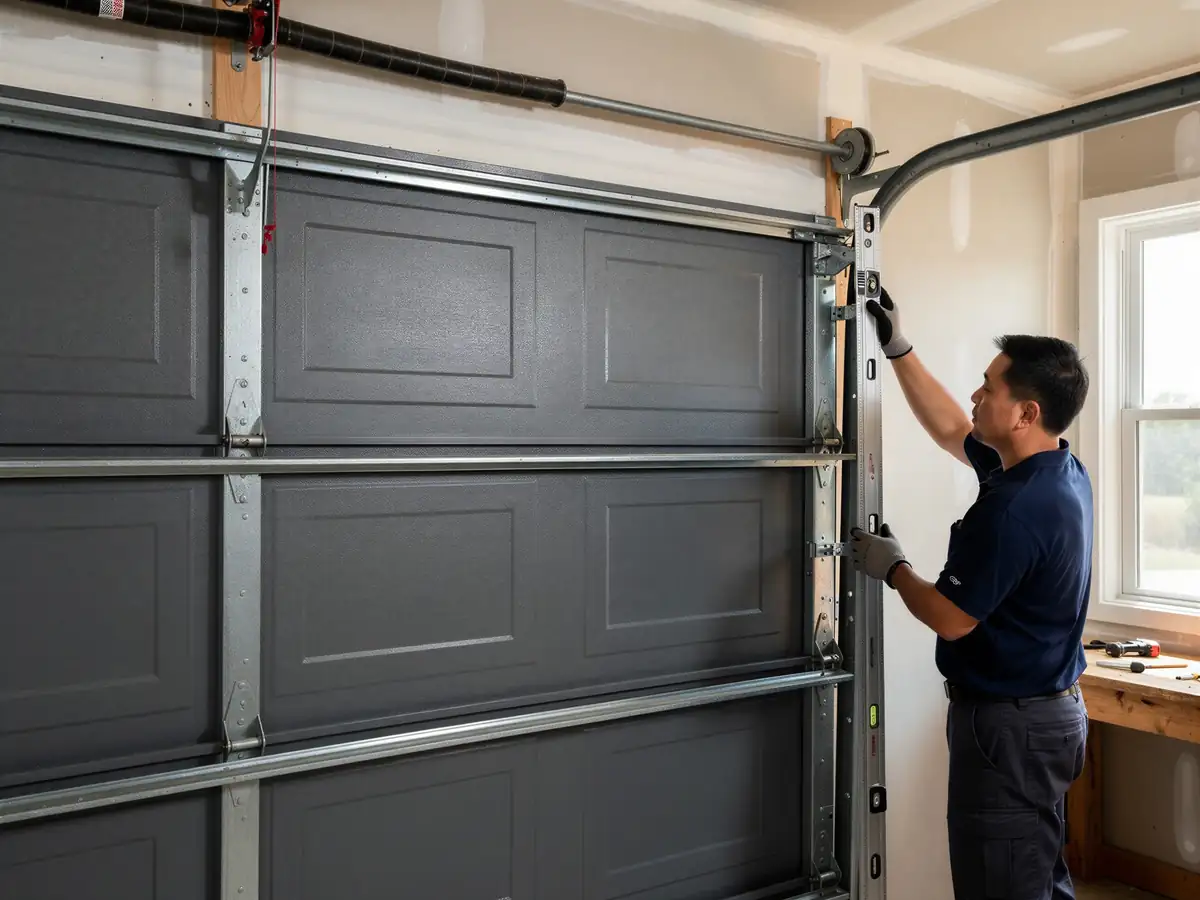
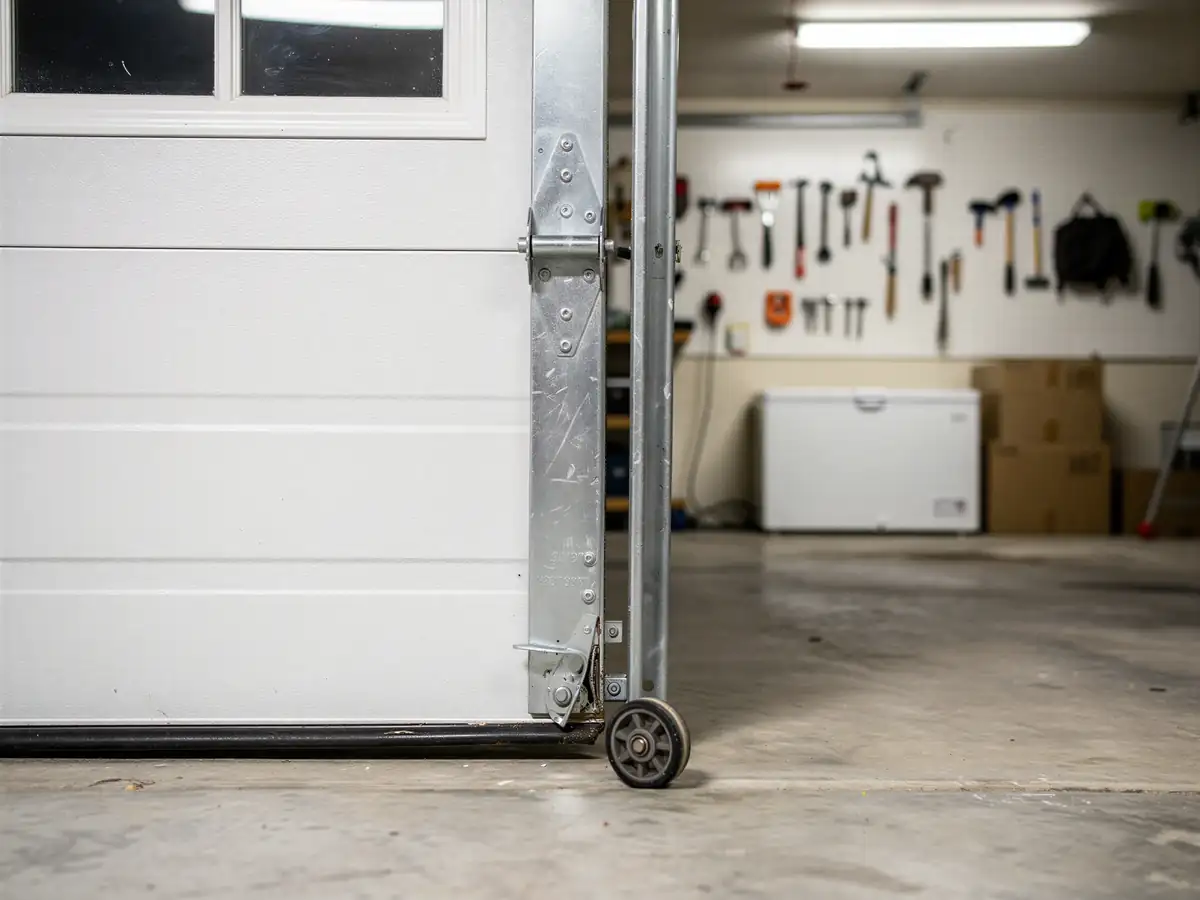
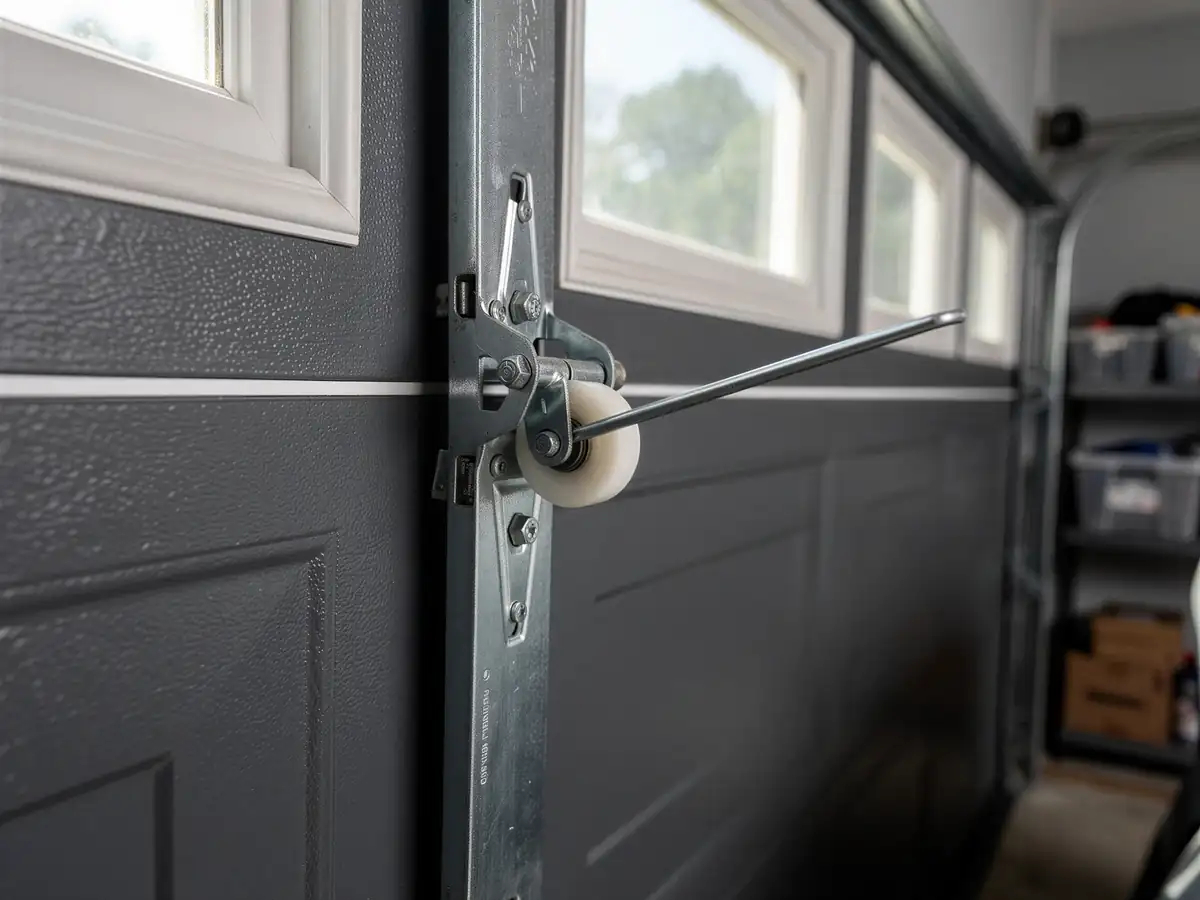
We check every roller individually rather than assuming it's an all-or-nothing job - on a lot of the doors we see in this area, only a few rollers on the bottom sections are actually shot, usually the ones at corners or where water or dust reaches the track. We replace what's worn, check the track alignment and brackets while we're in there, and lubricate the rest of the rollers so you're not back to square one in six months. If the track itself is bent or pitted, which happens more with the older steel-roller setups common on houses from the earlier part of the 1984 median build range, we'll tell you honestly whether it needs replacing alongside the rollers - stacking a new roller against a bad track just wears the new part out faster. One limitation worth saying plainly: if your door is old enough that the roller brackets or track are a discontinued size, we may need to source a compatible modern part rather than an exact match, and we'll walk you through that before we order anything.