The Problem
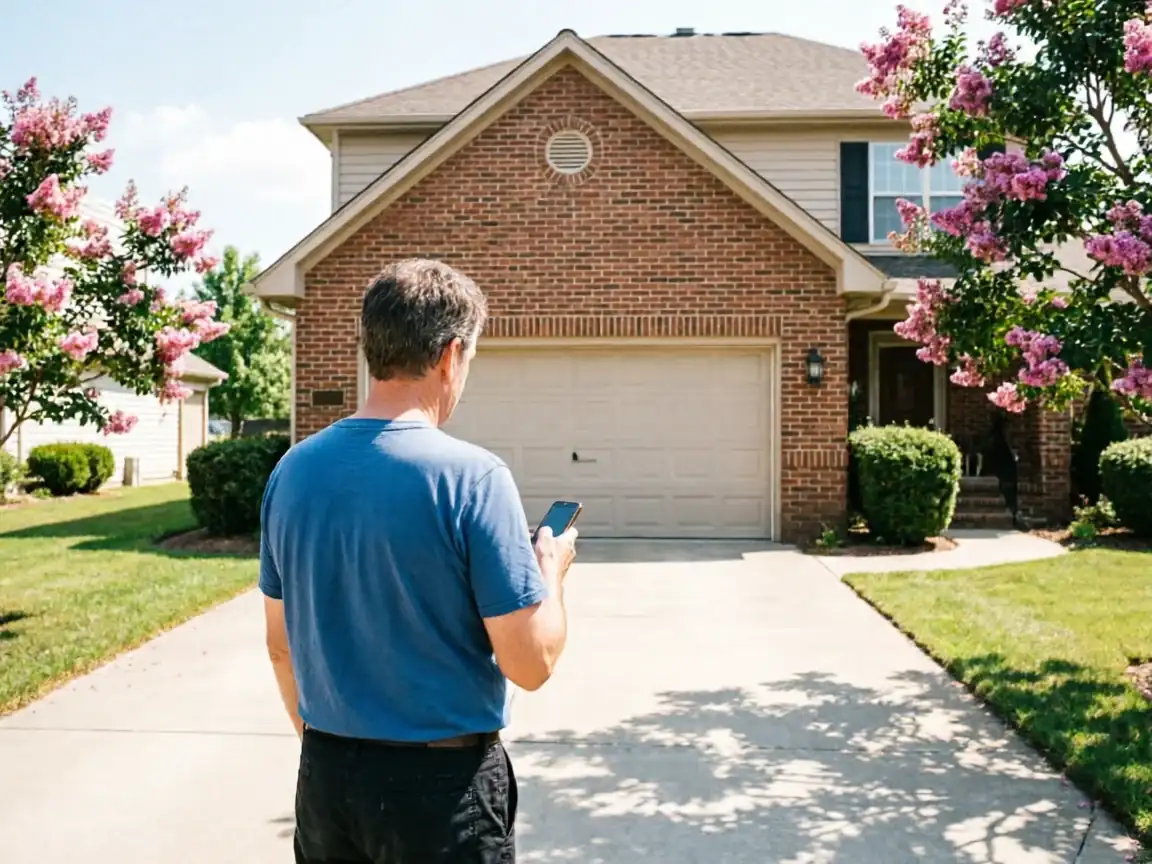
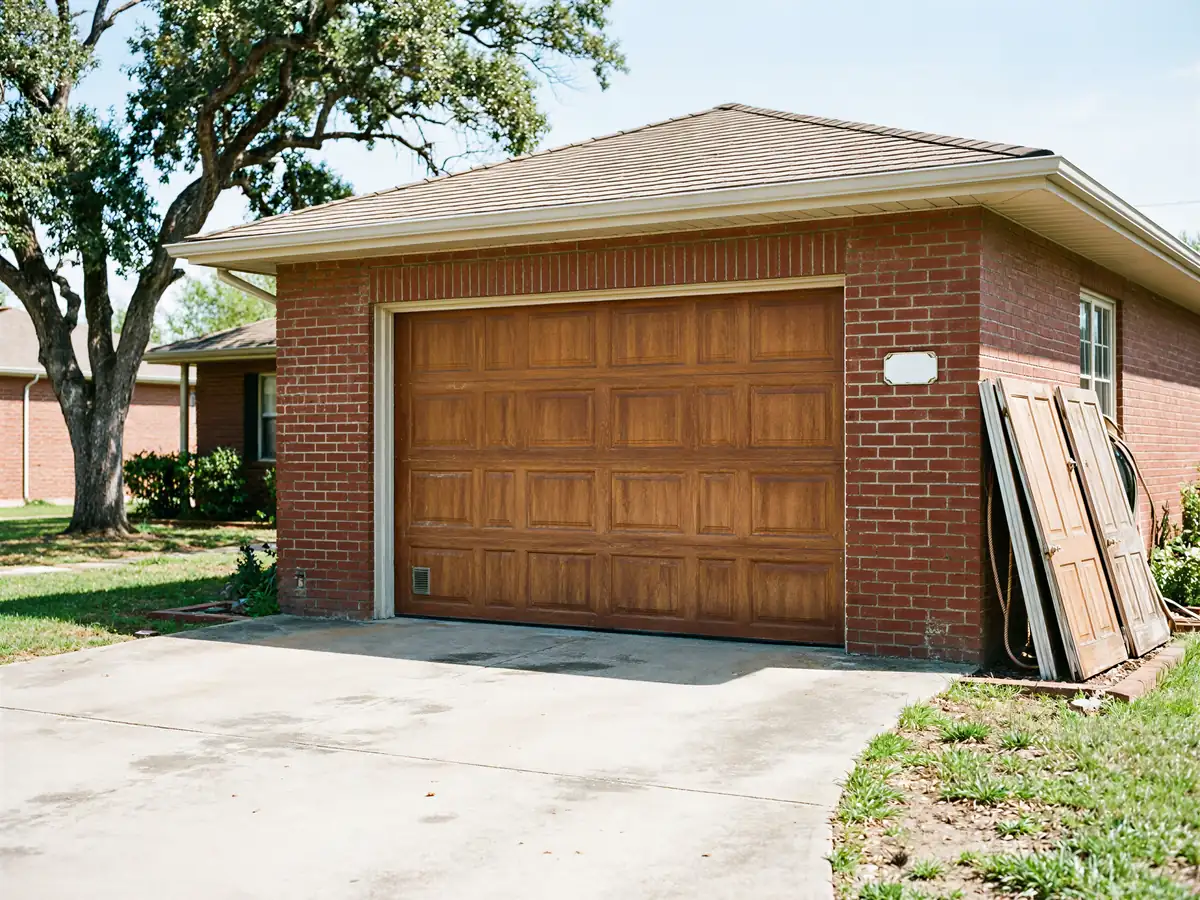
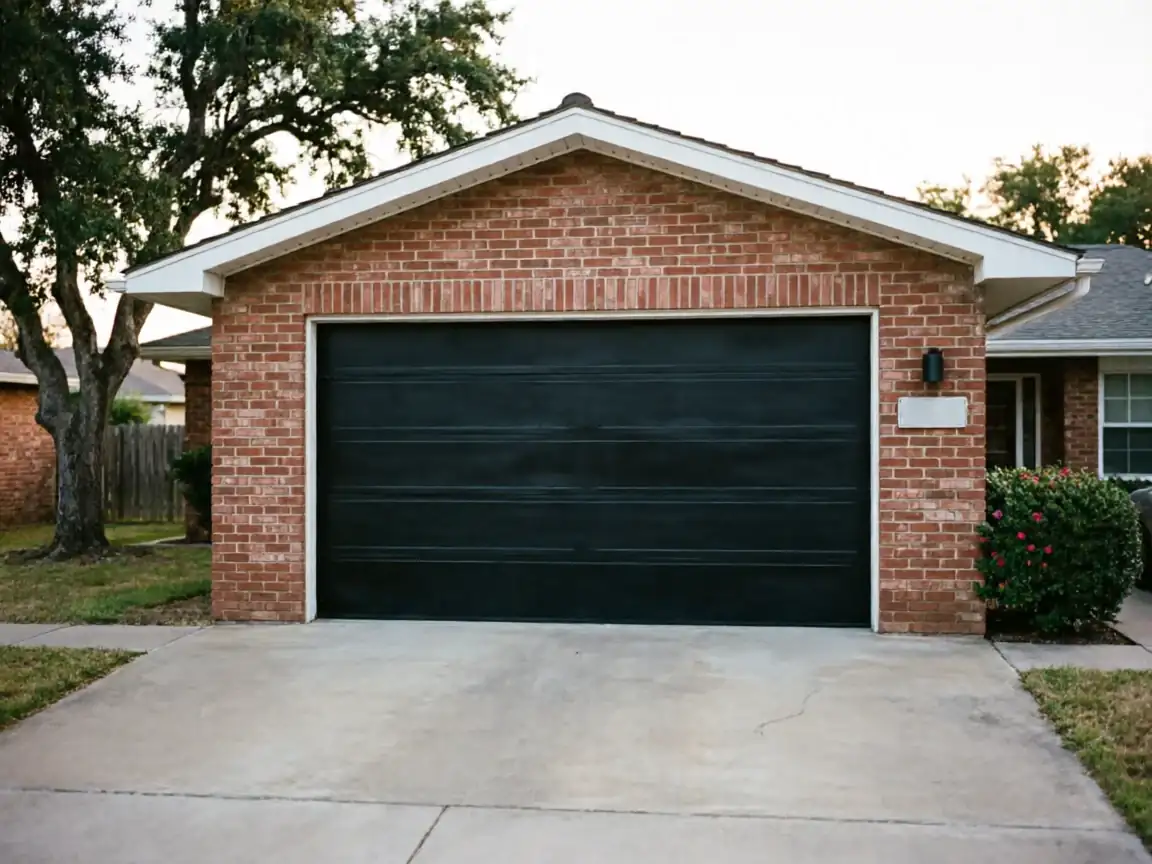
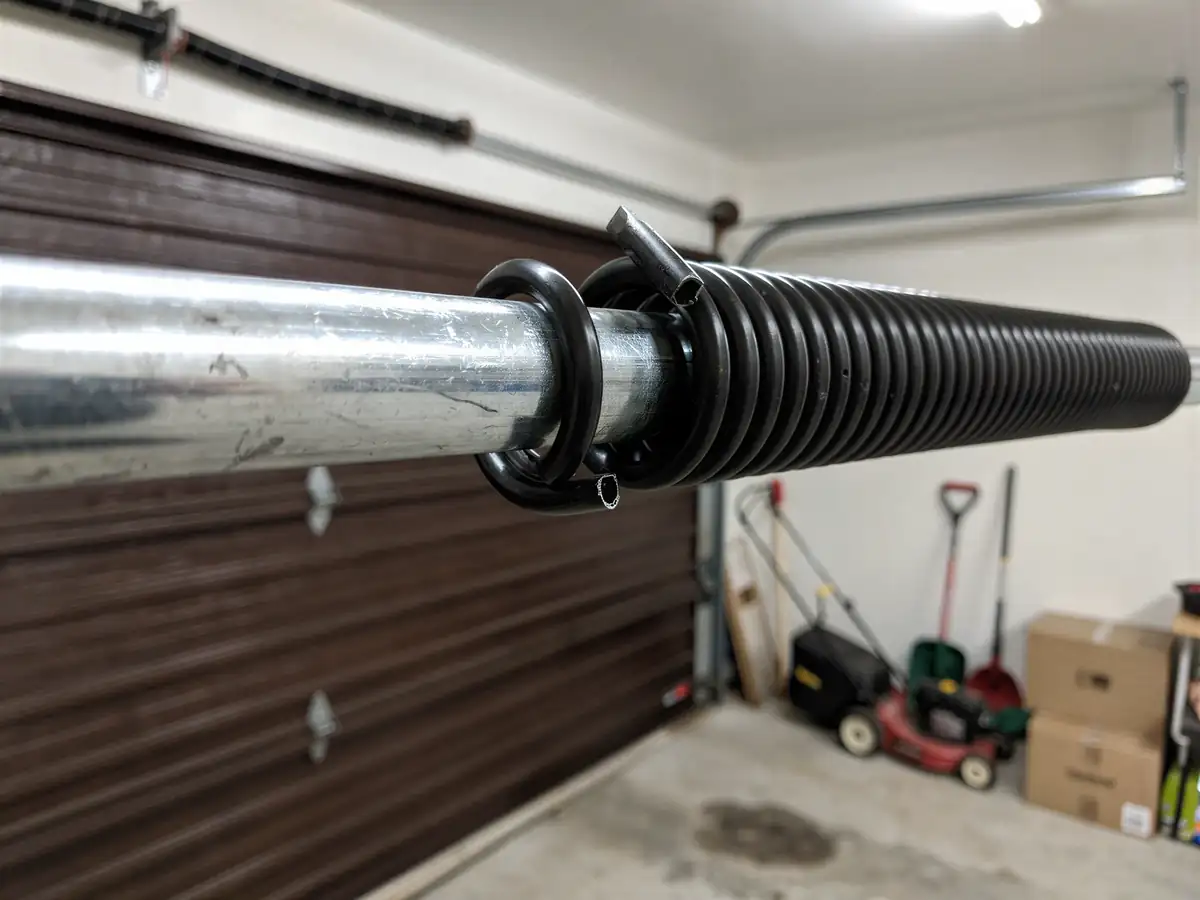
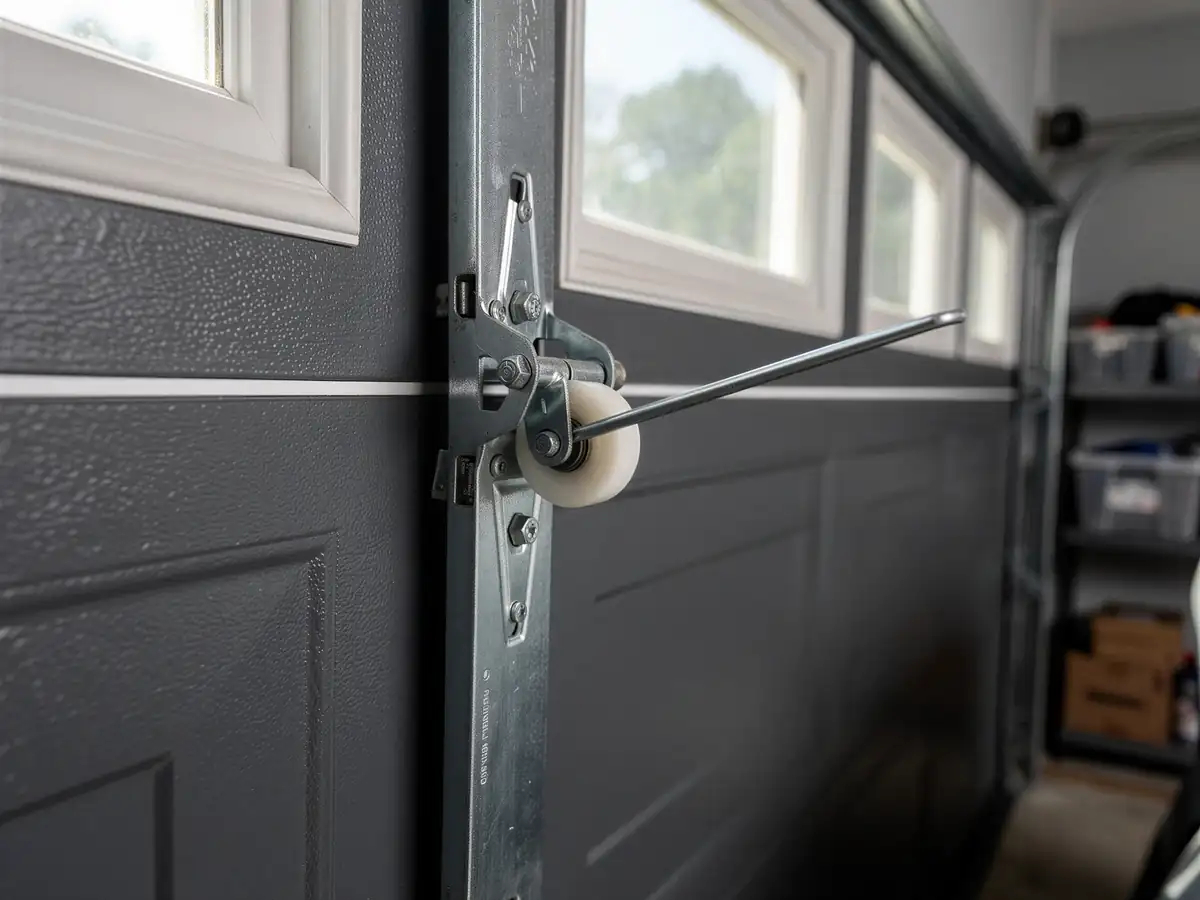
Most of the houses we get called to in Hutto went up somewhere between 1957 and 2018, with the median build year sitting around 1984. That spread matters. A door and opener installed when a house was framed in the mid-80s is now pushing forty years old, and most garage door openers are not built to last that long without a motor or circuit board failure somewhere along the way. A chunk of the stock in the area is from the 1980s and 90s specifically, spread across nine different named sections of town, which means a lot of households are hitting the same failure window at roughly the same time: worn rollers, a spring that's cycled past its rated life, or an opener logic board that just stops responding.
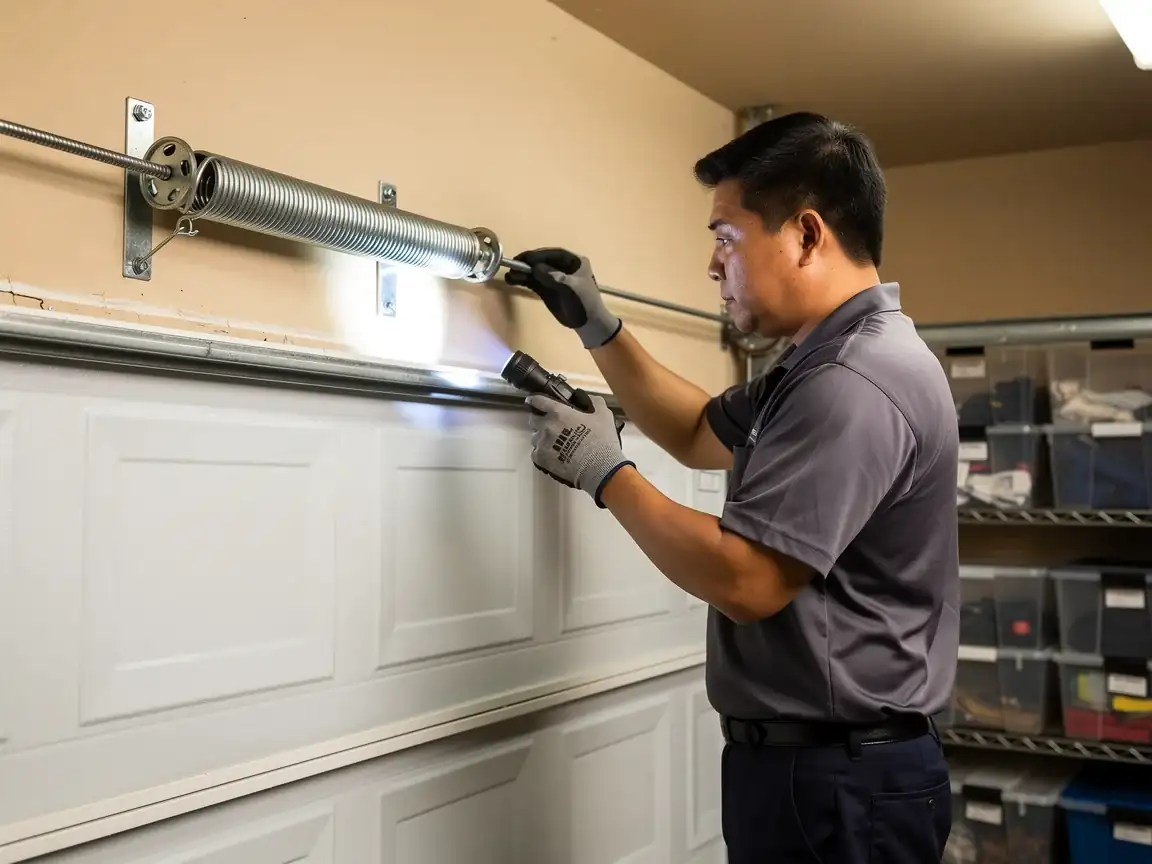
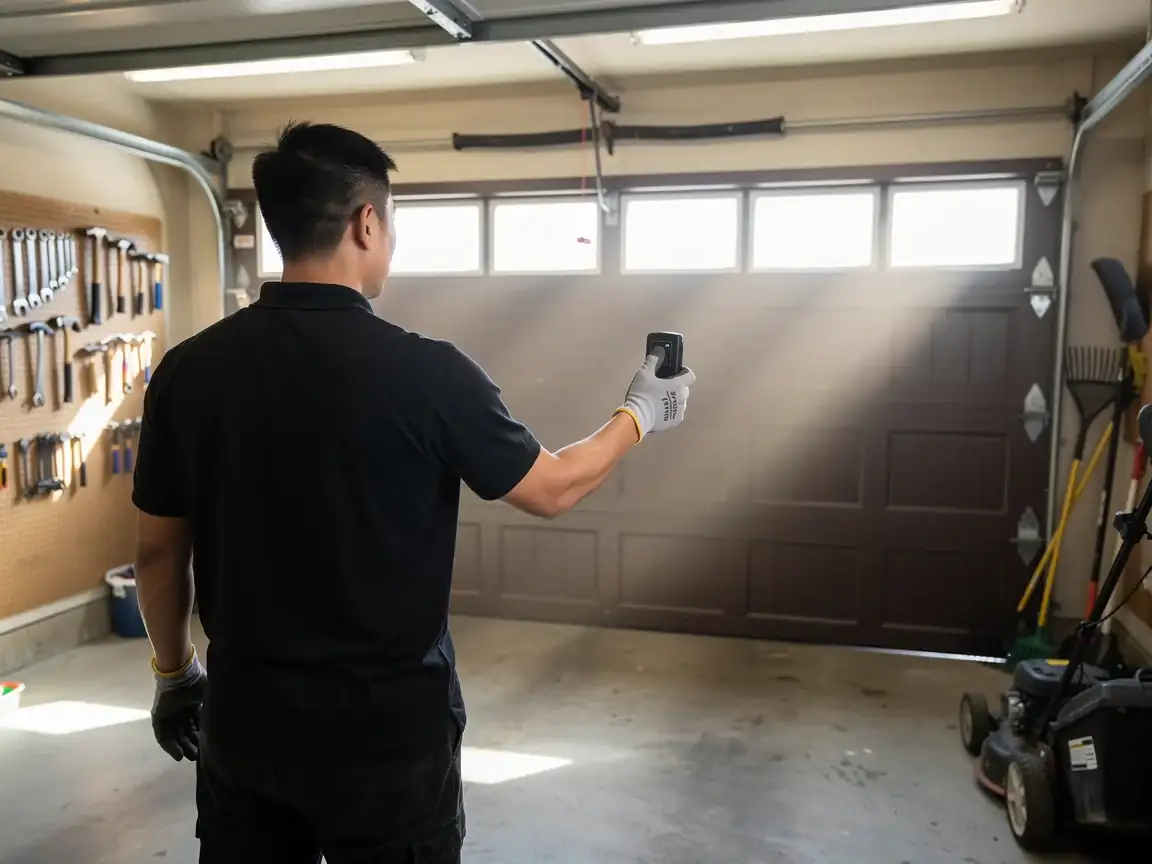
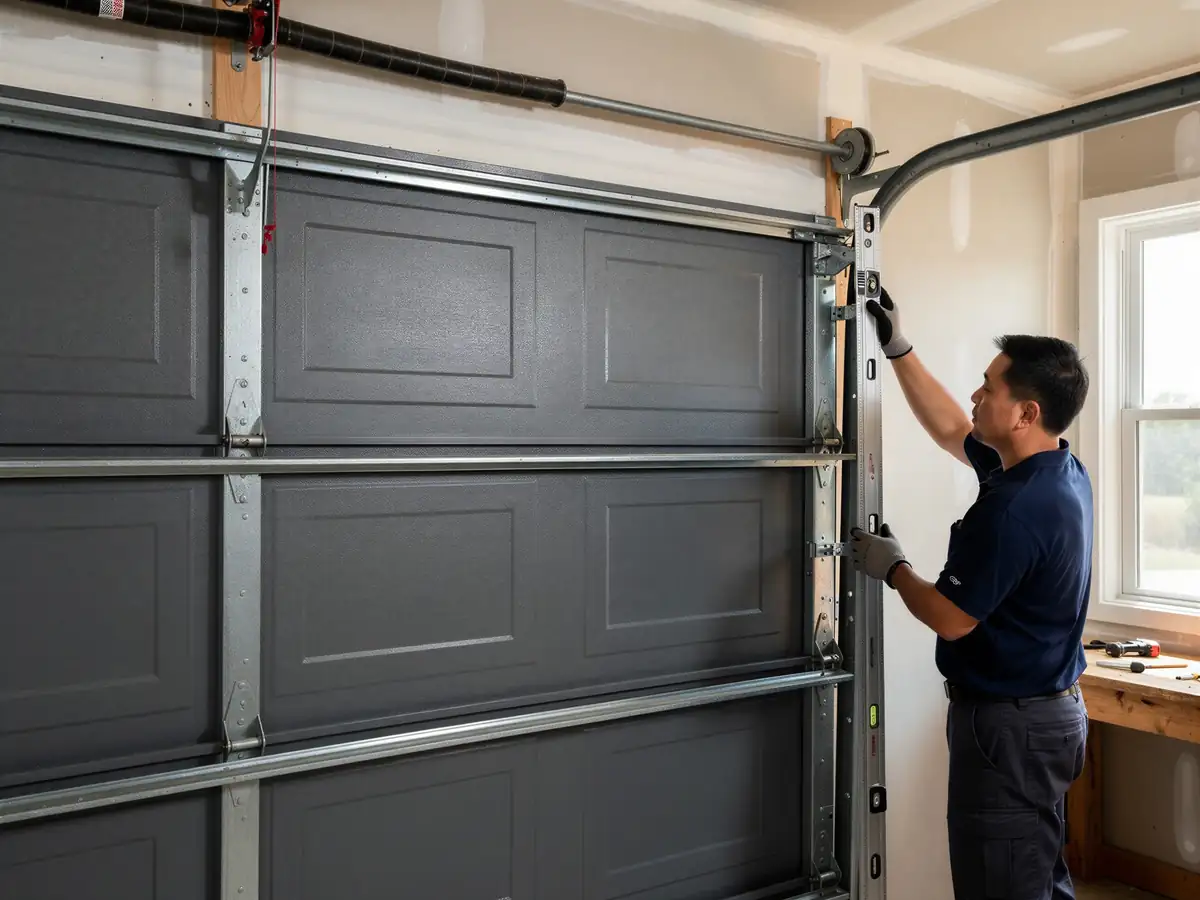
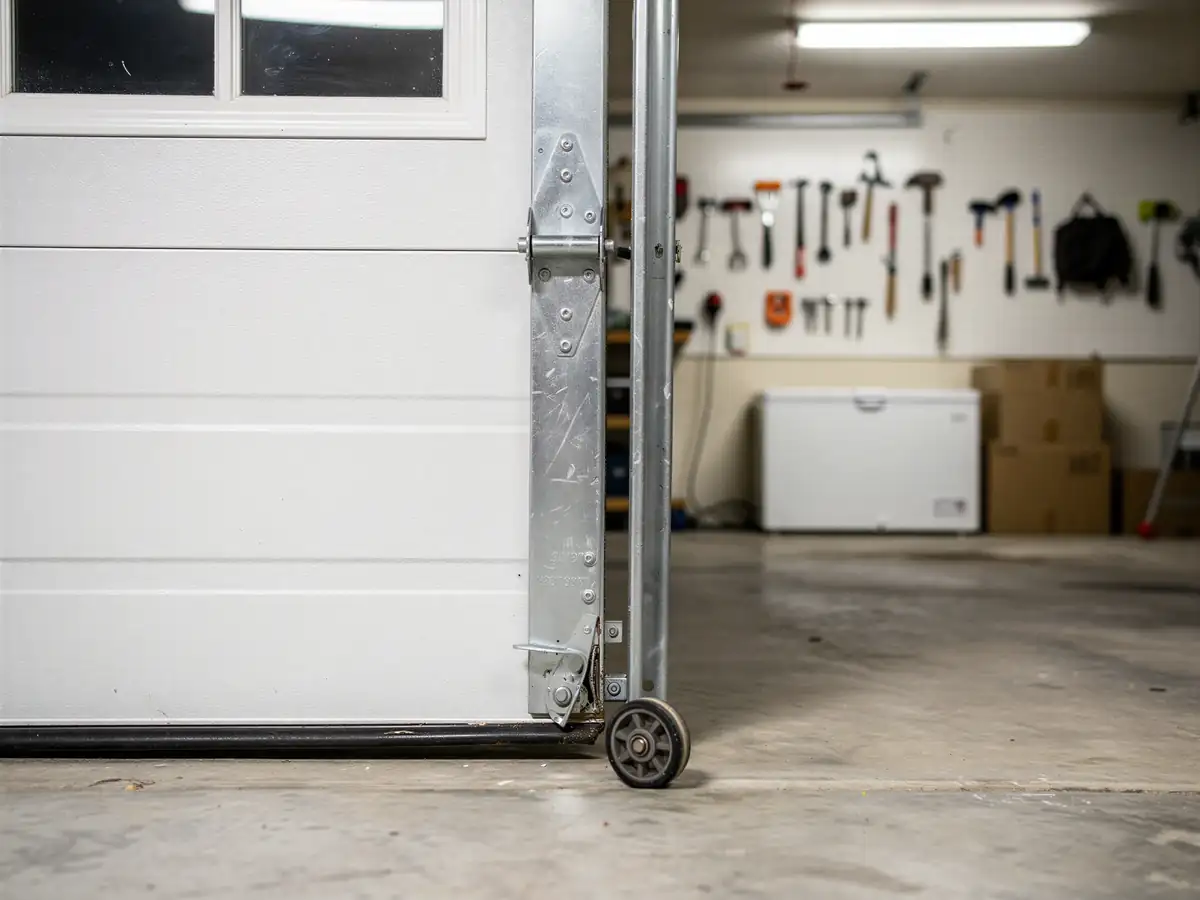
When we show up on a call, we're not guessing at what's wrong. We check the spring tension and cycle count against the door's age, look at the track alignment, and test the opener's force settings - because a door that's 35+ years old behaves differently than one installed in the last decade, and treating them the same way is how people end up paying for repairs that don't fix the actual problem.
Doing Nothing For Now
Sometimes the honest answer is: don't fix it yet. If a spring is still within its cycle life and the door is tracking straight, we'll tell you that instead of selling you a replacement. That's the limitation worth being upfront about - we don't push full-door swaps on hardware that's still doing its job just because it's old. Age alone isn't a failure.
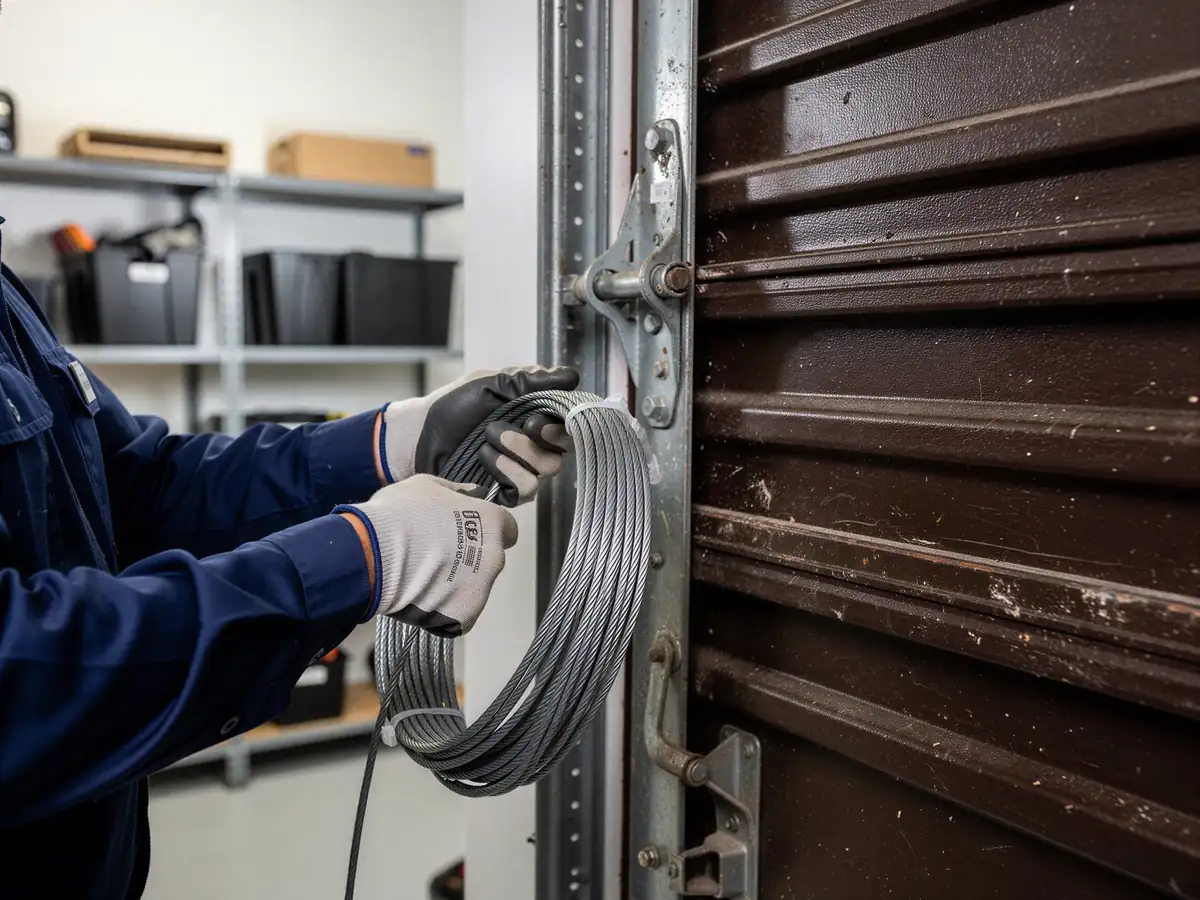
What we do watch for in this area is the point where a worn part starts stressing the rest of the system. A frayed cable on a door from the 1984-era median build is a different risk than the same cable on a 2015 build, because the drum, bearings, and track on the older install have also put in more years of work. Waiting on a cable is rarely a good idea. Waiting on a cosmetic panel dent almost always is. Part of the service call is just telling you which one you've got.
What You Pay
We don't publish a flat number because what a call costs depends on what's actually broken
And that varies a lot across a service area with housing spanning six decades. A spring job on a 1990s-stock door is a different scope than an opener board swap on a house built in the last fifteen years. What we can tell you is that most of this area's households - Hutto has roughly 33,440 of them, with about 17,911 owner-occupied houses - are dealing with midlife hardware rather than brand-new or truly ancient systems, and that's the repair profile we price for most often: springs, cables, rollers, and openers, not full structural rebuilds.
- 17,911 owner-occupied
With a median household income around $86,477 in the service area
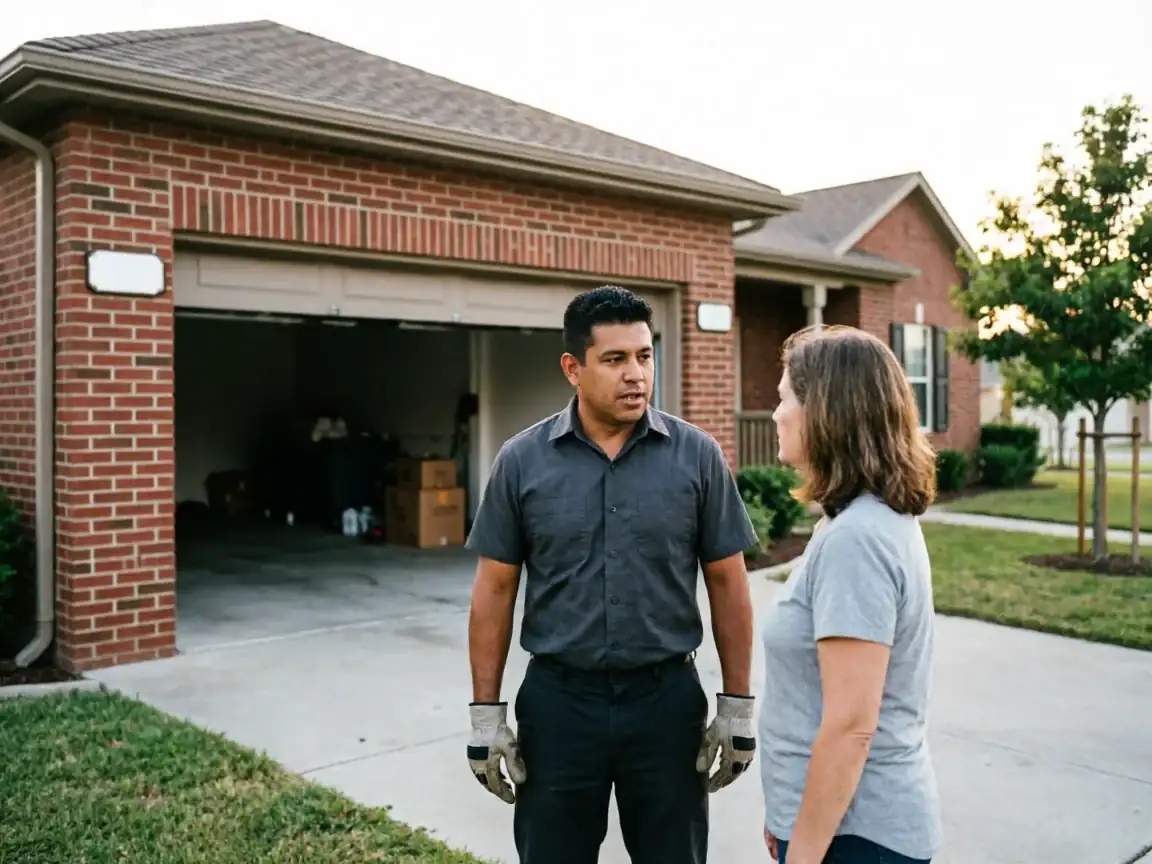
We try to be straight about when a repair makes sense and when a full door replacement actually costs less over time than patching an aging system piece by piece. That's a call we make on-site, not over the phone.
- $86,477 median household income
How Local Conditions Play In
Hutto sits in a mild climate band with occasional freeze risk, not the extreme heat or ice load you'd plan hardware around in other regions. That matters for what actually fails here: we're not replacing weatherstripping torn apart by hard freeze cycles, and we're not seeing the kind of summer heat that warps panels outright. What we do see is steel hardware - springs, cables, bearings - aging on a normal schedule without a lot of extra climate stress accelerating it.
That's actually useful information on a service call. It means when a spring breaks early on a door that should have years left, the climate usually isn't the reason - it's a install issue, a cycle-count issue, or just a bad spring. We rule out weather first because in this area it's rarely the driver, then look at the mechanical history of the door itself.