What You Pay
We don't post a flat number here because the jobs that come in as emergencies aren't all the same job. A broken torsion spring on a double door costs different money than a cable that's jumped the drum or an opener board that's fried. What drives the bill is the part, not the panic: spring sets, cables, rollers, and circuit boards all carry their own cost, and whether it's an after-hours call changes things too.
What we can tell you is that across the 33,440 households in this service area, most emergency calls break down into a short list of repeatable failures - not exotic ones. If you want a real number, tell us what the door is doing (won't open, stuck halfway, loud bang then nothing) and we'll give you a quote before a truck rolls, not after.
One honest limitation: if your opener is more than a decade old and the board is fried, we may tell you replacement beats a repair, because a new board on an obsolete unit sometimes costs close to a new opener anyway. We'd rather say that up front than sell you a part that strands you again in a year.
What Causes It Around Here
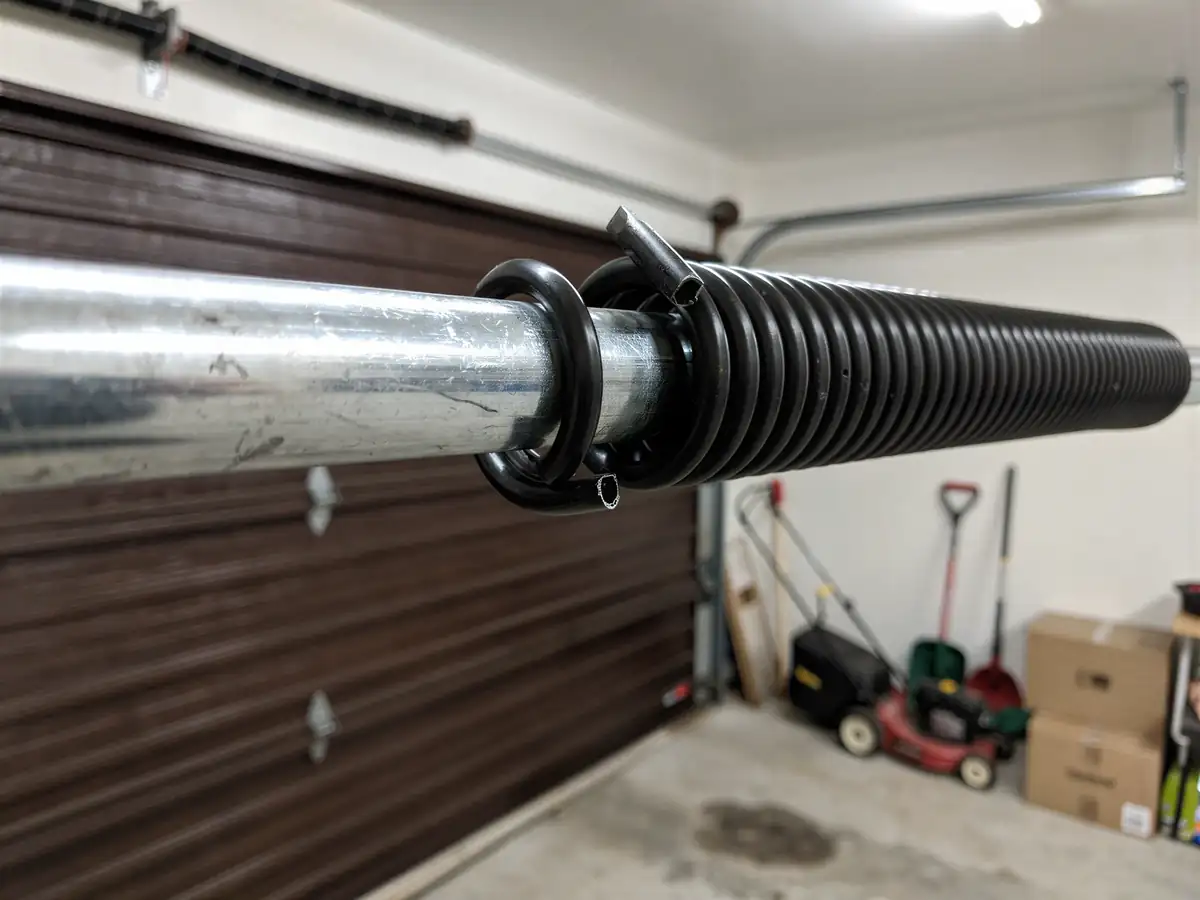
Housing in this service area was built mostly between 1957 and 2018, with the median around 1984 and most of the stock concentrated in the 1980s and 90s across the nine named areas we cover. That matters for emergency calls because a torsion spring is rated for a set number of cycles, and a door installed in the 80s or 90s is now decades past its first spring change if nobody's ever swapped it. That's the single biggest reason for a 2 a.m. spring-snap call: not bad luck, just a part that finally hit its number.
The climate here runs mild with some freeze risk, which is gentler than a lot of Texas on steel and springs, but temperature swings still stiffen lubricant and tighten cable tension on cold mornings, and that's when a marginal spring or a fraying cable finally lets go. It's not hurricane country and we don't get the brutal freeze-thaw cycles that wreck doors further north, but a cold snap after a warm stretch is still enough to push a tired spring past its limit.
Older homes in this service area, especially anything from the 1957-1979 range, are more likely to still have original hardware nobody's ever touched. That's the stuff that fails without warning.
What You Are Seeing
A loud bang from the garage
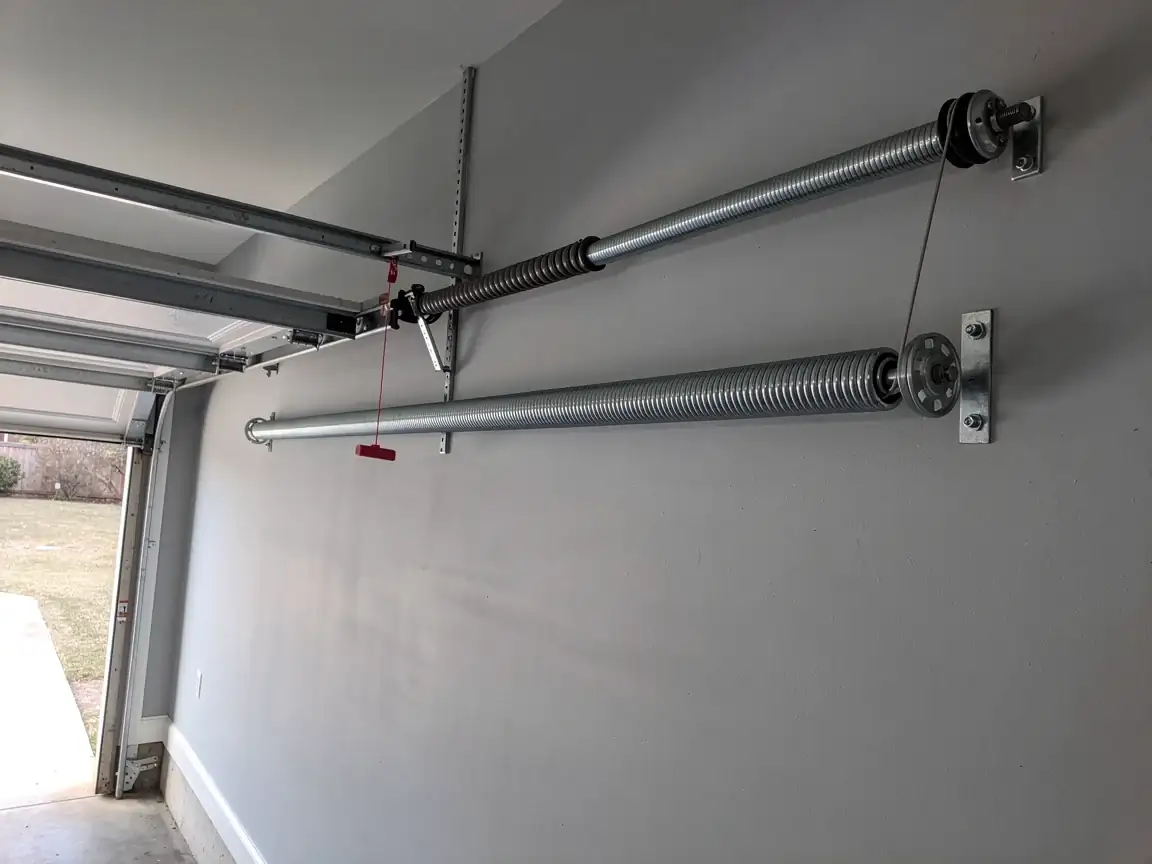
Then the door won't budge - that's almost always a torsion spring letting go, and it's not safe to force the door after that. A door that reverses right after it touches the floor, or won't close at all, usually points to the photo-eye sensors or a misaligned track, not the spring.
If the door is heavy to lift by hand and the opener strains or trips its breaker
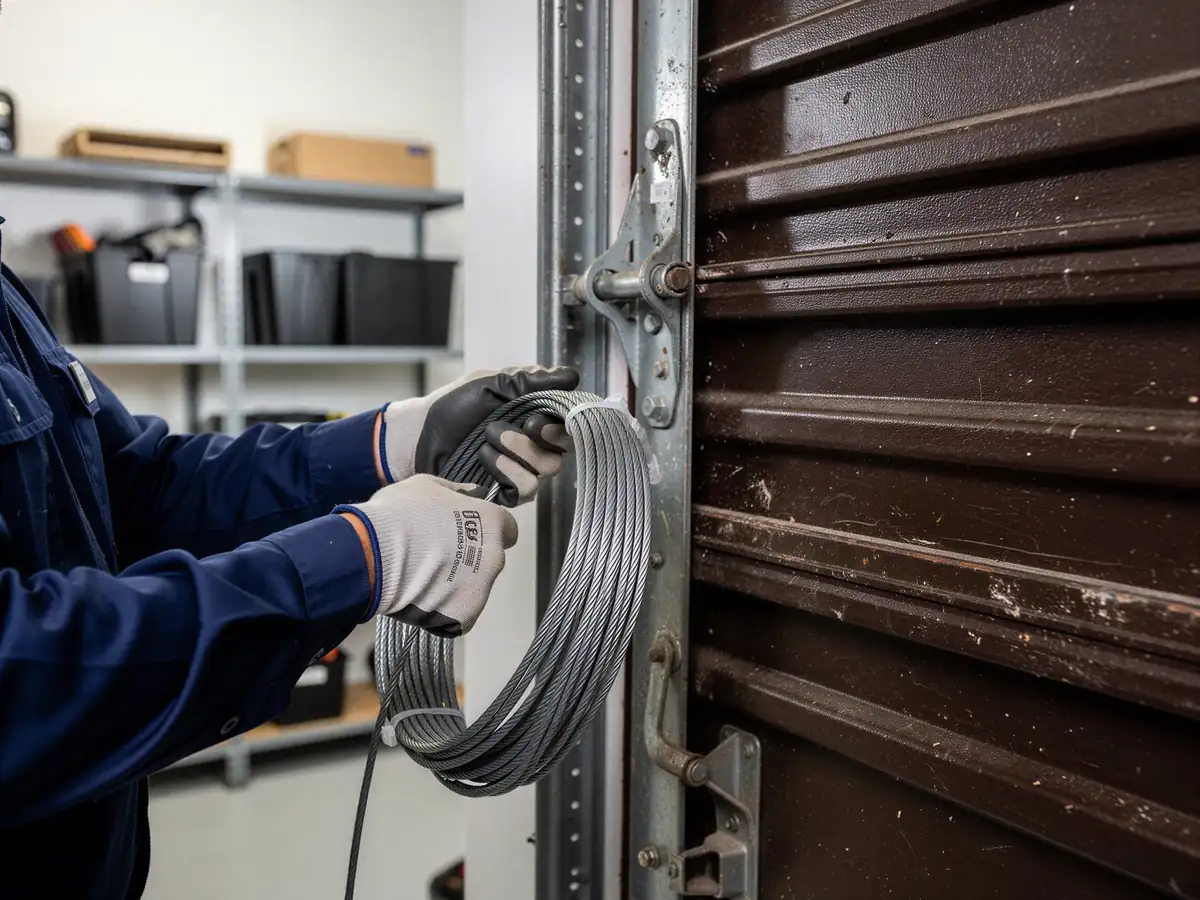
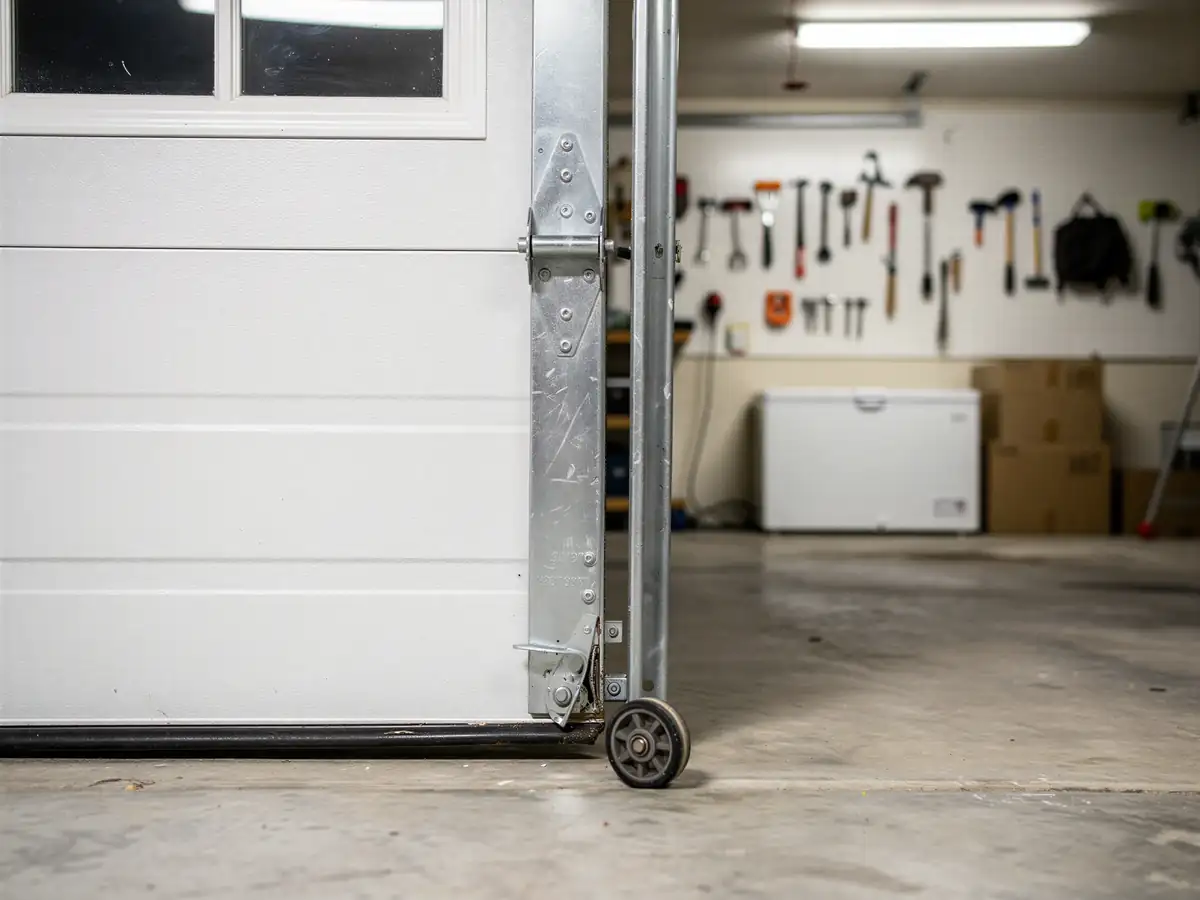
You're looking at a spring that's weakening but hasn't fully snapped yet - this is the one where calling before it fails saves you from being stuck with the car trapped inside overnight. A door that's jerky, off-track, or grinding usually means a roller has failed or a cable has started to fray off the drum.
If the opener runs but the door doesn't move
The issue is usually the drive gear or a broken opener-to-door connection, not the opener motor itself, and that's often a same-visit fix rather than a full opener swap. None of these are things to diagnose by guesswork over the phone with total confidence, but the symptom you describe tells us what to bring on the truck.
How We Fix It
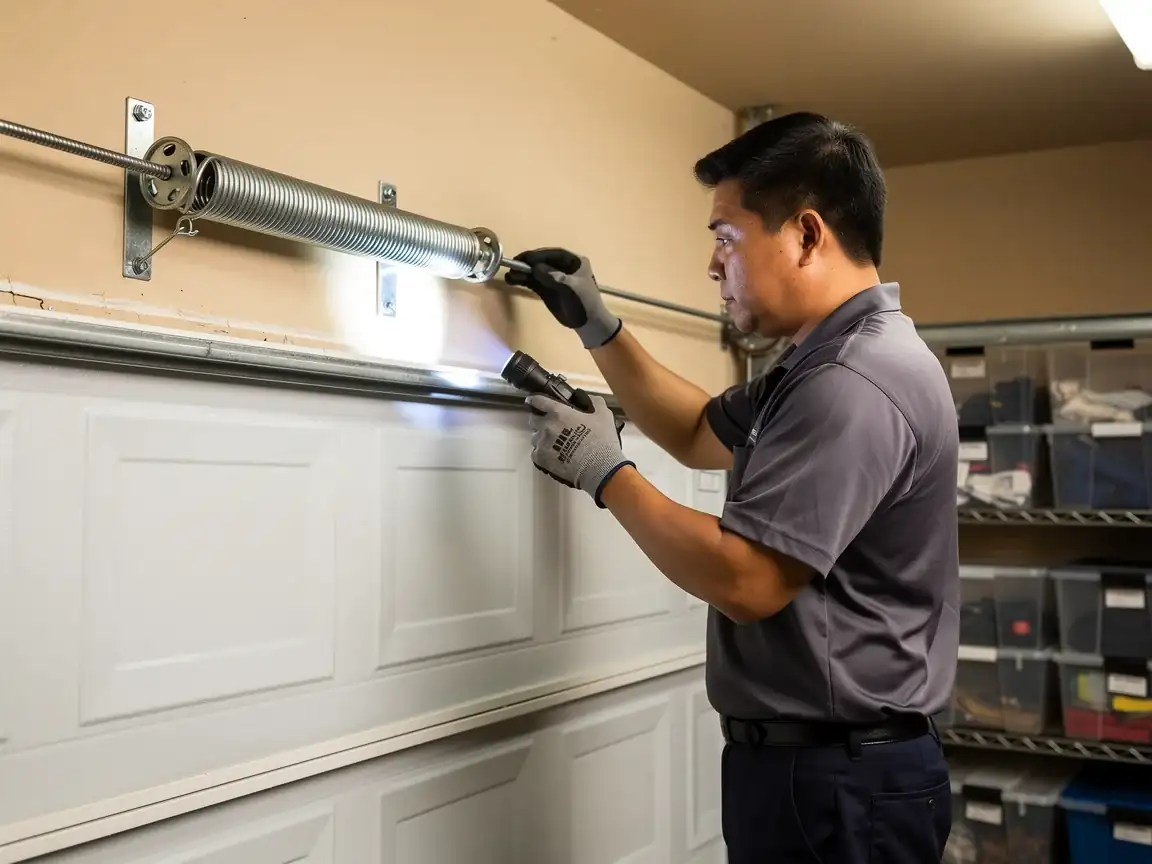
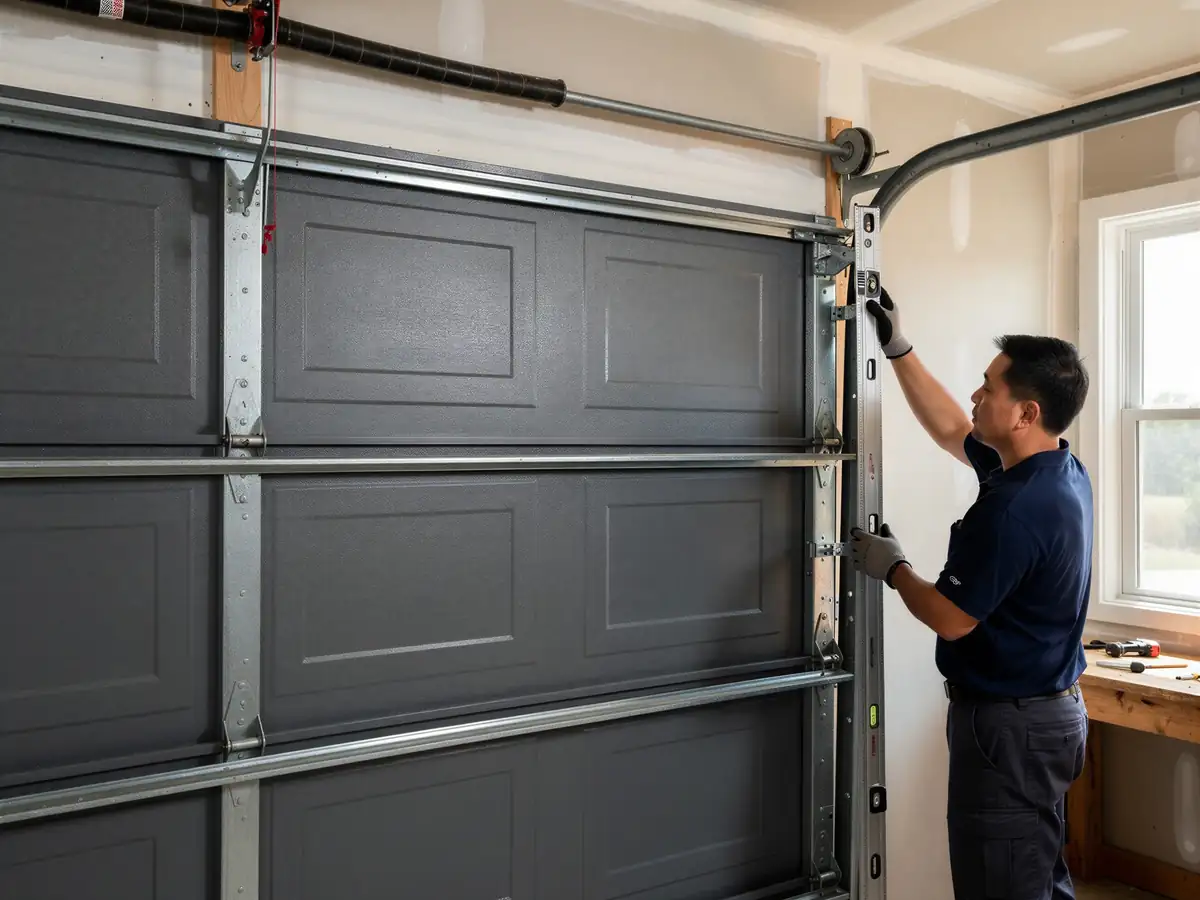
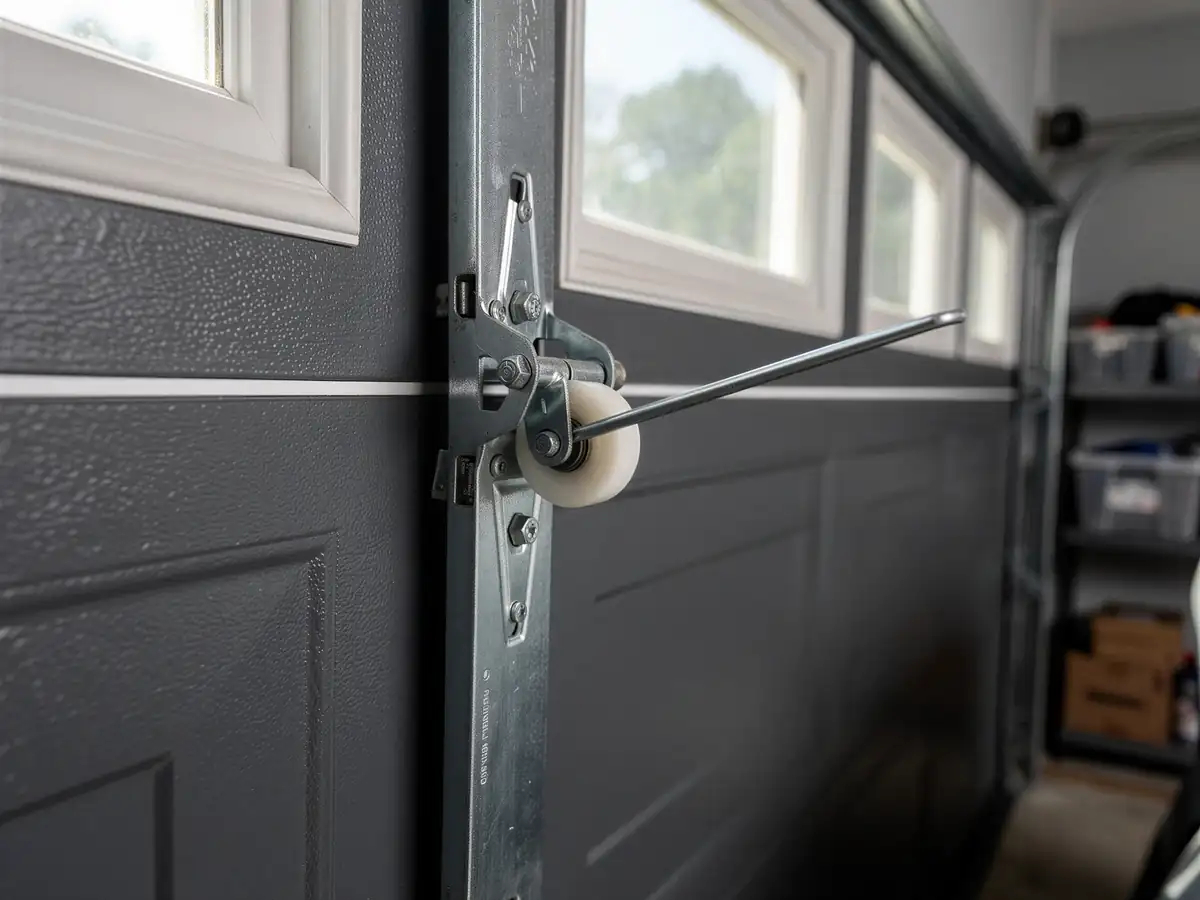
For a broken torsion spring, we replace the full set, not just the broken one, because the second spring is on the same clock and swapping only one leaves you back here within months. Cables, rollers, and drums get checked at the same time since they all share load with the spring and a weak spring often means a cable's been overworking too.
For opener failures, we check the logic board, the sensors, and the drive gear before we recommend a new unit. If the board's dead and the opener's old, we'll say so plainly rather than quote a repair that won't hold.
For off-track or misaligned doors, we re-set the track and check the panel for damage before running the door again, because forcing a bent track back into service just moves the failure point somewhere else.
We carry common spring sizes and standard rollers on the truck for the hardware most common in this area's housing stock, which covers most emergency calls without a parts delay. Less common openers or discontinued parts can mean a short wait, and we'll tell you that up front instead of after we've already opened the panel.