The Problem
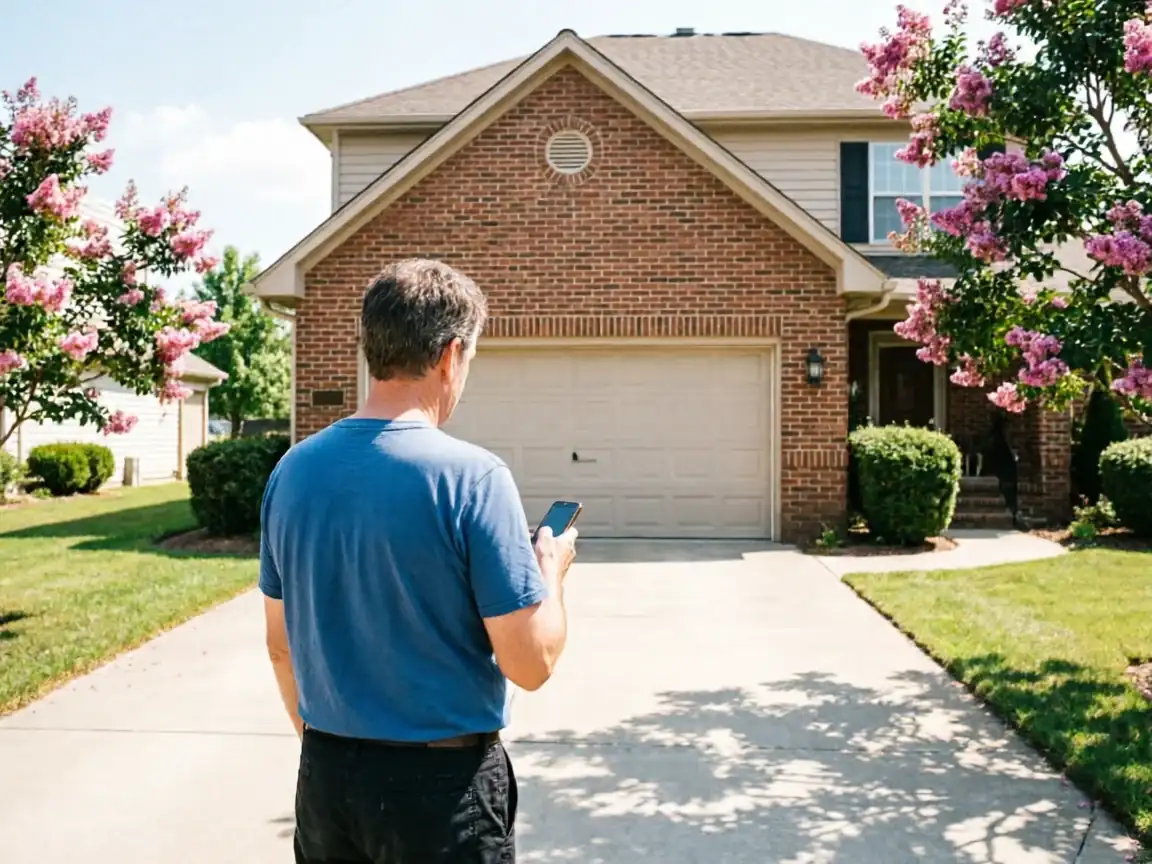
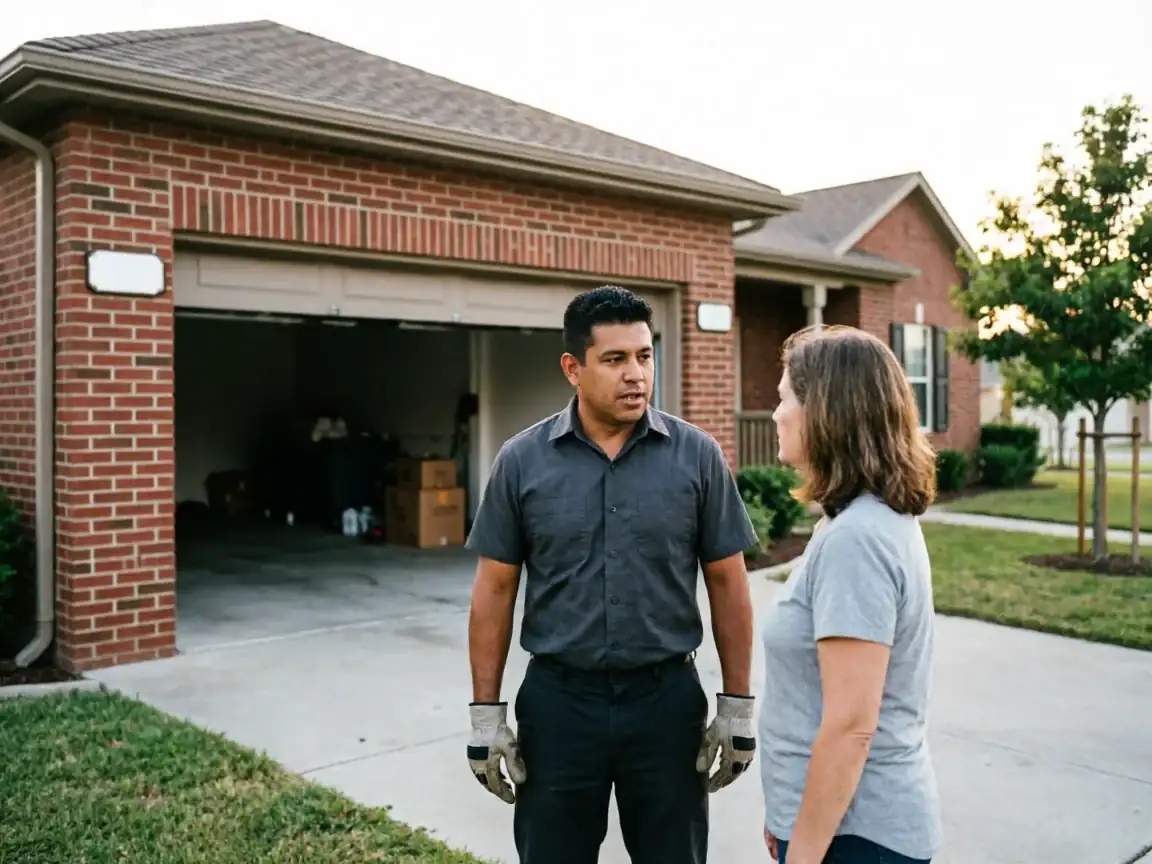
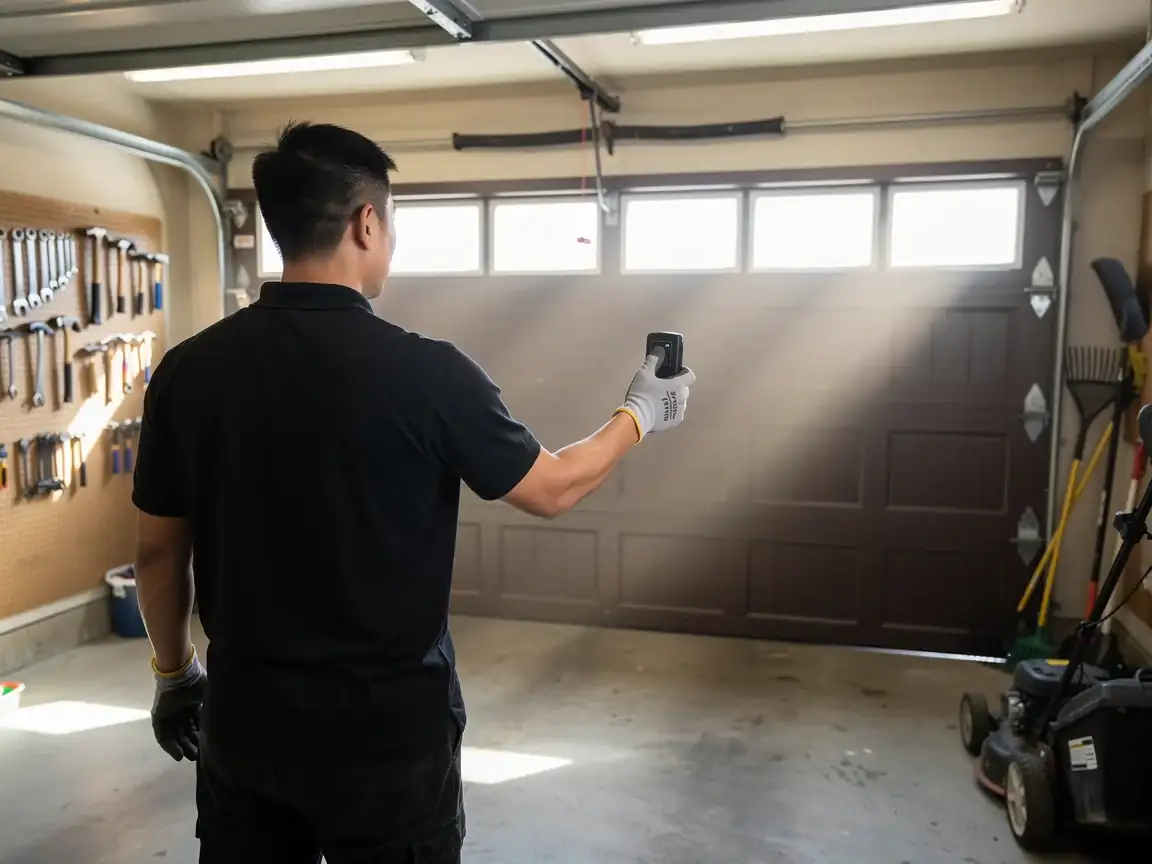
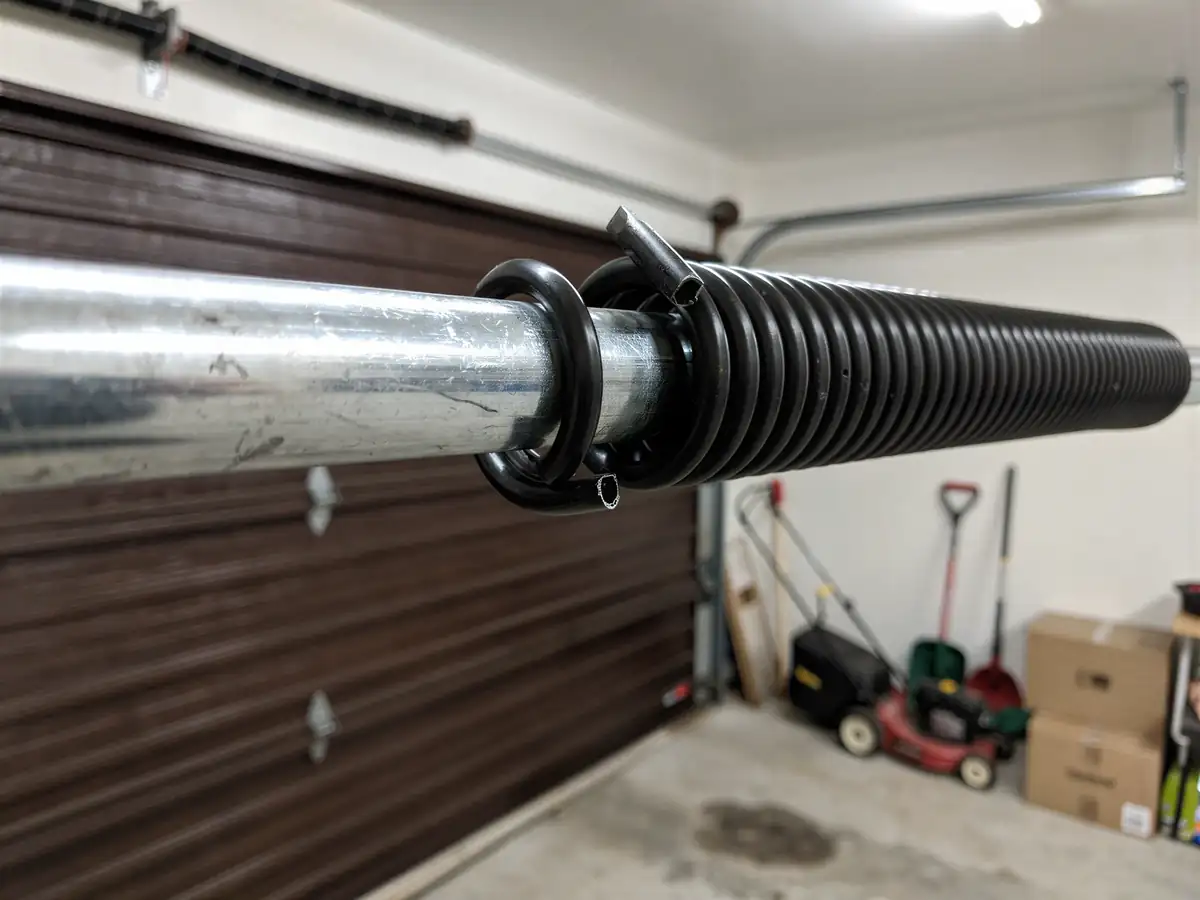
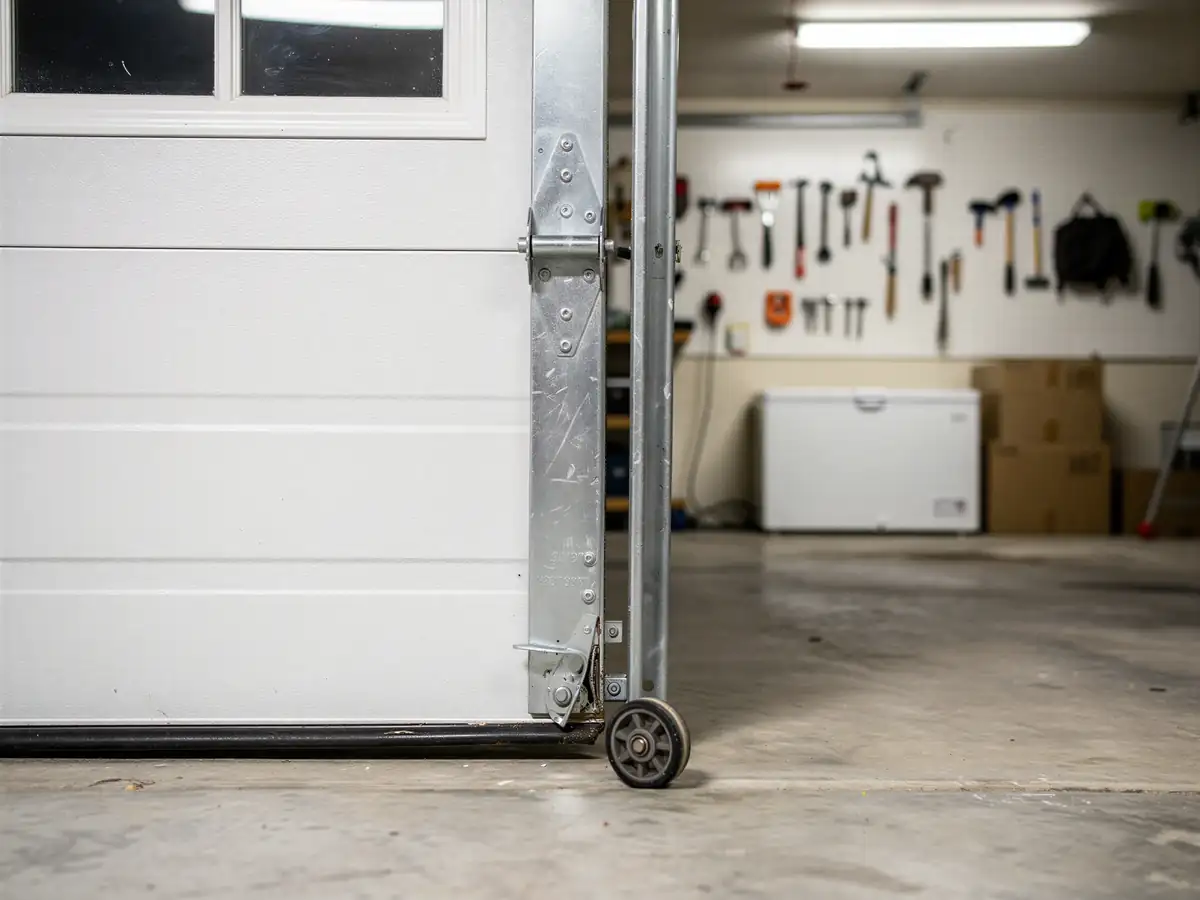
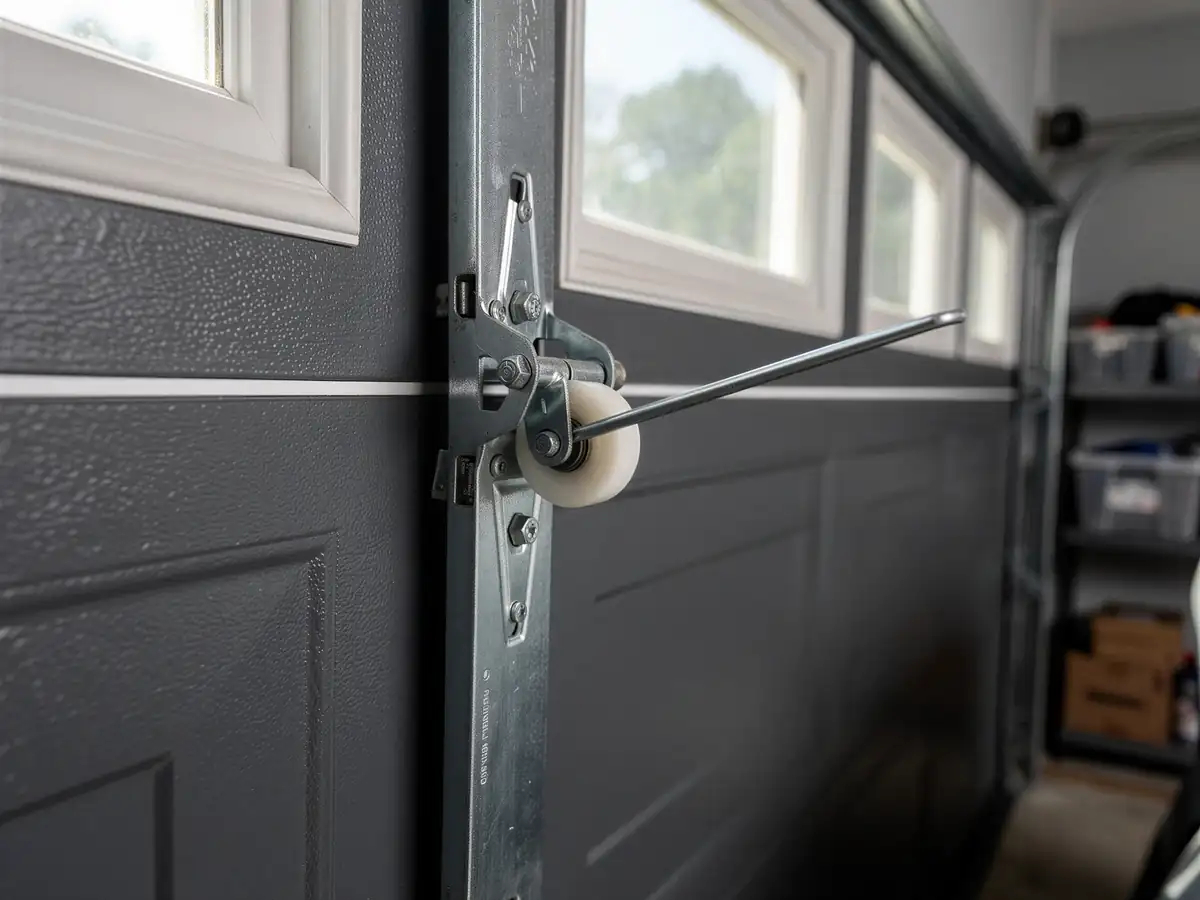
Most houses in the Hutto service area went up between 1957 and 2018, but the median build year sits at 1984, and the bulk of the stock is 1980s and 90s construction. That matters for noise because a torsion spring, a set of rollers, or an opener gear set installed when a house went up in that window is well past any reasonable service life now. A grinding sound usually means a roller with a worn bearing dragging through the track. A sharp pop or bang, especially right as the door starts moving, is almost always a spring under load that's about to let go or already has a strand separating on the cable. A rhythmic clunk once per rotation points at a flat spot on a roller or a bent section of track from years of the door riding slightly off-center. None of these sounds fix themselves, and none of them are the door "settling in" the way a new house does. On a door this old, the noise is the hardware telling you it's closer to the end of its cycle count than the beginning. Ignore the sound long enough and the part finishes failing on its own schedule, not yours, which is usually at the worst possible moment - loaded with the car half in or half out.
Doing Nothing For Now
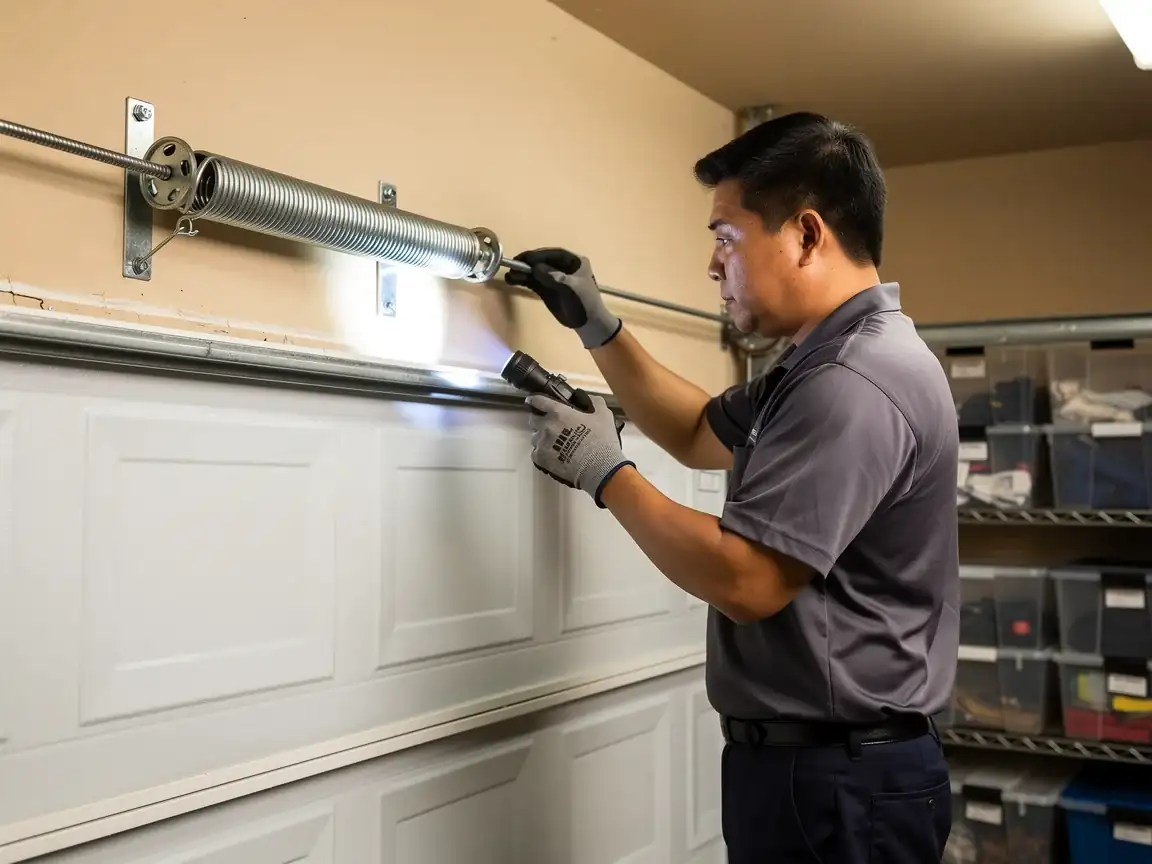
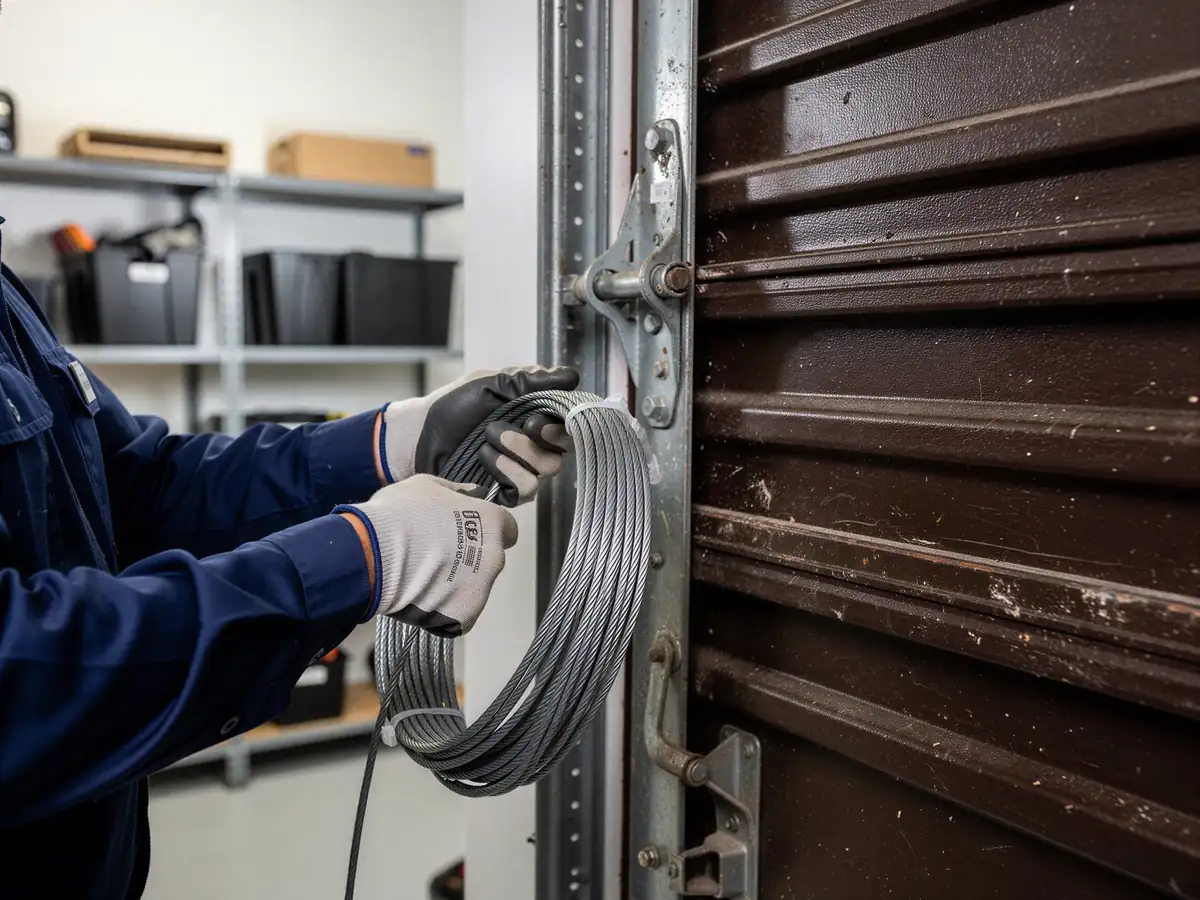
You can usually get another few weeks or months out of a noisy door if the sound is a dry roller or a loose bracket - tightening hardware and a shot of the right lubricant buys time. What you can't ride out safely is a spring that's started making noise under tension. A torsion spring on a 30-to-40-year-old door doesn't fail gracefully; it goes all at once, and when it does, the door either slams down uncontrolled or the opener strains against full weight until the opener itself burns out. Given that most of the doors we're called to in this area date to that same 1980s-90s build window, waiting on a spring noise is the single most common way a simple repair turns into a door off its tracks or a damaged opener. Cable fray is the other one that doesn't improve with time - a few visible strands today is a snapped cable next week, usually while the door is mid-cycle. If the noise is new and sharp rather than a slow squeak that's been there for months, that's the one not worth waiting on.
How Local Conditions Play In
Hutto sits in a mild climate band with only occasional freeze, not the repeated hard freeze-thaw swings that crack steel panels or shrink and re-expand weatherstripping season after season. That's good news for the door skin itself - you're not fighting the kind of metal fatigue that shows up in areas with real winters. But it doesn't mean the climate plays no role. Grease and lubricant on torsion springs and rollers thickens on the handful of genuinely cold mornings each year, and that's often when a marginal spring or a dry roller finally announces itself with a groan it wasn't making in warmer weather. Combine that with housing stock that's mostly 1980s and 90s vintage, and the pattern we see is springs and rollers going noisy in the cooler stretches even though the metal itself isn't under the stress a true freeze-thaw climate would put on it. The noise is less about the door fighting the weather and more about aging hardware meeting the one or two weeks a year it has to work a little harder.