What Causes It Around Here
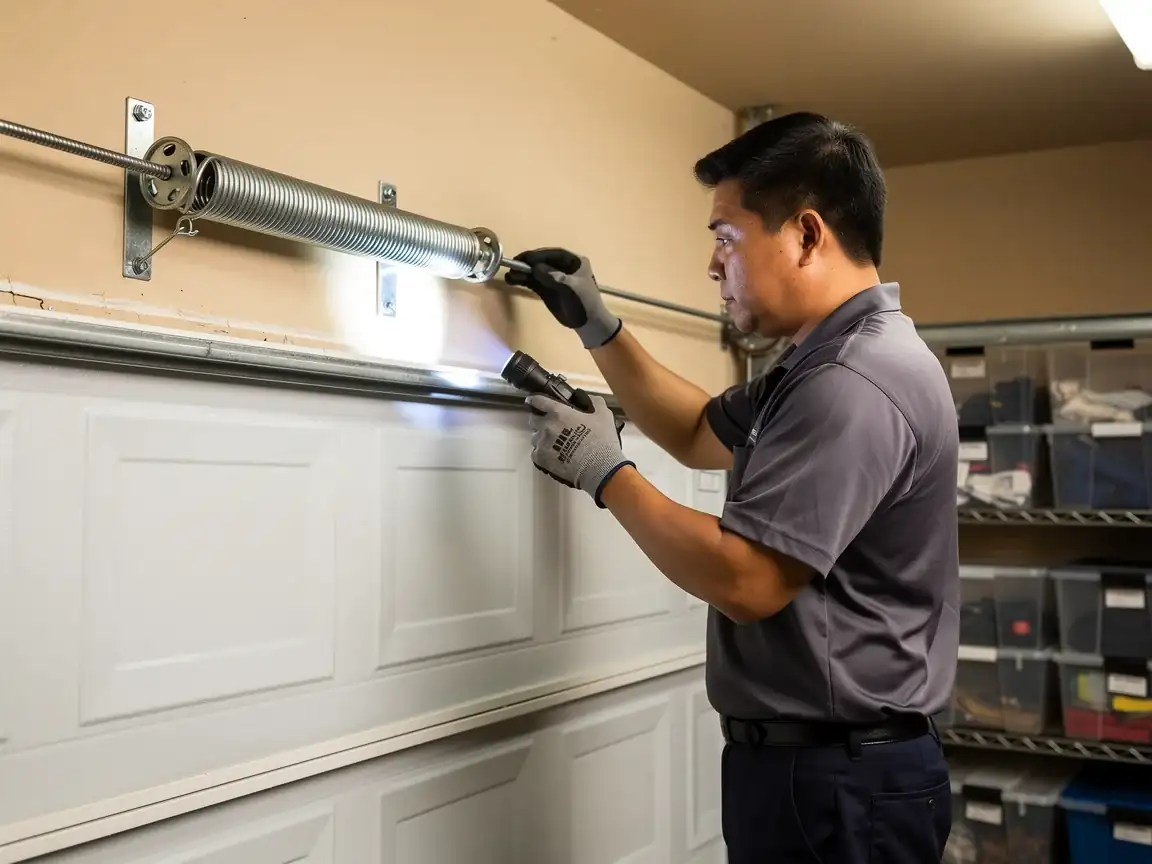
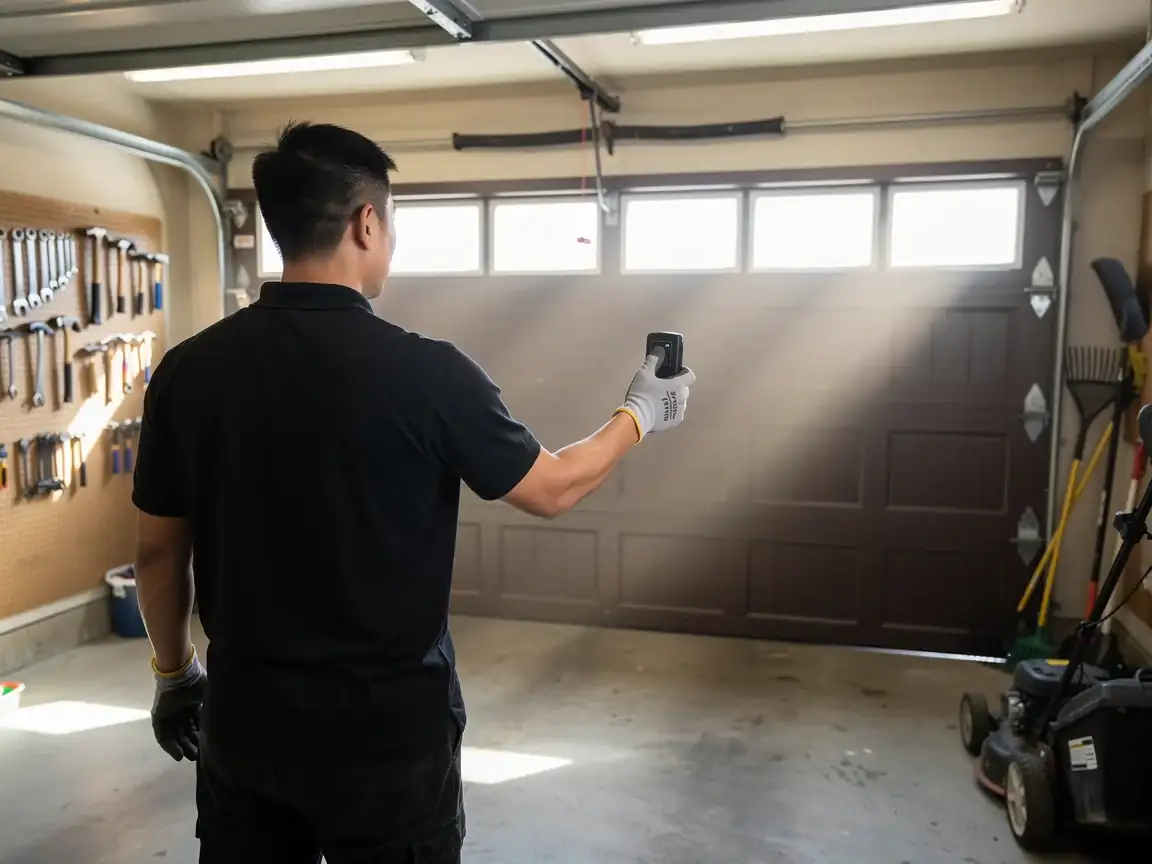
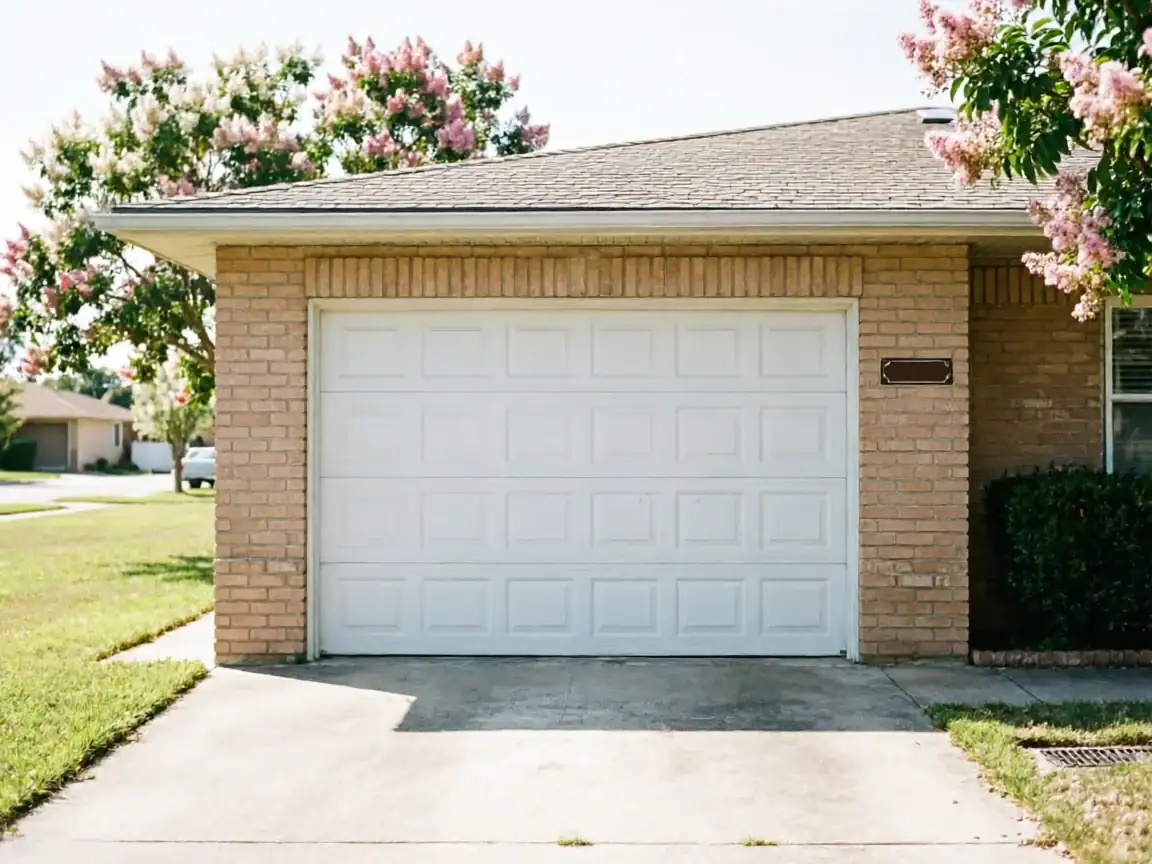
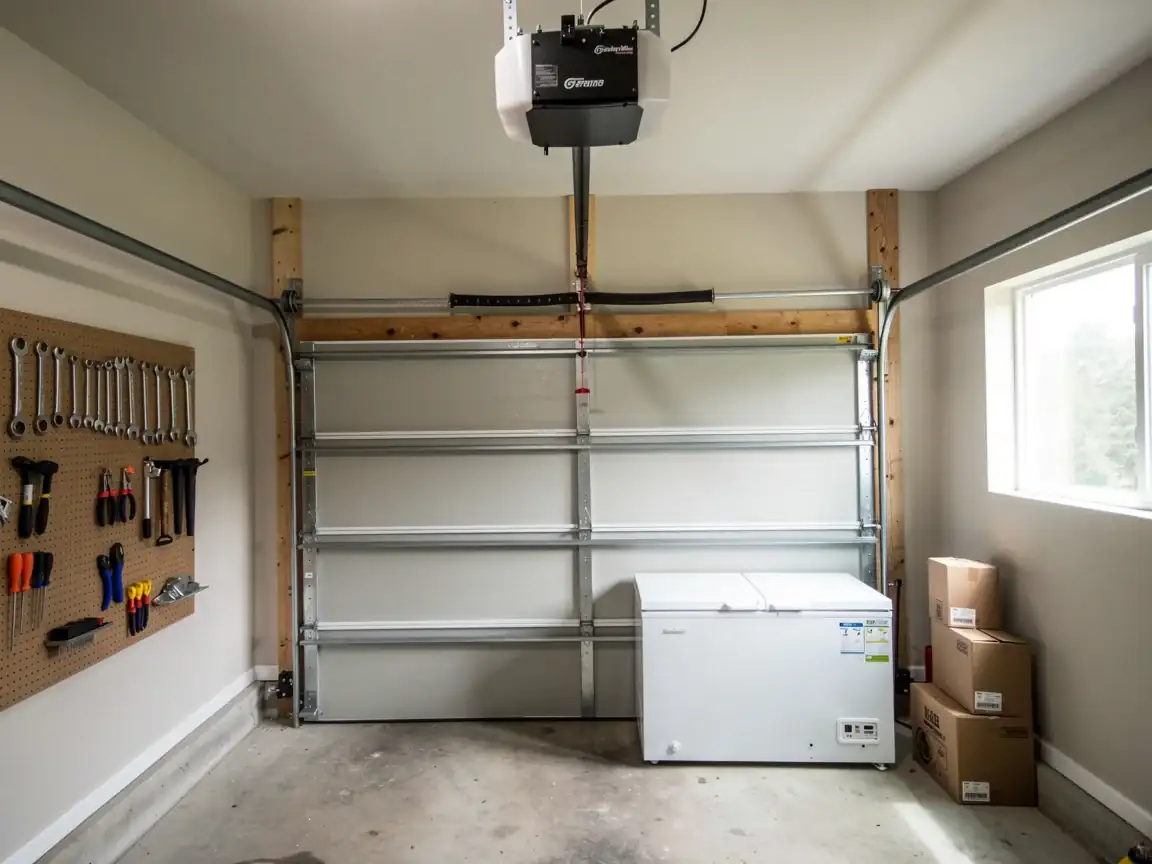
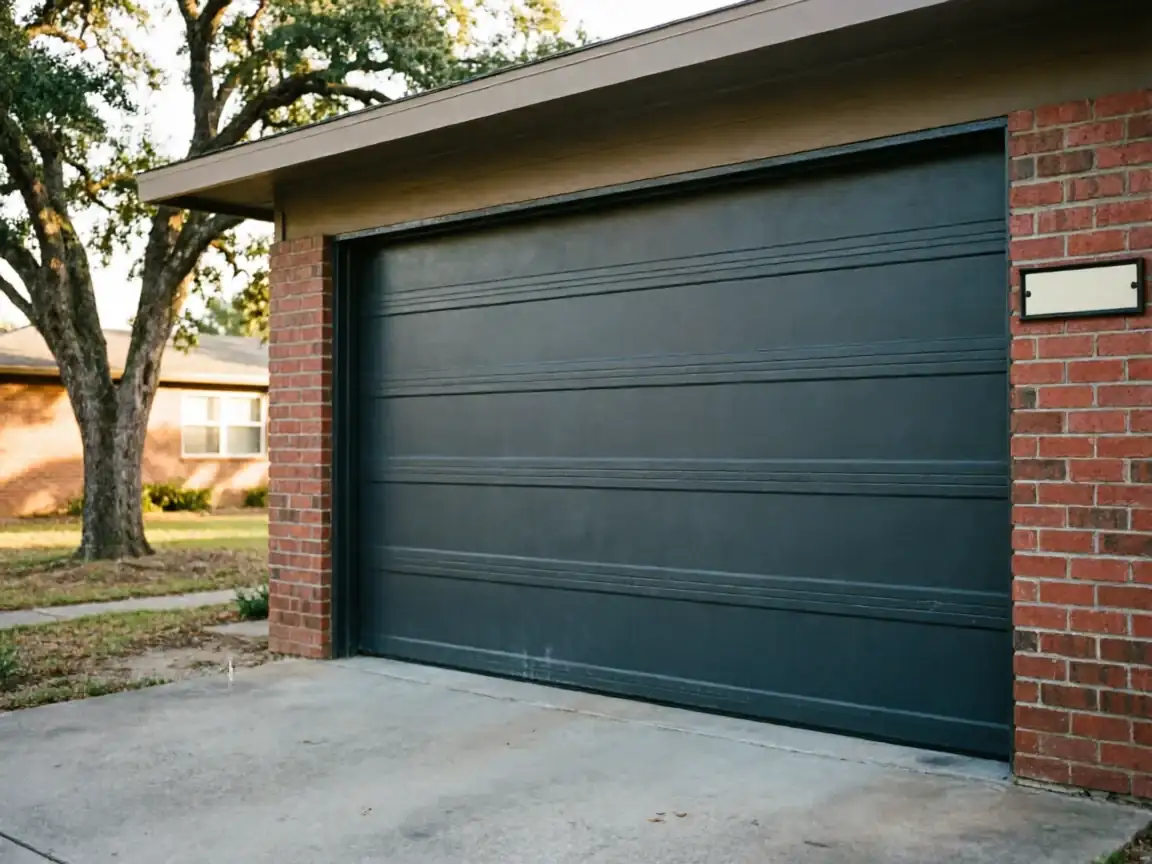
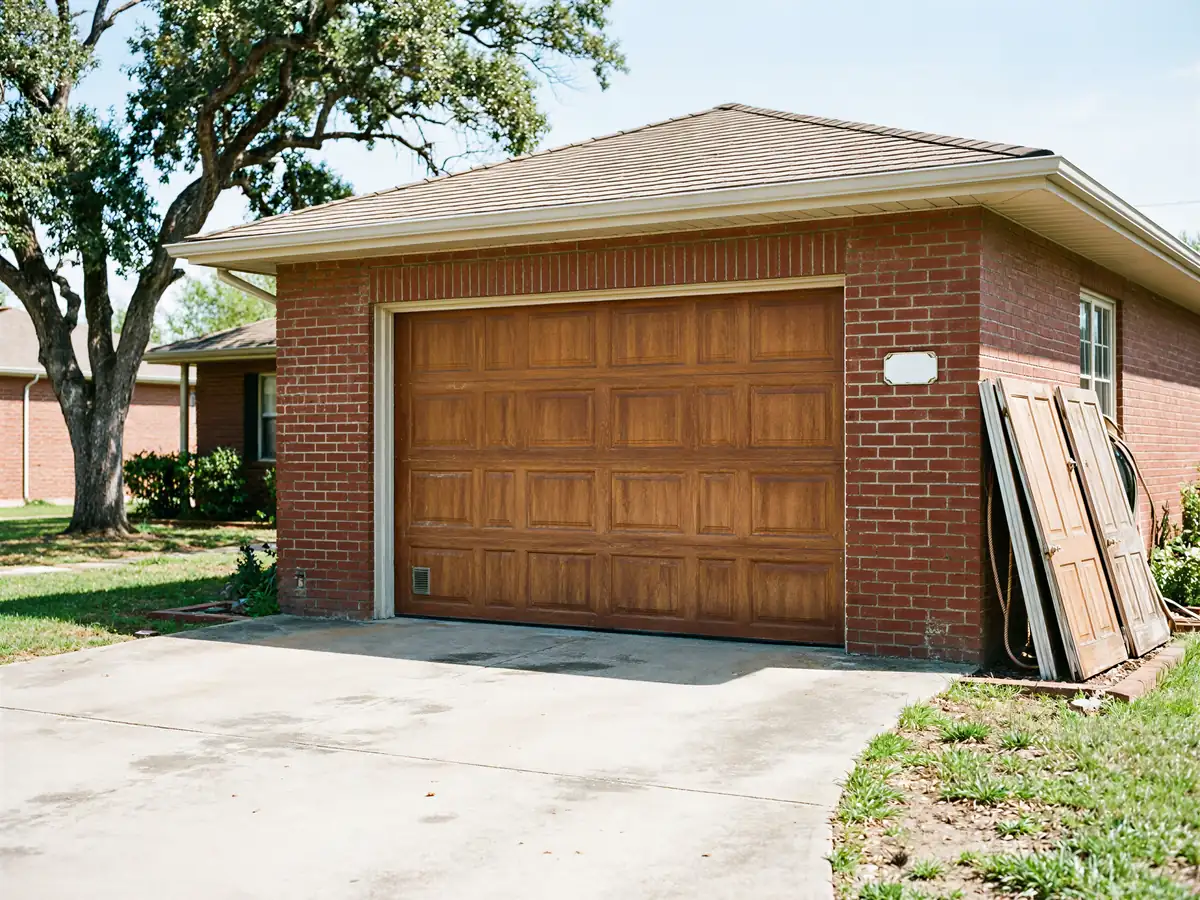
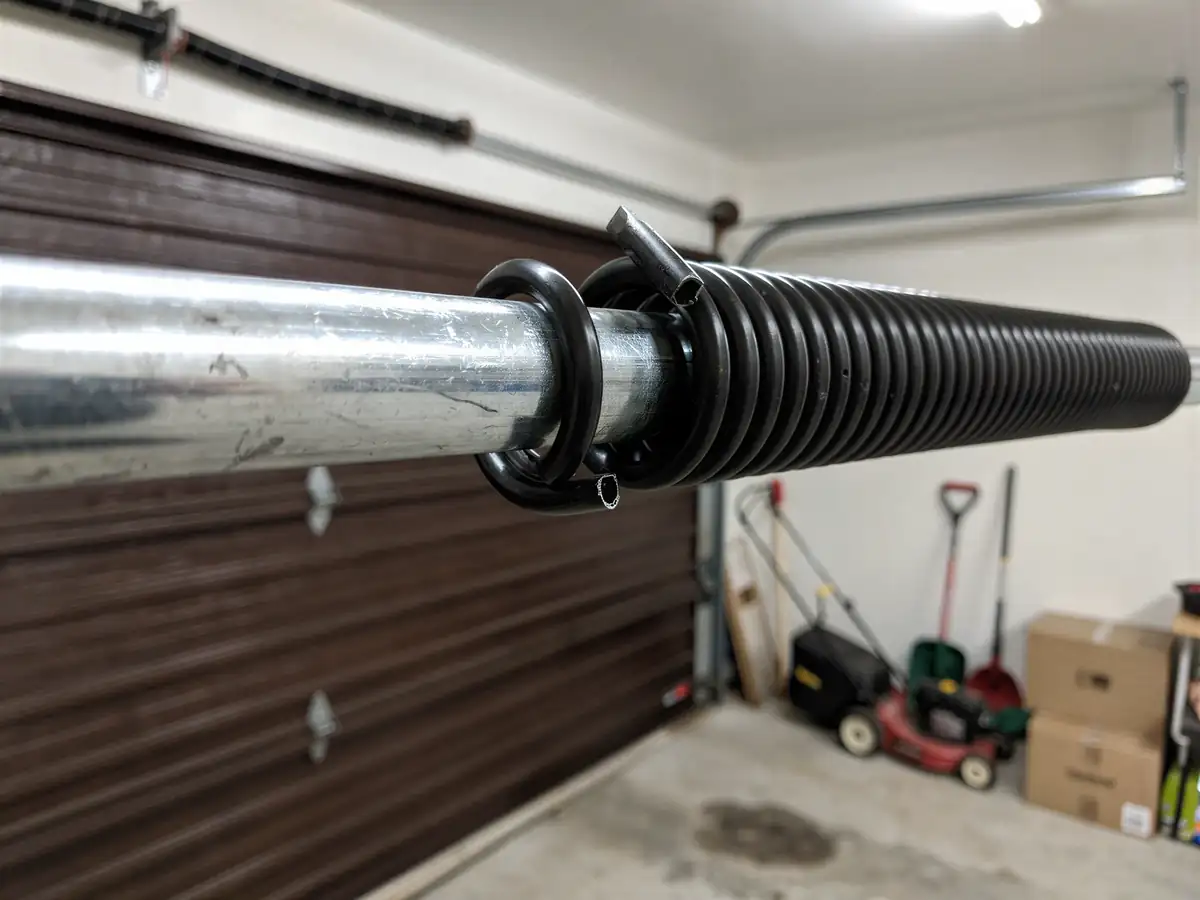
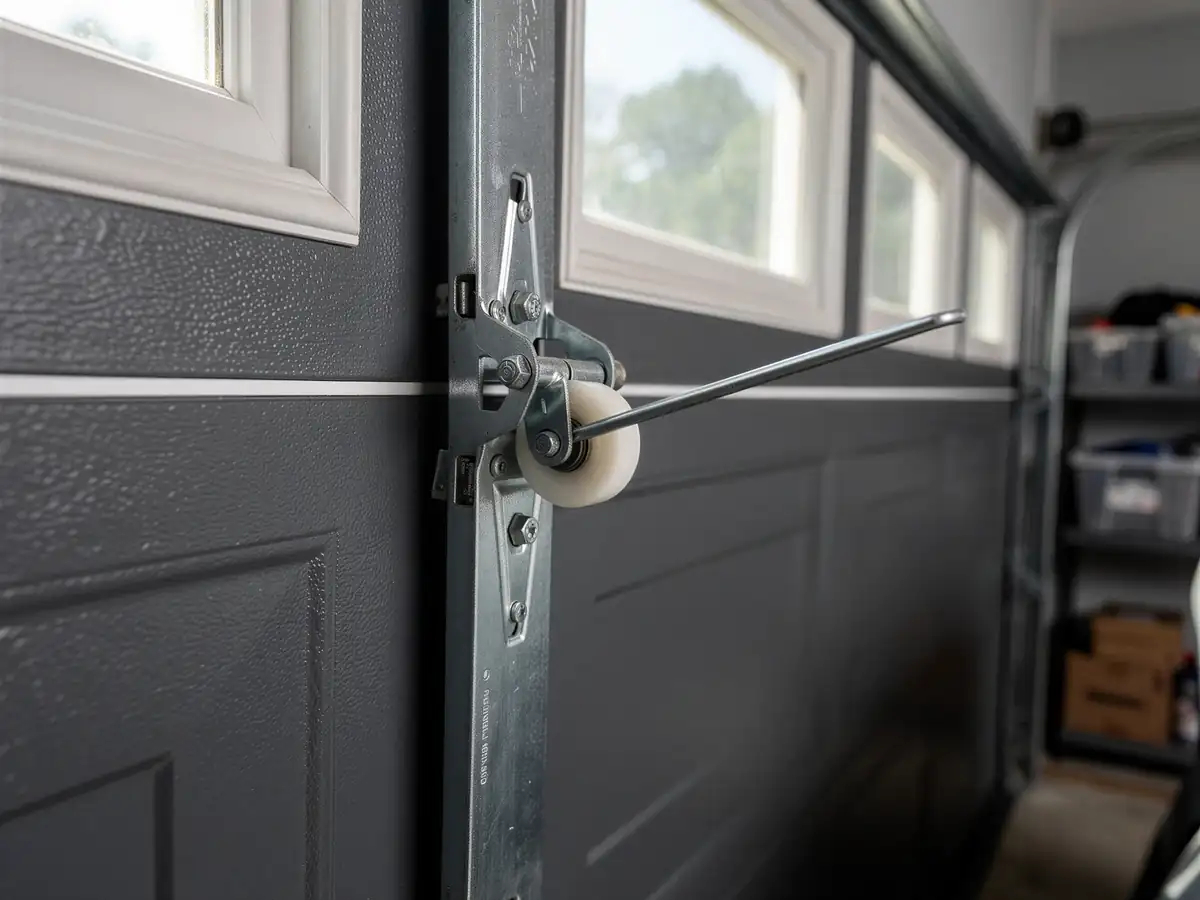
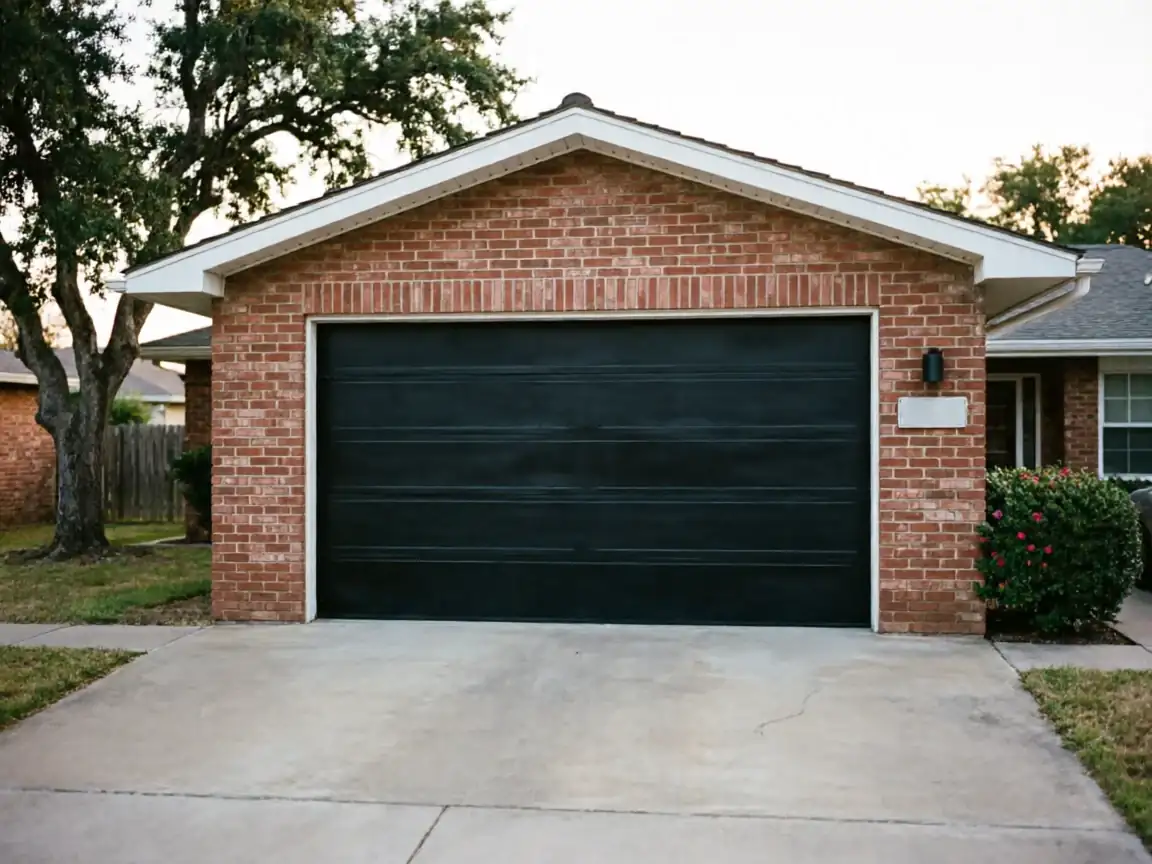
The median home in Elgin went up around 1979, which puts a good share of its garage doors a full decade ahead of what you'll find on the newer streets closer to Hutto. A door that age is almost always a single-layer steel panel, no foam backing, hung on a standard 16x7 or 9x7 frame. Those doors ride on hardware that was never meant to last fifty years without attention - extension springs mounted on each side of the track instead of a single torsion spring overhead, and steel rollers instead of nylon. By now the springs have usually stretched past spec, and the roller brackets have worked their holes wider from decades of vibration. That combination is why you hear a door that bangs or jerks partway up instead of gliding. It's also why a repair here sometimes means sourcing parts for a mounting style that newer doors don't use at all - extension spring kits aren't sitting on every truck the way torsion springs are. We carry what we can, but if a bracket or a specific extension spring is out of stock, that's a day or two wait, not a same-visit fix.
The DIY Question
An extension spring under tension will put you in the hospital if it lets go while you're working near it, and that's the honest reason this isn't a weekend project for most people. Replacing rollers or tightening a bracket is manageable if you know what you're looking at. Swapping a spring, realigning a track that's pulled from the jamb, or diagnosing why an old opener is binding on worn hardware is a different level of risk, and the parts for a 1970s-era door aren't always the ones on the shelf at the hardware store. If you're not sure which side of that line your job falls on, it's worth a call before you start pulling things apart.
How Long You Are Without the Door
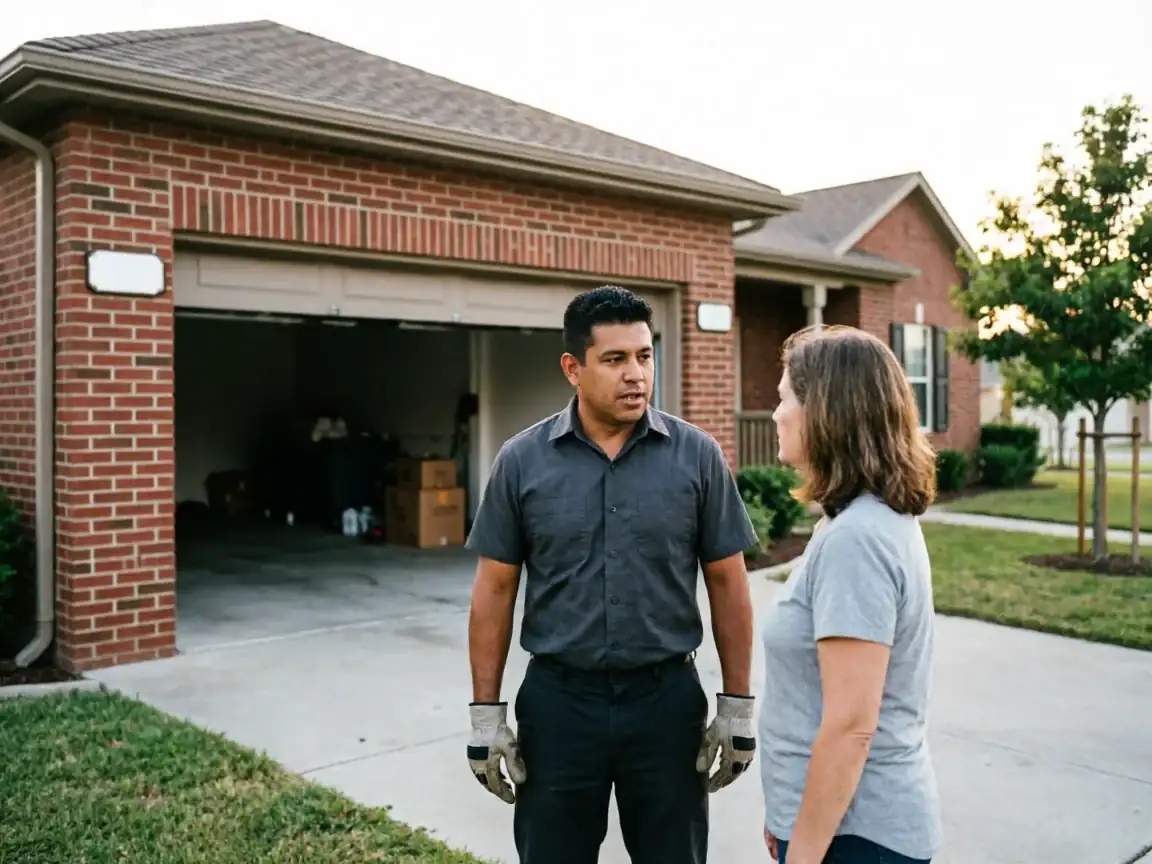
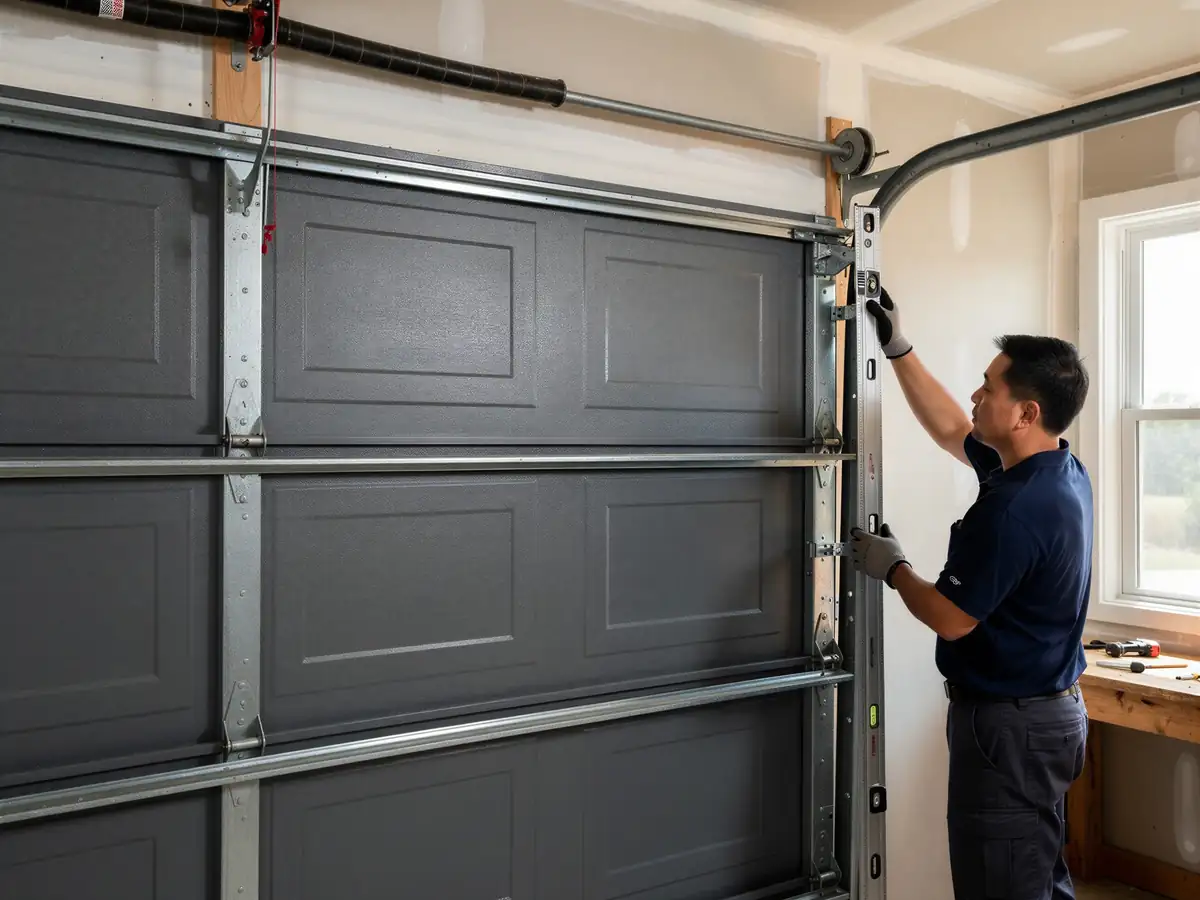
A straightforward spring or roller swap on a door of this age is usually done the same visit once the right parts are on the truck. Where it stretches out is when a bracket needs a part we don't stock for an older extension-spring setup, or when the track itself is bent enough that it needs to be ordered rather than straightened. We'll tell you on site which one you're looking at - we're not going to guess over the phone and have you wait around for a part that isn't coming.
Where This Job Goes Sideways
The job goes sideways when someone's already tried to fix it. We've seen extension springs rehung with the wrong hook length, or a replacement roller jammed into a track that's actually bent, which just moves the noise somewhere else instead of fixing it. On a door built when Elgin's housing stock was going up, there's also the question of whether the wood jamb the track is bolted to has held up - fifty-odd years of a Texas mild-freeze climate with occasional hard cold snaps puts stress on fasteners that newer construction doesn't deal with the same way. If the jamb has rotted or pulled loose, that's carpentry, not garage door work, and we'll say so rather than bolt a new track to wood that won't hold it.