What Causes It Around Here
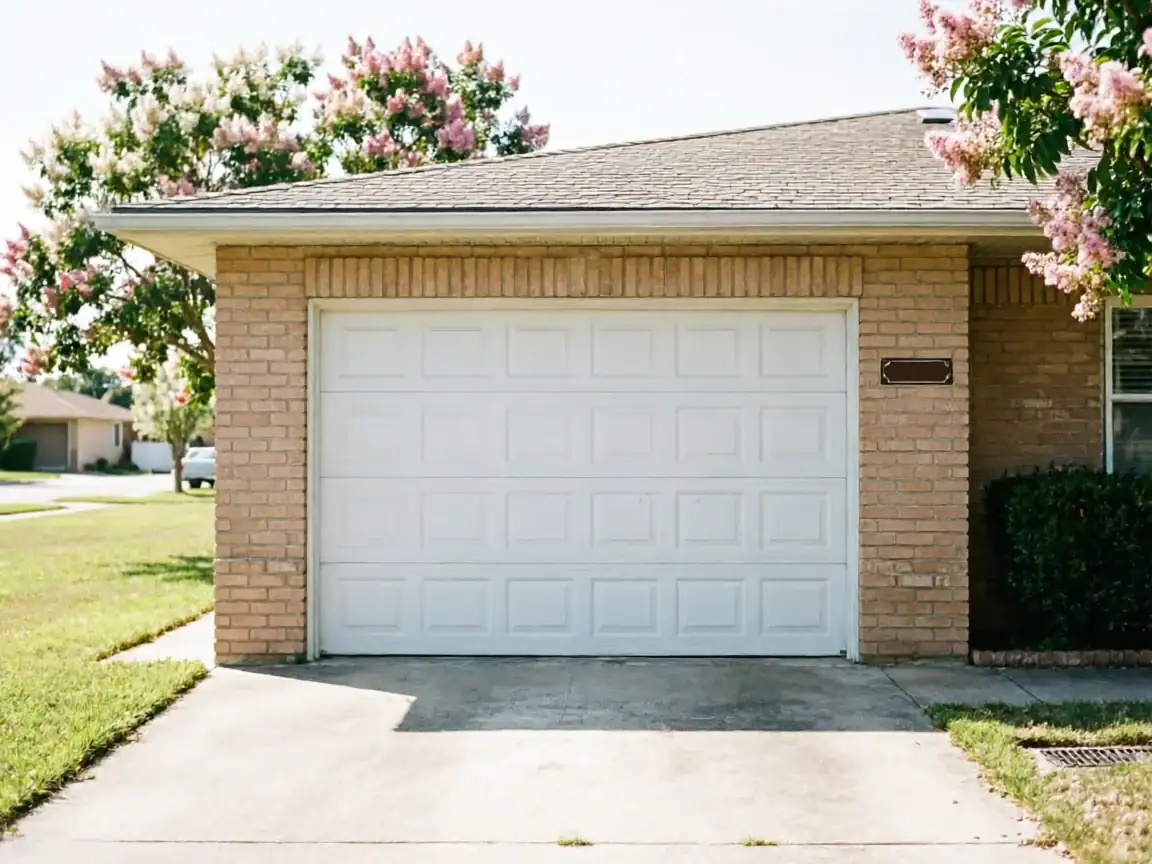
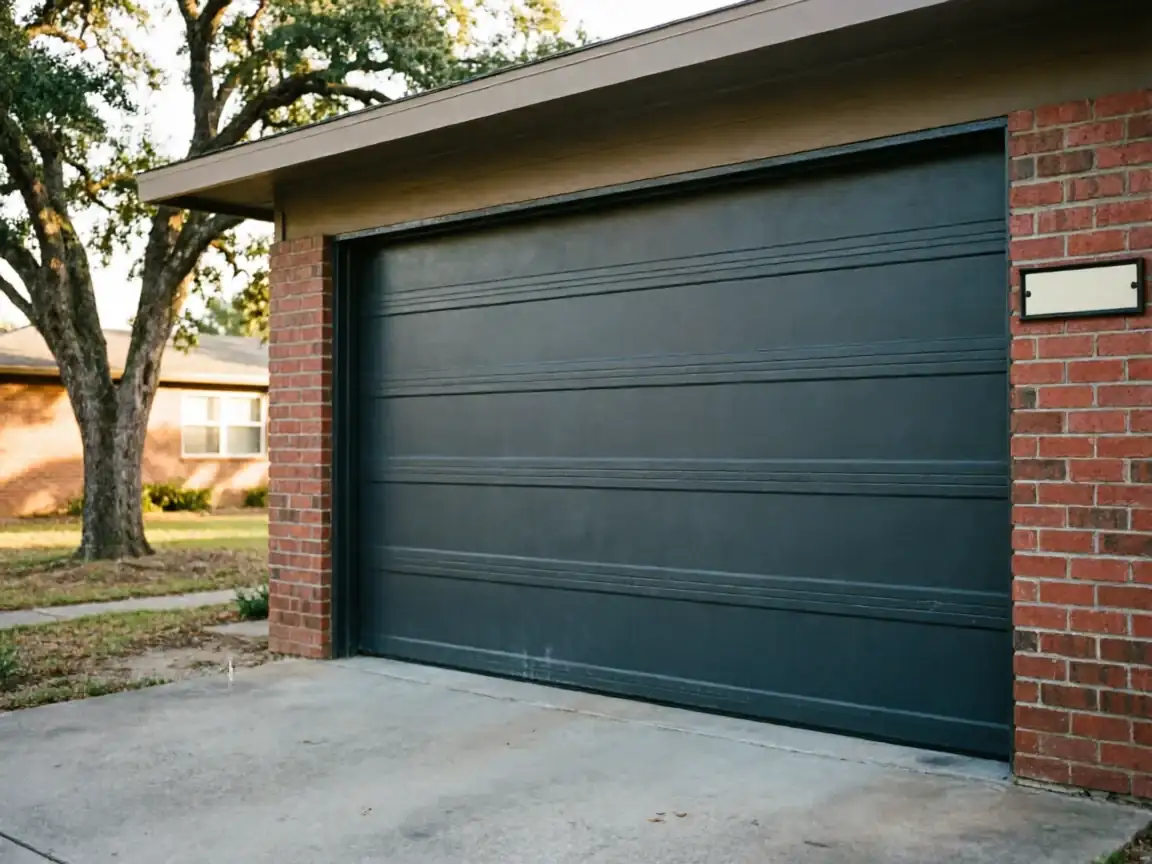
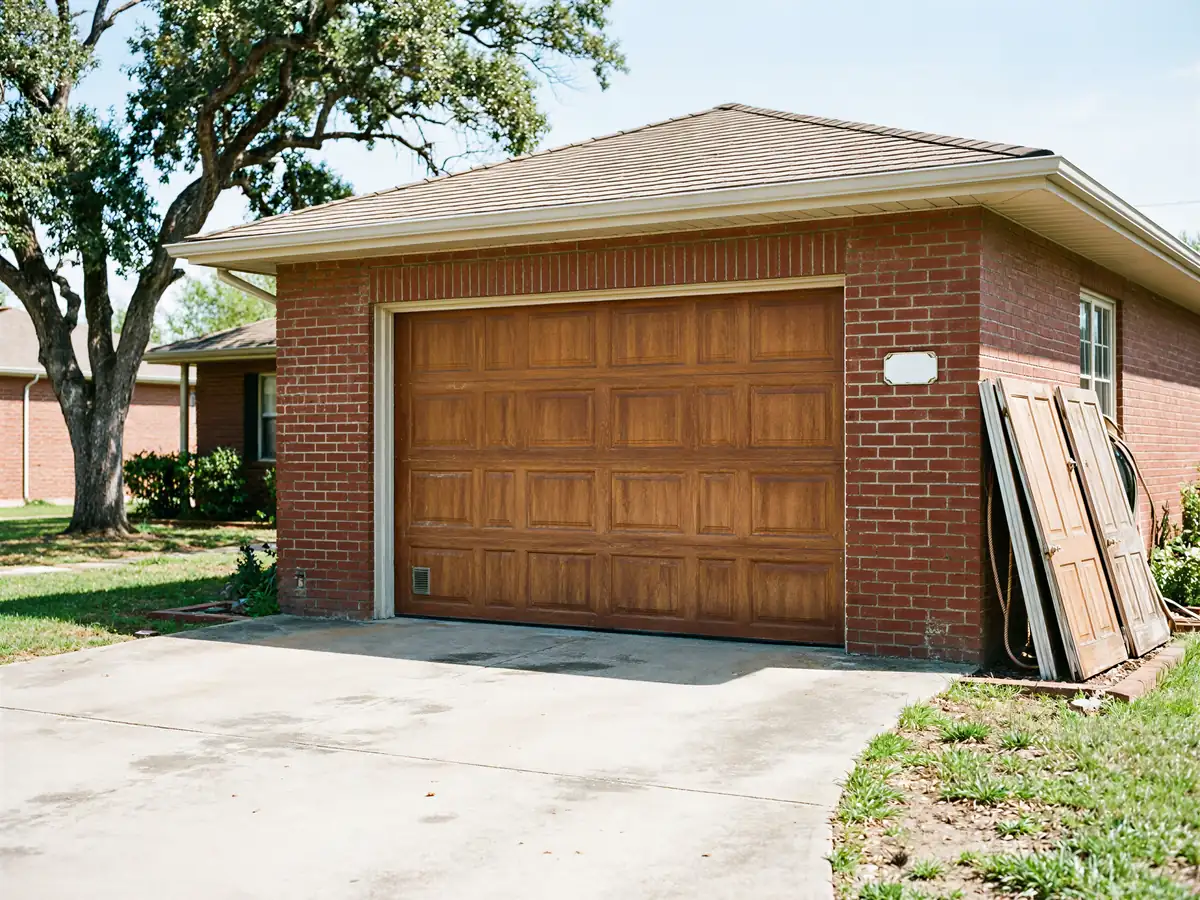
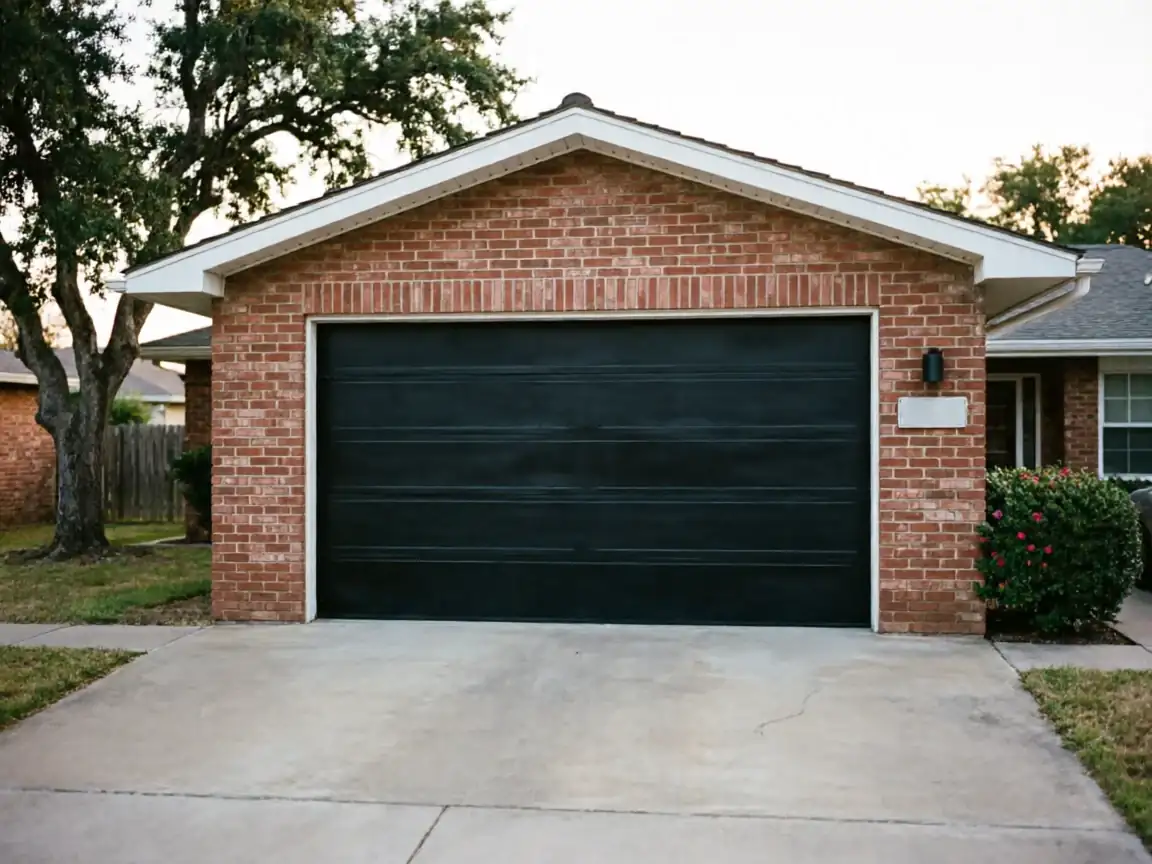
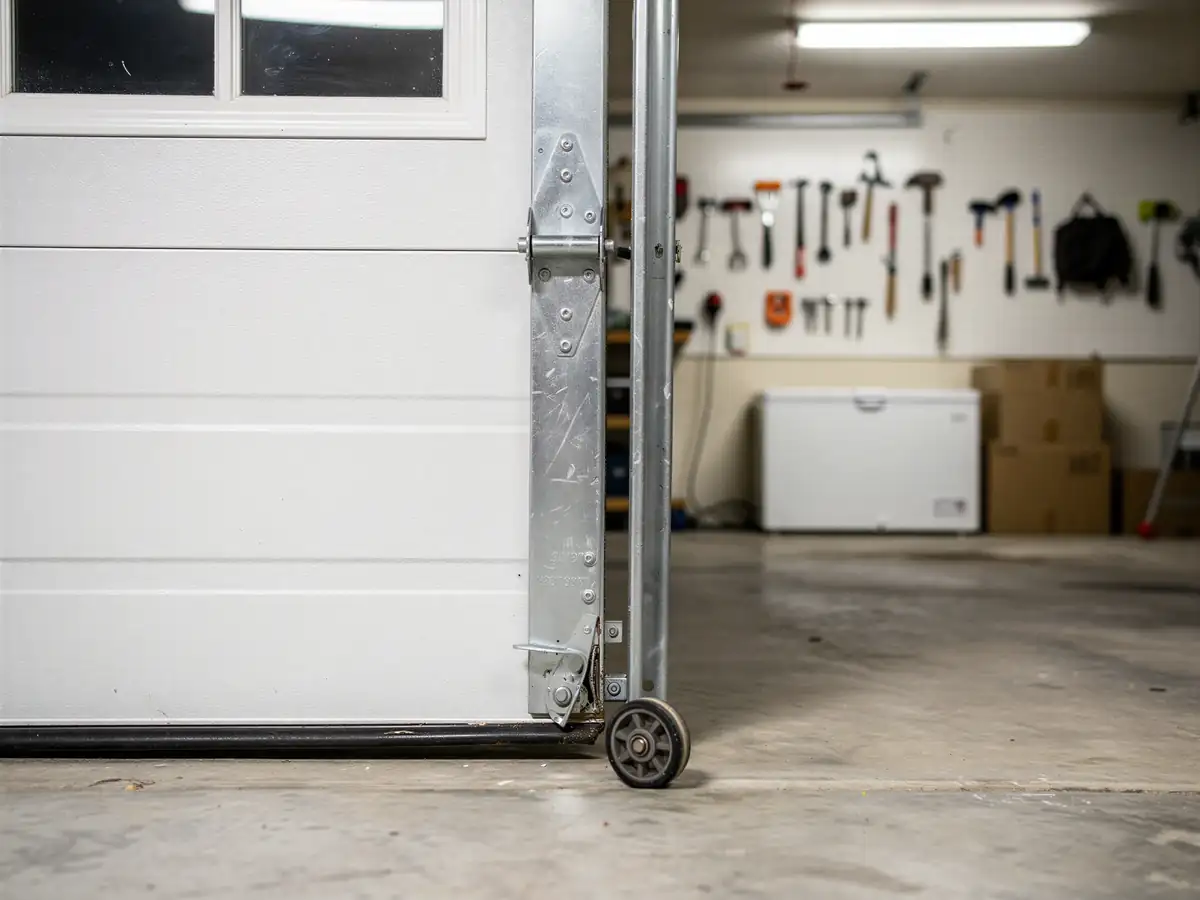
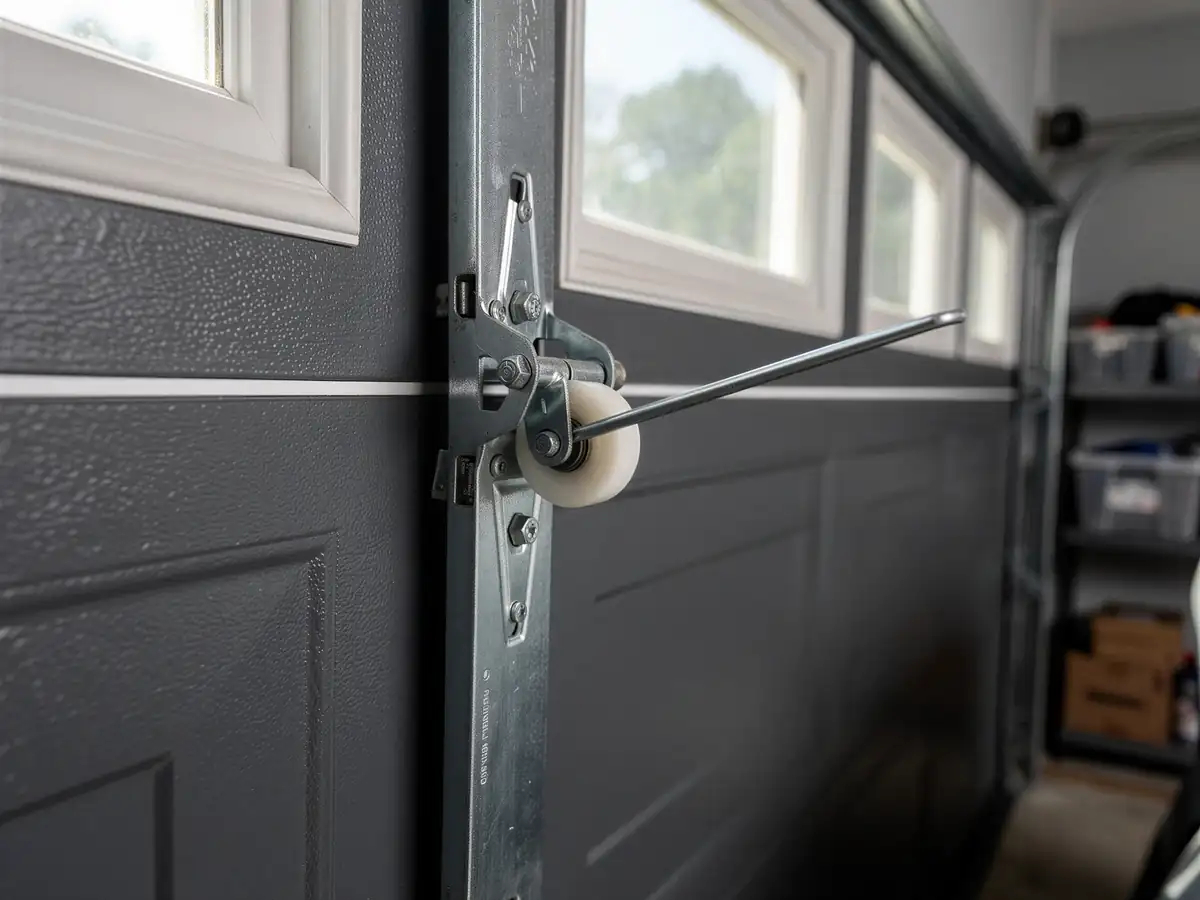
Elgin sits about 16 miles out from Hutto, and the houses here skew a bit older than the rest of the area we cover. Median build year across our service territory runs 1984, but Elgin's own housing stock centers closer to 1979. A few years doesn't sound like much until you're looking at the rollers themselves - doors from that stretch of the late 70s and early 80s were built with steel rollers on steel track more often than the nylon-on-aluminum combos that showed up as the 80s wore on. Steel rollers don't flex. They ride hard, they wear the track unevenly over time, and they're louder from day one, which means a homeowner here often can't tell by ear alone whether a roller is actually failing or just original equipment doing what it's always done. That's the first thing we sort out on a call in Elgin - whether the noise is the door's age talking, or a roller that's actually cracked, chipped, or riding off true. Houses built in this window also tend to have shorter track runs and lower headroom than the newer construction you'd see closer in, which matters for what roller size and stem length actually fits.
The DIY Question
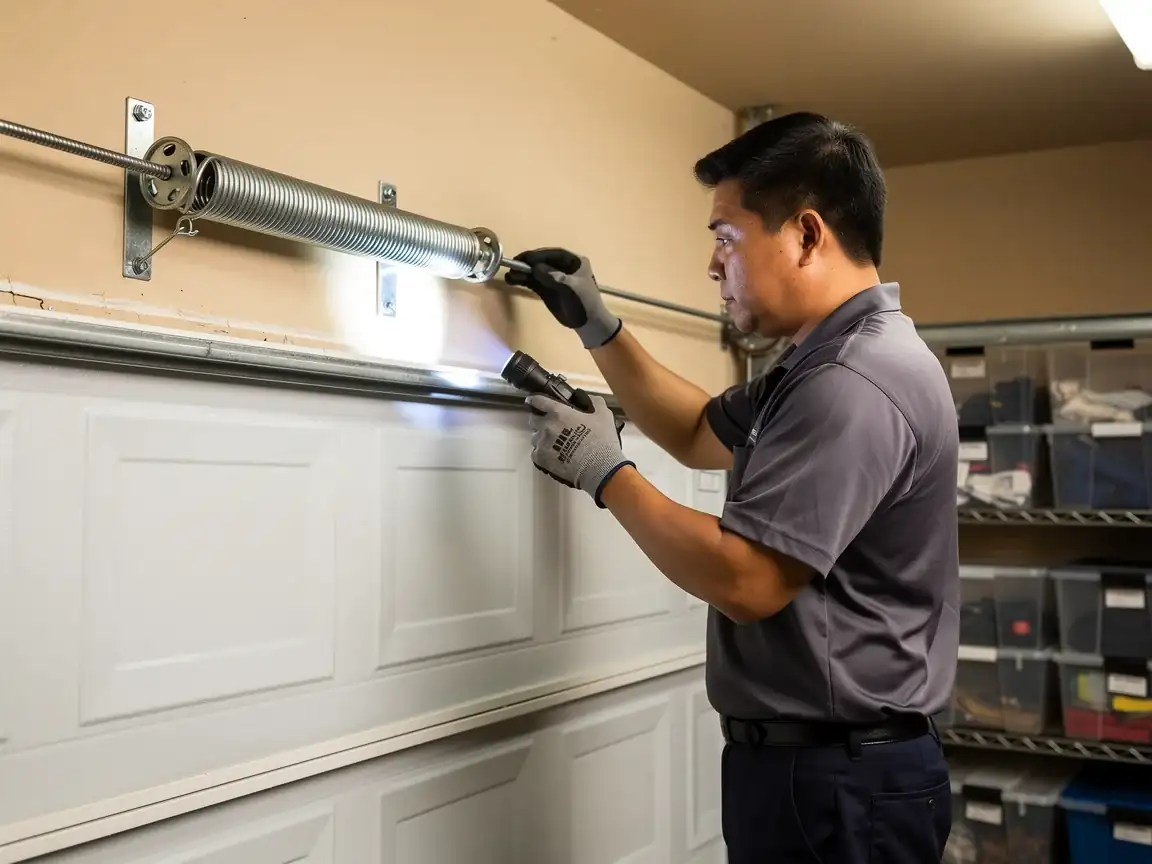
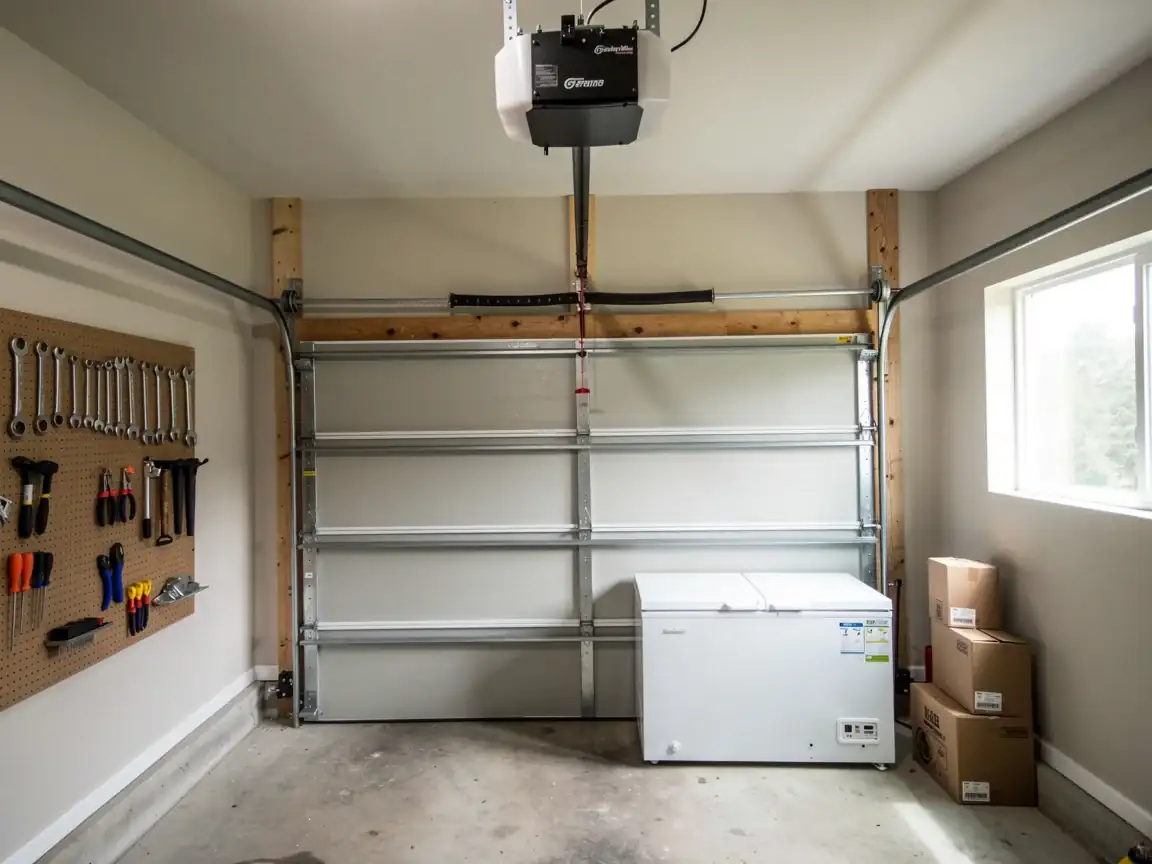
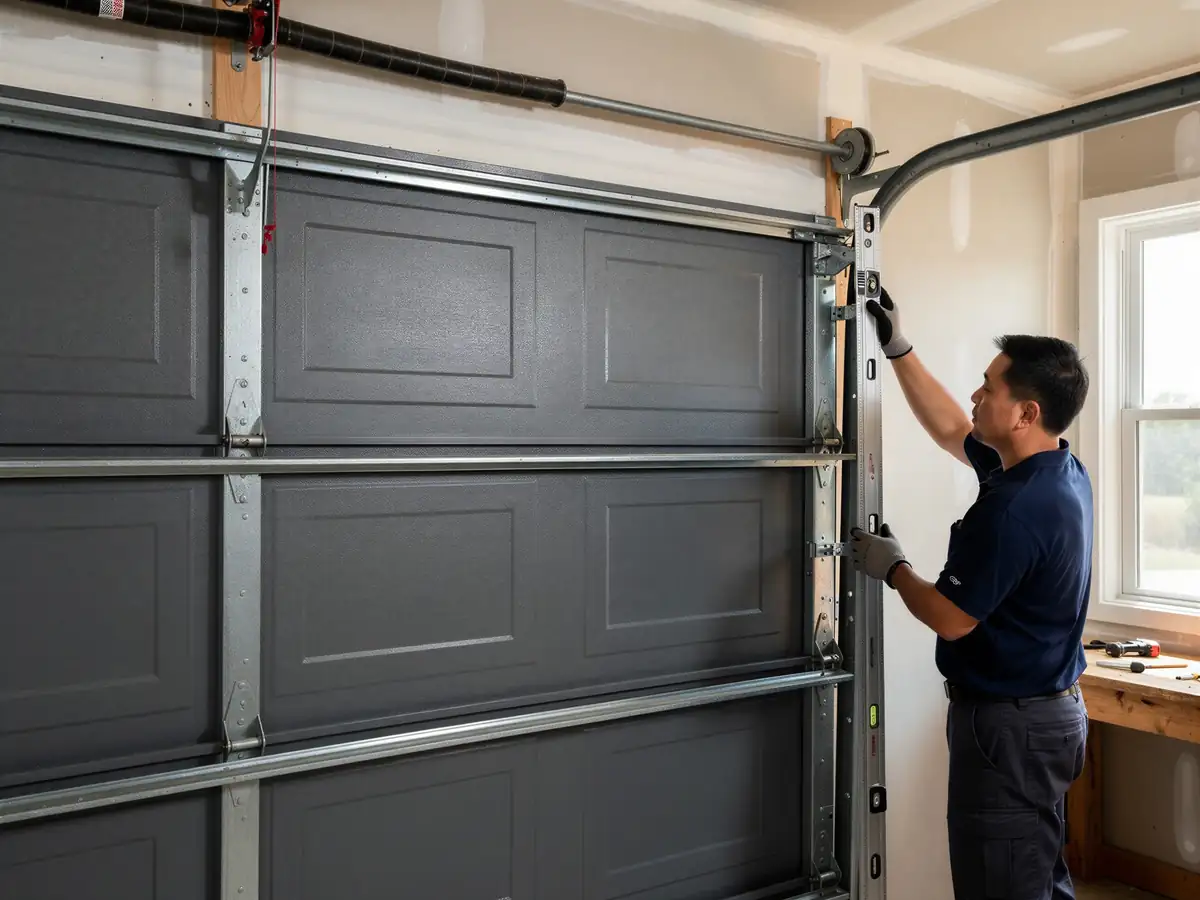
Swapping a single roller on a door that's still basically square and running true is a job a patient homeowner can do with the right clamps and a little caution around the cable. We won't pretend otherwise. Where it stops being a weekend job is when more than two or three rollers on one side are gone at once, which is common on a door built in 1979 that's never had a roller touched - at that point the track itself is usually worn to match the bad rollers, and swapping rollers into a track that's already egg-shaped just means you're back at it in a year. If the door is off its track, or a cable's come off a drum, that's not a roller job anymore and it's not a safe one to start without the right bars and clamps on a wound spring.
How Long You Are Without the Door
We travel from Hutto to reach Elgin, so timing on the day depends on the drive and the rest of the route that day, not on anything specific to this suburb. Once a tech is on site, a standard roller set on a residential double door is a same-visit job - there's no part here that needs ordering ahead for a normal 7-foot or 8-foot door. Where it stretches is a non-standard track width or a very old low-headroom setup, which sometimes needs a roller stem length we don't carry on the truck as a default and have to source.
Where This Job Goes Sideways
The job goes wrong when a roller replacement gets treated as the whole fix on a door where the track is actually bent or the hinges are stretched out - swap the rollers, and the door still binds in the same spot a month later because the real problem was never the roller. It also goes sideways on these older Elgin doors when someone tries to pull a roller out of a bottom bracket that's also holding a cable under spring tension; that's the one point on this job that's genuinely dangerous to get wrong, and it's where we tell homeowners flatly not to proceed solo. Honest limitation: if your track is warped or the door's out of square from age, roller replacement alone won't hold - we'll say so rather than sell a roller set that doesn't fix the actual problem.