How We Fix It
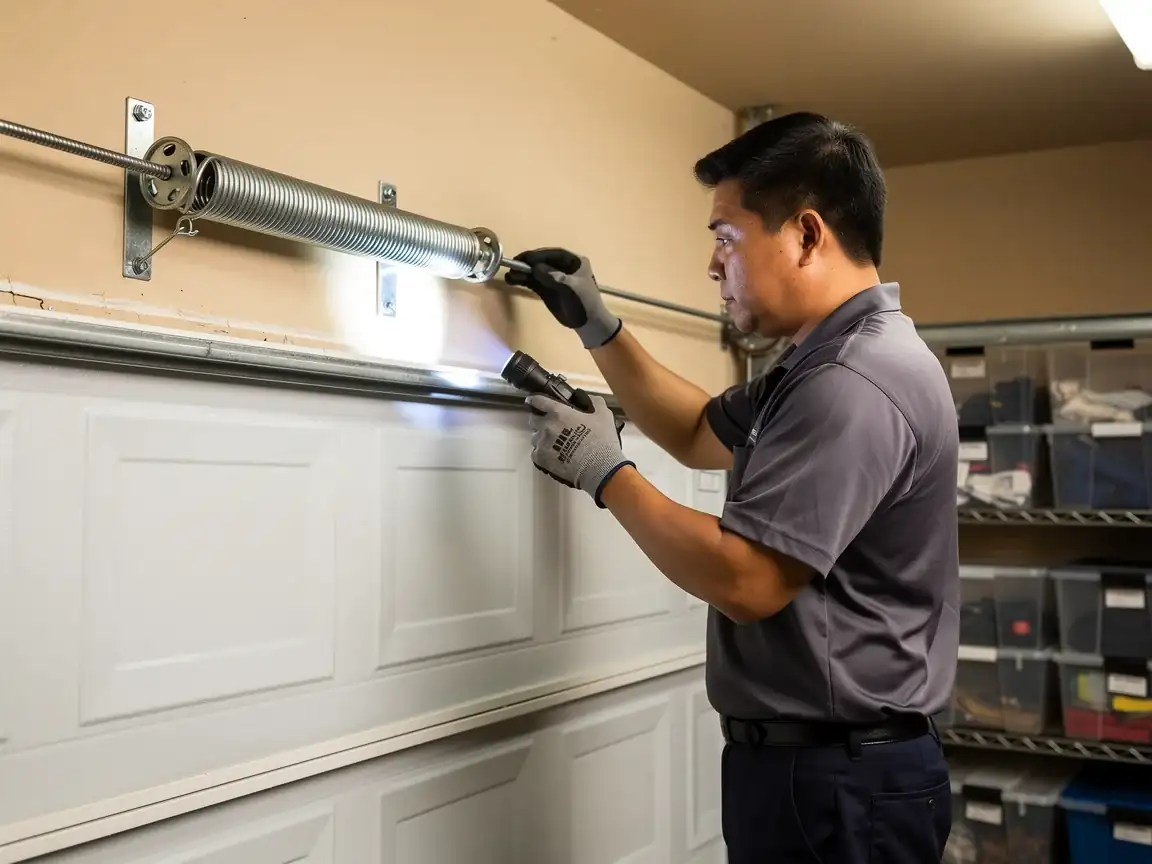
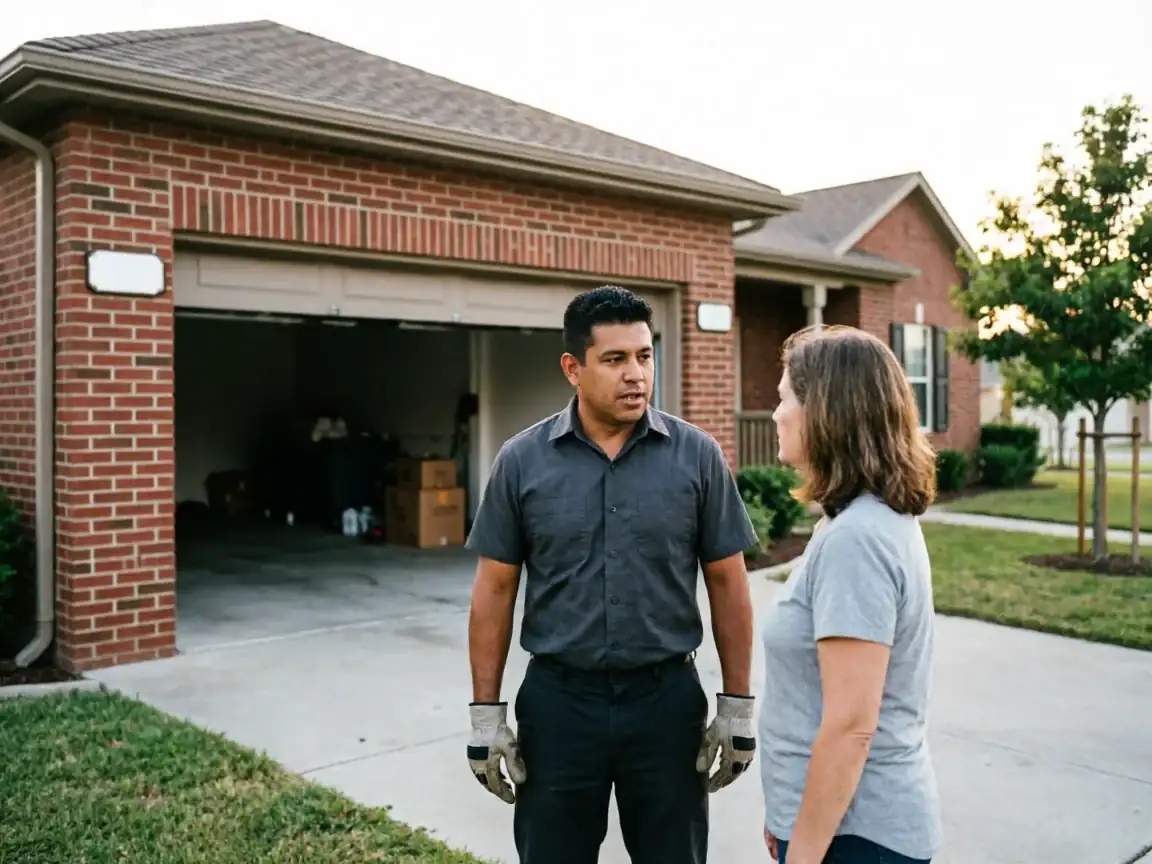
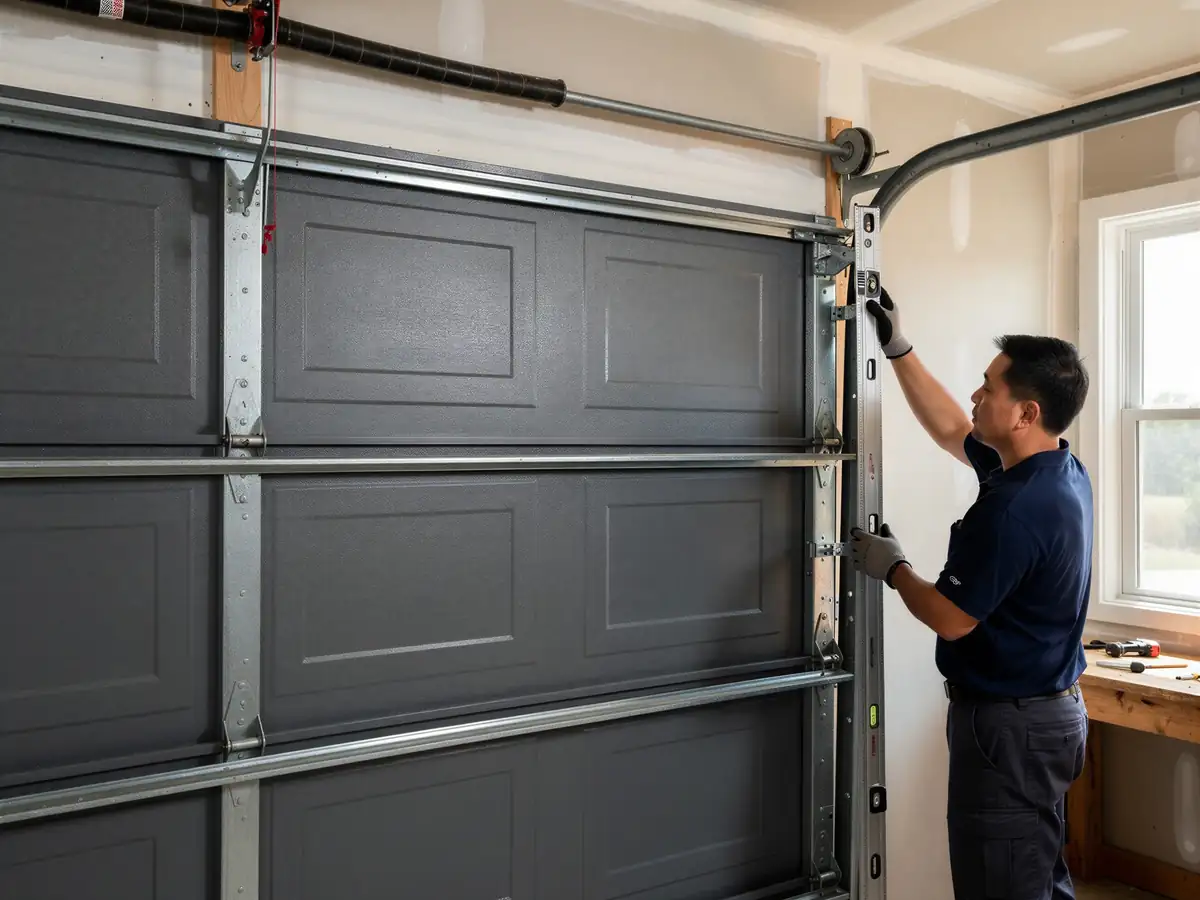
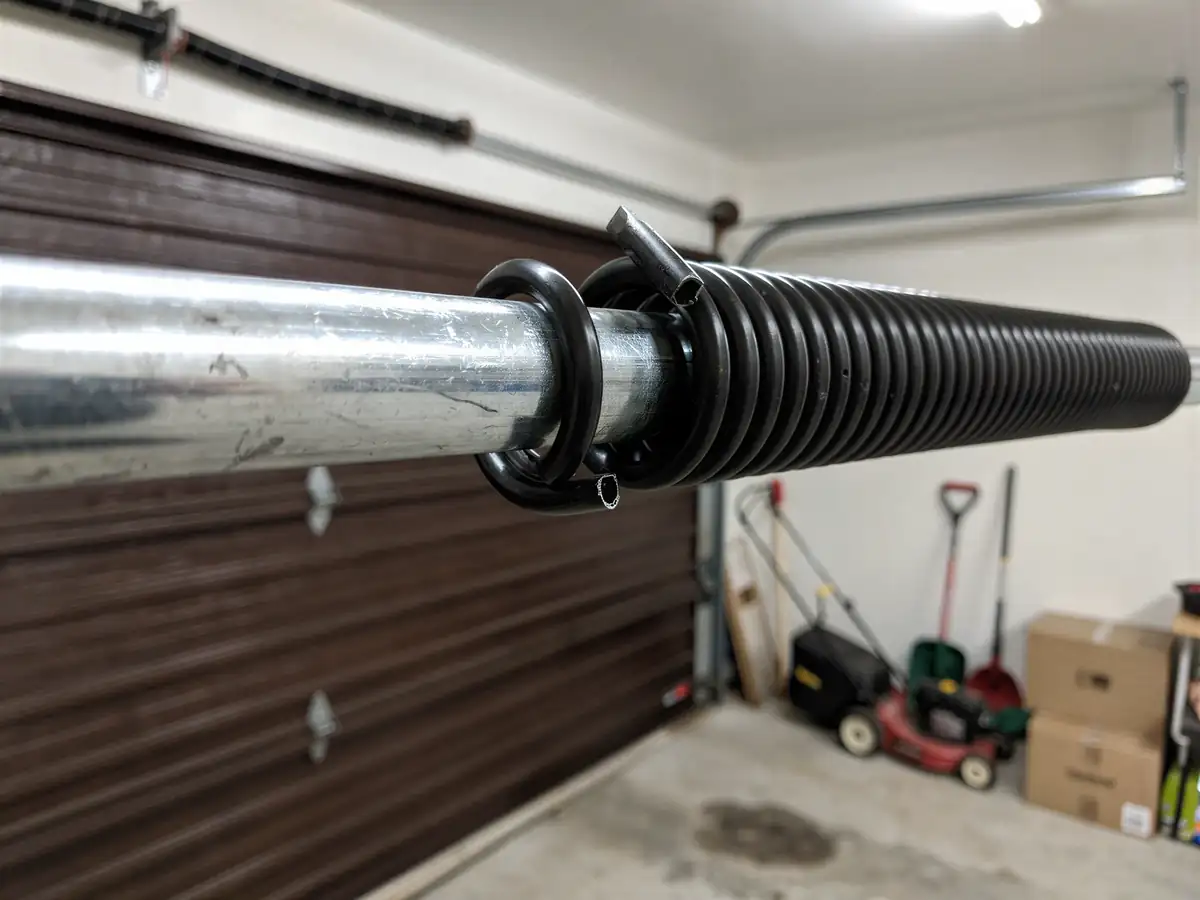
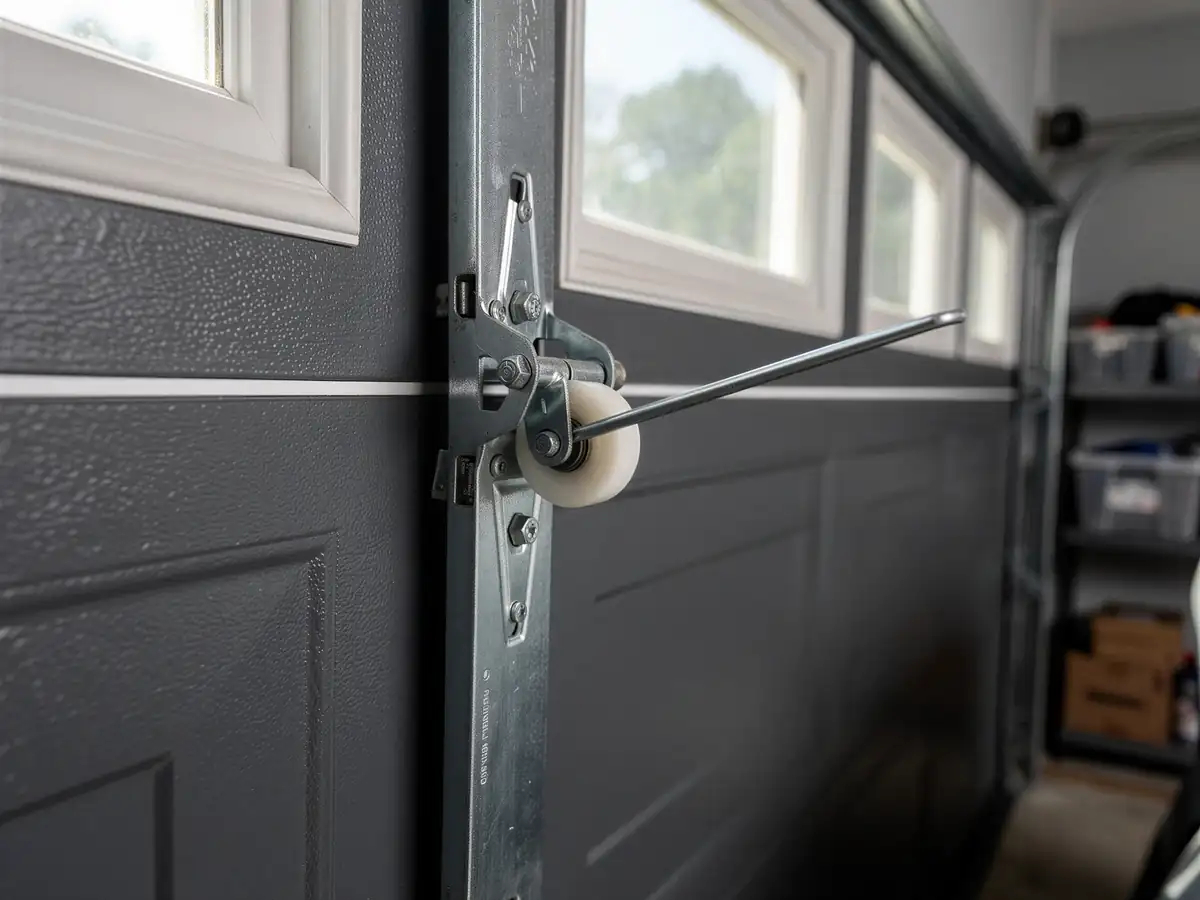
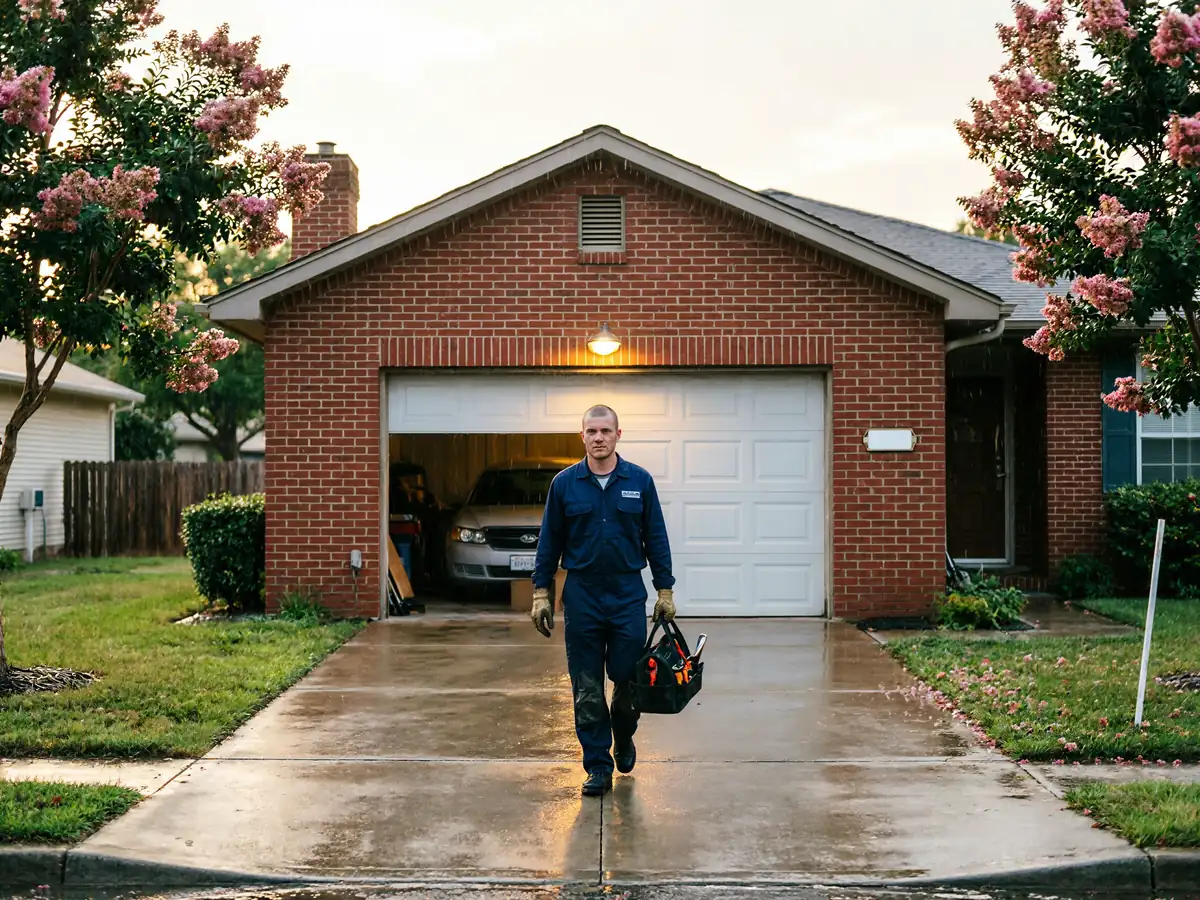
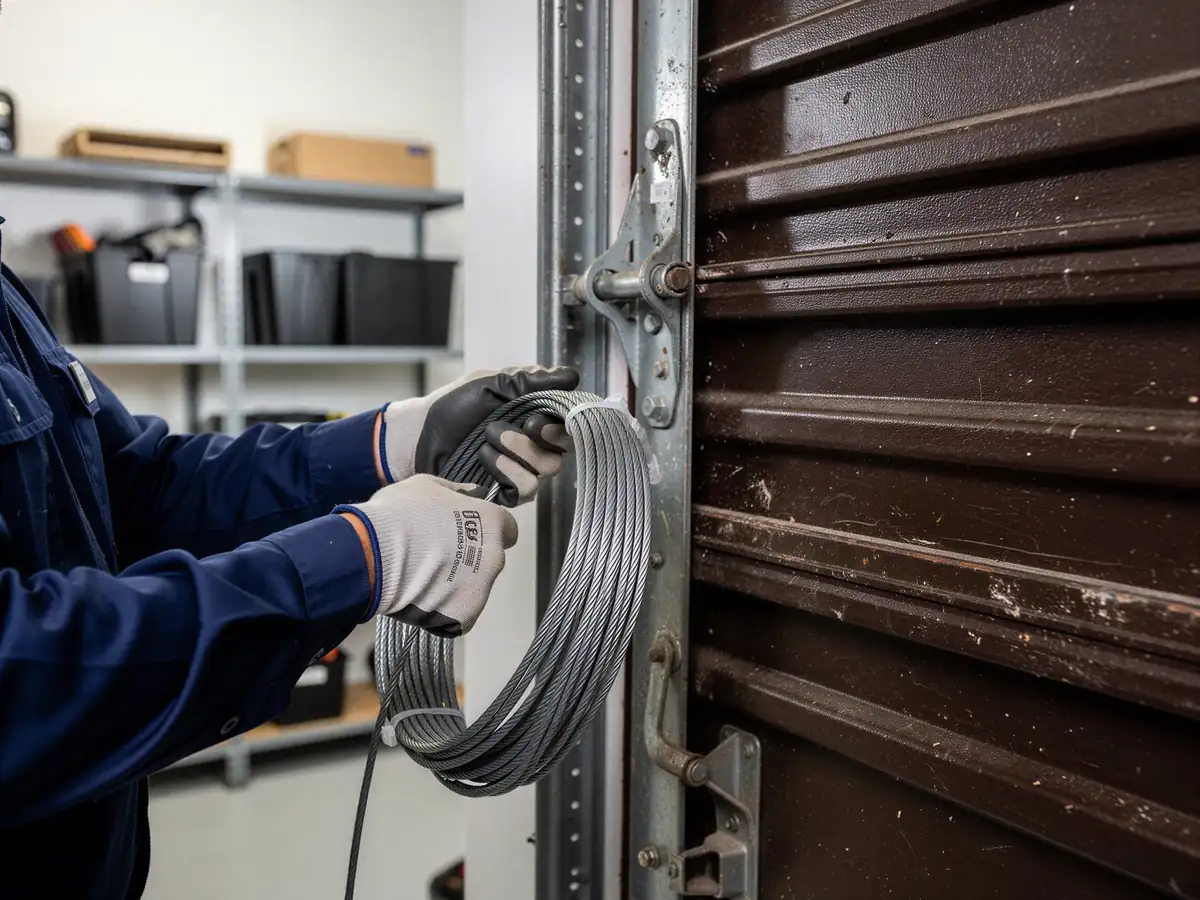
Brushy Creek sits 12 miles out from our shop in Hutto, which means a cable call here isn't a quick trip around the corner - it's a planned run, and we load the truck before we leave, not after we see the door. Most of what's failing on doors in this area dates to homes built around 1995, give or take, which puts the hardware squarely in the extension and torsion spring era with galvanized aircraft cable wound on steel drums. We check the drum grooves first, because a cable that keeps slipping off usually isn't the cable's fault - it's a worn or undersized drum letting it jump the track. Once the drum is sound, we measure the old cable, cut a replacement to the same length, and re-seat it under even tension on both sides. On a torsion setup that means working with the spring still loaded, so we clamp the shaft and keep the door controlled the whole time. If the cable snapped because the opposite side is also near the end of its life, we tell you - replacing one side and leaving a fifteen-year-old cable on the other side just means a second call later.
The DIY Question
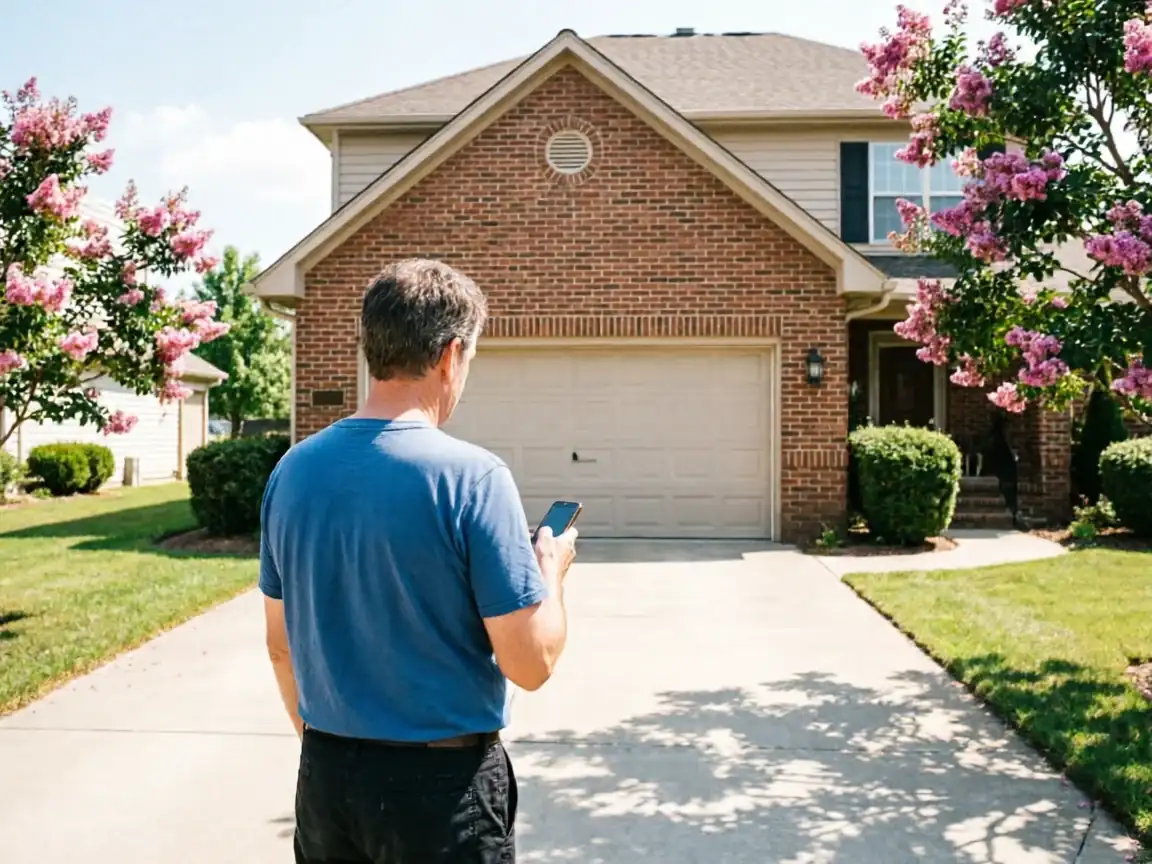
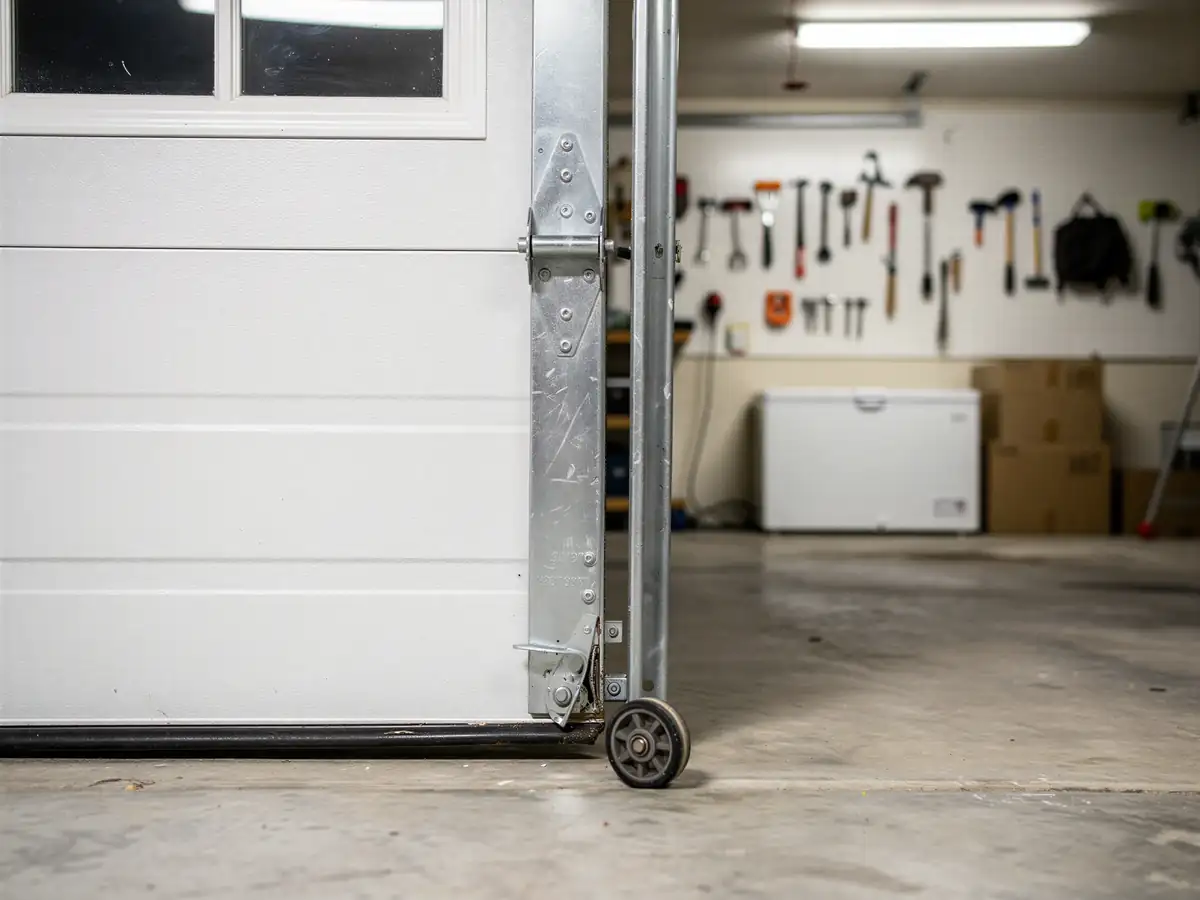
A broken cable on a torsion system means a spring under load with nothing holding the other side of the door level, and that's not a project to learn on. People get hurt on this one specifically because the door looks dead still right up until it isn't. If you've got the extension-spring style with the cable visible along the bottom bracket and the door is fully down and unpowered, you can look at it, take a photo, and tell us what you see over the phone - that helps us bring the right drum size. But cutting, hooking, or re-tensioning the cable yourself isn't something we'd recommend, torsion or extension. Here's the honest limit: if the cable keeps failing on the same door every year or two, the actual problem is usually a bent track or a drum that's worn oval, and replacing cable alone won't fix that - at that point we're talking about a track and hardware job, not a cable repair.
What You Are Seeing
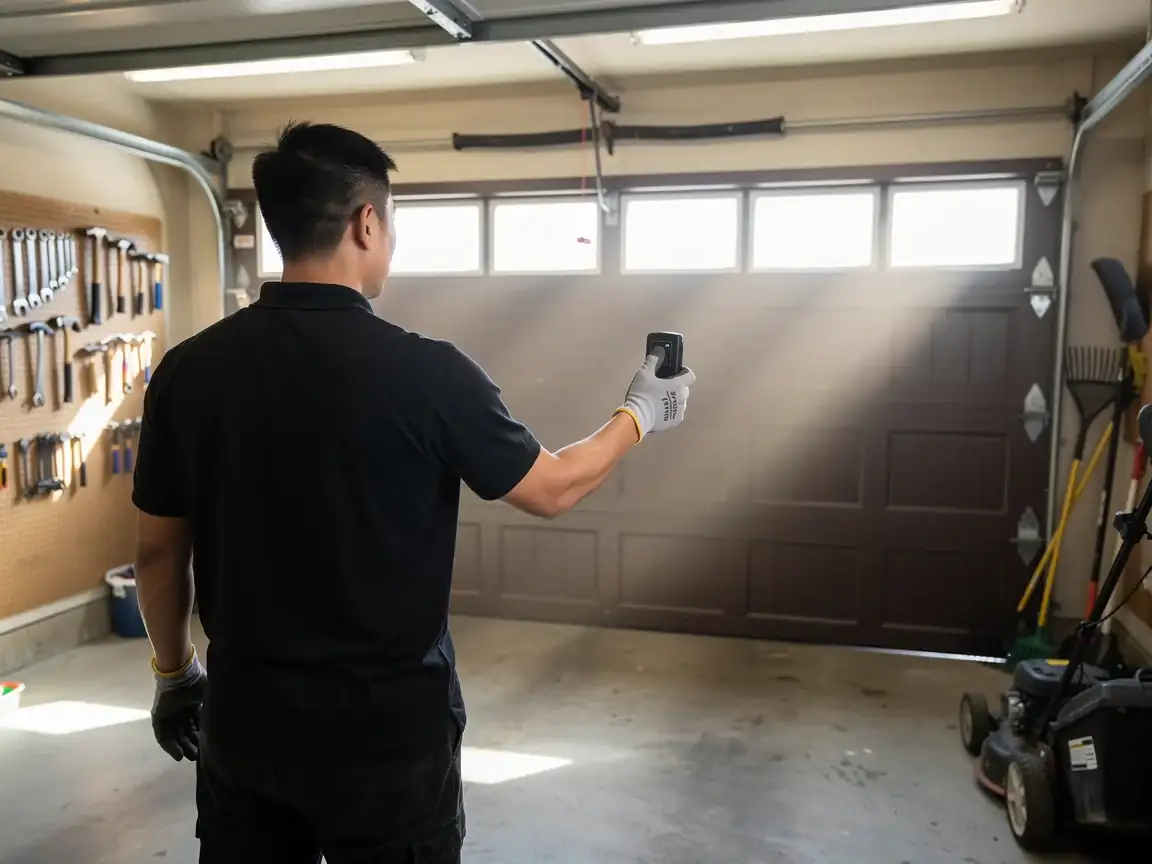
The clearest sign is a door that hangs crooked - one side higher than the other - because one cable has slipped off its drum or snapped outright. You might hear a loud bang or a sharp metallic pop right before the door refuses to move, which is usually the cable letting go under spring tension. Frayed strands near the bottom bracket, visible rust on the cable itself, or a cable that looks loose and slack rather than taut when the door is down are all early warning signs worth a call before the cable actually breaks. With the climate here running mild with occasional freeze, metal fatigue on an aging cable can show up as sudden failure on a cold morning rather than a slow decline you'd notice coming.