How We Fix It
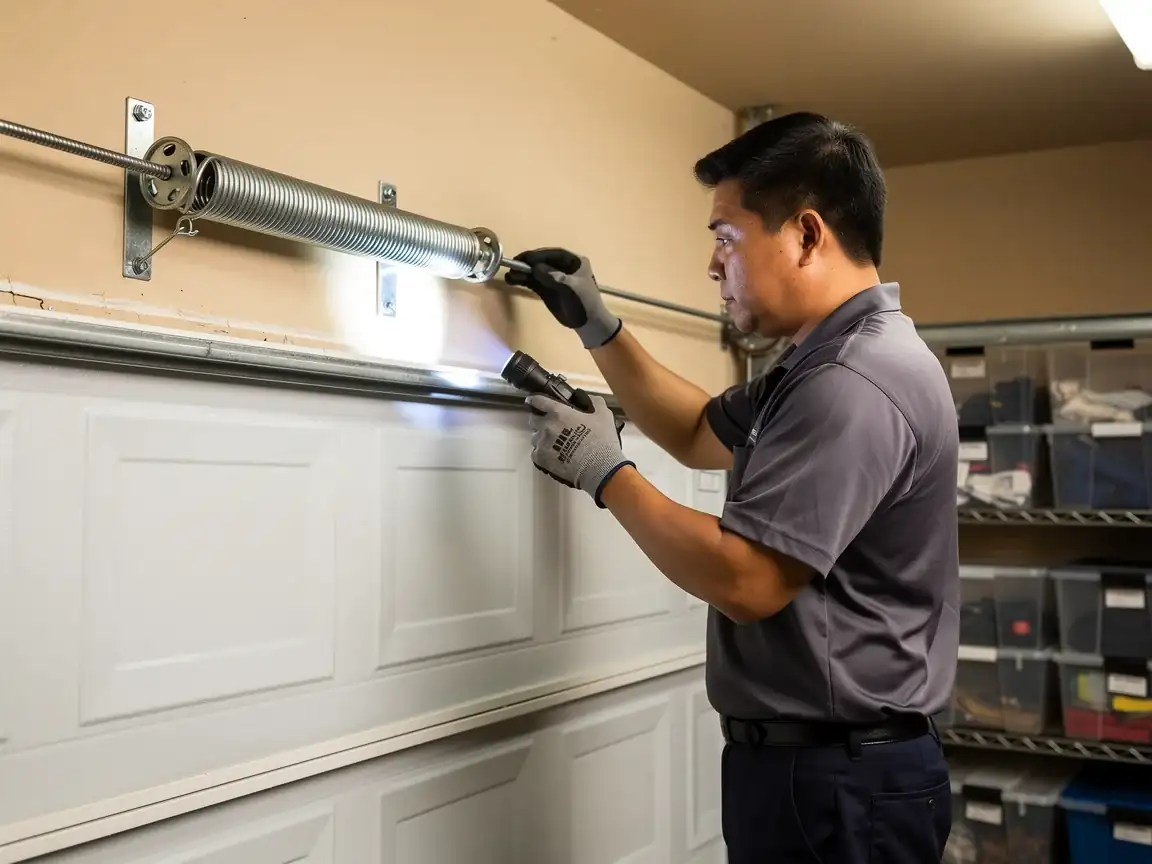
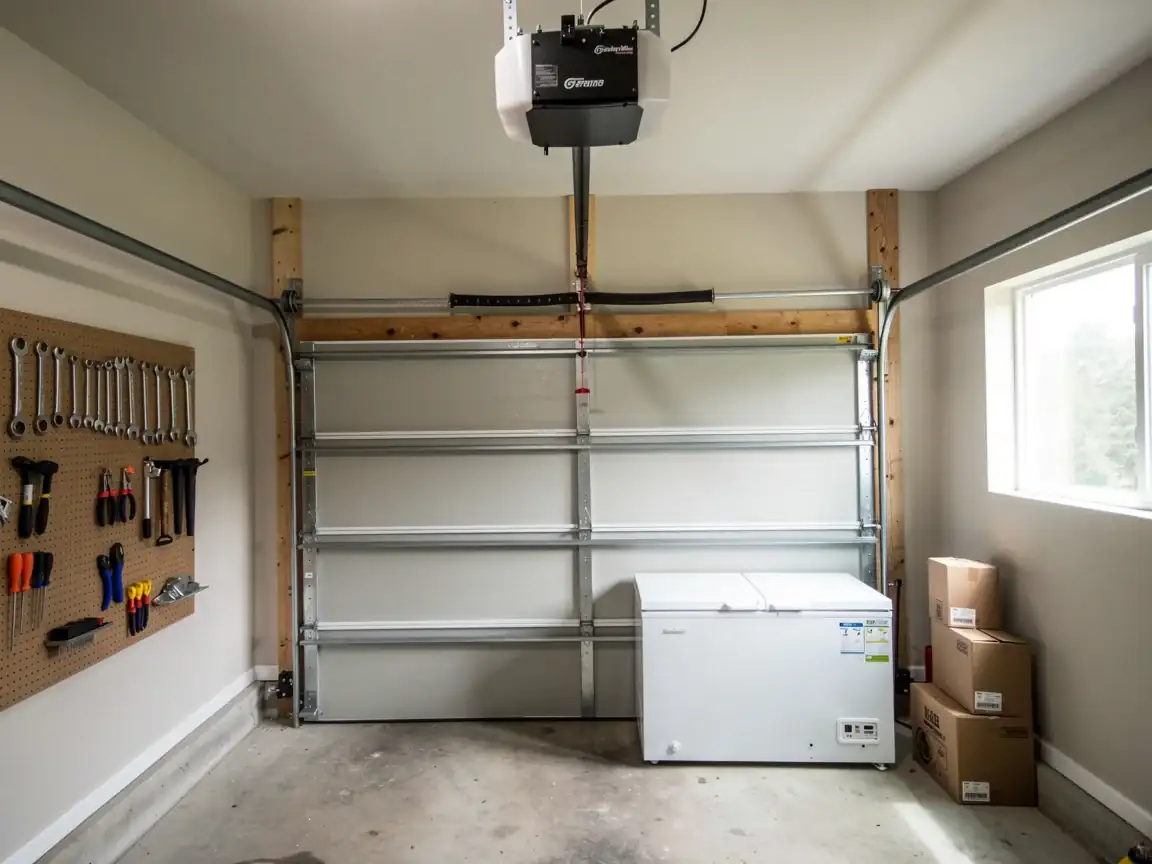
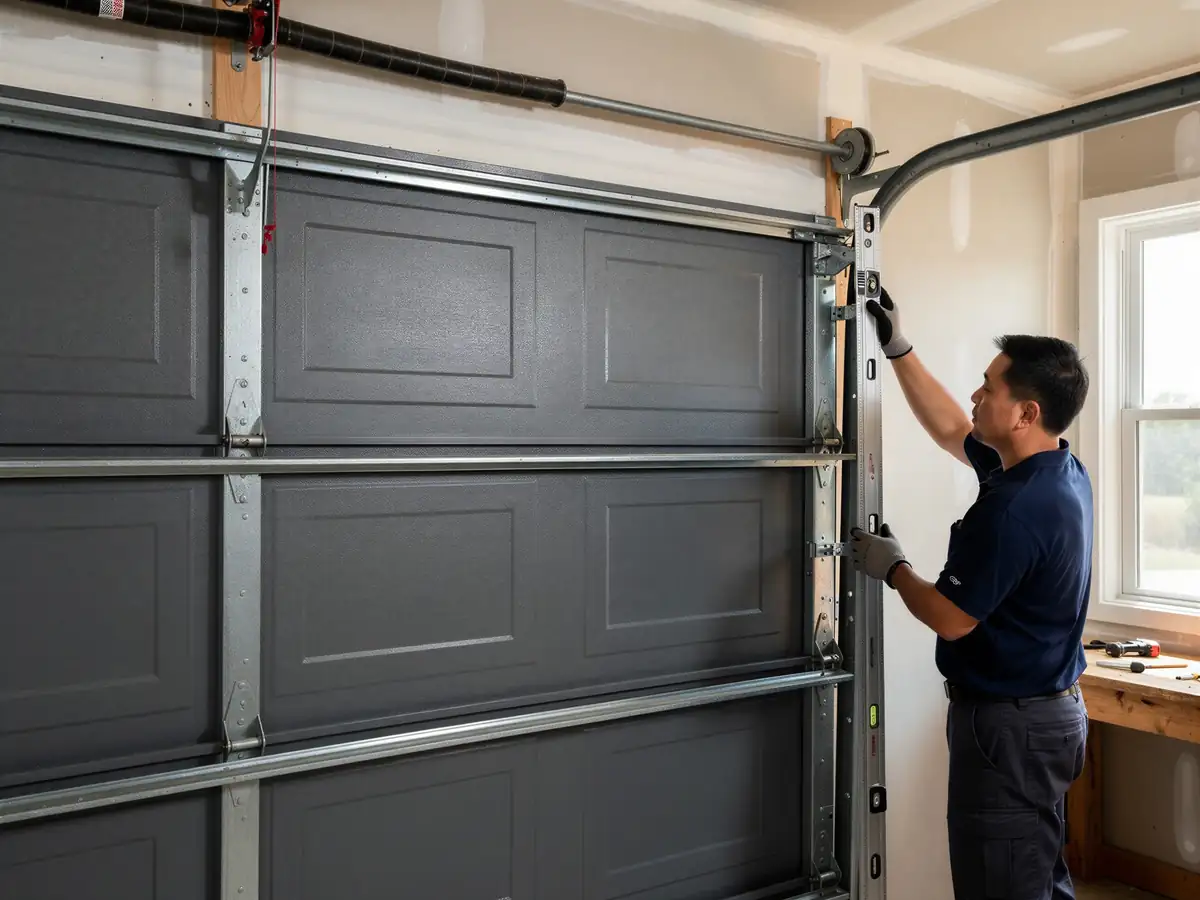
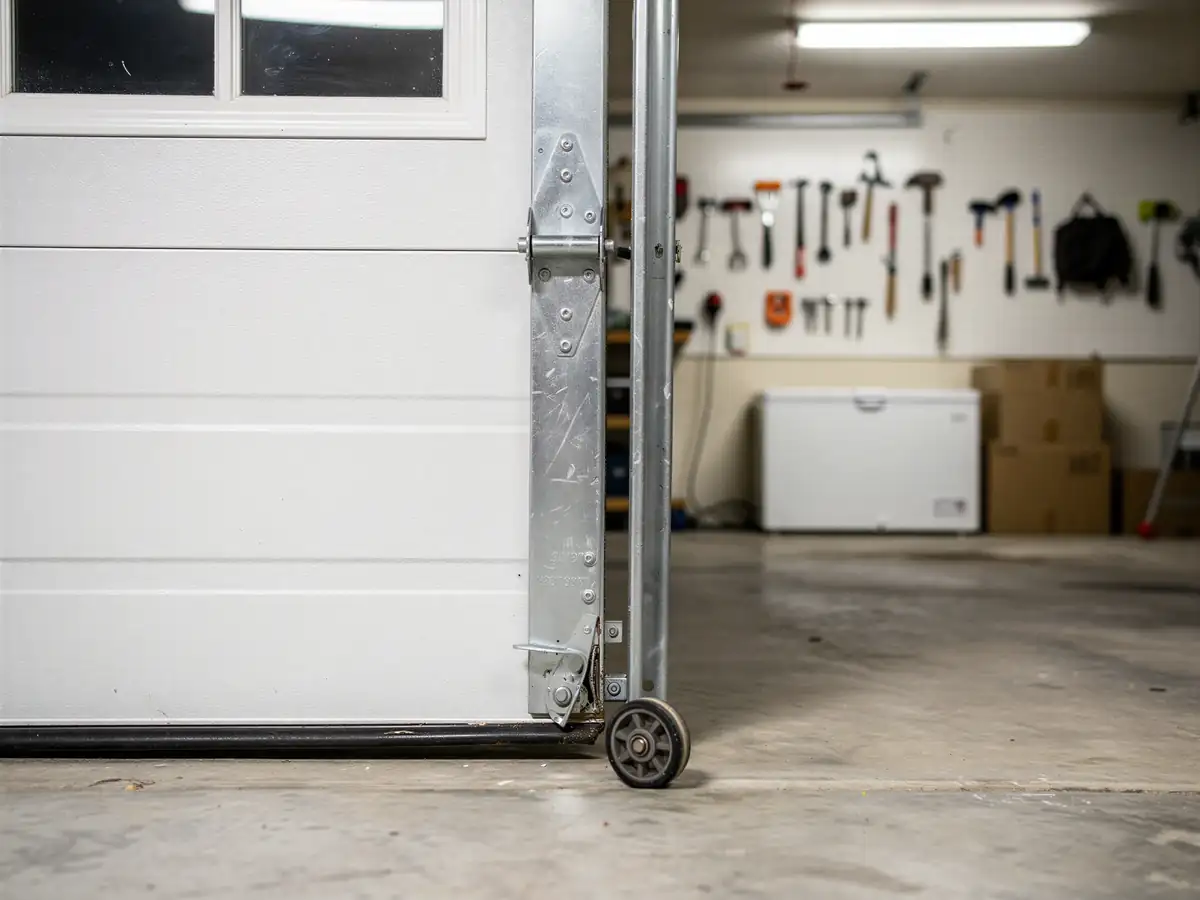
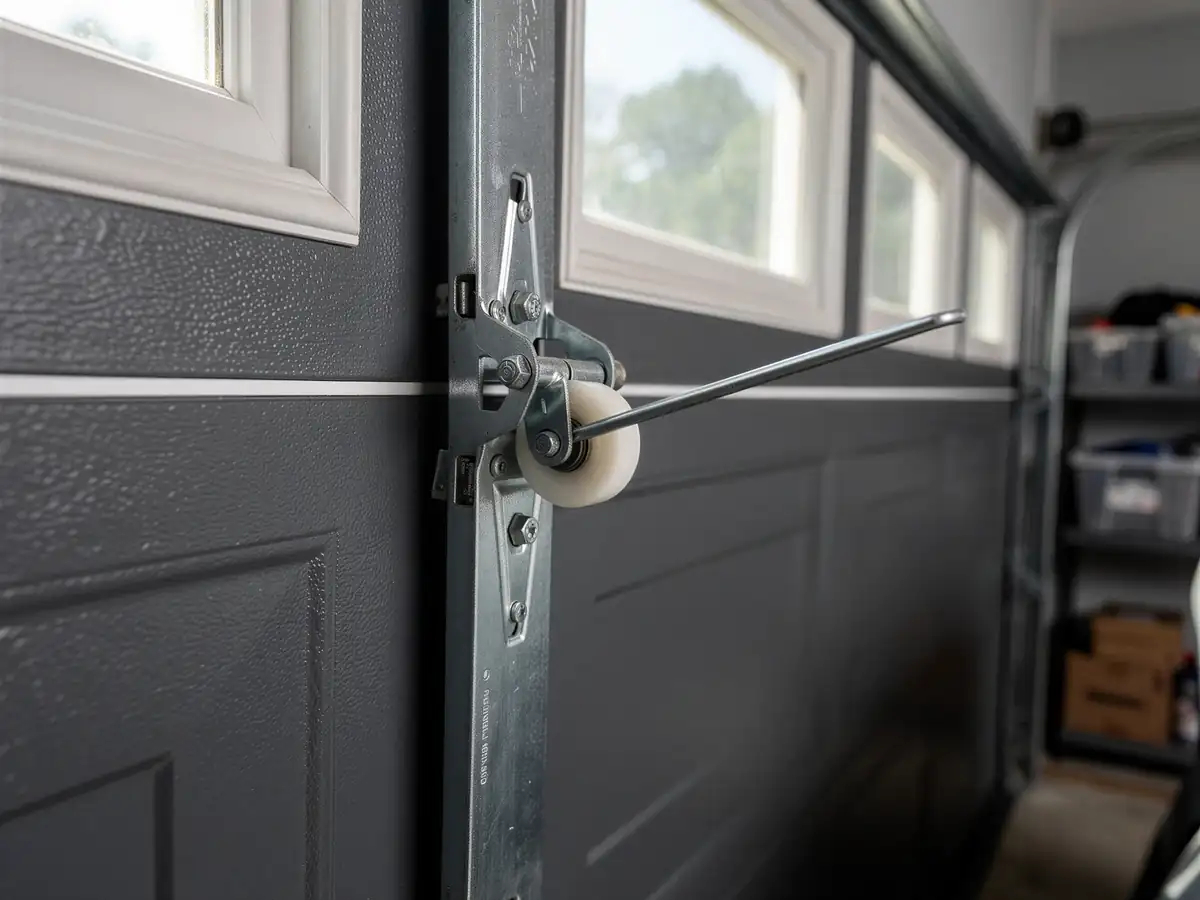
Most of the houses we work on across the Hutto service area were built back toward 1984, median year. Brushy Creek sits noticeably newer, median build year around 1995, which means the doors we're pulling rollers out of here aren't the same doors we see closer to Hutto proper. A door installed in the mid-90s usually came with steel rollers on a nylon bushing, or early sealed-bearing nylon rollers if the builder upgraded. Either way, by now the bushing has worn oval, or the bearing has dried out and started chattering in the track. We pull the door down to about shoulder height, support it, and work roller by roller rather than yanking the whole set and hoping nothing shifts on us. On a standard double door that's ten rollers, two per hinge plus the end hardware. We replace in sets, not one at a time, because a single new roller next to nine old ones just moves the noise down the track instead of fixing it. We check the track alignment while we're in there too - 1990s track gauge sometimes doesn't match what's sold off the shelf today, so we carry adjustable brackets rather than forcing a mismatch.
The DIY Question
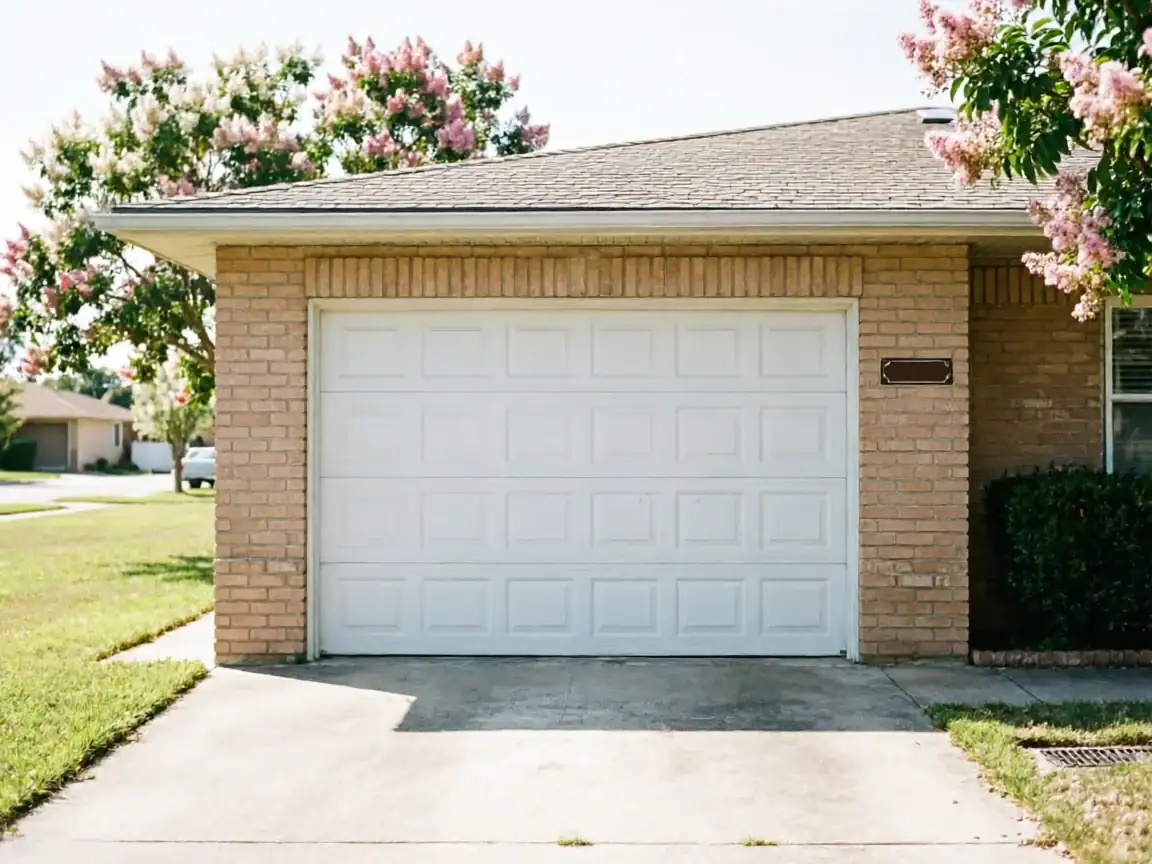
Rollers are one of the more reasonable DIY jobs on a garage door, and we'll say that straight - if you've got the door down and the springs aren't under load, swapping a nylon roller isn't dangerous the way a spring job is. Where people get into trouble in a house built around 1995 is the track itself. Builders in that era sometimes used a lighter-gauge track than what's standard now, and if you bend it trying to pry a roller stem loose, you've turned a $15 part into a full track replacement. If your rollers are just noisy, not broken, start there - a few are cracked or the stem is bent, not the whole set. If every roller on the door is original, seventeen-plus years in one of those Brushy Creek houses, replace the full set at once rather than one now and three more over the next year. That's the honest math on when a repair stops making sense and you're better off doing it once.
What You Are Seeing
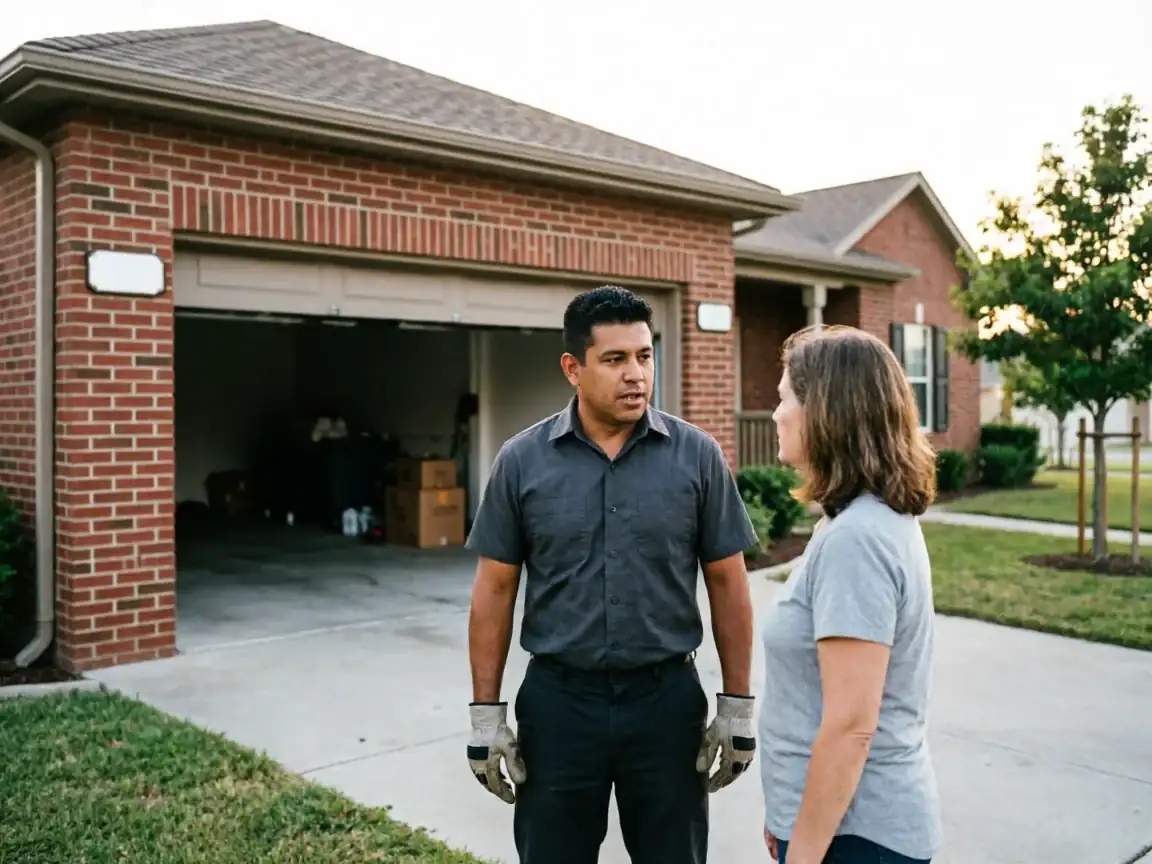
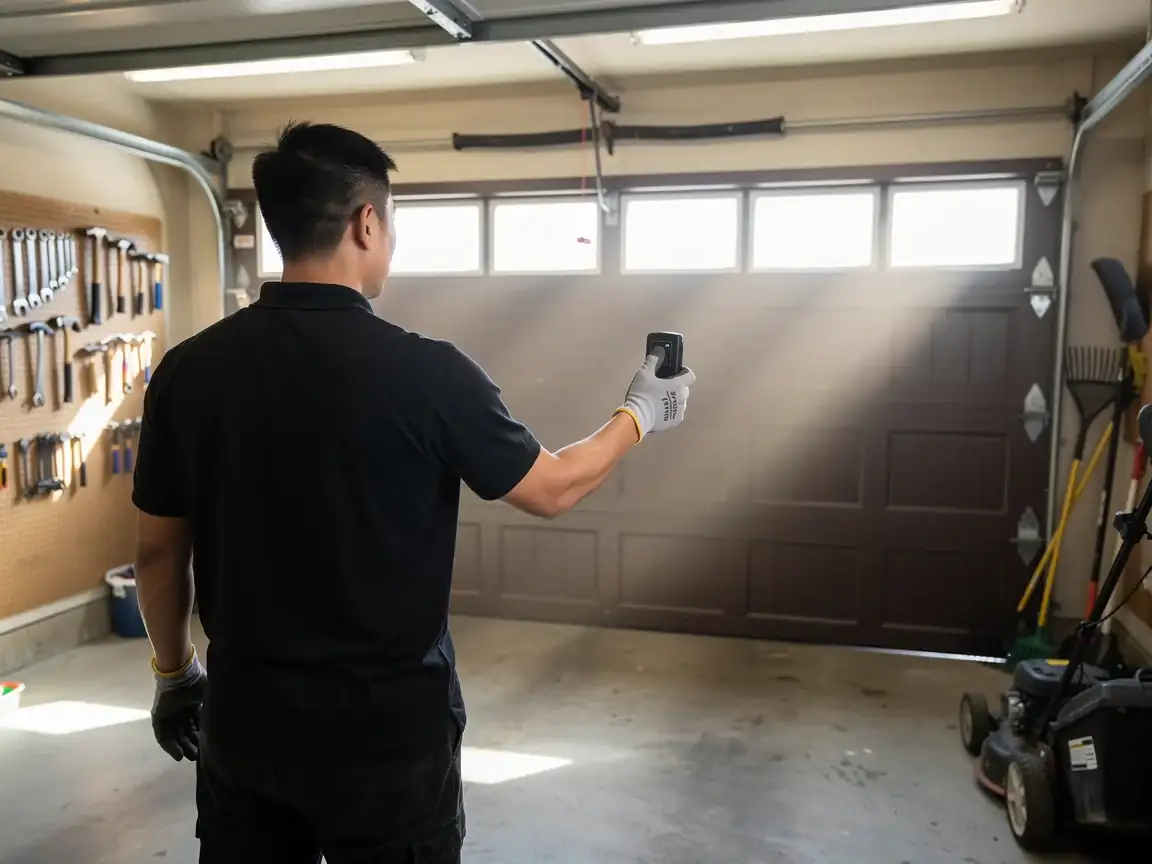
A grinding or rattling sound as the door travels, worse at the top or bottom of the run, is almost always a roller problem rather than the opener. If the door jerks sideways slightly as it moves, one roller's stem has probably worn through its bushing and is riding loose in the bracket. A squeal that WD-40 fixes for a week and then comes back is the bearing telling you it's done, not dirty. Given the mild winters and mostly dry climate out here, we don't see much rust-locked hardware - what kills rollers in this area is just mileage and dried-out lubrication, not corrosion. If you're hearing a single sharp clunk once per door cycle, that's more likely a bent track or a hinge issue than a roller, and we'll tell you that on the call before we quote roller work that wouldn't fix it.