How We Fix It
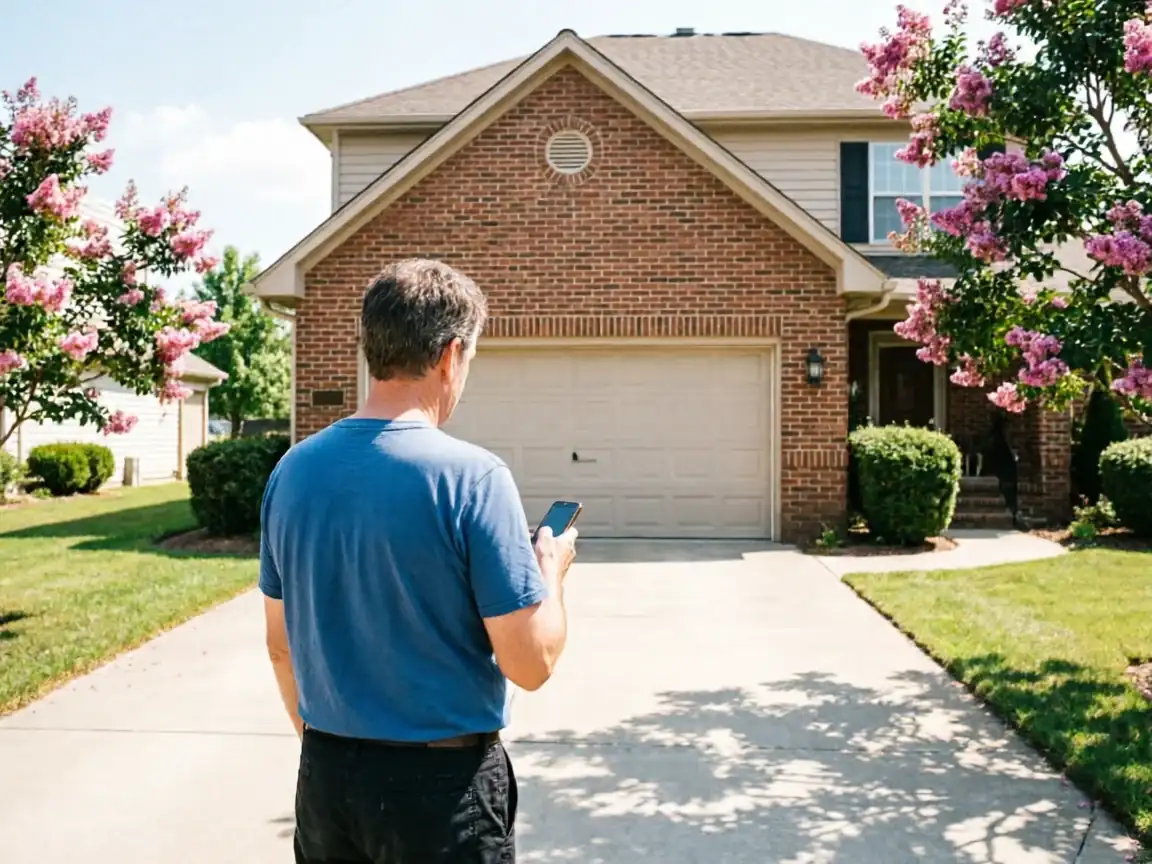
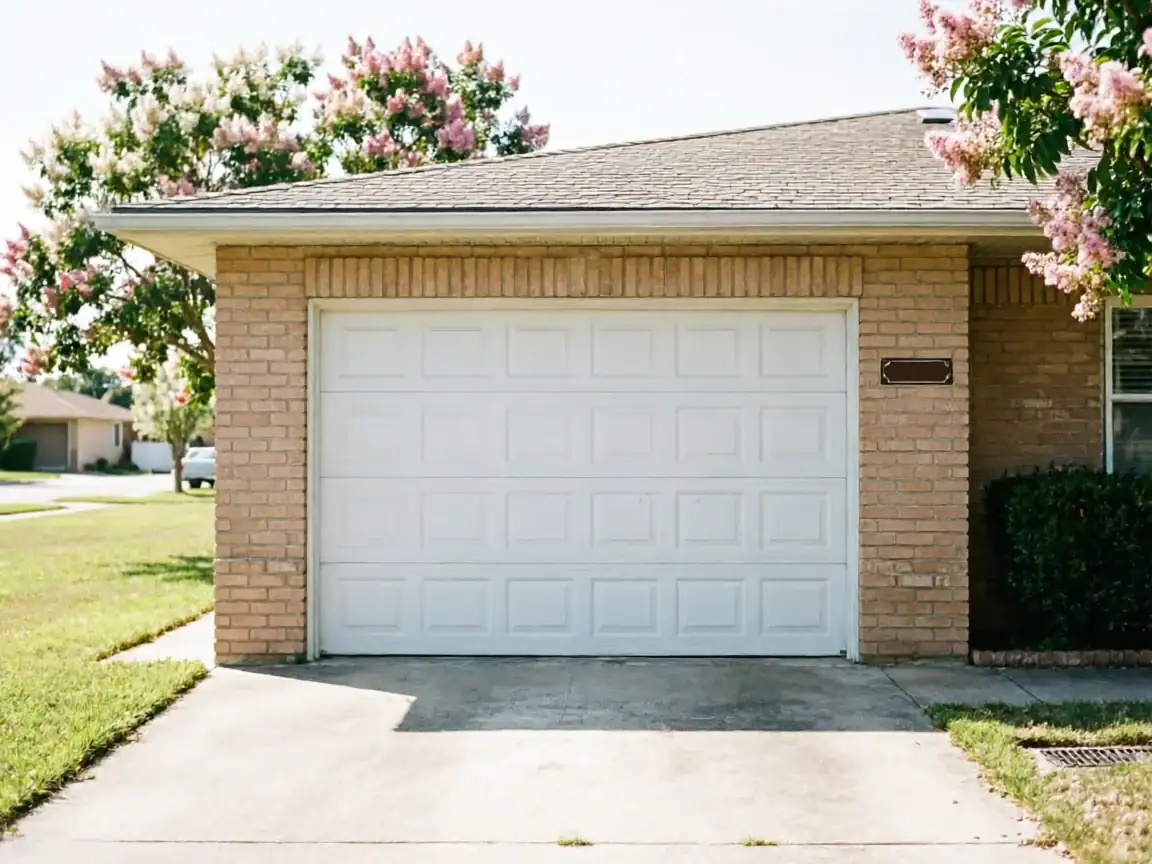
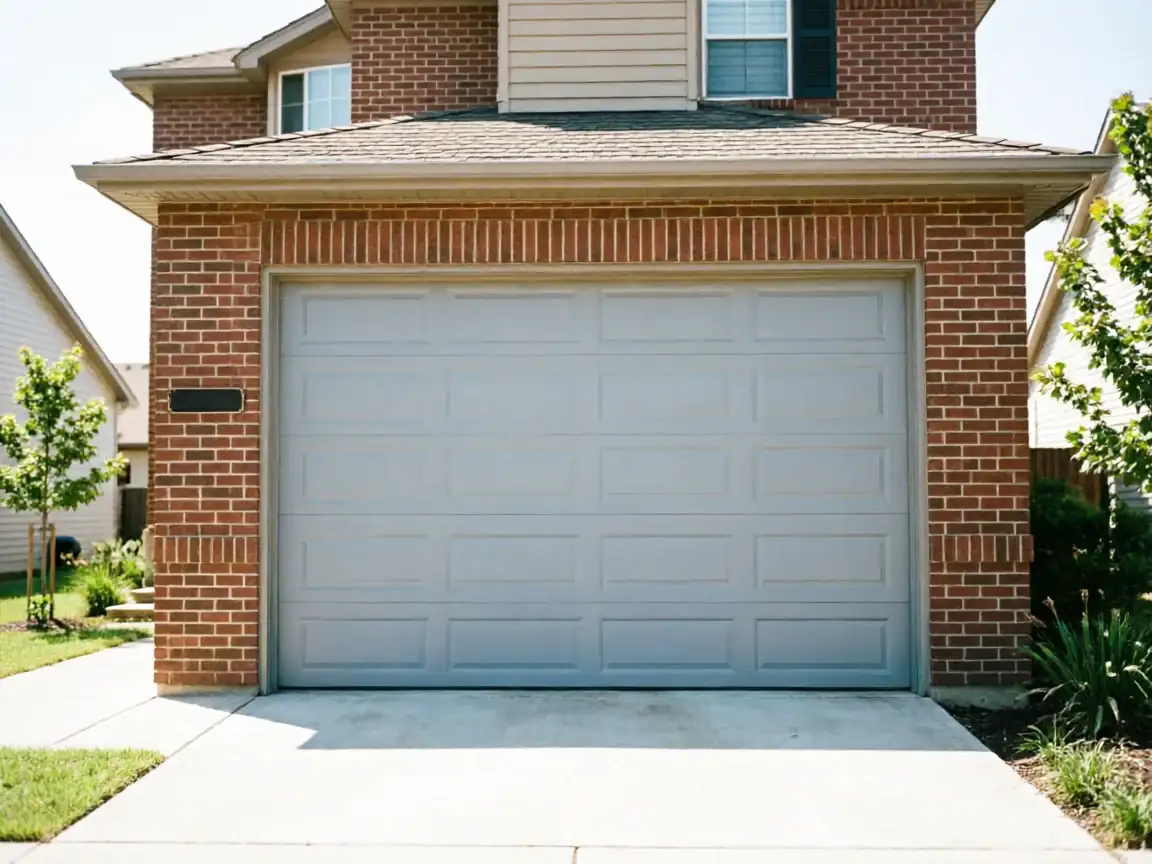
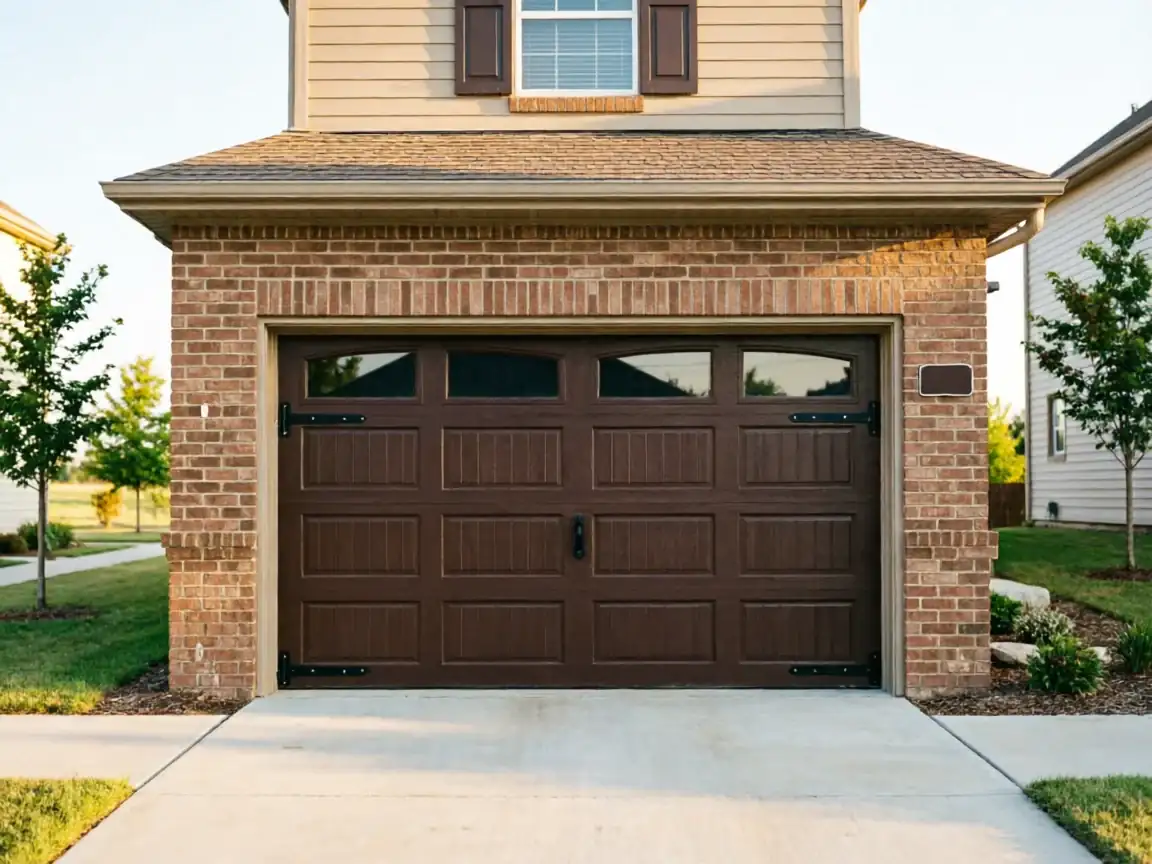
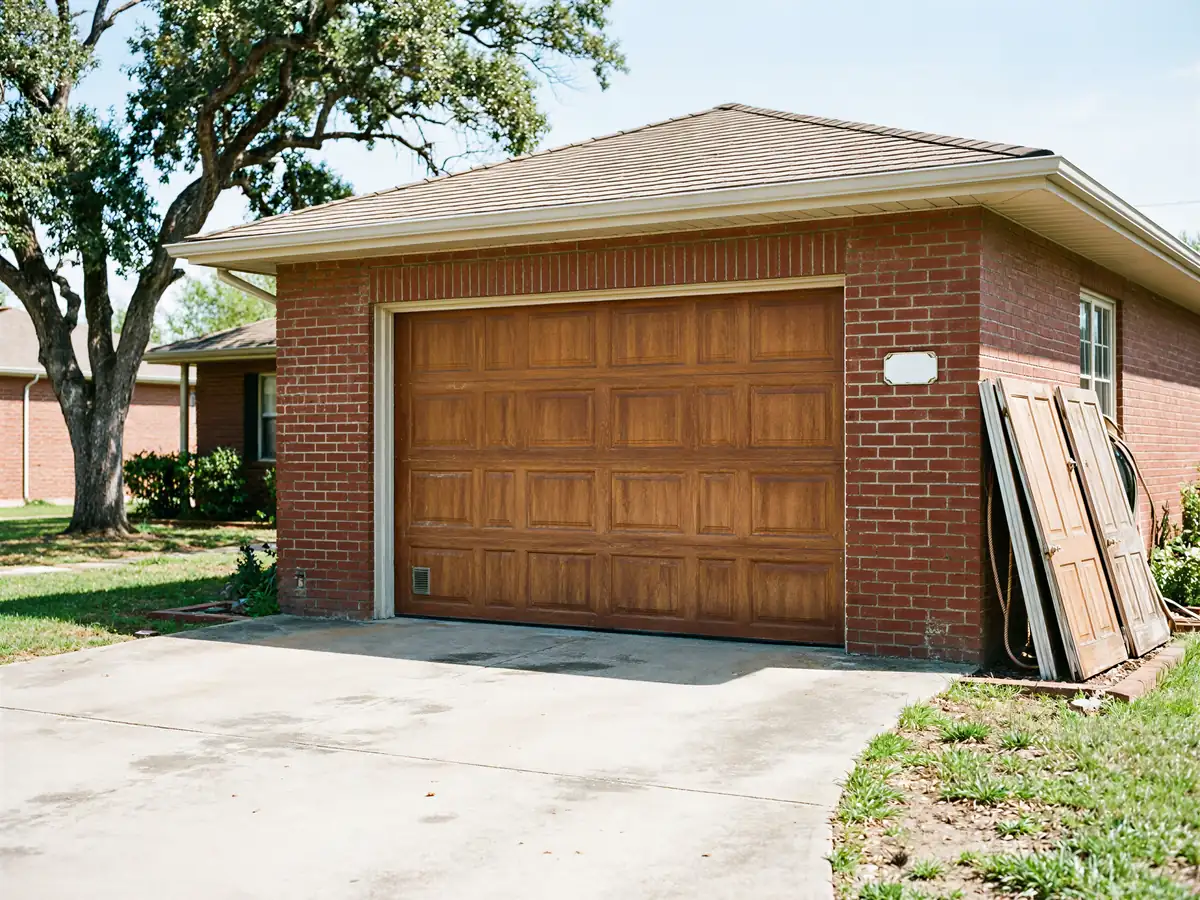
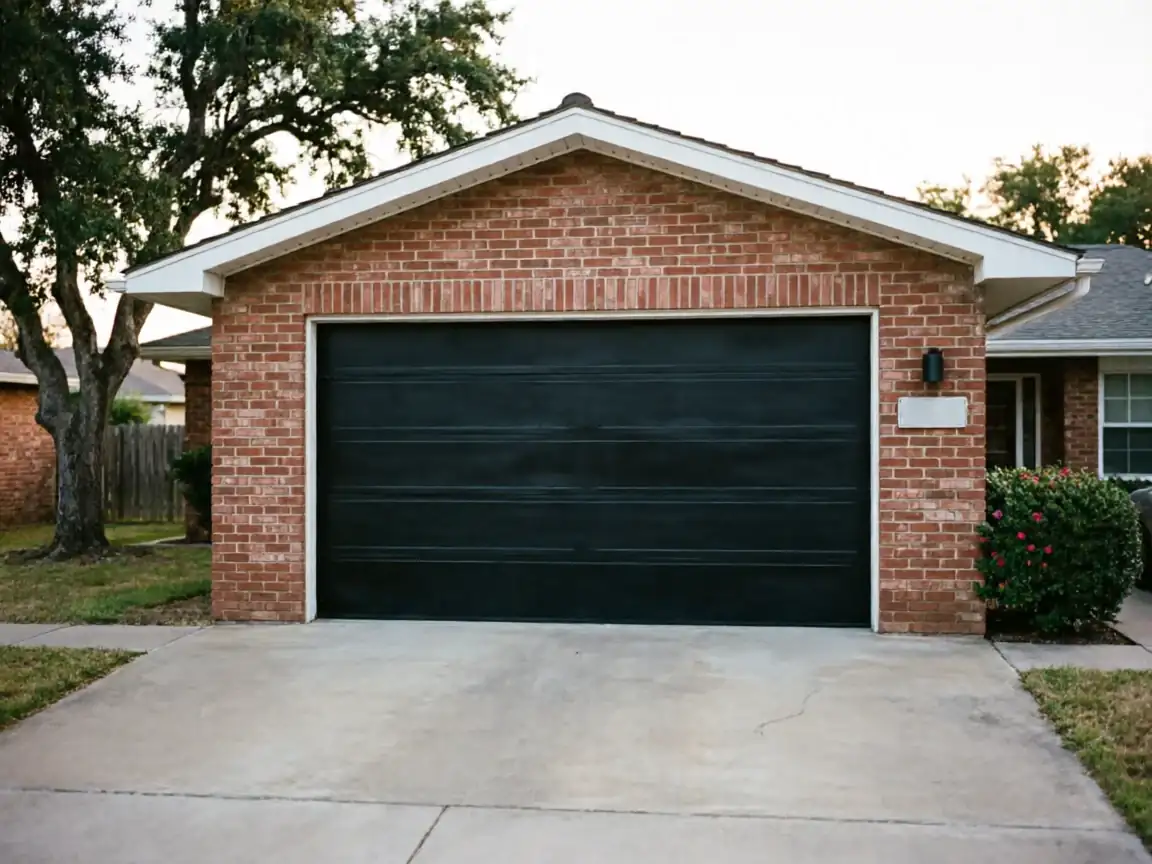
Most houses in Brushy Creek went up around 1995, which puts the garage door squarely in the builder-grade steel sectional era - two-car openings, 16x7 double doors on most driveways, with either early torsion springs or the extension-spring setups that were still common in production building through the mid-90s. That's the starting point for any repair call out here: we're not guessing at what's behind the door, we know the decade.
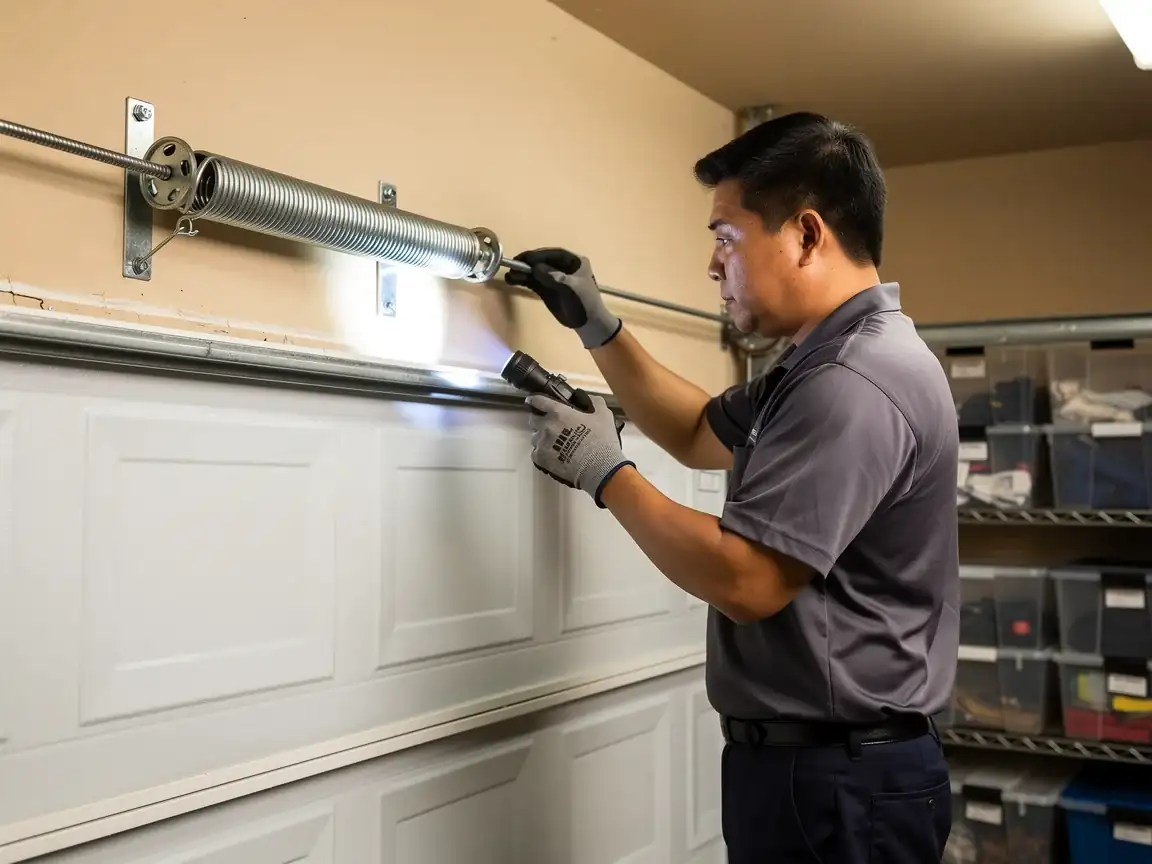
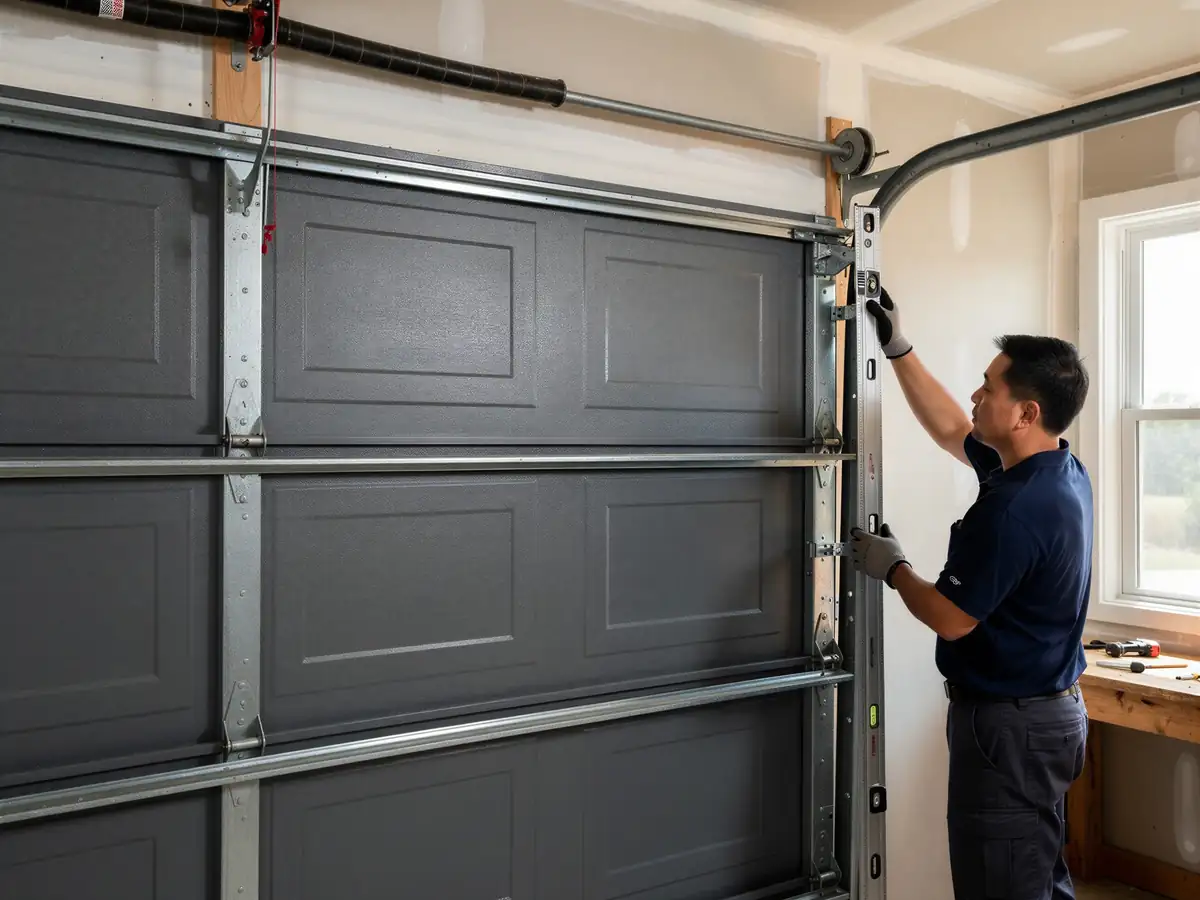
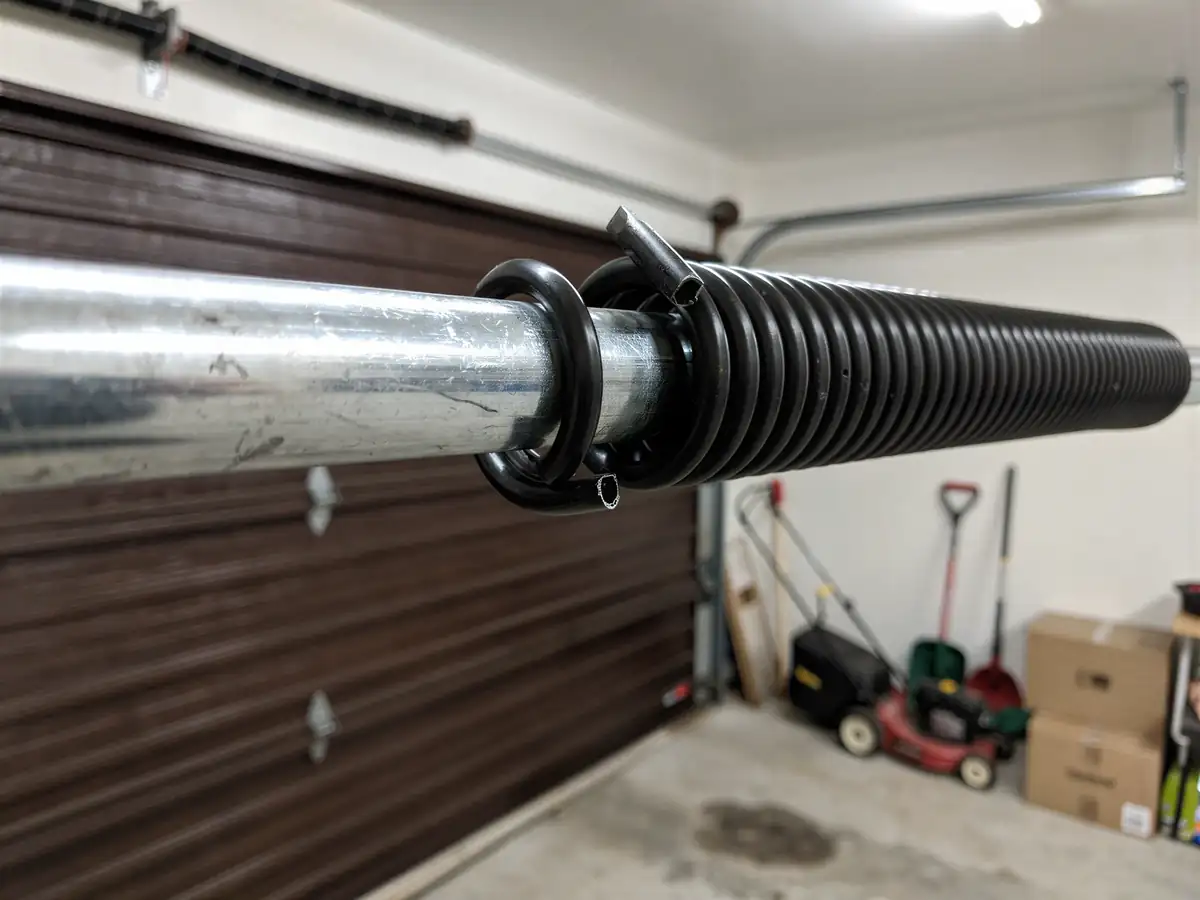
The fix depends on what that hardware has done over close to thirty years. Extension springs stretch and lose tension unevenly, so one side sags before the other. Torsion springs from that build era are often undersized for the heavier insulated retrofits some owners added later, which shows up as a door that reverses on its own or won't stay up. We size the replacement to the door you actually have now, not the one the builder shipped, and we set travel limits and balance by hand rather than trusting a worn sensor.
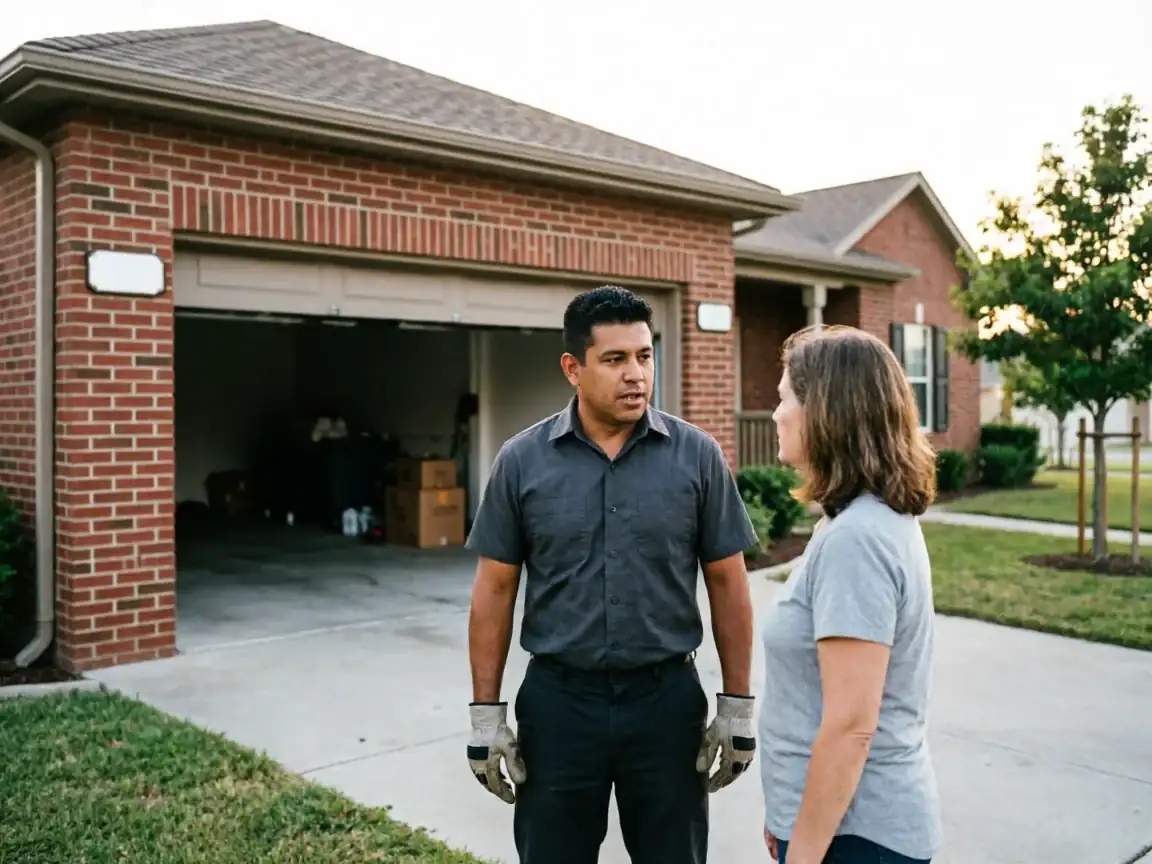
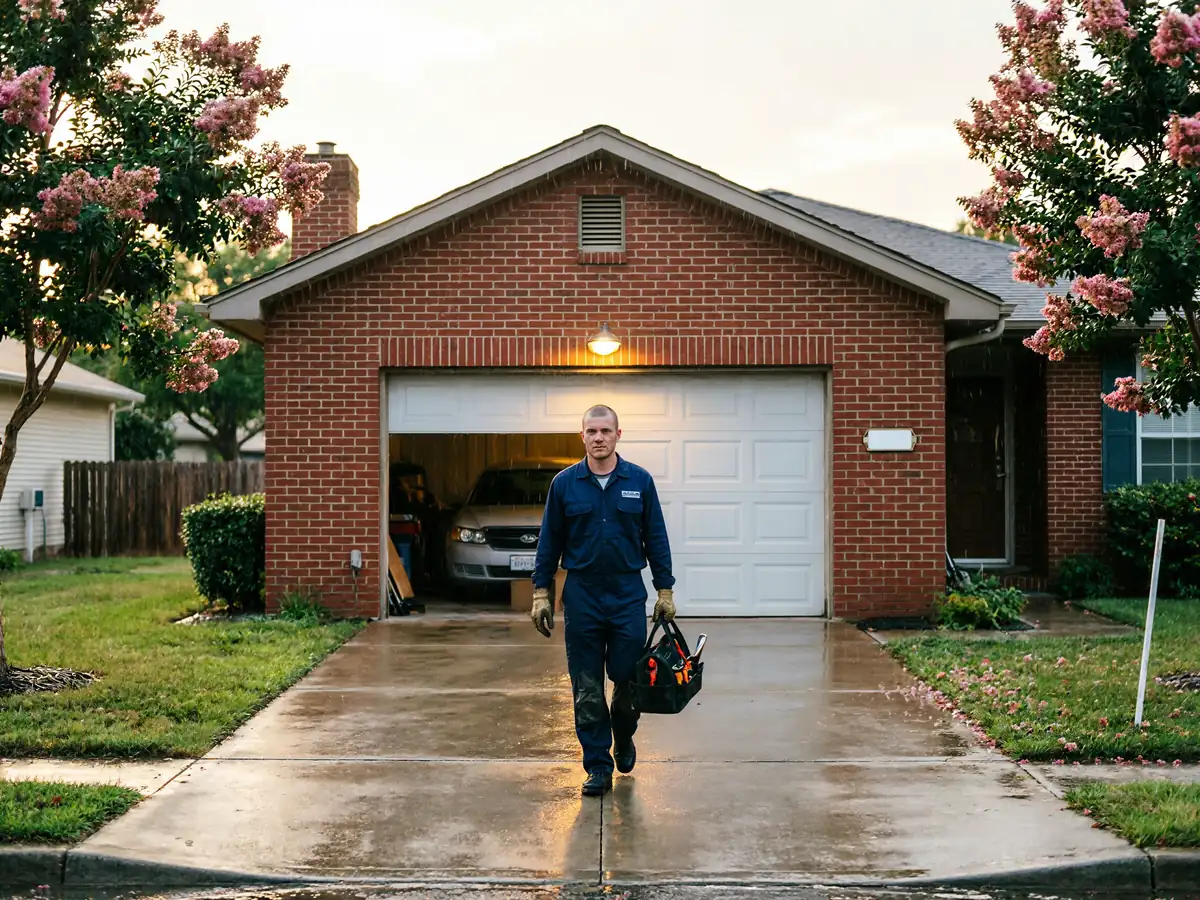
We come out from Hutto for this, about 12 miles each way, so we load the truck to cover a full torsion conversion or spring swap in one trip rather than making a second run for a part we should have brought the first time.
The DIY Question
A lot of Brushy Creek owners are comfortable doing their own work - this is a household income area well above the regional median, and that tends to mean more owners willing to buy a torque wrench and a video. Lubing hinges, tightening loose roller brackets, clearing a dirty photo-eye sensor - fine, do it yourself, it's low risk and it's your time.
Springs are a different category. A wound torsion spring on a door this size holds enough force to break a bone or worse, and the winding bars for 1990s-era torsion hardware aren't something most garages have lying around. If your door is sagging on one side, binding in the track, or dropping fast when the opener releases, that's a spring or cable problem - stop and call rather than open it up. We'd rather talk you out of a job on the phone than drive out for something you could have done, and we'll tell you straight when it's a five-minute fix, not a visit.
What Is on the Truck
For a neighborhood built mostly in one stretch of years, the hardware repeats itself
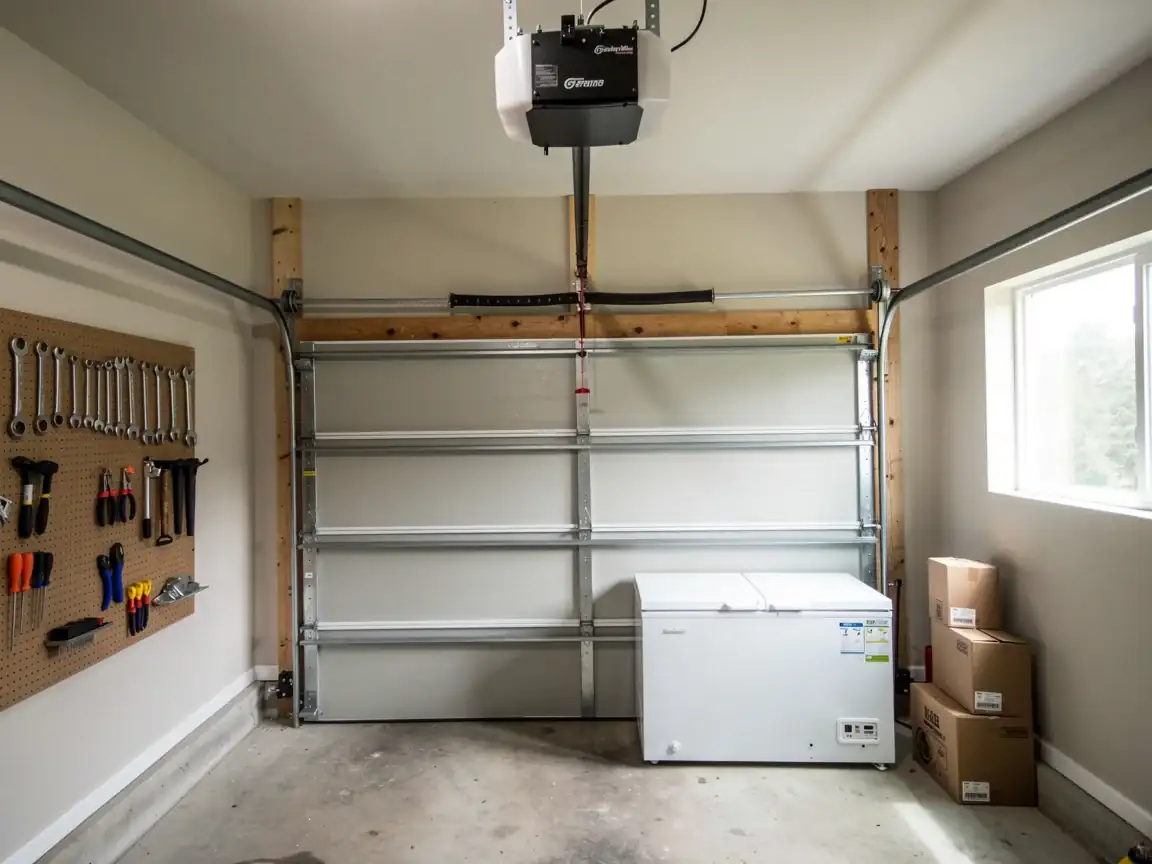
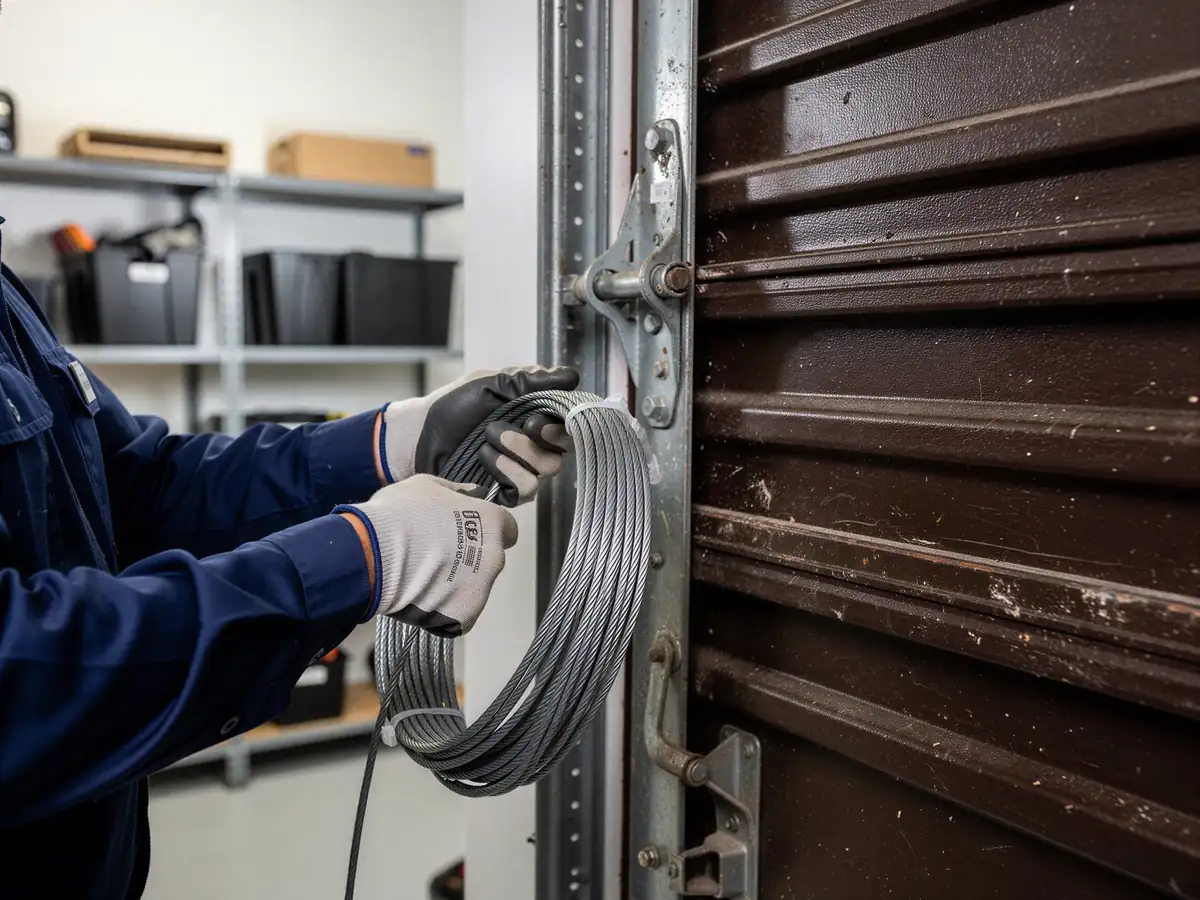
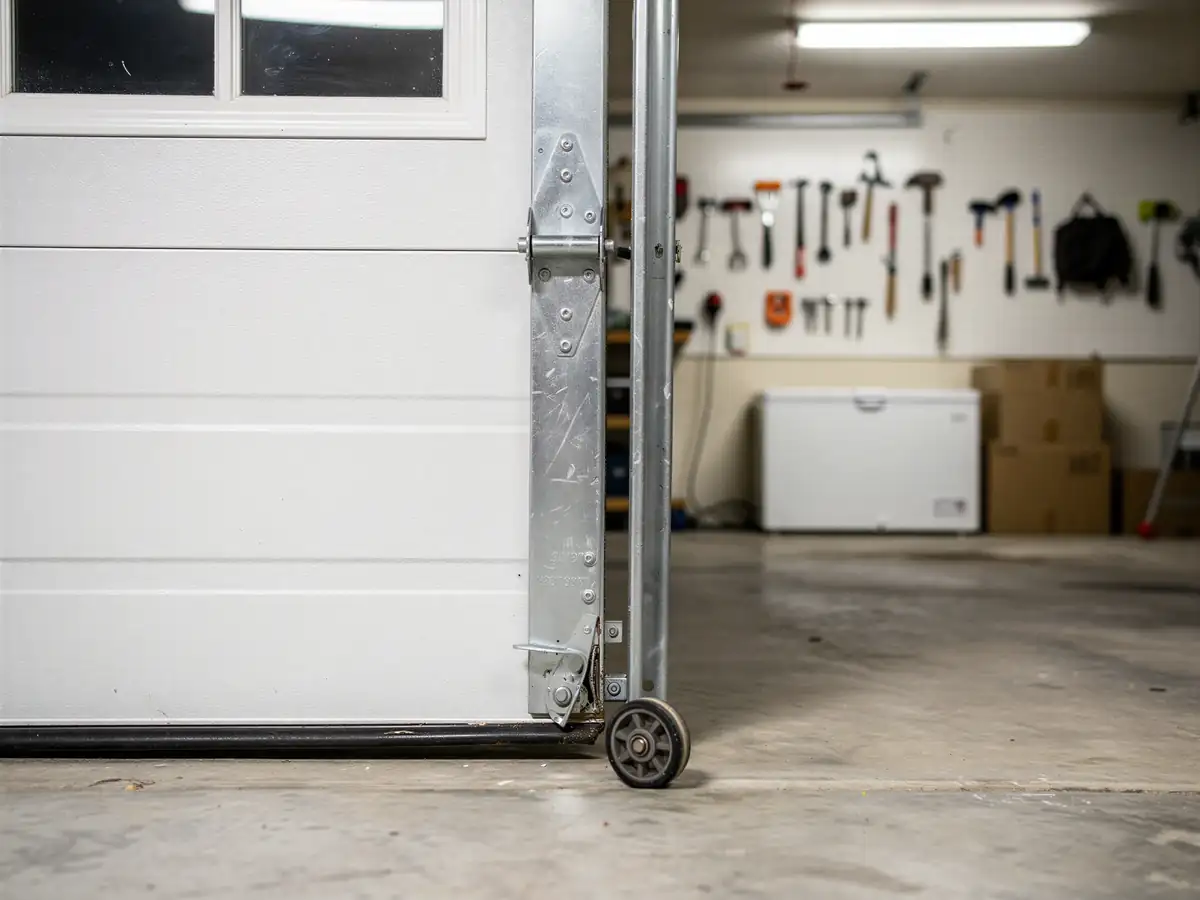
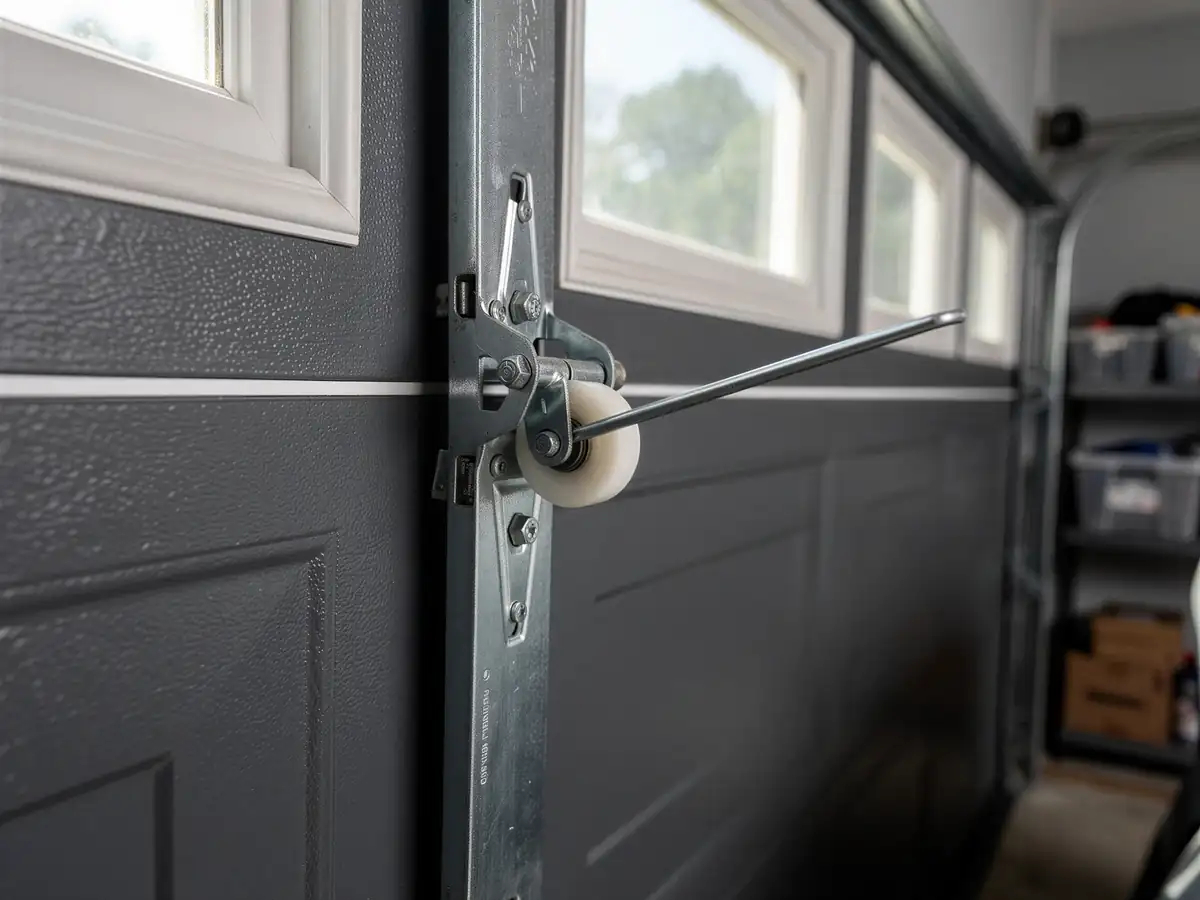
So the truck carries what actually fits: torsion springs sized for standard 16x7 and 9x7 double and single openings, extension spring sets for the houses that never got converted, galvanized cable, and both the short and long track rollers that era's doors used depending on headroom.
We also carry universal opener logic boards and photo-eye sensor kits
Since a house built in 1995 has likely had at least one opener replacement by now, sometimes two, and the sensor wiring from the original install doesn't always match what's on the shelf today. What we don't carry is custom panel stock - if a door's been dented or a panel's rusted through, we order that to match once we've seen it in person, and that's a lead-time item, not a same-trip fix.
What You Are Seeing
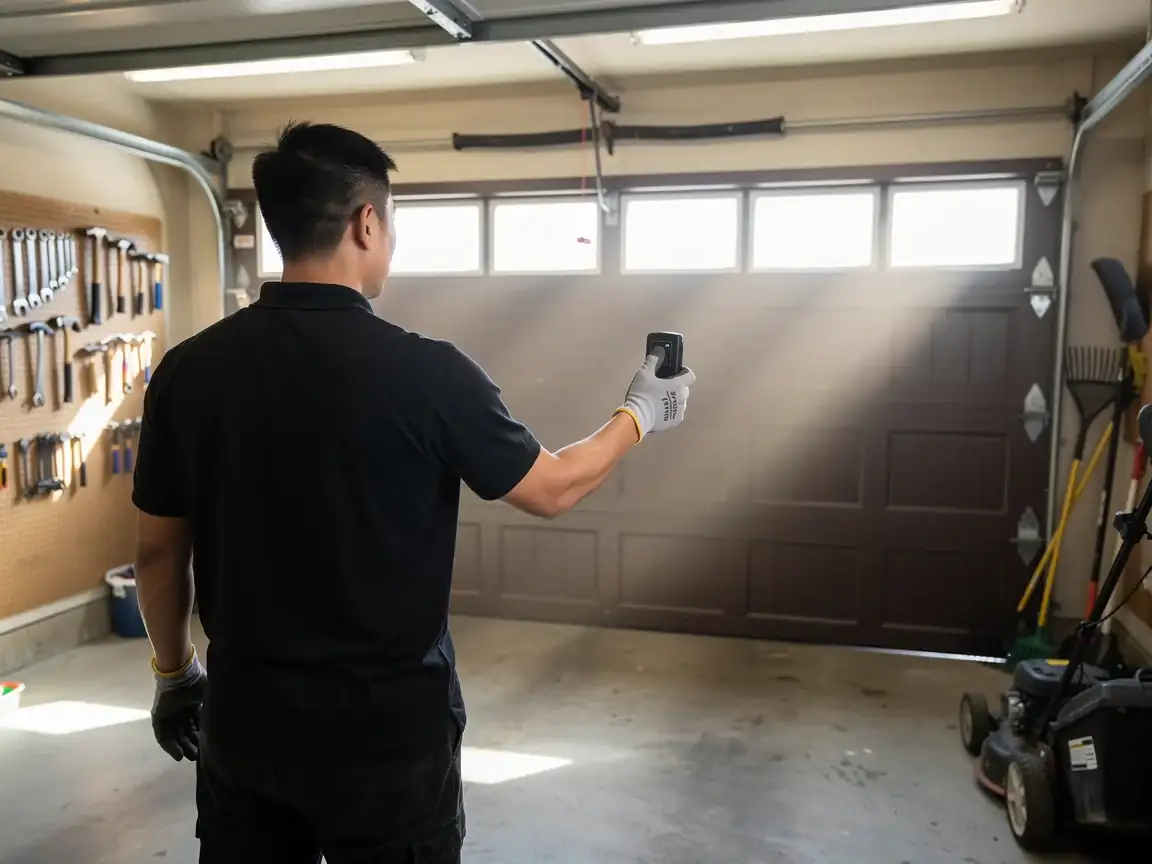
If your garage is sagging visibly on one corner, that's almost always a spring or cable that's given out unevenly - common on extension-spring doors from this build period where one spring stretches faster than its pair. If the door reverses right after you hit the button, or won't fully close, check the sensors first, but if the sensors are clean and aligned, the travel limits on an older opener may have drifted, which a reset usually won't fix for good.
A door that's loud and shaky but still moves is usually rollers and hinges worn from three decades of cycles, not an emergency. A door that won't move at all, or moves and drops suddenly, is a spring. We separate those two calls differently because the second one isn't safe to leave for later.