Where This Job Goes Sideways
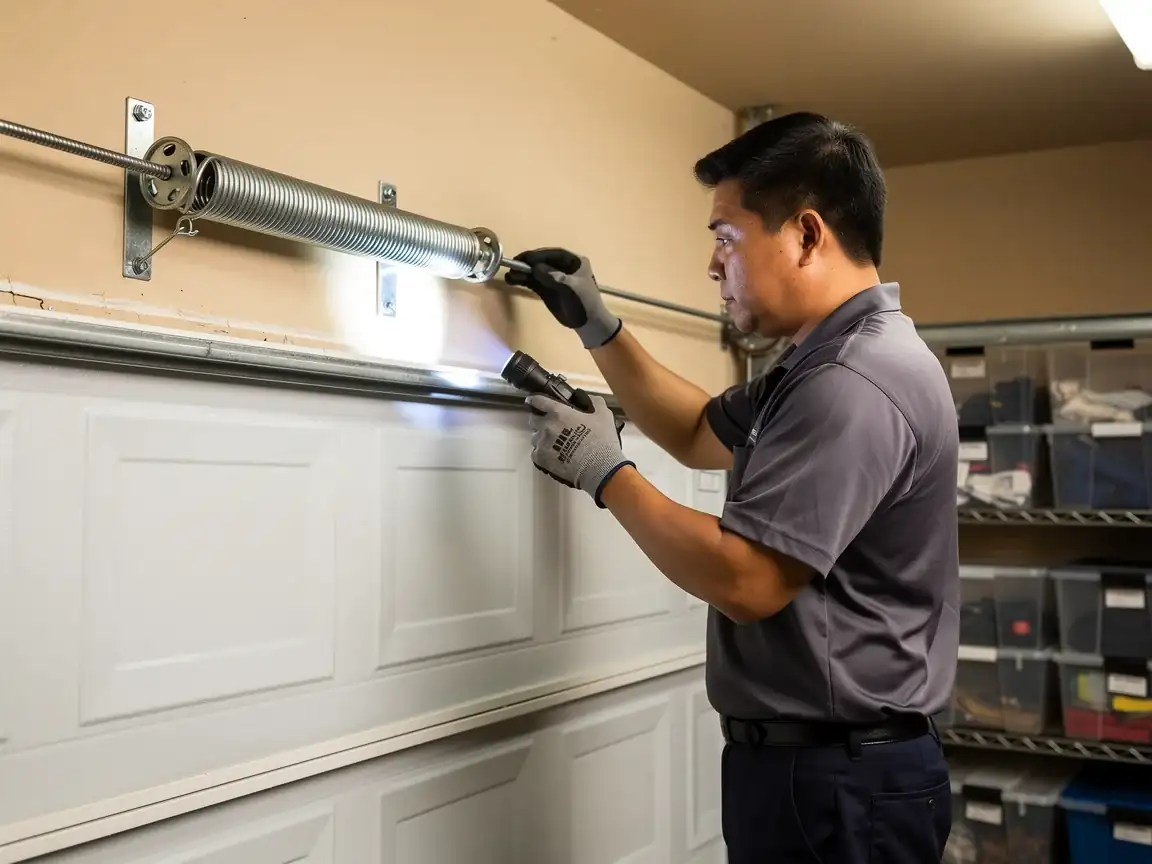
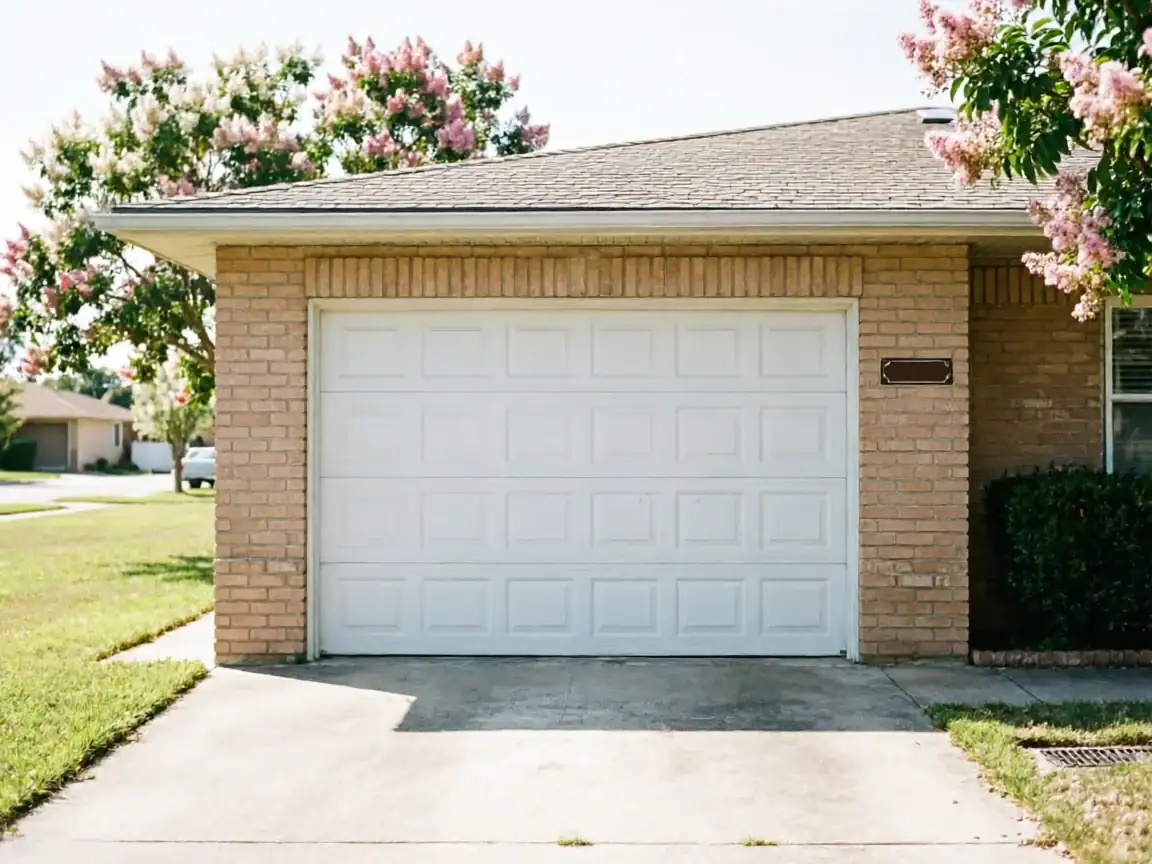
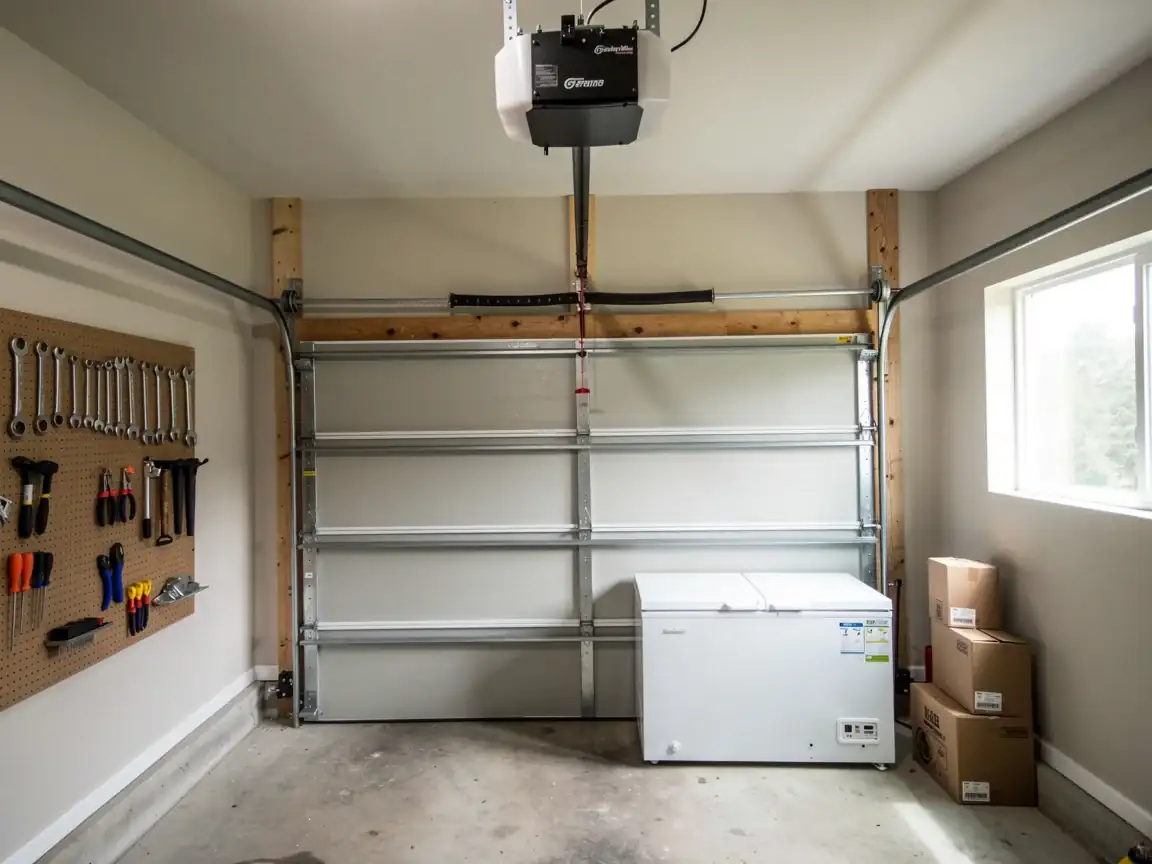
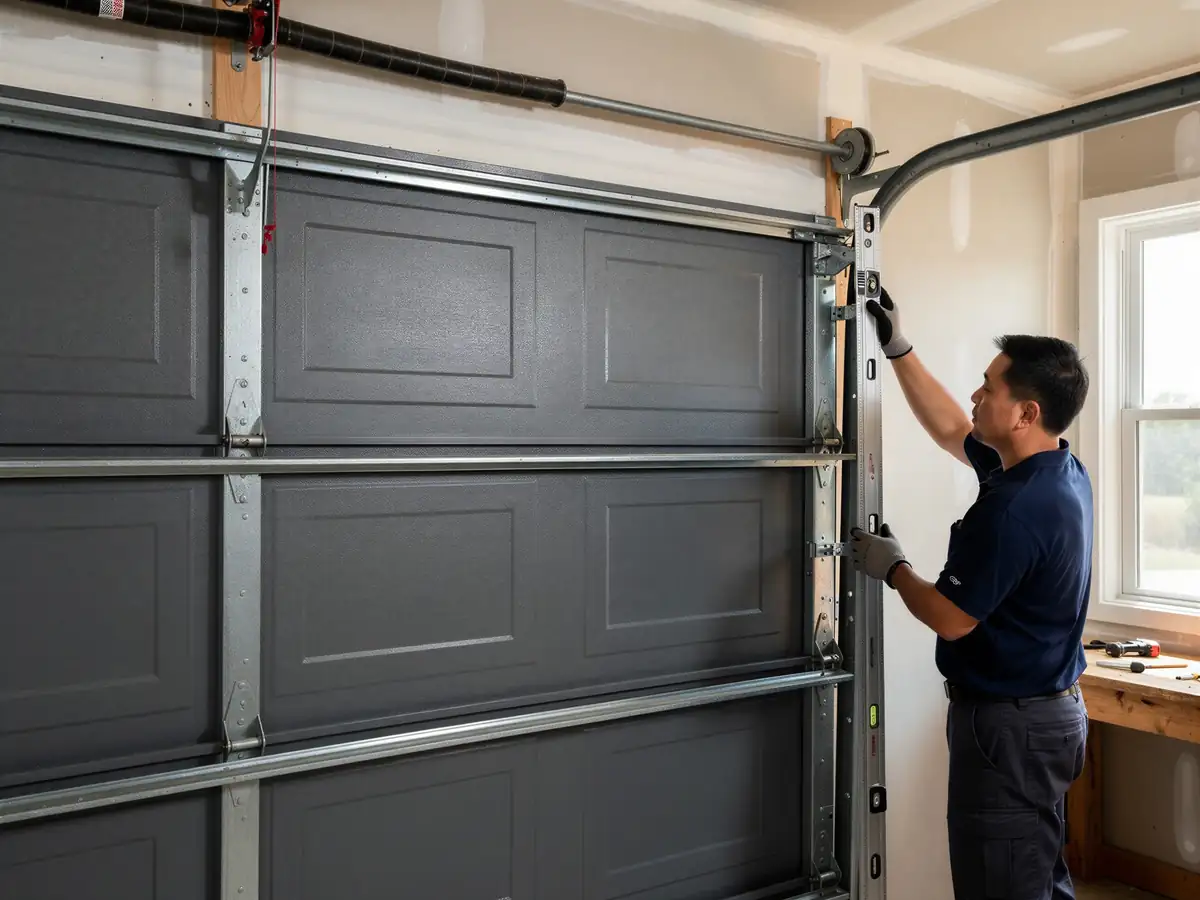
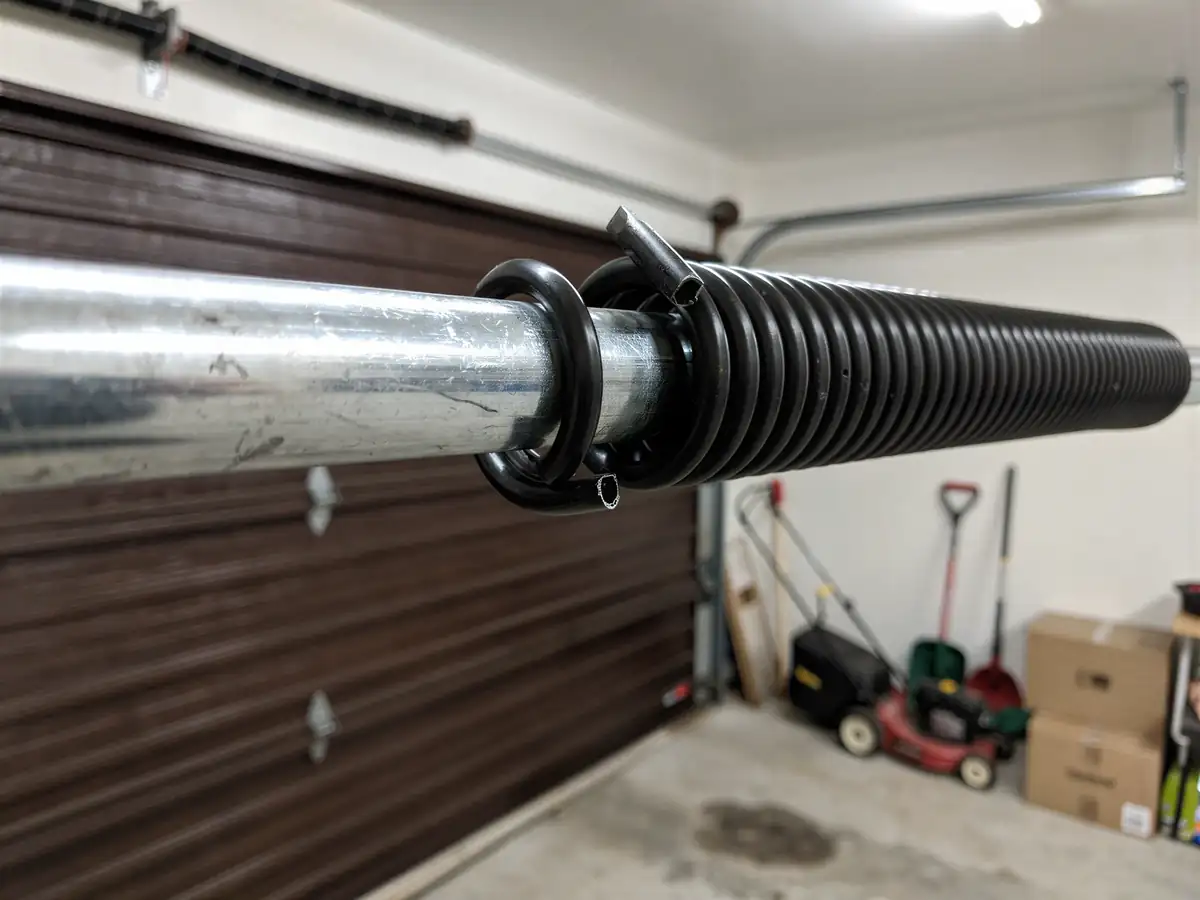
Most of the houses in Serenada went up around 1981, which puts them squarely in the era when builders standardized on torsion spring setups bolted above the door rather than the older side-mounted extension springs. On a single-car door from that period, you're usually looking at one torsion spring sized for a lighter door; on a two-car door, a pair. That matters because a spring from 1981 has had four decades of cycling, and galvanized torsion wire fatigues whether or not anyone ever notices a problem until the day it snaps.
The other failure point specific to doors this age is the winding cone. Early-80s cones were softer steel than what's used now, and after enough freeze-thaw cycles - the mild-with-occasional-freeze pattern this part of Texas gets - the set screws loosen or the cone itself cracks under tension. That's a different repair than just swapping the spring, and it's the kind of thing that turns a 20-minute job into an hour if nobody checks for it first.
We're not guessing what's inside your garage. We're telling you what was standard when houses like yours were built, so you know what to expect before the truck shows up.
How Long You Are Without the Door
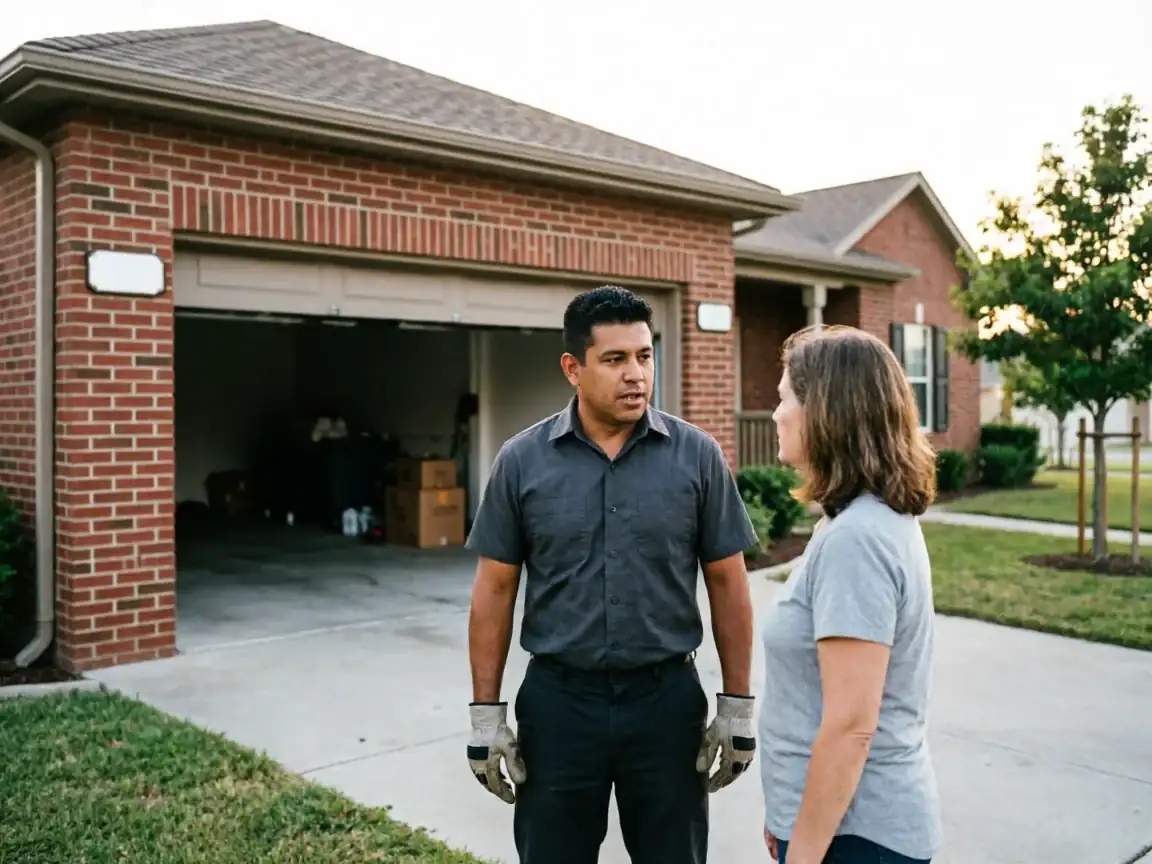
Serenada is about 15 miles from our shop in Hutto, so factor that drive into when we can get there - we don't keep a second location or a crew staged closer, and we're not going to pretend otherwise. Once we're on site, a standard torsion spring swap on a door from the early 1980s is usually a same-visit job if the spring size is common.
Where it stretches out is if the door is an older custom width, or if the winding cone or drum is damaged enough that we need a part we don't carry on the truck. That's not common on the typical 1981-built single or double door, but it happens often enough on houses this age that we'd rather tell you upfront than promise something we can't back up with a number we don't have.
The DIY Question
A wound torsion spring holds enough stored energy to break a wrist, a finger, or worse, and that doesn't change based on how old or rusted the spring looks
On a door built around 1981, the winding cones have had forty-plus years to corrode, and a cone that looks fine can shear the moment you put a bar to it. We don't recommend doing this yourself, full stop - not because we're protecting the job, but because the failure mode on an old cone is unpredictable in a way a new one isn't.
What you can safely check yourself
Whether the door is binding on the track, whether the cables look frayed, and whether one side of the door sits lower than the other when it's down. Any of those tells you something's wrong before you ever touch the spring itself, and they're useful to mention when you call.
How We Fix It
We size the replacement spring to the actual weight of your door and the drum it winds on - not a generic one-size part - which matters more on houses this age because doors from 1981 weren't all built to the same spec even within the same neighborhood. We check the winding cones and set screws while we're in there, since on a door this old a worn cone is often the real reason a spring failed early rather than just bad luck.
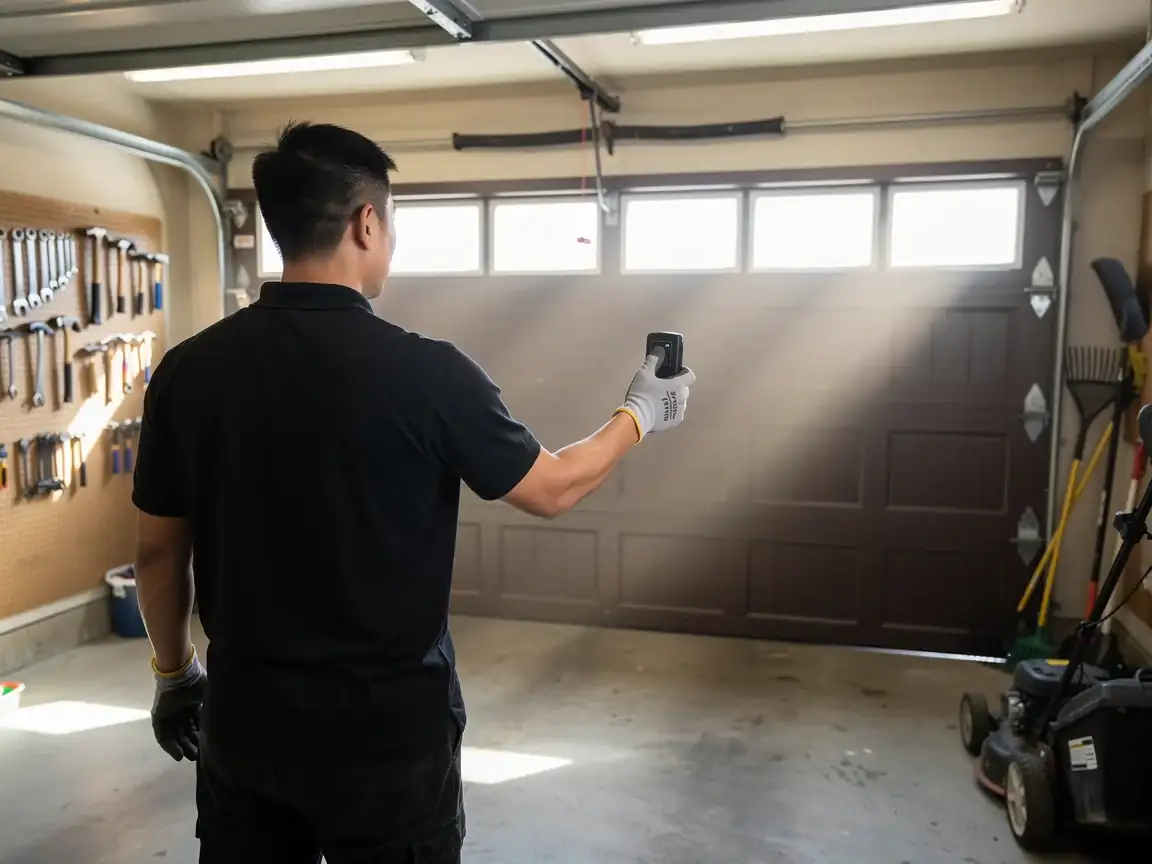
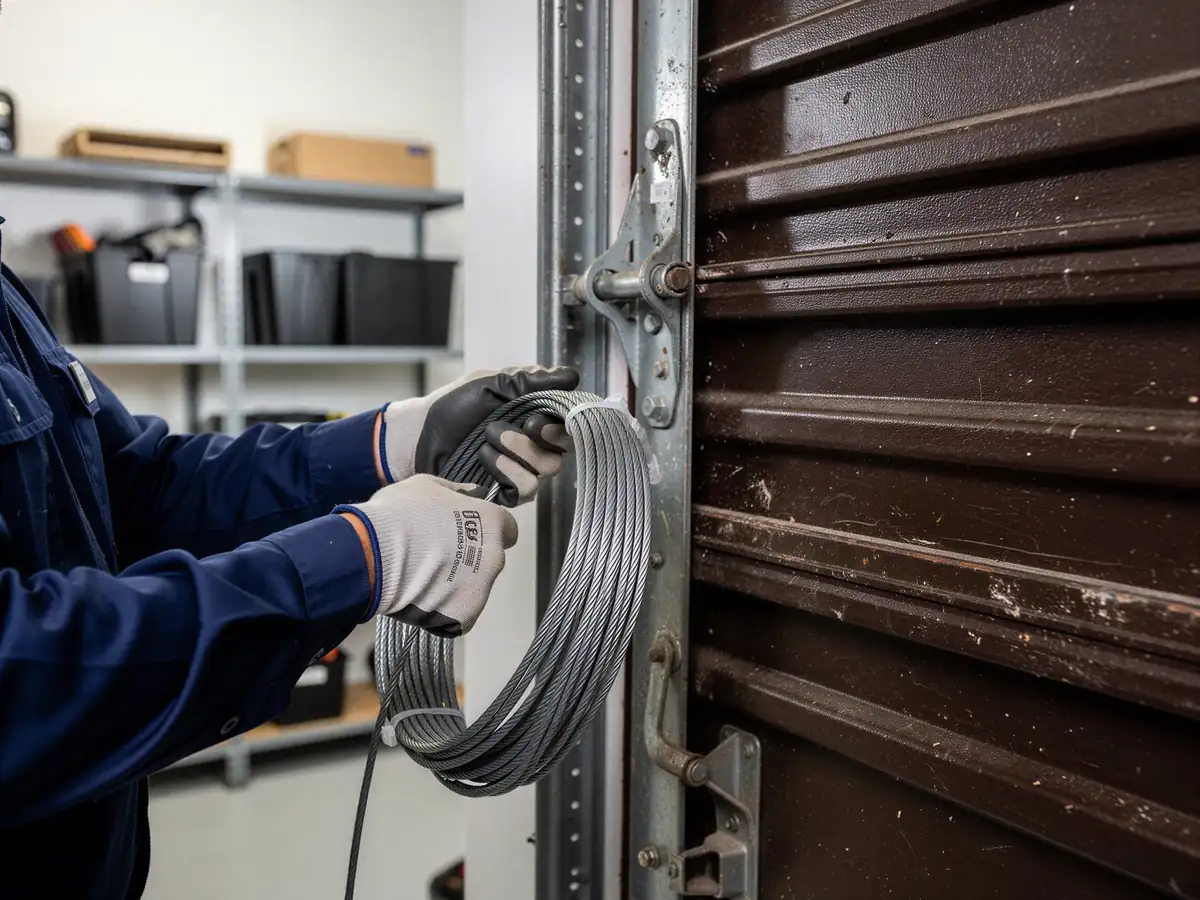
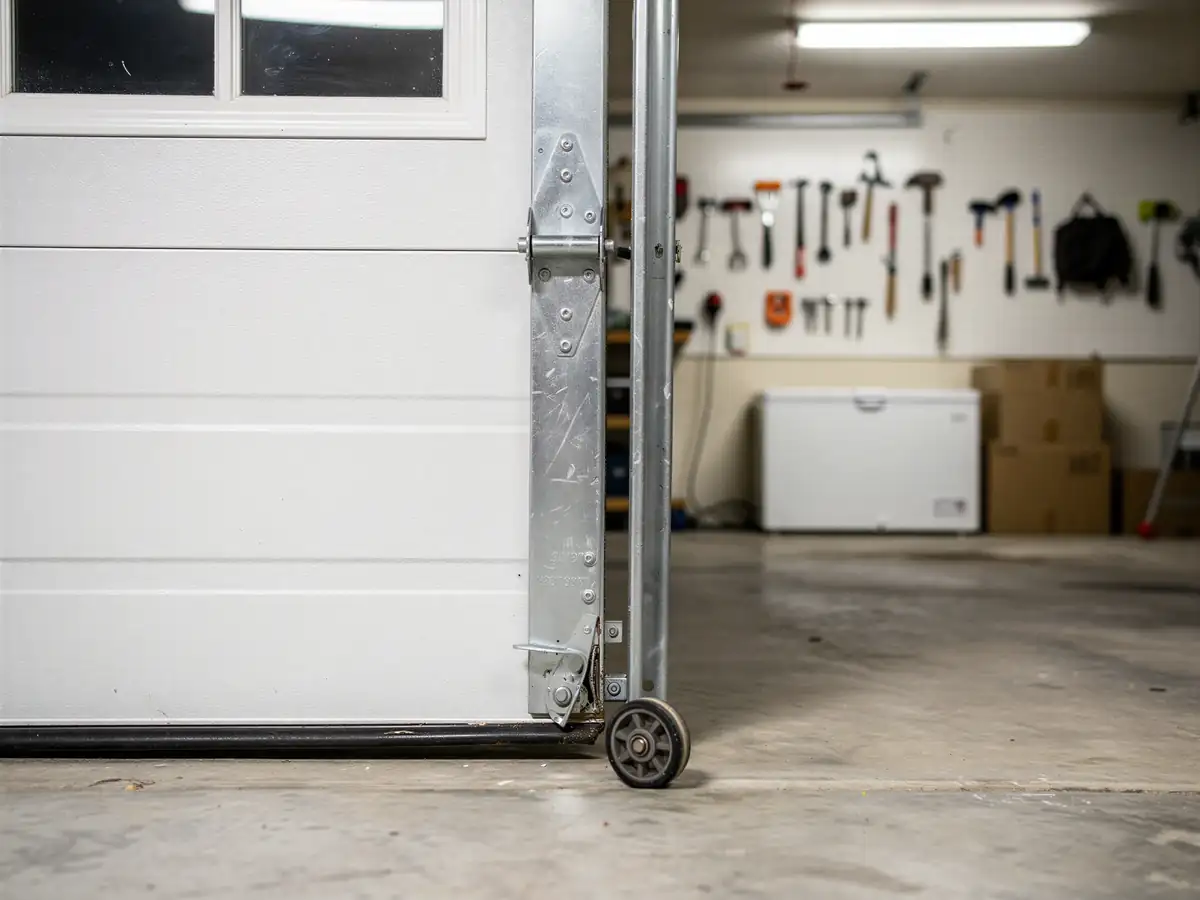
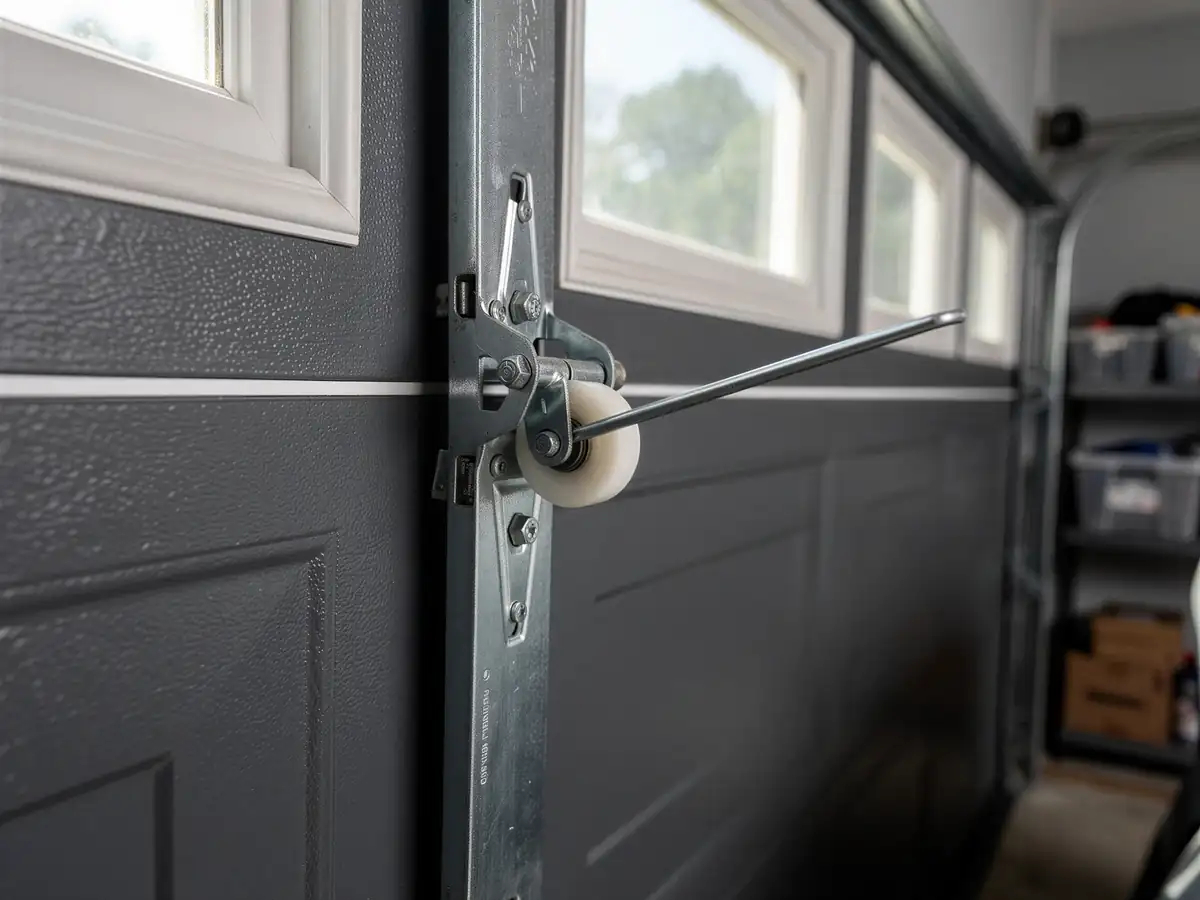
We also check cable condition and roller wear at the same time, because on a door with original-era hardware, the spring rarely fails in isolation. If the opener's travel settings need resetting after the new spring goes in - which they usually do - we handle that before we leave. We balance the door by hand before we call it finished, not just by eye.
What You Are Seeing
A loud bang from the garage, usually when nobody's touching the door, is almost always a torsion spring letting go. If the door won't budge, or the opener strains and reverses without lifting it, that's the spring no longer doing its job of counterbalancing the weight - the opener was never built to lift a garage door on its own.
A visible gap in the spring coil, or one side of the door sitting noticeably lower when closed, both point the same direction. On a door from the early 1980s, loose or stripped winding cone screws can mimic a spring problem - the door feels the same way, heavy and uncooperative - so if you've had a spring replaced before and it's acting up again fast, that cone is worth a look before anyone assumes the new spring is bad.