Where This Job Goes Sideways
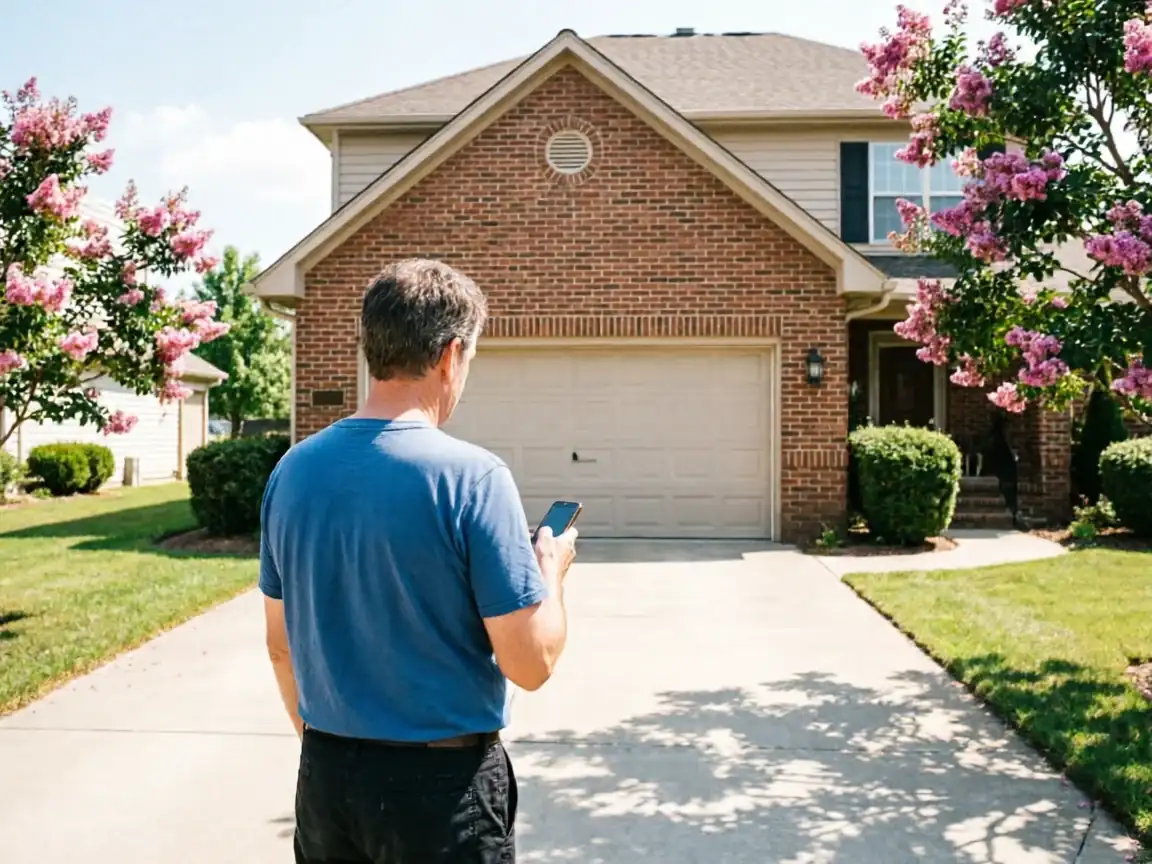
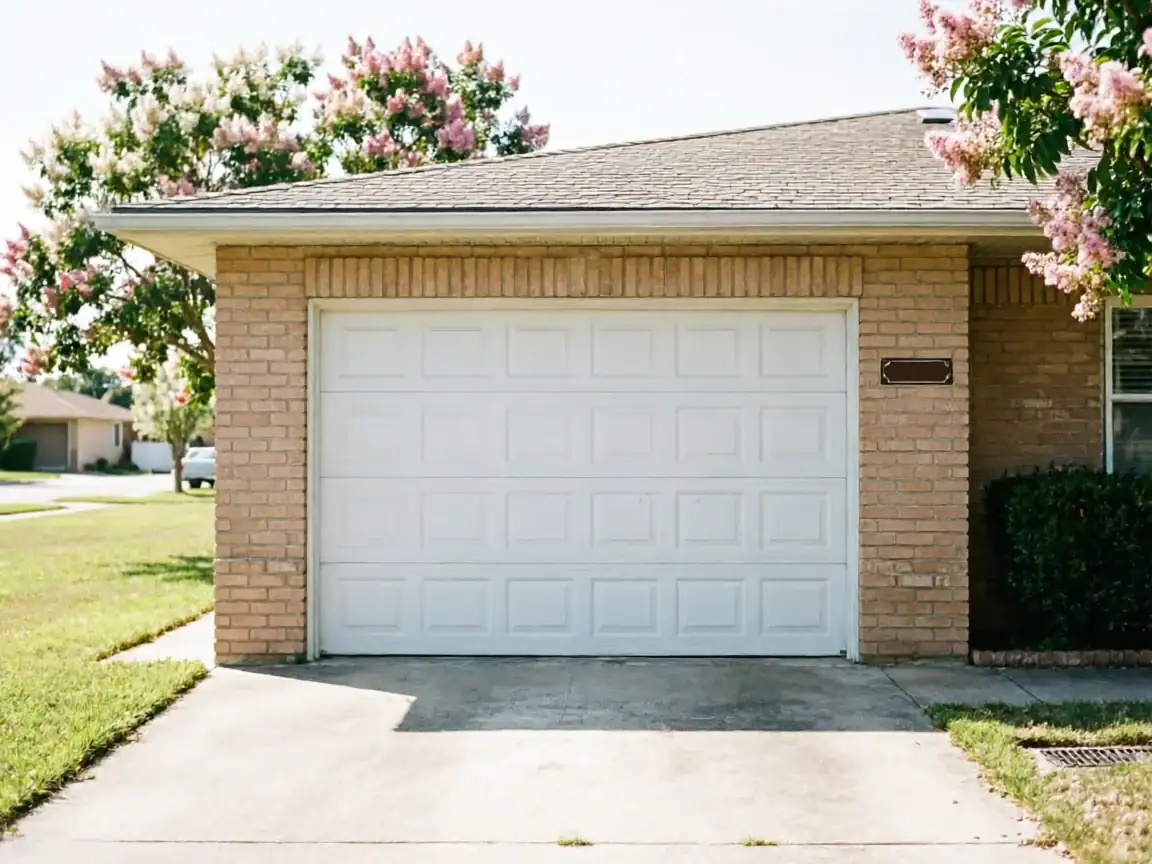
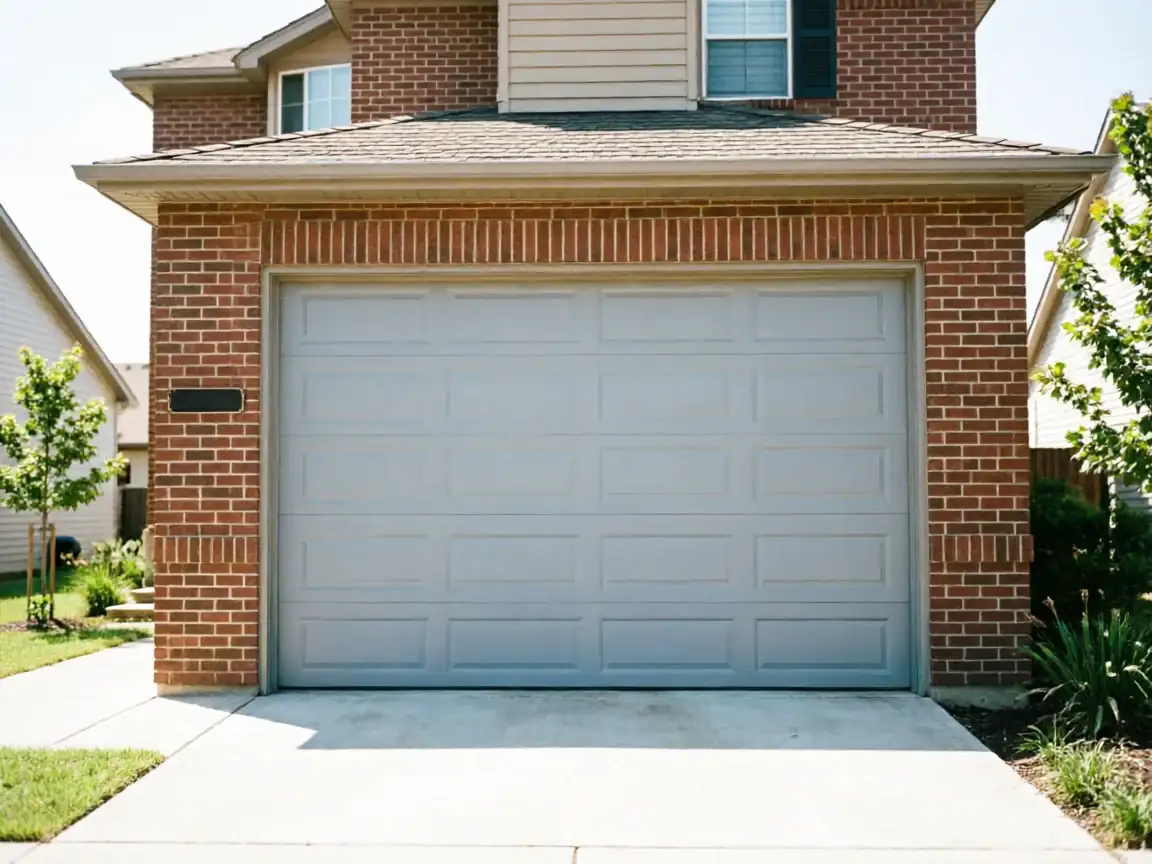
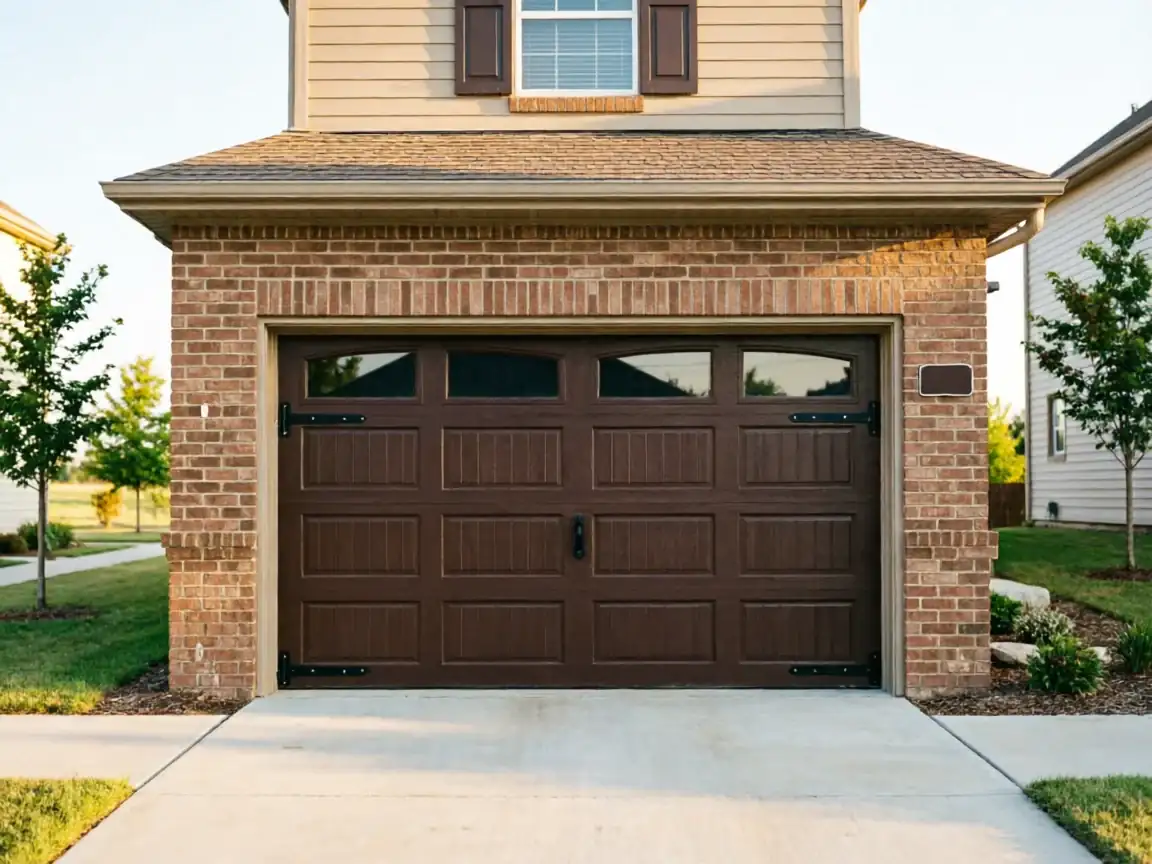
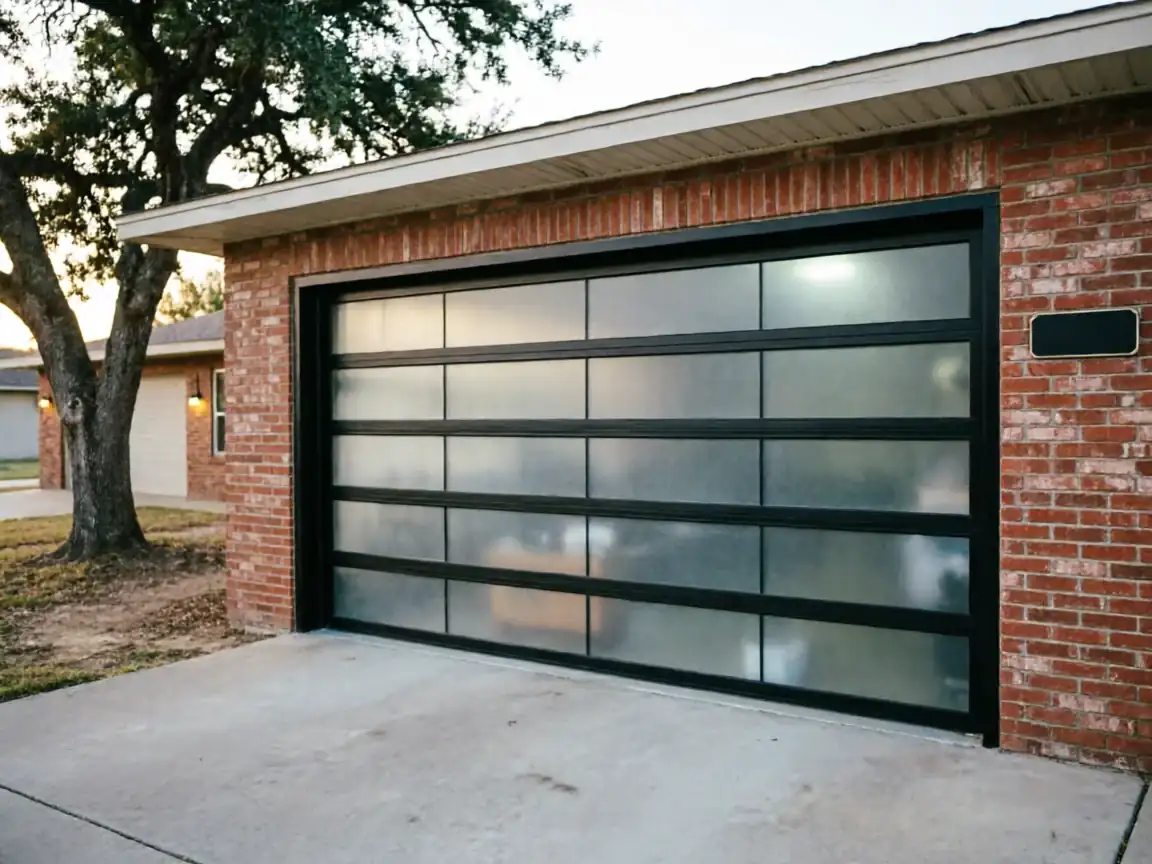
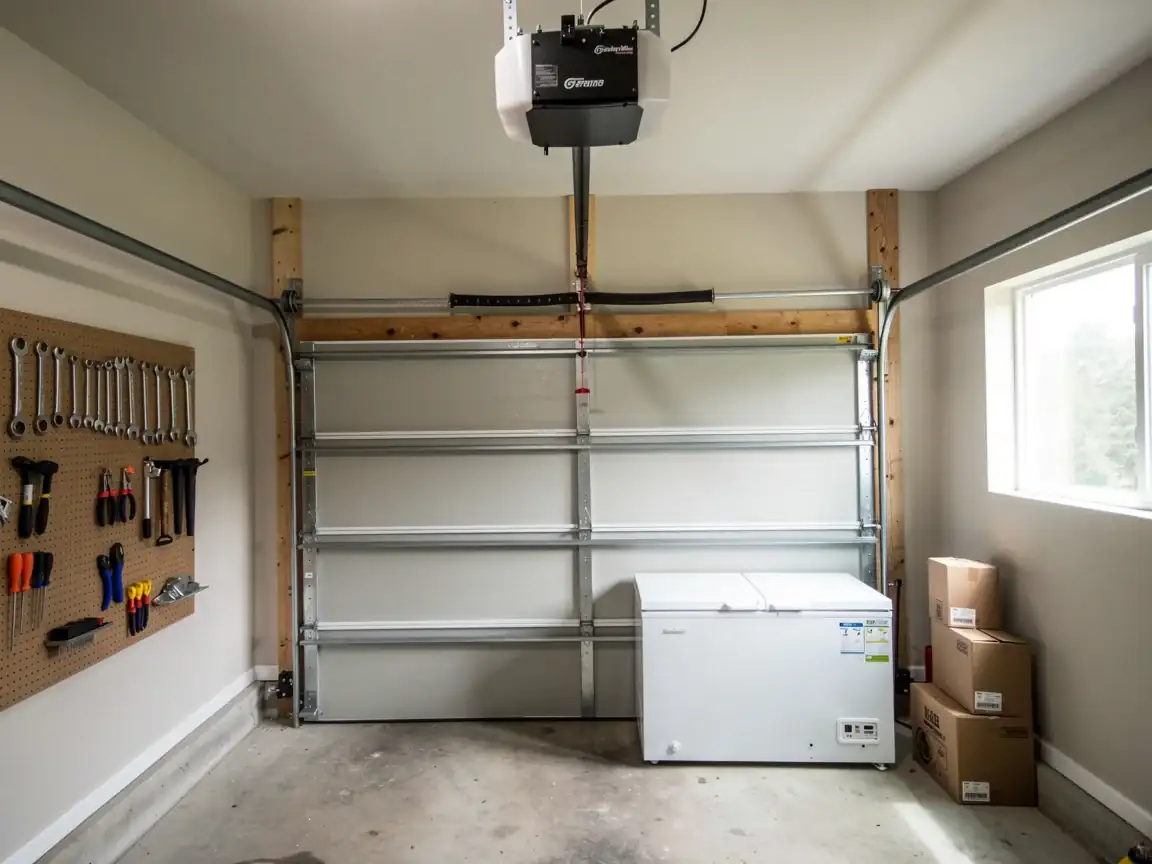
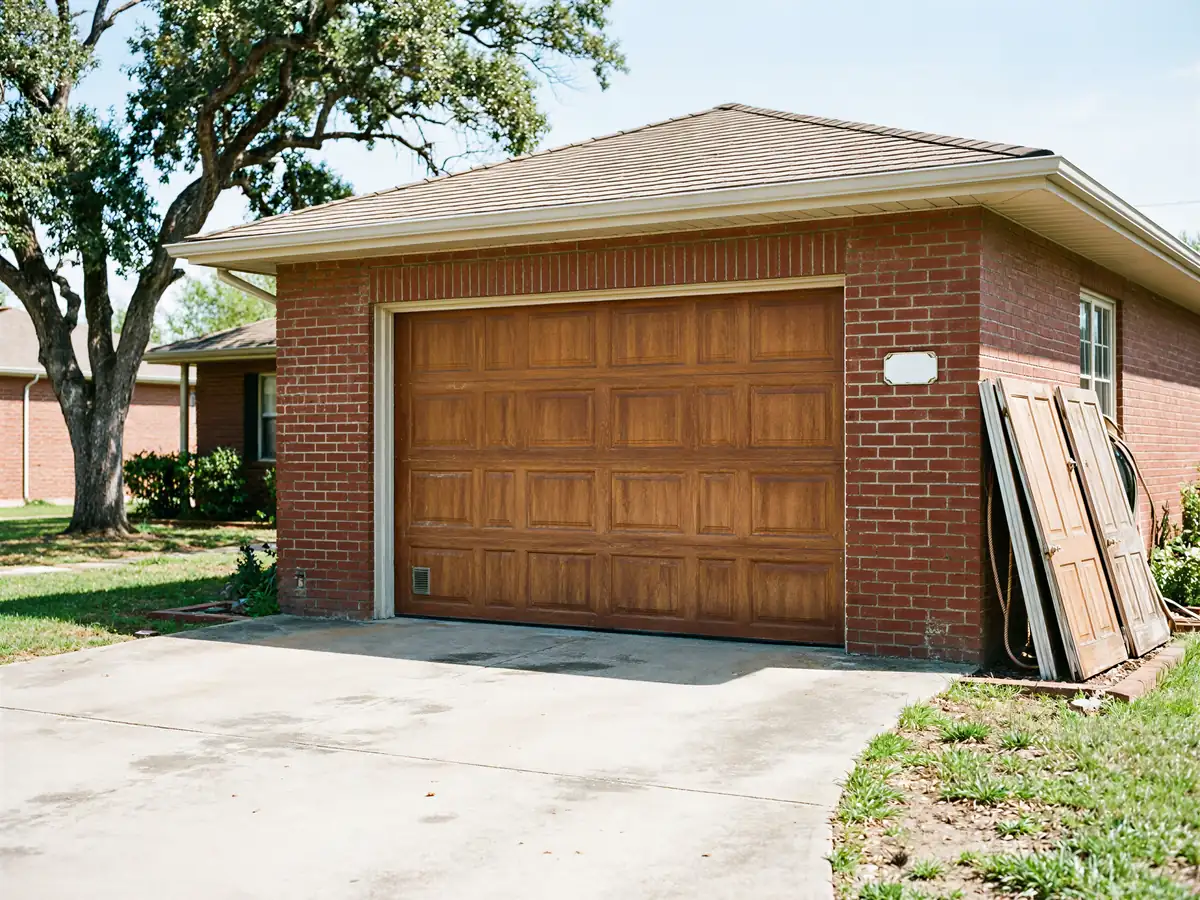
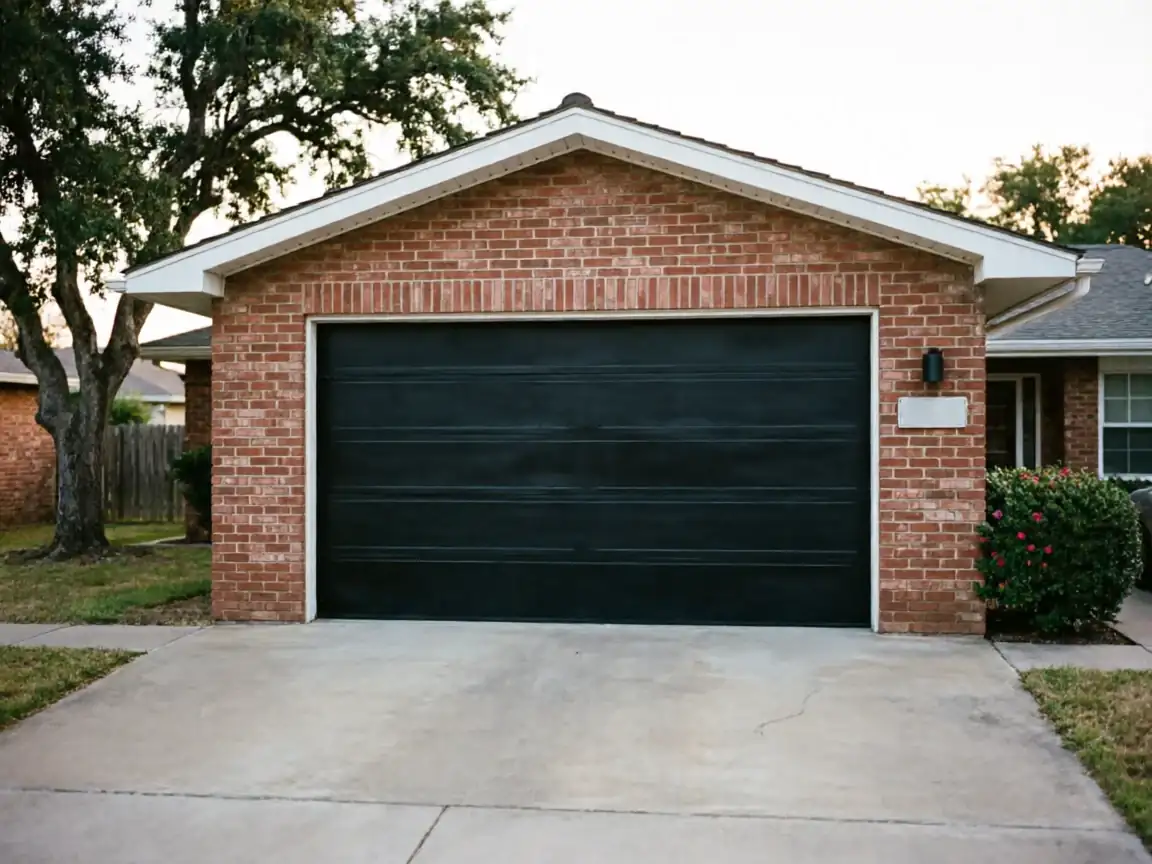
Serenada sits about 15 miles from our Hutto shop, and the houses out here skew a little older than the area average - median build year of 1981, a few years ahead of the 1984 median across the wider service area. That gap matters more than it sounds like it should. A house built in 1981 was more likely to go up with standard-wind torsion springs and plain galvanized cables on steel drums, not the dual-cable safety systems that started showing up as extension-door hardware got revised through the late '80s and '90s. When a cable snaps on one of these early-1980s doors, it's usually a single drum-and-cable setup on each side, and if one side has frayed, the other side is close behind it on the same clock. We don't guess at this from the truck - we look at the drum style and the cable gauge before we quote anything, because two doors that look identical from the driveway can have completely different hardware underneath.
How Long You Are Without the Door
A broken cable doesn't mean a dead opener, but it does mean the door won't travel safely, and running it anyway is how a bent track or a cracked panel gets added to the bill. We don't quote a same-day window for Serenada specifically - we're coming from Hutto, roughly 15 miles out, and that drive is part of scheduling the job, not something we paper over. What we can tell you is what slows a cable repair down once we're on site: if the drums are worn or pitted from age, a cable-only fix doesn't hold, and we're replacing drums and cable together rather than sending you back out in a month. On a door from the early-'80s stock common out here, that's not unusual - the hardware has had forty-plus years to wear.
How We Fix It
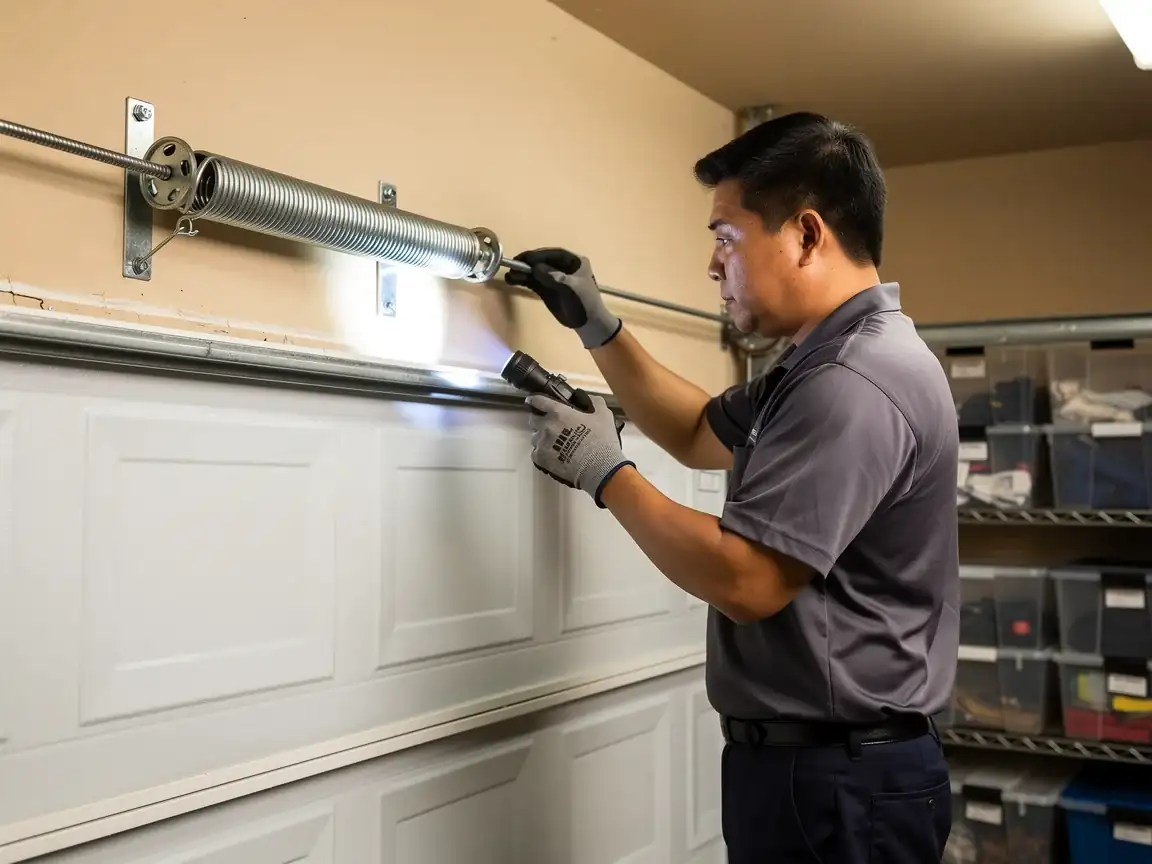
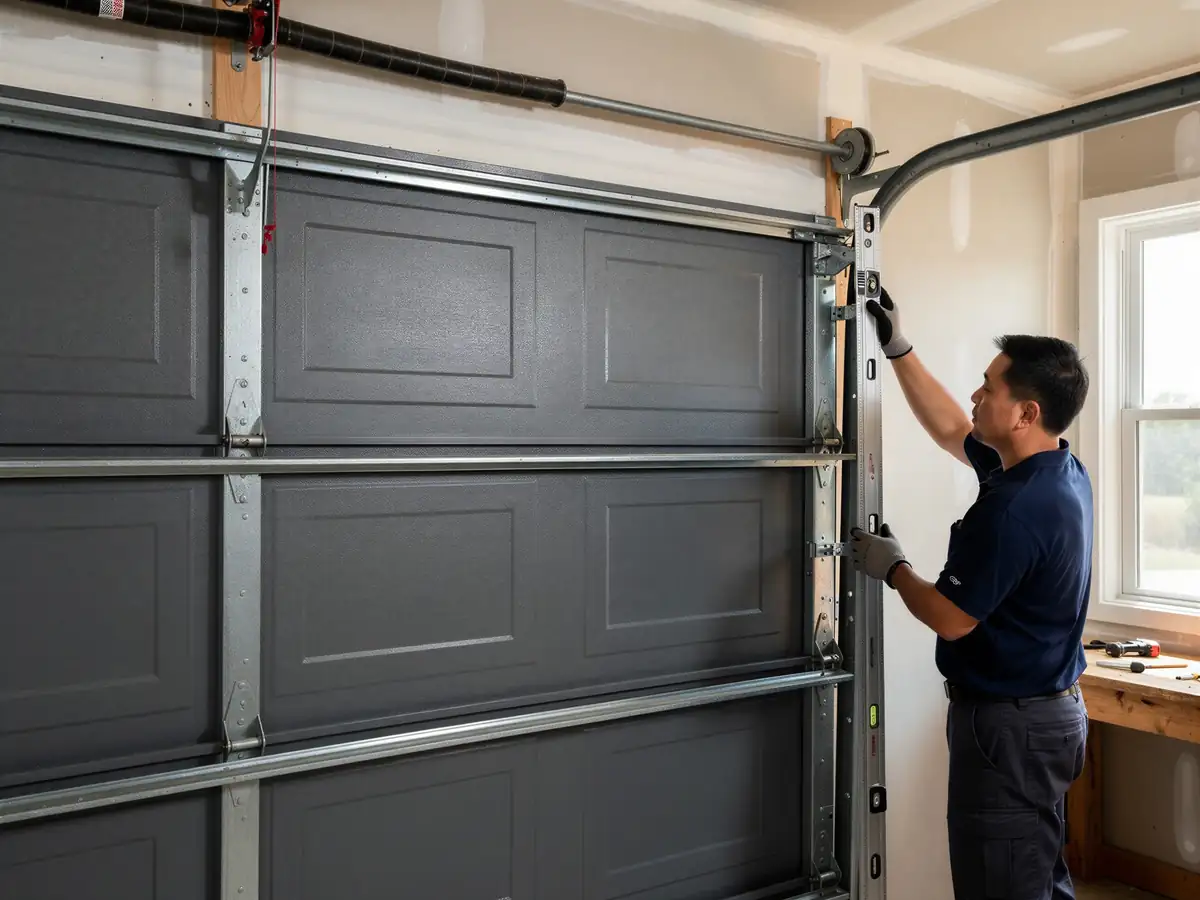
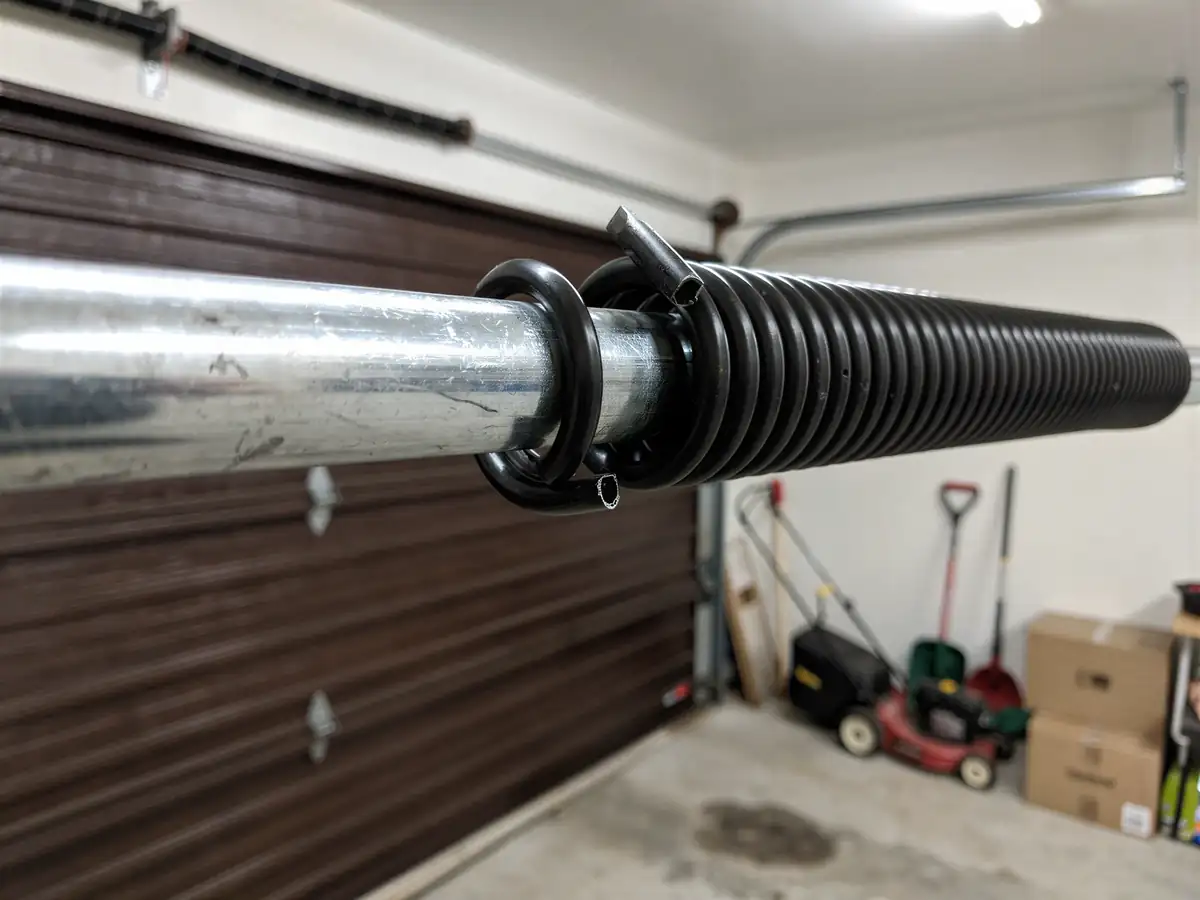
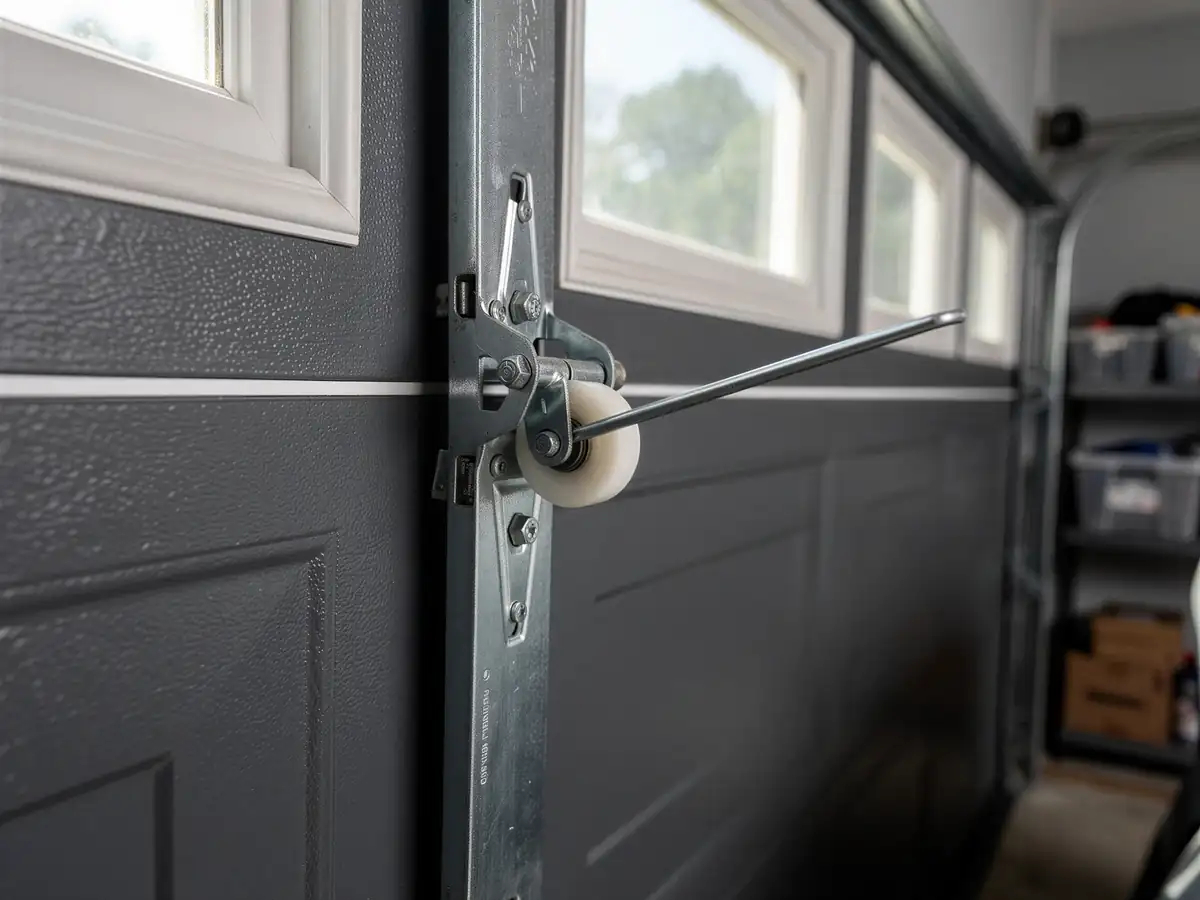
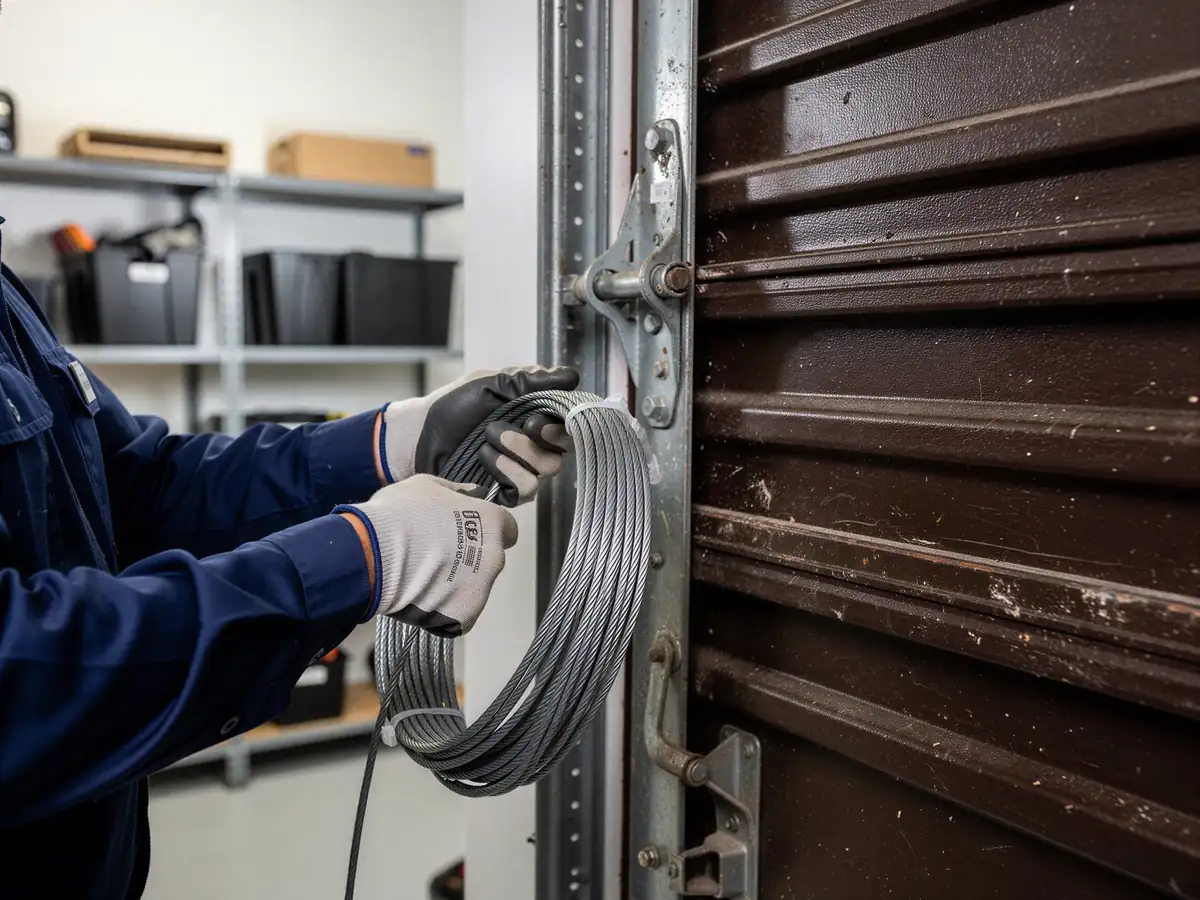
We match the cable to the drum, not to a generic parts bin number. On the early-1980s doors common in Serenada, that often means a plain-wind drum and a thicker-gauge cable than what ships standard on newer residential doors, and we carry both because it's a stock profile we see often enough in this part of the service area. If the drum itself is scored or the cable has jumped the drum groove and chewed into the edge, we replace the drum rather than just the cable - a worn drum will fray a new cable in weeks. We also check the other side's cable while we're there, since original hardware on a house this age tends to fail in pairs, just not always on the same day.
What You Are Seeing
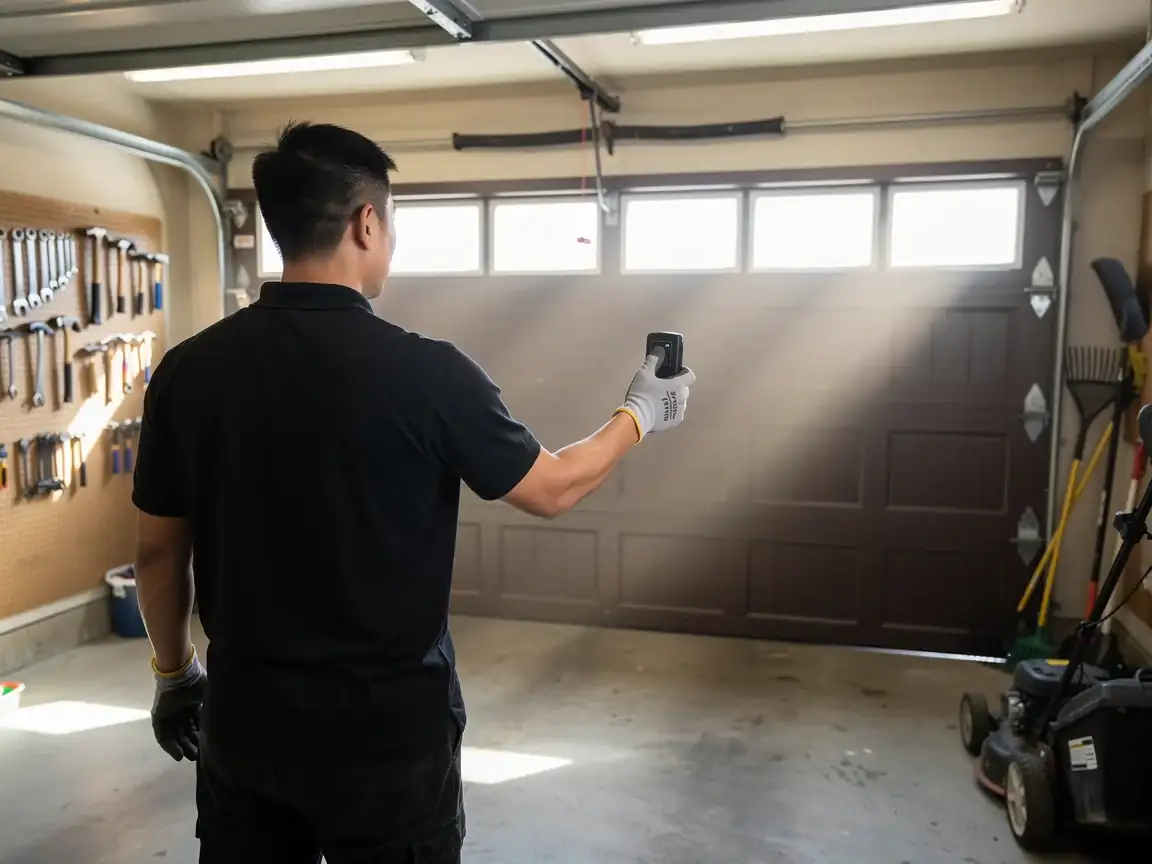
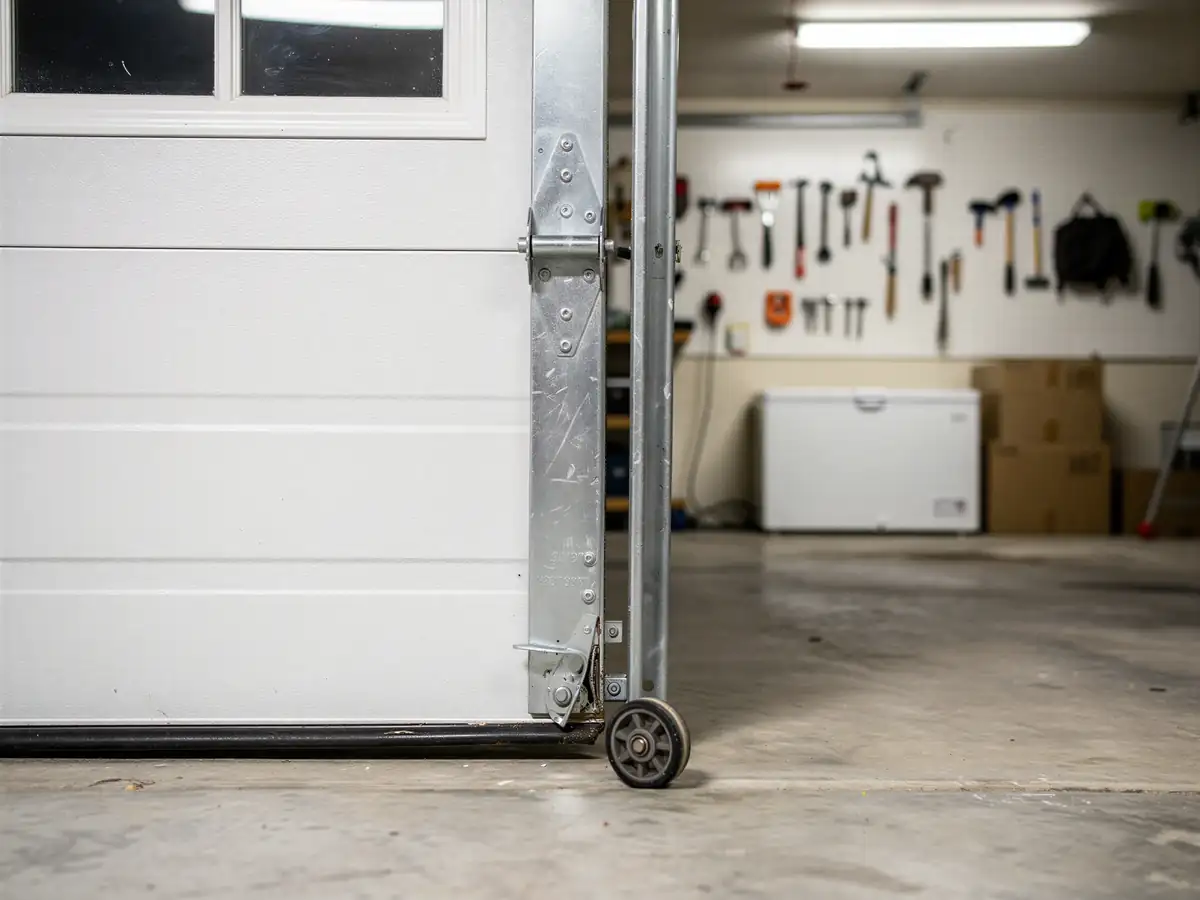
The signs are usually mechanical, not electrical: one corner of the door hangs lower than the other, the door goes crooked in the track partway through a cycle, or you hear a sharp snap followed by the door dropping fast on one side. Sometimes it's slower - a cable visibly fraying where it wraps the drum, strands sticking out like a frayed rope. With MILD-climate conditions and occasional freeze in this part of Texas, we don't see the ice-related cable failures that colder regions deal with, but plain age and cycle count still take a steady toll on cable this old. If your door won't budge at all, don't force the opener - that's usually the cable, not the motor, and forcing it is how a bent track gets added to a simple repair.