Where This Job Goes Sideways
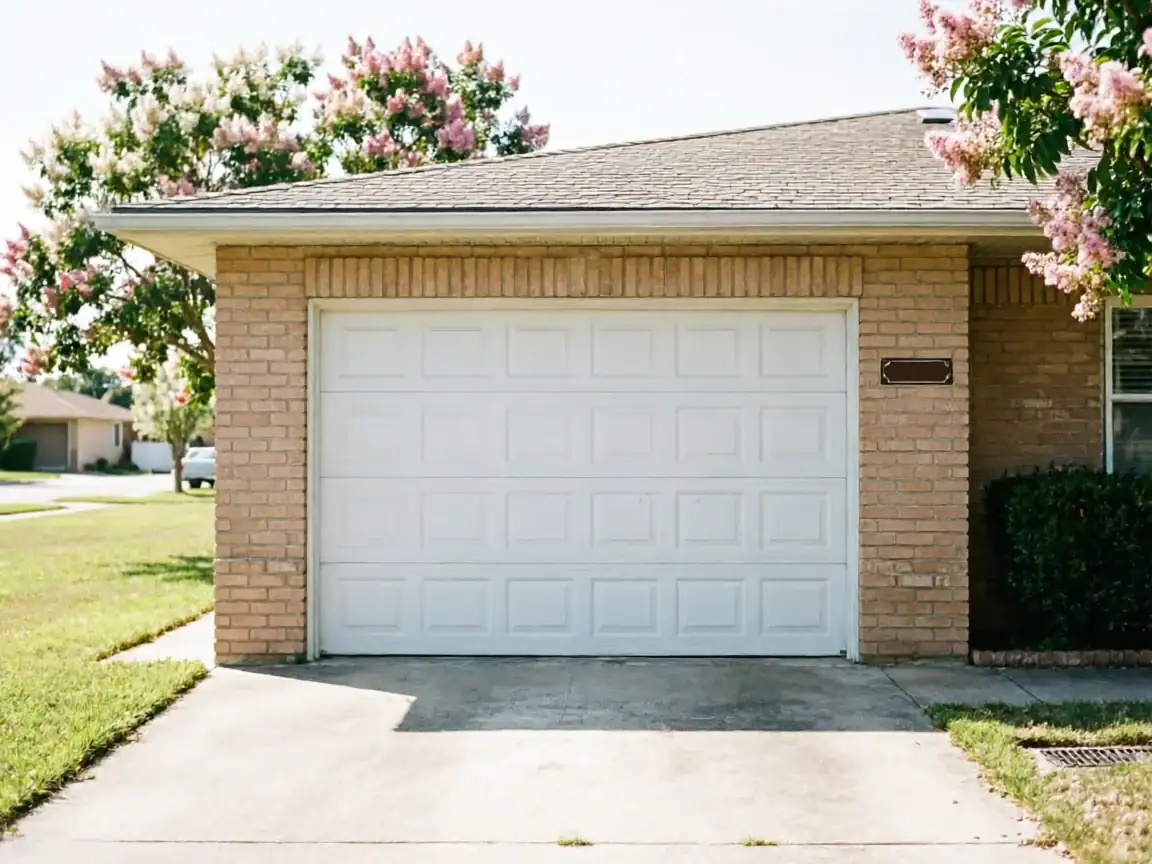
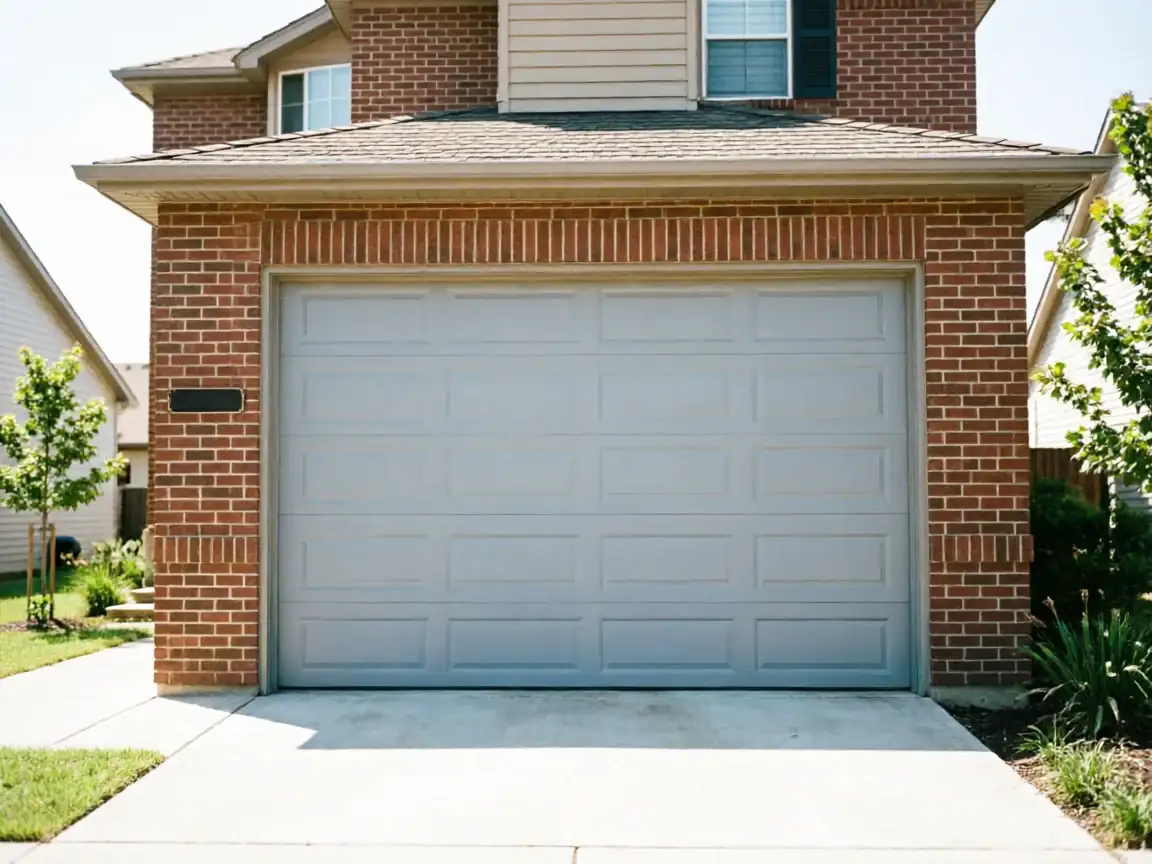
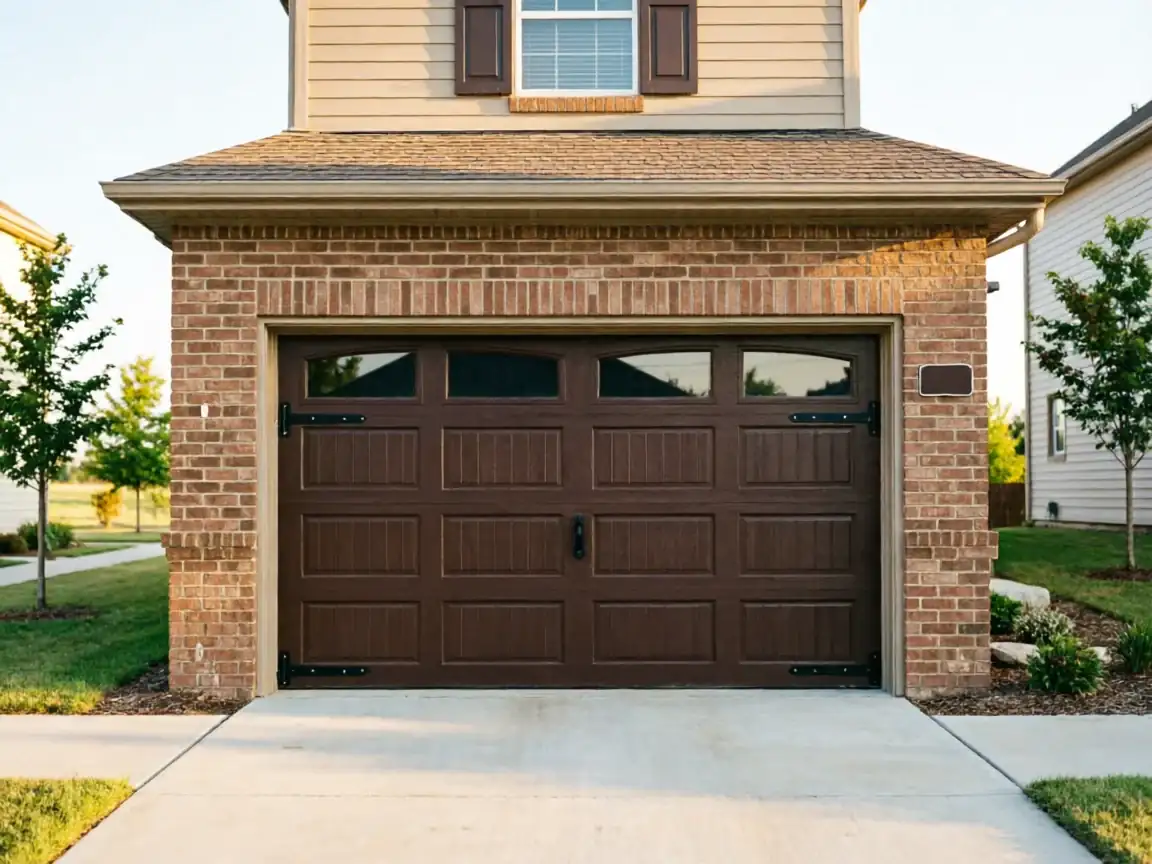
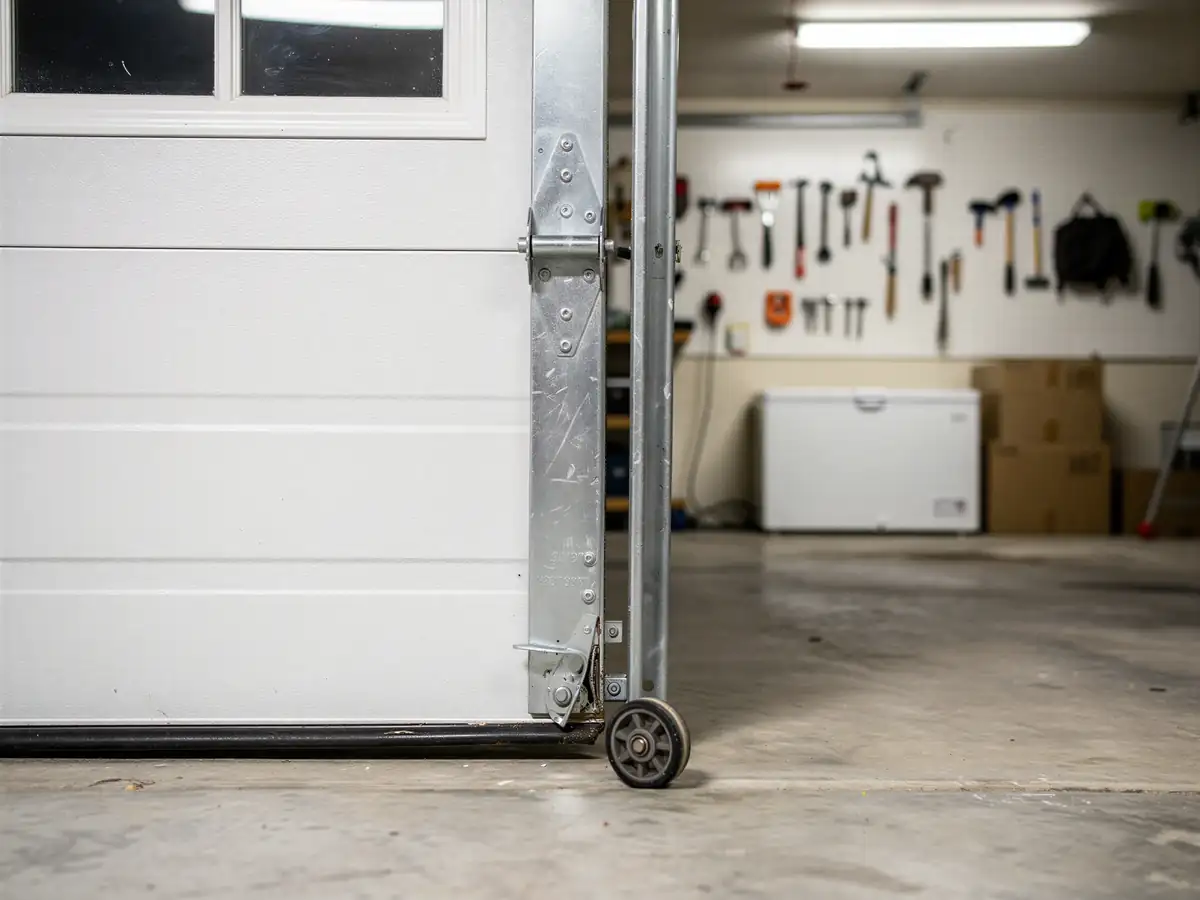
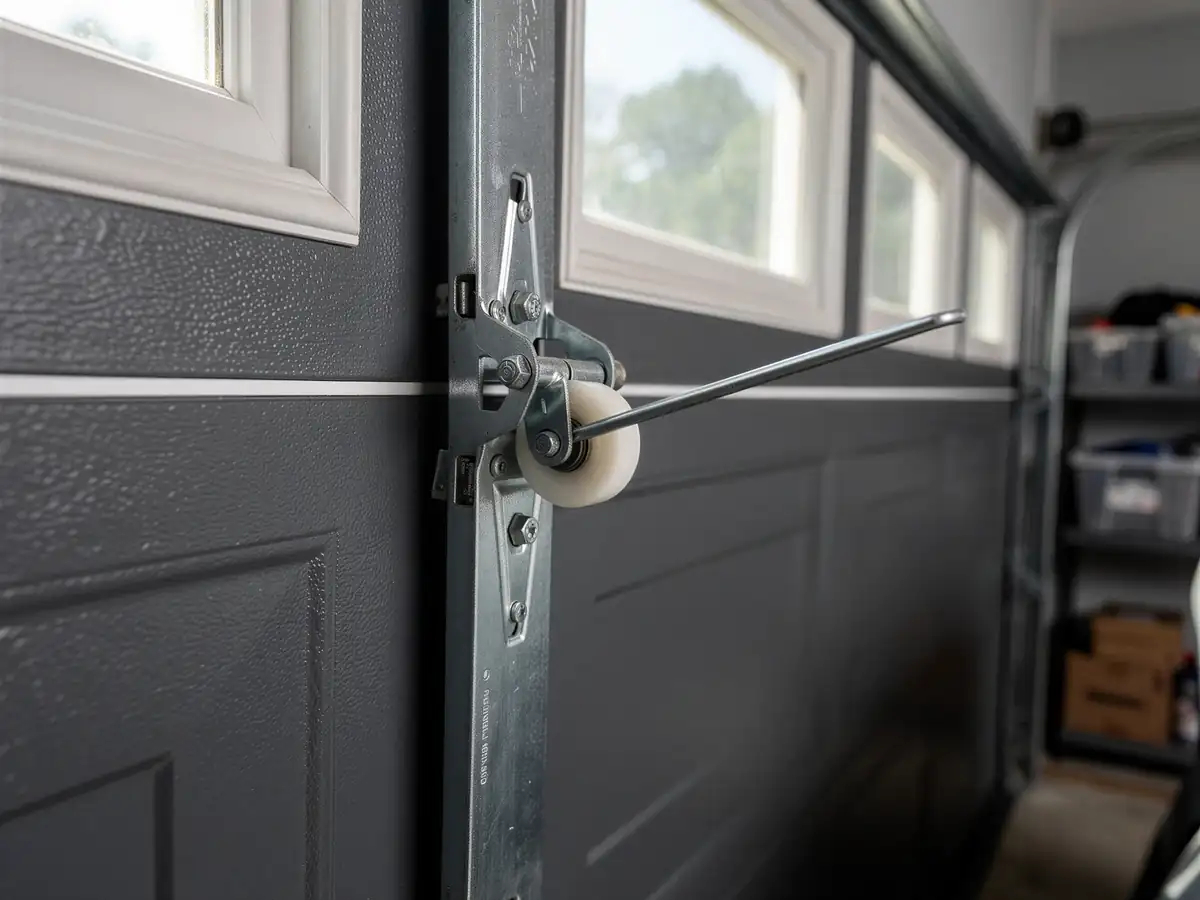
Most houses in Serenada went up around 1981, which puts them square in the era of single-layer steel sectional doors on narrow steel track, usually 16x7 for a double or 8x7 for a single. The rollers that shipped with those doors are plain galvanized steel on a steel stem, no nylon sleeve, no sealed bearing. That setup is loud by design, and after close to forty years it's also where the job goes sideways. The steel wheel wears a flat spot, or the stem bends slightly from years of a door that's been a touch out of plumb, and the roller starts binding in the track instead of rolling through it. Homeowners usually call about the noise first, not the binding, and by the time they call, the track itself may have worn a groove that matches the flat spot on the roller. That's the part that turns a $20 roller swap into a track inspection too. We won't quote a roller-only fix sight unseen on a door this old without looking at the track first, because replacing rollers into a grooved track just repeats the wear in a few months.
How Long You Are Without the Door
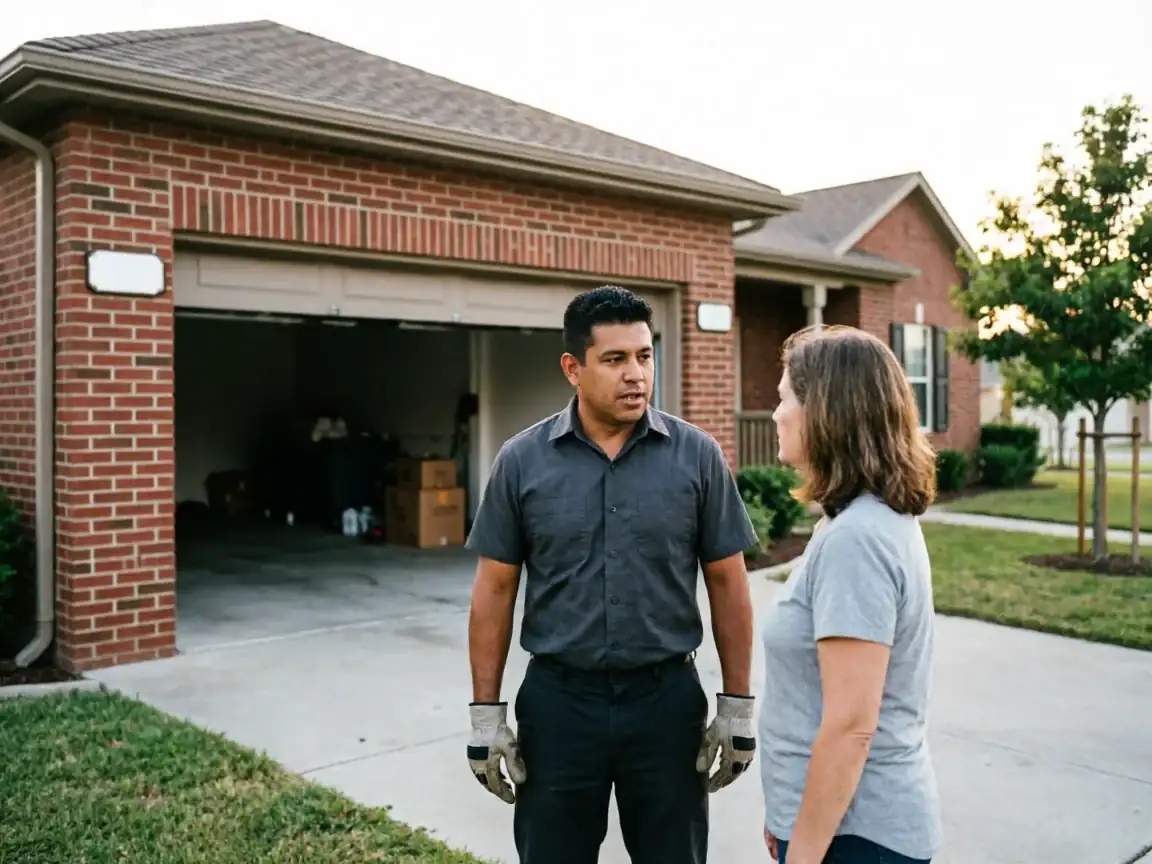
We run out of Hutto, and Serenada sits about 15 miles from there, so figure that drive time into when we can get to the door, not into how long the actual repair takes once we're on site. Roller replacement itself, once we've got the door open and the track checked, is a same-visit job - it's not a parts-order repair unless the track needs replacing alongside the rollers. The climate here is mild with occasional freeze, so we're not dealing with ice-jammed track in the morning the way some regions do, which keeps the job predictable once we're there. The honest limitation: if the track is worn enough to need full replacement rather than just new rollers, that's a second trip for parts we don't carry stock of in the truck for every track width.
How We Fix It
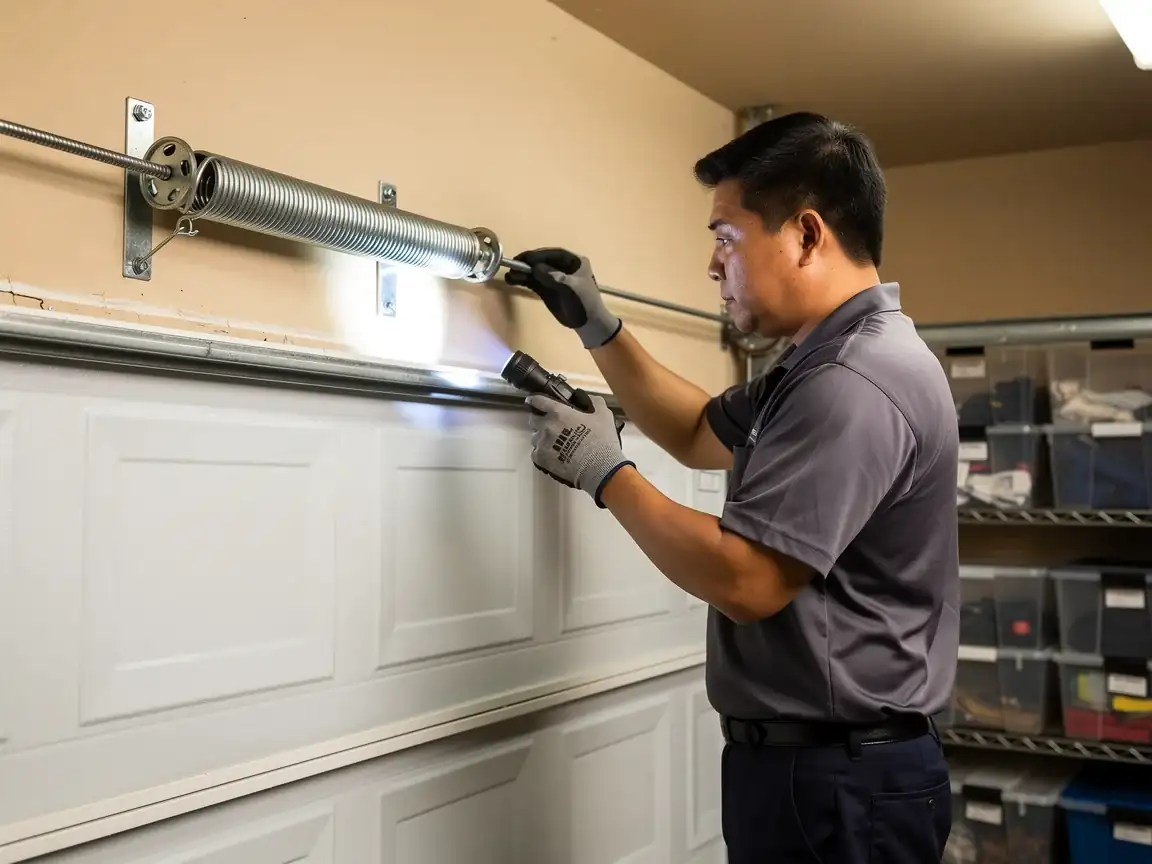
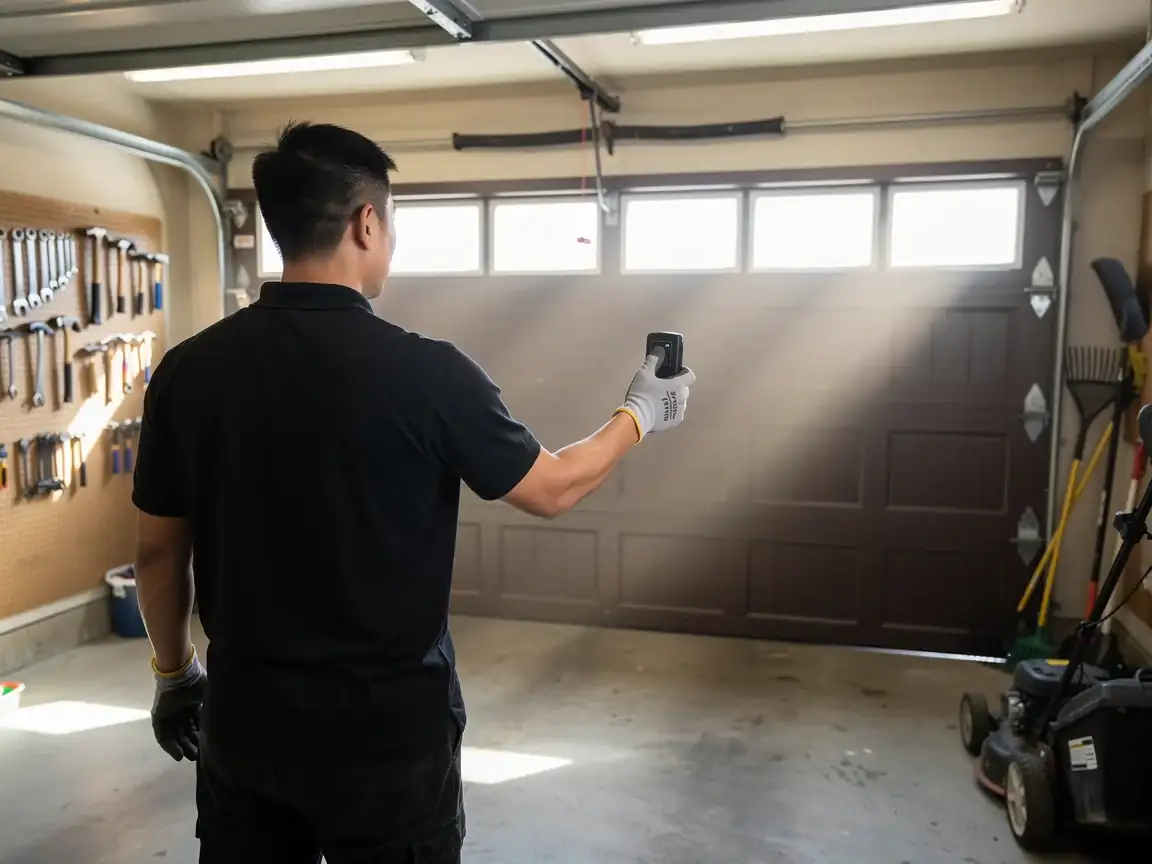
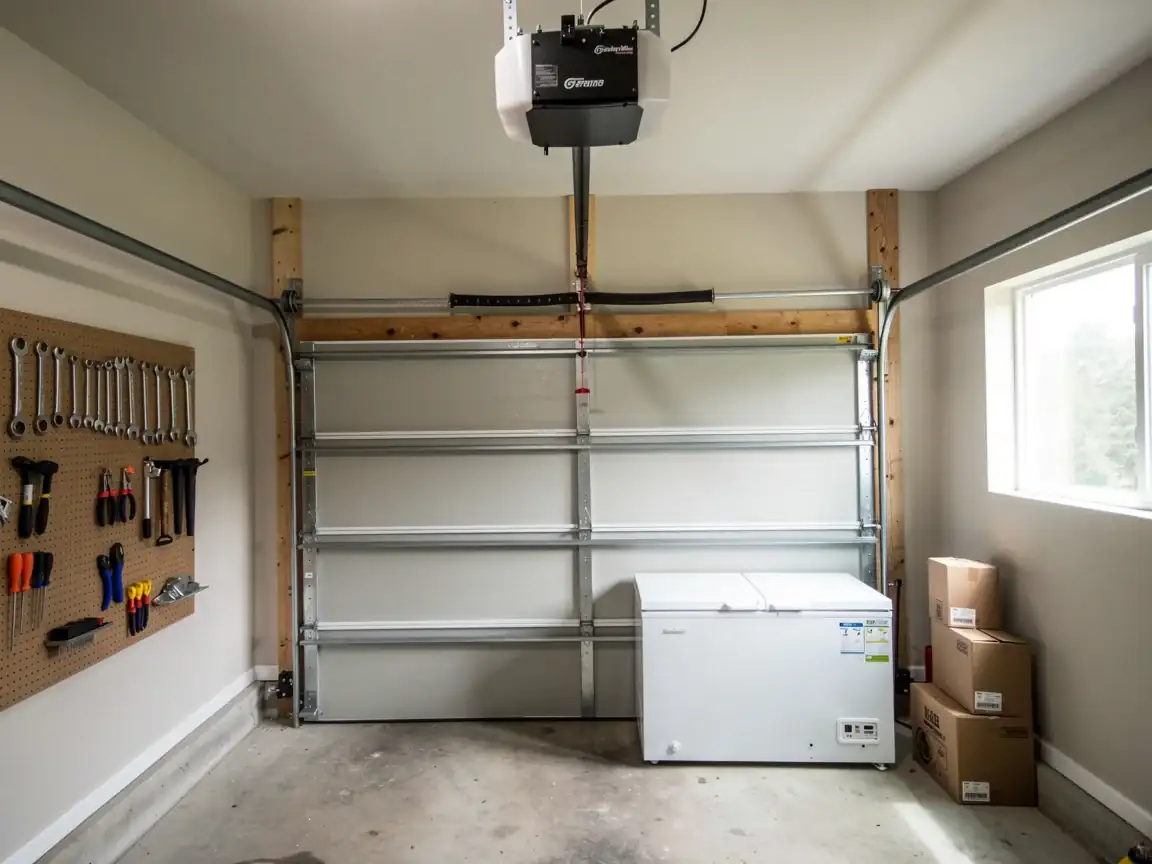
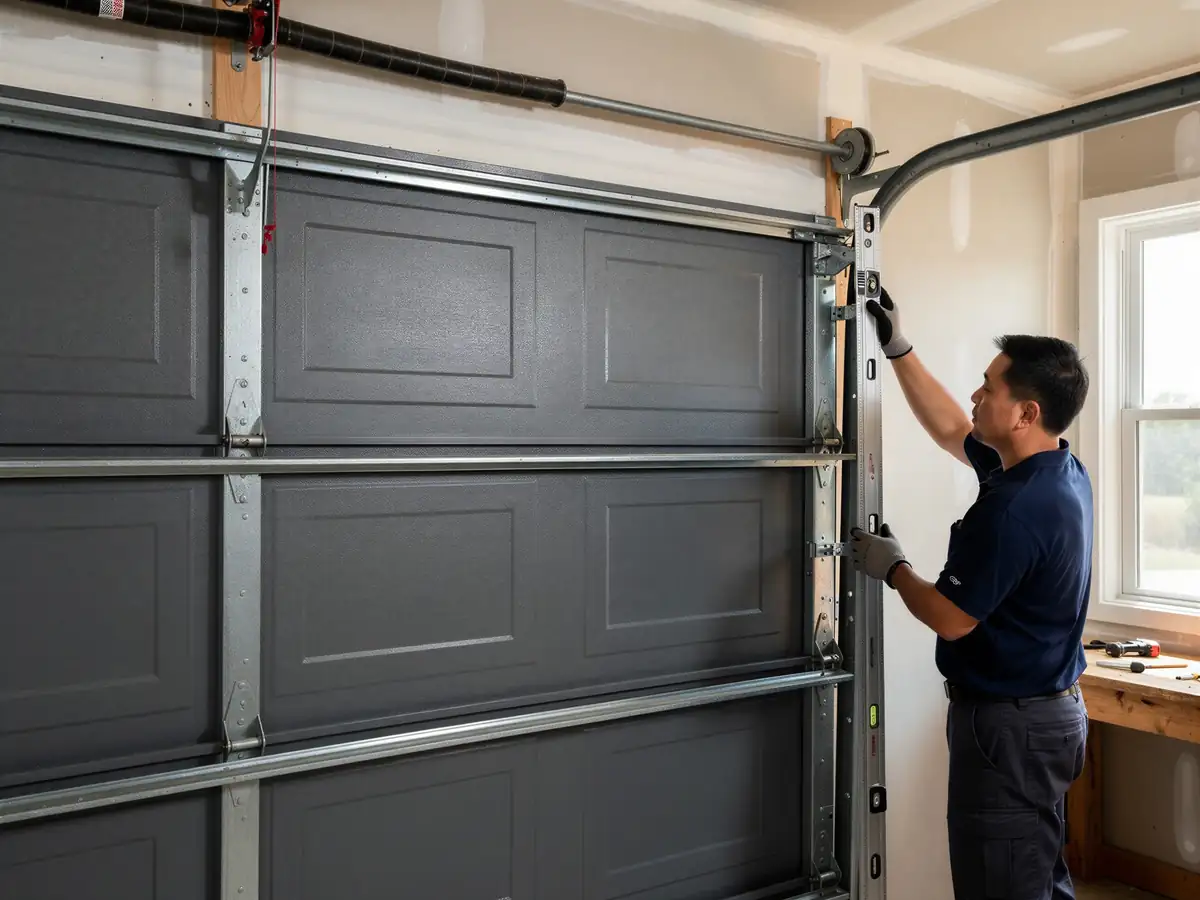
We pull the door panel by panel, check each roller for flat spots or a bent stem, and check the track section it runs in for a matching groove or any bow. On a door this age in Serenada, we're almost always replacing all the rollers as a set rather than one at a time - if one wheel has worn to a flat spot after this many years, the rest are close behind it, and a mixed set of old and new rollers just means we're back out sooner. Where the track shows a groove, we replace that section rather than rollers alone. We set the new rollers, run the door through a full open-close cycle by hand before touching the opener, and check that it tracks straight without the opener fighting it. If the door was already out of plumb enough to cause the original wear, we true it up on the same visit.
What You Are Seeing
The signs on a Serenada door usually show up as noise before anything else - a grinding or clicking as the door moves, worse at the same spot in the travel every time, which tells you it's one roller, not the whole run. Some owners notice the door hesitating or jerking at that same point instead of smooth travel. A few see the roller wheel itself worn down unevenly if they look at it directly, flat on one side instead of round. None of that means the spring or the opener is the problem - rollers wear independently of both, and on a door built around 1981 the rollers are very often the first hardware to go simply from age, long before the spring needs touching.