Where This Job Goes Sideways
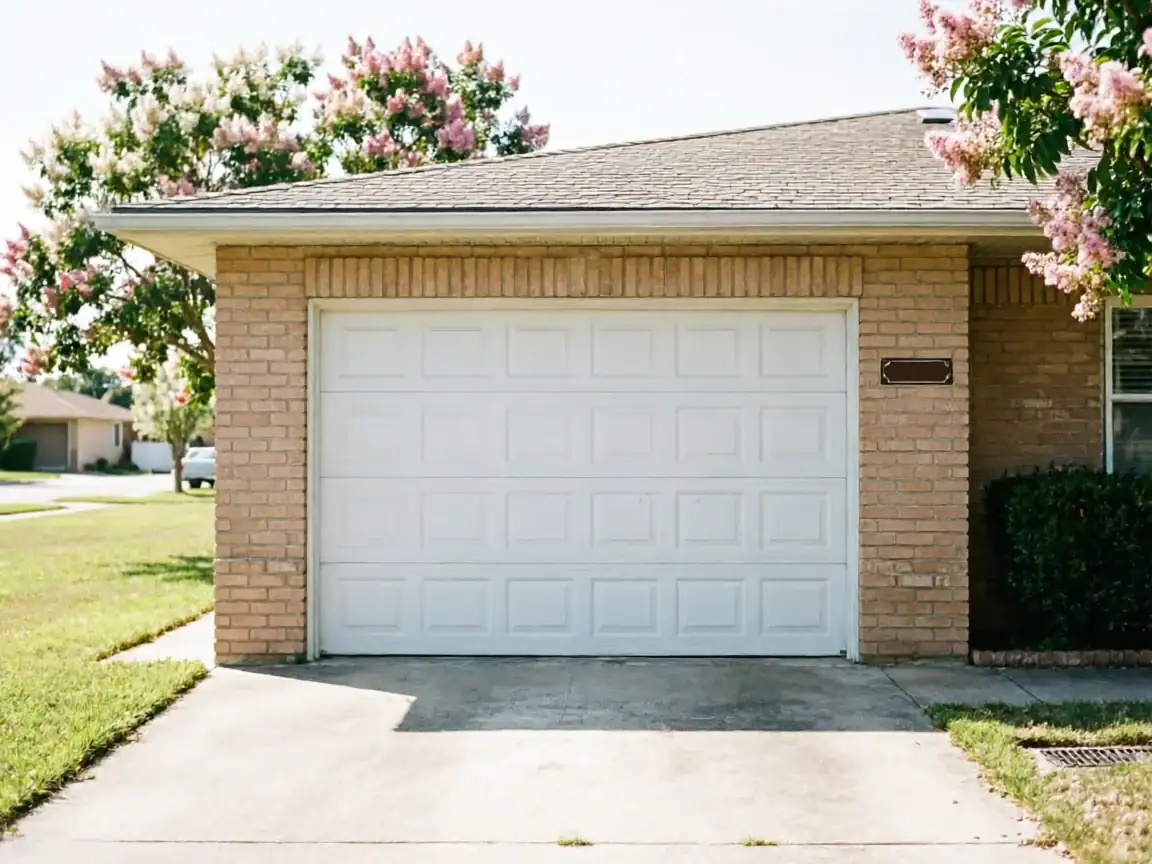
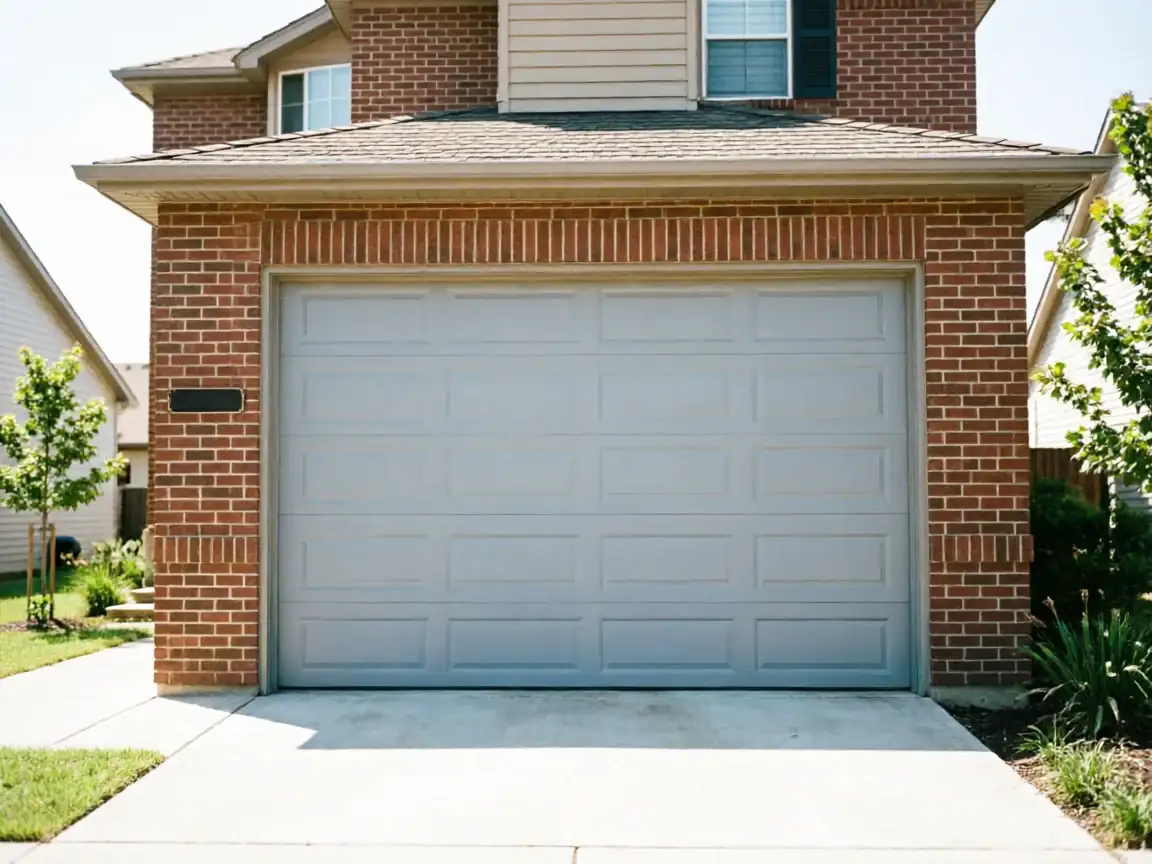
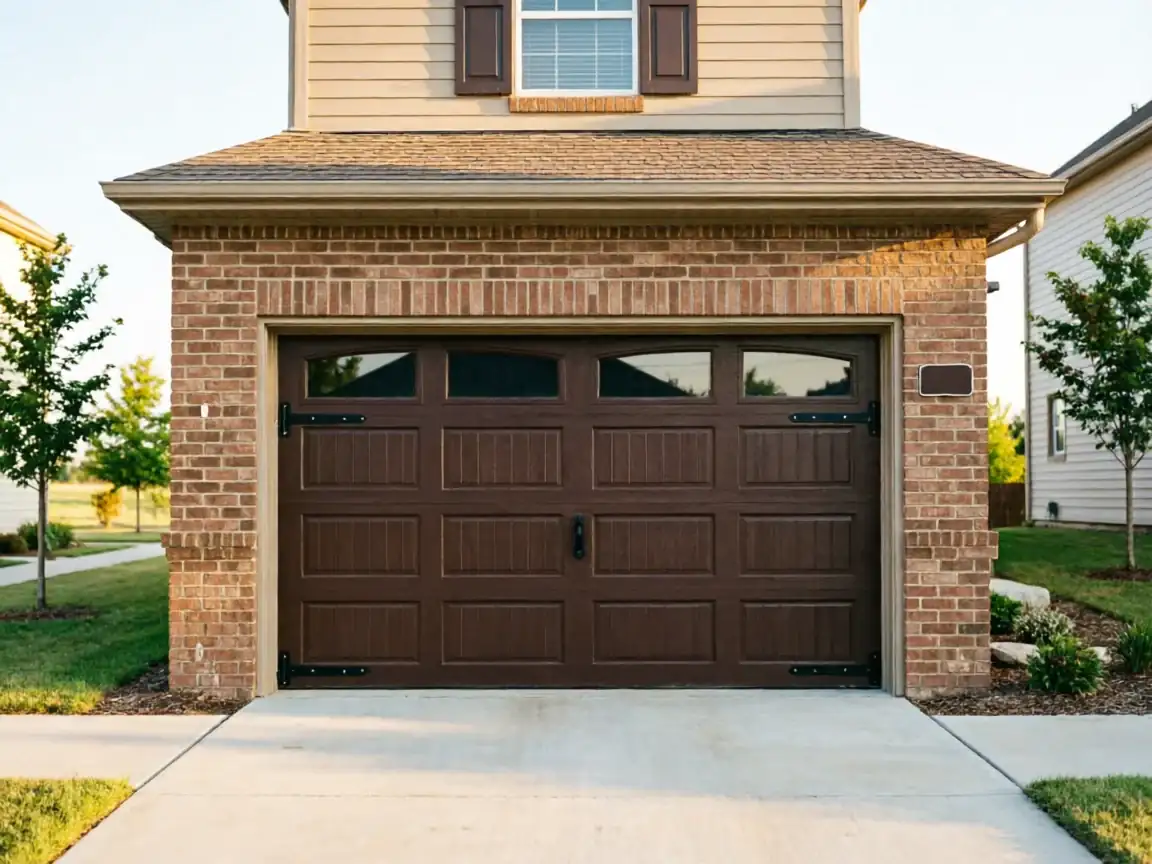
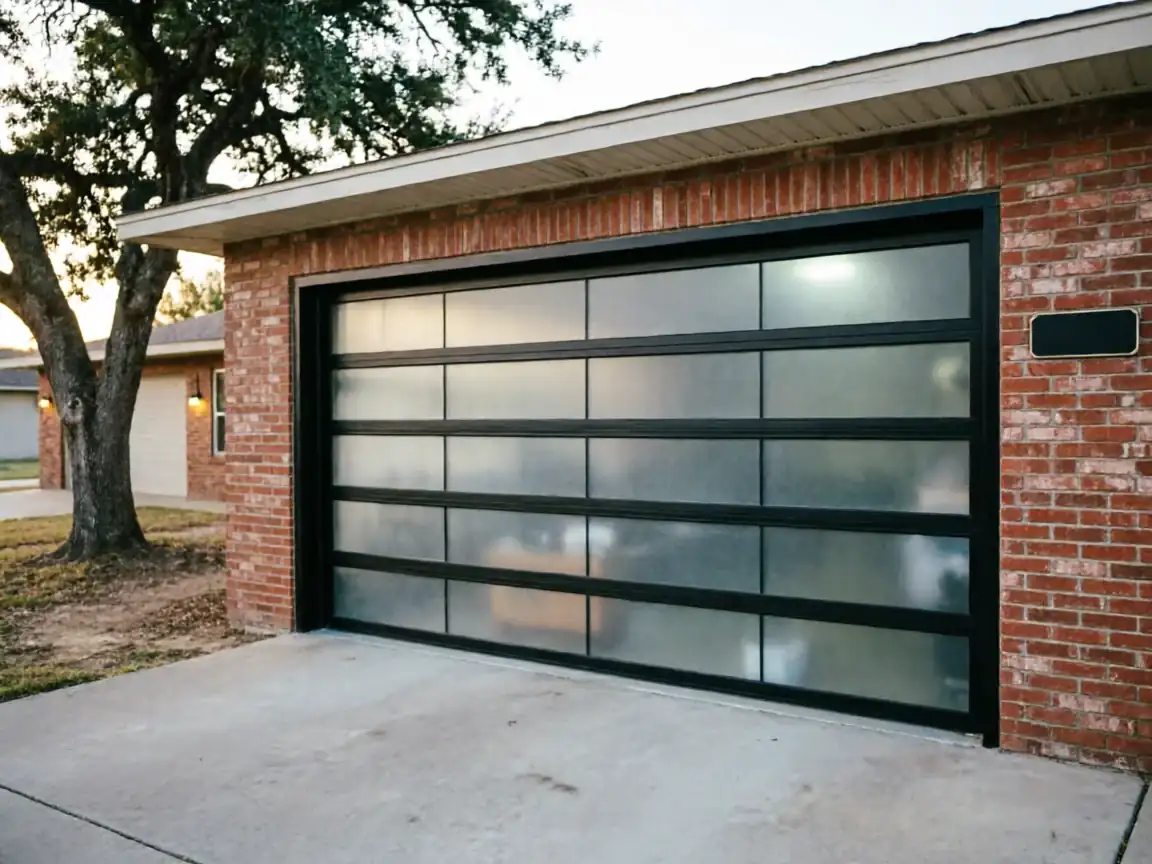
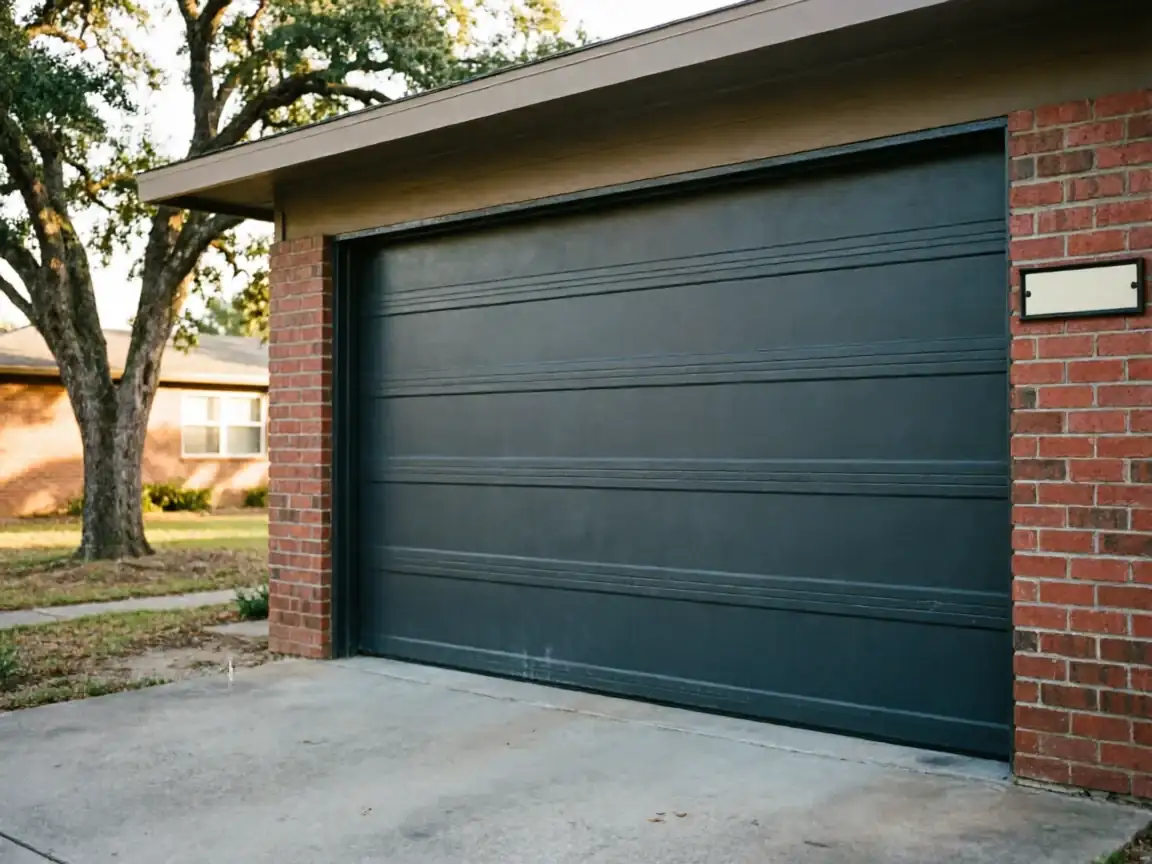
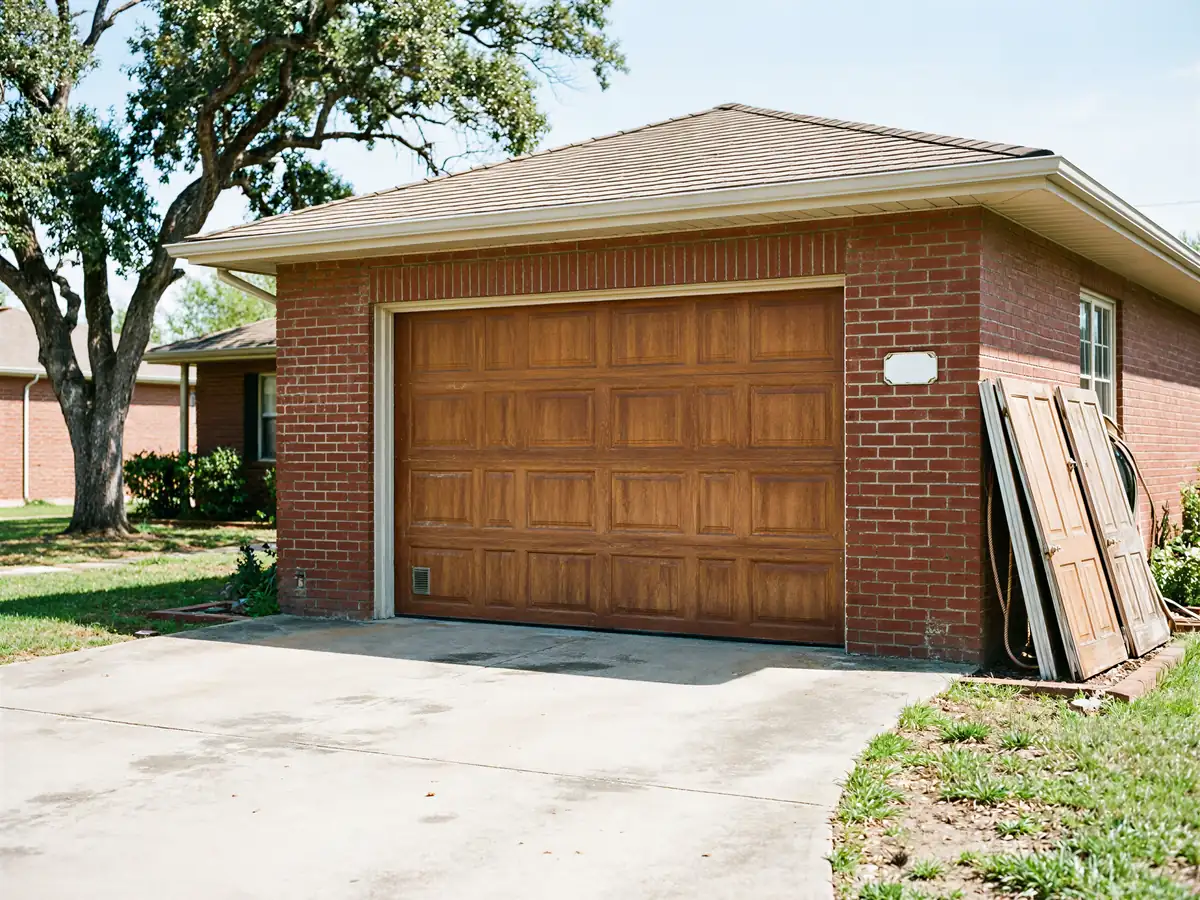
Serenada is a small place - roughly 573 households, nowhere near the volume you'd see in the bigger parts of the Hutto service area, which run closer to 33,440 households combined. That size matters for the work itself. A town this compact doesn't get a steady stream of brand-new installs; it gets the same handful of door types failing in the same handful of ways, because most of the houses went up around the same years. Median build year here is 1981, a good deal older than the 1984 median across the wider service area. That means more homes still running original torsion springs that have never been swapped, openers from a generation before today's safety-sensor standard, and tracks that were leveled for a slab that's since settled. The job goes sideways when someone assumes a 2020s fix applies to a 1981 door. It doesn't. The spring winding cones are a different size, the drum might be riveted instead of bolted, and the opener bracket often isn't drilled where a modern unit expects it. We go in expecting an older door, not a newer one, because the numbers say that's what's actually out there.
How Long You Are Without the Door
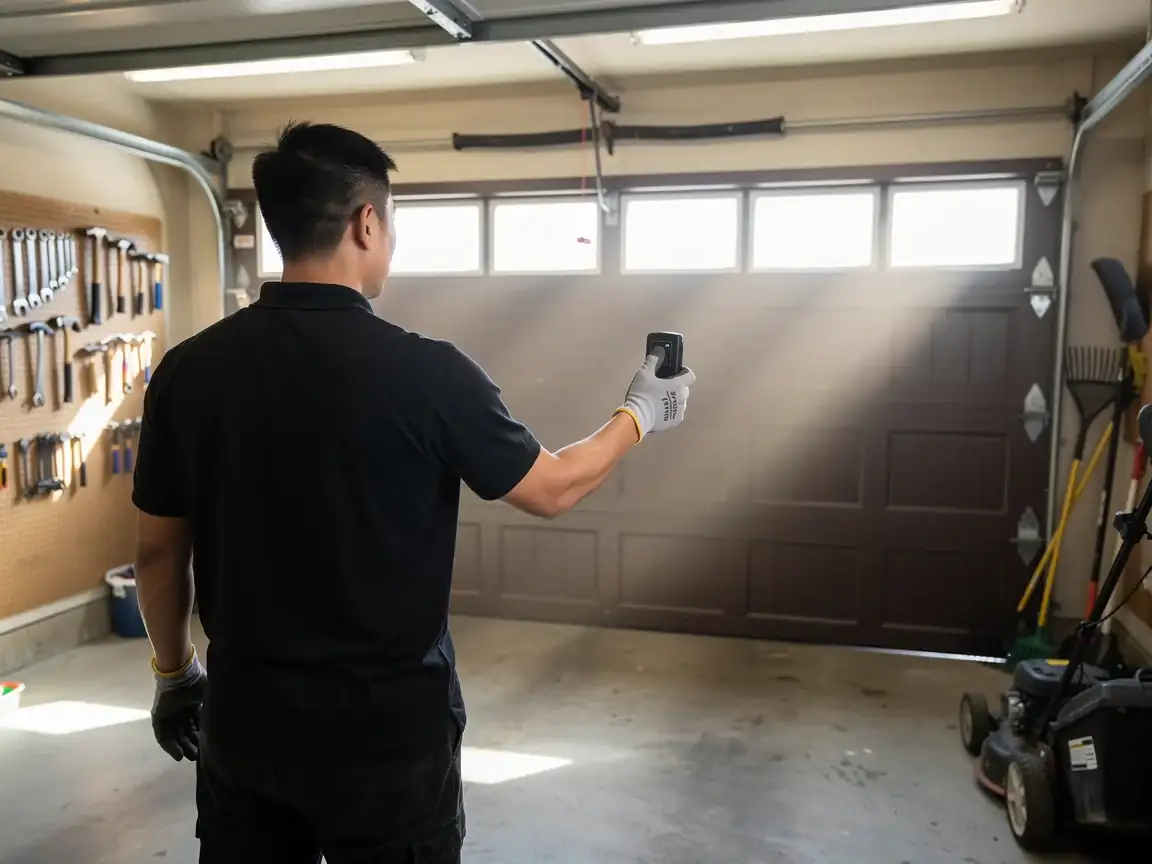
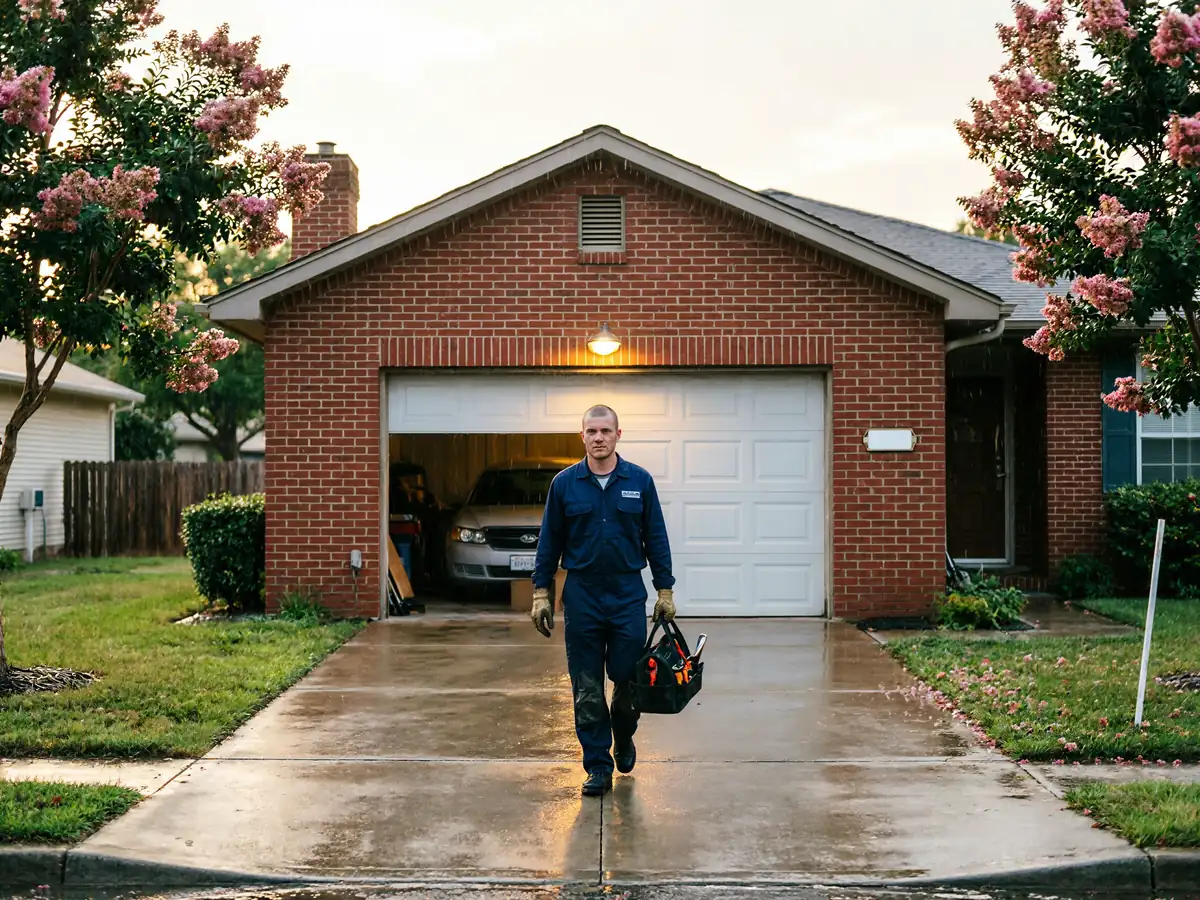
We run out of Hutto, about 15 miles from Serenada, so there's travel time baked into any call - we won't pretend otherwise since there's no branch or depot here. Once a truck is on site, the actual repair on most of these older doors is a same-visit job: spring replacement, cable swap, or roller and hinge work doesn't usually require a special-order part. Where it stretches out is opener boards and certain drum sizes tied to the 1980s-era doors still common here - those sometimes need to be ordered rather than pulled off the truck. If your door won't open at all and the car's trapped inside, we'll talk through whether it's a quick manual release while you wait, since nobody wants a vehicle stuck for a part that's two days out.
How We Fix It
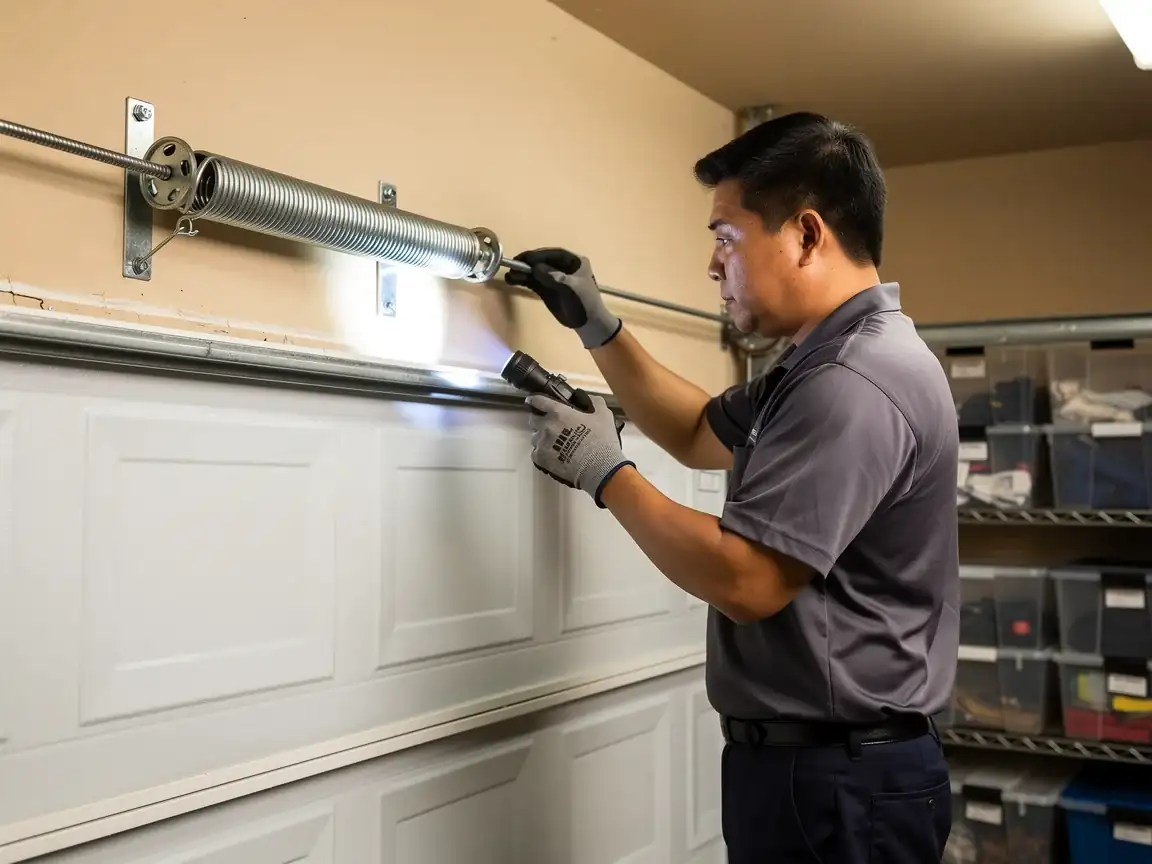
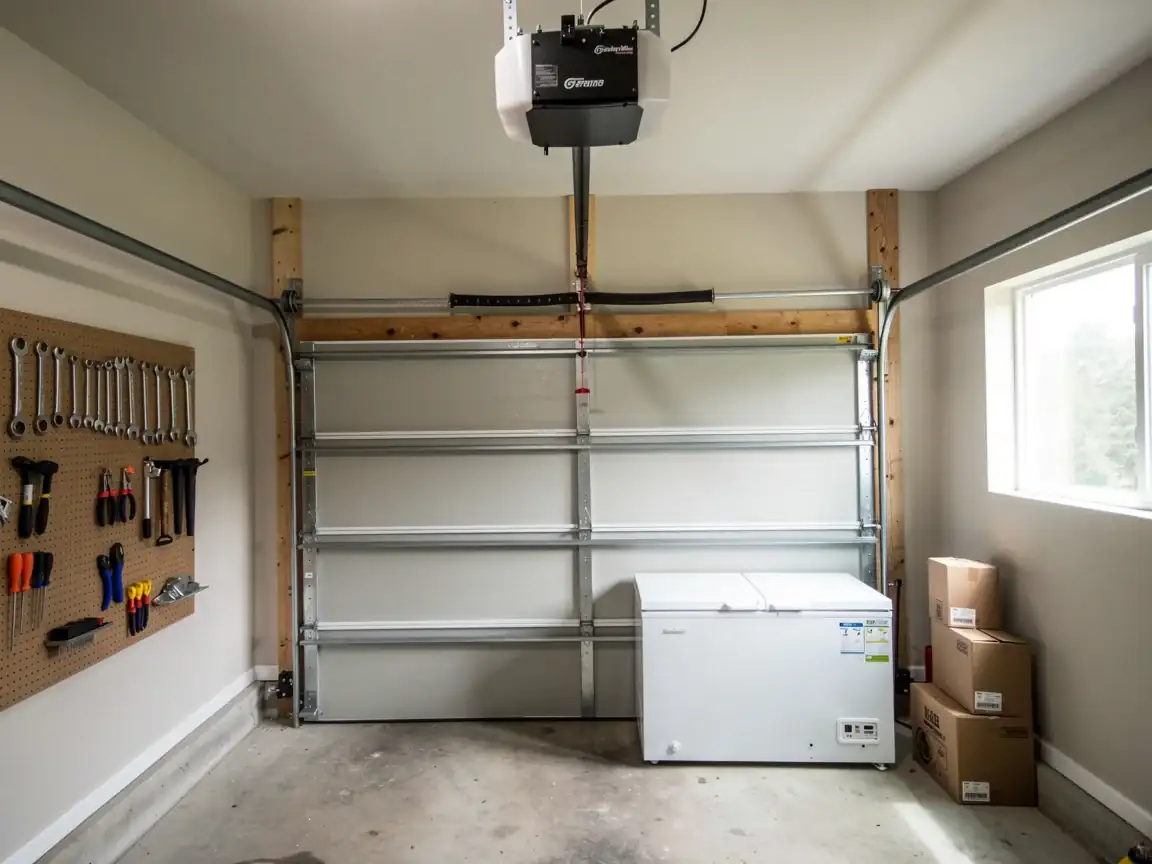
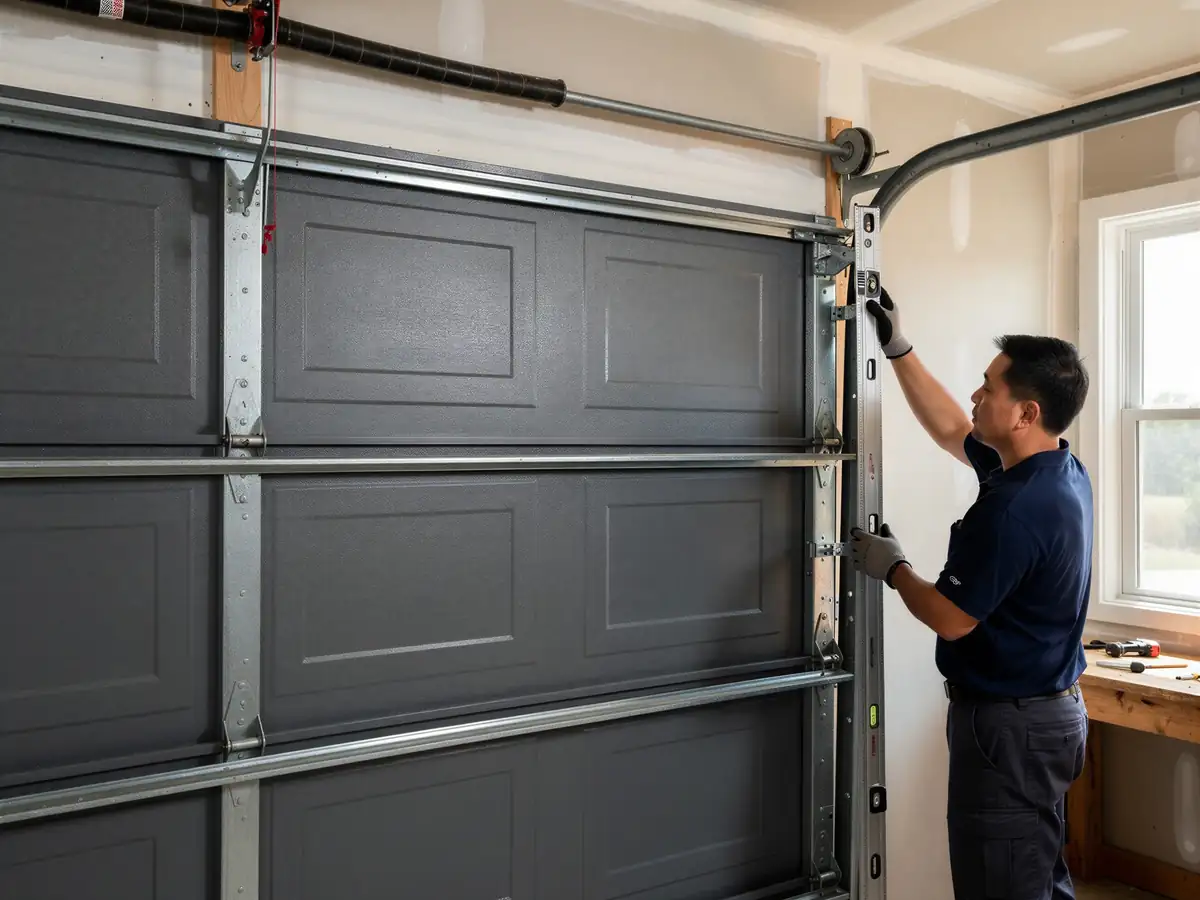
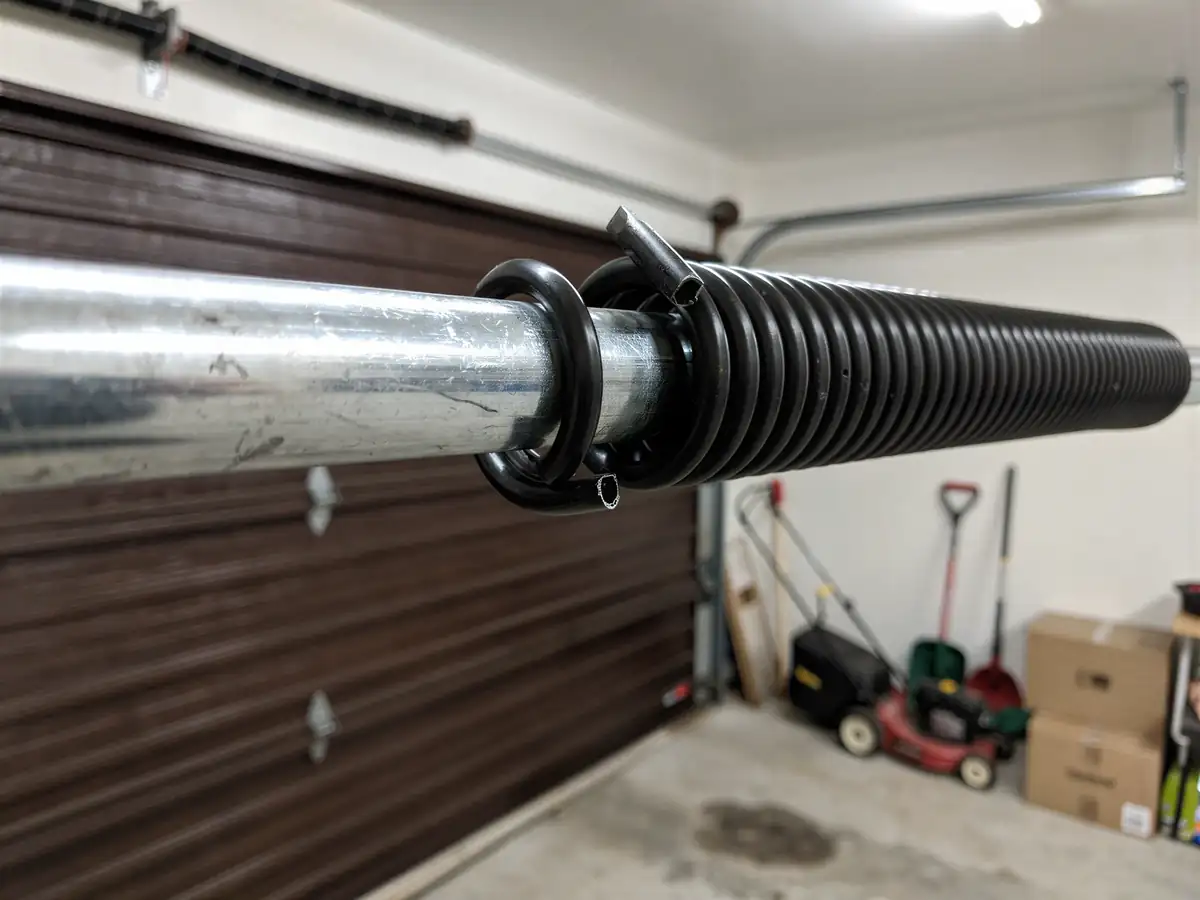
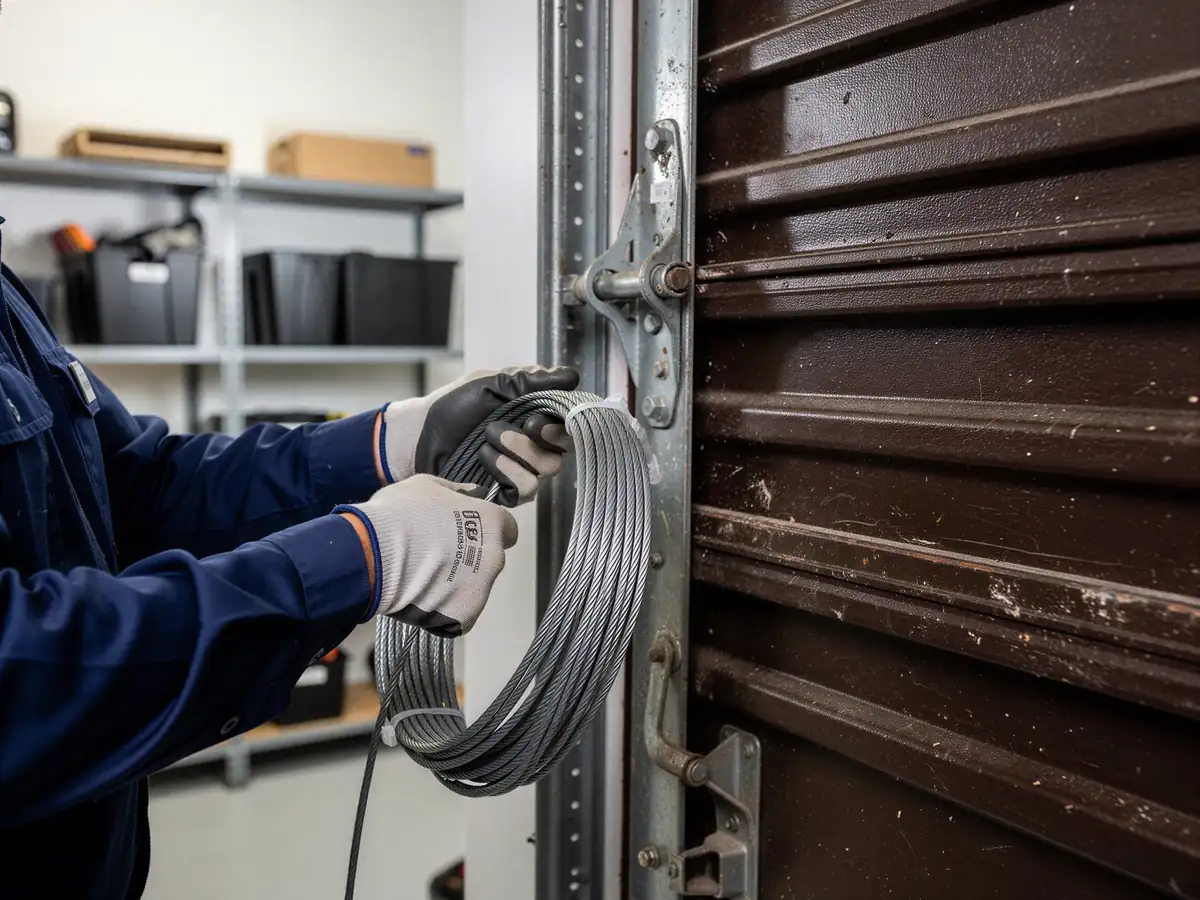
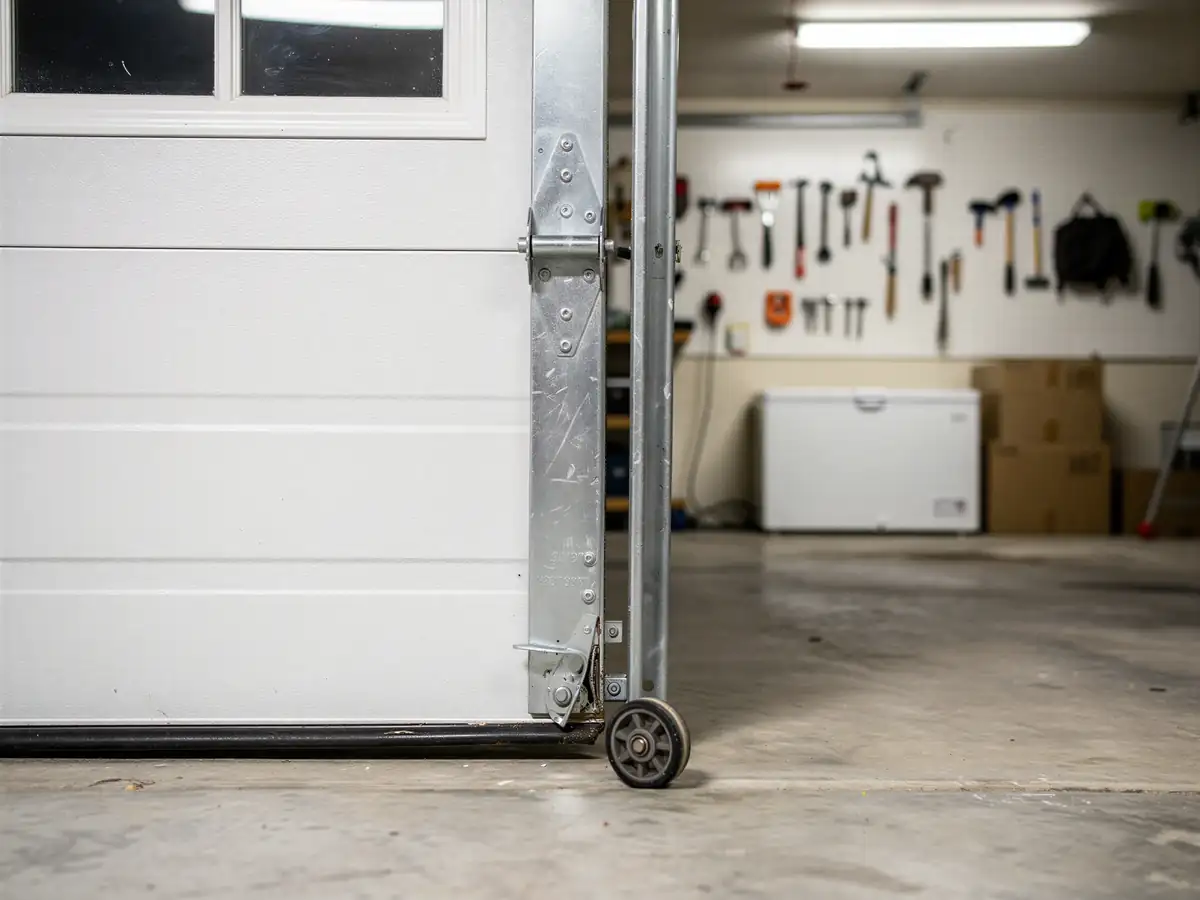
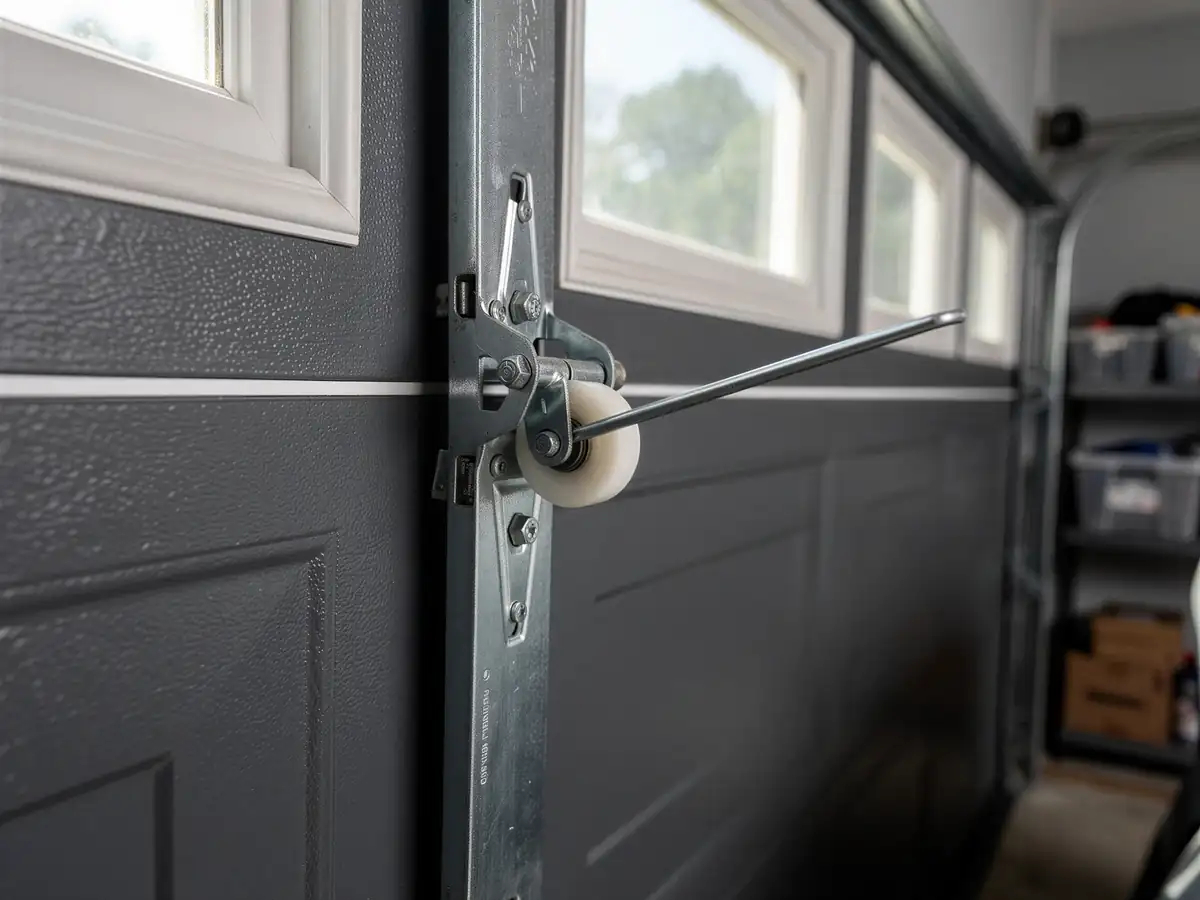
On a door from the early 1980s, we check the spring size and winding cone pattern against what's actually on the shelf before we quote anything, because a lot of that hardware was never standardized the way it is now. If the drum or cable drum is the older riveted style, we replace the full assembly rather than patching one piece, since mixing old and new hardware on a torsion system is how a second failure shows up six months later. Openers from that build era usually lack modern auto-reverse sensors; where that's the case, we'll flag it, because that's a safety gap worth closing even if the motor itself still runs fine. We don't push a full door replacement on a 1981 structure just because of its age - plenty of these are solid wood or steel panel doors that outlast two openers if the hardware underneath is sound.
What You Are Seeing
The households in this area skew a bit more well-off than the service area average - median income here runs around $97,083 against roughly $86,477 across Hutto's wider coverage - and what that tends to mean in practice is less deferred maintenance: owners call before a spring snaps completely rather than after. What you're likely seeing, given the building stock, is an original torsion spring finally giving out after four decades, an opener motor that's slower than it used to be but hasn't quit, or a track that's gone slightly out of plumb as the slab settled. The climate here runs mild with occasional freeze, so cracked panels from heat-cycling aren't common - most failures are mechanical fatigue, not weather damage.