Where This Job Goes Sideways
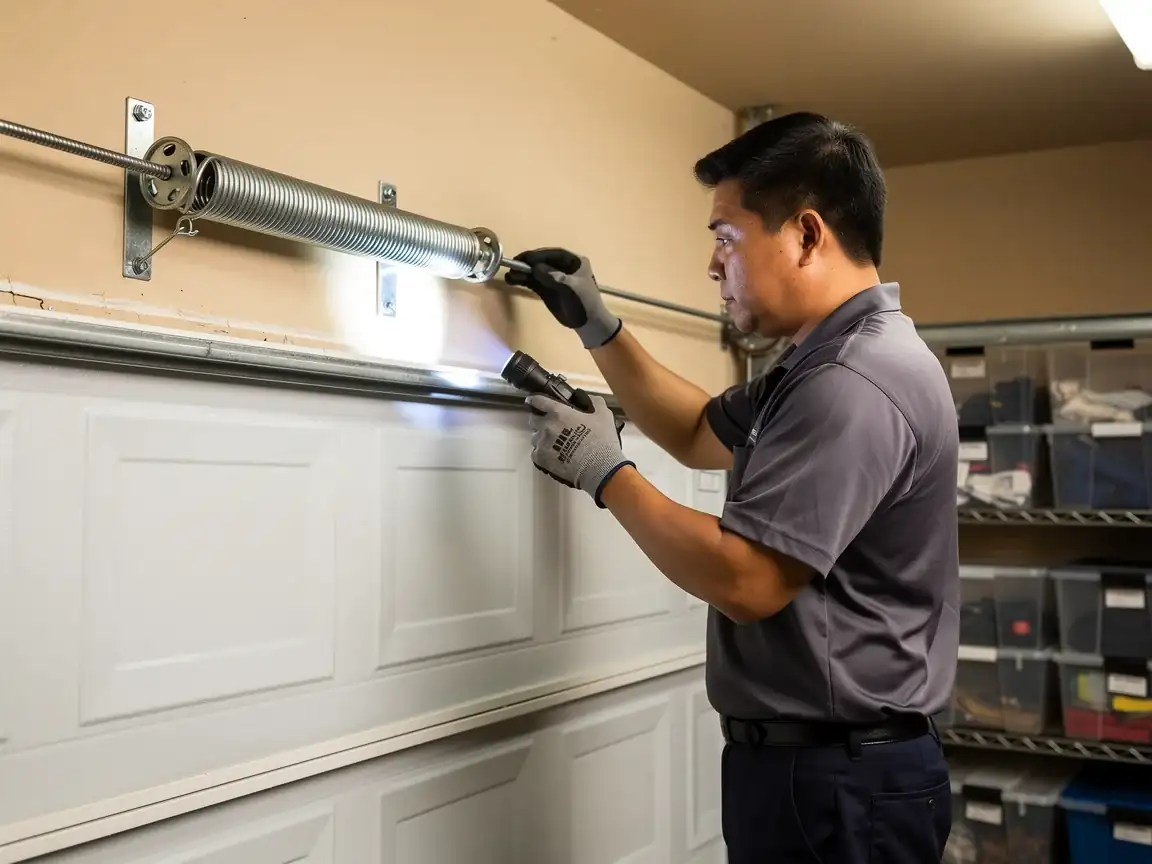
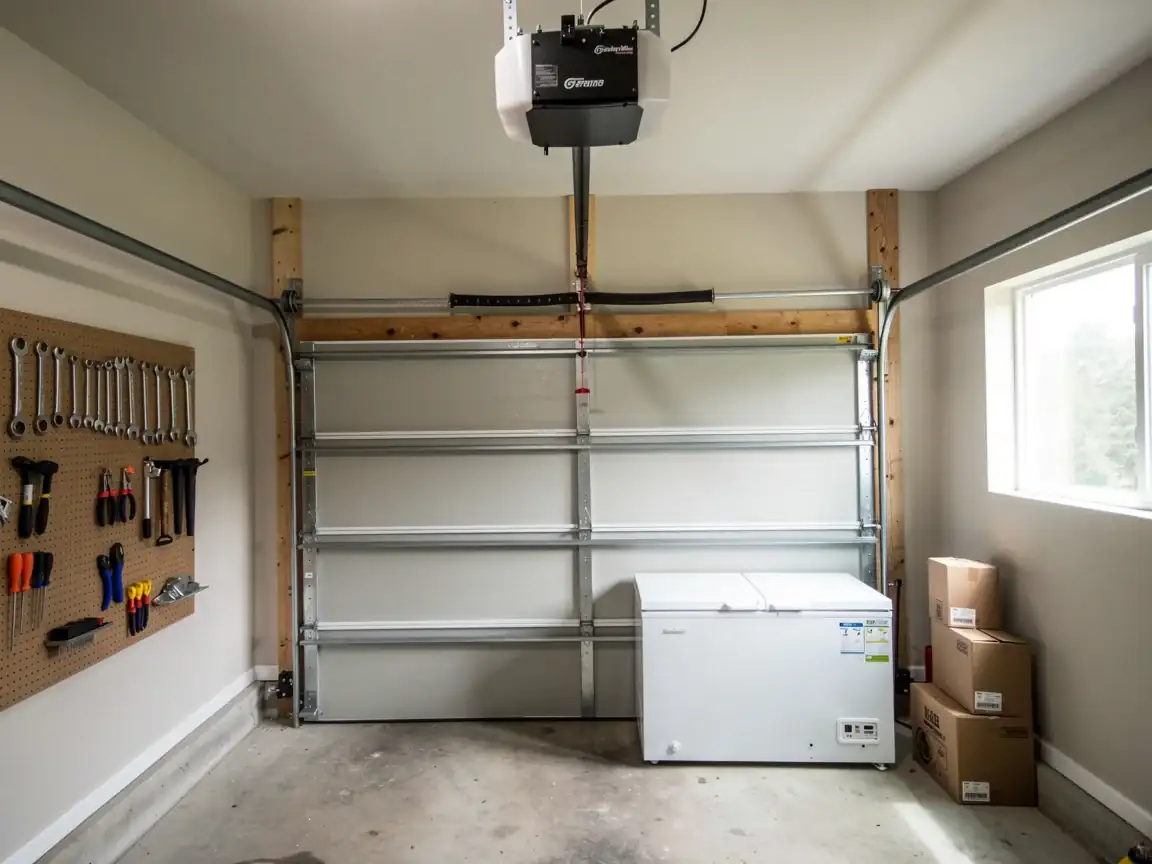
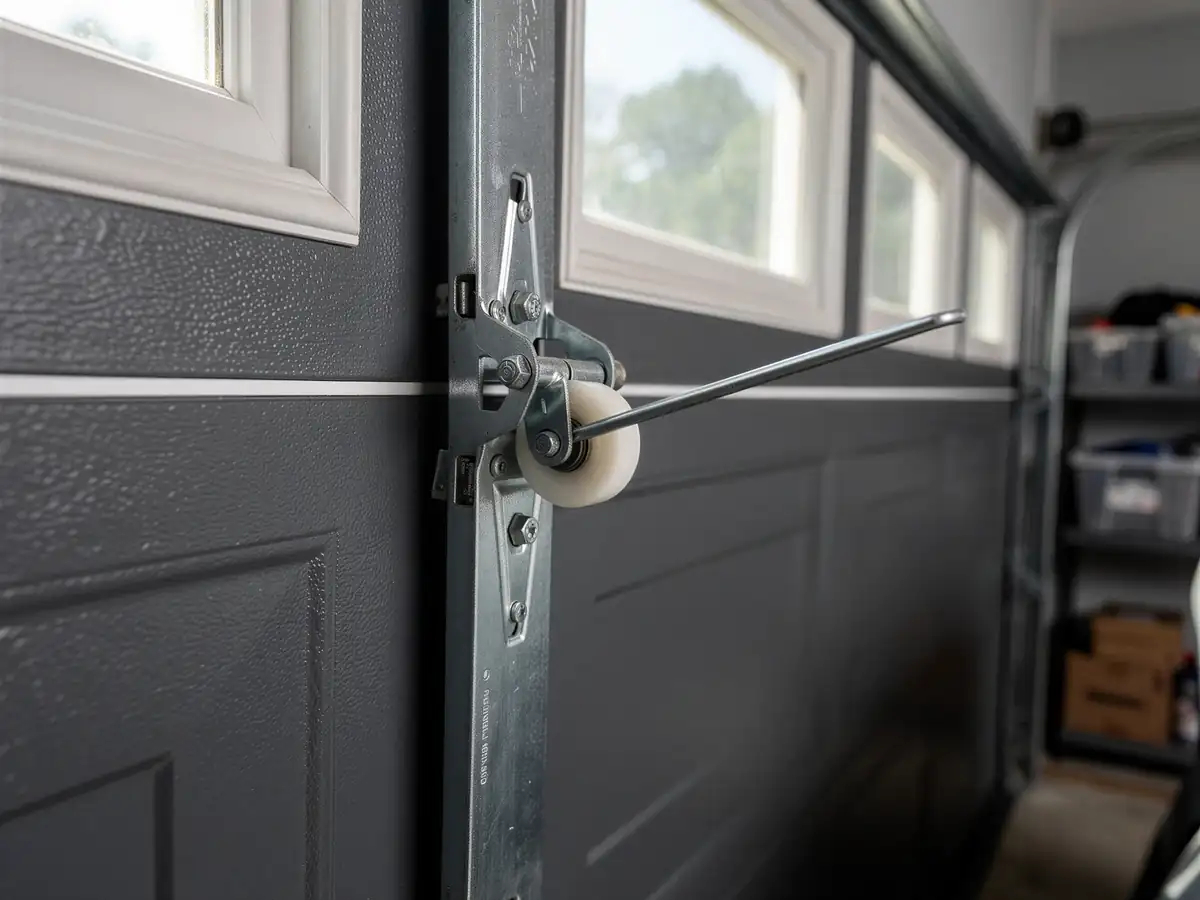
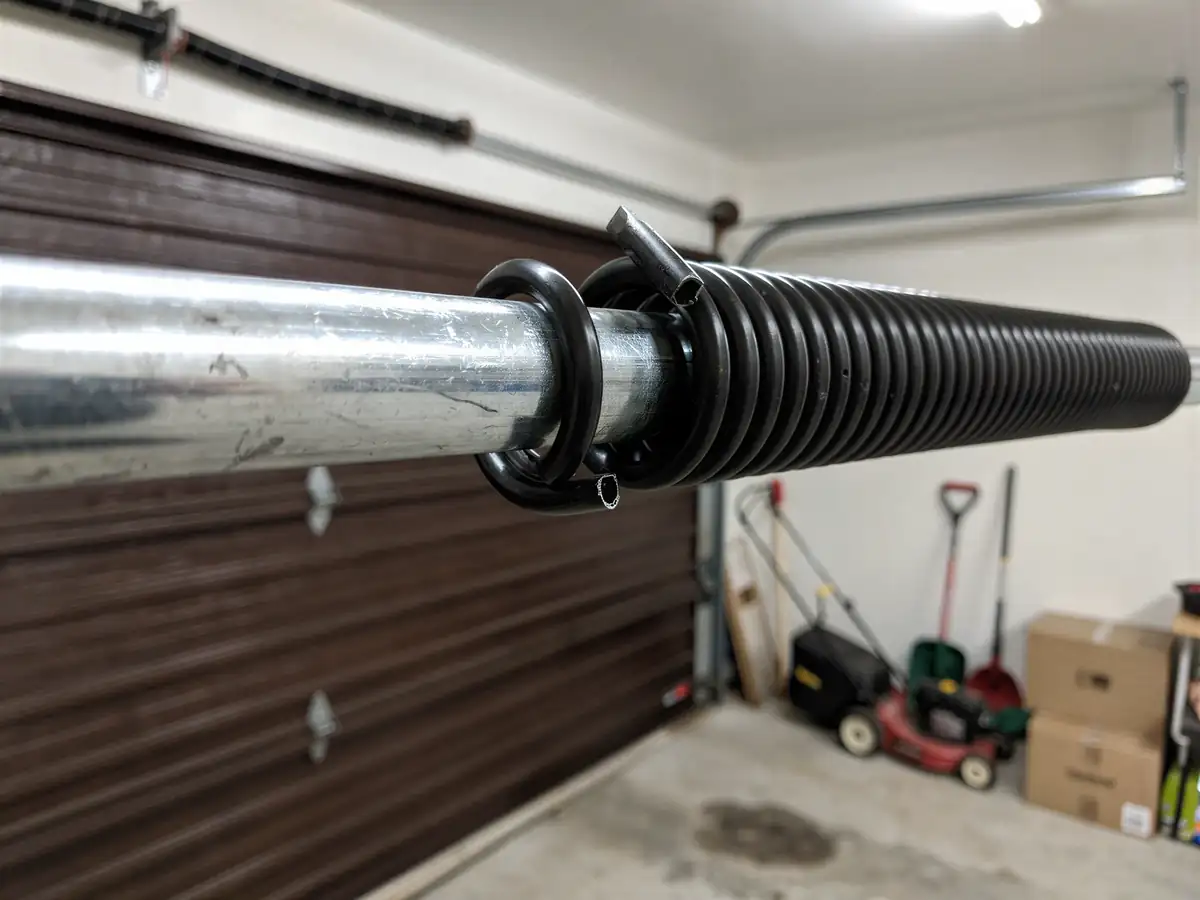
Taylor's housing stock centers on 1978, a good six years ahead of the median for the wider area we cover out of Hutto. That gap matters on a spring call. A house built in the late 1970s almost always went up with a single steel torsion spring on a single-car door, or a pair of stretched extension springs with open coils on a double - both designs that have since been replaced or supplemented at least once over forty-plus years. What we find on a Taylor call is rarely original hardware. It's whatever the second or third owner had installed, sized by whoever showed up that day, and that's where the mismatches start: a spring wound for a lighter door than the one hanging on it now, or a replacement that's technically the right wind but the wrong wire gauge. The fix isn't complicated once you're looking at the right spring. Finding out it's the wrong one usually happens the hard way, mid-lift, when the door won't balance no matter how many turns you put on it.</br>None of this is Taylor-specific panic - it's just what forty-five years of ownership turnover does to a house's garage hardware, and it shows up here on a predictable schedule.
What Is on the Truck
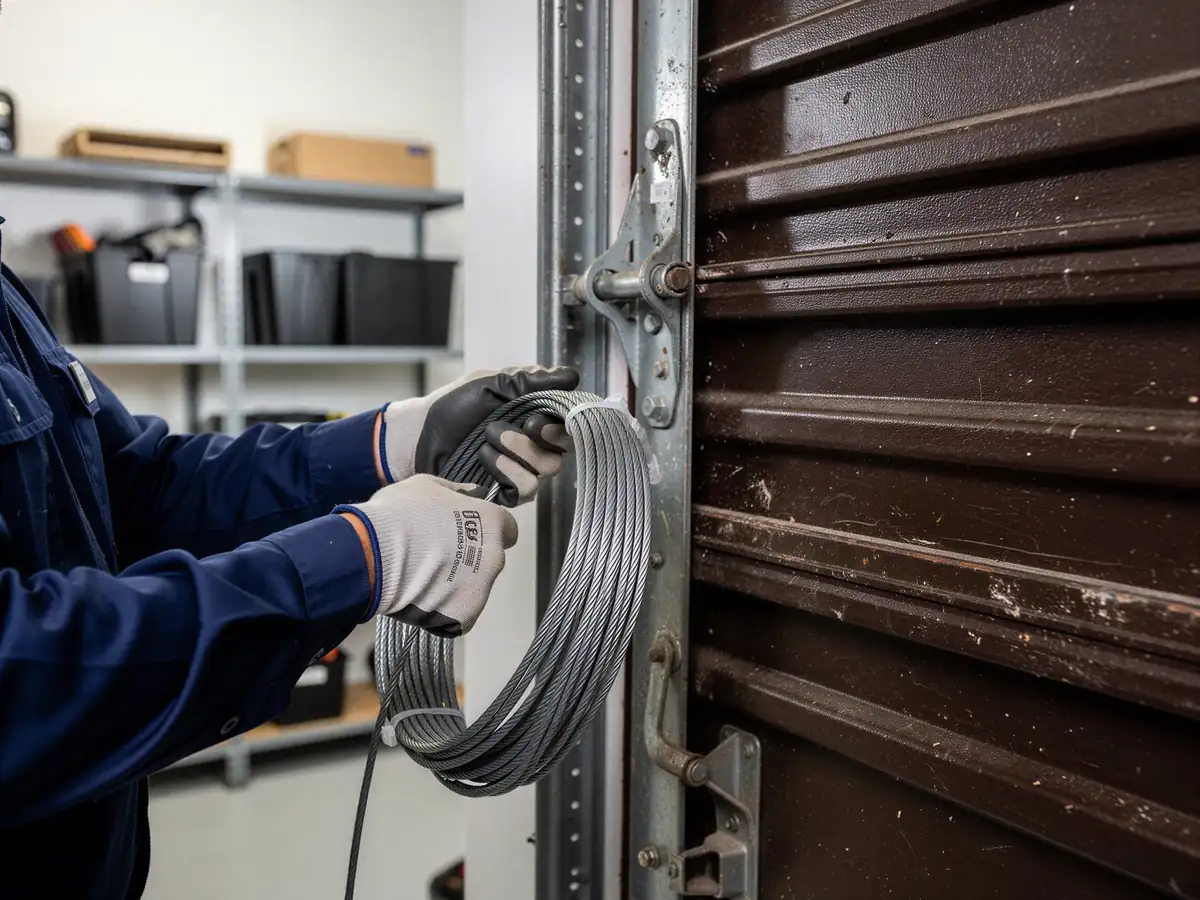
For a 1970s-built door, the common calls are a single torsion spring on a two-car door sized up over the years, or a pair of extension springs still running without the safety cables that became standard practice later. The truck carries standard torsion and extension stock sized to cover most of what that era and the decades after it produced - the 1980s and 90s builds that make up most of the broader area. What we don't carry is every obscure wire gauge and wind length ever sold; if a prior repair used something unusual or a specialty door needs a spring outside common stock, that part gets ordered and the job becomes a two-visit repair instead of one. We'd rather say that upfront than pretend every spring on every door rolls off the truck already in hand.
What You Are Seeing
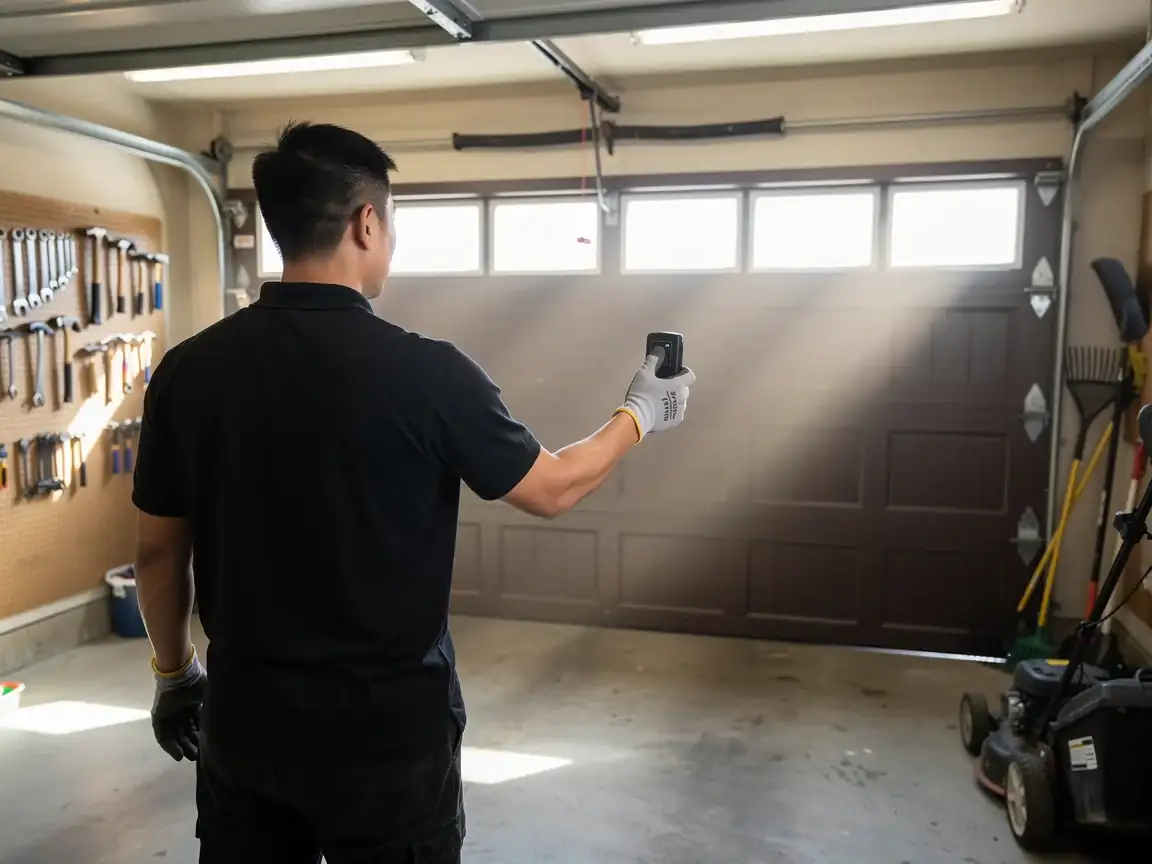
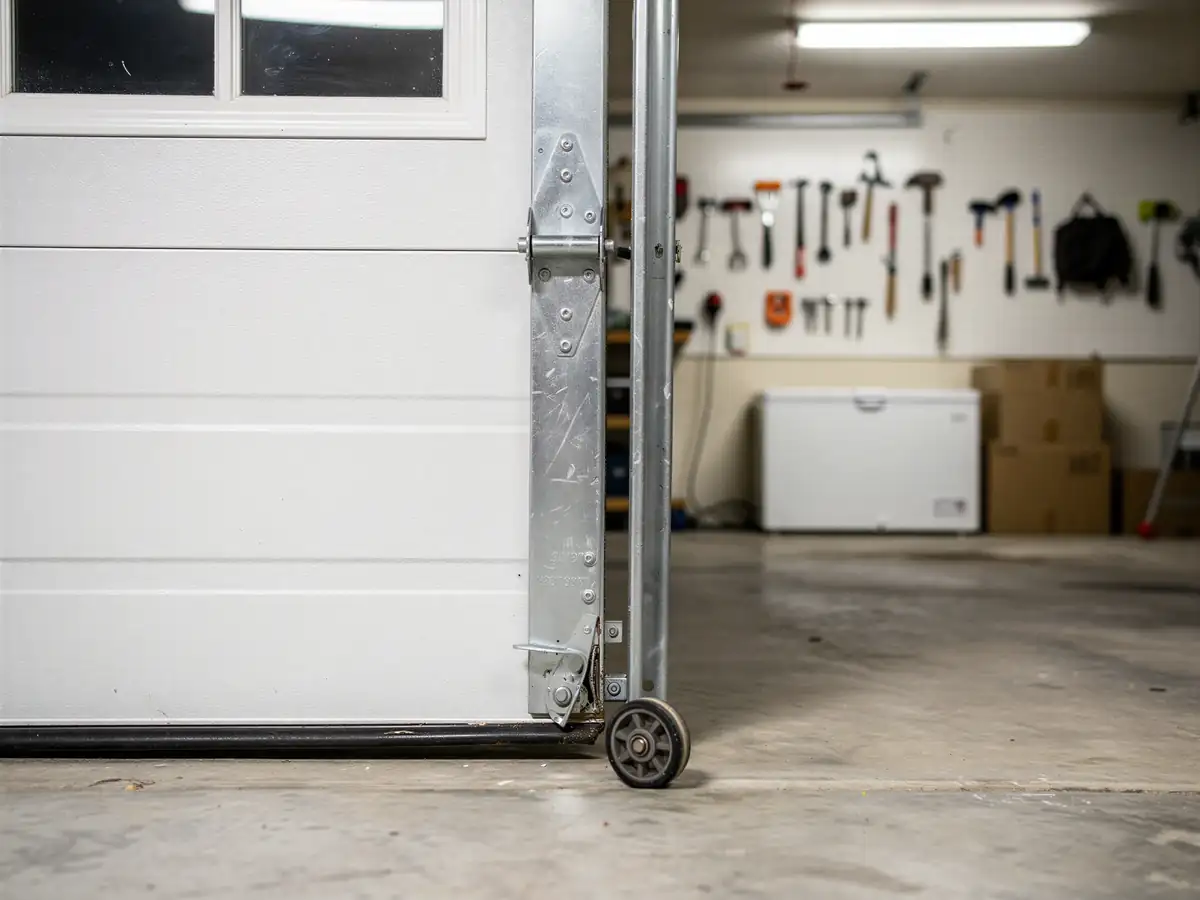
The classic sign is a loud bang from the garage followed by a door that won't lift, or lifts only with the opener straining and grinding - that's a torsion spring letting go. On older extension-spring doors, look for one side sagging lower than the other when the door's halfway up, which usually means one spring has stretched past useful tension while the other hasn't. A door that slams down instead of lowering with any control is a spring that's already gone, full stop, and running the opener against it repeatedly is how you turn a spring job into an opener replacement too. With roughly 6,587 households in Taylor and a median income of $71,665 - noticeably below the $86,477 median across the broader area - the repair-versus-replace math tends to favor fixing the spring rather than swapping the whole door, as long as the rest of the hardware and the panel itself are still sound.