Where This Job Goes Sideways
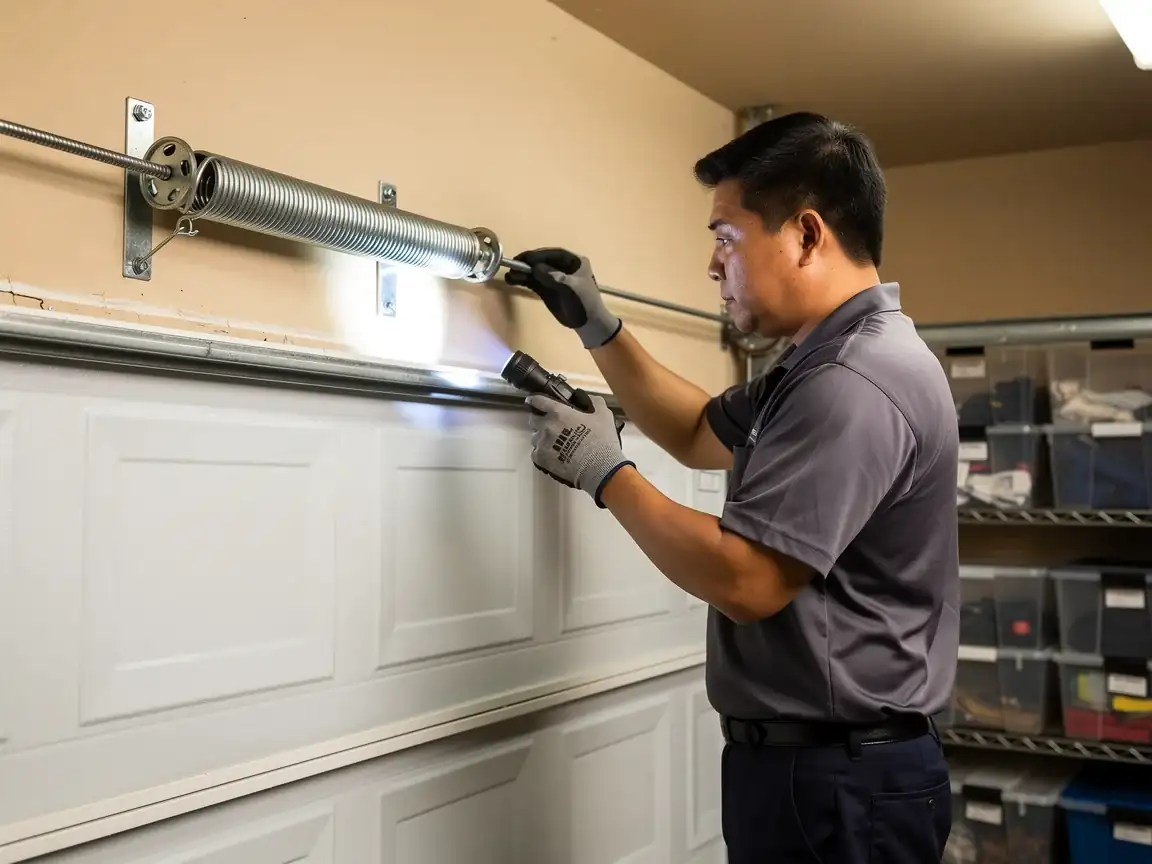
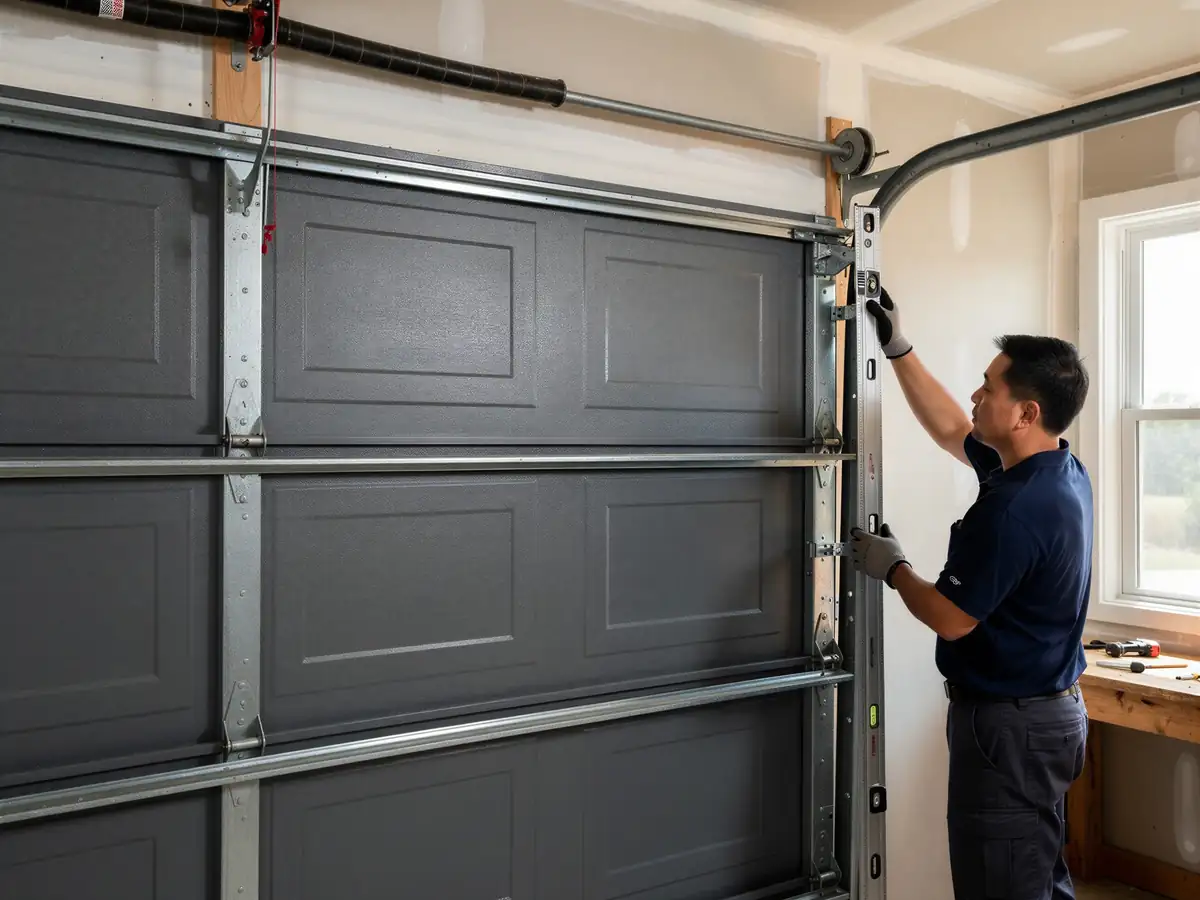
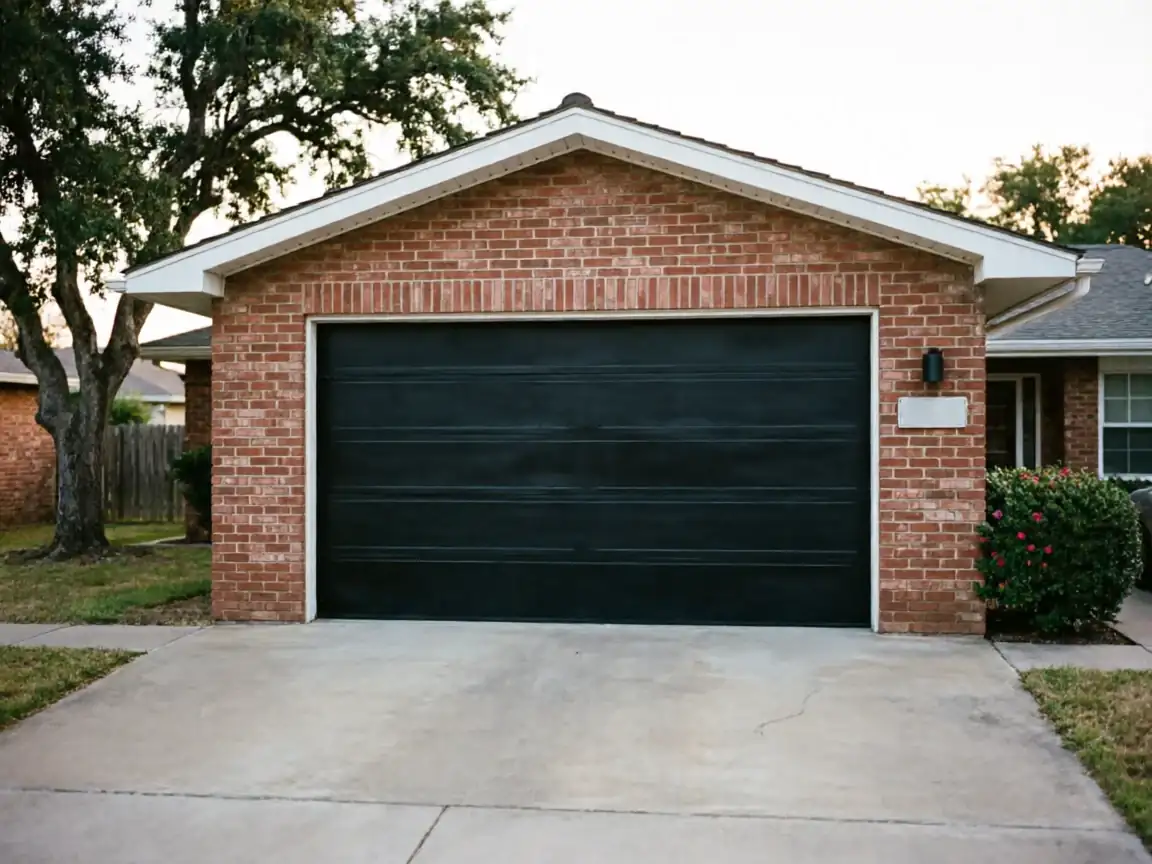
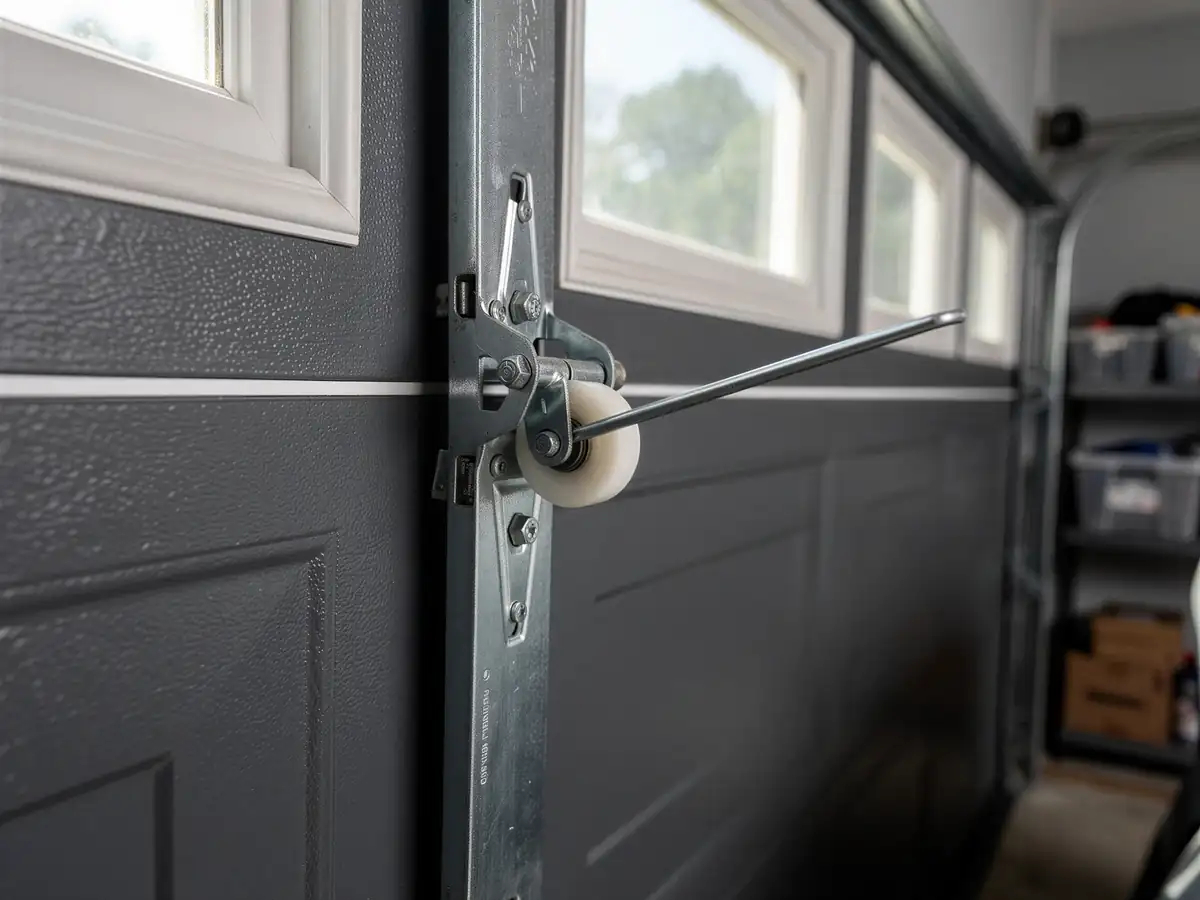
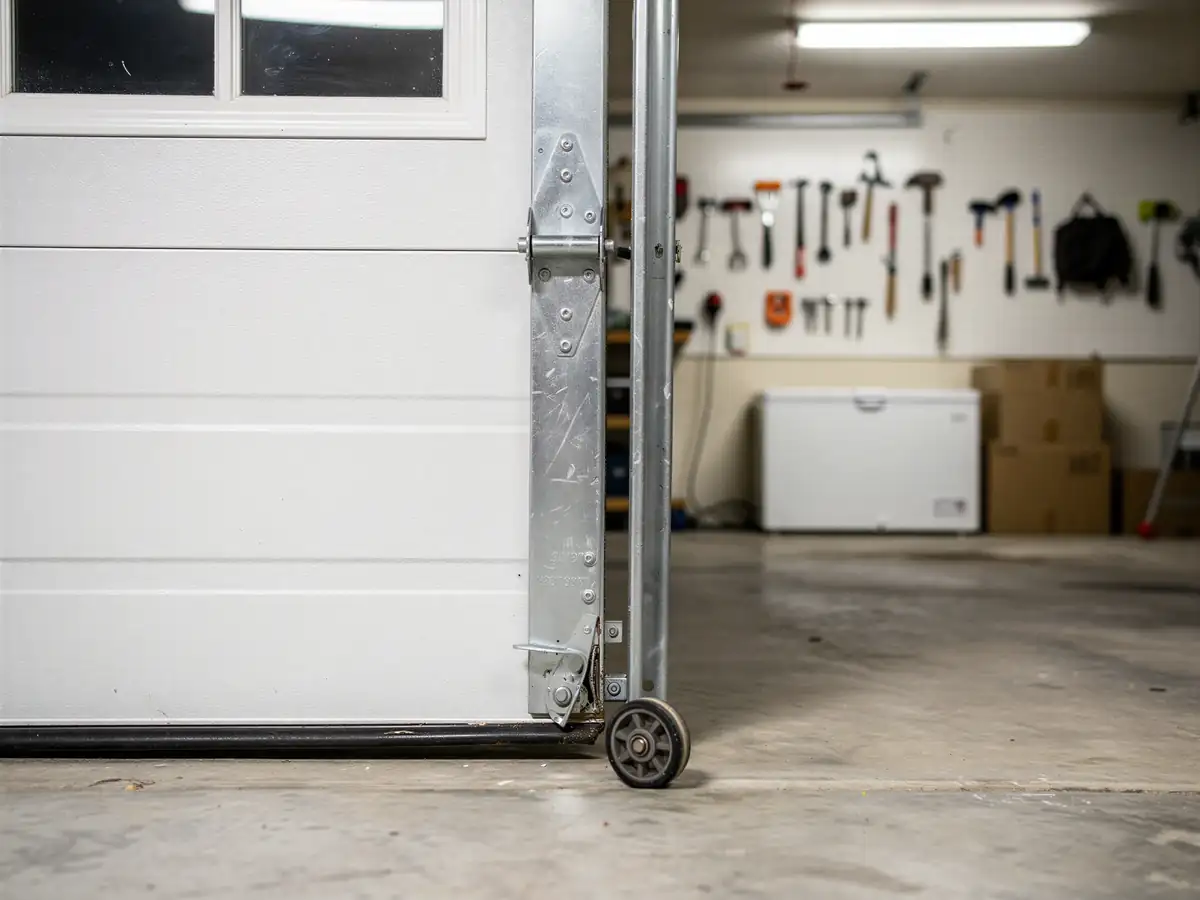
Taylor's housing stock centers on 1978, which puts a lot of these garages a decade or more ahead of the vinyl-roller, sealed-bearing hardware that became standard later on. A door built around that year usually still has its original track brackets bolted straight to the jamb, not to reinforced framing, and the rollers riding in that track are often the same ones from the day the house went up. That's the part nobody thinks about until the door jumps track - the bracket itself has been flexing for over forty years, and the holes it's bolted through have worked loose a little more with every open and close. When a door comes off track in a house this age, the actual cause is rarely the track. It's the bracket pulling away from softened or split jamb wood behind it, or a roller that's worn thin enough to ride up and over the lip instead of staying in the channel. Spotting which one you've got before you touch anything is most of the job.
What Is on the Truck
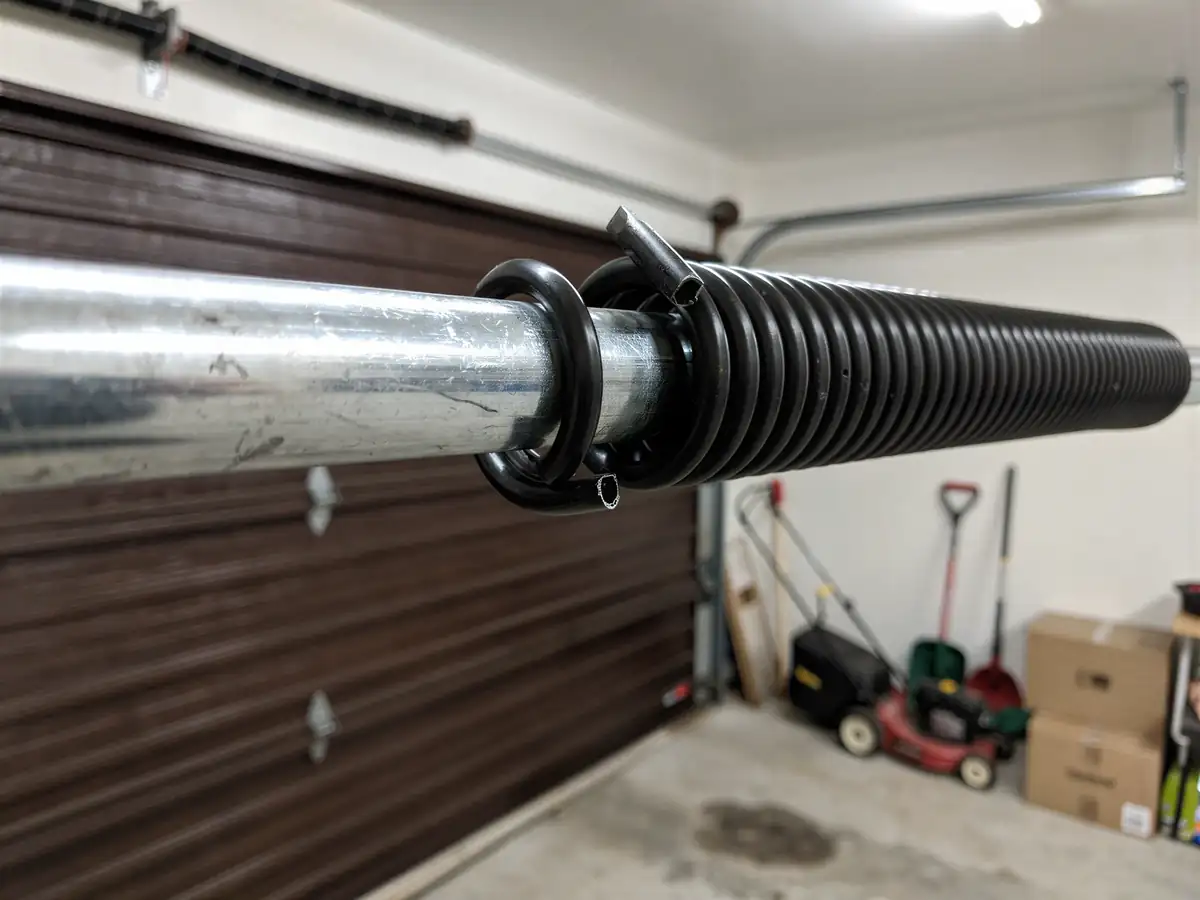
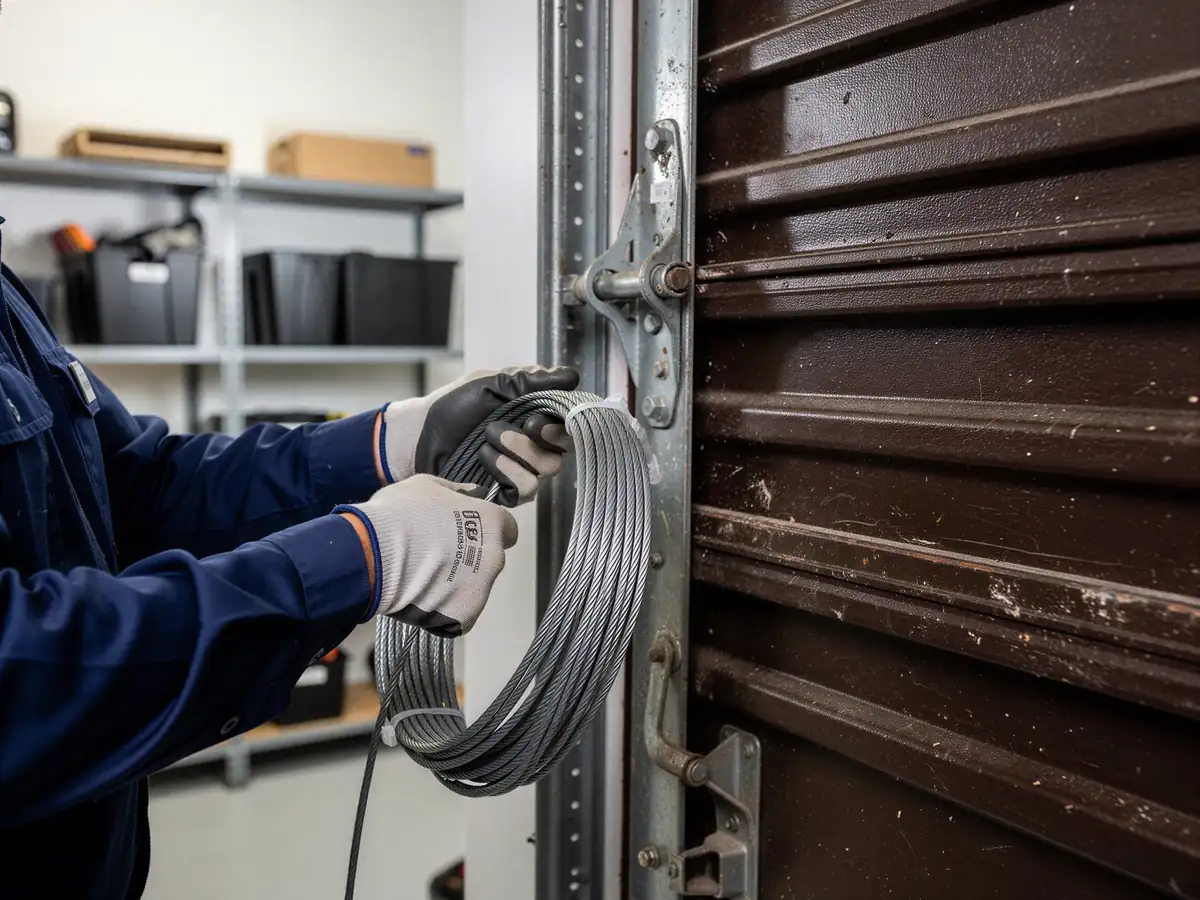
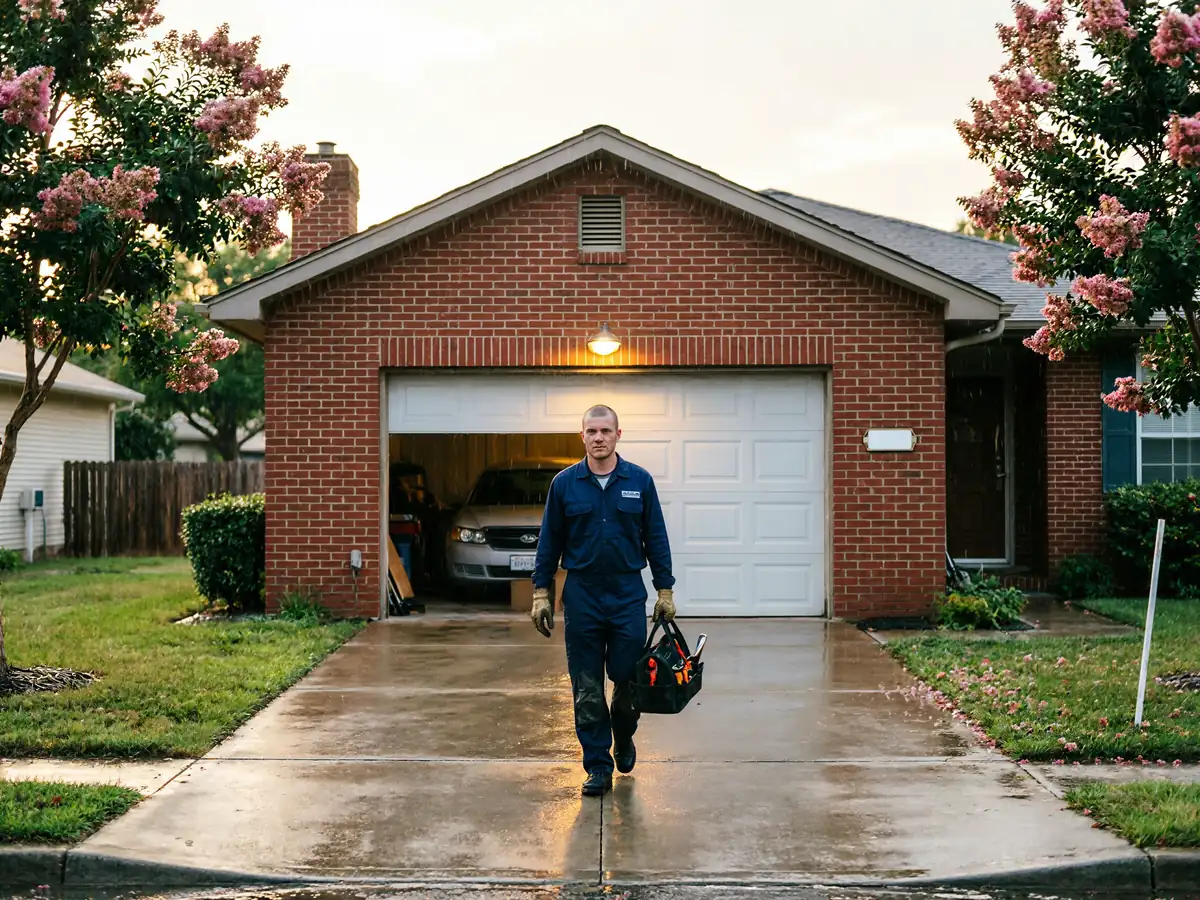
We come from Hutto, about 7 miles out, so the truck carries track sections, brackets, and roller sets sized for the range of door ages we see across the area - not a guess, a stocked range built around what actually shows up on these calls. For a door built when this part of Taylor was built, that usually means galvanized track in the older bolt pattern, plus lag screws long enough to bite into solid jamb where the original holes have worn oval. We don't carry every spring size or every opener board on every run, since that depends on what we find once the door's open, but track hardware and roller stock are standard inventory because off-track calls are common enough here to plan for. One honest limit: if the jamb itself has rotted past the point a lag screw will hold, that's a carpentry fix before it's a door fix, and we'll tell you that instead of forcing hardware into wood that won't take it.
What You Are Seeing
On a house from this era, the signs usually show up the same way. The door looks fine until it's about halfway open, then one side hesitates or the panel visibly tilts - that's a roller riding up out of worn track rather than staying seated. Sometimes you'll hear a grinding or popping sound right before it happens, which is usually the bracket working loose from the jamb finally giving a few more thousandths. If the door stops moving altogether and one bottom corner sits lower than the other, the track has likely separated from the wall on that side. None of these are urgent in the sense of needing a call at midnight, but none of them get better by running the opener through it again - every cycle after the first jump adds wear to a cable or spring that wasn't designed to carry a crooked panel.