Where This Job Goes Sideways
The call we get most out of Taylor isn't a door that won't close - it's a door that closes wrong. A torsion spring snaps on one side and the opener keeps trying to run the door anyway, racking the track until a roller pops out of its channel. That's the fault pattern here more than a dead opener board or a bent panel.
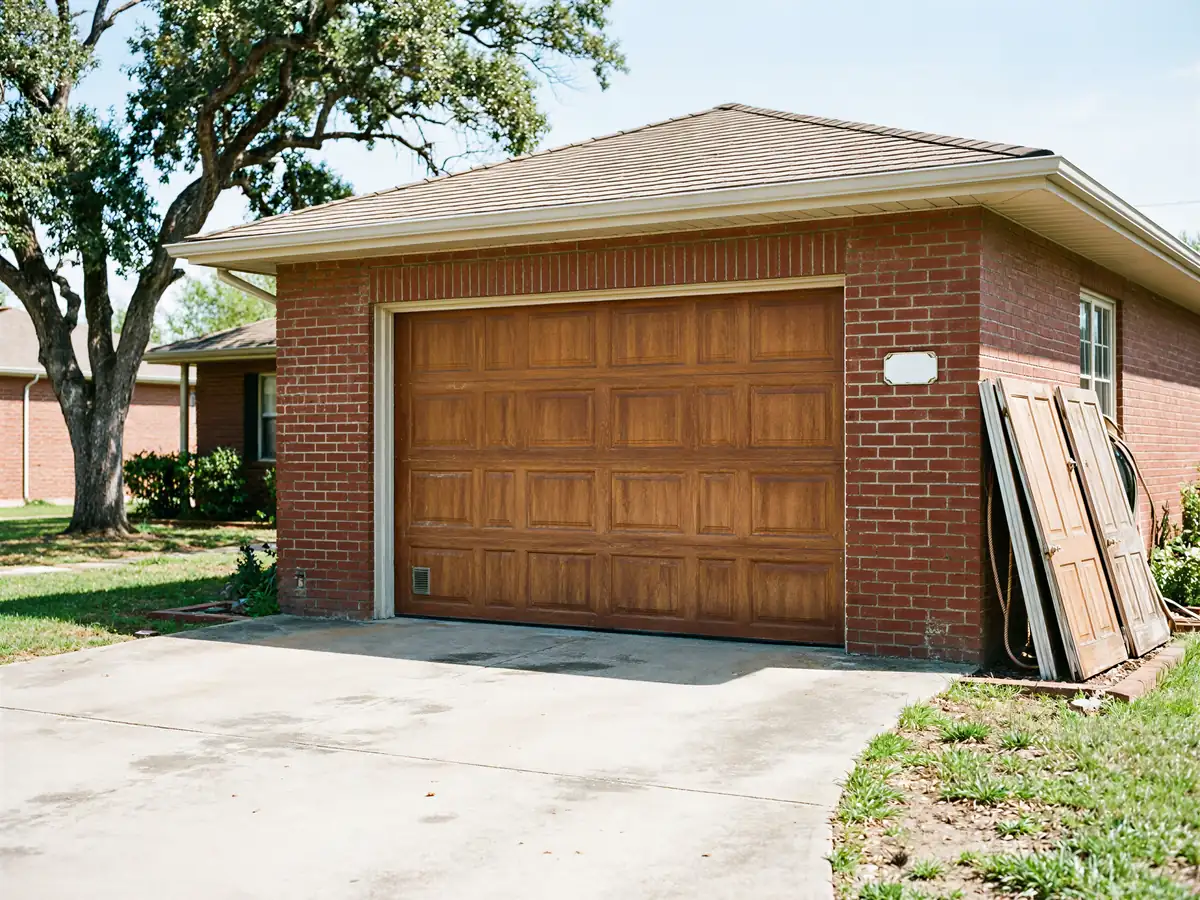
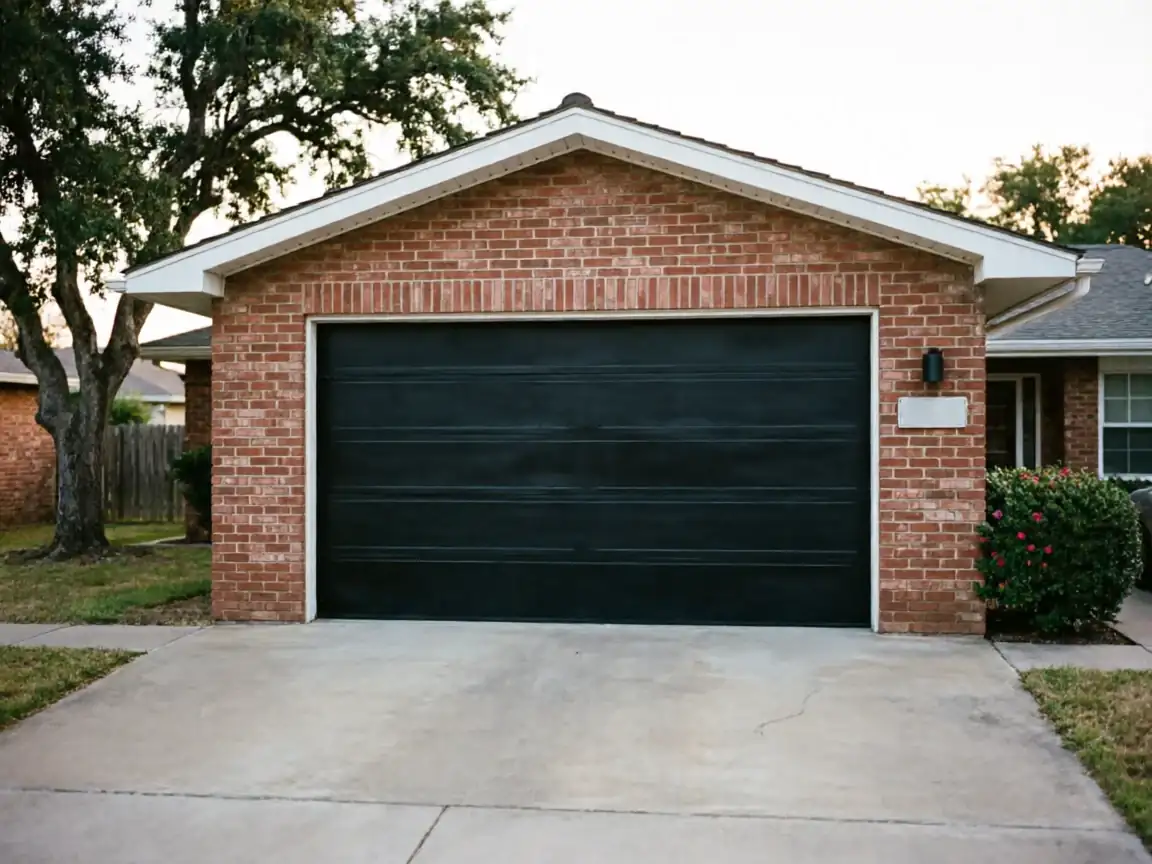
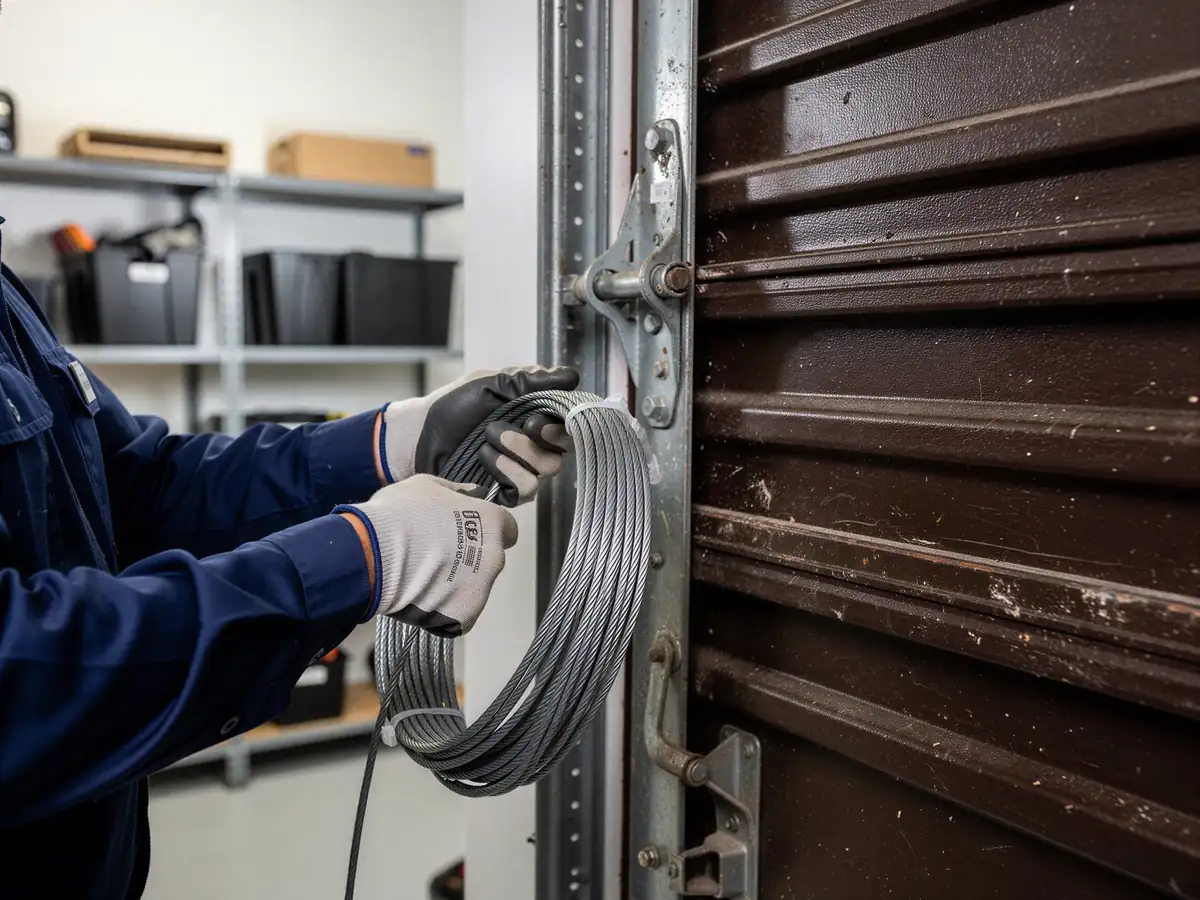
It tracks with the age of the housing. The median home in Taylor was built around 1978, which is a good decade older than the typical build year across the wider service area we cover out of Hutto. A door and opener installed in a house from that era has usually been replaced once already, sometimes twice, and whatever's on it now is a mix of parts from different decades - an old steel section on a newer extension spring conversion, or a torsion setup someone retrofitted themselves. That mismatch is where things fail at the worst time, usually a cable fraying against a bracket it was never sized for.
With 6,587 households in Taylor, that's a lot of garages built to a spec that predates current opener safety standards - no auto-reverse sensors on the original units, hardware gauges that don't match what's sold today. We're not guessing at this from a truck sheet; it's the pattern we see when we're out that way.
What Is on the Truck
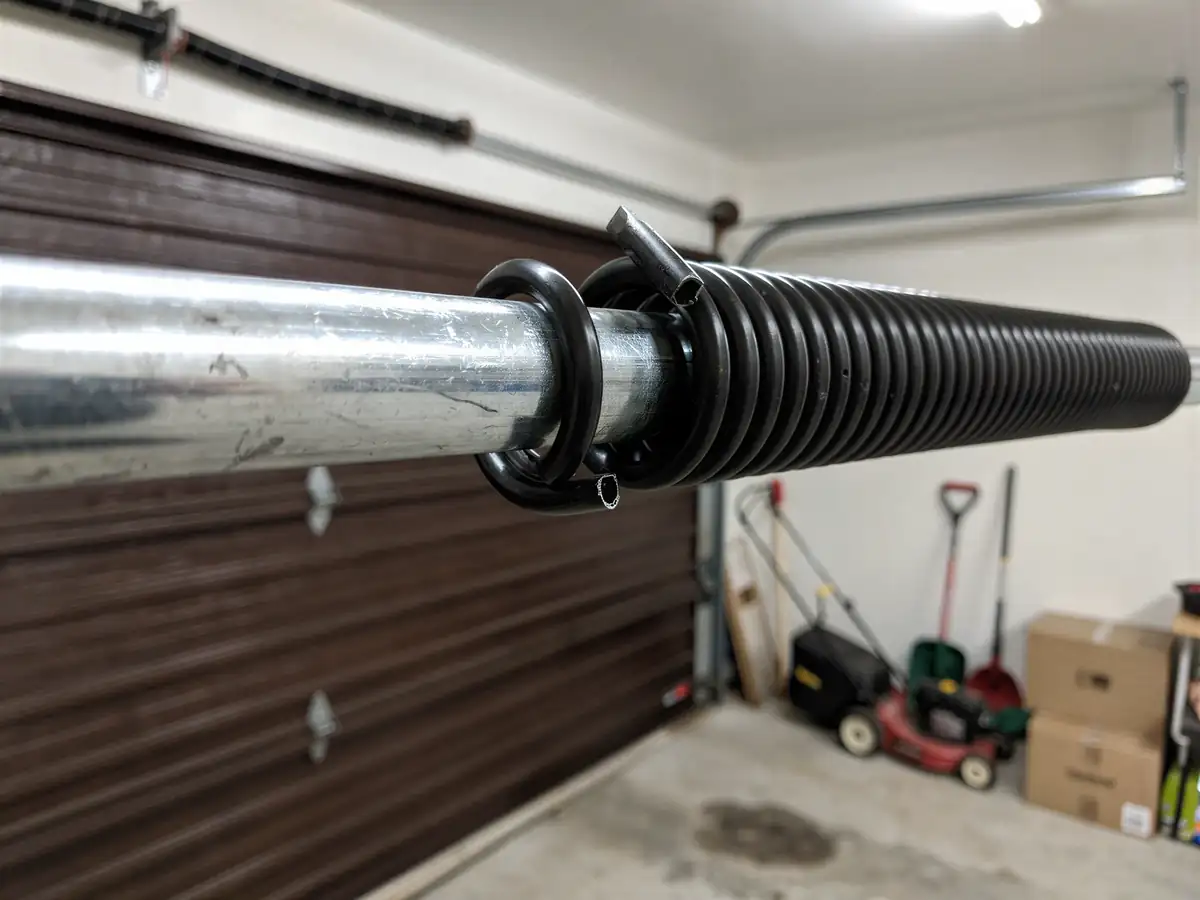
We stock for the climate band this part of Texas sits in - mild most of the year with occasional freeze stretches - which means we're not carrying heavy cold-weather lubricants or insulated panel stock that other regions need. What we do carry heavier on are torsion springs in the sizes that match older single and double doors, since that's the failure we see most on the Taylor side of our area.
We also carry standard roller and cable stock, a handful of common opener logic boards, and track sections that cover most of what a door from the 1970s-80s era needs. What we don't stock on the truck is anything custom - a specialty insulated panel order or an odd-width door built to a nonstandard opening. Houses from that build era sometimes have garage openings that don't match today's standard widths, and if that's the case, the repair turns into an order with a lead time instead of a same-visit fix. We'll tell you straight if that's what you're looking at rather than jury-rig something that won't hold.
The DIY Question
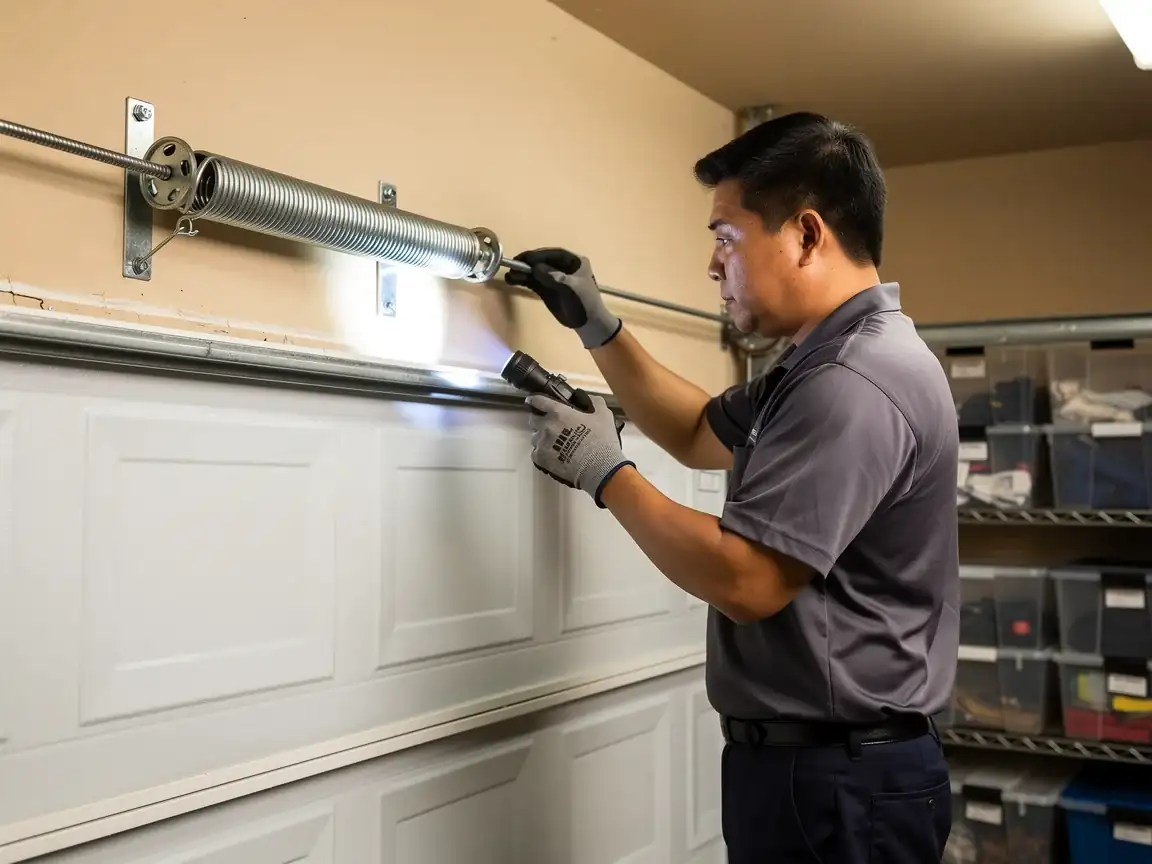
A torsion spring is not a weekend project
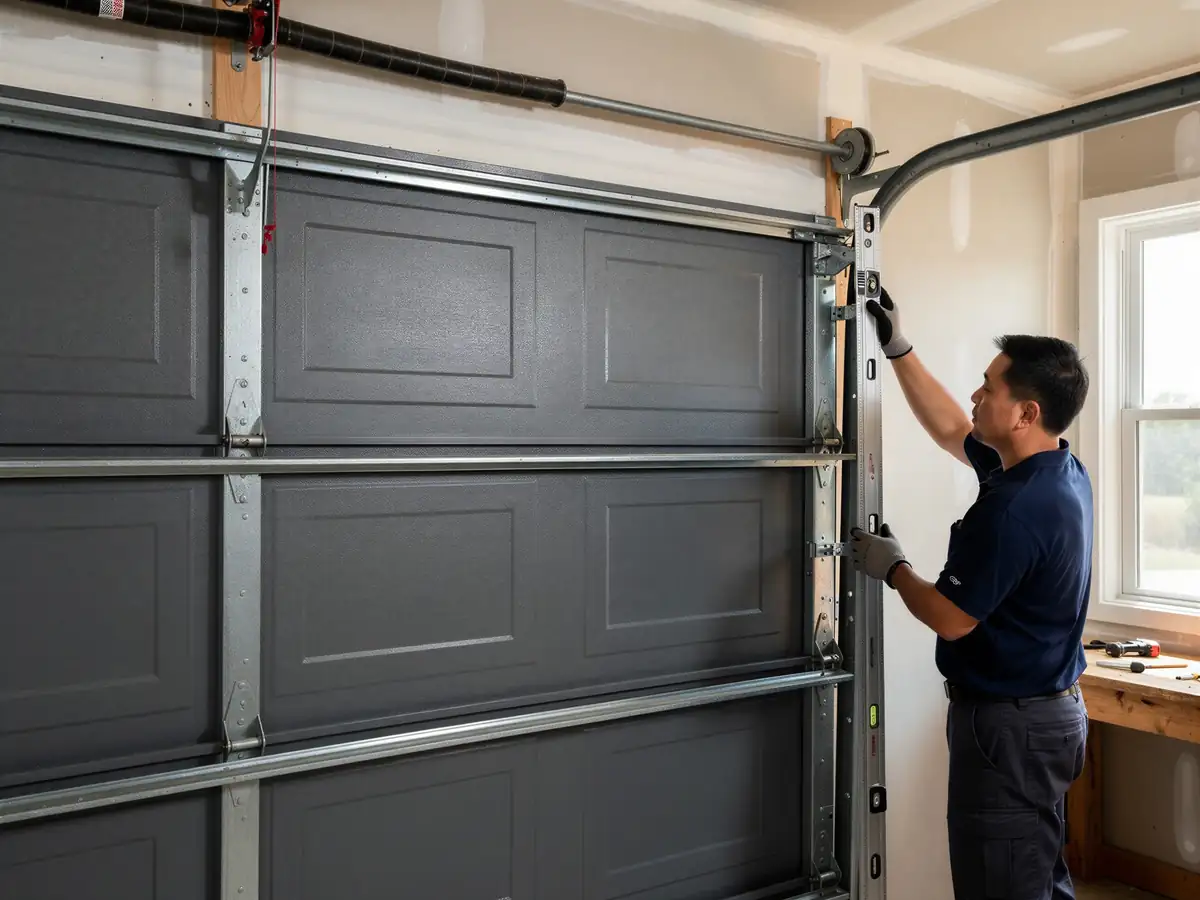
The spring on a double door is wound under enough tension to break a wrist or worse if the winding bars slip, and that risk doesn't change because the door is older or newer. If you've got a snapped spring, a cable off the drum, or a door that's come off its track, that's a call-us job, not a YouTube job.
What you can check yourself: the obvious stuff
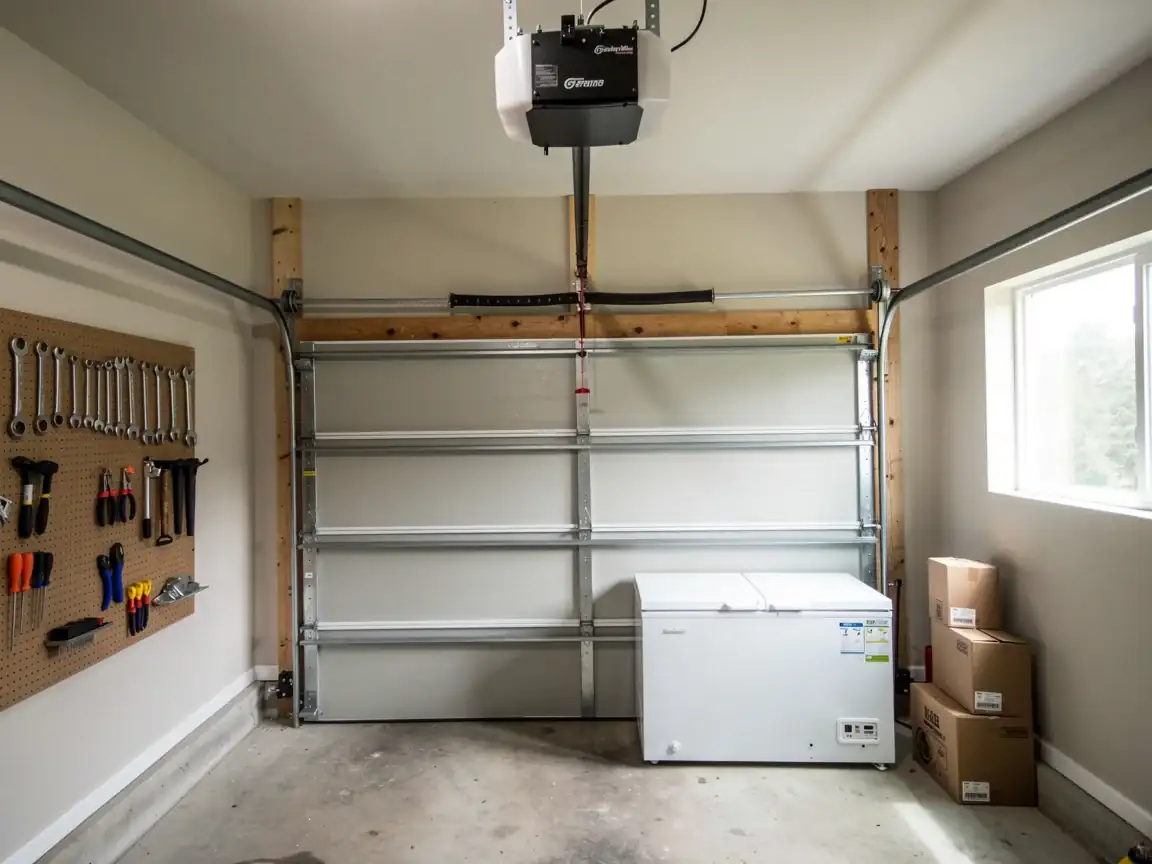
Is the opener actually getting power - a tripped outlet is more common than people think. Is the manual lock engaged on the inside of the door, which some owners flip without meaning to. Are the photo-eye sensors near the bottom of the track lined up and clean - on an older installation these get knocked out of alignment easily and the opener will refuse to close as a safety response. If none of that explains it, stop pulling on anything and call. On a door this old, forcing it can turn a spring replacement into a track and panel job.
What You Are Seeing
Loud bang, door won't move, sags on one side - that's a broken torsion spring, and on hardware from this era it's usually one spring taking the full load because the second one failed months earlier and nobody noticed until both were gone.
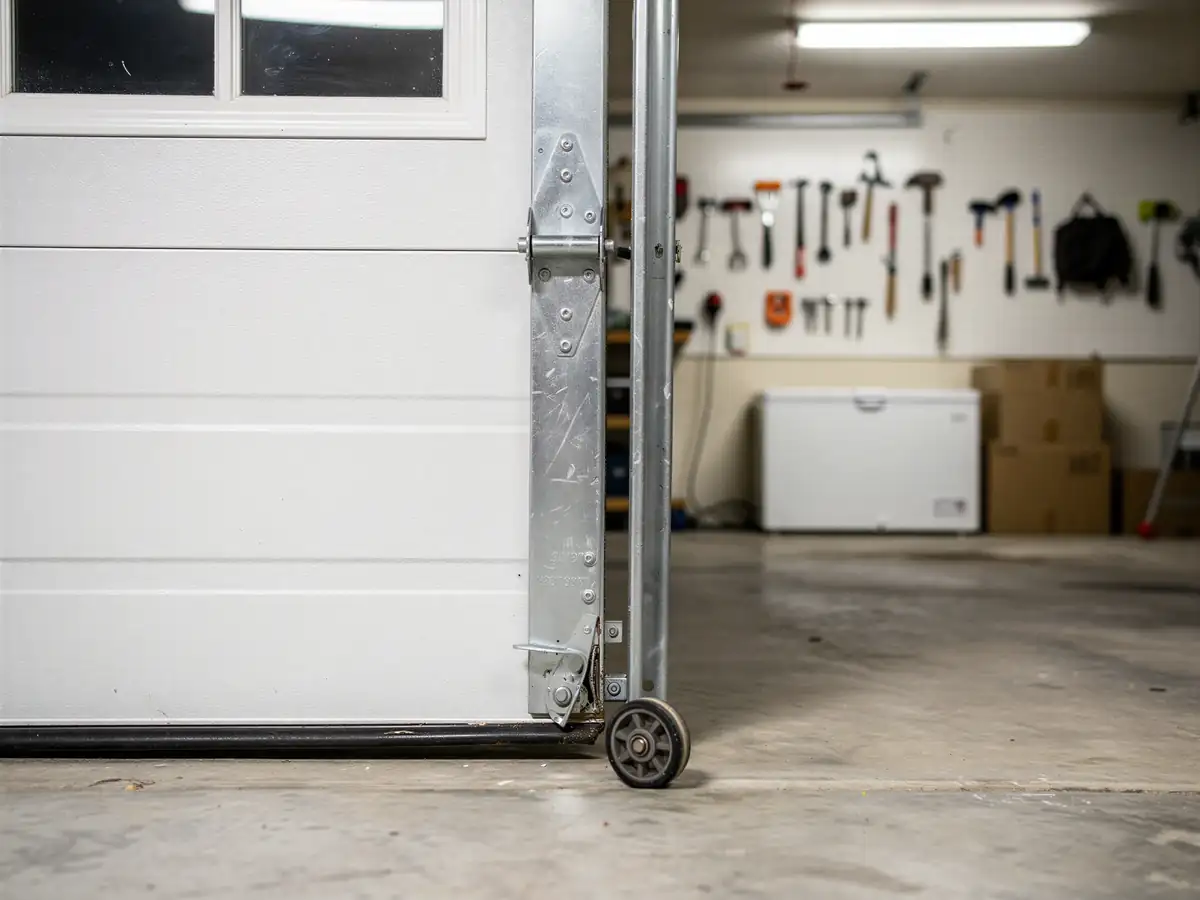
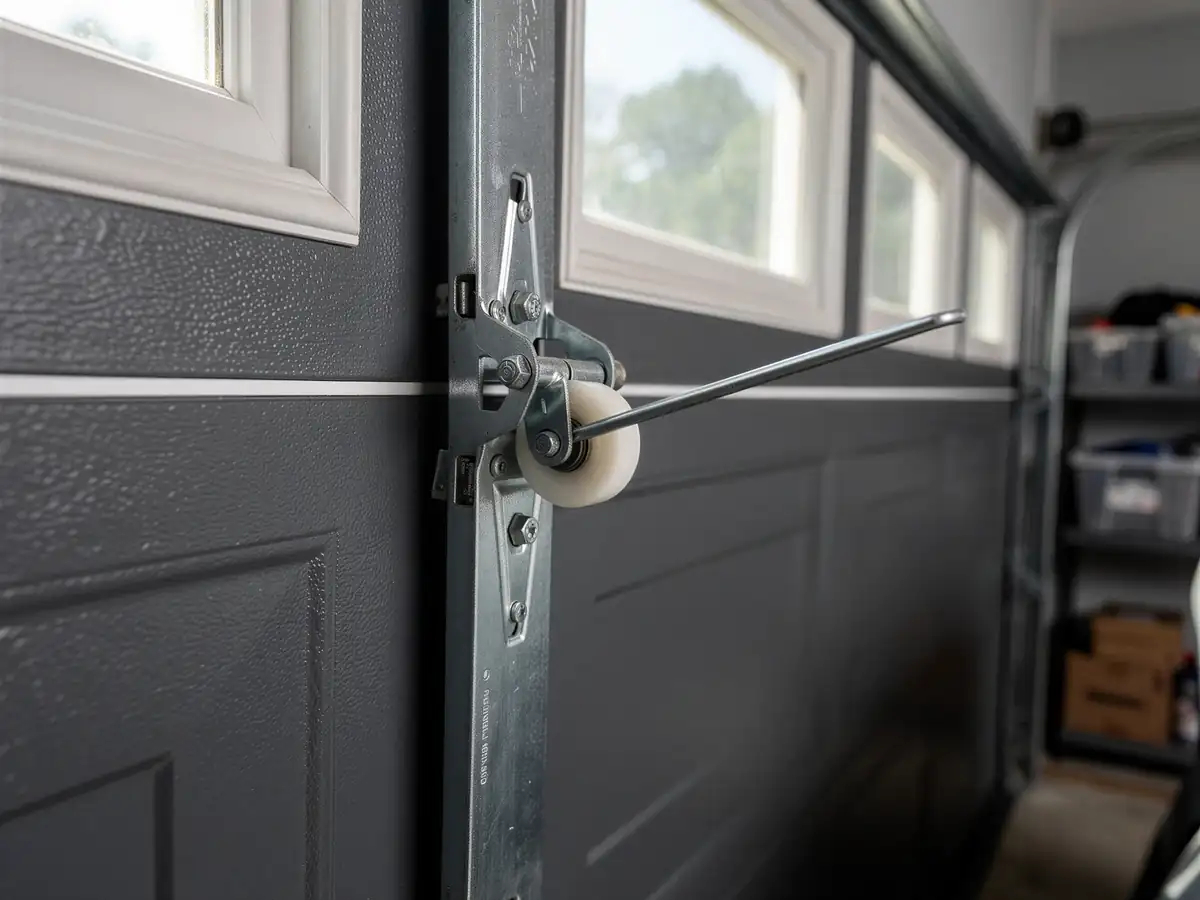
Door runs but grinds or catches partway - check for a bent track or a roller that's worn through, both common once a door's been in service a few decades.
Opener hums but the door doesn't move - could be a stripped gear inside the unit, which on an opener this old is often cheaper to replace outright than to repair, given how dated the parts are.
Door closes partway and reverses - the safety sensors, almost always, especially if the garage gets direct sun at a certain hour that throws off the eye alignment.
We're 7 miles out of Hutto to get to Taylor, so when you call, tell us which of these you're seeing - it helps us load the right parts before we're on the road instead of guessing once we're there.