Where This Job Goes Sideways
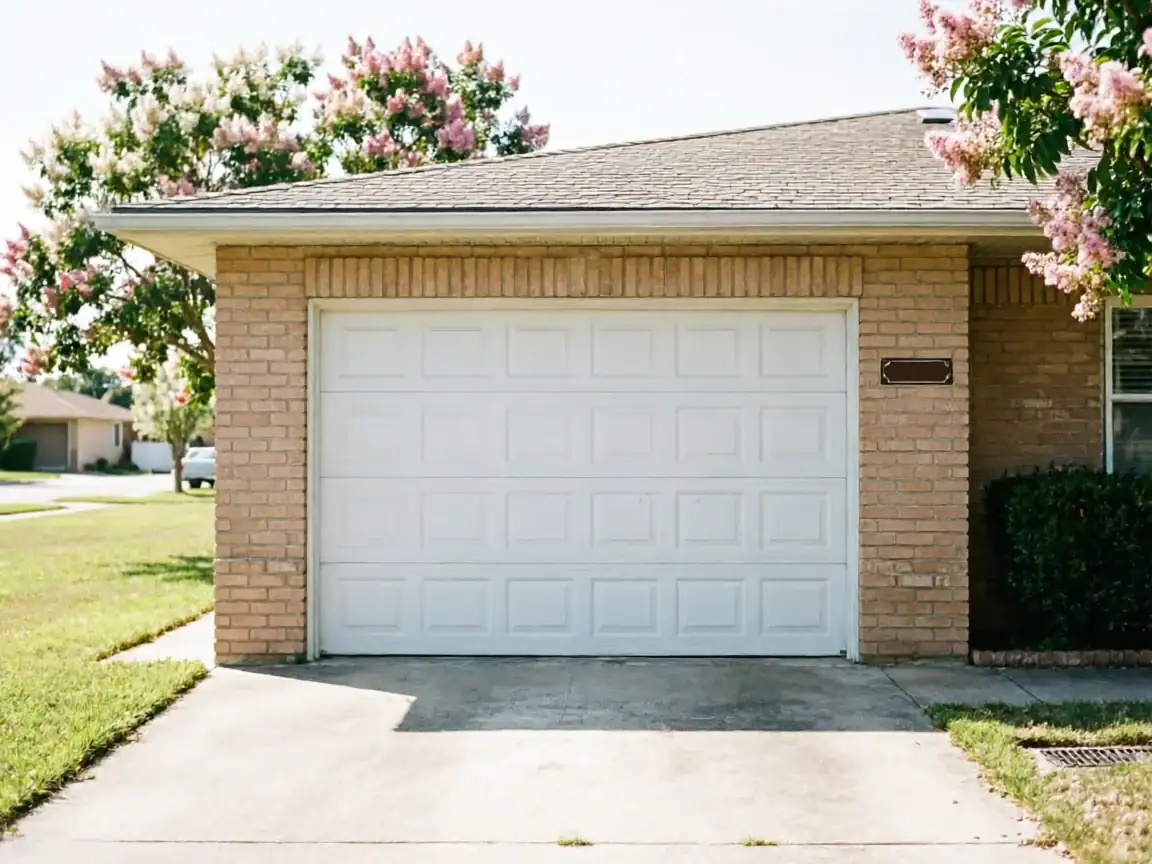
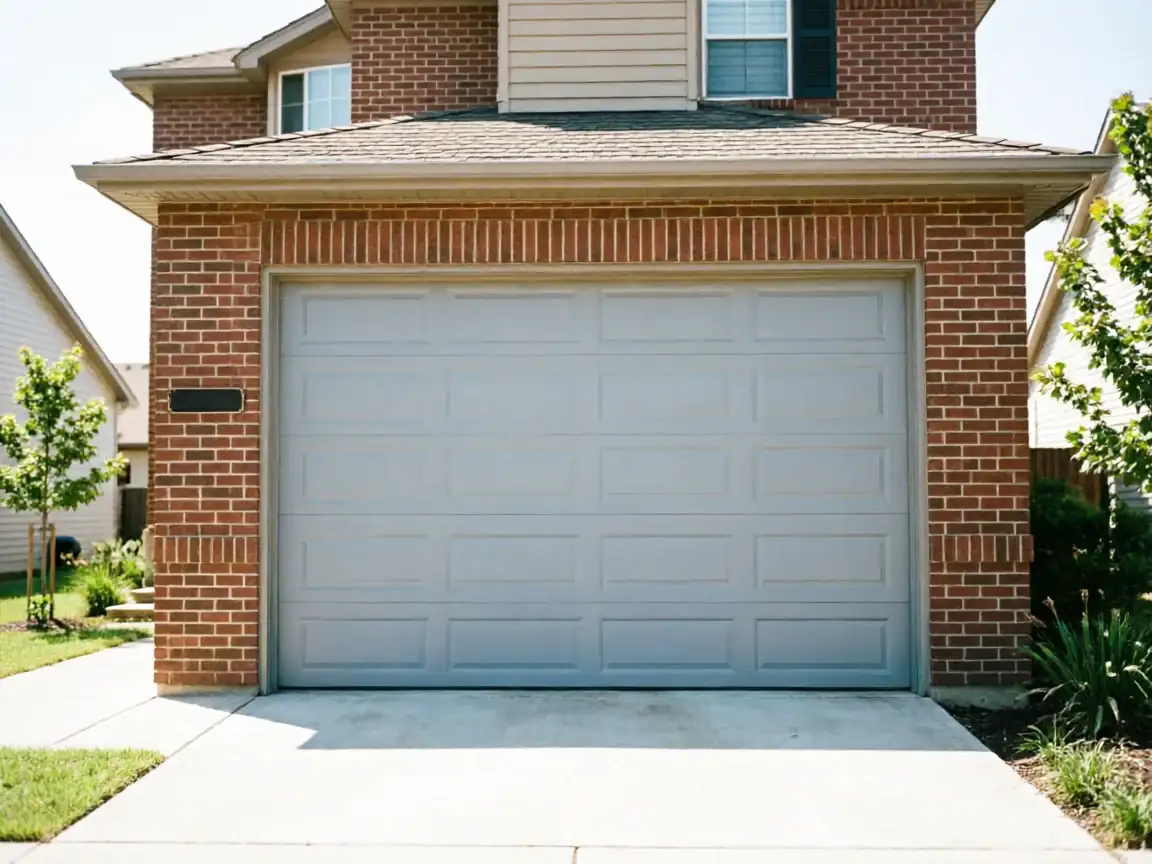
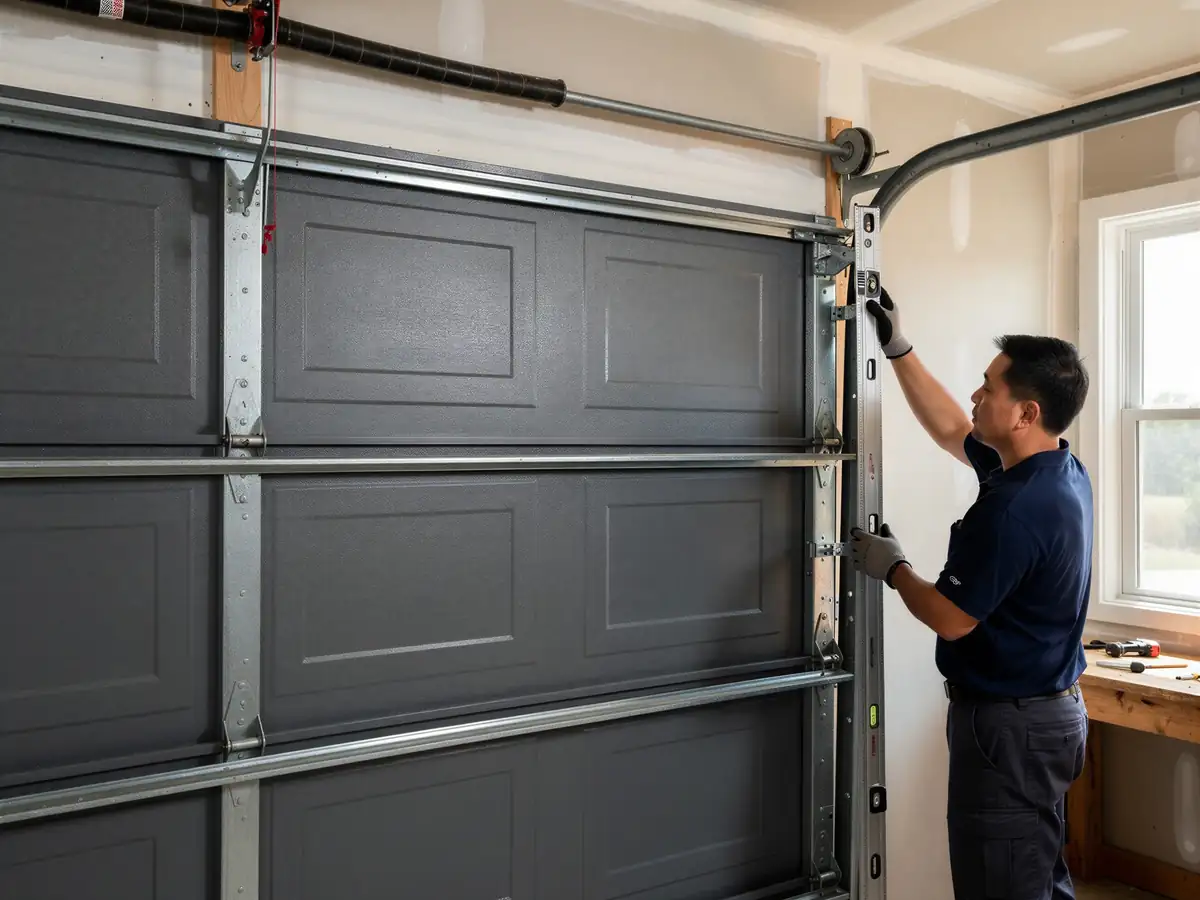
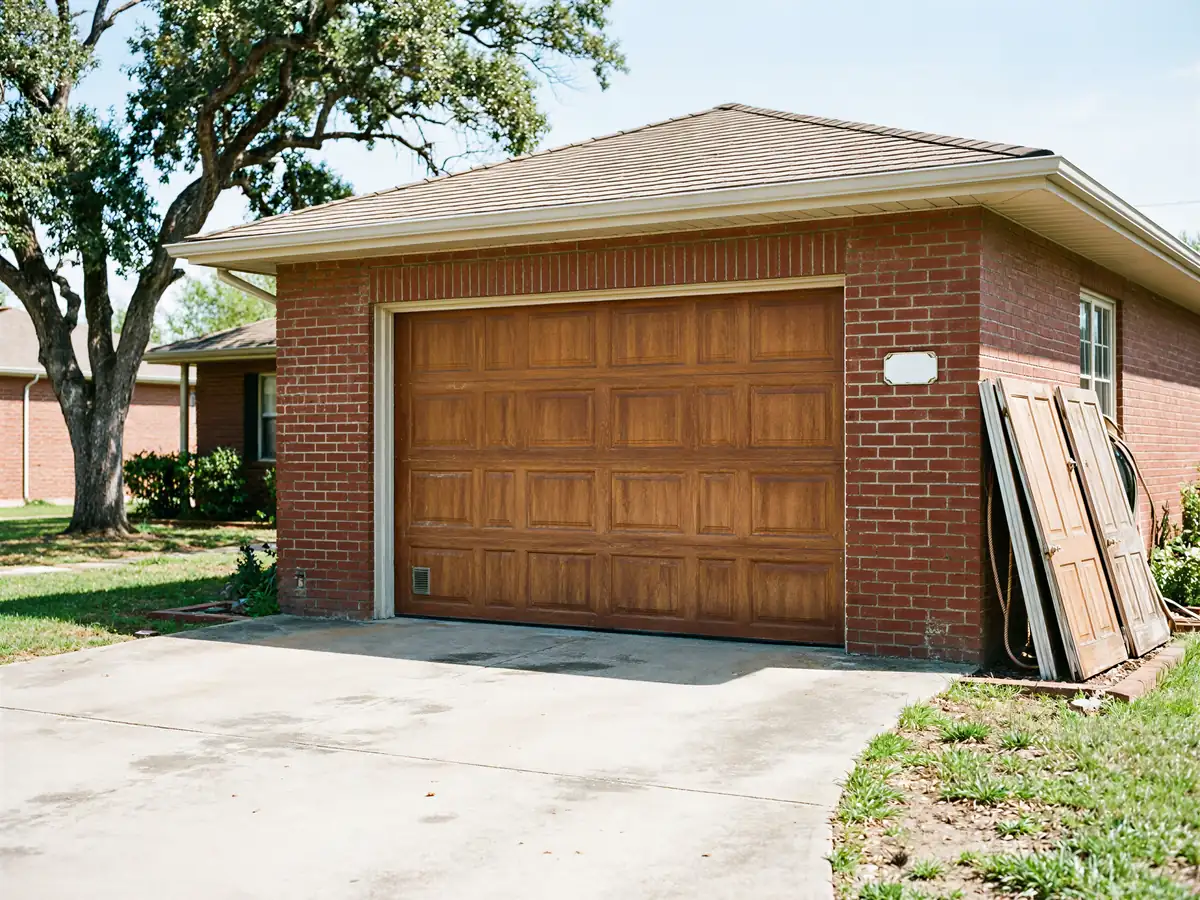
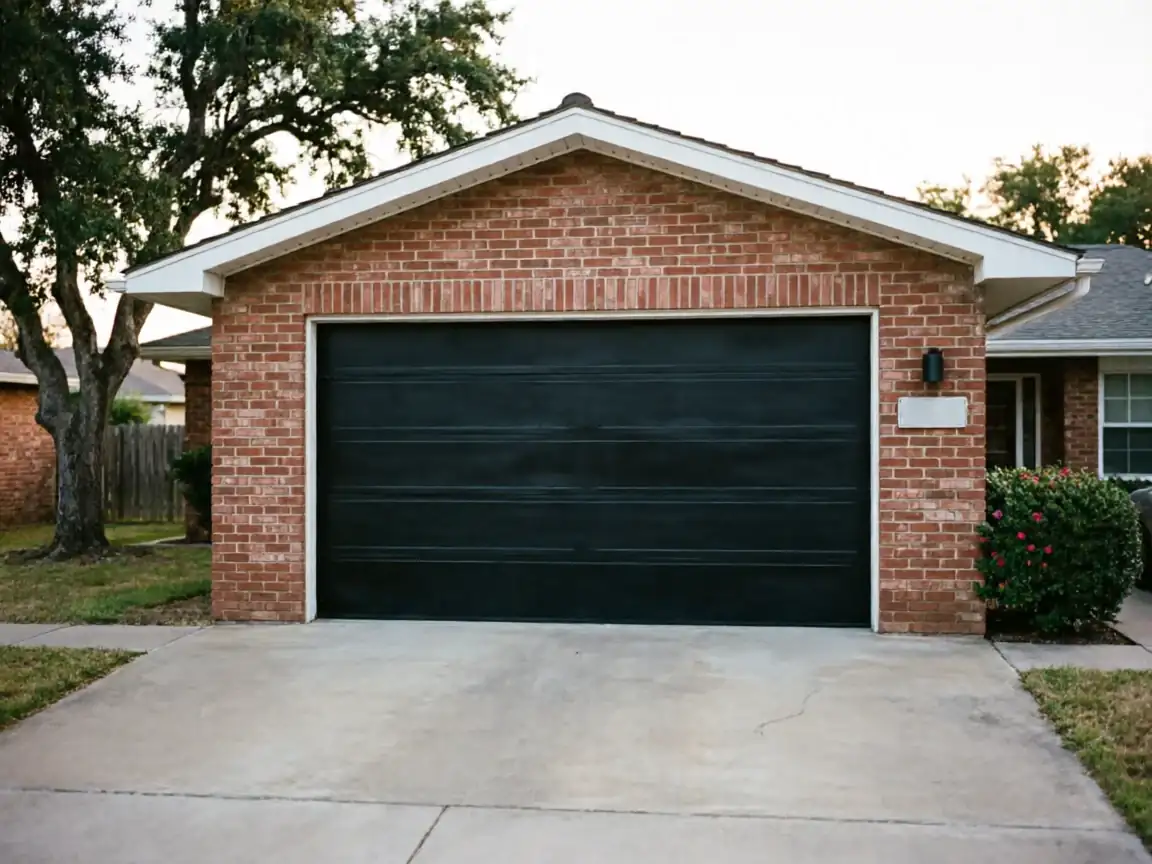
Taylor sits about 7 miles from our shop in Hutto, and the houses here tend to be older than what we see across the rest of the service area. The median build year across our whole territory lands around 1984, but Taylor's own housing stock centers closer to 1978. That six-year gap sounds small until you're standing in front of the door. A door from the late 1970s was likely set up with a different drum size and a different cable anchor than the doors built in the 1980s and 90s that make up most of the surrounding stock. When a cable snaps on one of these older setups, the fix isn't always a straight swap of what's on the truck for a newer house down the road. We've seen the anchor bracket mounted differently, the drum pitch slightly off from current standard, and the track gauge narrower than what ships today. None of that is a problem if we know to check it. It's a problem if we assume Taylor's doors match the newer builds we service more often. That's the first thing we look at before we touch a cable here, not after.
What Is on the Truck
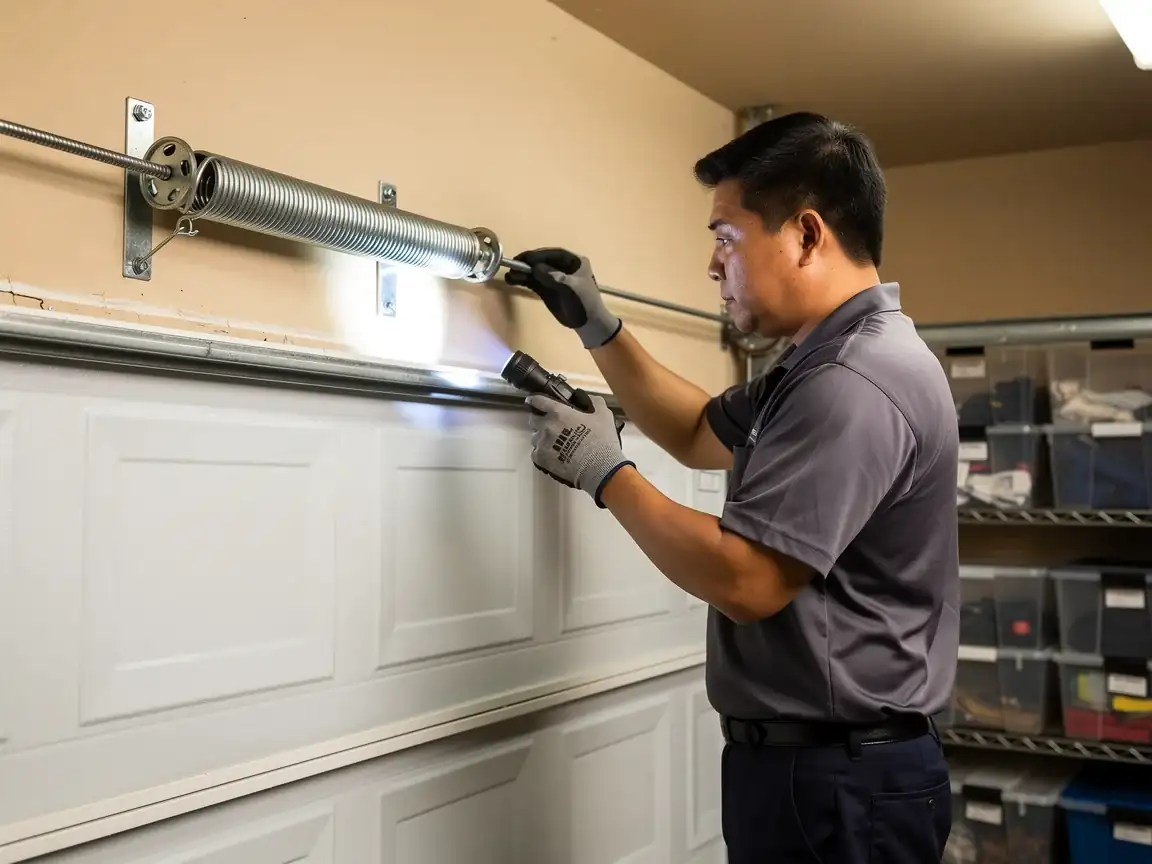
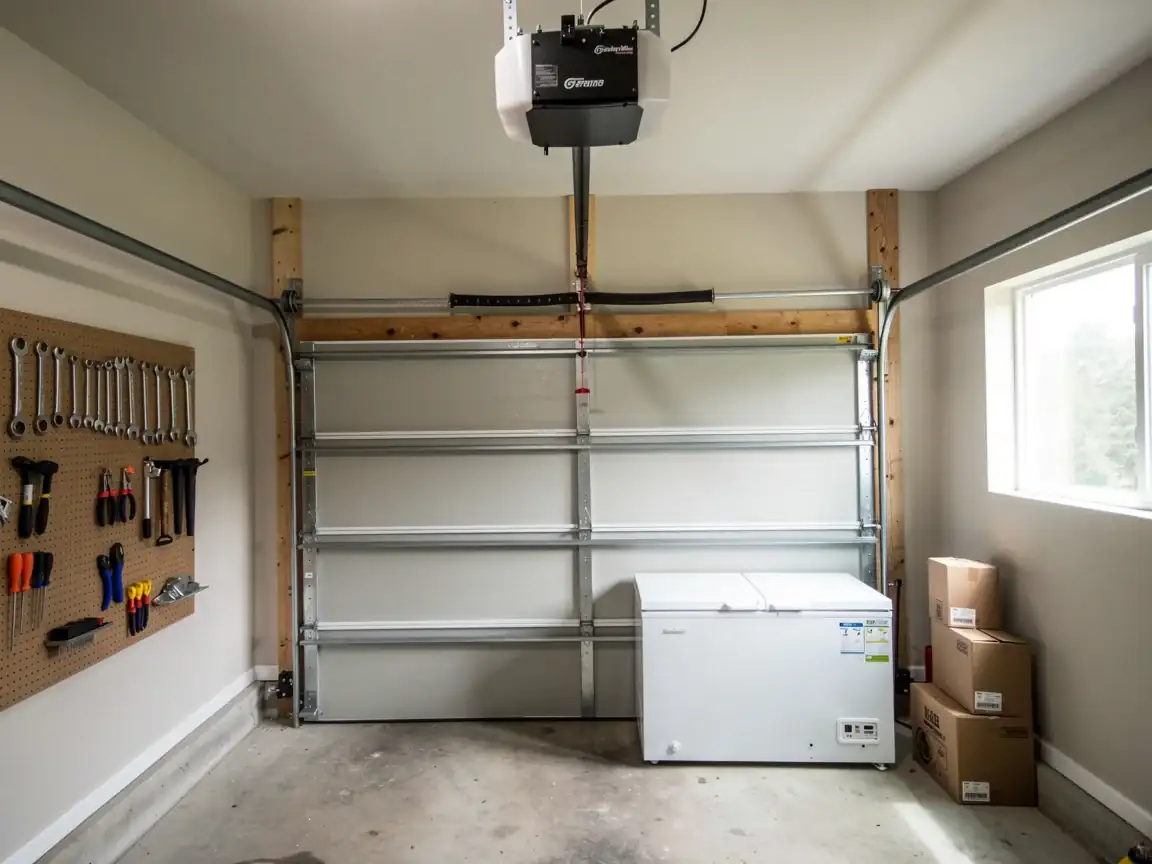
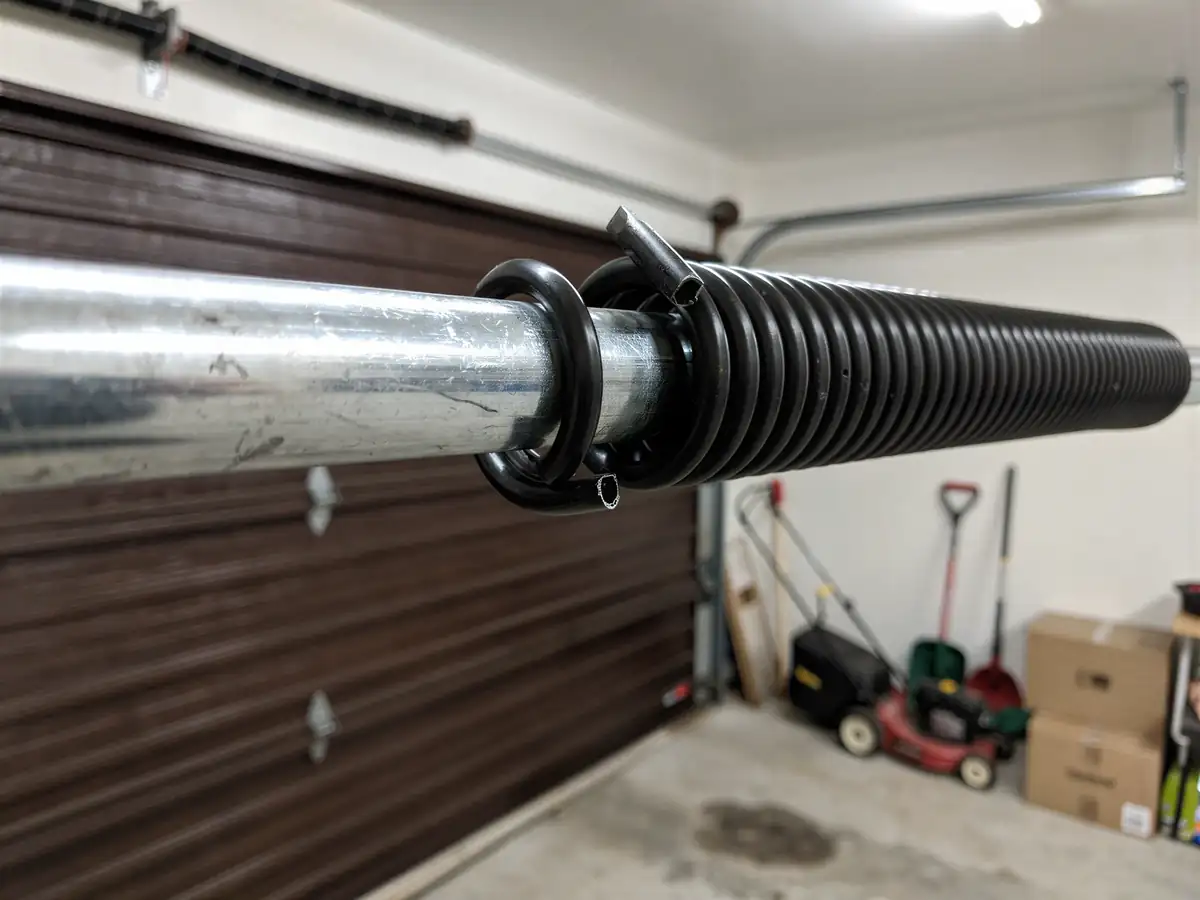
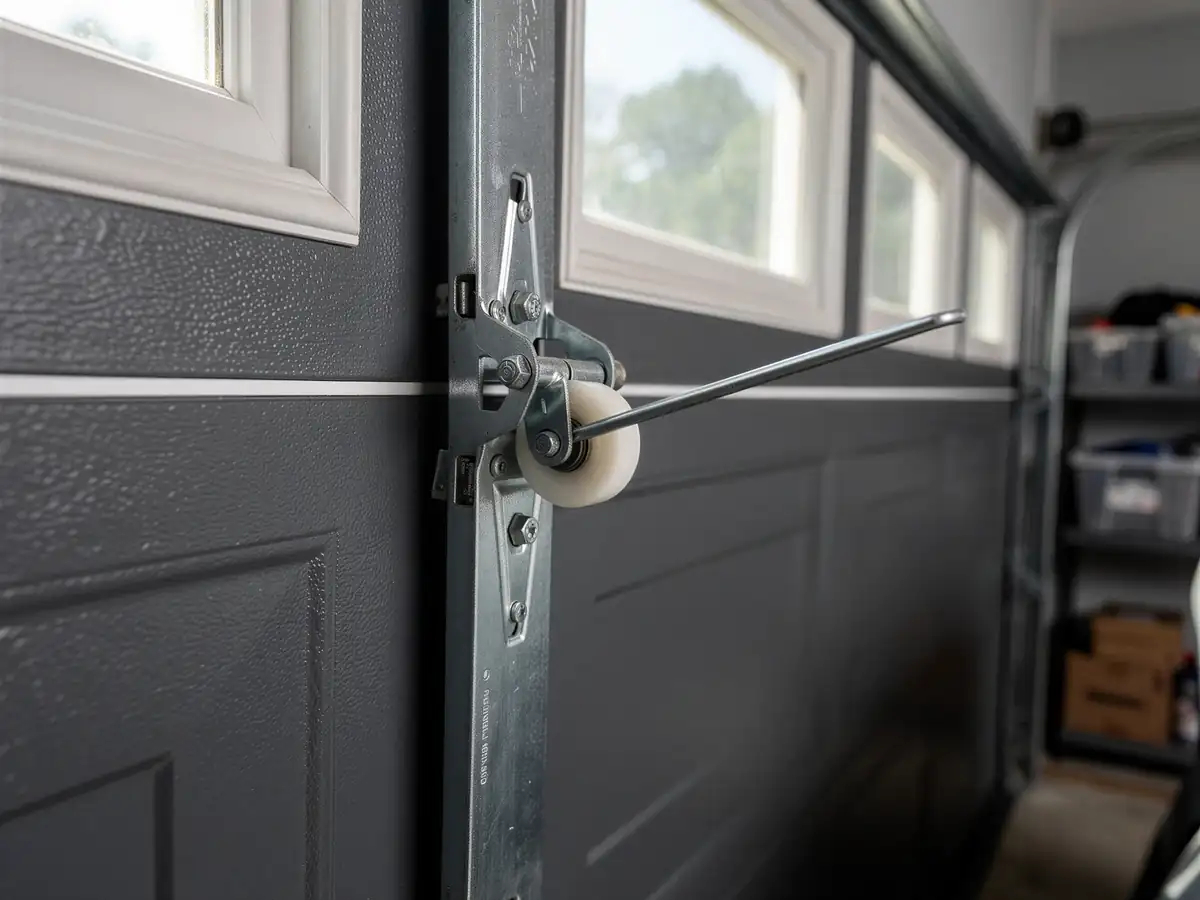
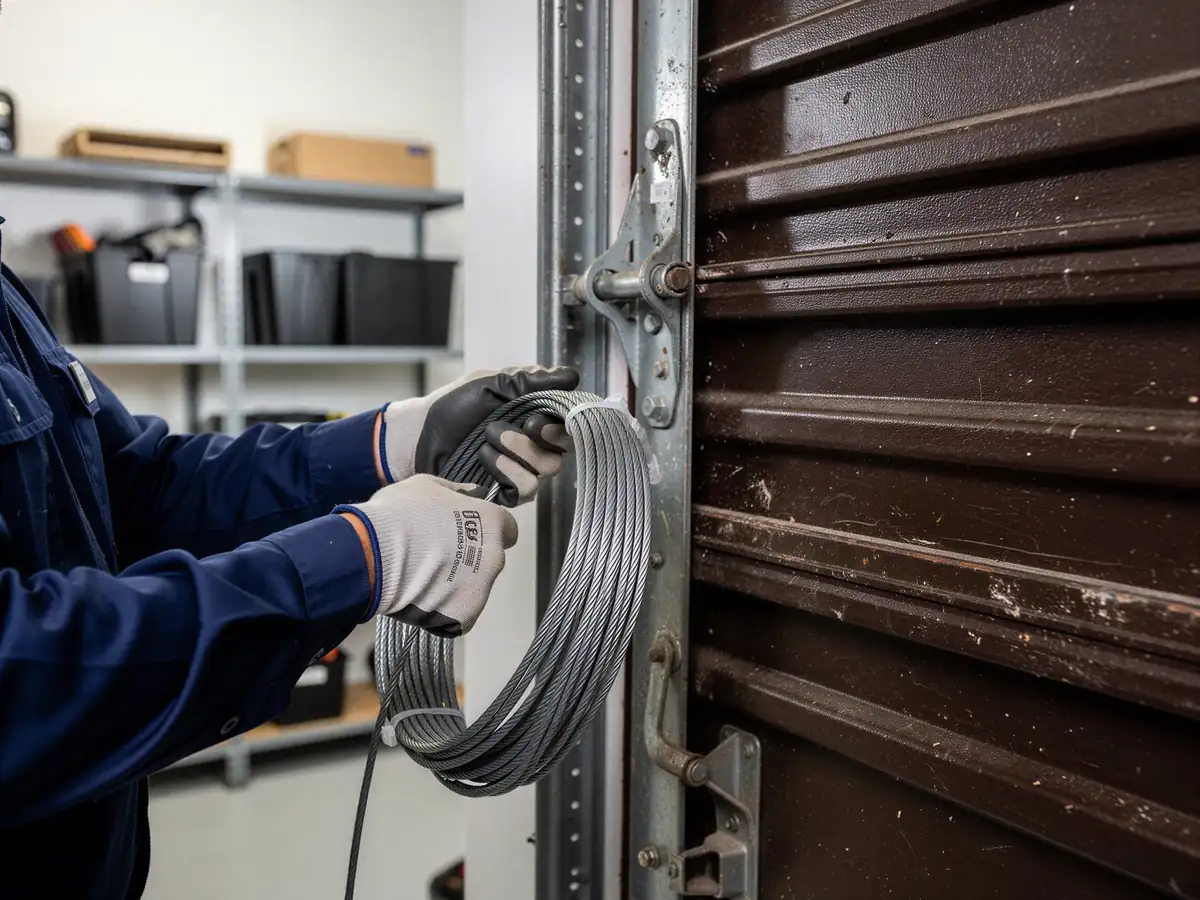
We carry cable in a few standard lengths and gauges because most doors we touch fall into a predictable range, but a house built in 1978 can throw a curveball. If the drum pitch is older than current spec, the stock cable we'd use on a 1990s door won't seat right, and we need the matching length cut and looped for that specific drum. We stock enough variety to cover both eras without a special order most days, but we won't pretend every oddball setup is sitting on the shelf. If a door has a drum or anchor configuration we don't carry a match for on the truck, we'll say so rather than force a cable that's close enough. That's the honest limit here: close enough on a cable is how a door comes down on someone's car a month later. Our mild-climate region doesn't stress cables the way hard freeze states do, but the galvanized coating still wears thin on older, more weathered hardware, which is part of why we check cable condition on both sides of the door, not just the one that broke.
What You Are Seeing
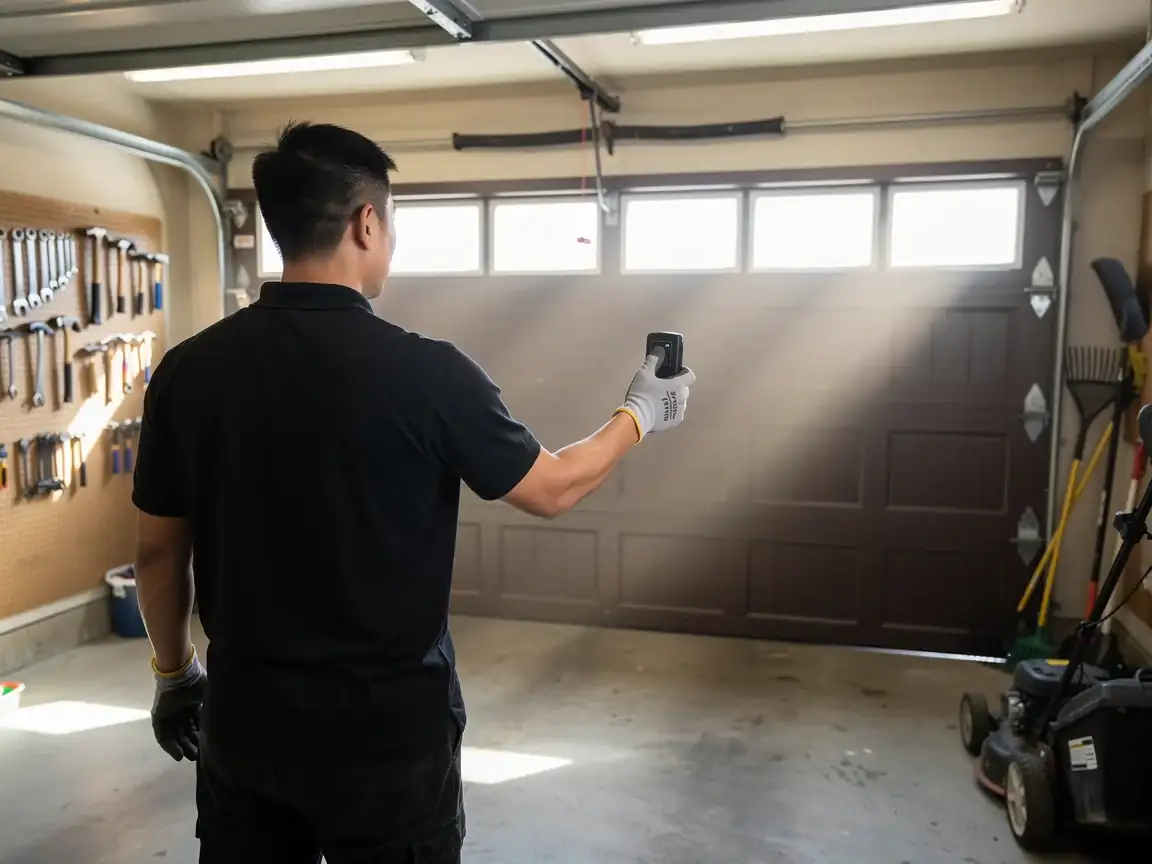
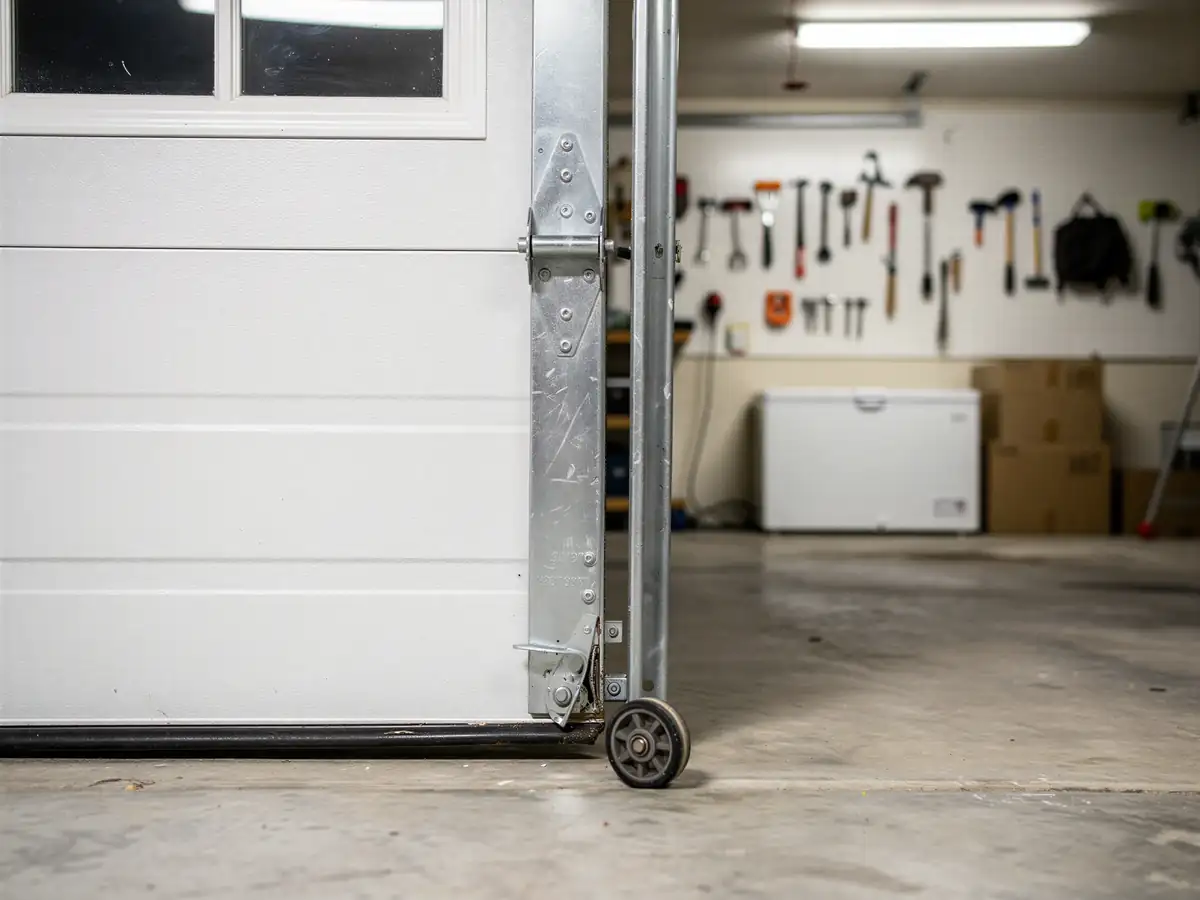
A broken cable usually shows up one of two ways: the door hangs crooked, dropped on one side while the other stays up, or it's come down fully and won't budge when the opener tries to lift it. On the older end of Taylor's housing stock, we also see cables that have started to unravel at the drum end before they fully part, a sign the drum itself may be original to the house. With roughly 6,587 households in Taylor and a median income here of $71,665, we know most folks want this fixed right the first time rather than patched twice. We check the drum, the track alignment, and the opposite cable whenever we replace one, because a cable rarely breaks for no reason, and whatever stressed the first one is usually working on the second.