Where This Job Goes Sideways
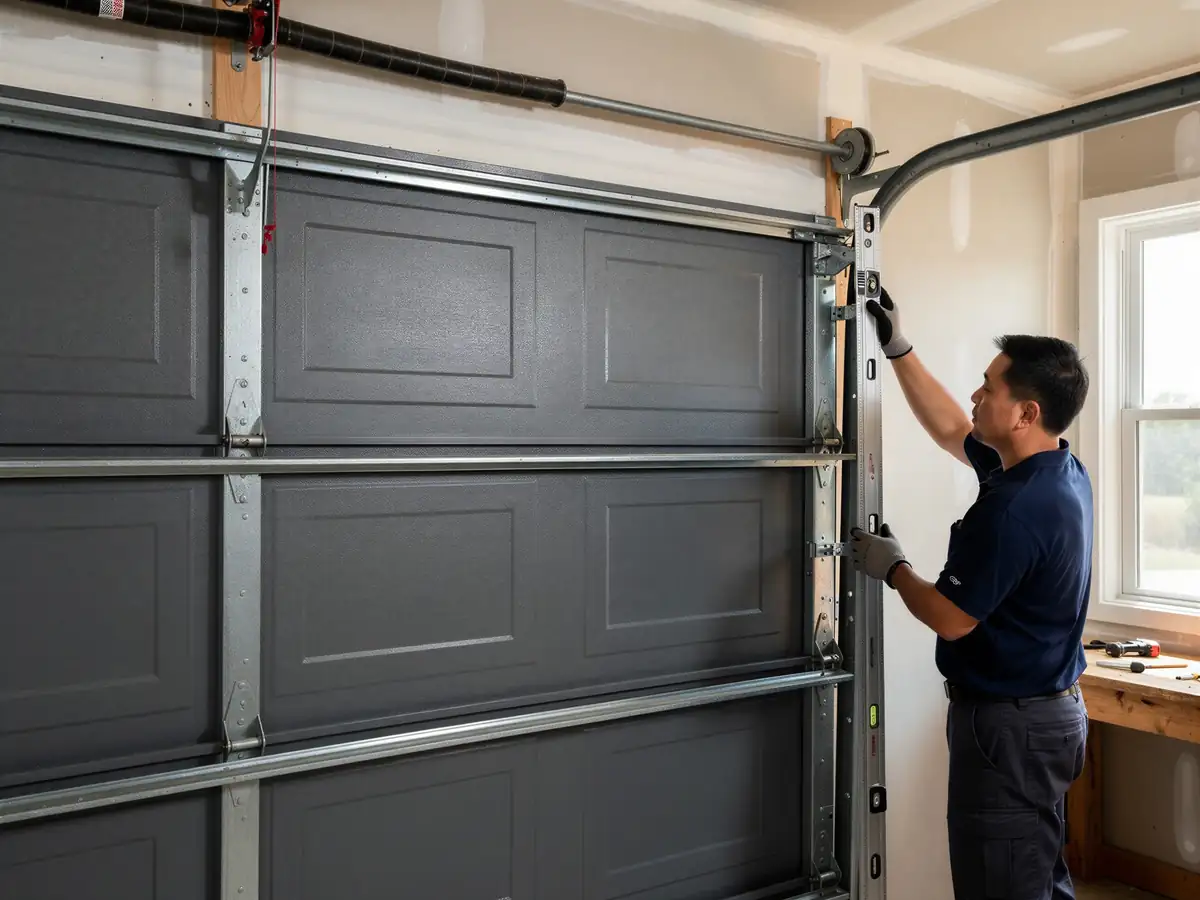
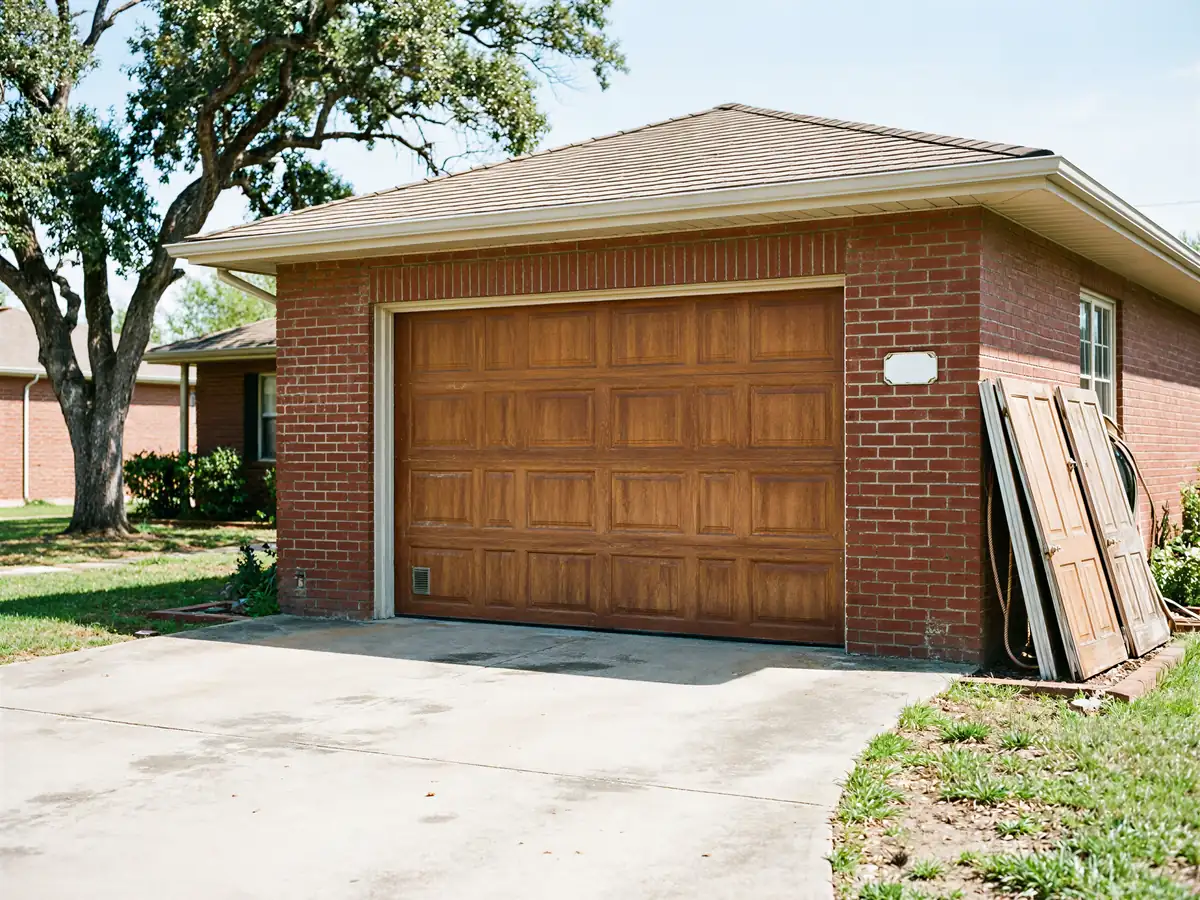
A lot of the doors we see out here went up around 1978, which puts Taylor's housing stock noticeably older than the broader service area's 1984 median. That matters for rollers because a door from that era almost always came with plain steel rollers riding directly on steel track - no nylon, no sealed bearing, just metal on metal with a thin coat of grease that dried out decades ago. Those rollers don't fail quietly. They groove the track first, and once the track has a groove worn into it, a straight roller swap won't fix the noise - you're also looking at track replacement or at minimum a track clean and realign.
The other way this goes sideways is the stem. Steel rollers of that vintage often used a stem shorter or a different gauge than what's sold today, so we carry a mixed stock rather than assuming one stem fits every door in Taylor. We've also seen doors here where a previous owner replaced one roller with a mismatched part, which throws the whole track alignment off on one side only. That's a ten-minute fix once we're looking at it, but it's not something you catch from a photo.
What Is on the Truck
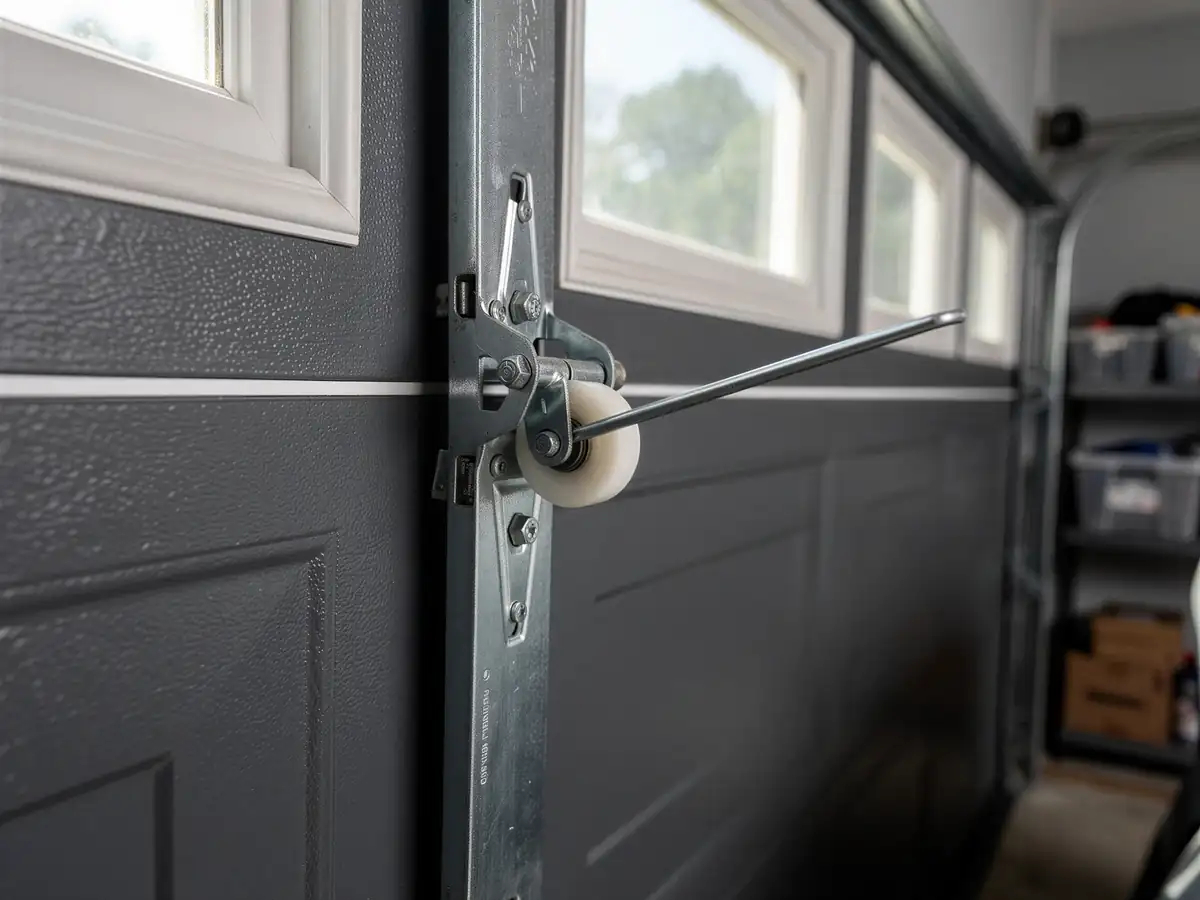
For a steel-roller door of Taylor's era, we carry nylon rollers with sealed ball bearings in the common stem lengths, plus the longer 7-inch stem for doors with extra clearance needs. We bring track sections too, because grooved track is common enough on doors this old that showing up without it means a second trip - and with a 7-mile drive each way from Hutto, nobody wants that.
We also carry roller brackets and the fasteners that match older steel door construction, since newer universal brackets don't always bolt up clean to a 1978-era panel without modification. What we don't carry is every possible stem length and bearing type for every manufacturer that ever made a door - if your door uses an unusual OEM part, we'll tell you that on site rather than guessing.
The DIY Question
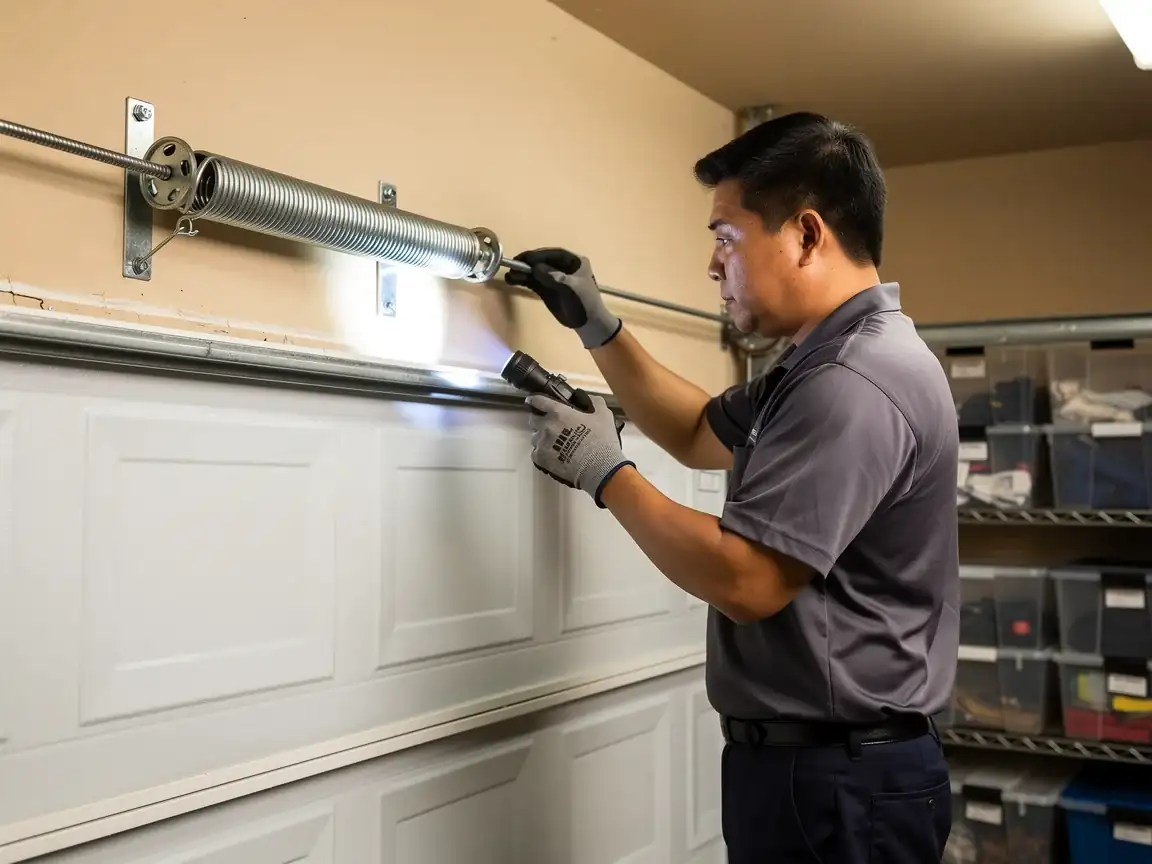
Swapping a single roller on a door this age is within reach for someone comfortable with a ratchet and patient about working near a loaded spring
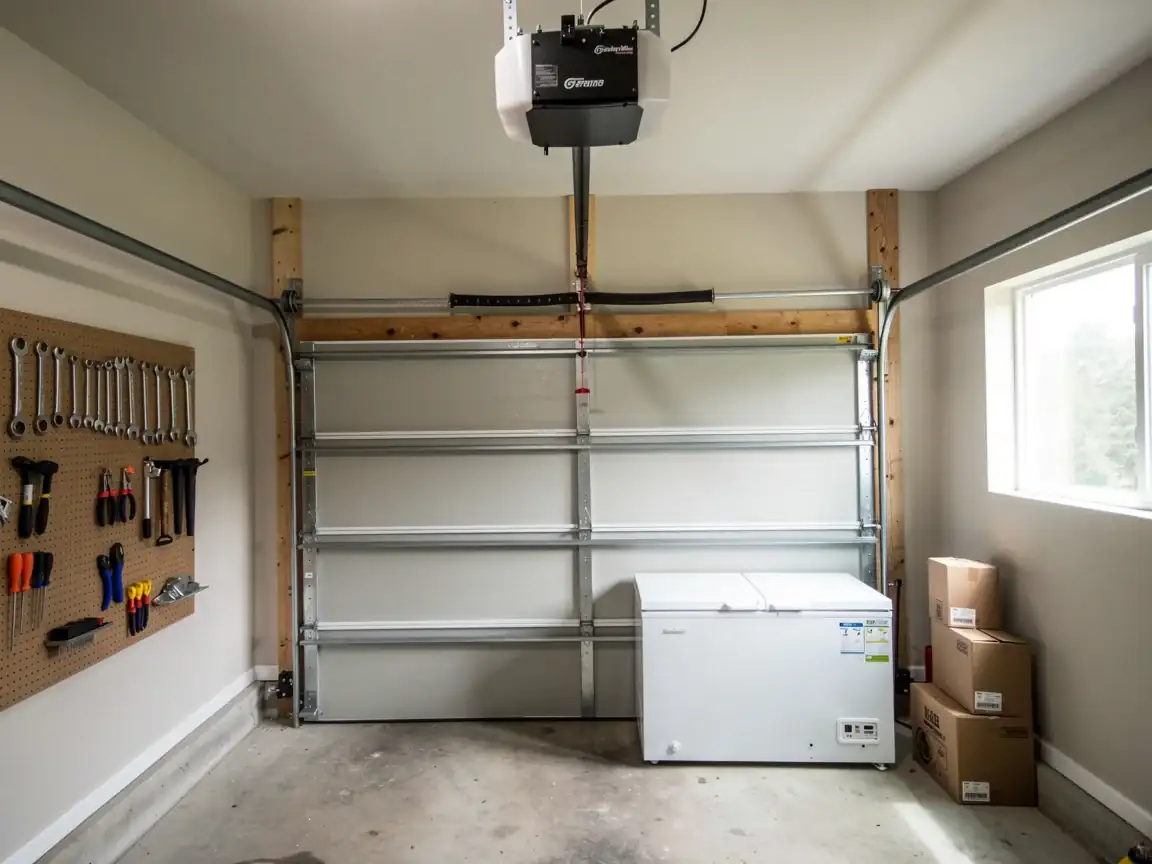
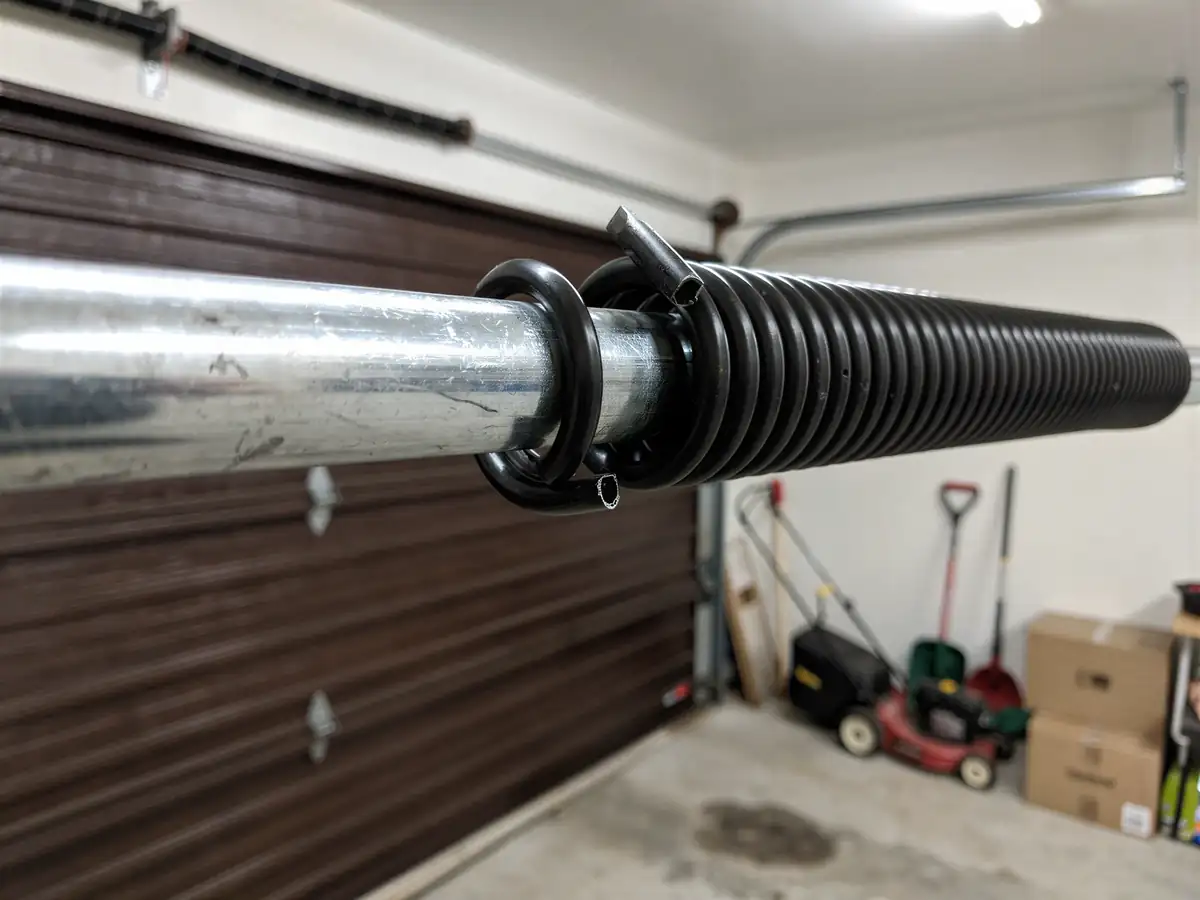
But the spring is the catch. On a door built when Taylor's housing stock was going up, the torsion spring has had roughly four and a half decades to fatigue, and disturbing the door to pull rollers can be the thing that finally lets a worn spring go. That's not a scare tactic, it's just how these doors age.
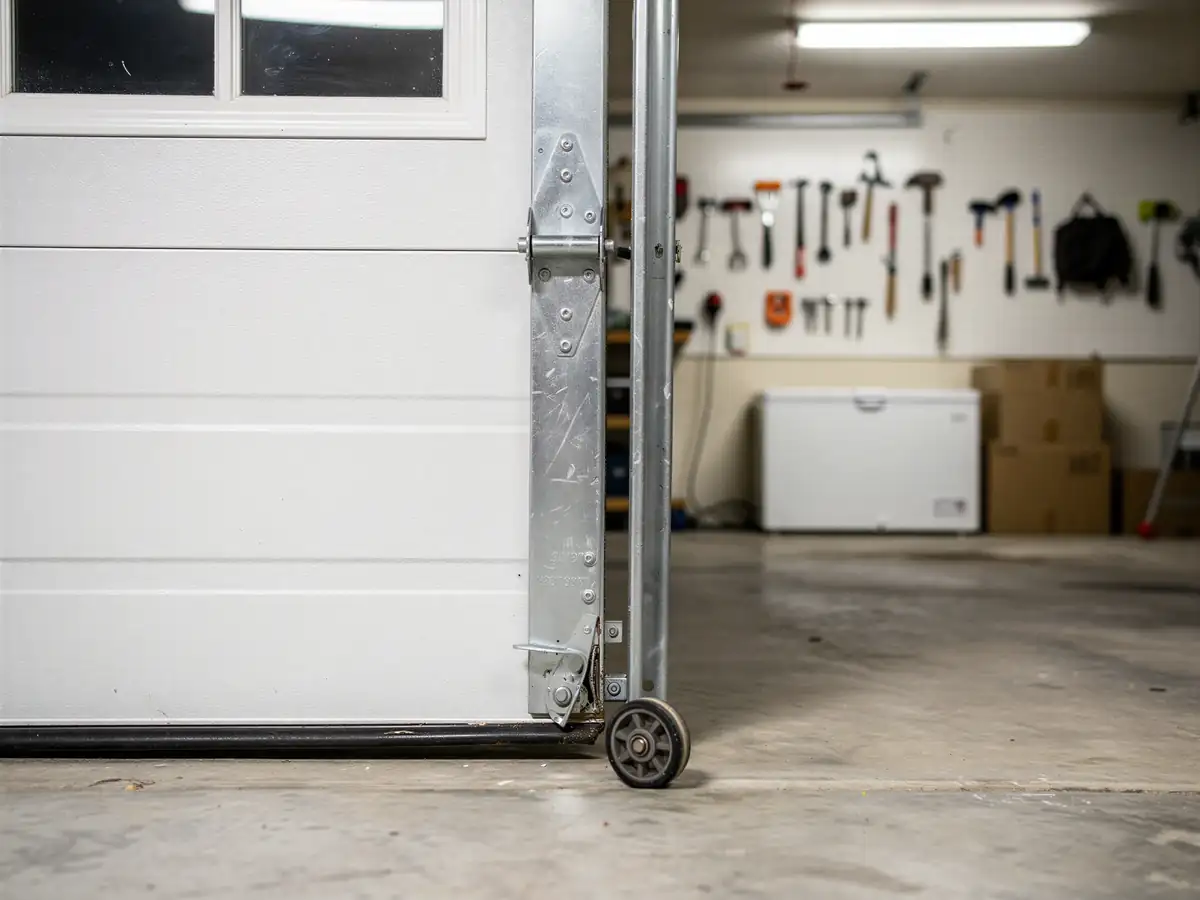
If the roller nearest the bottom bracket is the one failing, leave that one alone and call it in
That bracket holds spring tension and it's not a place to learn on. Rollers in the middle of the track are lower risk if you want to try it yourself, but check the track for grooving first. If you see a worn channel, a new roller will still rattle in it.
What You Are Seeing
A grinding or scraping sound as the door travels, worse at the same spot every time, usually means a roller has flattened on one side and is riding on bare steel instead of rolling. A door that jumps or shudders near the top of the track often means a roller has seized on its stem and stopped spinning altogether - it's being dragged, not rolled.
If the door looks like it's walking sideways in the track rather than lifting straight, that's usually a cracked roller allowing play, and on steel track from the late 1970s, that play wears a groove fast. With median household income here at $71,665 and about 6,587 households in Taylor, we see a fair number of these doors held onto a few years past when a quick roller swap would have been the cheaper fix - waiting rarely saves money on this particular repair.